Category: Travel Guide

Travel guides to popular places in working holiday countries.

  • 6 Best Places to Visit in France

    6 Best Places to Visit in France

    Paris
    Paris

    From the art capital of Paris to an abbey rising from the sea, purple lavender fields and the Mediterranean Riviera, France is full of dream destinations. Here are 6 of the best places to visit on your days off or travels during a working holiday.

    Paris
    No.1

    Paris

    The Eiffel Tower, the Louvre, the banks of the Seine — the whole of Paris looks like a painting. You could spend days just wandering museums, cafés a…

    Getting there:About 35–40 minutes by RER B from Charles de Gaulle to the centre

    Read the full guide →
    Mont-Saint-Michel
    No.2

    Mont-Saint-Michel

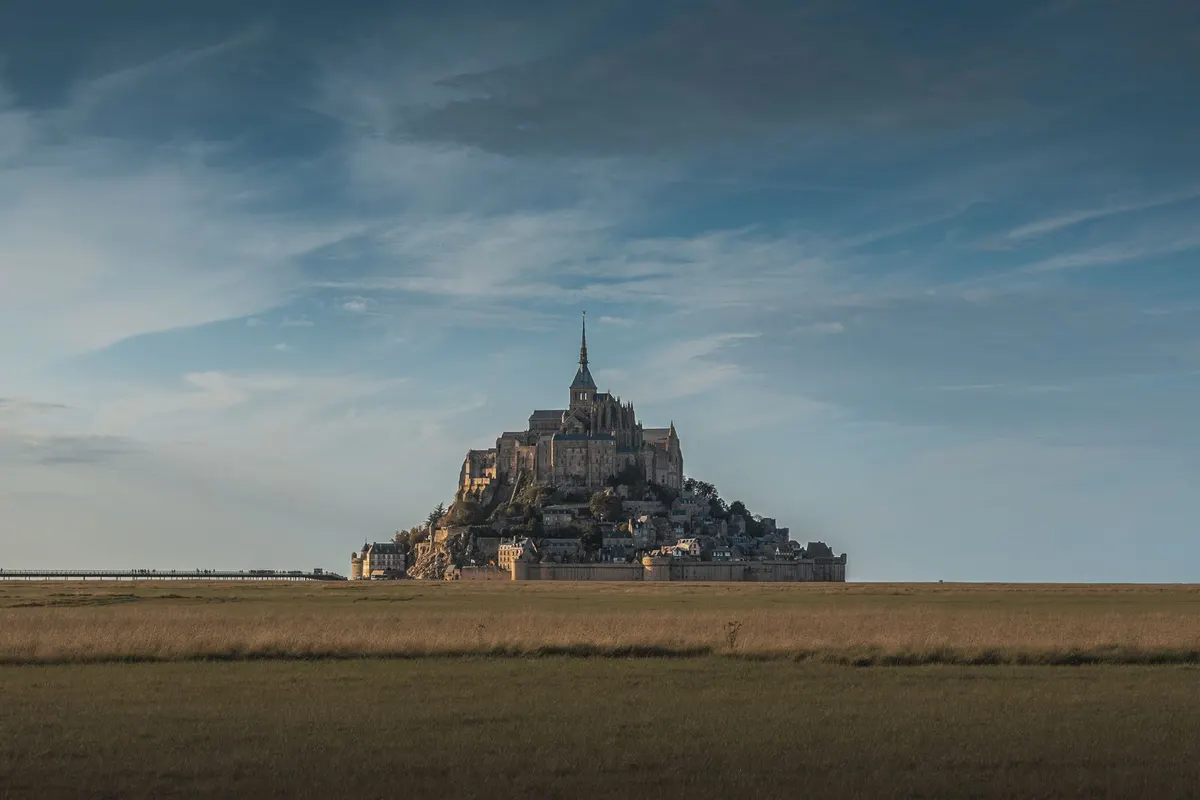
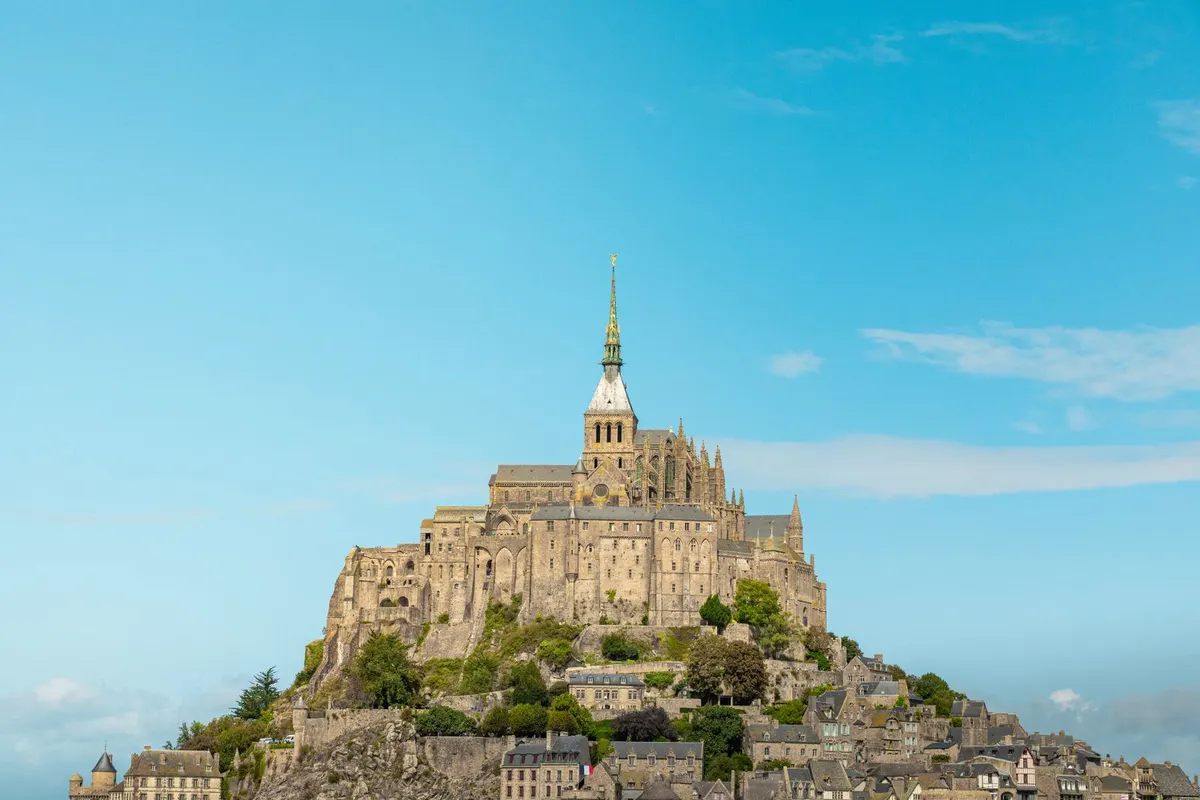
    Rising from the tidal flats of Normandy, Mont-Saint-Michel is a rocky island crowned by an abbey — known as the “Wonder of the West”. Depending on th…

    Getting there:About 3.5–4 hours from Paris by TGV and bus

    Read the full guide →
    Provence
    No.3

    Provence

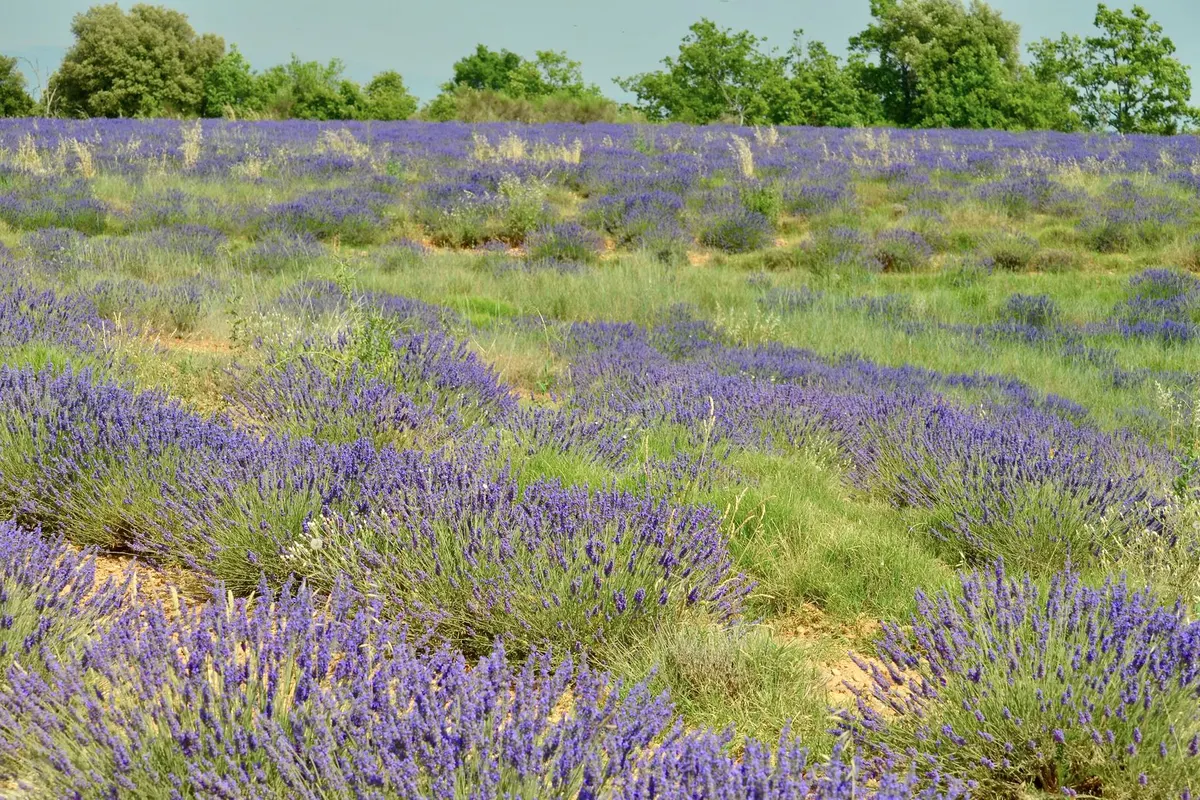
    Provence in southern France means purple lavender fields, hilltop stone villages and bright Mediterranean sun. From late June to mid-July the fields …

    Getting there:About 2 hours 40 minutes by TGV from Paris to Avignon

    Read the full guide →
    Nice
    No.4

    Nice

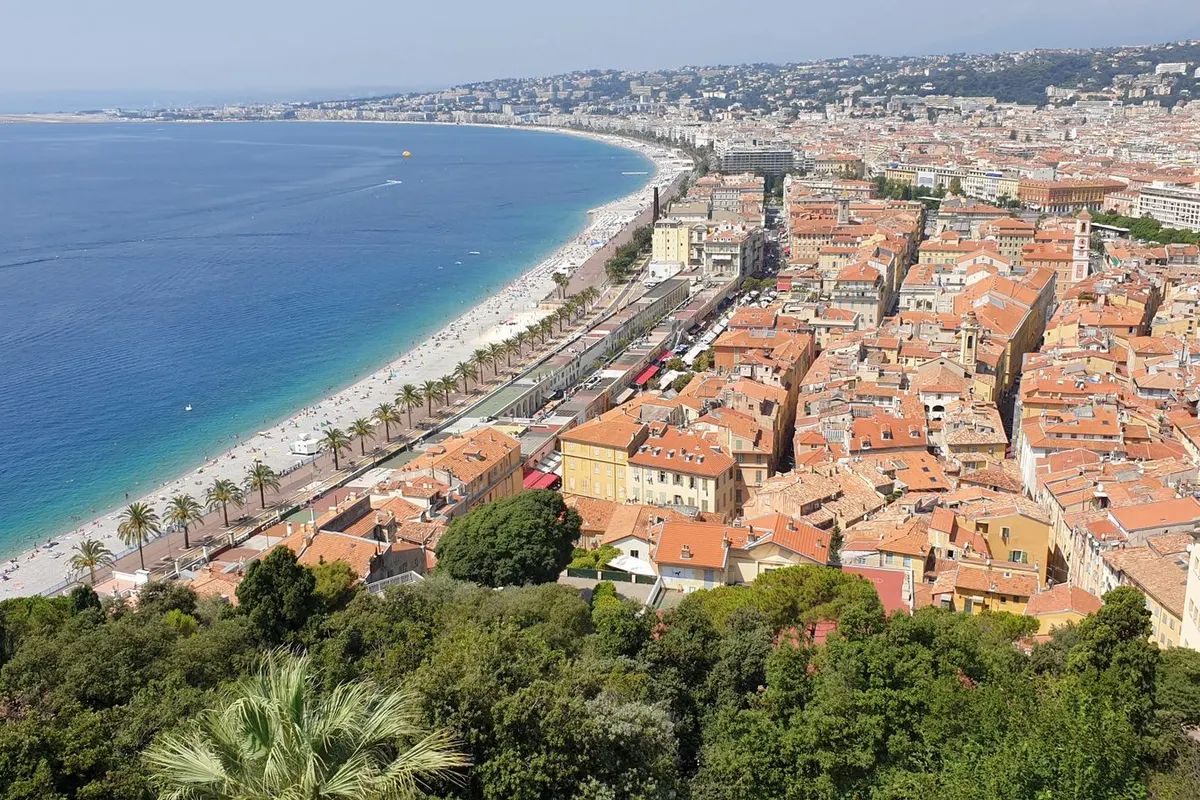
    On the deep-blue Mediterranean, Nice is the queen of the Côte d’Azur, the French Riviera. With the seafront Promenade des Anglais, a colourful old to…

    Getting there:About 1 hour 20 minutes by plane or 5 hours 40 minutes–6 hours by TGV from Paris

    Read the full guide →
    Palace of Versailles
    No.5

    Palace of Versailles

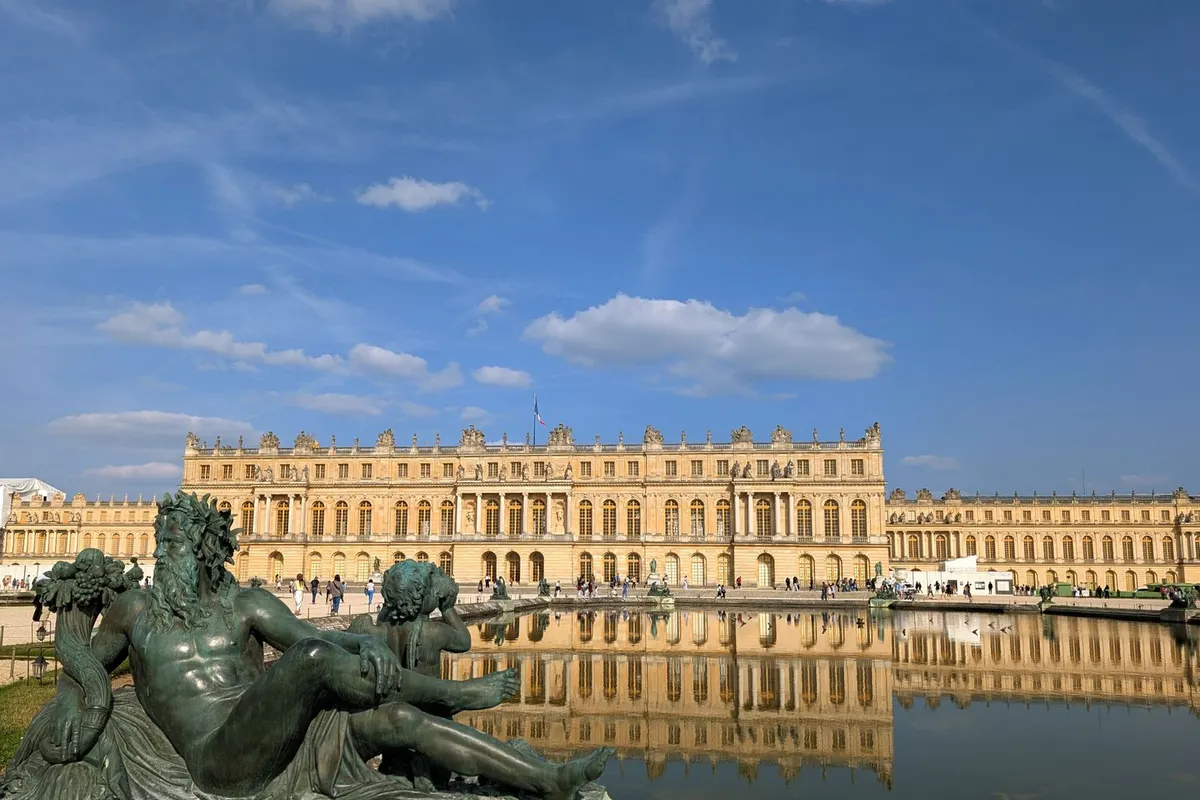
    Louis XIV’s dazzling palace and vast gardens, with the unforgettable Hall of Mirrors. Timed entry; closed on Mondays.

    Getting there:About 40 minutes by RER C from central Paris
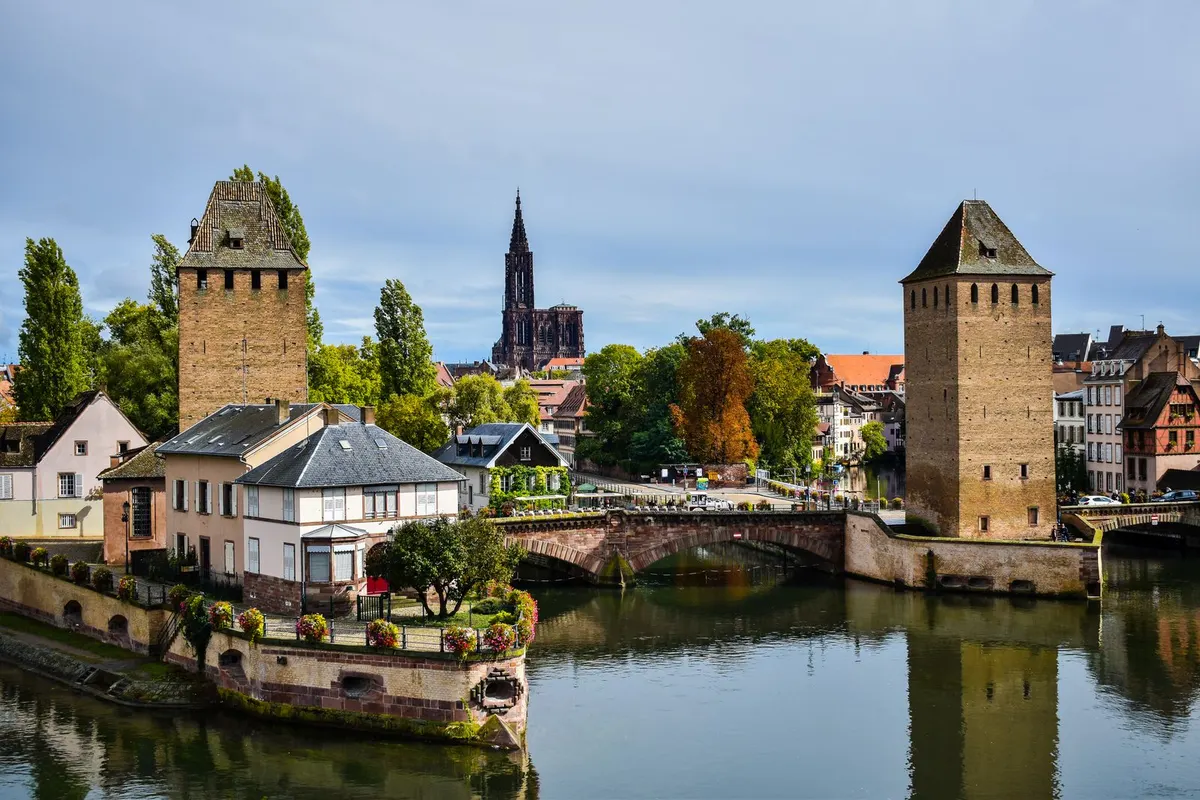
    Strasbourg
    No.6

    Strasbourg

    The capital of Alsace, with half-timbered houses along canals, a soaring Gothic cathedral and a famous Christmas market.

    Getting there:About 1 hour 50 minutes by TGV from Paris Gare de l’Est

    FAQ

    What are the most popular places in France?

    Paris is the obvious favourite, followed by Mont-Saint-Michel, Versailles, Provence and Nice.

    How do I get around?

    TGV high-speed trains link the major cities; book early for cheap fares, or try low-cost OUIGO trains.

    When is the best time to travel?

    April–June and September–October overall, May–October in the south, and December for Alsace’s Christmas markets.

    Which city is best as a working holiday base?

    Paris has the most jobs; Lyon, Nice and Bordeaux are popular too, and French opens many more doors.

    Planning a working holiday in France?Visa basics and a take-home pay calculator.
    France guide →

    Photos: Pexels
  • Nice Travel Guide

    Nice Travel Guide

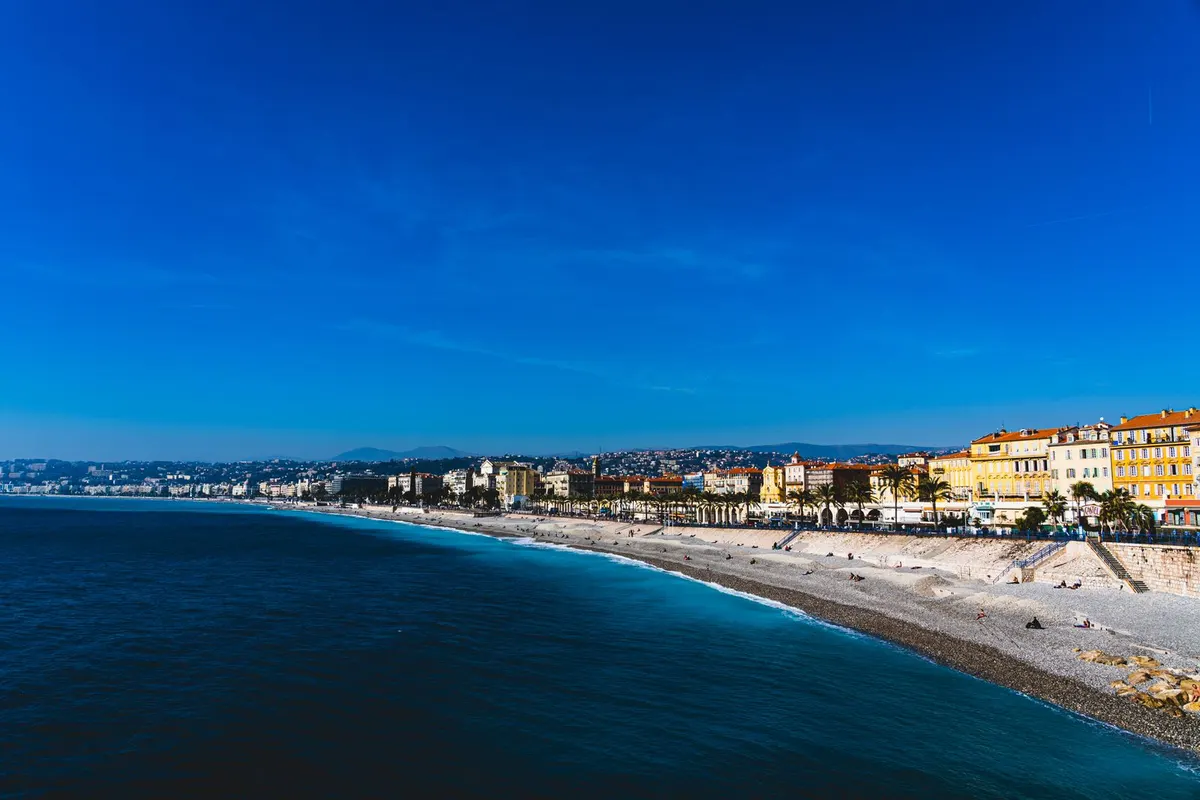
    Nice's coastline and old town from above
    Nice’s coastline and old town from above

    On the deep-blue Mediterranean, Nice is the queen of the Côte d’Azur, the French Riviera. With the seafront Promenade des Anglais, a colourful old town, markets and museums, it is made for slow days — and became a World Heritage Site in 2021. Here is how to get there, what to see and easy day trips to Monaco and beyond.

    LocationSouth-east France on the Mediterranean, near Italy
    Getting thereAbout 1 hour 20 minutes by plane or 5 hours 40 minutes–6 hours by TGV from Paris
    Best timeMay–October; February for the Nice Carnival
    Time needed2 days for the city; 3–4 with day trips to Monaco and Èze

    How to get there

    1. Fly from Paris in about 1 hour 20 minutes, or take a TGV from Gare de Lyon (about 5 hours 40 minutes to 6 hours).
    2. From Nice Côte d’Azur Airport, tram line 2 reaches the centre in about 30 minutes.
    3. Trams and buses cover the city, and the old town and seafront are walkable.
    4. Coastal TER trains reach Monaco, Cannes and Antibes in 20–40 minutes, and buses run up to Èze.

    Opening hours, prices and practical info

    TramLine 2 from the airport to the centre in about 30 minutes; buy tickets at the machines or in the app
    Cours Saleya marketFlowers and food every morning except Monday (antiques on Mondays)
    Castle HillFree, with a lift
    MonacoAbout 20 minutes by TER; no border checks and the euro is used

    Prices and hours are from official sources as of November 2026 and may change — check the official website before you go.

    Highlights of Nice

    The Promenade des Anglais

    A 7 km seafront promenade along the Baie des Anges. Sit on the famous blue chairs or ride a bike — but note the beaches are pebbles, not sand.

    The blue sea and the Promenade des Anglais
    The blue sea and the Promenade des Anglais

    The old town and Cours Saleya market

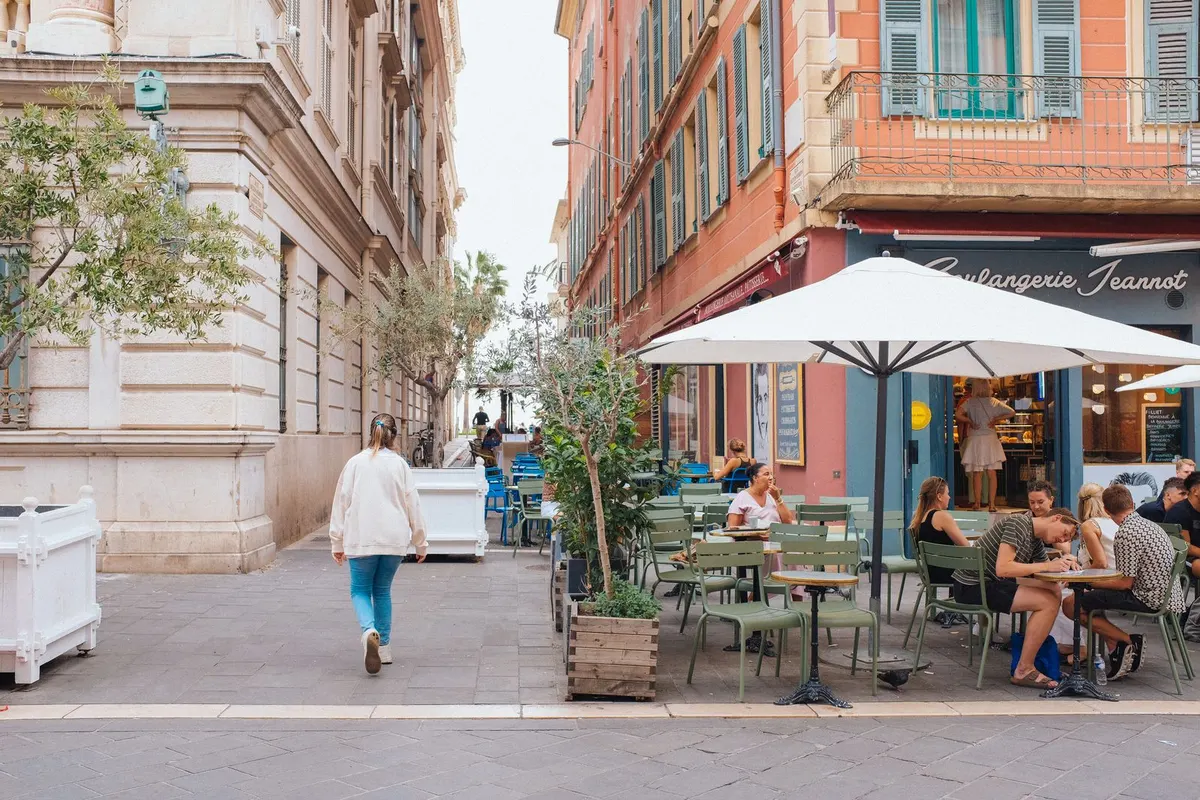
    The old town is a maze of pastel lanes. The Cours Saleya flower and food market runs every morning — try socca, a chickpea pancake.

    A café in the old town
    A café in the old town

    Castle Hill views

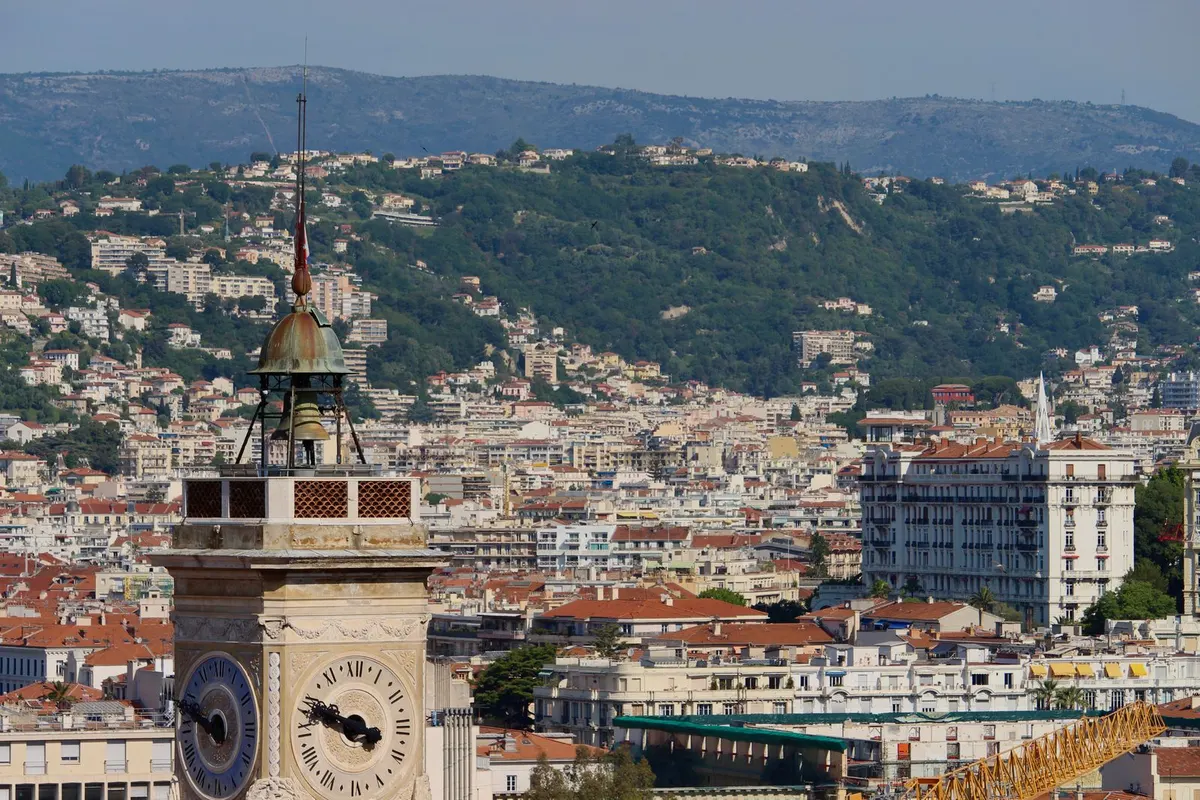
    From Castle Hill east of the old town, gaze over the curve of the bay and the orange rooftops. There is a lift and even a waterfall.

    A clock tower and the city
    A clock tower and the city

    Matisse and Chagall museums

    Nice has museums dedicated to Matisse, who lived here, and to Chagall — art born of the Riviera light.

    Day trips to Monaco and Èze

    Monaco, about 20 minutes by train, has the casino and the Prince’s Palace. Clifftop Èze offers breathtaking sea views.

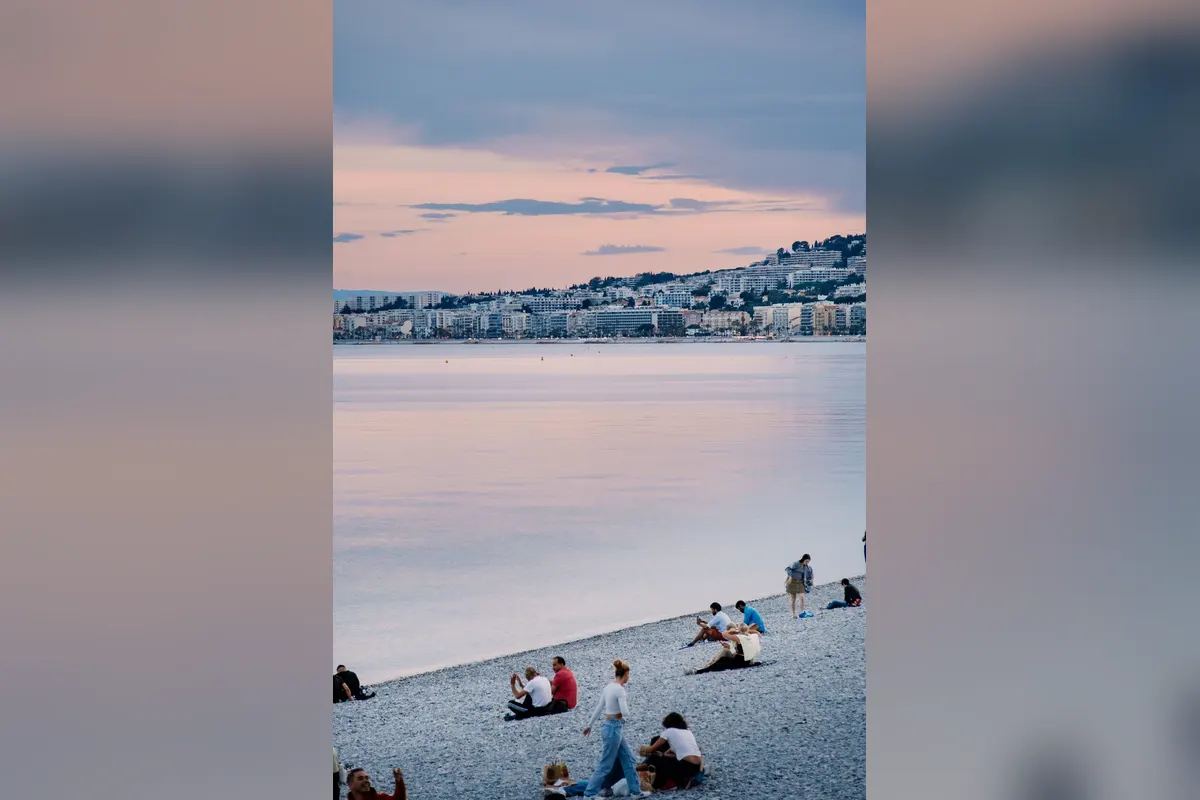
    The beach at dusk
    The beach at dusk

    Suggested itinerary

    • Breakfast of socca at the Cours Saleya market
    • Wander the old town lanes
    • Climb Castle Hill for the view
    • Seafront lunch
    • Stroll the Promenade des Anglais and relax on the beach
    • Salade niçoise and dinner in the old town

    Where to stay nearby

    AREA 1Old town and seafrontClosest to the sights, with some sea-view rooms.
    AREA 2Around Avenue Jean MédecinThe central shopping street with the tram, lots of hotels and an easy walk to the station.
    AREA 3Near Nice-Ville stationHandy for trains to Monaco and Cannes, with more affordable options.

    Tips for working holiday makers

    • Beaches are pebbly, so bring flip-flops or water shoes.
    • July and August are busy and expensive; May–June and September–October are more pleasant.
    • Monaco is a separate country, but there are no border checks and it uses the euro.
    • Tourism jobs are plentiful, and some working holiday makers work just the summer season here.

    FAQ

    How do I get there from Paris?

    About 1 hour 20 minutes by plane or 5 hours 40 minutes–6 hours by TGV.

    Can I swim at the beach?

    Yes, in summer — but the beach is pebbly, so water shoes help.

    Can I visit Monaco as a day trip?

    Easily — it is about 20 minutes by train. The casino has a dress code.

    When is the best time to visit?

    May–October. Winters are mild, with the Nice Carnival and nearby Menton Lemon Festival in February.

    Planning a working holiday in France?Visa basics and a take-home pay calculator.
    France guide →

    More places to visit in France

    Photos: Pexels (free stock photos) Take-home pay calculator
  • Provence Travel Guide

    Provence Travel Guide

    Lavender fields across the Provence hills
    Lavender fields across the Provence hills

    Provence in southern France means purple lavender fields, hilltop stone villages and bright Mediterranean sun. From late June to mid-July the fields burst into bloom. Here is how to explore from Avignon or Aix-en-Provence, when to go and where to stay.

    LocationSouth-east France (Vaucluse, Alpes-de-Haute-Provence and more)
    Getting thereAbout 2 hours 40 minutes by TGV from Paris to Avignon
    Best timeLavender from late June to mid-July; spring and autumn are pleasant too
    Time needed2–3 days for villages and lavender fields

    How to get there

    1. TGVs from Paris Gare de Lyon reach Avignon TGV in about 2 hours 40 minutes and Aix-en-Provence TGV in about 3 hours.
    2. Lavender fields and hill villages have little public transport, so rent a car or join a local tour.
    3. In season, many half- and full-day lavender tours leave from Avignon and Aix.
    4. Many visitors also rent a car at Marseille or Nice airport.

    Opening hours, prices and practical info

    Lavender seasonUsually late June to mid-July (varies with altitude and weather)
    Sénanque AbbeyPaid visits with limited hours; closed for some religious events
    Getting aroundA rental car or tour is essential for villages and fields
    Palace of the PopesPaid, with combined tickets for the Pont d’Avignon

    Prices and hours are from official sources as of November 2026 and may change — check the official website before you go.

    Highlights of Provence

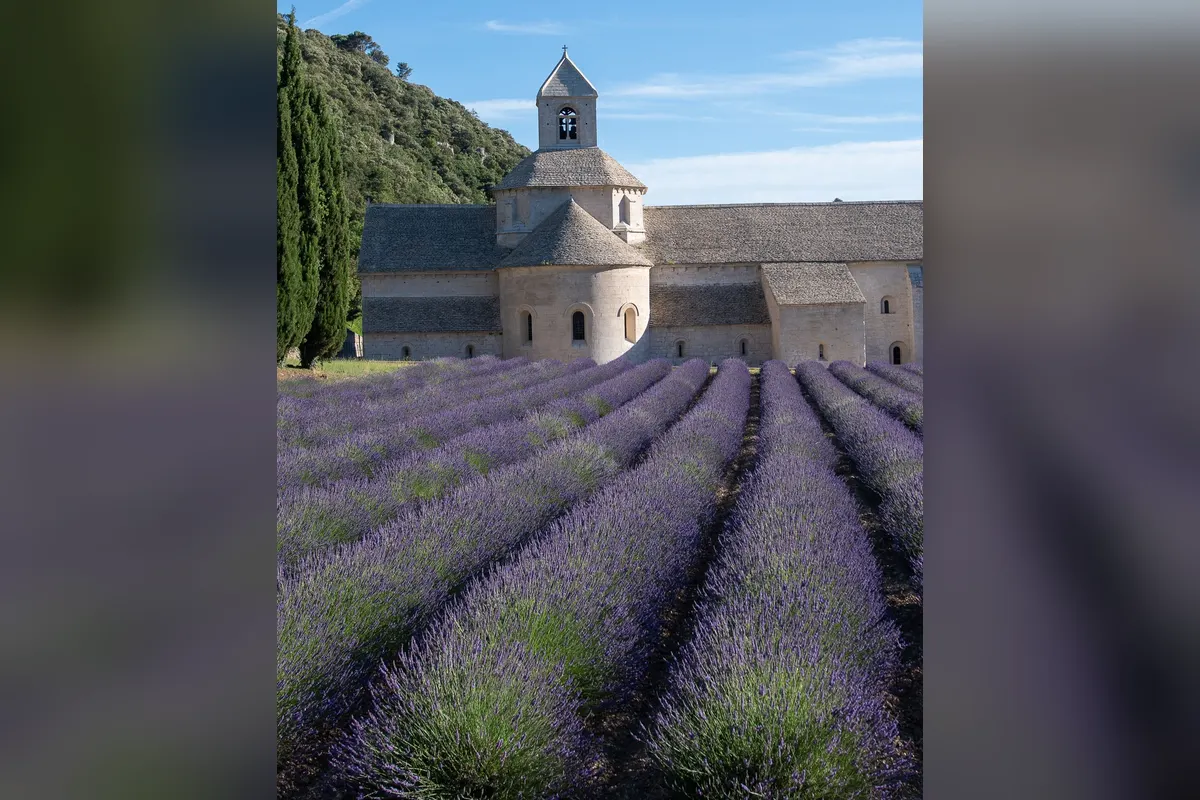
    Sénanque Abbey and its lavender

    The 12th-century abbey framed by lavender is the classic Provence view. Monks still live here, so visit quietly.

    Sénanque Abbey and its lavender
    Sénanque Abbey and its lavender

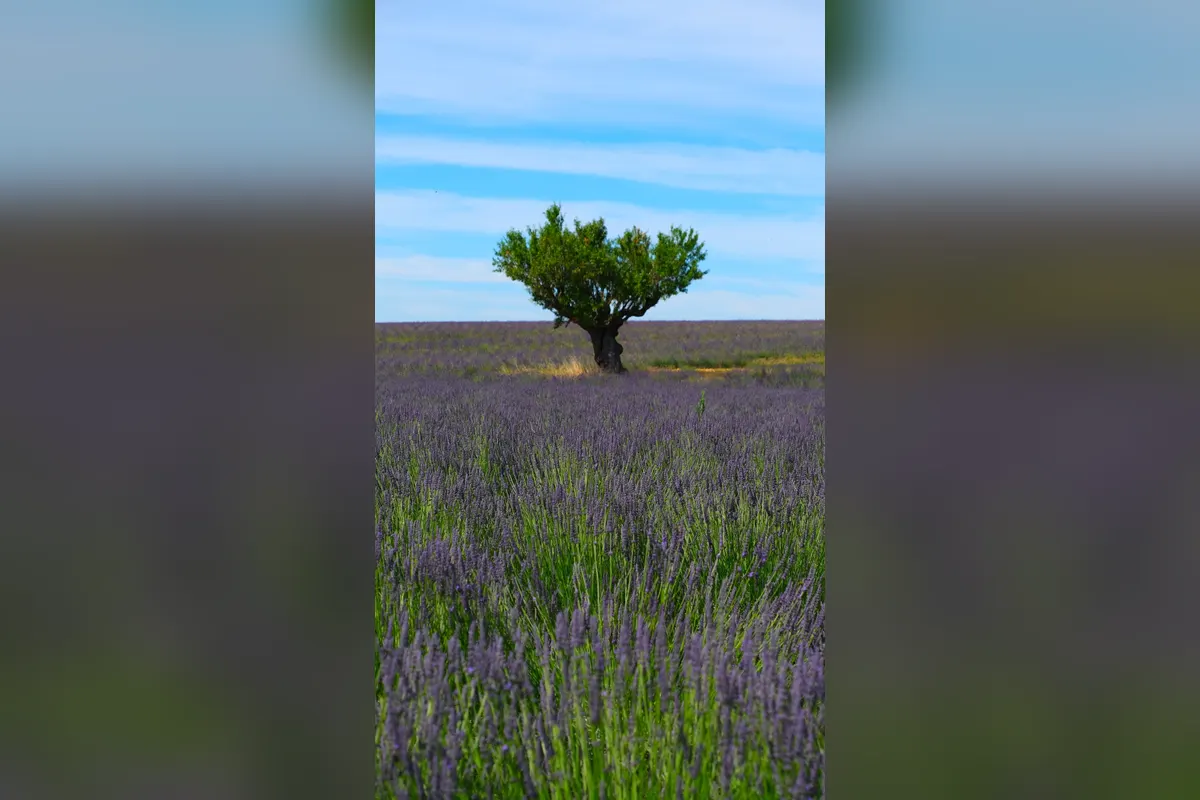
    The Valensole Plateau

    Endless rows of lavender and wheat stretch across this plateau — a lone tree among the purple is a photographer’s favourite.

    A lone tree on the Valensole Plateau
    A lone tree on the Valensole Plateau

    Gordes and Roussillon

    Gordes, its stone houses stacked on a hillside, is one of France’s most beautiful villages. Nearby Roussillon glows orange from its ochre cliffs.

    Avignon and the Palais des Papes

    Avignon’s walled old town holds the vast Palace of the Popes and the half-bridge of Saint-Bénézet. Its July theatre festival is world-famous.

    Suggested itinerary

    • Palace of the Popes and the Pont d’Avignon
    • Drive or tour to Gordes
    • Sénanque Abbey and lavender
    • Sunset in red Roussillon
    • Lavender fields on the Valensole Plateau
    • Cafés and markets in Aix-en-Provence
    Lavender in full bloom
    Lavender in full bloom
    Rows of lavender towards the mountains
    Rows of lavender towards the mountains

    Where to stay nearby

    AREA 1AvignonA walled city with a TGV station and lots of hotels — the base for tours to Gordes and Sénanque.
    AREA 2Aix-en-ProvenceAn elegant city of fountains and cafés, convenient for Valensole.
    AREA 3Luberon villagesCountry guesthouses and small hotels around Gordes, ideal if you have a car.

    Tips for working holiday makers

    • Bloom times shift each year and harvesting starts from mid-July — check the latest status before you go.
    • The fields are private farmland: do not walk into the rows or pick the flowers.
    • The summer sun is fierce — bring a hat, sunglasses and water.
    • Many shops close on Sundays or Mondays, while each village has its own market day.

    FAQ

    When is lavender season?

    Usually late June to mid-July; many fields are harvested after mid-July.

    Can I visit without a car?

    Yes, on tours from Avignon or Aix. There is almost no public transport between villages.

    Where should I stay?

    Avignon or Aix-en-Provence if travelling by train; Luberon villages if you have a car.

    Is it worth visiting outside lavender season?

    Yes — spring flowers, autumn grape harvests and village markets make it lovely all year.

    Planning a working holiday in France?Visa basics and a take-home pay calculator.
    France guide →

    More places to visit in France

    Photos: Pexels (free stock photos) Take-home pay calculator
  • Mont-Saint-Michel Travel Guide

    Mont-Saint-Michel Travel Guide

    Mont-Saint-Michel under a blue sky
    Mont-Saint-Michel under a blue sky

    Rising from the tidal flats of Normandy, Mont-Saint-Michel is a rocky island crowned by an abbey — known as the “Wonder of the West”. Depending on the tide it seems to float on the sea or stand in the sand. Here is how to get there from Paris, how to visit the abbey and why staying overnight is worth it.

    LocationThe bay between Normandy and Brittany
    Getting thereAbout 3.5–4 hours from Paris by TGV and bus
    Best timeMay–September; big tides make the island look like it is floating
    Time needed3–4 hours on the island; stay a night for the evening lights and morning view

    How to get there

    1. Take a TGV from Paris Montparnasse to Rennes (about 1.5 hours), then the direct coach from Rennes station to Mont-Saint-Michel (about 1 hour 10 minutes).
    2. Coaches and cars stop at La Caserne on the mainland. The free “Le Passeur” shuttle takes you close to the island in about 10 minutes.
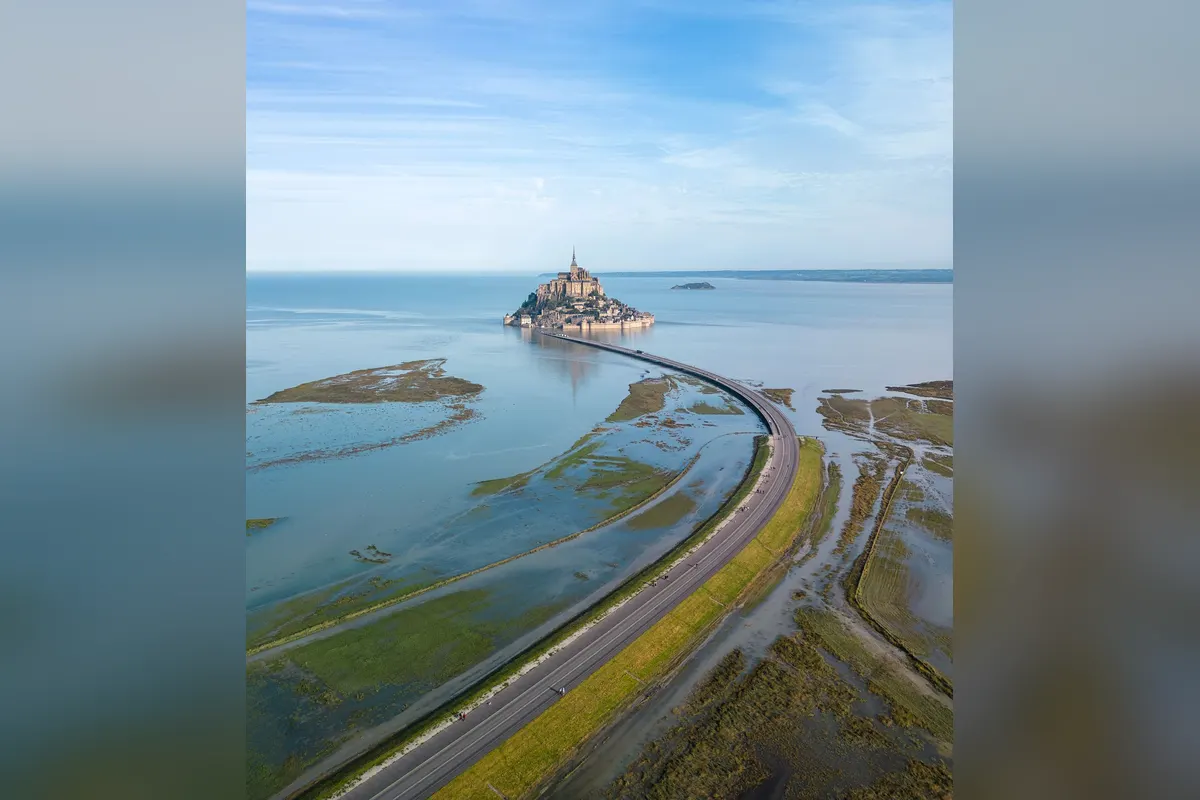
    3. It is about 2.5 km from the mainland to the island — walk the bridge to watch it grow bigger (about 40 minutes).
    4. Day coach tours from Paris (about 13 hours) save you the connections.

    Opening hours, prices and practical info

    AbbeyPaid; booking timed tickets online is recommended
    ShuttleFree “Le Passeur” shuttles run between La Caserne and the island
    CoachDirect coaches from Rennes station (about 1 hour 10 minutes) — limited services
    ParkingMainland car parks are paid

    Prices and hours are from official sources as of November 2026 and may change — check the official website before you go.

    Highlights of Mont-Saint-Michel

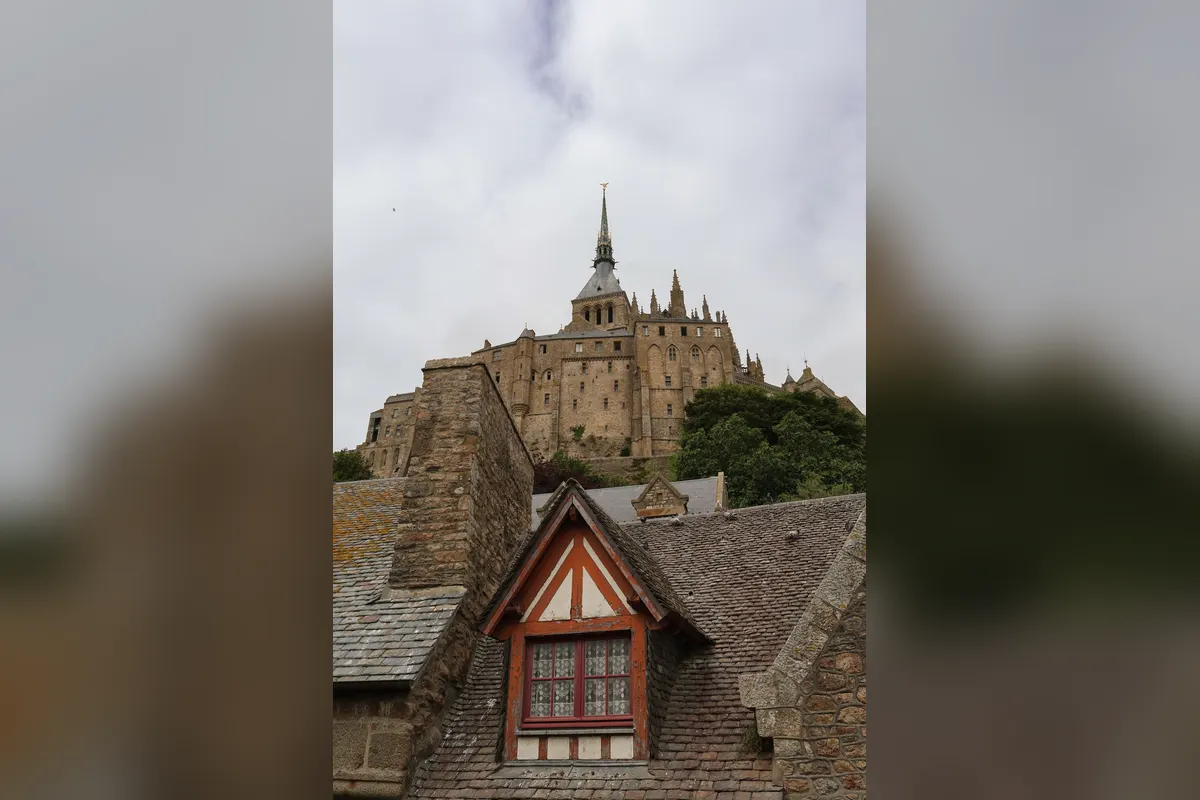
    The Abbey

    Begun in the 8th century and extended over hundreds of years, the abbey at the top is famous for its cloister, refectory and views over the bay. Entry is by timed ticket.

    The abbey and island buildings
    The abbey and island buildings

    The Grande Rue

    A narrow lane of restaurants and souvenir shops winds up from the gate to the abbey — including the restaurant famous for its fluffy omelettes.

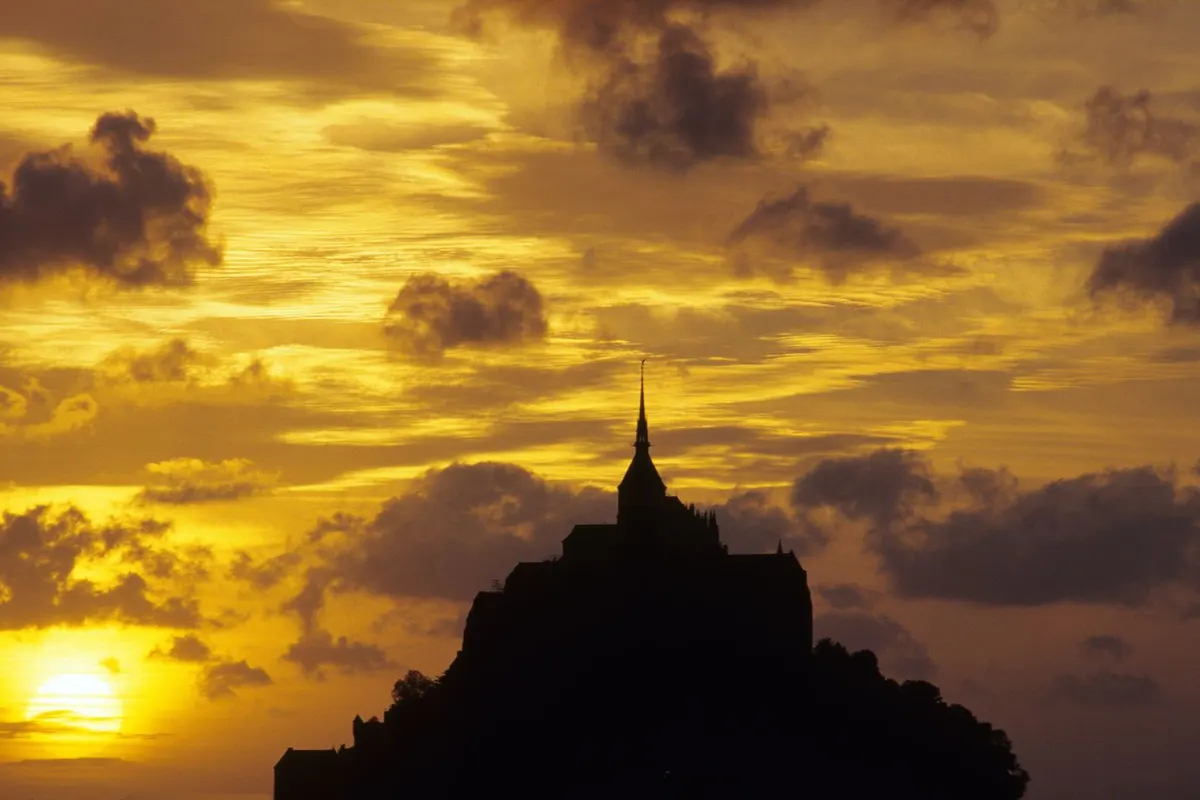
    Tides and sunsets

    The bay has some of Europe’s biggest tides, and on spring tides the island is surrounded by water. Sunset and the evening illuminations are magical if you stay the night.

    The island silhouetted at sunset
    The island silhouetted at sunset

    Guided walks across the bay

    Guided walks across the sand flats are possible, but quicksand and fast tides make it dangerous to go without a guide.

    The island across the flats at dusk
    The island across the flats at dusk

    Suggested itinerary

    • TGV from Paris Montparnasse to Rennes
    • Coach to Mont-Saint-Michel and walk across the bridge
    • The famous omelette for lunch on the Grande Rue
    • Visit the abbey at your booked time
    • Stay on the island or the mainland and see the illuminations
    • Wander the quiet island before heading back to Paris
    The island and bridge from above
    The island and bridge from above

    Where to stay nearby

    AREA 1On the islandA handful of small hotels let you enjoy the island after the day-trippers leave — pack light.
    AREA 2La Caserne (mainland)Hotels near the shuttle stop, with views of the island at night and lower prices.
    AREA 3Saint-Malo and PontorsonThe walled port of Saint-Malo and nearby Pontorson have plenty of rooms and make good bases.

    Tips for working holiday makers

    • Day tours are short — make sure yours leaves enough time for the abbey.
    • The island is all slopes and steps, so leave big suitcases at a mainland hotel.
    • Check tide times and coefficients on the tourist office website.
    • Summer middays are packed; go early or late.

    FAQ

    Is it a day trip from Paris?

    About 3.5–4 hours each way by TGV and coach. Day tours exist, but staying a night lets you enjoy the evening and morning.

    When does the island look like it is floating?

    On spring tides with high coefficients — check the tide tables on the tourist office site.

    What should I eat?

    The famous fluffy omelette and “pré-salé” lamb raised on the salt meadows.

    Is there an entry fee?

    The island is free; the abbey charges admission.

    Planning a working holiday in France?Visa basics and a take-home pay calculator.
    France guide →

    More places to visit in France

    Photos: Pexels (free stock photos) Take-home pay calculator
  • Paris Travel Guide

    Paris Travel Guide

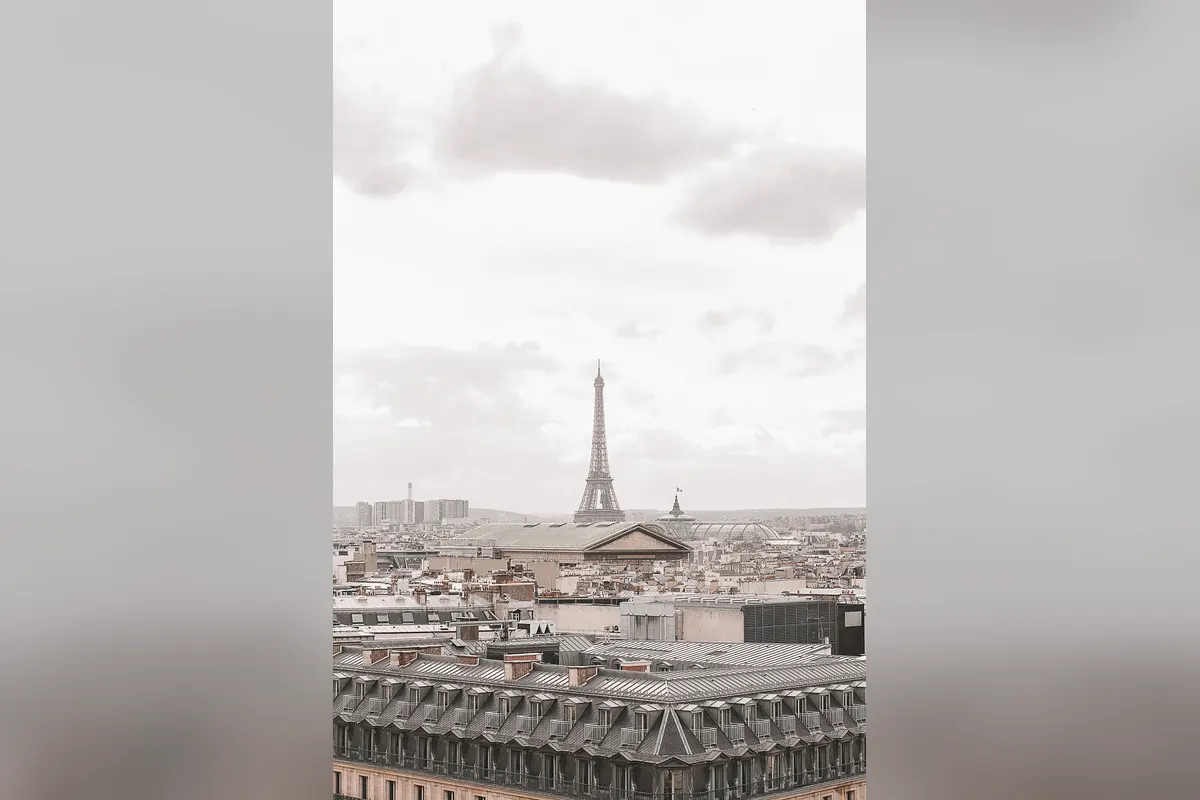
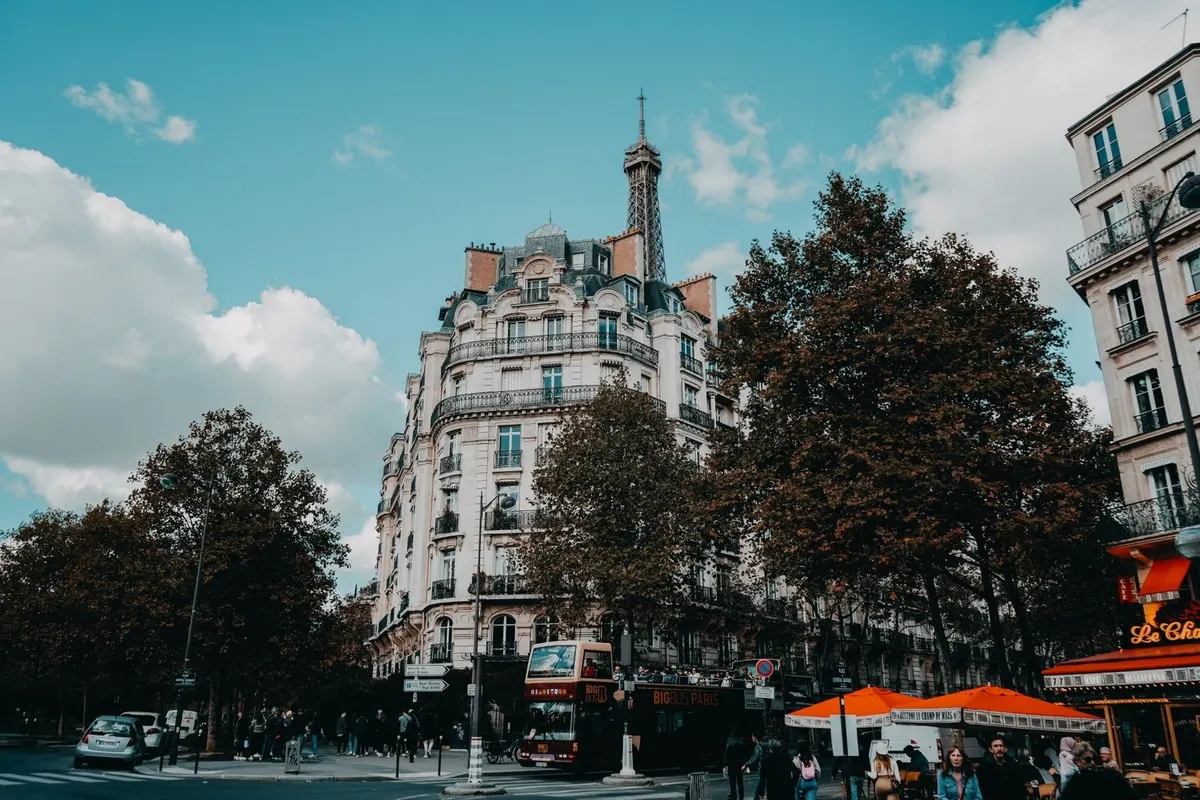
    A Paris street corner and the Eiffel Tower
    A Paris street corner and the Eiffel Tower

    The Eiffel Tower, the Louvre, the banks of the Seine — the whole of Paris looks like a painting. You could spend days just wandering museums, cafés and markets, and it is where most working holiday makers in France choose to live. Here is how to get in from the airport, how to book the big sights and where to stay.

    LocationNorthern France, on the Seine
    AirportAbout 35–40 minutes by RER B from Charles de Gaulle to the centre
    Best timeApril–June and September–October; summer is crowded and can be hot
    Time needed3–4 days for the highlights; 5+ with Versailles and day trips

    How to get there

    1. Direct flights from Haneda and Narita to Charles de Gaulle take about 14–15 hours.
    2. From the airport, RER B trains reach Gare du Nord and Châtelet in about 35–40 minutes. Airport tickets are priced separately from city tickets.
    3. Load Metro, RER and bus tickets onto a Navigo Easy card or buy them in the app — fares were simplified in 2025.
    4. Pickpockets are common on the Metro, so keep your bag in front of you.

    Opening hours, prices and practical info

    Eiffel TowerPaid; buy timed tickets online (stairs, lift or summit)
    The LouvreTimed reservations; since January 2026 non-EU visitors pay a higher price (check the official site)
    TransportMetro, RER and bus tickets via Navigo Easy or the app; airport tickets cost more
    Closing daysThe Louvre closes on Tuesdays, the Musée d’Orsay on Mondays

    Prices and hours are from official sources as of November 2026 and may change — check the official website before you go.

    Highlights of Paris

    The Eiffel Tower

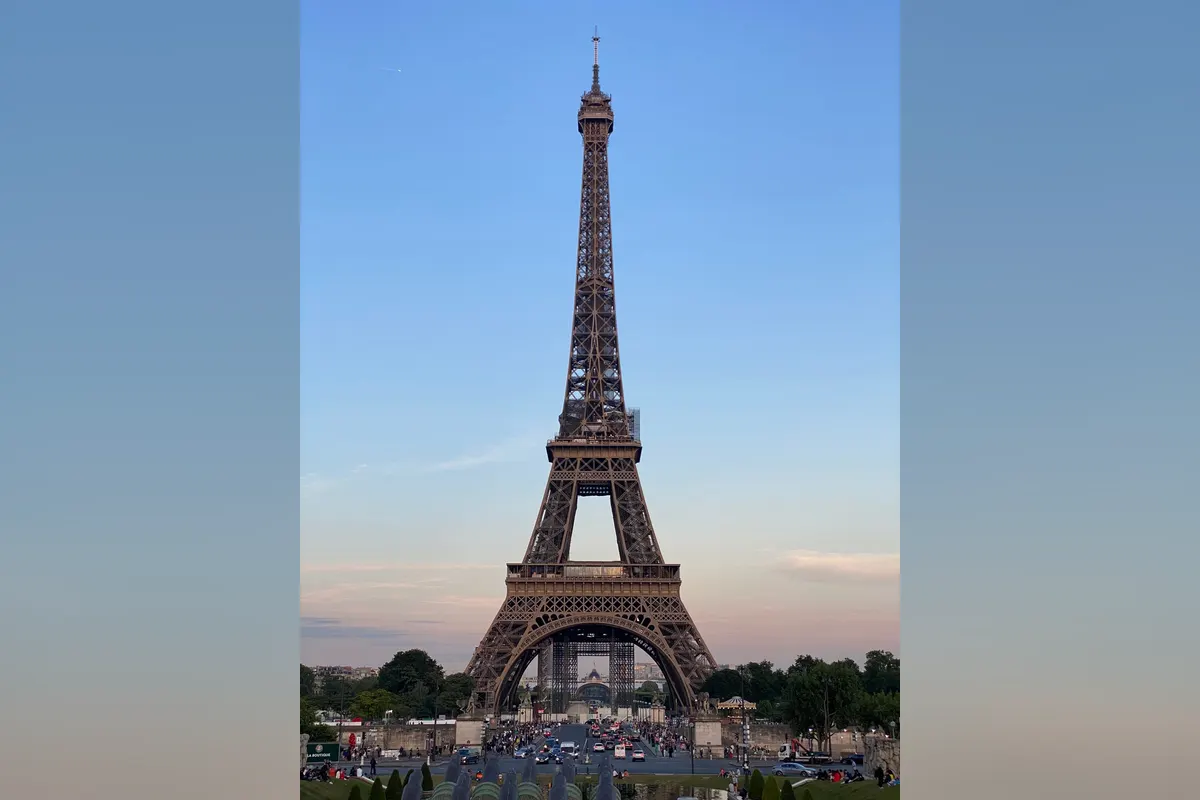
    Built for the 1889 World’s Fair, the 330 m tower is best booked online. After dark it sparkles for five minutes on the hour.

    The Eiffel Tower at dusk
    The Eiffel Tower at dusk

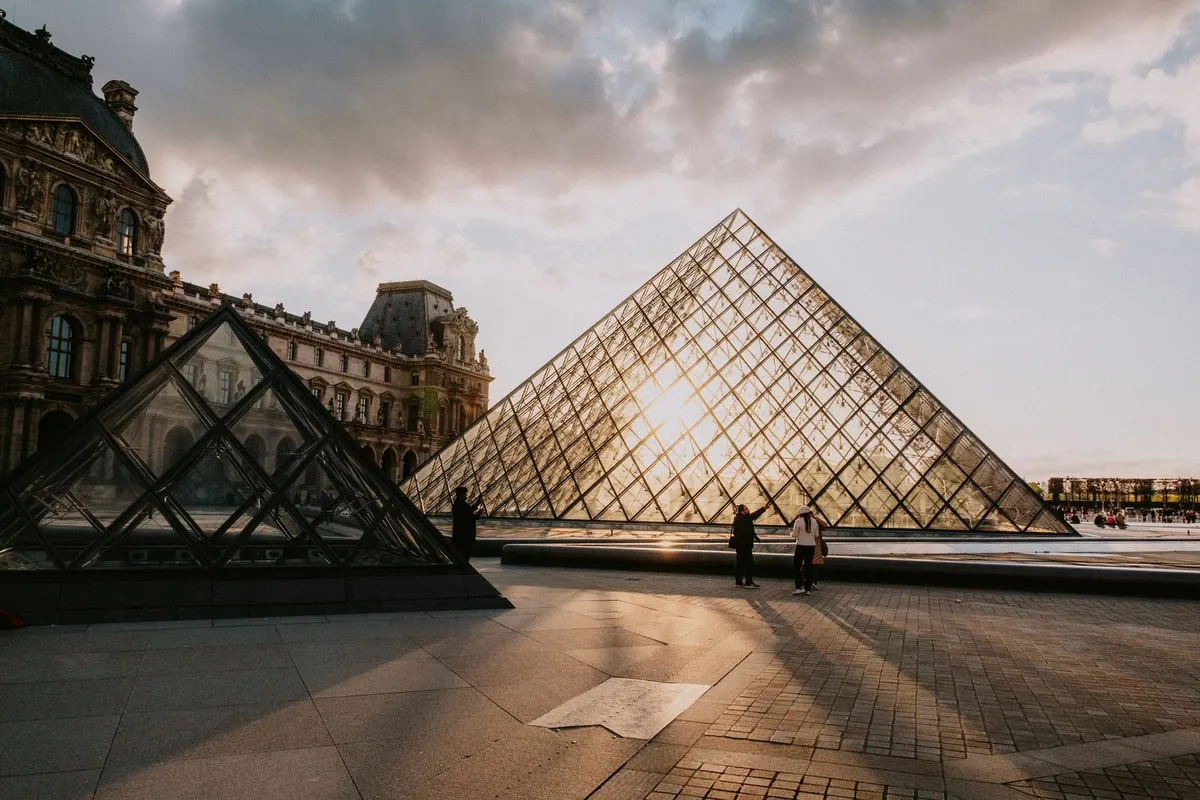
    The Louvre

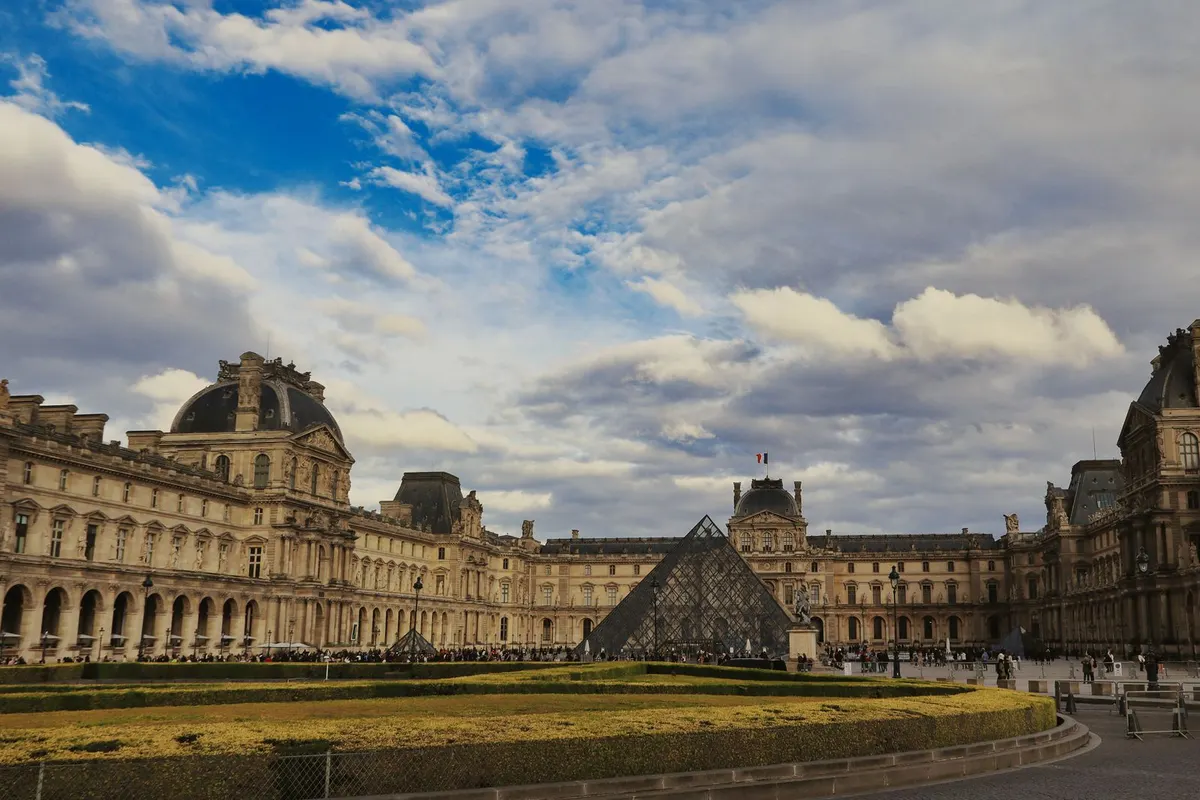
    Home to the Mona Lisa and the Venus de Milo, the Louvre requires timed reservations. Since January 2026, visitors from outside the EU pay a higher price.

    The Louvre and its glass pyramid
    The Louvre and its glass pyramid

    A Seine cruise and riverside walks

    Glide past the World Heritage-listed riverbanks on a sightseeing boat. Notre-Dame (reopened in 2024) and the Musée d’Orsay are right on the river.

    The Louvre pyramid at sunset
    The Louvre pyramid at sunset

    Montmartre

    A hilltop artists’ village crowned by the white Sacré-Cœur, with cobbled lanes, painters at work and sweeping views over Paris.

    The Eiffel Tower above the rooftops
    The Eiffel Tower above the rooftops

    Suggested itinerary

    • The Louvre at your booked time
    • Walk through the Tuileries to lunch at a café
    • Musée d’Orsay, or Notre-Dame and Île de la Cité
    • Seine cruise
    • Up the Eiffel Tower at sunset
    • Watch the tower sparkle from Trocadéro

    Where to stay nearby

    AREA 1Le MaraisA trendy central area full of boutiques and cafés, within walking distance of the sights.
    AREA 2Saint-Germain-des-PrésAn elegant Left Bank neighbourhood of classic cafés and bookshops.
    AREA 3Around Gare du Nord and Gare de l’EstHandy for the airport and trains, with more affordable hotels — avoid quiet streets at night.

    Tips for working holiday makers

    • Book the Eiffel Tower, the Louvre and Versailles in advance — same-day queues are long or sold out.
    • Some museums are free on certain days, such as the first Sunday of the month (rules vary).
    • Working holiday jobs are mostly in restaurants, Japanese food and hotels; French opens up many more options.
    • In August many Parisians go on holiday and plenty of shops close.

    FAQ

    How do I get from the airport to the city?

    RER B to Gare du Nord or Châtelet in about 35–40 minutes; airport buses and flat-rate taxis also run.

    Do I need to book the Louvre?

    Yes, timed reservations are required. Non-EU visitors pay a higher price since January 2026.

    Is Paris safe?

    Pickpockets target tourist areas and the Metro. Spread out your valuables and ignore people asking you to sign petitions.

    Can I find work on a working holiday?

    Yes — in Japanese restaurants, hotels and tourism. Speaking French helps a lot.

    Planning a working holiday in France?Visa basics and a take-home pay calculator.
    France guide →

    More places to visit in France

    Photos: Pexels (free stock photos) Take-home pay calculator
  • 6 Best Places to Visit in Germany

    6 Best Places to Visit in Germany

    Berlin
    Berlin

    From history-packed Berlin to fairy-tale castles and the castle-lined Rhine, Germany’s highlights are spread right across the country. Here are 6 of the best places to visit on your days off or travels during a working holiday.

    Berlin
    No.1

    Berlin

    From the Brandenburg Gate to the remains of the Berlin Wall, Germany’s capital lets you feel 20th-century history up close. Add the World Heritage-li…

    Getting there:About 30 minutes by train from Berlin Brandenburg Airport (BER) to the main station

    Read the full guide →
    Neuschwanstein Castle
    No.2

    Neuschwanstein Castle

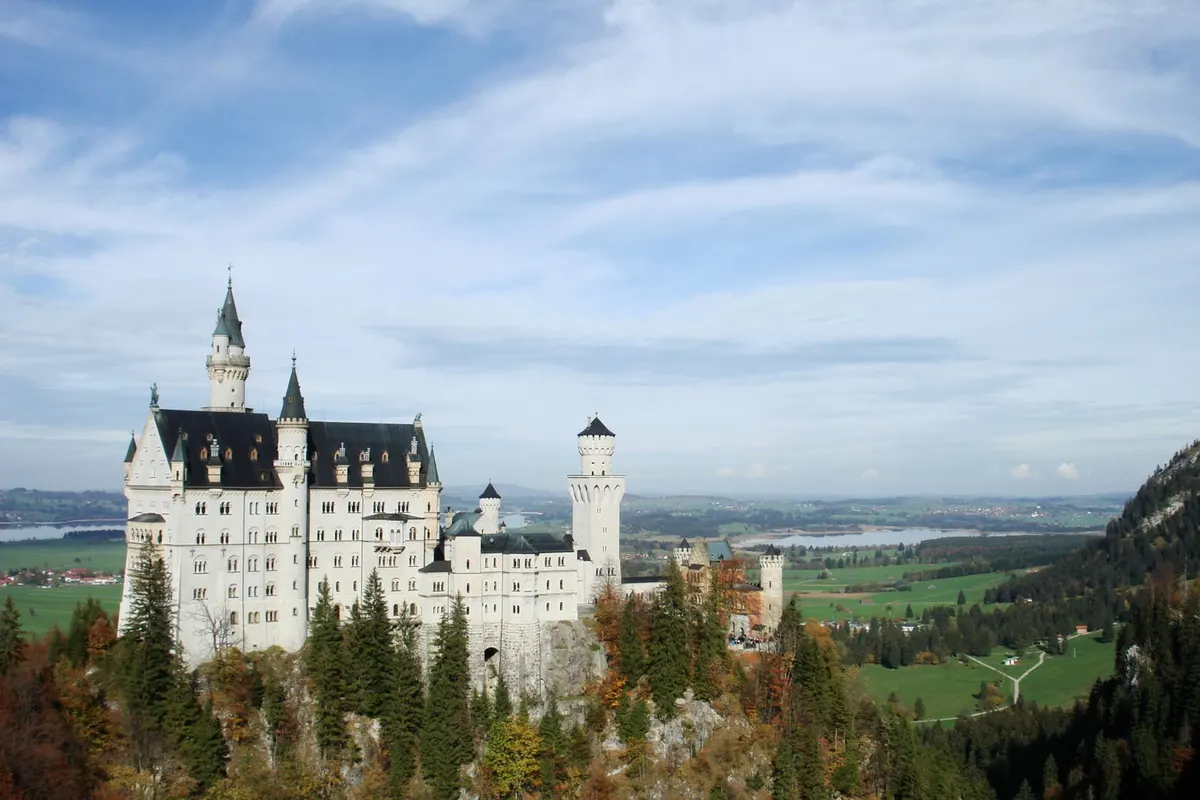
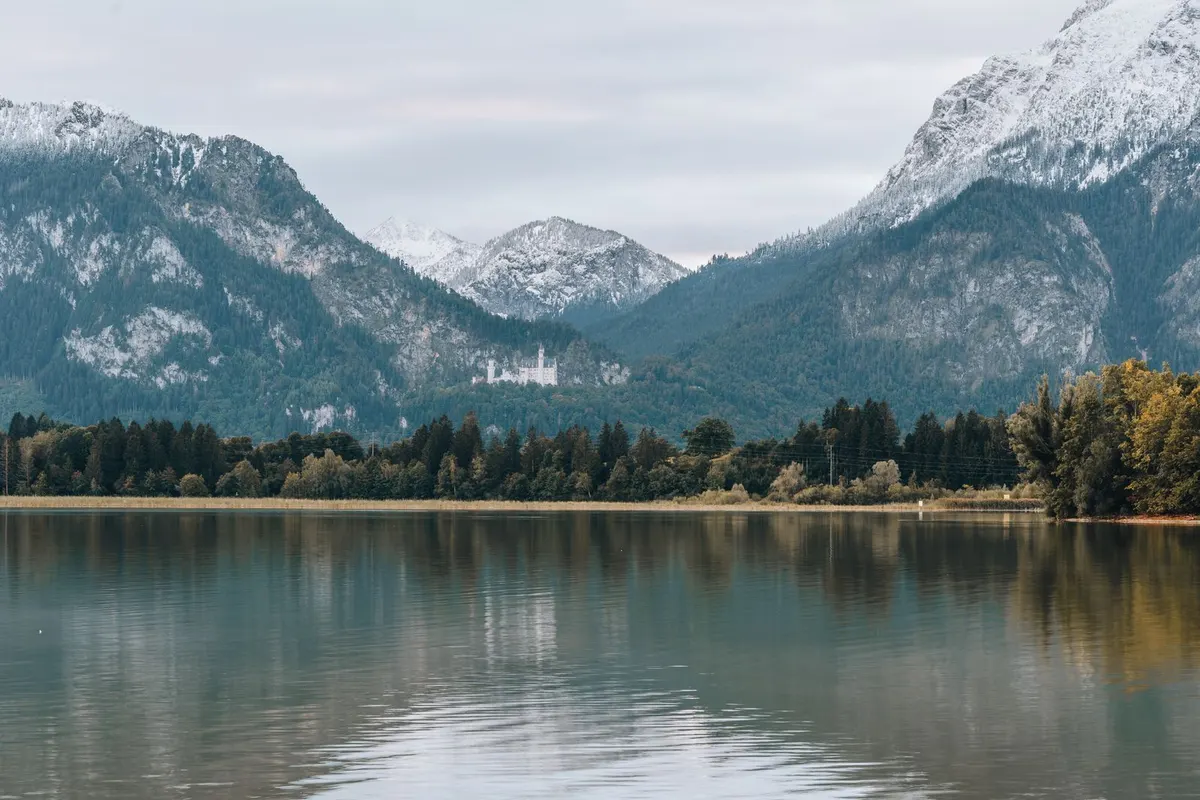
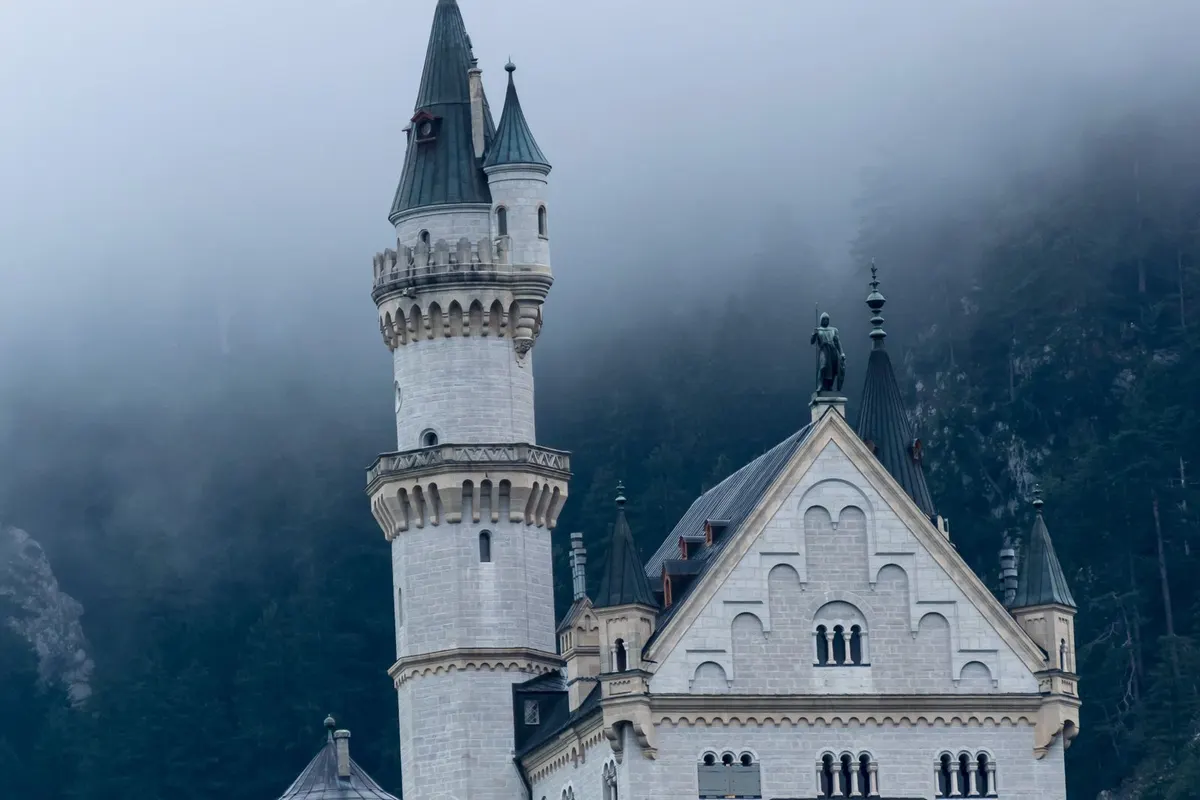
    Rising from the Bavarian hills, the white Neuschwanstein Castle is the world’s most famous fairy-tale castle. Built for King Ludwig II in the 19th ce…

    Getting there:About 2.5 hours by train and bus from Munich

    Read the full guide →
    Munich
    No.3

    Munich

    The Bavarian capital is famous for beer and Oktoberfest, but Munich also offers a Gothic town hall with a mechanical clock, lively markets and the va…

    Getting there:About 40 minutes by S-Bahn from Munich Airport to the centre

    Read the full guide →
    Rhine Valley
    No.4

    Rhine Valley

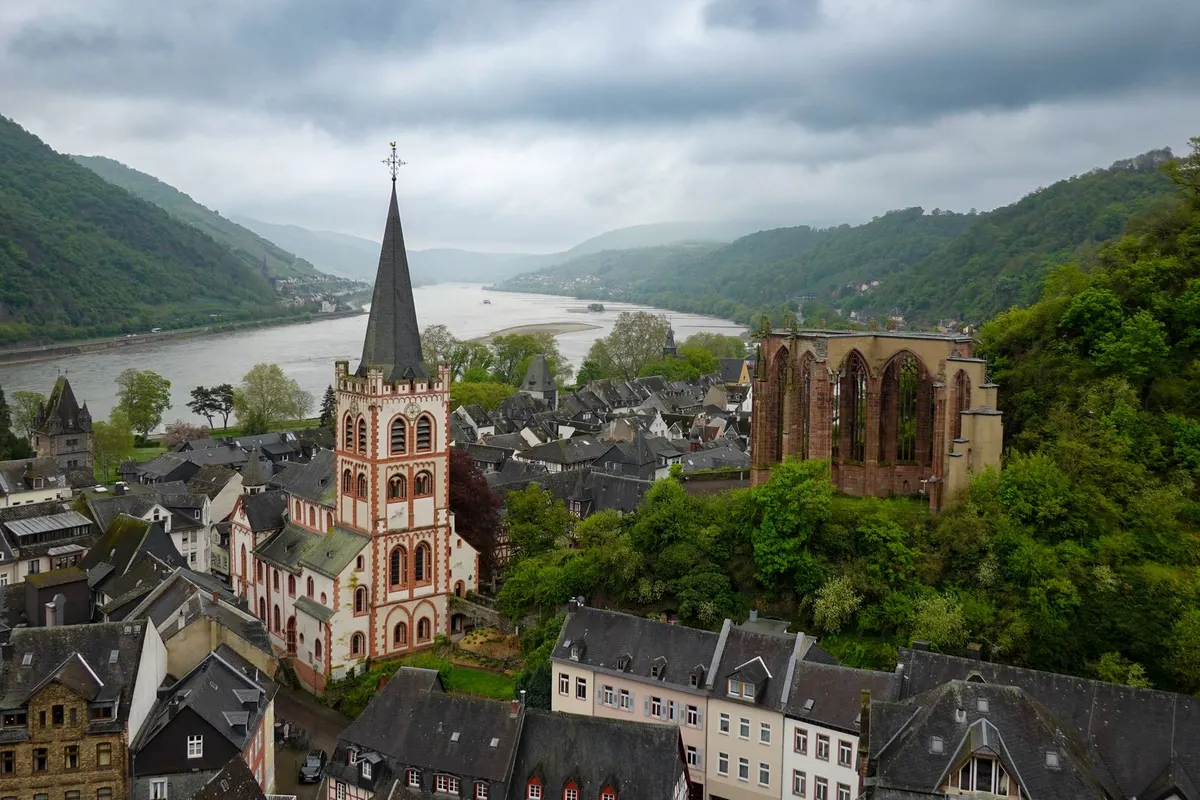
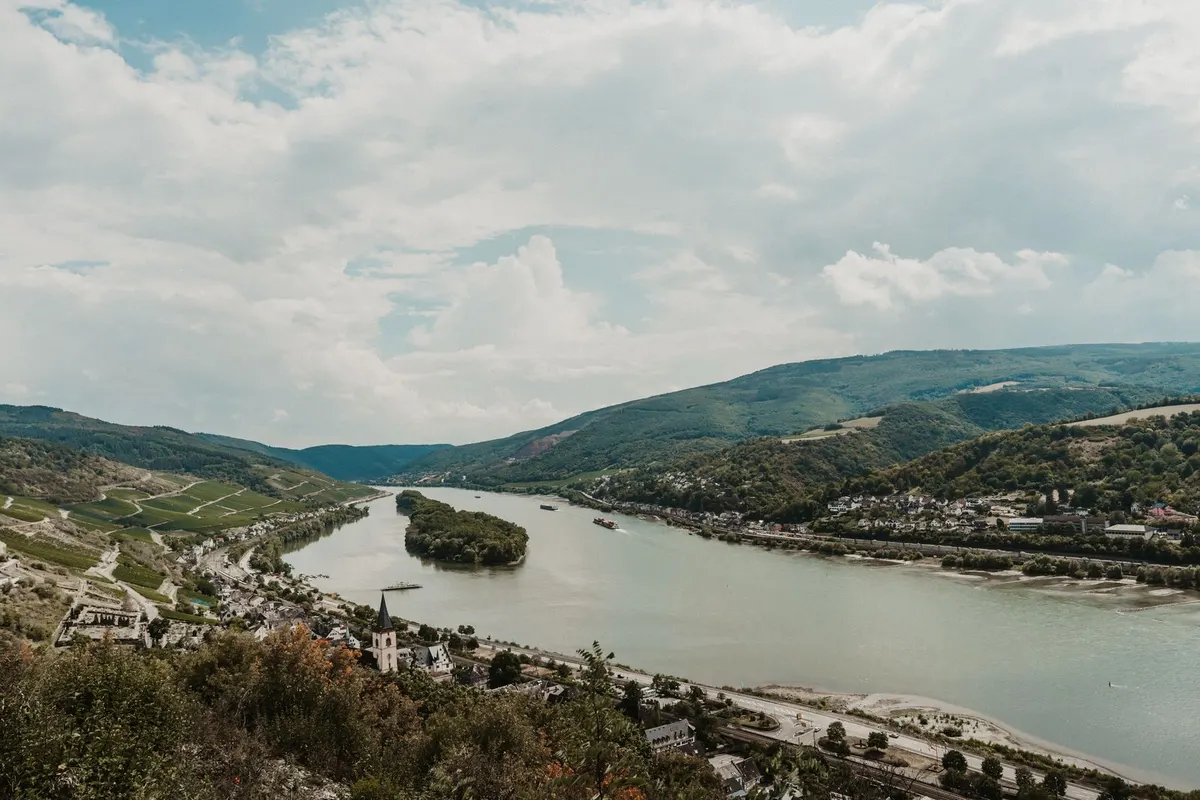
    Vineyard-covered hills and castle after castle line the Upper Middle Rhine Valley, a UNESCO World Heritage Site since 2002 and one of Germany’s most …

    Getting there:About 1 hour by train from Frankfurt to Rüdesheim or Bingen

    Read the full guide →
    Rothenburg ob der Tauber
    No.5

    Rothenburg ob der Tauber

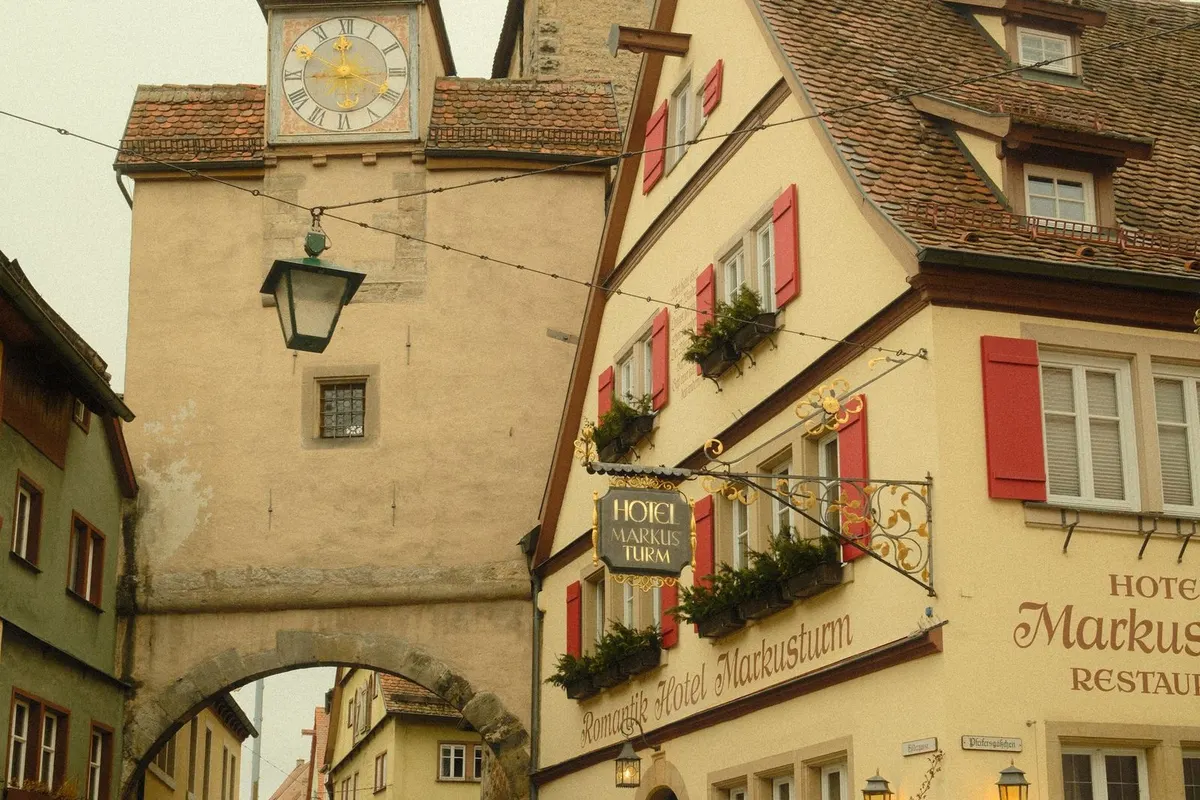
    A perfectly preserved walled medieval town on the Romantic Road, famous for its Christmas market.

    Getting there:About 3 hours by train from Munich or Frankfurt with changes

    Cologne Cathedral
    No.6

    Cologne Cathedral

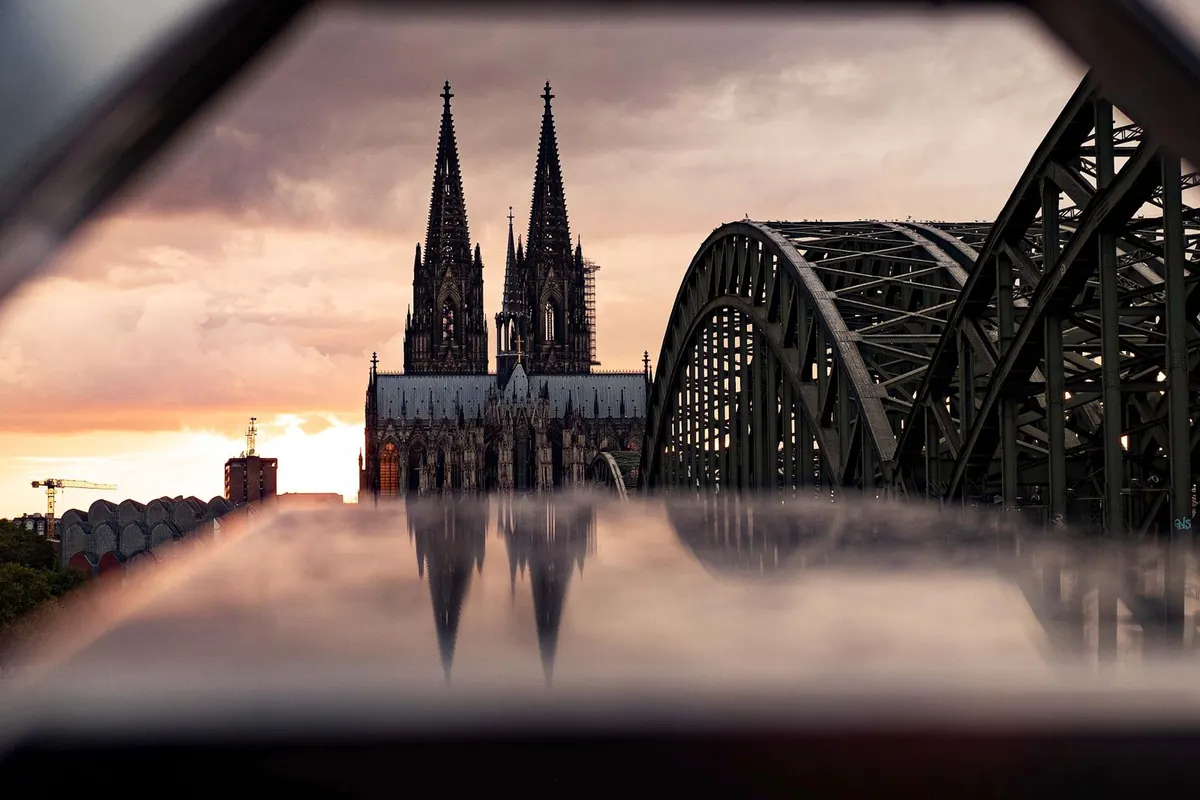
    A 157 m Gothic cathedral that took over 600 years to finish, a World Heritage Site right outside Cologne’s main station.

    Getting there:About 1 hour 5 minutes by ICE from Frankfurt

    FAQ

    What are the most popular places in Germany?

    Neuschwanstein, Berlin and Munich are the classics, along with Rhine cruises and the Romantic Road.

    How do I get around?

    ICE high-speed trains link the big cities, and the Deutschlandticket (63 euros a month in 2026) covers all local and regional transport.

    When is the best time to travel?

    May–October is most comfortable; Christmas markets run from late November.

    Which city is best as a working holiday base?

    Berlin for English-speaking jobs; Munich, Frankfurt and Hamburg for the number of jobs.

    Planning a working holiday in Germany?Visa basics and a take-home pay calculator.
    Germany guide →

    Photos: Pexels
  • Rhine Valley Travel Guide

    Rhine Valley Travel Guide

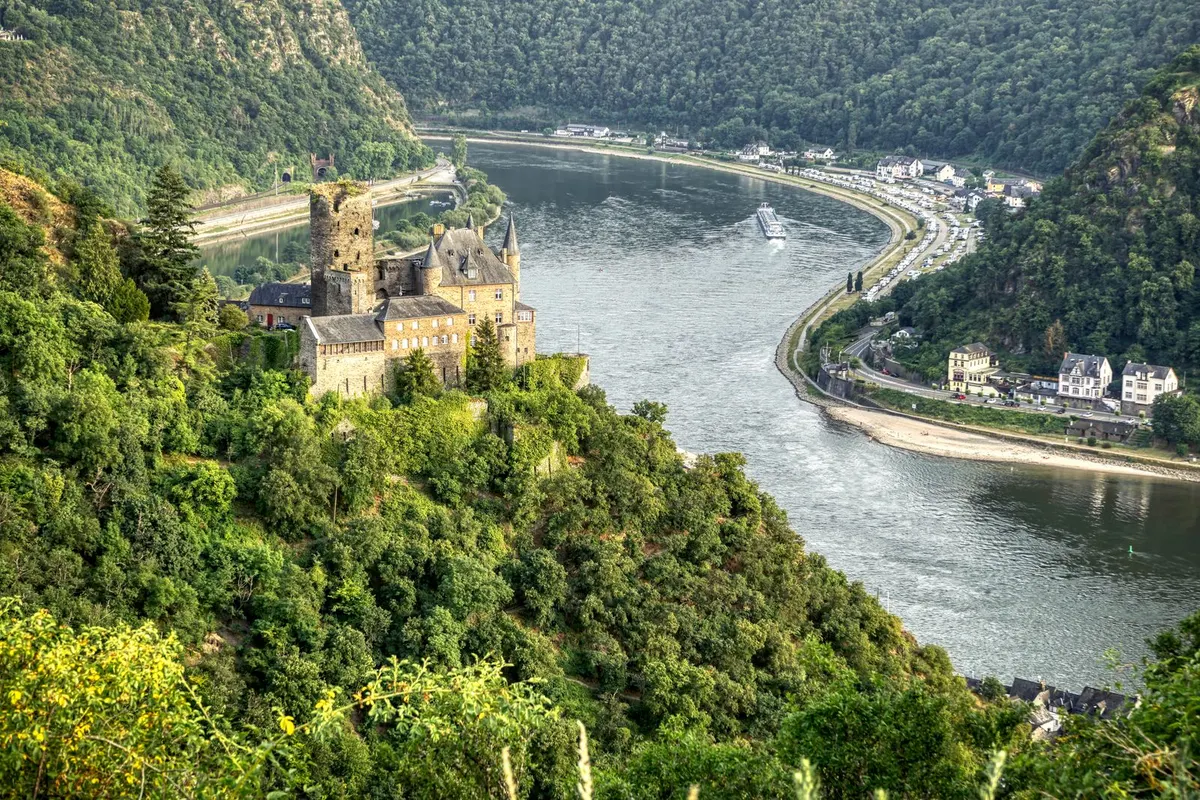
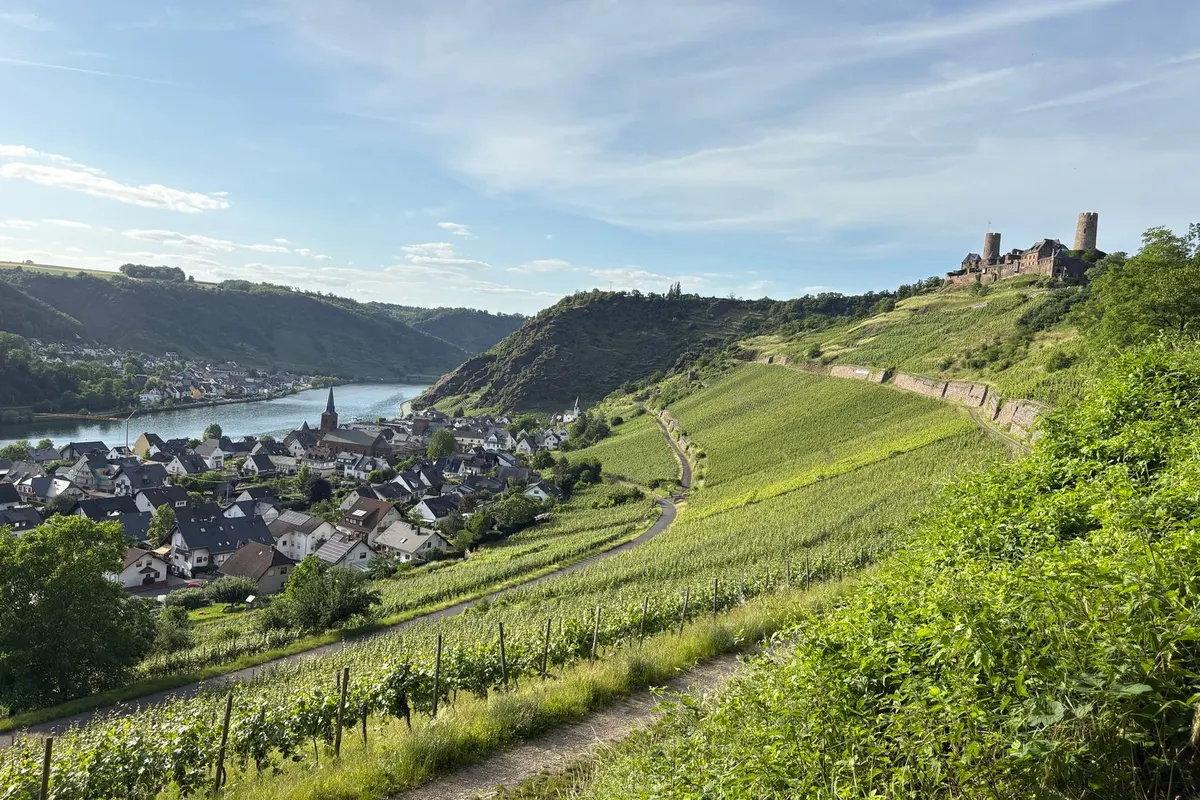
    Katz Castle above the Rhine
    Katz Castle above the Rhine

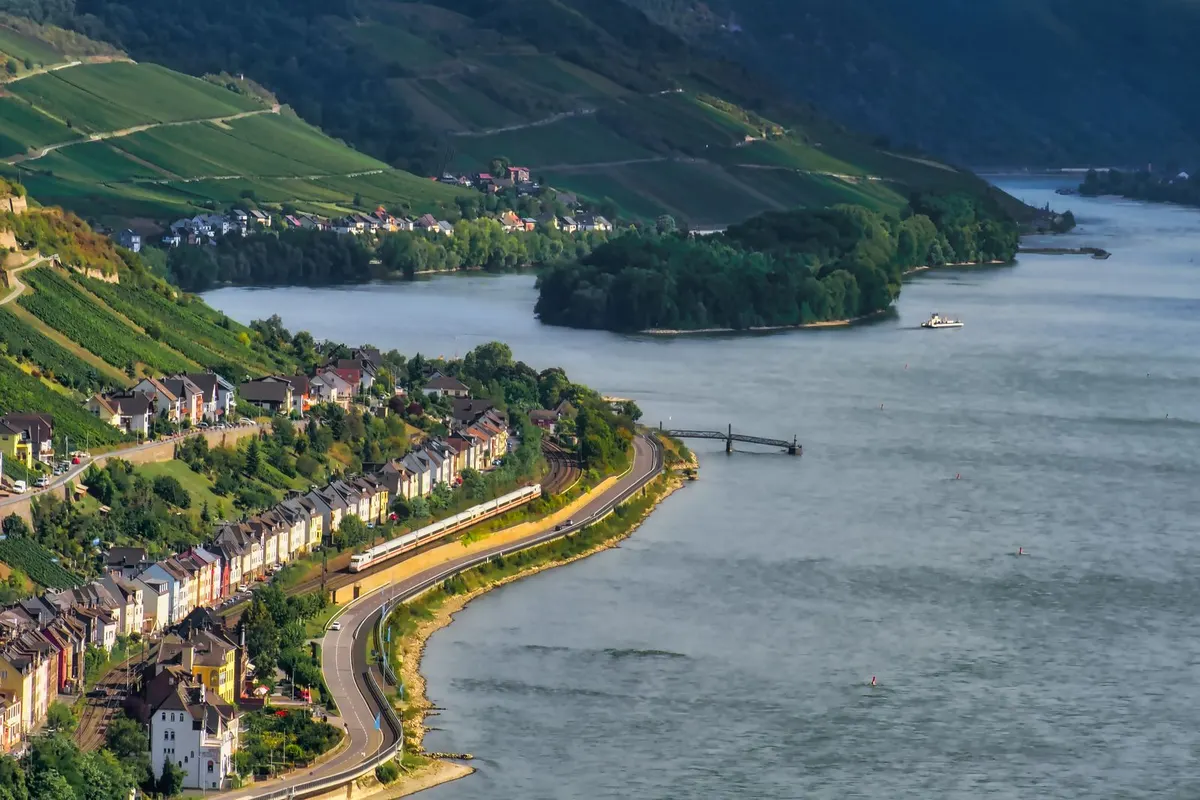
    Vineyard-covered hills and castle after castle line the Upper Middle Rhine Valley, a UNESCO World Heritage Site since 2002 and one of Germany’s most famous landscapes. Cruising past the Lorelei rock and medieval towns is a highlight of any trip to Germany. Here is how to get there from Frankfurt, how the cruises work and where to stay.

    LocationAbout 65 km between Koblenz and Bingen/Rüdesheim
    Getting thereAbout 1 hour by train from Frankfurt to Rüdesheim or Bingen
    Best timeApril–October while the boats run; September–October for the wine harvest
    Time neededA day for a cruise and towns; two days if you stay in a castle hotel

    How to get there

    1. Regional trains from Frankfurt Hauptbahnhof reach Rüdesheim (right bank) or Bingen (left bank) in about an hour; the Deutschlandticket is valid.
    2. Railways run along both banks, so you can cruise downstream and take the train back.
    3. KD and other operators sail between Rüdesheim, St. Goar and Koblenz, and you can hop on and off at towns along the way.
    4. Small car ferries cross the river at several points.

    Opening hours, prices and practical info

    CruisesKD and others, mainly April–October, priced by section (check online)
    TrainsAbout 1 hour from Frankfurt to Rüdesheim or Bingen, with lines on both banks
    Marksburg CastleVisits by paid guided tour
    WineTaverns cluster on the Drosselgasse; harvest festivals mainly in September–October

    Prices and hours are from official sources as of November 2026 and may change — check the official website before you go.

    Highlights of Rhine Valley

    Castle-spotting on a Rhine cruise

    The stretch from Rüdesheim to St. Goar has the most castles. Sit on deck with a glass of wine and watch them drift by.

    Bacharach and its church
    Bacharach and its church

    The Lorelei rock

    A 130 m rock famous for the legend of a siren who lured sailors with her song. Some boats play the song as you pass, and there is a viewpoint at the top.

    Fairy-tale Bacharach

    A tiny town of half-timbered houses and vineyards, with Stahleck Castle (now a youth hostel) on the hill and a Gothic chapel ruin.

    The Rhine near Rüdesheim
    The Rhine near Rüdesheim

    Rüdesheim and its wines

    Famous for the Drosselgasse, a narrow lane of wine taverns. Ride the cable car over the vineyards to the Niederwald Monument for river views.

    Vineyards and a castle on the hillside
    Vineyards and a castle on the hillside

    Marksburg Castle

    The only hilltop castle on the Rhine never destroyed. Guided tours show medieval life and armour.

    A riverside town and vineyards
    A riverside town and vineyards

    Suggested itinerary

    • Train from Frankfurt to Rüdesheim
    • Cable car to the Niederwald Monument
    • Wine and lunch on the Drosselgasse
    • Cruise to St. Goar, passing the Lorelei
    • Train from St. Goar to Bacharach
    • Explore Bacharach and dine at a castle hotel or wine tavern

    Where to stay nearby

    AREA 1RüdesheimThe cruise starting point, full of hotels and wine taverns and easy to reach from Frankfurt.
    AREA 2Bacharach and St. GoarSmall medieval towns with castle hotels and youth hostels.
    AREA 3KoblenzThe city where the Rhine meets the Moselle — lots of hotels and good transport links.

    Tips for working holiday makers

    • Cruises run mainly from April to October; there are very few in winter.
    • The Deutschlandticket covers the trains from Frankfurt and along the river (cruises cost extra).
    • The Rhine is Riesling country — try the wine at small family wineries.
    • Frankfurt, a financial hub, makes a good working holiday base and the valley is a perfect weekend trip.

    FAQ

    Is it a day trip from Frankfurt?

    Yes, about 1 hour by train. Leave in the morning for a cruise and town visits.

    Which stretch should I cruise?

    Rüdesheim to St. Goar has the most castles and takes about 2–3 hours.

    Is it worth visiting in winter?

    Most cruises stop, but the train still gives great views of the river and castles.

    What is the Lorelei?

    A rock at a sharp bend in the river, famous for the legend of a siren who lured sailors.

    Planning a working holiday in Germany?Visa basics and a take-home pay calculator.
    Germany guide →

    More places to visit in Germany

    Photos: Pexels (free stock photos) Take-home pay calculator
  • Neuschwanstein Castle Travel Guide

    Neuschwanstein Castle Travel Guide

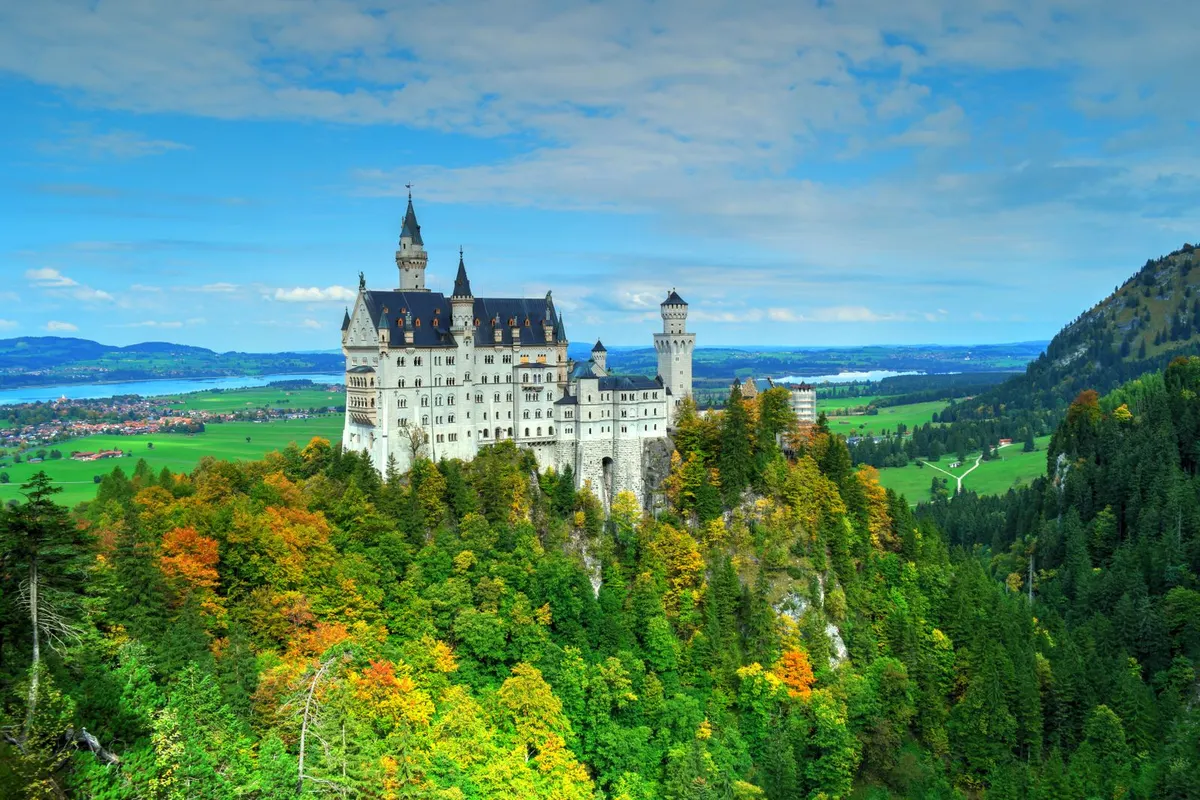
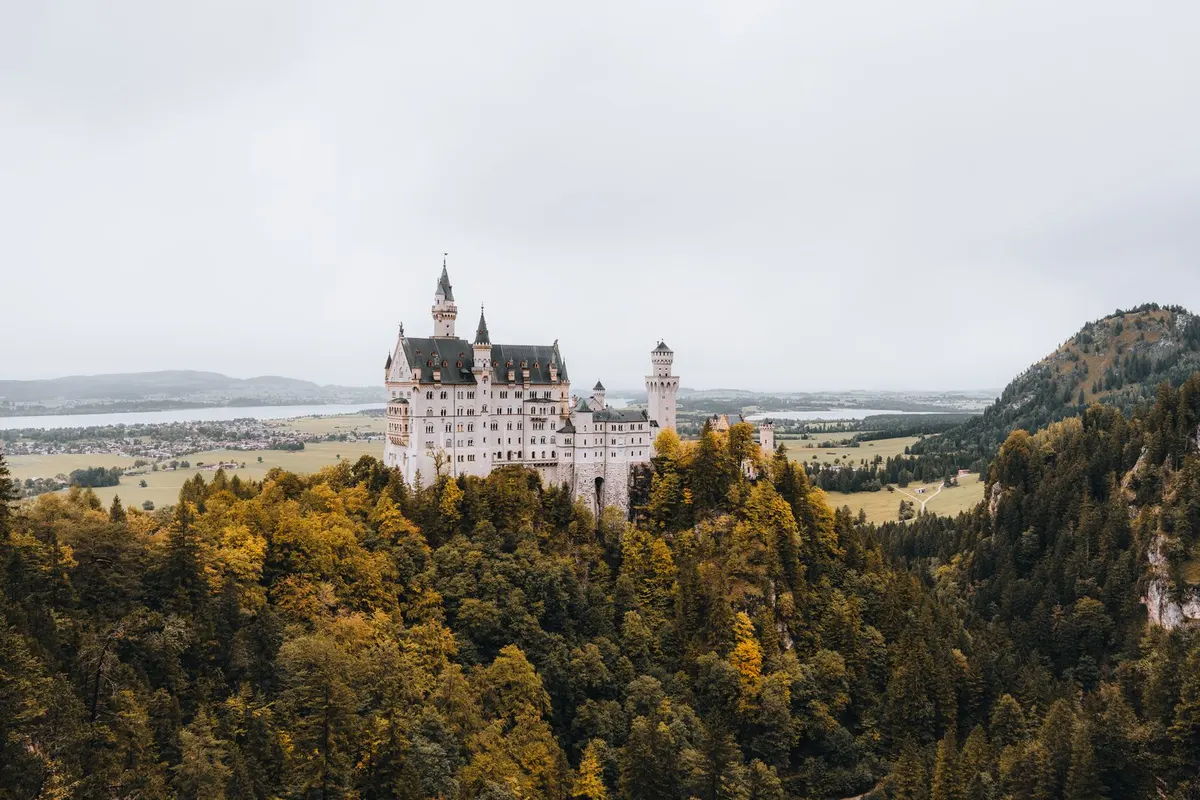
    Neuschwanstein surrounded by autumn forest
    Neuschwanstein surrounded by autumn forest

    Rising from the Bavarian hills, the white Neuschwanstein Castle is the world’s most famous fairy-tale castle. Built for King Ludwig II in the 19th century, it became a UNESCO World Heritage Site in 2025 as one of his palaces. Here is how to get there from Munich, how to book tickets and where to find the classic view from Mary’s Bridge.

    LocationSchwangau, Bavaria, near the Austrian border
    Getting thereAbout 2.5 hours by train and bus from Munich
    Best timeMay–October; autumn colours and snowy winters are beautiful too
    Time neededHalf a day at the castle; a full day trip from Munich

    How to get there

    1. Regional trains run from Munich Hauptbahnhof to Füssen in about 2 hours, covered by the Deutschlandticket or Bavaria Ticket.
    2. From Füssen station, buses 73 and 78 reach the Hohenschwangau ticket centre in about 10 minutes.
    3. It is a 30–40 minute uphill walk to the castle, or take the shuttle bus or horse carriage (suspended in bad weather).
    4. Visits are by timed guided tour only. Book online and head up early so you reach the castle entrance in time.

    Opening hours, prices and practical info

    VisitsTimed guided tours only (about 30 minutes); book online in advance (booking fee applies)
    TicketsDepending on your booking, you may need to check in at the Hohenschwangau ticket centre
    AccessBus 73 or 78 from Füssen station (about 10 minutes), then walk, shuttle or carriage
    PhotosNo photography inside; Mary’s Bridge is the classic photo spot

    Prices and hours are from official sources as of November 2026 and may change — check the official website before you go.

    Highlights of Neuschwanstein Castle

    The view from Mary’s Bridge

    Mary’s Bridge (Marienbrücke) over the gorge behind the castle gives the iconic postcard view. It may close in winter or for maintenance.

    The castle above the plains
    The castle above the plains

    The lavish interiors

    Rooms painted with scenes from Wagner’s operas, an artificial grotto and the Throne Hall bring the king’s dreams to life. Photography inside is not allowed.

    Hohenschwangau Castle and the Alpsee

    The yellow Hohenschwangau Castle opposite, where Ludwig II grew up, can also be toured. The Alpsee below reflects the mountains beautifully.

    The Alpsee and the castle among the mountains
    The Alpsee and the castle among the mountains

    Füssen old town

    Füssen, at the end of the Romantic Road, is a pretty town of pastel houses — perfect for a stroll after the castle.

    Suggested itinerary

    • Regional train from Munich to Füssen
    • Bus to Hohenschwangau
    • Walk up to Mary’s Bridge for the classic view
    • Your timed guided tour of the castle
    • Lunch in the village and a walk by the Alpsee
    • Stroll Füssen old town, then back to Munich
    The castle emerging from the mist
    The castle emerging from the mist
    The castle in the forest
    The castle in the forest

    Where to stay nearby

    AREA 1Hohenschwangau villageRight below the castles — great for an early start and peaceful evenings.
    AREA 2FüssenThe railway town with plenty of hotels and restaurants, and a base for the Romantic Road.
    AREA 3MunichThe widest choice of accommodation for a day trip.

    Tips for working holiday makers

    • Popular summer slots sell out — book online as soon as you know your date.
    • It takes over 30 minutes to walk from the ticket centre to the castle, so leave plenty of time before your tour.
    • With a Deutschlandticket, your return train from Munich costs nothing extra.
    • Mary’s Bridge may close in winter, but the castle in snow is breathtaking.

    FAQ

    Is it a day trip from Munich?

    Yes — about 2.5 hours each way by train and bus. Start early.

    Can I buy tickets on the day?

    If any are left, but summer often sells out, so book online.

    Can I take photos inside?

    No. Shoot the exterior from Mary’s Bridge and the paths.

    Is it a World Heritage Site?

    Yes, since 2025, as part of the Palaces of King Ludwig II of Bavaria.

    Planning a working holiday in Germany?Visa basics and a take-home pay calculator.
    Germany guide →

    More places to visit in Germany

    Photos: Pexels (free stock photos) Take-home pay calculator
  • Munich Travel Guide

    Munich Travel Guide

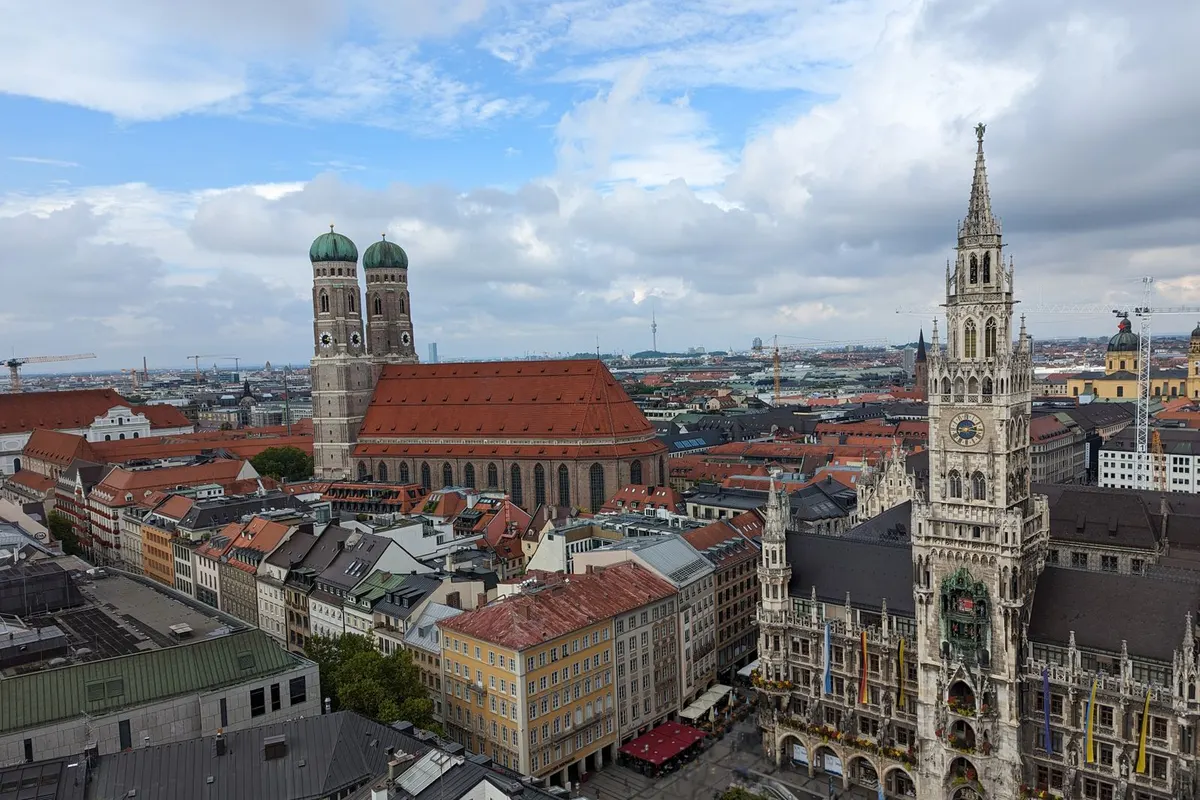
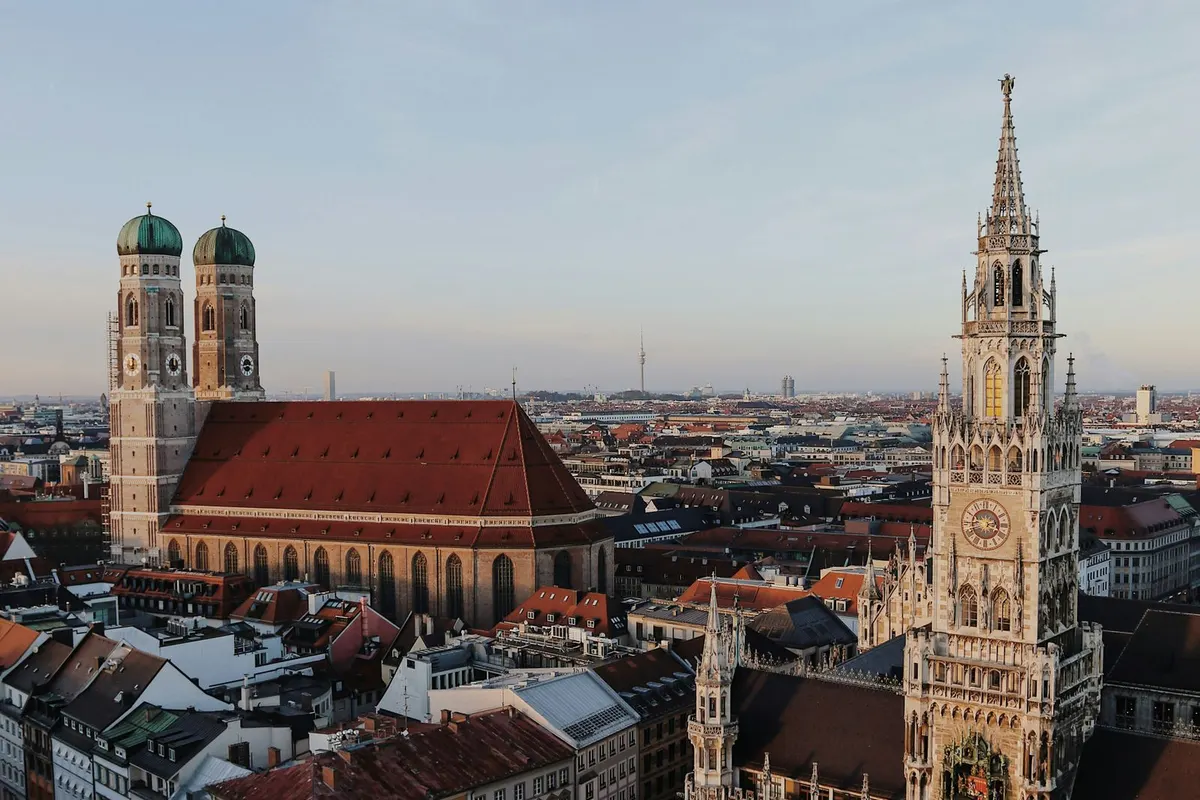
    The New Town Hall and the Frauenkirche
    The New Town Hall and the Frauenkirche

    The Bavarian capital is famous for beer and Oktoberfest, but Munich also offers a Gothic town hall with a mechanical clock, lively markets and the vast English Garden — history and liveability in one. It is also the base for Neuschwanstein and the Alps. Here is how to get there, what to see and where to stay.

    LocationBavaria, southern Germany
    AirportAbout 40 minutes by S-Bahn from Munich Airport to the centre
    Best timeMay–October; Oktoberfest runs from late September to early October
    Time needed2 days for the city; 3–4 with day trips

    How to get there

    1. Direct flights from Haneda take about 14 hours, or connect via Frankfurt and other hubs.
    2. From the airport, S-Bahn lines S1 and S8 reach Marienplatz and the main station in about 40 minutes.
    3. U-Bahn, S-Bahn, trams and buses cover the city, and the Deutschlandticket is valid.
    4. The old town centre is easily walkable.

    Opening hours, prices and practical info

    GlockenspielDaily at 11:00 and 12:00, plus 17:00 from March to October (10–15 minutes)
    Town hall towerPaid lift to the viewing platform
    Oktoberfest19 September – 4 October 2026; free entry, with tent tables bookable
    TransportMVV tickets or the Deutschlandticket; S1 and S8 to the airport

    Prices and hours are from official sources as of November 2026 and may change — check the official website before you go.

    Highlights of Munich

    Marienplatz and the Glockenspiel

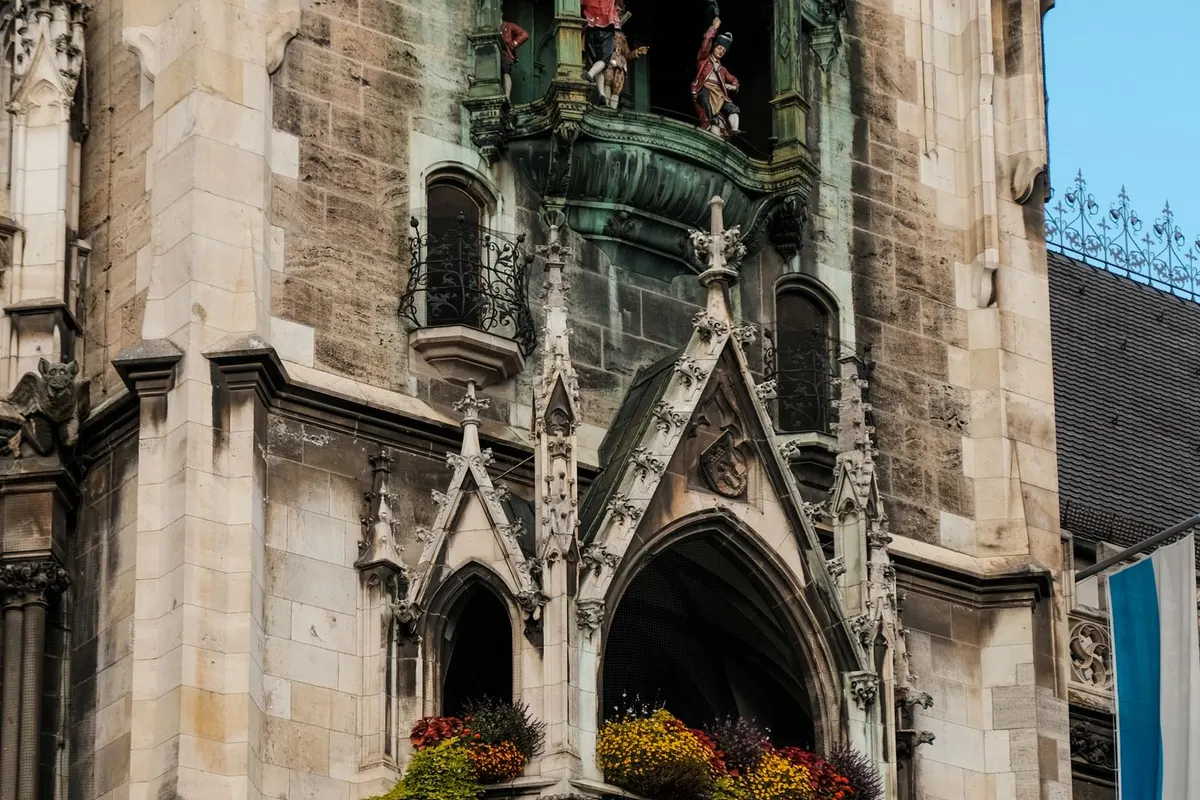
    On the New Town Hall tower in the central square, the Glockenspiel figures dance every day at 11:00 and 12:00 (and 17:00 from March to October).

    The Glockenspiel on the town hall tower
    The Glockenspiel on the town hall tower

    The Hofbräuhaus

    The world’s most famous beer hall, founded as a royal brewery in the 16th century. Raise a one-litre Mass with white sausages and a pretzel.

    Viktualienmarkt

    An open-air market next to Marienplatz with stalls of fruit, cheese and sausages, plus a beer garden in the middle.

    The English Garden and the Eisbach wave

    One of the world’s biggest city parks. At its edge, surfers ride the standing wave on the Eisbach river all year round.

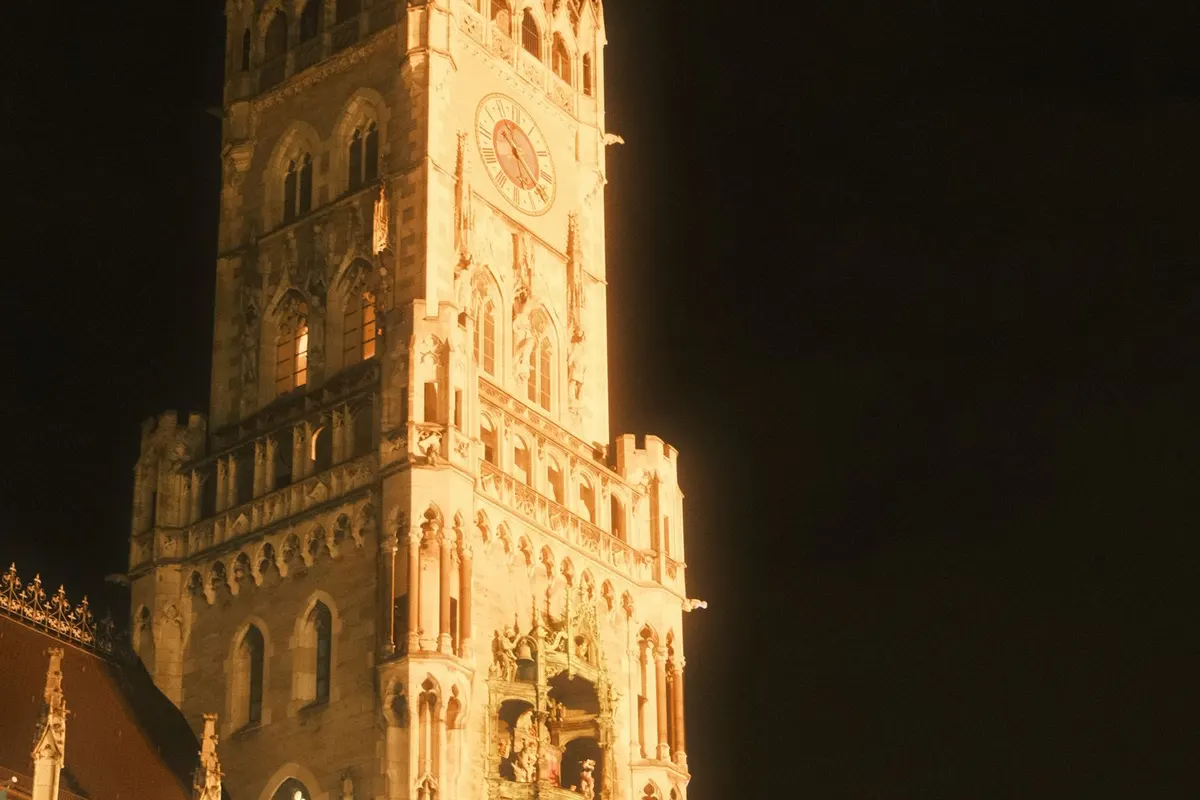
    The town hall and Frauenkirche by night

    The illuminated town hall and the twin towers of the Frauenkirche, the city’s symbol, are beautiful after dark.

    The New Town Hall lit up at night
    The New Town Hall lit up at night

    Suggested itinerary

    • Breakfast at the Viktualienmarkt
    • Watch the Glockenspiel at Marienplatz
    • Go up the town hall tower for the view
    • Beer and lunch at the Hofbräuhaus
    • English Garden and the Eisbach surfers
    • Dinner at a beer garden or restaurant in the old town
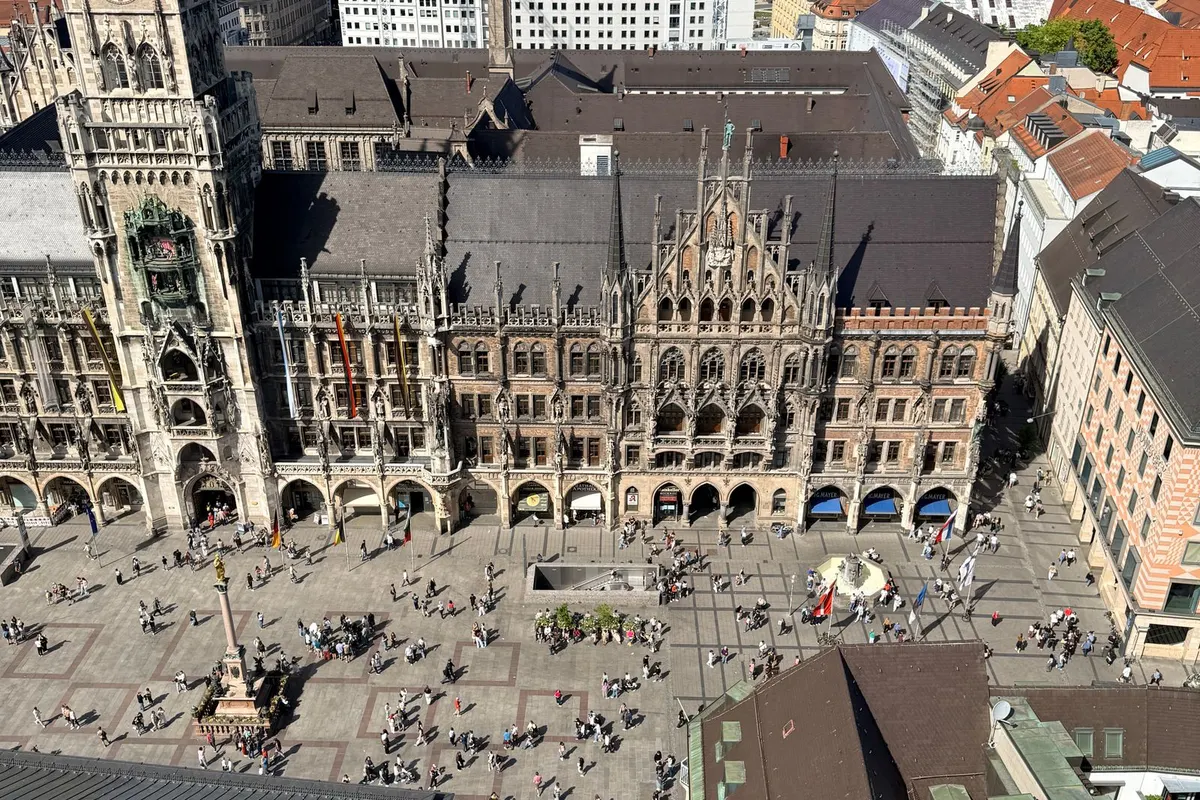
    Marienplatz from above
    Marienplatz from above
    The town hall and Frauenkirche at dusk
    The town hall and Frauenkirche at dusk

    Where to stay nearby

    AREA 1Old town (Altstadt)The sightseeing heart around Marienplatz — walkable but pricey.
    AREA 2Around the main stationHandy for the airport and day trips, with many hotels including budget options.
    AREA 3Schwabing and MaxvorstadtStudent districts near the universities and museums, with stylish cafés and the English Garden nearby.

    Tips for working holiday makers

    • Prices soar during Oktoberfest (19 September to 4 October in 2026) — book months ahead.
    • Munich is one of Germany’s most expensive cities to rent in, so start flat hunting early.
    • Some traditional beer gardens let you bring your own food.
    • Most shops close on Sundays.

    FAQ

    How do I get from the airport to the city?

    Take S-Bahn S1 or S8, about 40 minutes.

    When is Oktoberfest?

    19 September to 4 October in 2026. Entry is free; you order food and beer in the tents.

    Can I visit Neuschwanstein from Munich?

    Yes, about 2.5 hours by train and bus — an easy day trip.

    Do I need to book a beer hall?

    Usually not, but evenings and festival periods are easier with a reservation.

    Planning a working holiday in Germany?Visa basics and a take-home pay calculator.
    Germany guide →

    More places to visit in Germany

    Photos: Pexels (free stock photos) Take-home pay calculator
  • Berlin Travel Guide

    Berlin Travel Guide

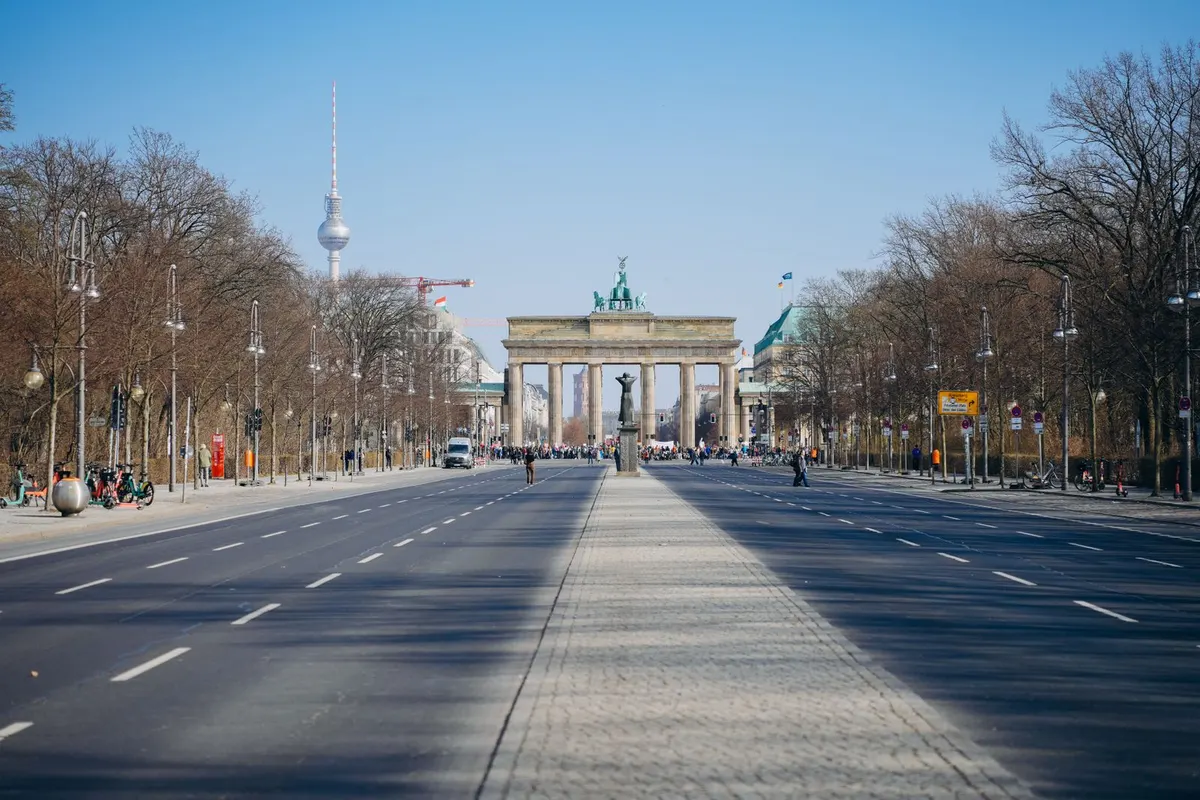
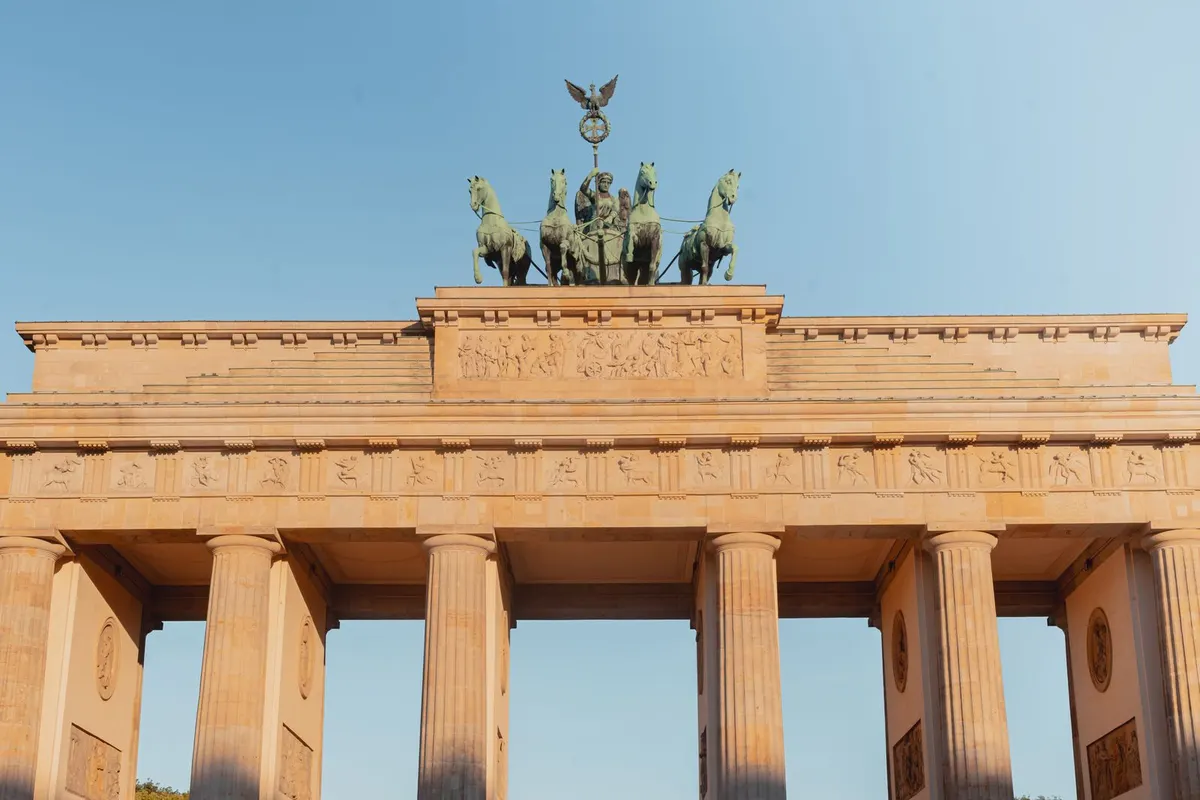
    The Brandenburg Gate and the TV Tower
    The Brandenburg Gate and the TV Tower

    From the Brandenburg Gate to the remains of the Berlin Wall, Germany’s capital lets you feel 20th-century history up close. Add the World Heritage-listed Museum Island and a famously free-spirited art and club scene, and it is easy to see why so many working holiday makers choose to live here. Here is how to get in from the airport, what to see and where to stay.

    LocationNorth-east Germany, on the River Spree
    AirportAbout 30 minutes by train from Berlin Brandenburg Airport (BER) to the main station
    Best timeMay–September; Christmas markets from late November
    Time needed3 days for the highlights; 4–5 with museums and Potsdam

    How to get there

    1. There are no direct flights from Japan, so connect via Frankfurt, Munich or another European hub to BER.
    2. From the airport, the FEX airport express and regional trains reach Berlin Hauptbahnhof in about 30 minutes; S-Bahn trains also run.
    3. U-Bahn, S-Bahn, trams and buses share one ticket system. Validate paper tickets before boarding, or buy in the app.
    4. The Deutschlandticket (63 euros a month in 2026) covers all local and regional transport in Germany — great value if you live here.

    Opening hours, prices and practical info

    Reichstag domeFree, but register in advance on the Bundestag website (bring your passport)
    TransportBVG tickets for all modes; validate paper tickets; the Deutschlandticket is valid
    Museum IslandEach museum is paid, with combined passes; some close on Mondays
    SundaysMost shops and supermarkets close (station shops stay open)

    Prices and hours are from official sources as of November 2026 and may change — check the official website before you go.

    Highlights of Berlin

    The Brandenburg Gate and the Reichstag

    The Brandenburg Gate is the symbol of division and reunification. The glass dome of the nearby Reichstag is free to visit with advance registration.

    The Quadriga on top of the Brandenburg Gate
    The Quadriga on top of the Brandenburg Gate

    The Berlin Wall

    See the 1.3 km of painted wall at the East Side Gallery and the Berlin Wall Memorial on Bernauer Strasse, with a preserved watchtower and border strip.

    Museum Island

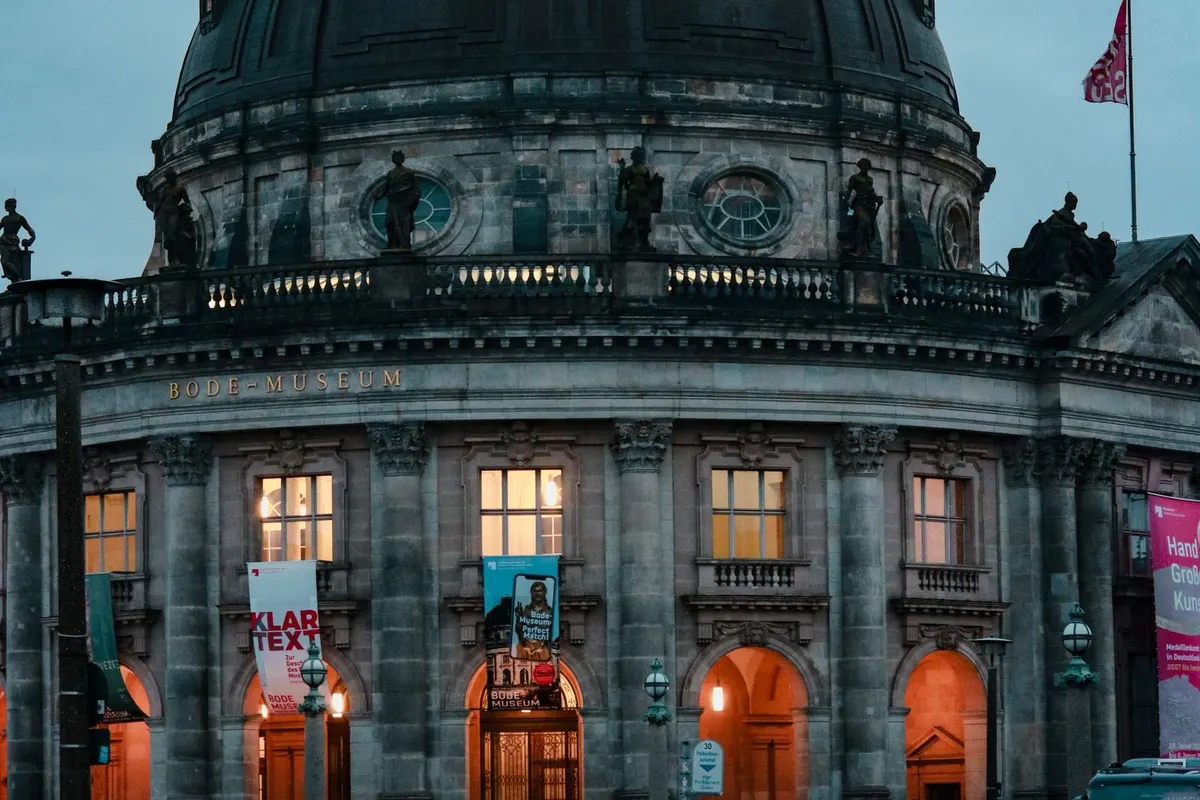
    Five museums share this World Heritage-listed island in the Spree, alongside Berlin Cathedral. Parts of the Pergamon Museum are closed for long-term renovation.

    The Bode Museum at dusk
    The Bode Museum at dusk

    The TV Tower and Alexanderplatz

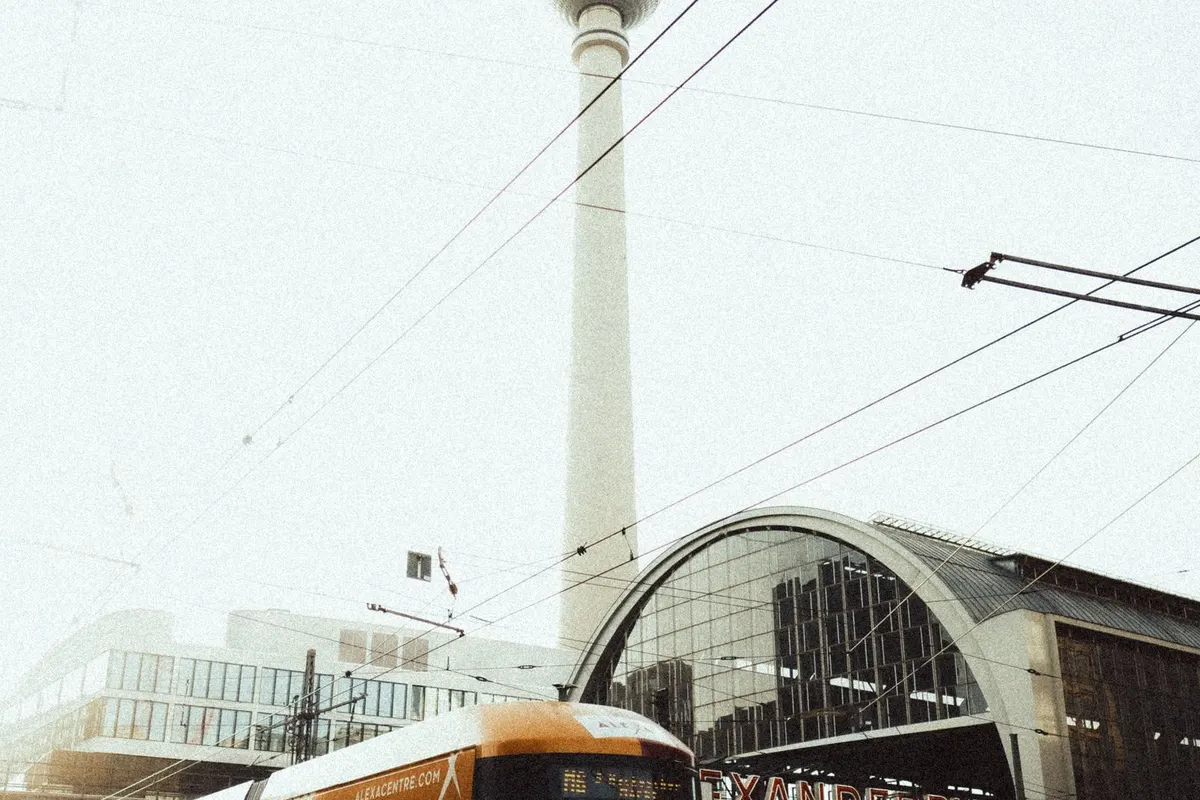
    The 368 m TV Tower is visible from all over the city, and its observation deck looks out over former East and West Berlin.

    A tram and the TV Tower at Alexanderplatz
    A tram and the TV Tower at Alexanderplatz

    Suggested itinerary

    • Brandenburg Gate and the Reichstag dome (pre-registered)
    • Past the Holocaust Memorial to Checkpoint Charlie
    • Currywurst for lunch
    • Museum Island and Berlin Cathedral
    • City views from the TV Tower
    • Walk the East Side Gallery and dinner in Kreuzberg
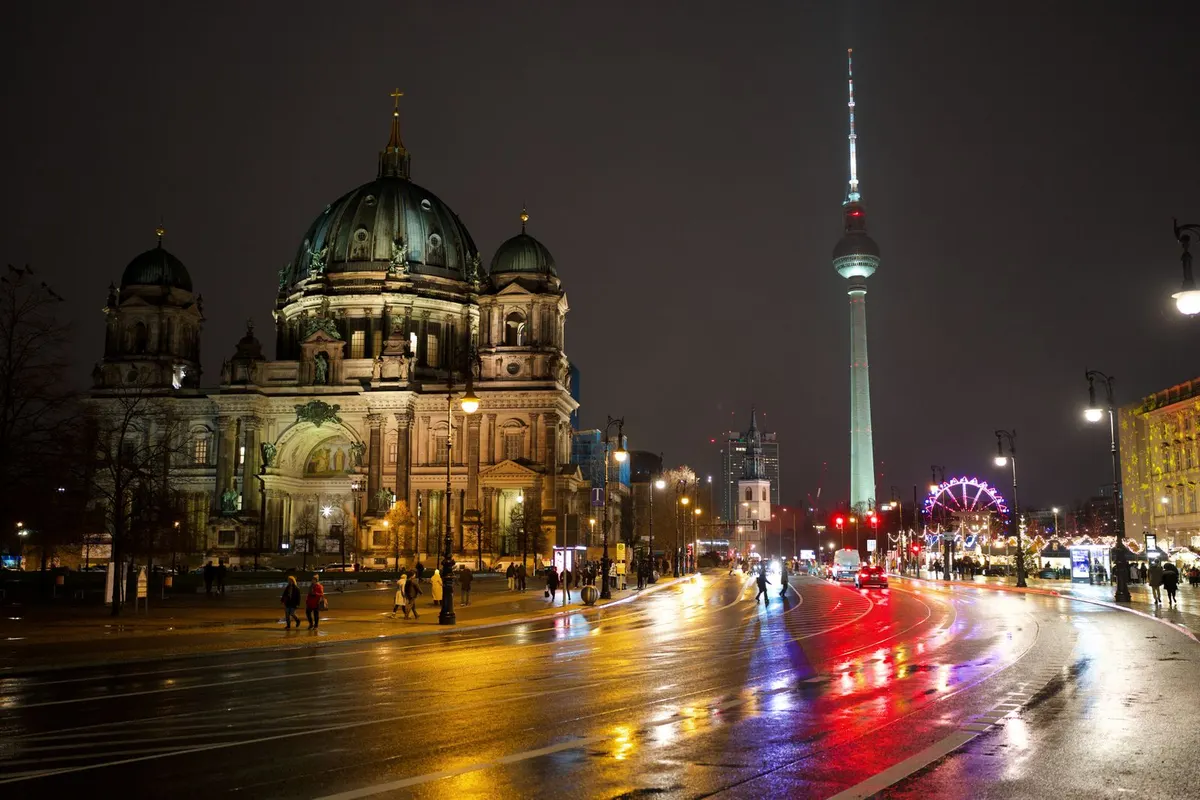
    Berlin Cathedral and the TV Tower at night
    Berlin Cathedral and the TV Tower at night

    Where to stay nearby

    AREA 1MitteWalk to the main sights — the best base for first-timers.
    AREA 2Friedrichshain and KreuzbergCafés, bars and clubs with affordable hotels and hostels — popular with young travellers.
    AREA 3CharlottenburgThe heart of former West Berlin, calmer and close to the Ku’damm shopping street.

    Tips for working holiday makers

    • Appointments for address registration (Anmeldung) can be hard to get — sort out housing and bookings early.
    • With many start-ups and restaurants, Berlin has more English-speaking jobs than most German cities.
    • Most shops and supermarkets close on Sundays, so shop by Saturday.
    • Tickets are checked and fare dodging is fined — validate your paper ticket.

    FAQ

    How do I get from the airport to the city?

    The FEX airport express or regional trains reach the main station in about 30 minutes.

    Where can I see the Berlin Wall?

    The East Side Gallery and the Berlin Wall Memorial on Bernauer Strasse.

    Is Berlin good for a working holiday?

    Yes — more English-speaking jobs and lower costs than other big German cities, though the housing market is competitive.

    Can I visit the Reichstag?

    The rooftop dome is free with advance online registration.

    Planning a working holiday in Germany?Visa basics and a take-home pay calculator.
    Germany guide →

    More places to visit in Germany

    Photos: Pexels (free stock photos) Take-home pay calculator