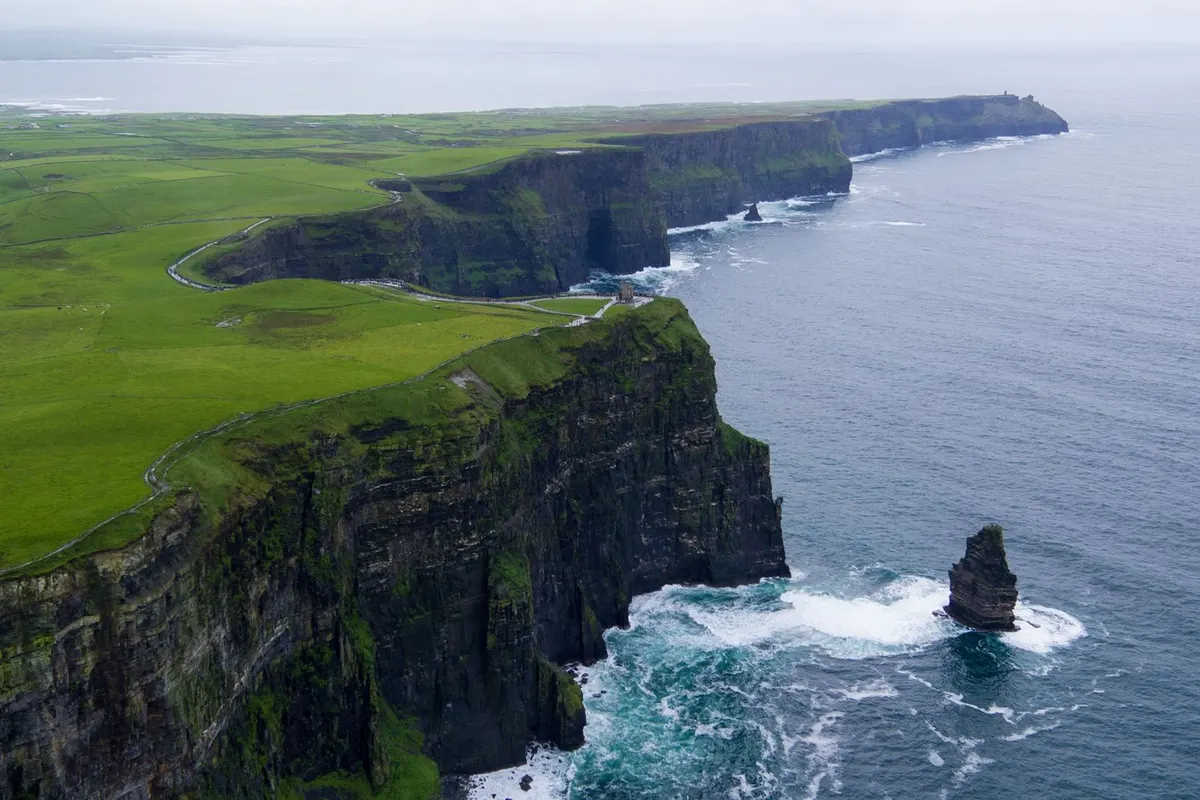
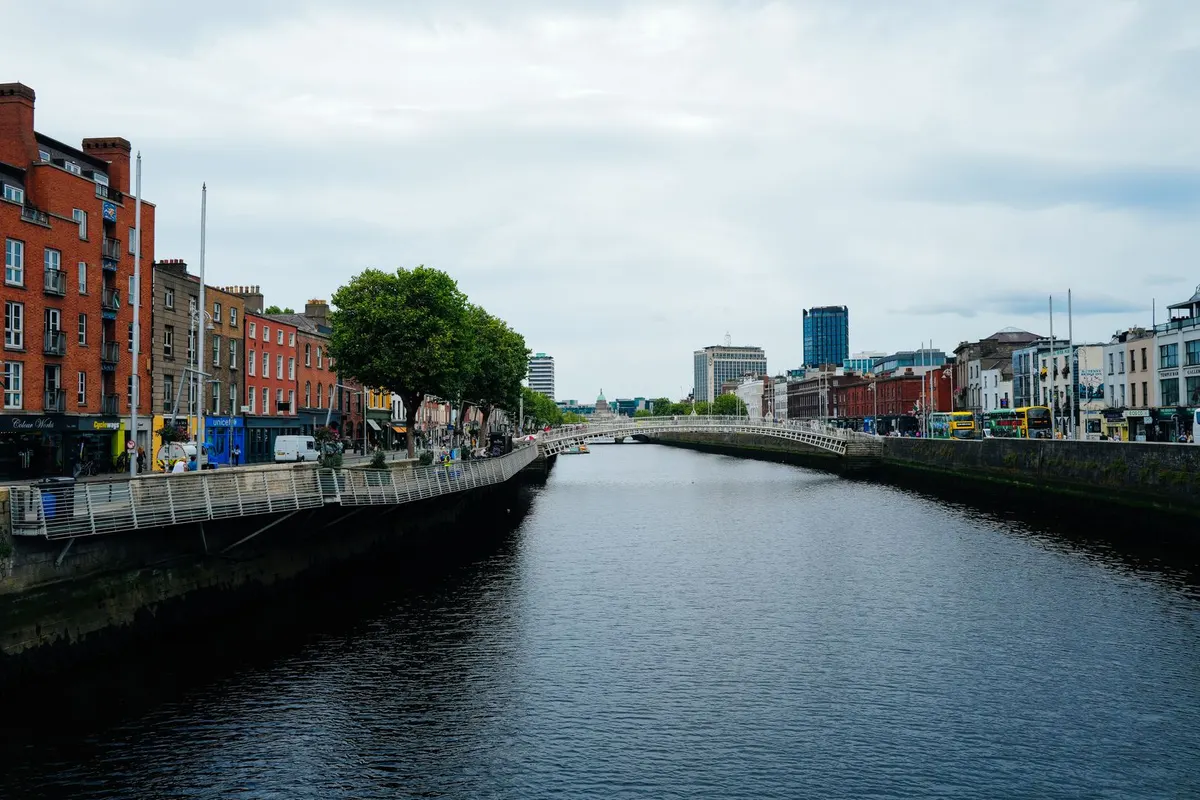
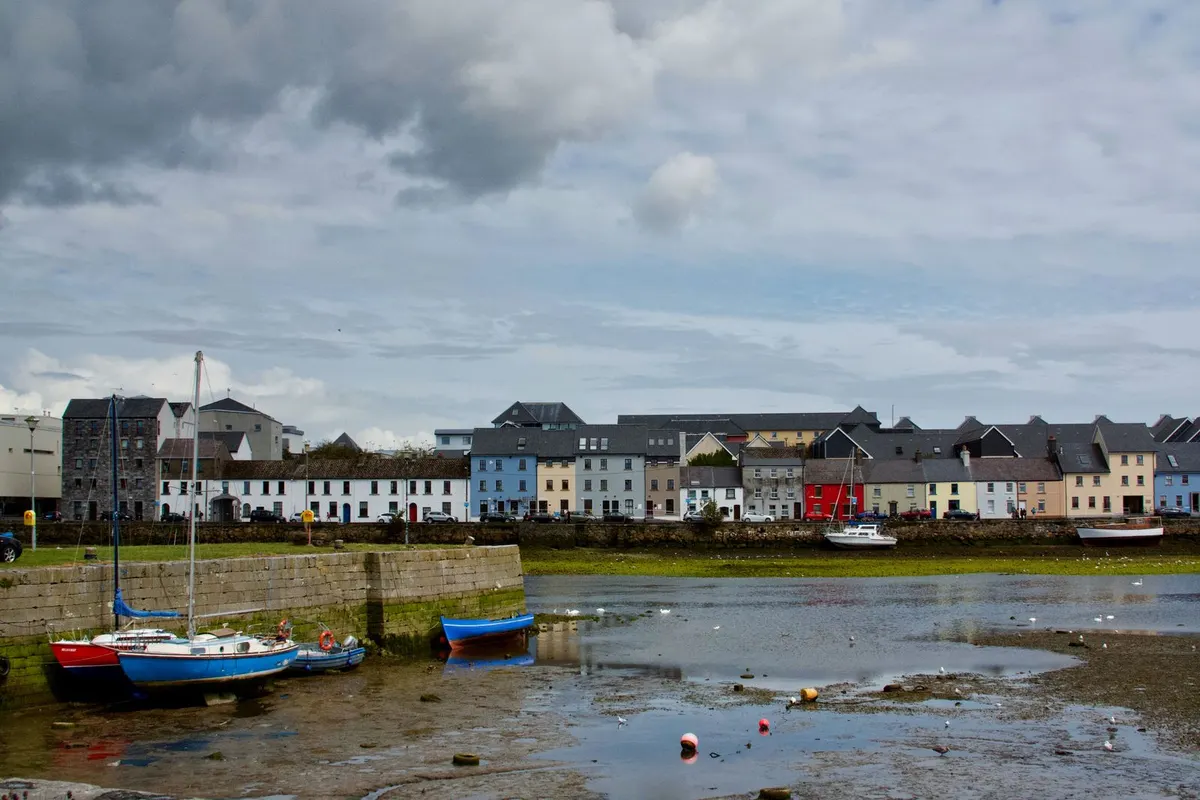
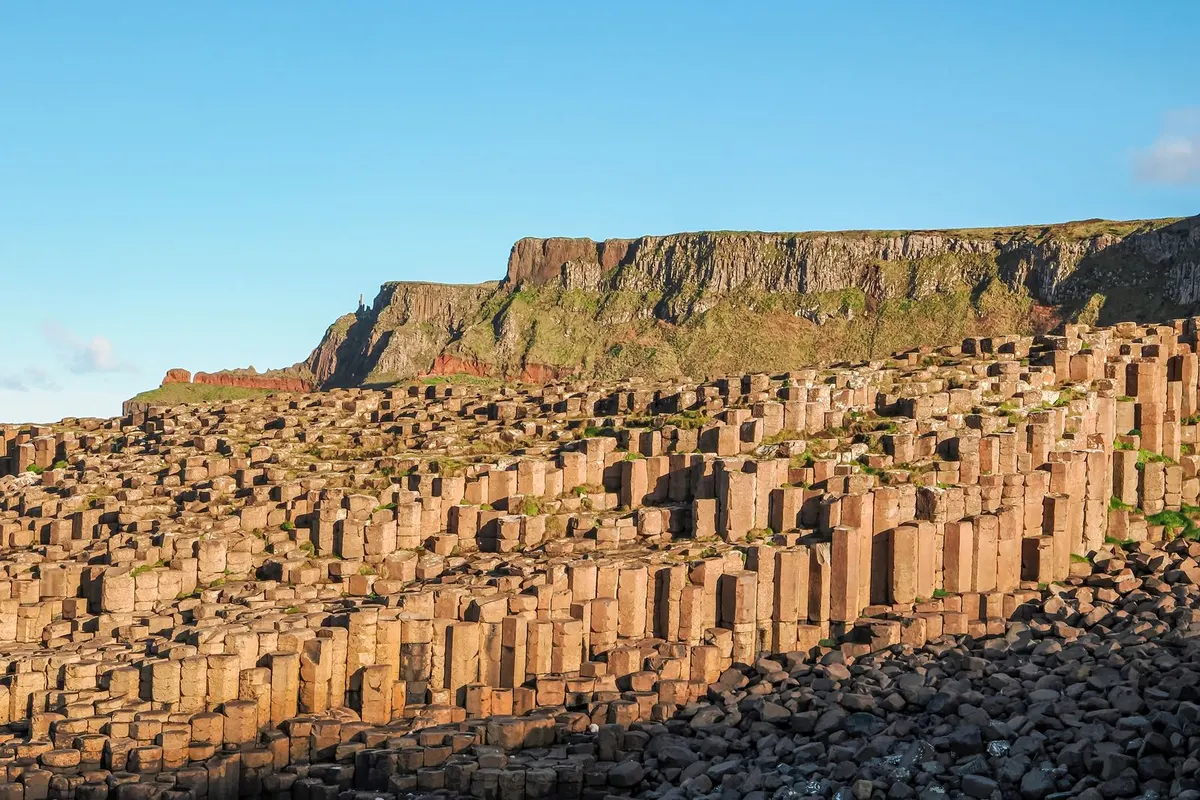
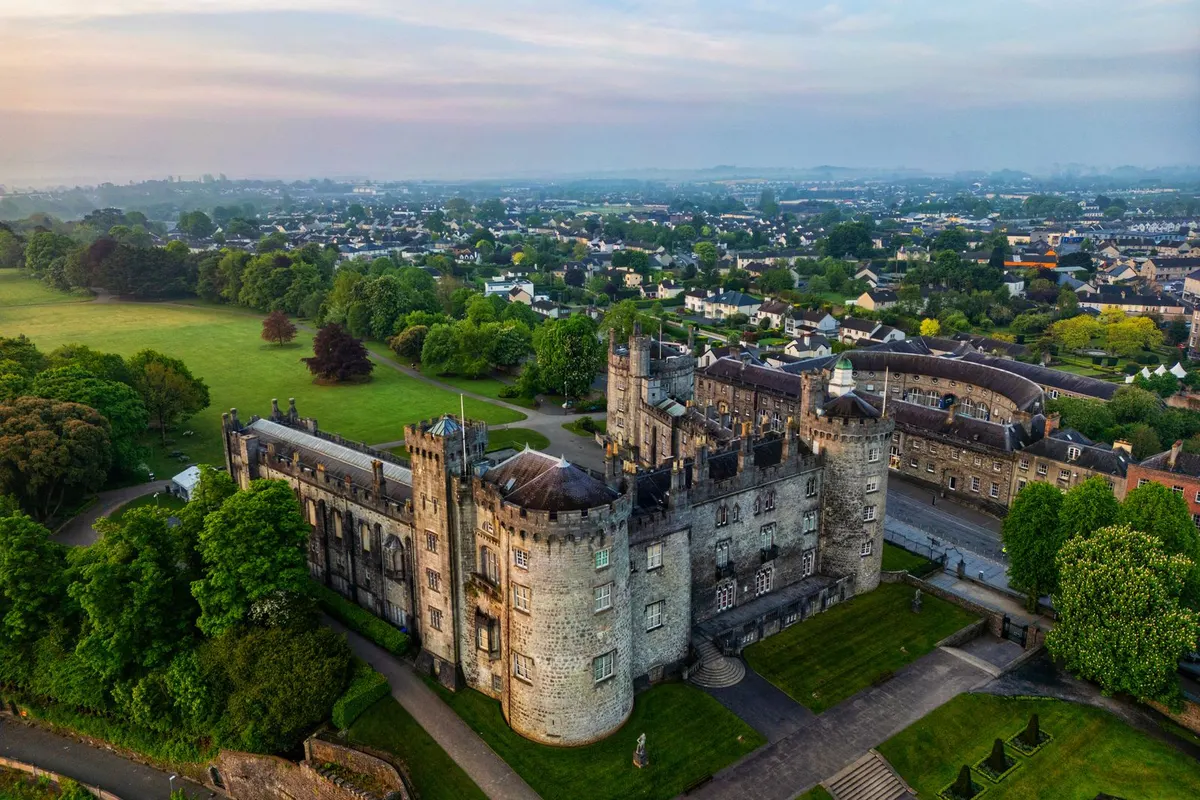
Atlantic cliffs, emerald hills and cities full of pubs and music — Ireland is warm, wild and welcoming. Here are 6 of the best places to visit on your days off or travels during a working holiday.
No.1
Cliffs of Moher
Rising up to 214 m above the Atlantic and stretching for about 8 km, the Cliffs of Moher are Ireland’s most visited natural wonder. The contrast of c…
Getting there:About 1.5 hours by bus from Galway, 3.5 hours from Dublin
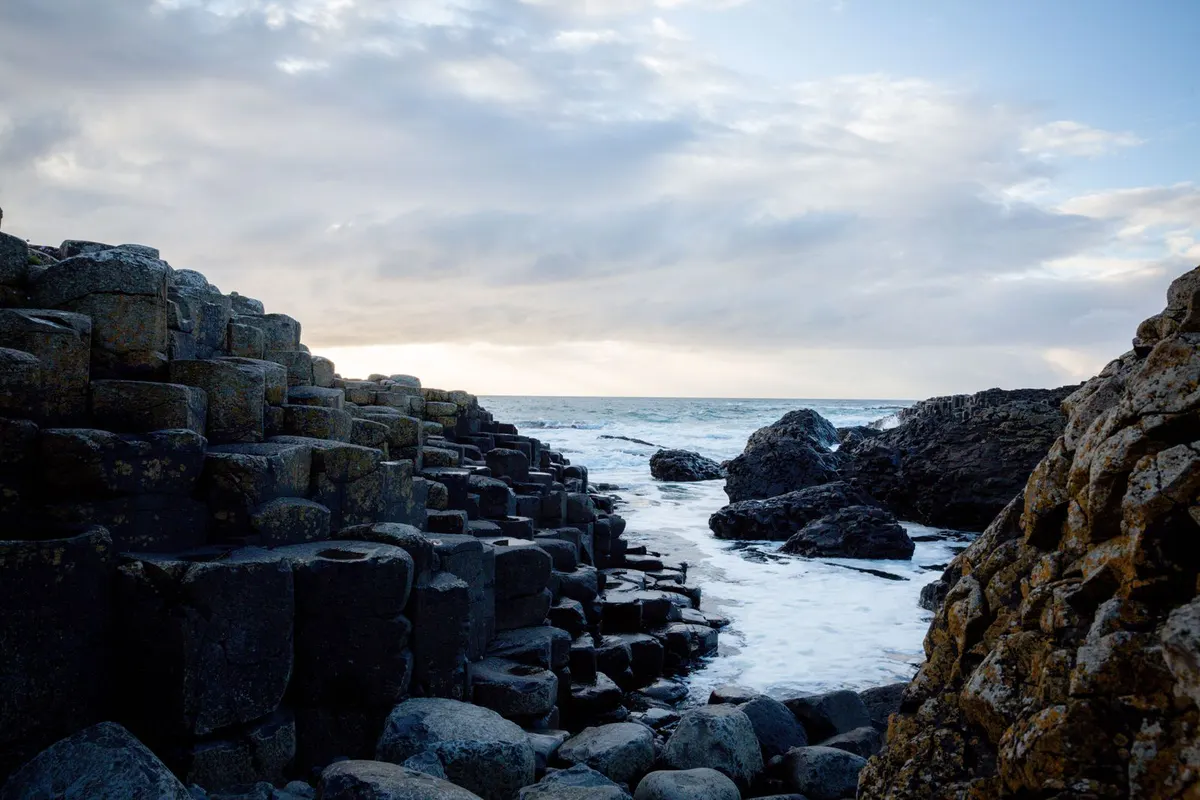
On the coast of Northern Ireland, around 40,000 hexagonal basalt columns fit together like stepping stones. Formed from cooling lava and listed as a World Heritage Site in 1986, the Giant’s Causeway is wrapped in legends of a giant who built a road to Scotland. Here is how to get there from Dublin or Belfast and what else to see nearby.
LocationNorth coast of County Antrim, Northern Ireland (UK)
Getting thereAbout 1 hour 15 minutes by car from Belfast, 3 hours from Dublin
Best timeMay–September; open in winter but days are short
Time needed1–2 hours at the stones; a full day with the coastal route
How to get there
This is Northern Ireland, part of the UK. There are no checks at the land border, but Japanese passport holders need a UK ETA, and the currency switches to pounds.
From Dublin, a day tour covering the Causeway and other coastal sights is easiest (about 12 hours).
From Belfast, take the train to Coleraine (about 1.5 hours) and connect by bus. Extra tourist buses run in summer.
By car, follow the Causeway Coastal Route, one of the world’s great coastal drives.
Opening hours, prices and practical info
Visiting
The path to the stones is free; the National Trust visitor centre (with parking) is paid
Entry
Northern Ireland is in the UK — Japanese passport holders need a UK ETA
Currency
Pounds sterling (many places do not take euros)
Rope bridge
Carrick-a-Rede is timed entry and closes in high winds
Prices and hours are from official sources as of November 2026 and may change — check the official website before you go.
Highlights of Giant’s Causeway
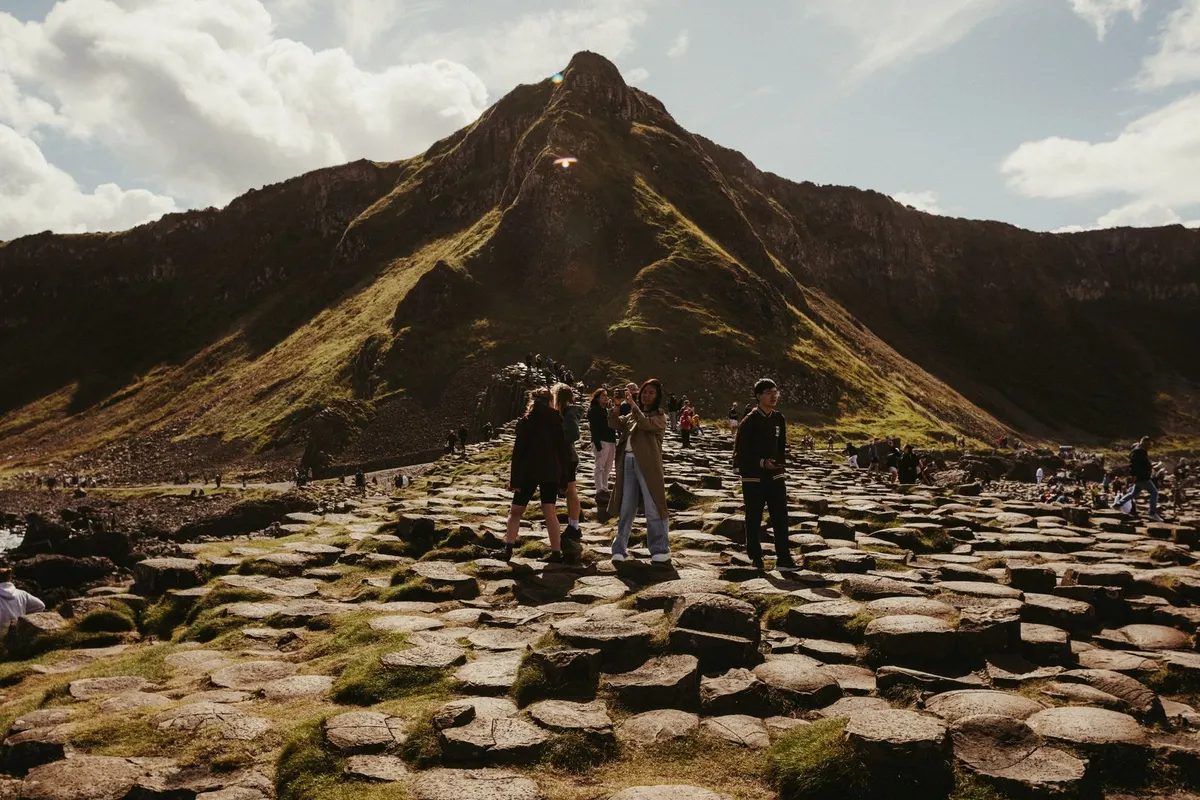
Walk on the hexagonal columns
Formed by volcanic activity around 60 million years ago, the columns can be walked on, stepping down to the sea like a giant staircase.
Waves breaking over the basalt columns
The legend of Finn McCool
Legend says the Irish giant Finn McCool built the causeway to fight a Scottish rival. See if you can find the “Giant’s Boot”.
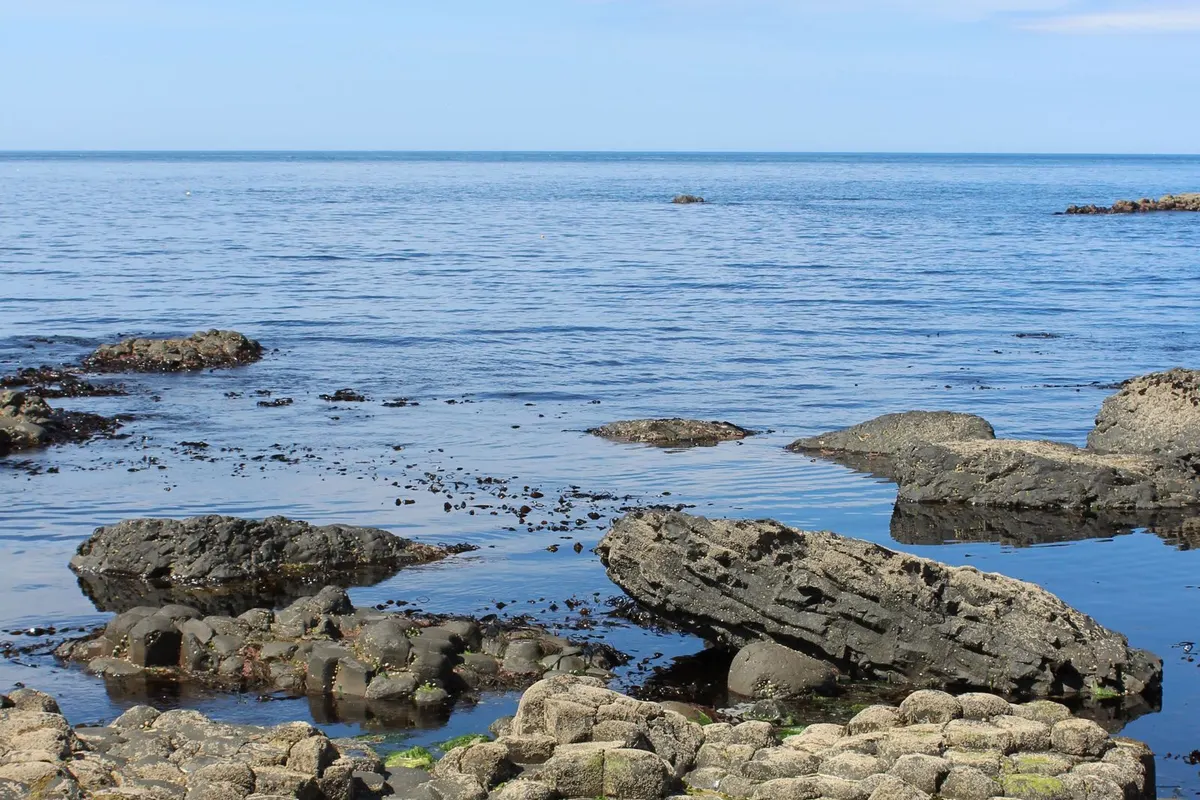
The columns stretching along the shore
The cliff-top trails
After the stones, climb to the cliff-top trails to see how the columns spread along the coast.
Visitors walking on the columns
Carrick-a-Rede and the Dark Hedges
Nearby are the Carrick-a-Rede rope bridge, 30 m above the sea, and the Dark Hedges, a famous tree-lined road used as a TV location.
Suggested itinerary
Day tour from Dublin (do not forget your ETA)
Photo stop at the Dark Hedges
Cross the Carrick-a-Rede rope bridge (pre-booked)
Lunch in Bushmills
The Giant’s Causeway stones and trails
Back in Dublin
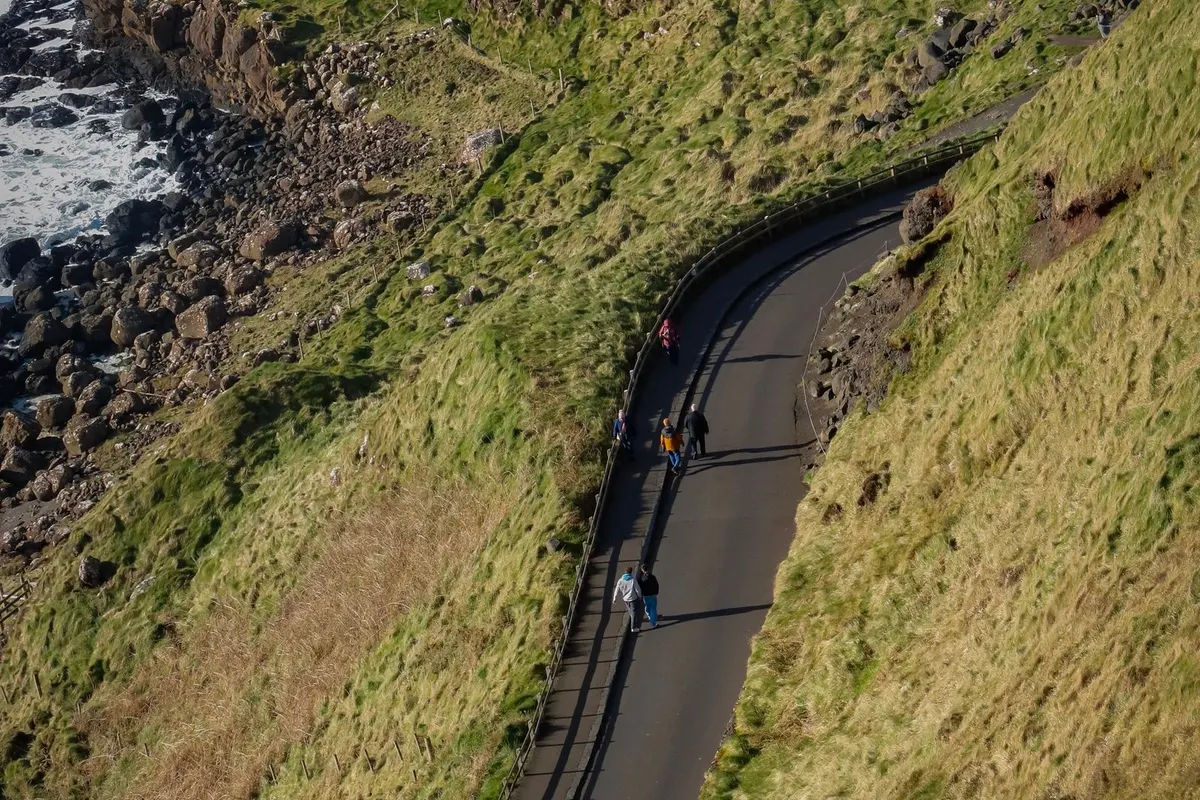
The cliff path from above
Where to stay nearby
AREA 1BelfastNorthern Ireland’s capital, with lots of hotels and attractions such as Titanic Belfast.
AREA 2Portrush and PortstewartSeaside resorts about 15 minutes’ drive from the Causeway.
AREA 3BushmillsA small village with one of the world’s oldest whiskey distilleries — the closest place to stay.
Tips for working holiday makers
Japanese passport holders need a UK ETA to enter Northern Ireland, even overland from Ireland — apply in advance.
The columns are slippery when wet, so wear trainers or walking shoes.
Walking down to the stones is free; the visitor centre (with parking) is paid.
Ireland uses the euro and Northern Ireland the pound, but cards are accepted almost everywhere.
FAQ
Is it a day trip from Dublin?
Yes, on a tour (about 12 hours). A night in Belfast makes it more relaxed.
Do I need a passport or visa?
Northern Ireland is part of the UK, so Japanese passport holders need a UK ETA — an Irish working holiday visa alone is not enough.
Is there an entry fee?
Walking to the stones is free; the visitor centre and parking are paid.
How long do I need?
1–2 hours for the stones and trails, or a full day with nearby sights.
Planning a working holiday in Ireland?Visa basics and a take-home pay calculator.
Ireland’s capital on the River Liffey is a city of pubs and literature. Trinity College’s historic library, the Guinness Storehouse and the music-filled streets of Temple Bar are all within walking distance. It is also where most working holiday makers in Ireland start out. Here is how to get in from the airport, what to see and where to stay.
LocationEast coast of Ireland, at the mouth of the River Liffey
AirportAbout 30–40 minutes by bus from Dublin Airport to the centre
Best timeMay–September; St Patrick’s Day on 17 March
Time needed2–3 days for the city, plus day trips such as Howth
How to get there
There are no direct flights from Japan, so connect via London, a European hub or the Middle East.
From the airport, express coaches (Dublin Express, Aircoach) reach the centre in about 30–40 minutes. Local buses like route 16 are cheaper but slower.
Buses, the Luas tram and DART trains accept the Leap Card or contactless payment.
The centre is compact, so most sights are walkable.
Opening hours, prices and practical info
Book of Kells
At Trinity College; timed paid tickets bookable online
Guinness Storehouse
Paid, timed entry; tickets can include a pint in the rooftop bar
Transport
Buses, Luas and DART take the Leap Card or contactless, with daily caps
Airport coaches
Dublin Express and Aircoach run around the clock on some routes
Prices and hours are from official sources as of November 2026 and may change — check the official website before you go.
Highlights of Dublin
Trinity College and the Book of Kells
Founded in 1592, Trinity College displays the Book of Kells, a ninth-century illuminated manuscript. The wood-panelled Long Room library looks like something out of a film.
The Guinness Storehouse
Learn the story of Guinness and finish with a freshly poured pint in the rooftop bar overlooking the city.
Temple Bar and pub culture
Pubs line the cobbled streets, with live traditional music from the afternoon. Pubs are at the heart of Irish culture — try ones beyond Temple Bar to chat with locals.
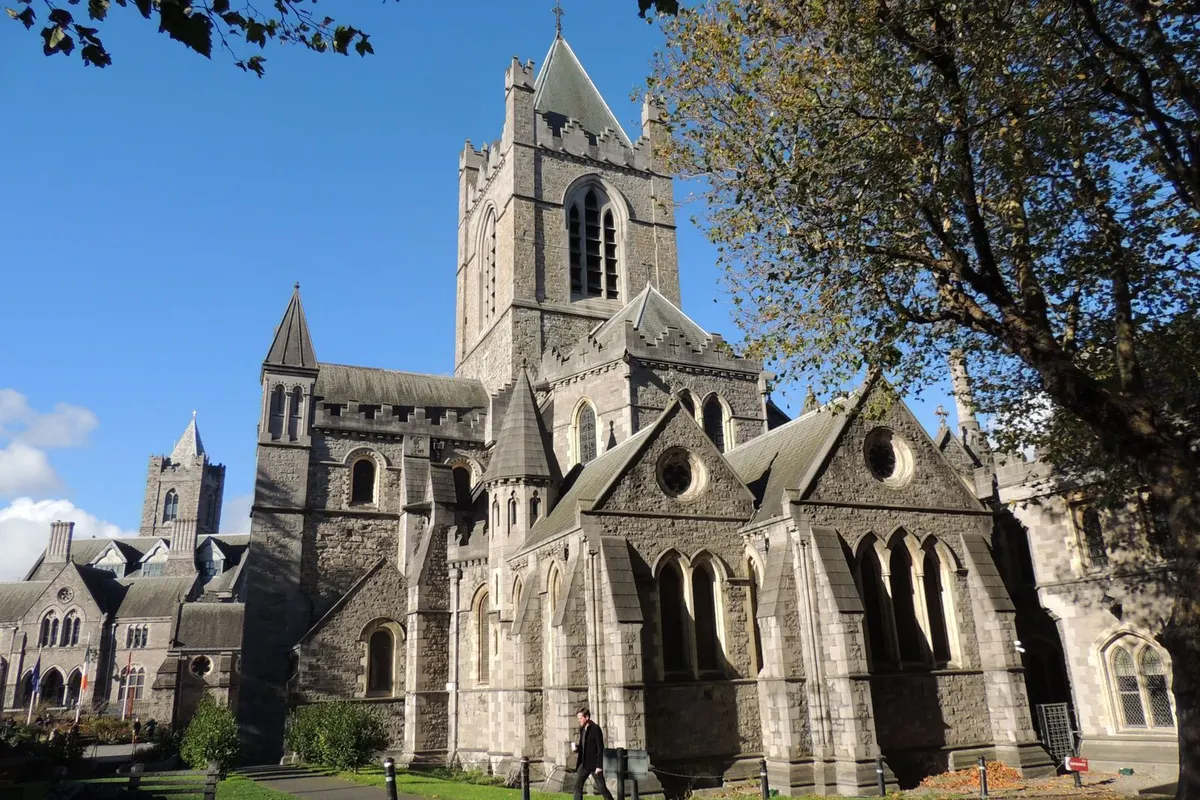
Christ Church Cathedral
The Liffey and the Ha’penny Bridge
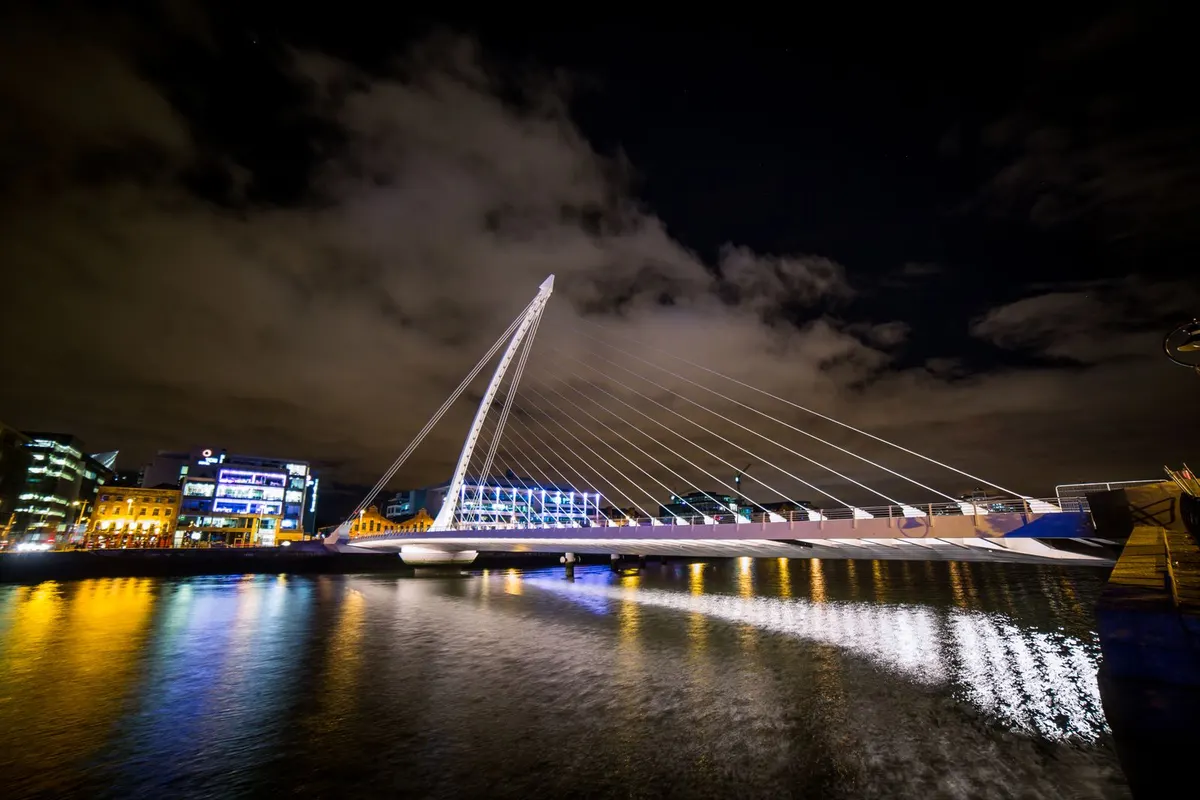
The white iron Ha’penny Bridge (1816) is Dublin’s symbol, and the river’s bridges are lit up at night.
The Samuel Beckett Bridge at night
St Stephen’s Green
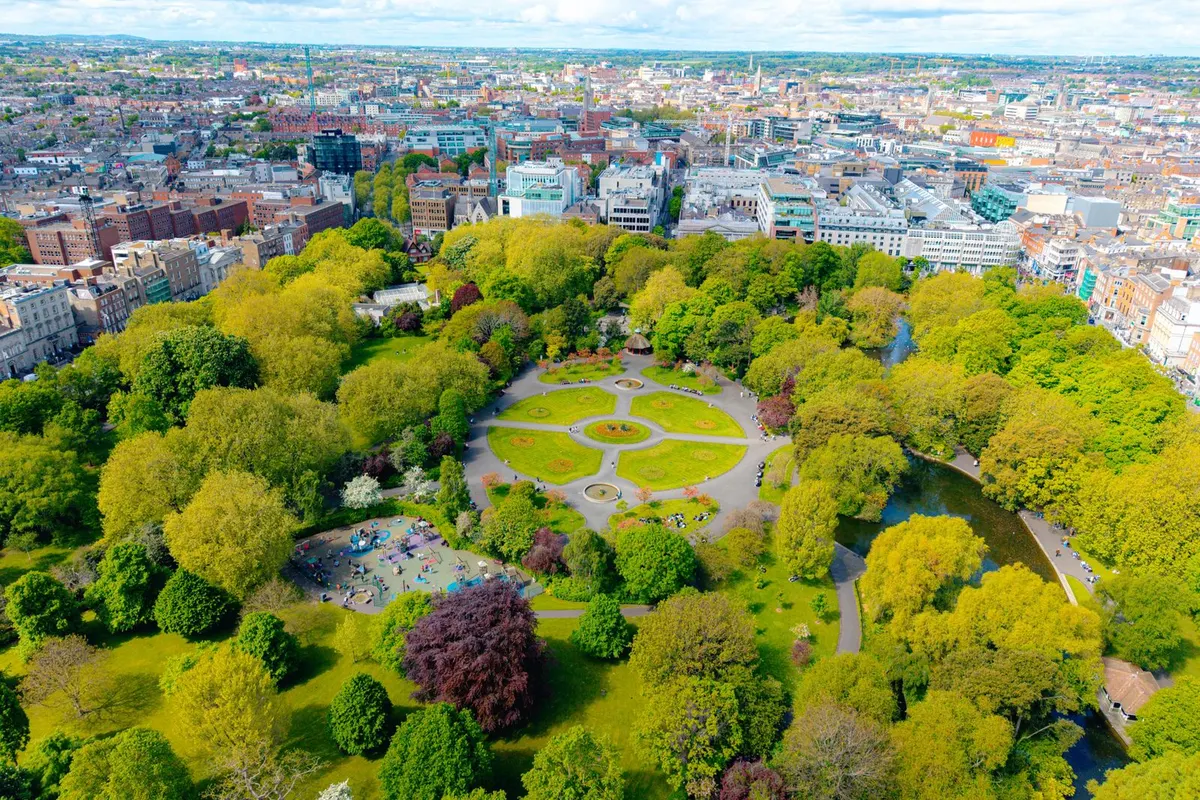
A leafy park at the end of Grafton Street, the main shopping street, where locals relax on sunny days.
St Stephen’s Green from above
Suggested itinerary
Trinity College, the Book of Kells and the Long Room (pre-booked)
Grafton Street and St Stephen’s Green
Irish stew lunch at a pub
Christ Church and St Patrick’s Cathedrals
Guinness Storehouse and the rooftop view
Dinner with live trad music in Temple Bar
Temple Bar on St Patrick’s Day
Where to stay nearby
AREA 1Temple Bar and TrinityThe heart of sightseeing and nightlife — convenient but noisy on weekend nights.
AREA 2Around O’Connell Street (north side)A transport hub with more affordable hotels and hostels.
AREA 3BallsbridgeA calm, upmarket area to the south-east with plenty of hotels.
Tips for working holiday makers
Many tech companies have European headquarters here, and hospitality jobs are plentiful — but rent is among the highest in Europe, so start looking early.
Book timed tickets for the Book of Kells and the Guinness Storehouse online.
In pubs, friends take turns buying “rounds” for the group.
Sunshine and showers alternate through the day — a waterproof jacket is handy.
FAQ
How do I get from the airport to the city?
Express coaches take about 30–40 minutes; local bus 16 also runs.
How expensive is rent for working holiday makers?
Among the highest in Europe — start flat hunting even before you find a job.
What are good day trips?
The fishing village of Howth (30 minutes by DART), Glendalough’s monastic ruins and the Cliffs of Moher.
How old do you have to be to drink?
You must be 18 to buy alcohol.
Planning a working holiday in Ireland?Visa basics and a take-home pay calculator.
Galway on Ireland’s west coast is a lively, artsy harbour city of colourful houses and street musicians. Irish-language culture is strong here, and it is the gateway to the Cliffs of Moher, Connemara and the Aran Islands. Here is how to get there from Dublin, what to see and where to stay.
LocationWest coast, on Galway Bay
Getting thereAbout 2 hours 20 minutes by train or 2.5 hours by bus from Dublin
Best timeMay–September; July brings the arts festival
Time needed1 day for the city; 3–4 with day trips
How to get there
Irish Rail trains run from Dublin Heuston to Galway Ceannt station in about 2 hours 20 minutes.
Direct coaches from Dublin Airport and the city take about 2.5 hours and run frequently.
The station and bus terminal are right by Eyre Square in the centre, and everything is walkable.
Daily day tours leave Galway for the Cliffs of Moher and Connemara.
Opening hours, prices and practical info
Train
Dublin Heuston to Galway in about 2 hours 20 minutes; book early for cheaper fares
Galway Cathedral
Free (donations welcome); avoid visiting during Mass
Aran Islands
Ferries from Rossaveal, with a connecting bus from central Galway
Events
Galway International Arts Festival in July; Galway Races in July–August
Prices and hours are from official sources as of November 2026 and may change — check the official website before you go.
Highlights of Galway
The Latin Quarter and Shop Street
The pedestrian streets of the centre are packed with pubs, cafés and shops, and buskers play day and night.
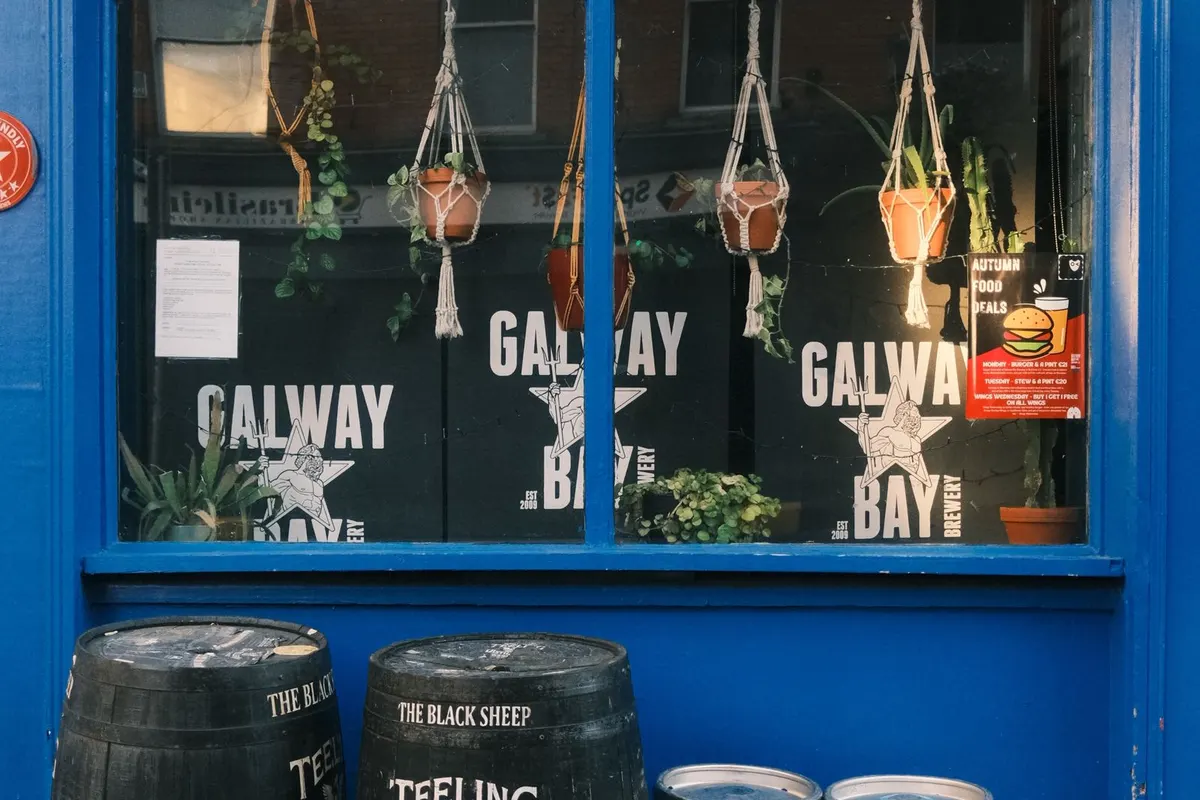
A Galway Bay pub
The Spanish Arch and the Long Walk
From the 16th-century Spanish Arch, stroll along the Long Walk with its row of colourful houses — Galway’s classic photo spot.
Galway Cathedral and the River Corrib
The green-domed cathedral was completed in 1965. A walk along the fast-flowing River Corrib is lovely too.
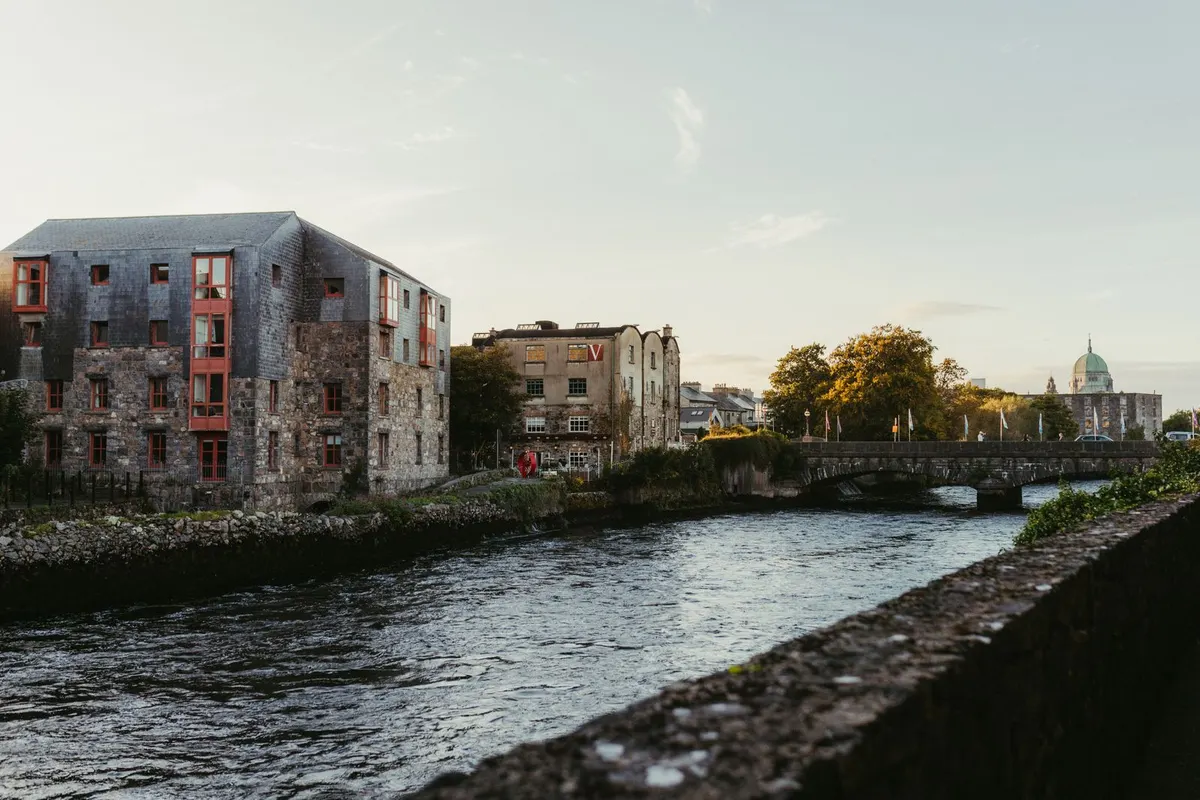
The River Corrib at sunset
The Salthill Promenade
A seafront promenade about 30 minutes’ walk from the centre — perfect for a sunset stroll. Locals like to “kick the wall” at the end.
Suggested itinerary
Eyre Square and Shop Street
Spanish Arch and the Long Walk
Seafood chowder for lunch
Walk along the Corrib to Galway Cathedral
Sunset on the Salthill Promenade
Trad music session in a pub
Flags over Shop StreetGalway Cathedral from above
Where to stay nearby
AREA 1City centre (Eyre Square, Latin Quarter)Close to the station, pubs and restaurants.
AREA 2SalthillSeafront hotels and B&Bs — quieter, with sea views.
AREA 3Woodquay and NewcastleResidential areas just outside the centre with good-value guesthouses.
Tips for working holiday makers
As a student city, Galway has plenty of hospitality and tourism jobs, and rent is a little lower than in Dublin.
Accommodation fills up during the July arts festival and the Galway Races — book early.
Ferries to Inis Mór in the Aran Islands take about 40 minutes from nearby Rossaveal; rent a bike on the island.
The west is rainy — make the most of sunny spells.
FAQ
Is it a day trip from Dublin?
Possible, but 2–3 nights lets you enjoy the surrounding area too.
How do I get to the Cliffs of Moher?
By day tour or bus route 350, about 1.5 hours from Galway.
Is Galway good for a working holiday?
Yes — rent is a bit lower than Dublin and tourism jobs are available.
What should I eat?
Seafood chowder and oysters — there is even an oyster festival in September.
Planning a working holiday in Ireland?Visa basics and a take-home pay calculator.
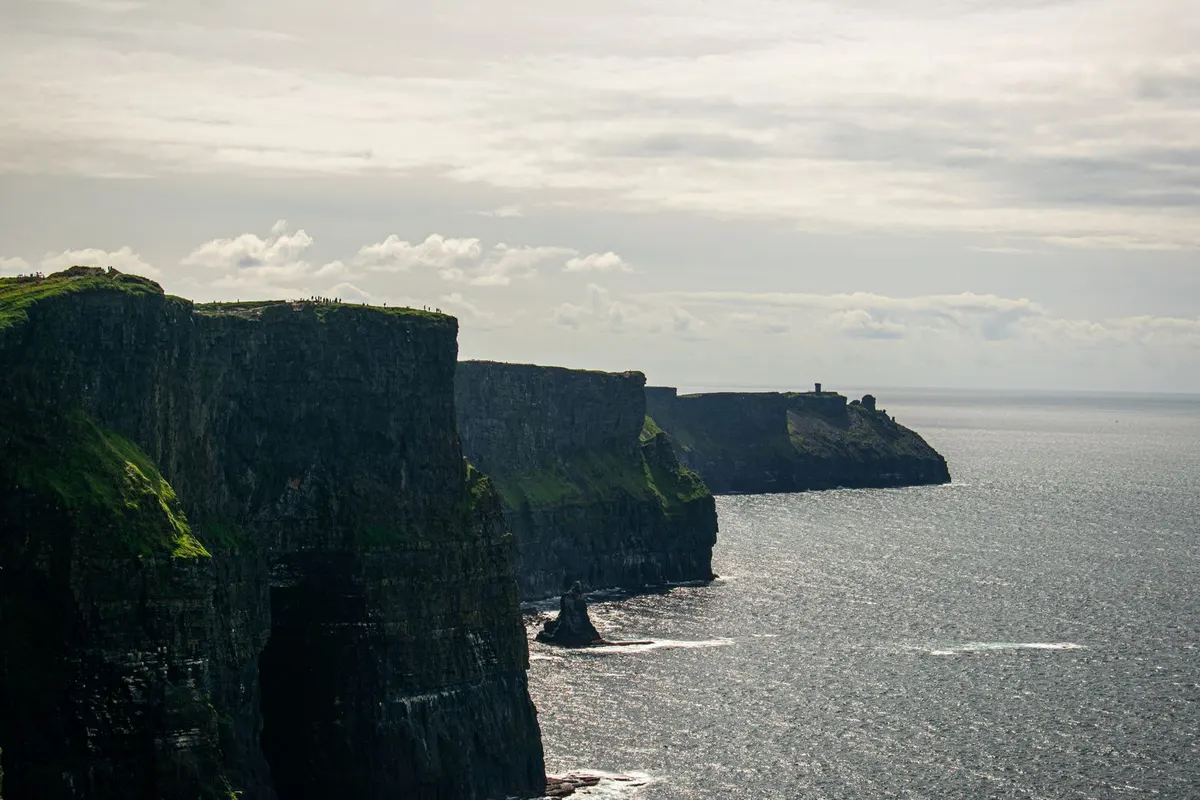
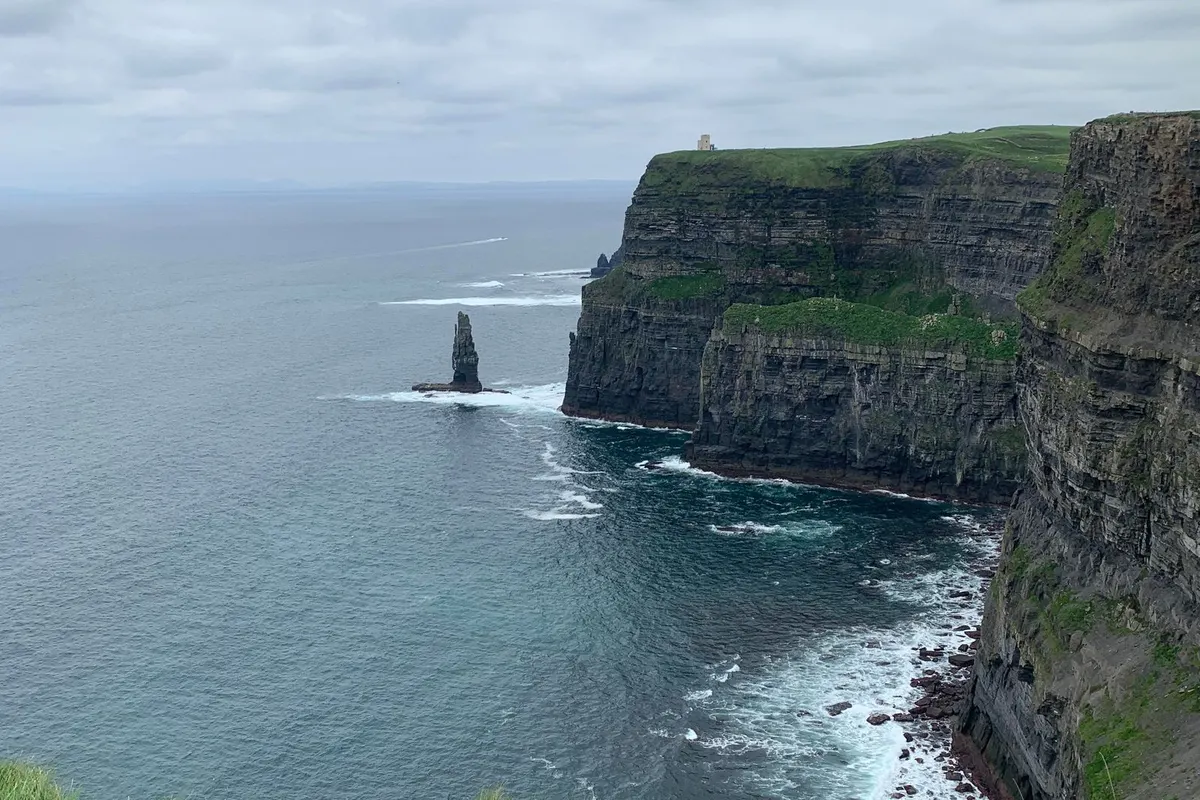
Rising up to 214 m above the Atlantic and stretching for about 8 km, the Cliffs of Moher are Ireland’s most visited natural wonder. The contrast of crashing waves and green fields has even featured in films. Here is how to get there from Dublin or Galway, what to see and where to stay.
LocationThe Atlantic coast of County Clare, west Ireland
Getting thereAbout 1.5 hours by bus from Galway, 3.5 hours from Dublin
Best timeMay–September; late afternoon light is beautiful
Time needed2–3 hours for the visitor centre and cliff paths
How to get there
The easiest option is a day tour from Dublin or Galway. From Dublin it is a long day of about 12 hours, with stops along the way.
By public transport, Bus Éireann route 350 runs from Galway in about 1.5 hours, but services are limited.
By car it is about 1.5 hours from Galway; parking at the visitor centre is bundled with admission.
From the nearby village of Doolin, boats cruise beneath the cliffs and ferries run to the Aran Islands.
Opening hours, prices and practical info
Admission
Visitor centre entry (including parking) varies by time slot; booking online is cheaper
Opening hours
Vary by season (open into the evening in summer) — check the official site
Bus
Bus Éireann route 350 from Galway, with more services in summer
Cruises
Boats from Doolin mainly run March–October and depend on sea conditions
Prices and hours are from official sources as of November 2026 and may change — check the official website before you go.
Highlights of Cliffs of Moher
The view from O’Brien’s Tower
A stone tower near the highest point of the cliffs. On clear days you can see the Aran Islands and Galway Bay.
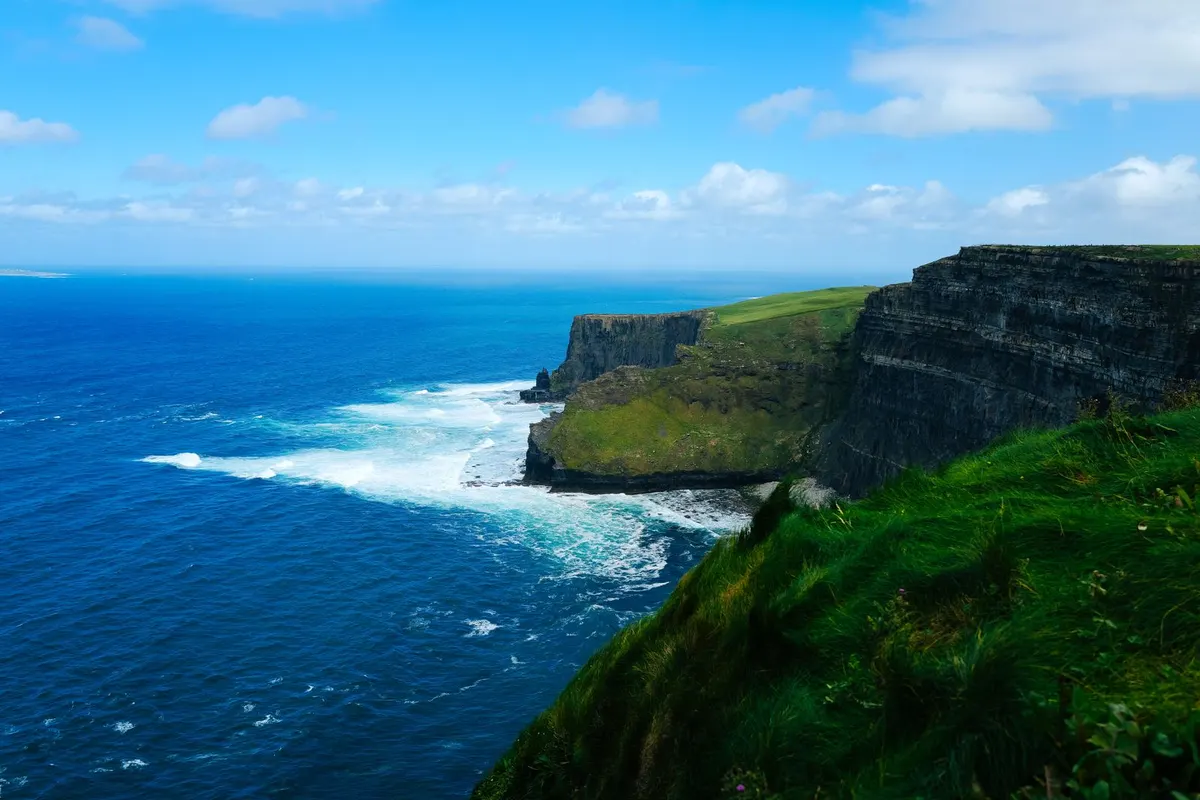
The cliffs and the blue Atlantic
The cliff-top paths
Well-kept paths run north and south from the visitor centre. Walk a little way to escape the crowds and see the cliffs in profile — but stay inside the barriers.
Waves crashing below the cliffs
A cruise beneath the cliffs
Boats from Doolin show you the sheer scale of the cliffs from the water, with puffins and other seabirds nesting on the ledges in spring and summer.
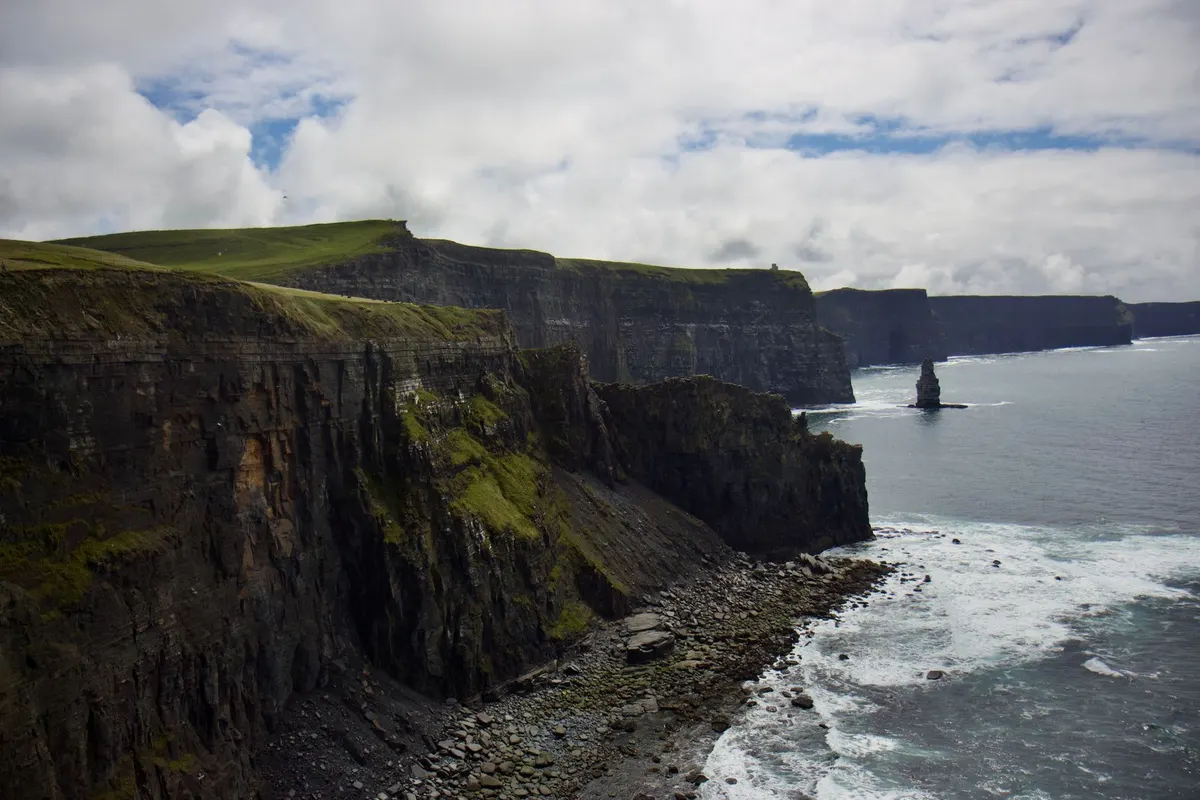
The cliffs stretching into the distance
The Burren landscape
North of the cliffs, the Burren is an otherworldly limestone landscape that most tours also stop at.
Suggested itinerary
Day tour departs Dublin
Photo stop in the Burren
Arrive at the Cliffs of Moher and visit the centre
O’Brien’s Tower and the cliff paths
Pub lunch in Doolin village
Back in Dublin (or stay in Galway)
Green fields running to the cliff edge
Where to stay nearby
AREA 1DoolinThe closest village, full of traditional music pubs and B&Bs.
AREA 2GalwayThe biggest city in the west — lots of accommodation and the main base for tours and buses.
AREA 3Lisdoonvarna and EnnisSmaller towns in County Clare with more affordable places to stay.
Tips for working holiday makers
It can be extremely windy — hold on to hats and bring a windproof jacket.
Fog can hide the cliffs completely, so check the forecast if your schedule is flexible.
Late afternoon is quieter once the tour coaches leave, and you may catch the sunset.
Never go near the edge — the ground is unstable and accidents happen every year.
FAQ
Can I visit as a day trip from Dublin?
Yes, but it is a long day of about 3.5 hours each way. Staying in Galway makes it easier.
Is there an entry fee?
Yes, for the visitor centre (parking included). It is cheaper to book online.
What time of day is best?
Early morning or late afternoon, when it is quieter and the light is golden.
Is it worth going in the rain?
Light rain is fine, but thick fog can hide the cliffs entirely.
Planning a working holiday in Ireland?Visa basics and a take-home pay calculator.
From great historic cities to storybook villages and prehistoric monuments, the UK packs a lot into a small island. Here are 6 of the best places to visit on your days off or travels during a Youth Mobility Scheme stay.
No.1
London
Big Ben, Tower Bridge, the British Museum — London is packed with world-famous sights, and many of its museums and galleries are free. It is also whe…
Getting there:About 15–40 minutes by train from Heathrow to central London
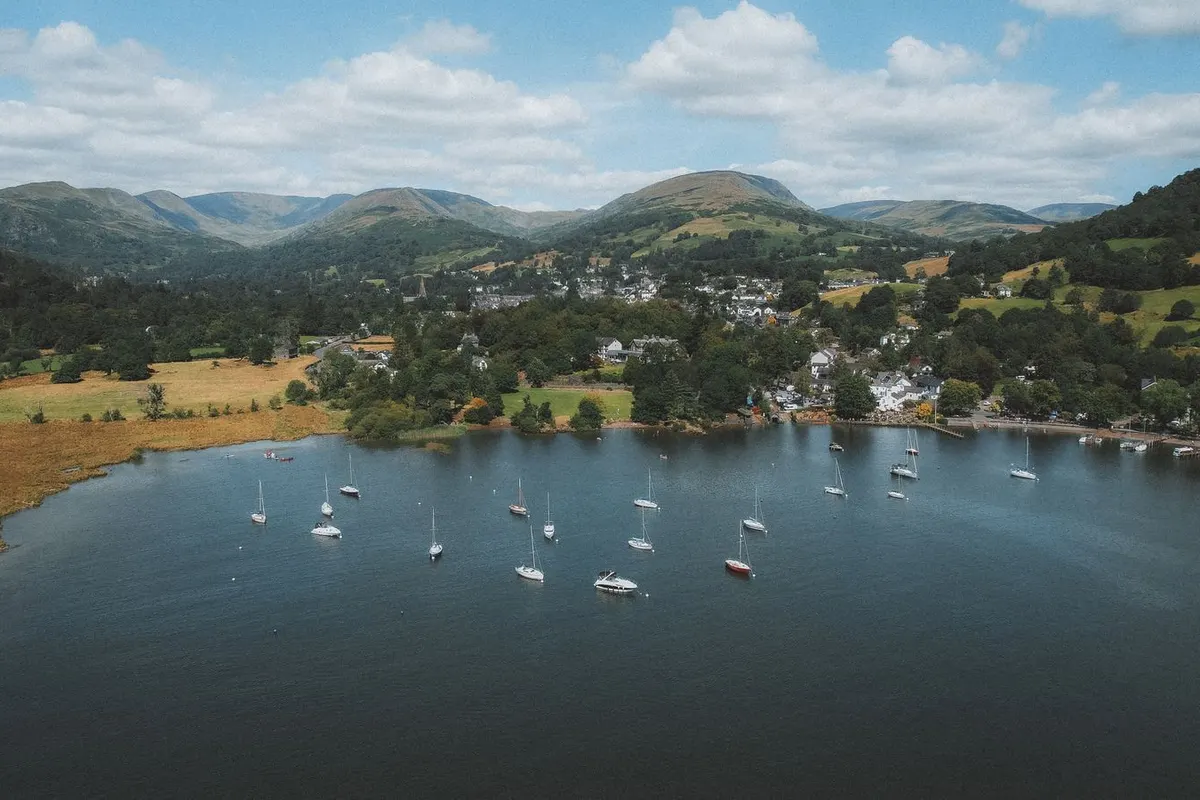
In north-west England, the Lake District is a national park of lakes and fells and a UNESCO World Heritage Site since 2017. It is also the beloved home of Beatrix Potter, creator of Peter Rabbit. Lake cruises, hikes and pretty villages await — here is how to get there, how to get around and where to stay.
LocationCumbria, north-west England
Getting thereAbout 3.5 hours by train from London Euston to Windermere
Best timeMay–September; autumn colours are beautiful too
Time neededTwo days for the main towns and lakes; 2–3 nights for hiking
How to get there
Take an Avanti West Coast train from London Euston to Oxenholme (about 2 hours 40 minutes), then the branch line to Windermere (about 20 minutes).
Direct trains also run from Manchester Airport to Windermere in about 2 hours.
Stagecoach buses (such as the 599 and 555) link the main towns within the park.
Windermere Lake Cruises connect Bowness, Ambleside and other piers on England’s largest lake.
Opening hours, prices and practical info
Trains
Euston to Oxenholme (change) to Windermere in about 3.5 hours
Cruises
Windermere Lake Cruises run all year (fewer sailings in winter); check prices online
Hill Top
Run by the National Trust with timed entry; closed in winter
Buses
Stagecoach buses link the main towns, with day tickets available
Prices and hours are from official sources as of November 2026 and may change — check the official website before you go.
Highlights of The Lake District
Cruising Windermere
Cruise England’s largest lake at a gentle pace. Bowness to Ambleside takes about 30 minutes, with lake and fell views all the way.
The world of Peter Rabbit
The World of Beatrix Potter in Bowness brings the stories to life, and Hill Top, her farmhouse, is preserved just as she left it by the National Trust.
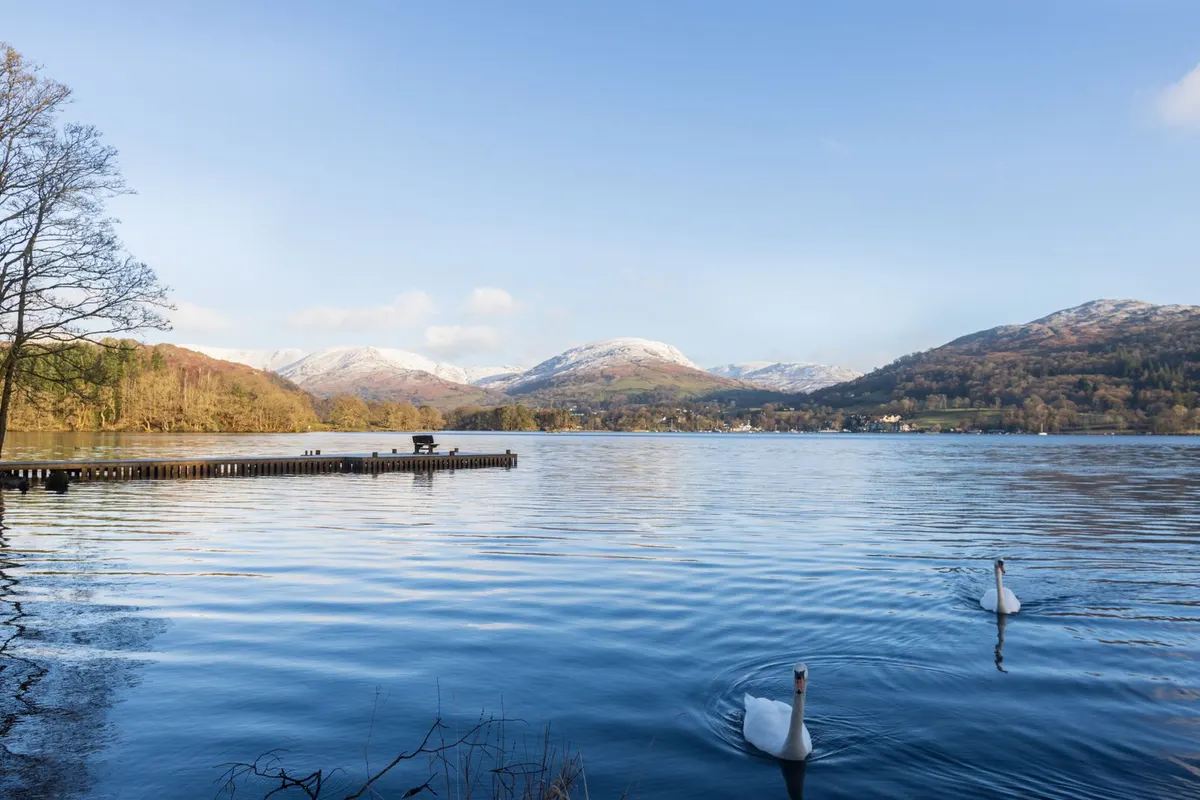
Swans and the fells near Ambleside
Grasmere and Wordsworth
The quiet village of Grasmere was home to the poet William Wordsworth. Visit Dove Cottage and try the famous Grasmere Gingerbread.
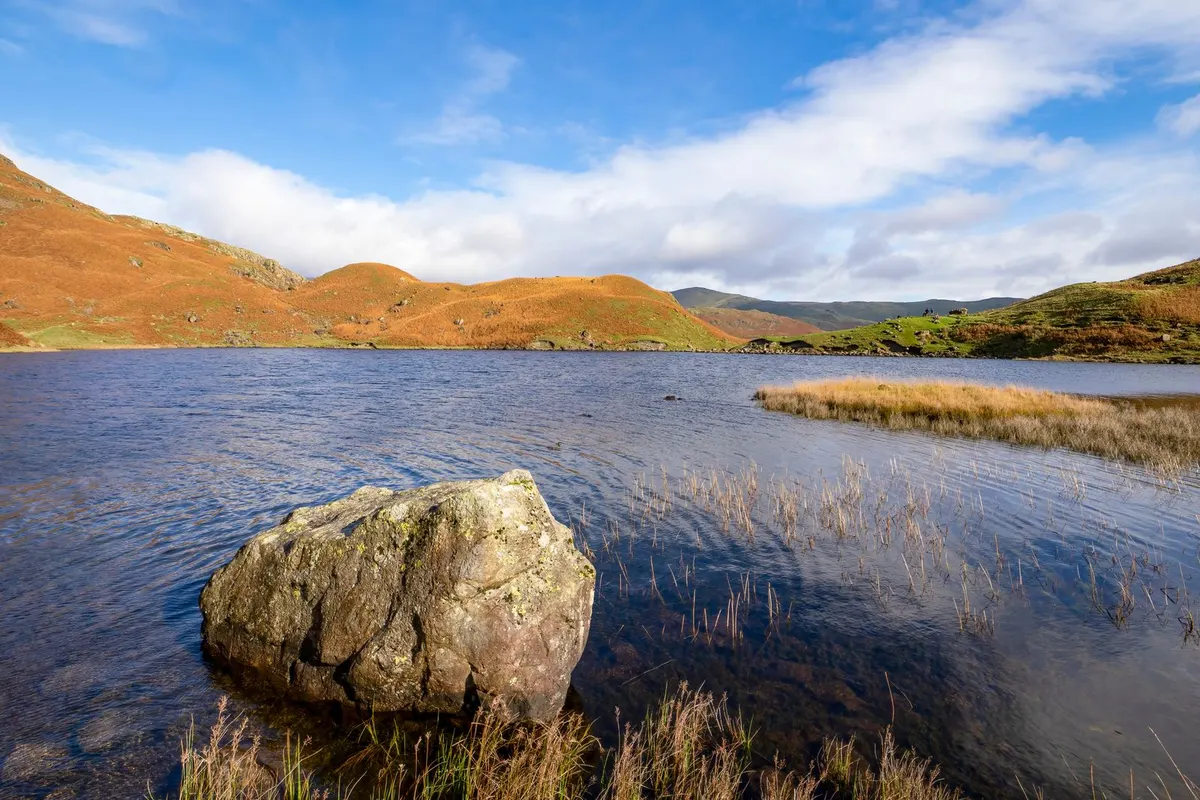
Easedale Tarn
Keswick and Derwentwater
Keswick in the north is a great hiking base, with lakeside paths around Derwentwater and amazing views from the fells above.
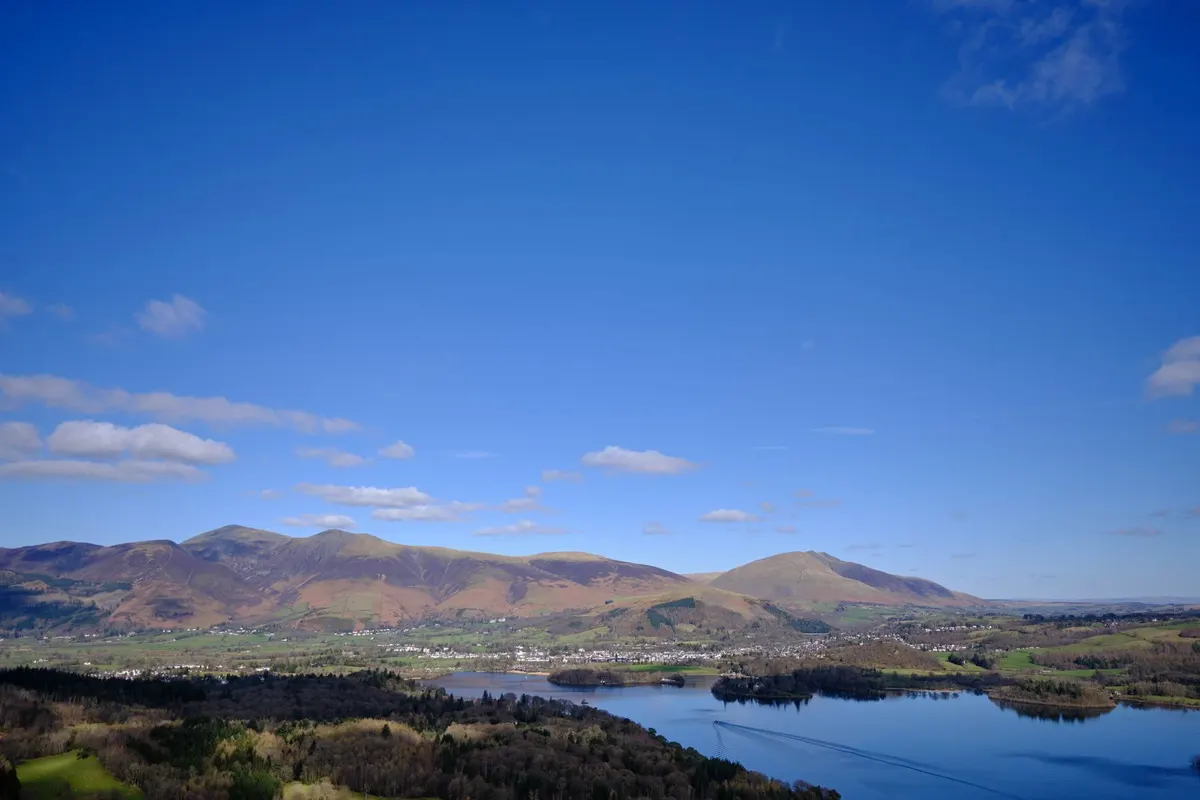
Keswick and Derwentwater
Suggested itinerary
Arrive at Windermere and walk down to Bowness
The World of Beatrix Potter
Cruise to Ambleside for lunch and a wander
Bus to Grasmere for Dove Cottage and gingerbread
Bus to Keswick and walk around Derwentwater
Back to Windermere station and on to London
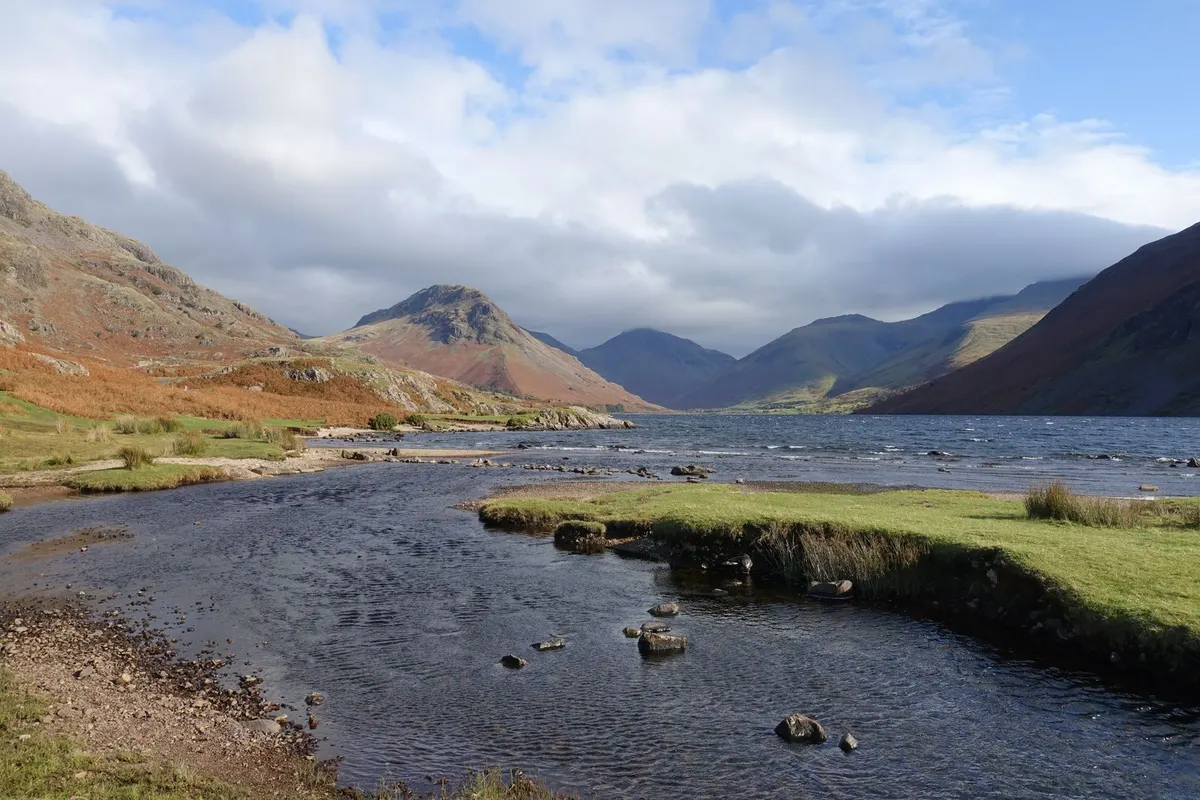
The valley and fells around Wast Water
Where to stay nearby
AREA 1Windermere and BownessClosest to the station and the lake, with the most hotels and B&Bs — ideal for first-timers.
AREA 2AmblesideAt the head of the lake — a hiking base full of outdoor shops and cafés.
AREA 3KeswickThe main northern town, popular with walkers and full of guesthouses.
Tips for working holiday makers
The weather is changeable and often wet — bring a waterproof jacket and shoes.
Hill Top is popular, so book entry on the National Trust website.
Roads get busy in summer holidays and at weekends; mixing trains, buses and boats is easiest.
Hotels and pubs hire seasonal staff, popular with working holiday makers who want to live in nature.
FAQ
Is it a day trip from London?
At about 3.5 hours each way, stay at least one night.
Can I get around without a car?
Yes — trains, buses and lake boats cover the main towns and lakes.
Where can I find Peter Rabbit?
The World of Beatrix Potter in Bowness and Beatrix Potter’s house, Hill Top.
Is hiking suitable for beginners?
There are flat lakeside paths as well as serious fell walks. Watch out for sudden weather changes.
Planning a working holiday in United Kingdom?Visa basics and a take-home pay calculator.
The Cotswolds is a rolling landscape of honey-coloured stone villages, including one William Morris called the most beautiful village in England. Just a day trip from London, it looks like a storybook come to life. Here is how to get there by train and bus, which villages to visit and where to stay.
LocationSouth-central England (mainly Gloucestershire)
Getting thereAbout 1.5 hours by train from London Paddington to Moreton-in-Marsh
Best timeMay–September; June brings roses and wisteria
Time needed2–3 villages on a day trip; 5–6 with 1–2 nights
How to get there
GWR trains run from London Paddington to Moreton-in-Marsh, the northern gateway, in about 1.5 hours.
Local buses go from Moreton-in-Marsh to Stow-on-the-Wold and Bourton-on-the-Water, but they are infrequent — check timetables.
To see more, join a day tour from London or rent a car. Villages are 15–30 minutes apart by road.
For Bibury, base yourself near Kemble station or the town of Cirencester in the south.
Opening hours, prices and practical info
Trains
GWR from Paddington to Moreton-in-Marsh in about 1.5 hours; book early for discounts
Buses
Village buses run every 1–2 hours; some routes do not run on Sundays
Entry
Walking around the villages is free; gardens and museums charge
Best time
May–September; winter days are short and some shops close
Prices and hours are from official sources as of November 2026 and may change — check the official website before you go.
Highlights of The Cotswolds
Arlington Row, Bibury
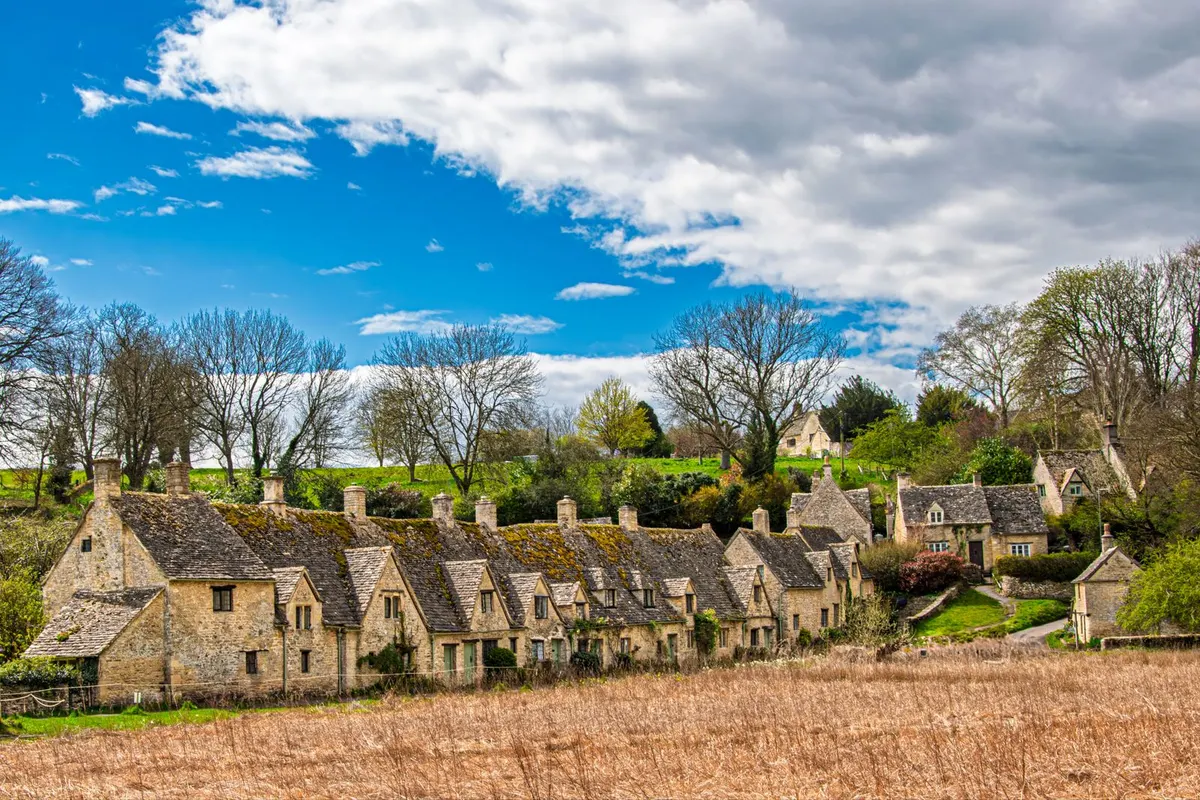
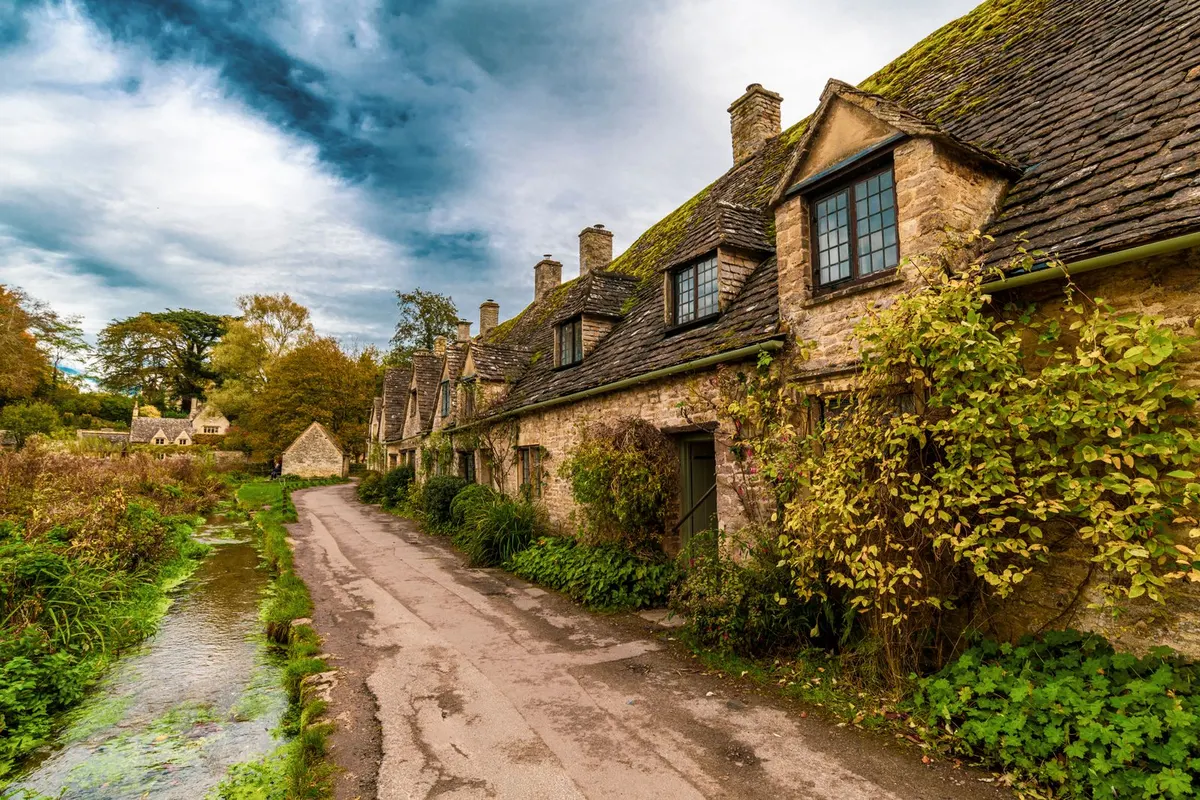
Arlington Row’s stone cottages, converted from a 14th-century wool store, are the classic Cotswolds view. William Morris called Bibury the most beautiful village in England.
Stone cottages along a lane
Bourton-on-the-Water
Low stone bridges cross the little river through the village, earning it the name “Venice of the Cotswolds”. Full of cafés and shops, it is a great first stop.
Stow-on-the-Wold and Chipping Campden
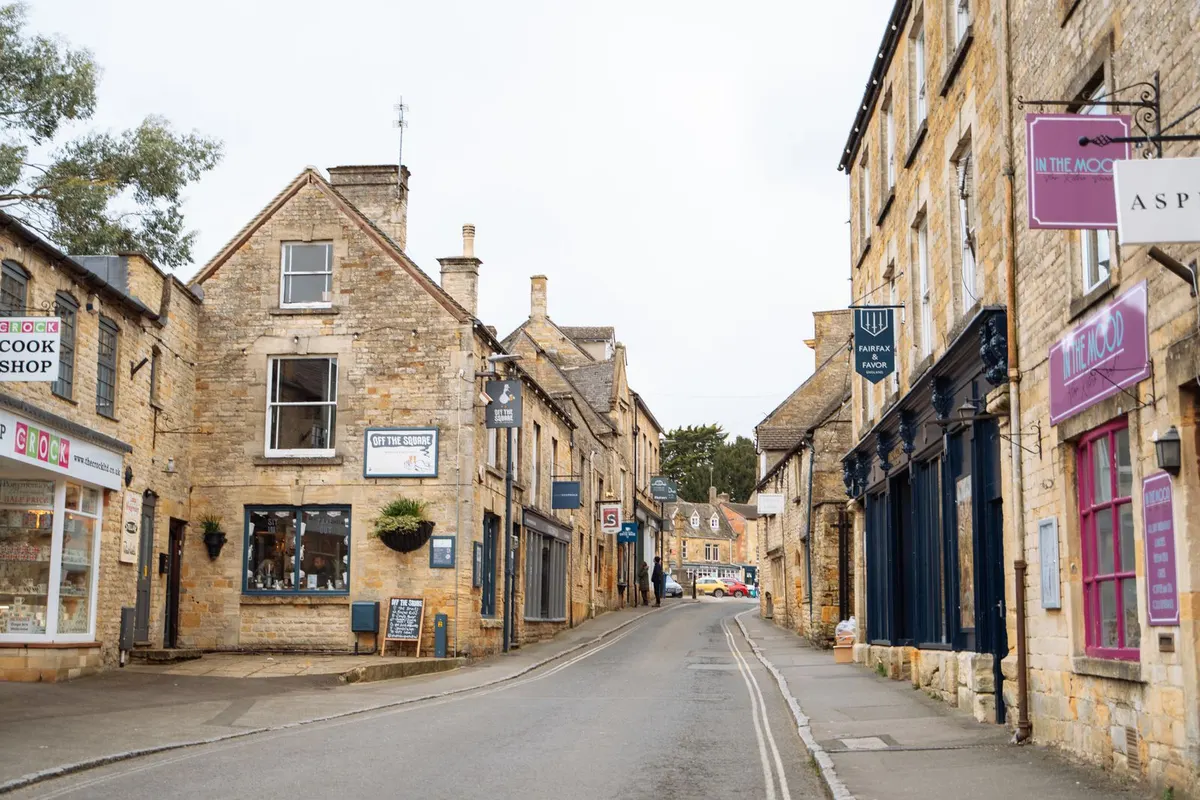
Hilltop Stow is full of antique shops and has a church door framed by ancient trees. Chipping Campden has one of the finest high streets from the wool-trade era.
A Cotswold high street
Castle Combe
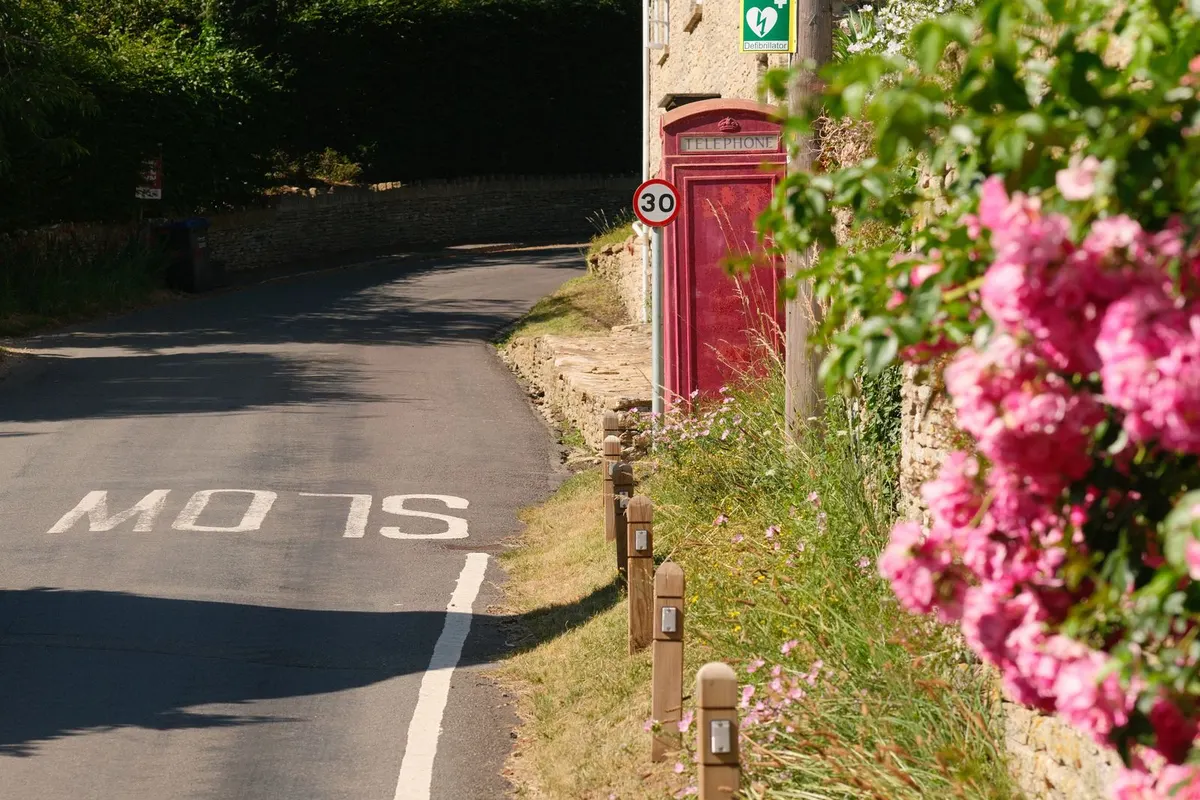
A tiny southern village often used as a film location, where a stone bridge, a stream and old houses make time seem to stand still.
A village lane with flowers and a red phone box
Suggested itinerary
Train from London Paddington
Arrive at Moreton-in-Marsh and bus to Stow-on-the-Wold
Bus to Bourton-on-the-Water for a riverside stroll
Scones and cream tea at a tearoom
By car or tour, continue to Arlington Row in Bibury
Dinner at a village pub or head back to London
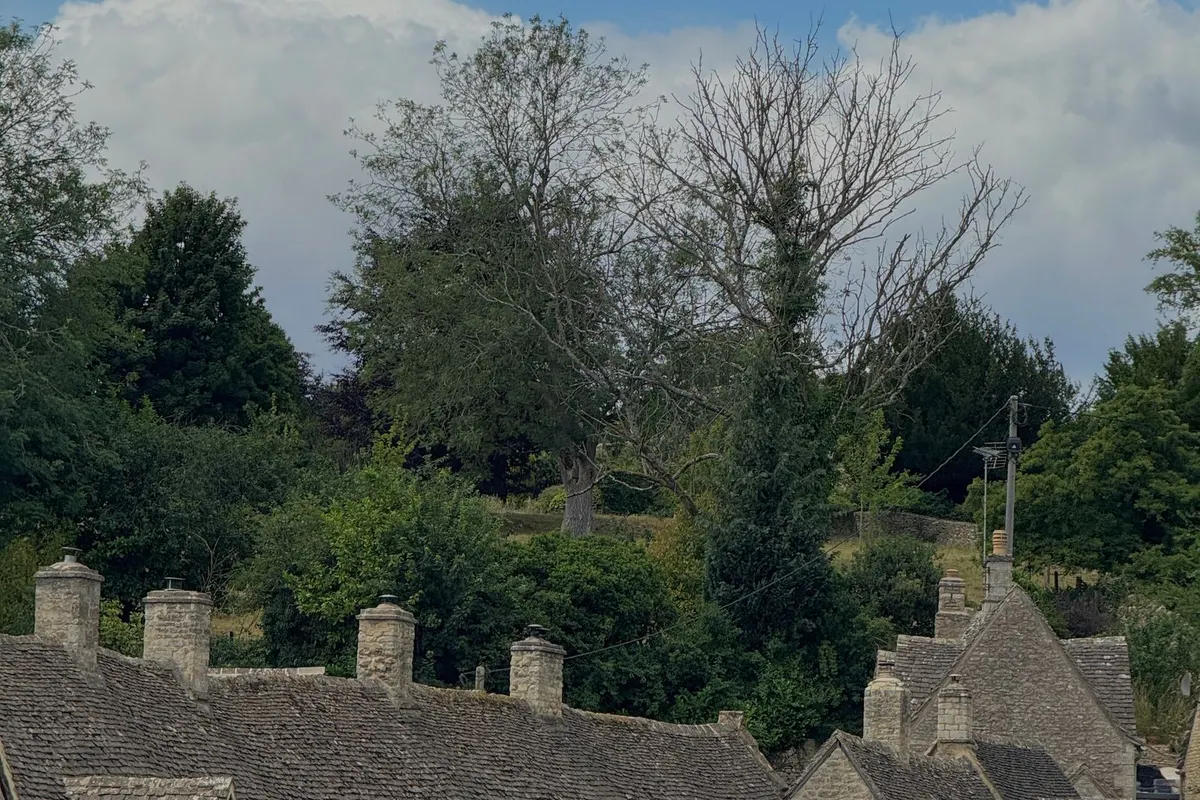
Cottages in Bibury
Where to stay nearby
AREA 1Bourton-on-the-WaterLots of B&Bs and small hotels, plus relatively frequent buses.
AREA 2Stow-on-the-WoldA market town where you can stay in old coaching inns — handy for the northern villages.
AREA 3Cheltenham and CirencesterLarger towns on the edge of the Cotswolds with more choice and lower prices.
Tips for working holiday makers
Public transport is sparse and even thinner on Sundays — go on a weekday or take a tour or car.
Popular villages are busiest at weekend lunchtimes; early morning and evening are peaceful.
Public footpaths cross the fields, so you can walk from village to village.
People live here — stay off private property and keep noise down.
FAQ
Is it a day trip from London?
Yes, about 1.5 hours by train. Buses are infrequent, so a tour is the most efficient way on a day trip.
Which villages should I visit?
Bibury, Bourton-on-the-Water and Stow-on-the-Wold are the classic trio.
Can I visit without a car?
Yes, but plan on 2–3 villages because buses are infrequent. Join a tour to see more.
When is the best time to visit?
May–September for flowers and long days; autumn colours and Christmas decorations are lovely too.
Planning a working holiday in United Kingdom?Visa basics and a take-home pay calculator.
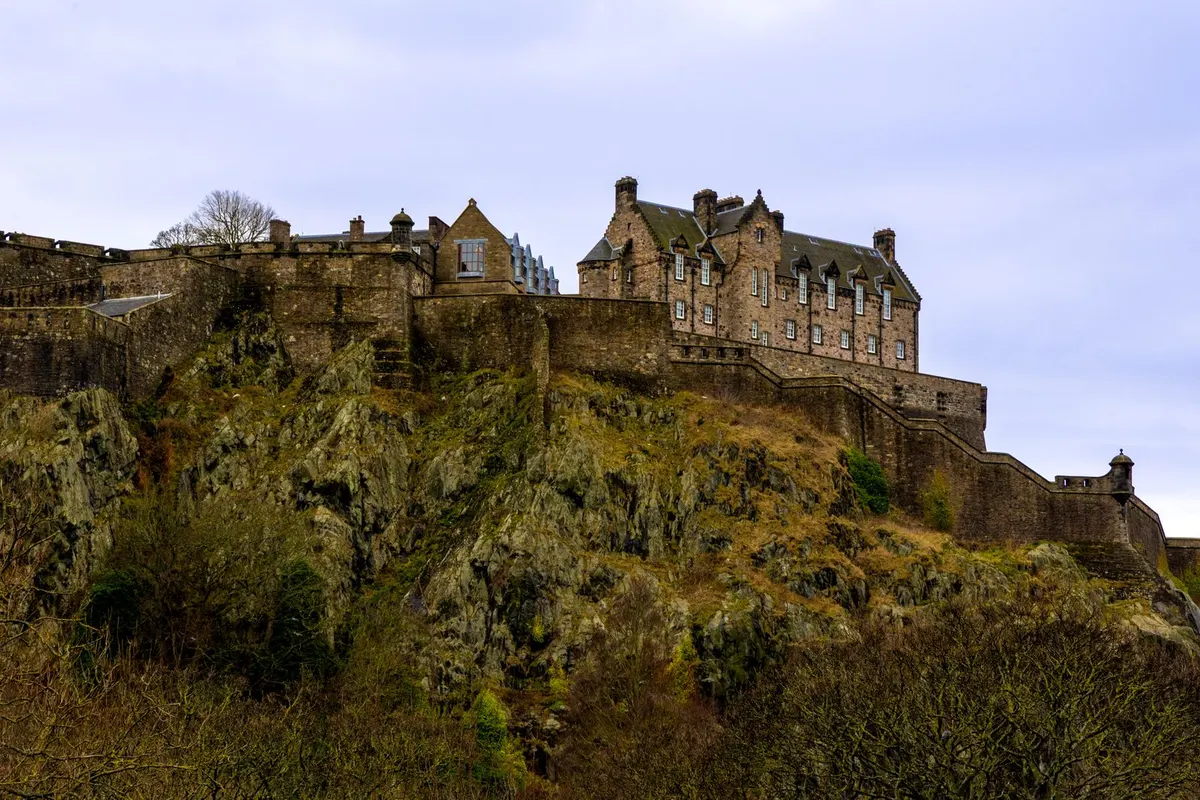
With its castle perched on a volcanic rock and a medieval Old Town, Edinburgh — Scotland’s capital — is one of Europe’s most beautiful cities, its Old and New Towns together a World Heritage Site. In August it hosts some of the world’s biggest arts festivals. Here is how to get there from London, what to see, where to stay and what to know about the visitor levy that began in 2026.
LocationSouth-east Scotland
Getting thereAbout 4 hours 20 minutes by train from London King’s Cross
Best timeMay–September; August for the festivals, December for Christmas and Hogmanay
Time needed2 days for the city; 3–4 with a Highlands day trip
How to get there
LNER trains run from London King’s Cross to Edinburgh Waverley in about 4 hours 20 minutes. Book early for much cheaper fares.
Flights from London take about 1 hour 20 minutes; the tram from Edinburgh Airport into the city takes about 35 minutes.
Waverley station sits between the Old and New Towns, right in the centre of things.
The city is very walkable, but hilly with lots of steps — wear comfortable shoes.
Opening hours, prices and practical info
Edinburgh Castle
Paid; buy timed tickets on the official website in advance
Visitor levy
5% of the room rate for the first 5 nights, from 24 July 2026
Festivals
The Edinburgh Festival Fringe and other festivals take place in August
Arthur’s Seat
Free; about an hour to the top — take care on windy days
Prices and hours are from official sources as of November 2026 and may change — check the official website before you go.
Highlights of Edinburgh
Edinburgh Castle
Perched on an extinct volcano, the castle is the symbol of Scotland. Highlights include the Honours of Scotland (the crown jewels) and the One O’Clock Gun. Buy timed tickets online in advance.
The Royal Mile
The Old Town’s main street runs about a mile from the castle to the Palace of Holyroodhouse. Narrow alleys called closes lead off it — wandering them feels like stepping back in time.
People strolling the Royal Mile
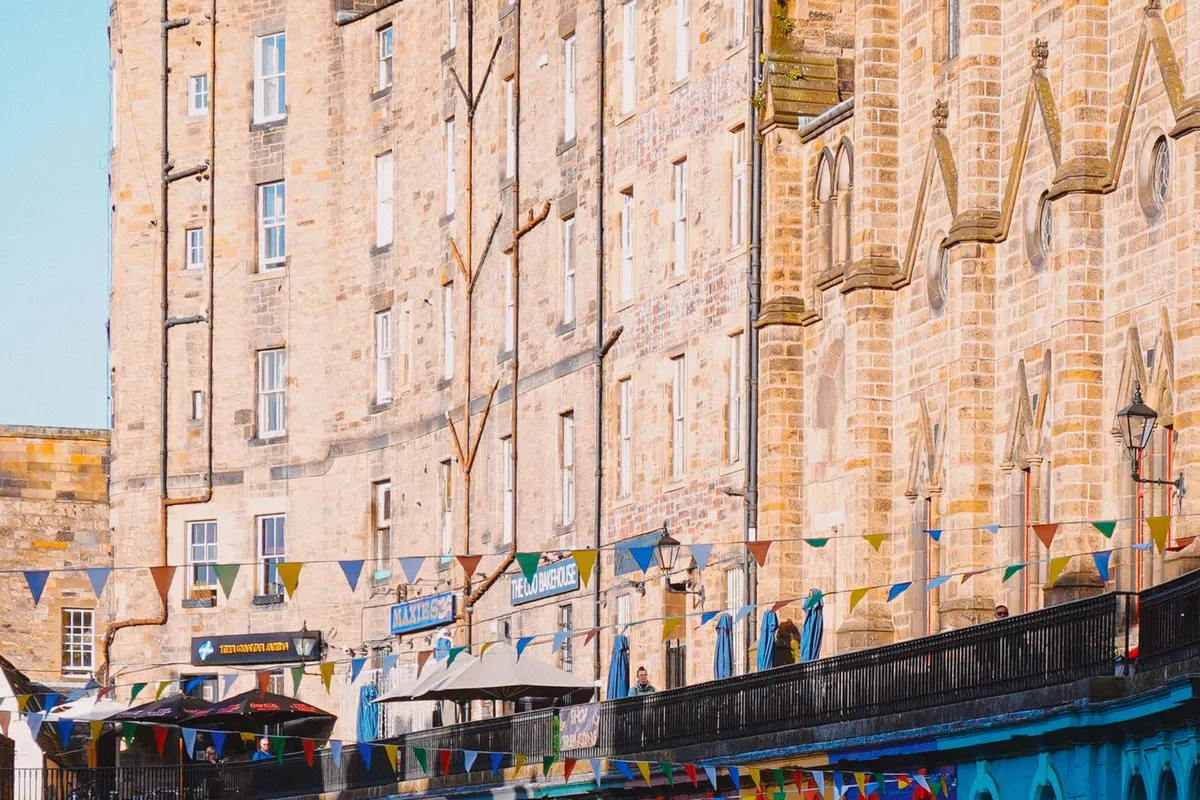
Victoria Street
A curving street of colourful shopfronts and one of the city’s most photographed spots — often said to have inspired Diagon Alley in Harry Potter.
The colourful shops of Victoria Street
Arthur’s Seat and Calton Hill
Arthur’s Seat, a 251 m hill right in the city, is about an hour’s climb for sweeping views. For an easy sunset, head up Calton Hill.
Edinburgh and the surrounding hills at sunset
Suggested itinerary
Edinburgh Castle (pre-booked)
Walk down the Royal Mile, peeking into the closes
Lunch at a pub — try haggis
Victoria Street and the Grassmarket
Climb Arthur’s Seat from beside Holyrood
Dinner in the New Town and a whisky bar
The Balmoral clock tower and city streets
Where to stay nearby
AREA 1Old Town (around the Royal Mile)Walk to the castle and main sights, with historic hotels and hostels.
AREA 2New Town (around Princes Street)Elegant streets and shopping close to the station, with plenty of hotels.
AREA 3LeithA former port area full of restaurants, connected to the centre by tram.
Tips for working holiday makers
From 24 July 2026, stays in Edinburgh carry a 5% visitor levy on the room rate (for the first 5 nights).
Prices soar during the August festivals — book months ahead.
Tourism jobs are plentiful, with short-term work before the festivals.
Even summer days can be chilly, so bring an extra layer.
FAQ
How do I get there from London?
About 4 hours 20 minutes by train from King’s Cross, or 1 hour 20 minutes by plane.
Do I need to book Edinburgh Castle?
Yes, tickets can sell out in summer and during the festivals — book online.
Is there a tourist tax?
Yes — from 24 July 2026, a 5% visitor levy applies to the first 5 nights of a stay.
Can I visit the Highlands?
Plenty of day tours run from the city to Loch Ness and Glencoe.
Planning a working holiday in United Kingdom?Visa basics and a take-home pay calculator.
Big Ben, Tower Bridge, the British Museum — London is packed with world-famous sights, and many of its museums and galleries are free. It is also where most people on the UK Youth Mobility Scheme start out. Here is how to get in from the airport, the must-see sights and where to stay.
LocationSouth-east England, on the River Thames
AirportAbout 15–40 minutes by train from Heathrow to central London
Best timeMay–September for long days; December for Christmas lights
Time needed3–4 days for the highlights; a week for the museums
How to get there
Direct flights from Japan to Heathrow take about 14–15 hours.
From Heathrow, the Elizabeth line reaches central stations such as Tottenham Court Road in about 30–40 minutes without changes. The Heathrow Express reaches Paddington in about 15 minutes.
Pay for the Tube and buses by tapping a contactless card or an Oyster card. Daily caps mean you never pay more than a set amount.
Visitors need an Electronic Travel Authorisation (ETA). You do not need one if you already hold a Youth Mobility Scheme visa.
Opening hours, prices and practical info
Transport
Tube and buses by contactless or Oyster, with a daily cap
Free sights
Permanent collections at the British Museum, National Gallery, Natural History Museum, Tate Modern and more are free
Tower of London and Tower Bridge
Both are paid — buy online in advance
Entry
Visitors need an ETA; YMS visa holders do not
Prices and hours are from official sources as of November 2026 and may change — check the official website before you go.
Highlights of London
Westminster and Big Ben
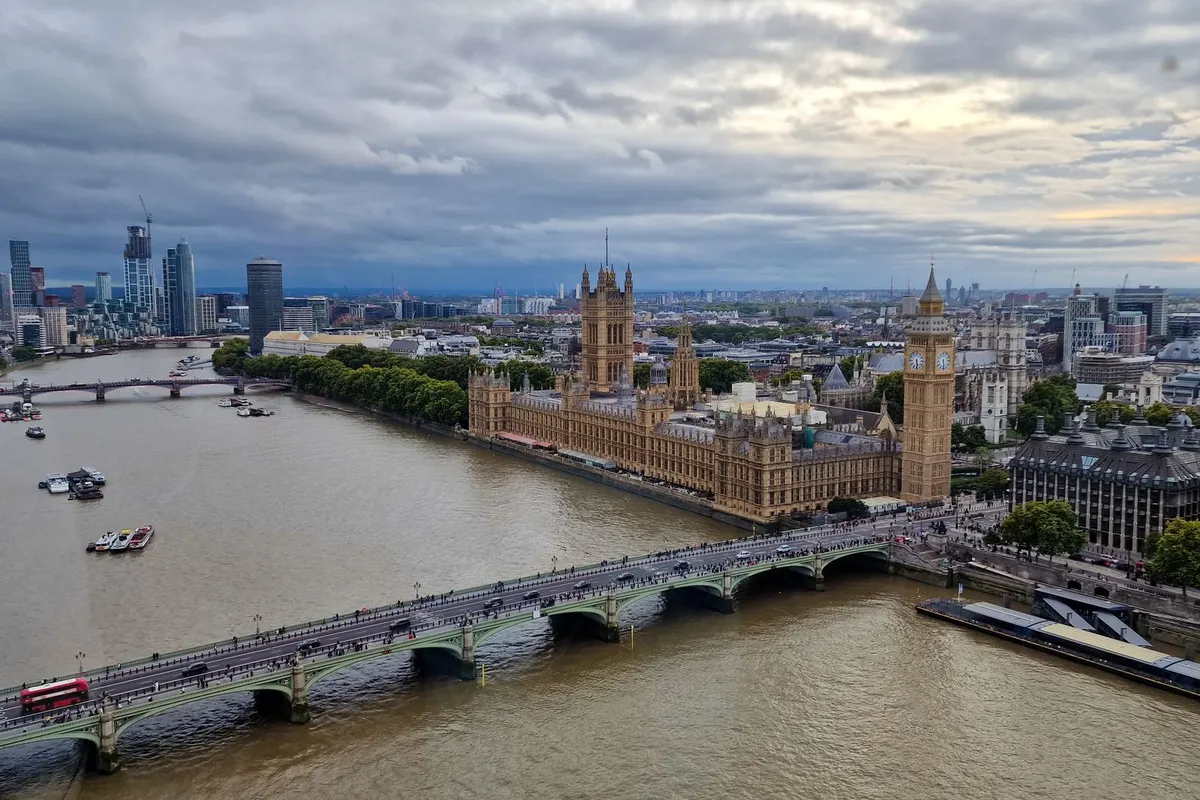
Parliament, Big Ben and Westminster Abbey make this the heart of London sightseeing. Admire them from across the Thames or ride the London Eye for a bird’s-eye view.
Big Ben and a red double-decker bus
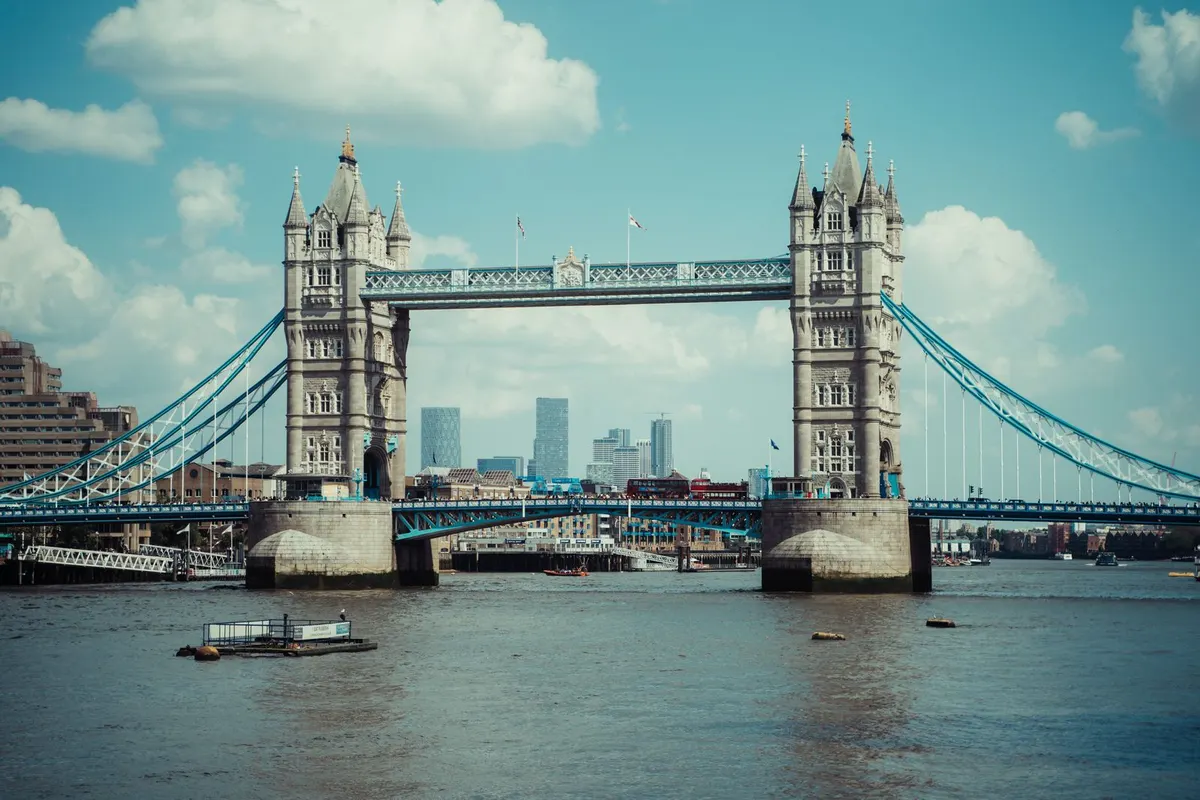
Tower Bridge and the Tower of London
You can walk across the high-level walkways of Tower Bridge. Next door, the 900-year-old Tower of London is a World Heritage Site that houses the Crown Jewels.
Tower Bridge
Free museums and galleries
The British Museum, National Gallery, Natural History Museum and Tate Modern all have free permanent collections — perfect for rainy days.
Markets and neighbourhoods
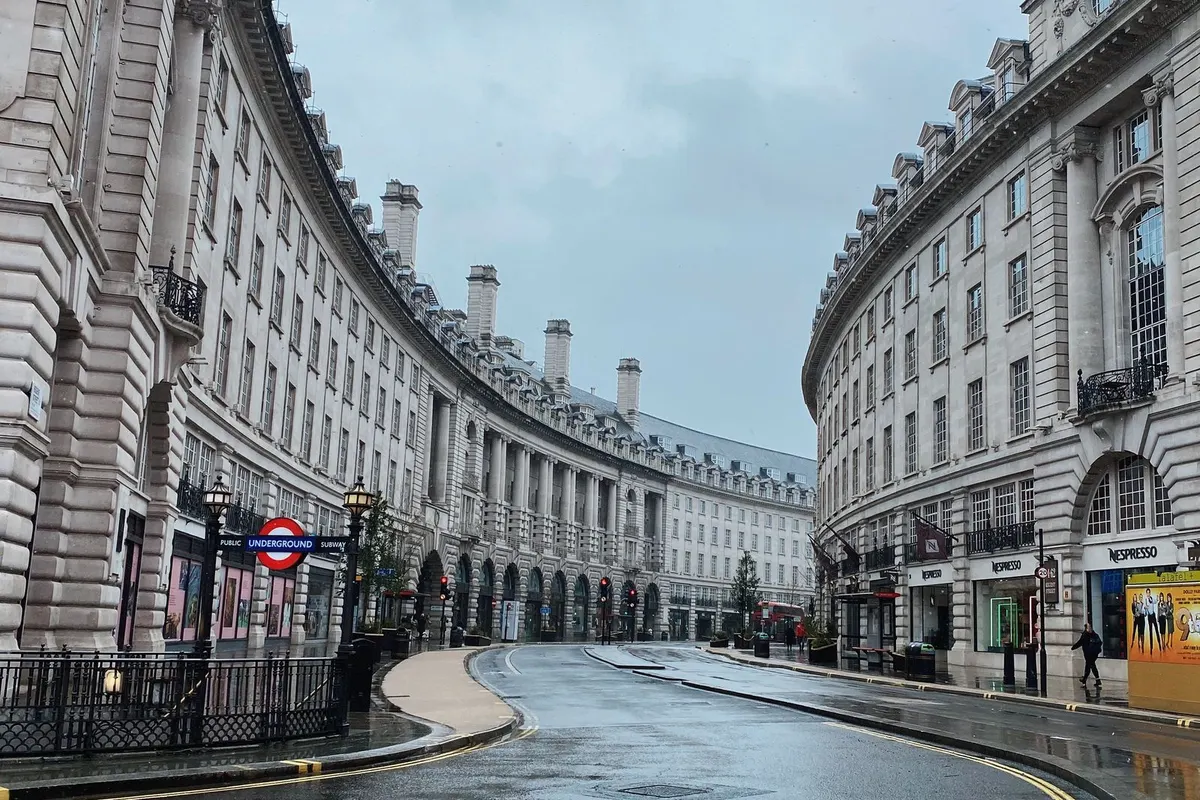
Eat your way around Borough Market, hunt for vintage in Camden or wander Notting Hill’s colourful streets — every neighbourhood has its own personality.
The curve of Regent Street
Suggested itinerary
Westminster Abbey and Big Ben
Walk through St James’s Park to Buckingham Palace (Changing the Guard on some days)
Lunch near Trafalgar Square, then the National Gallery
Walk along the Thames to Borough Market
Tower of London and Tower Bridge
Fish and chips at a pub
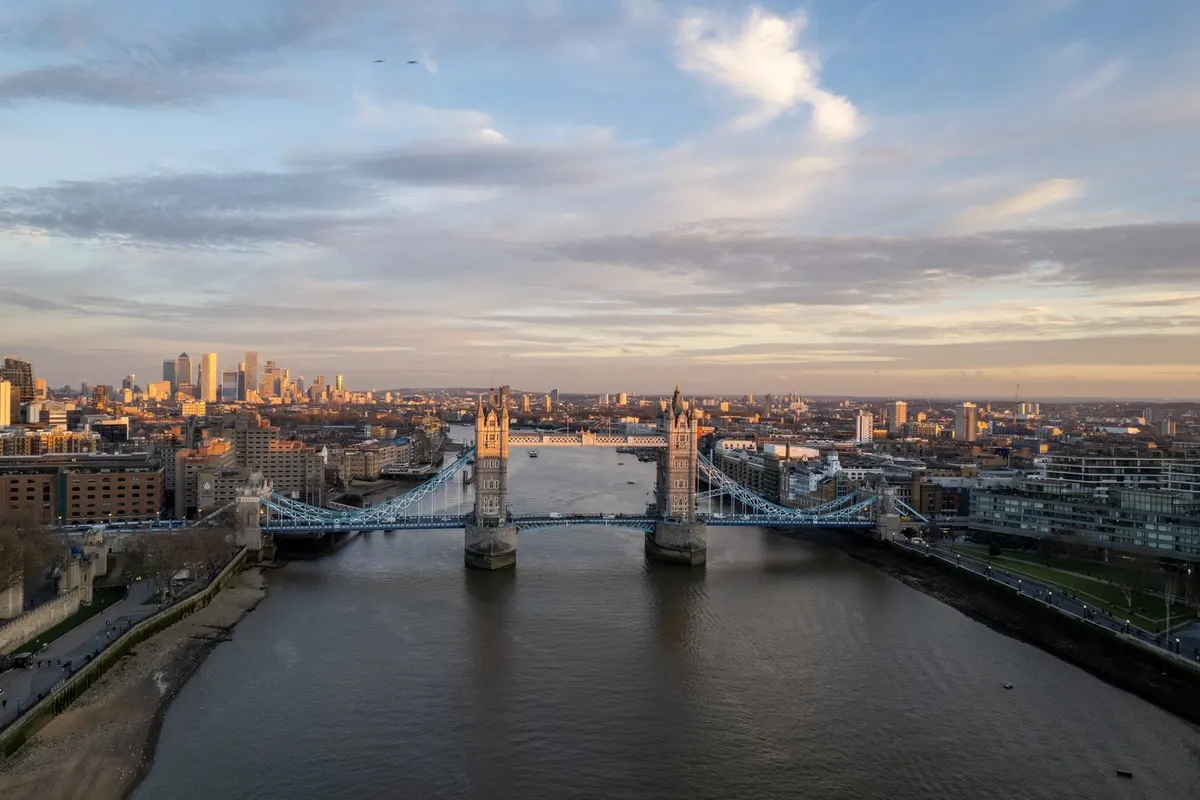
The Thames and the London skyline at dusk
Where to stay nearby
AREA 1Westminster and South BankWalk to the main sights — pricier, but very convenient.
AREA 2Around King’s CrossA transport hub for the Eurostar and trains to Scotland, with plenty of hotels and hostels.
AREA 3Shoreditch and East LondonA trendy area of cafés and galleries with relatively affordable hotels, popular with young travellers.
Tips for working holiday makers
London is the most popular Youth Mobility Scheme city, with lots of jobs in hospitality and retail — but rent is the highest in the UK, so flatshares are the norm.
Contactless and Oyster fares are capped daily, so you never pay more than a set amount.
Most museums are free (donations welcome); special exhibitions cost extra.
The weather changes quickly — carry a compact umbrella or a waterproof jacket.
FAQ
How do I get from Heathrow to central London?
The Elizabeth line takes about 30–40 minutes; the Heathrow Express reaches Paddington in about 15.
Do I need an Oyster card?
No — contactless bank cards get the same fares and daily caps.
What can I do for free?
Many major museums and galleries, plus parks such as Hyde Park, are free.
Is it hard to live in London on a working holiday?
Jobs are plentiful but rent is high. Flatshares or living in Zones 2–3 help keep costs down.
Planning a working holiday in United Kingdom?Visa basics and a take-home pay calculator.