Category: Travel Guide

Travel guides to popular places in working holiday countries.

  • 6 Best Places to Visit in Italy

    6 Best Places to Visit in Italy

    Rome
    Rome

    Ancient Rome, Renaissance art, a city on water and dazzling coastlines — Italy has more World Heritage Sites than any other country. Here are 6 of the best places to visit on your days off or travels during a working holiday.

    Rome
    No.1

    Rome

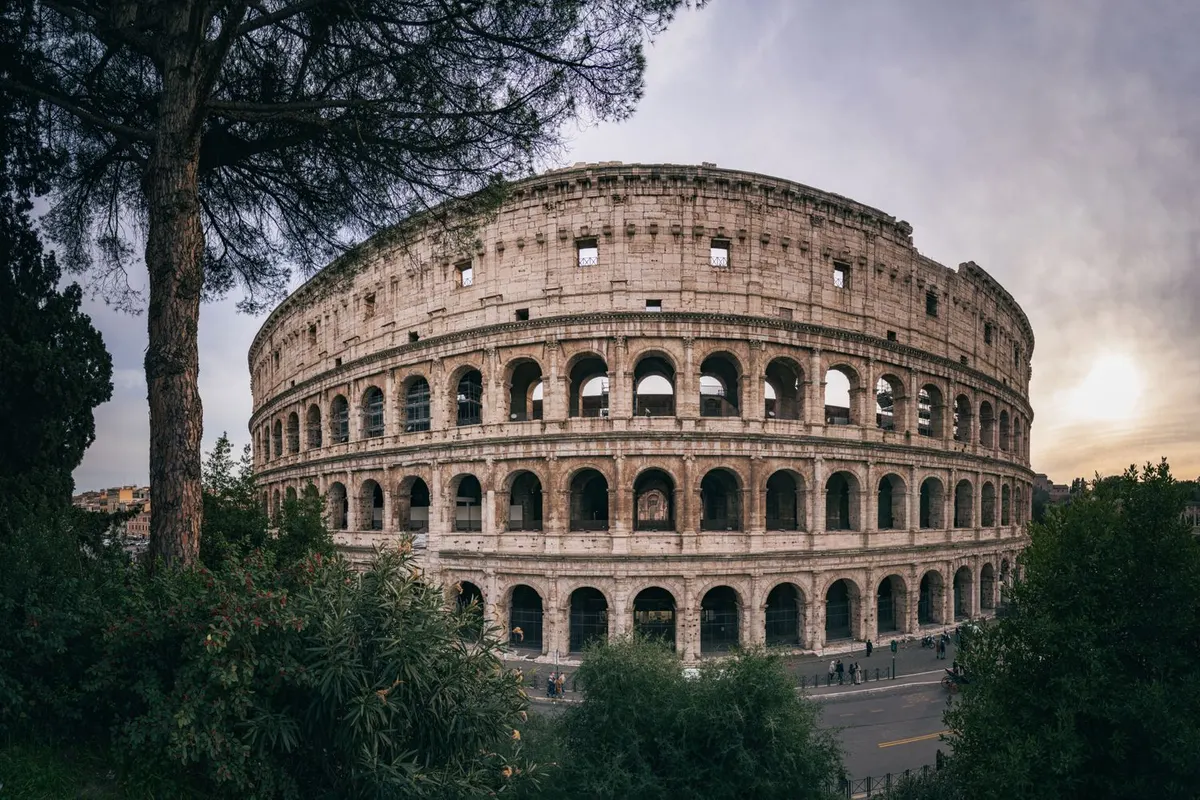
    The Eternal City is an open-air museum of ancient ruins and Renaissance art. The Colosseum, the Trevi Fountain and St Peter’s Basilica in Vatican Cit…

    Getting there:About 32 minutes by express train from Fiumicino to Termini

    Read the full guide →

    Florence
    No.2

    Florence

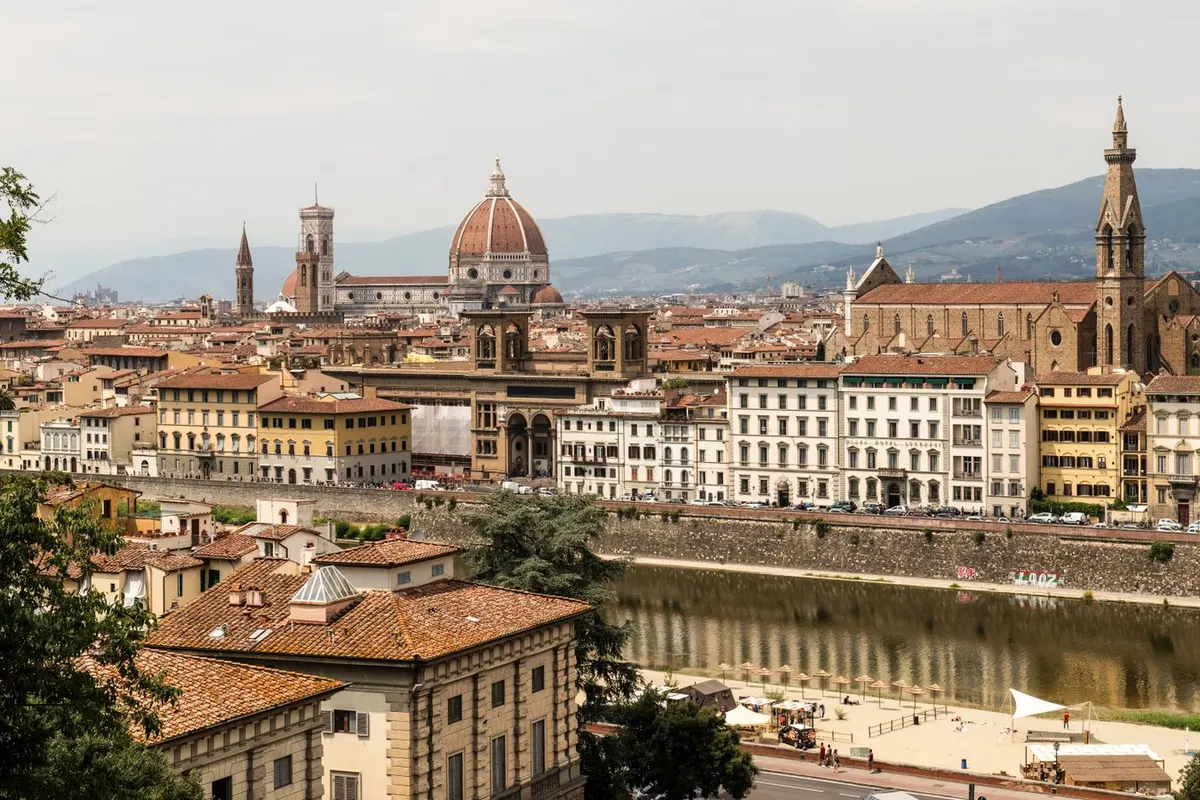
    The birthplace of the Renaissance, Florence is a World Heritage city of art. The red-domed Duomo, Botticelli’s masterpieces at the Uffizi and Michela…

    Getting there:About 1 hour 35 minutes by high-speed train from Rome

    Read the full guide →
    Venice
    No.3

    Venice

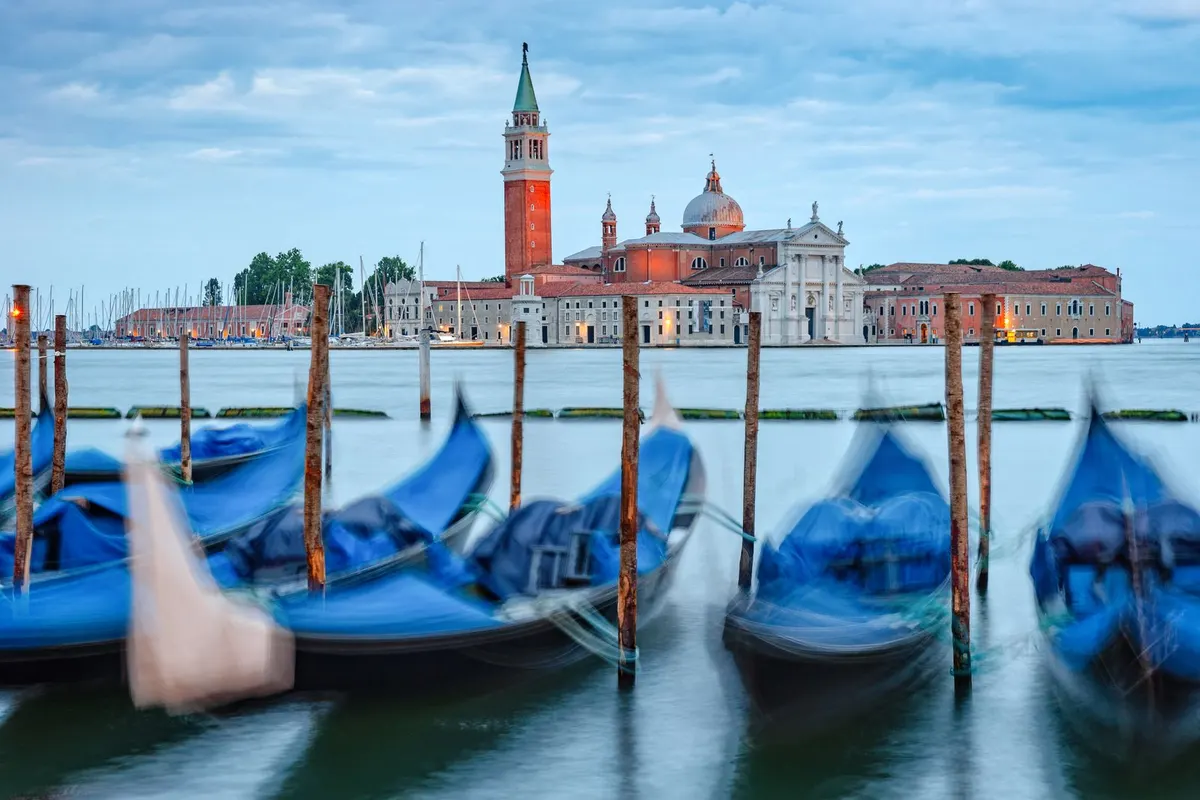
    Built on 118 islands linked by canals and over 400 bridges, Venice is a car-free city where gondolas and water buses rule. From St Mark’s Square and …

    Getting there:About 3 hours 45 minutes by high-speed train from Rome, 2 hours 15 minutes from Florence

    Read the full guide →
    The Amalfi Coast
    No.4

    The Amalfi Coast

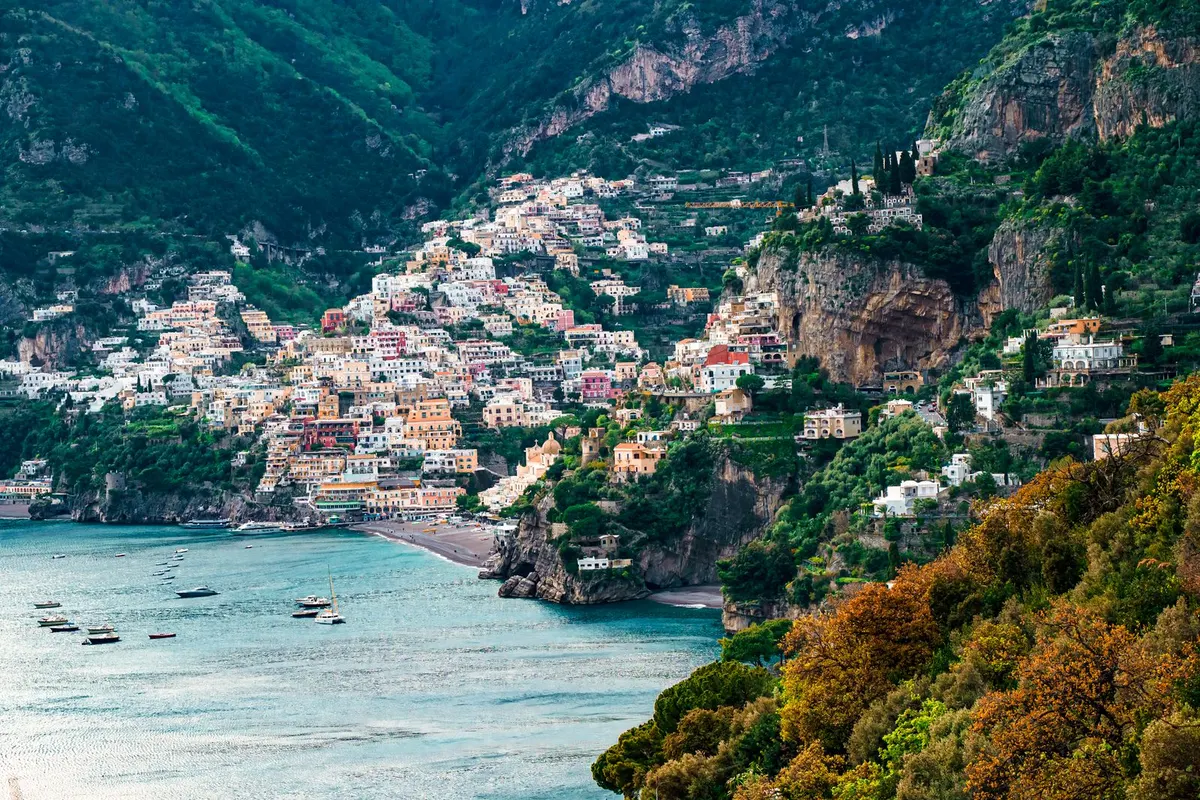
    Pastel houses cling to cliffs above a deep-blue sea along the Amalfi Coast, a World Heritage Site often called the world’s most beautiful coastline. …

    Getting there:About 2–3 hours from Naples by train, bus and ferry

    Read the full guide →
    Cinque Terre
    No.5

    Cinque Terre

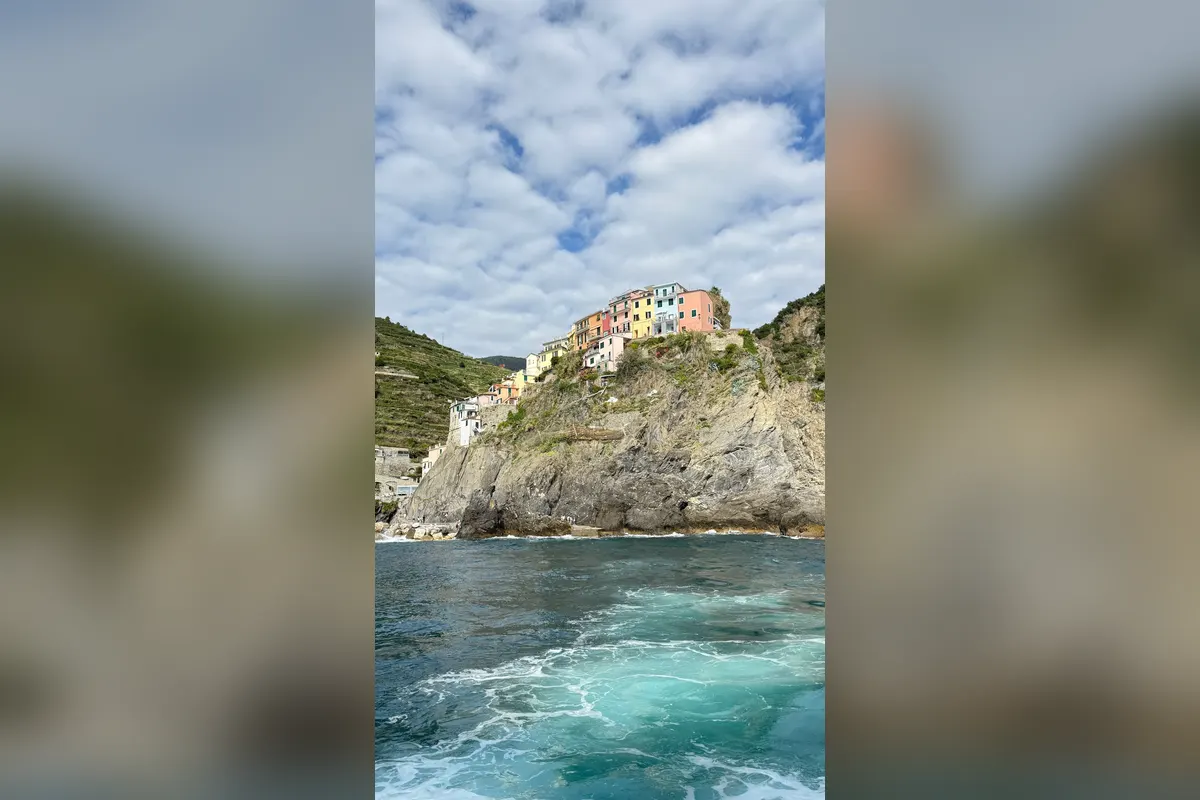
    Five colourful cliffside fishing villages linked by train and coastal hiking trails — a World Heritage Site.

    Getting there:About 2.5 hours by train from Florence via La Spezia
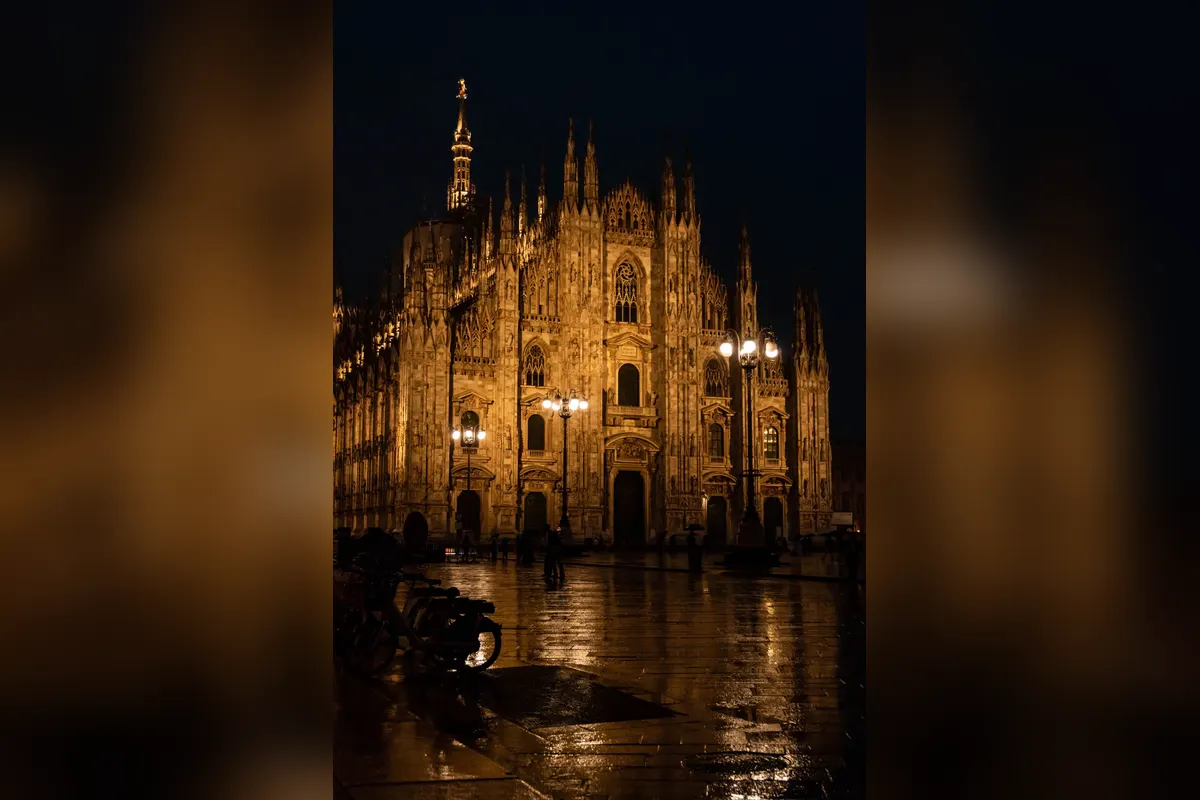
    Milan
    No.6

    Milan

    Italy’s fashion and business capital, with its Gothic Duomo and Leonardo’s Last Supper — the gateway to northern Italy.

    Getting there:About 3 hours by high-speed train from Rome

    FAQ

    What are the most popular places in Italy?

    Rome, Florence and Venice are the classic trio, with the Amalfi Coast in the south.

    How do I get around?

    High-speed trains (Frecciarossa and Italo) link the big cities; book early for lower fares.

    When is the best time to travel?

    April–June and September–October; summer is hot and very crowded.

    Which city is best as a working holiday base?

    Milan and Rome have the most jobs; Italian makes a big difference.

    Planning a working holiday in Italy?Visa basics and a take-home pay calculator.
    Italy guide →

    Photos: Pexels
  • Venice Travel Guide

    Venice Travel Guide

    Gondolas and San Giorgio Maggiore
    Gondolas and San Giorgio Maggiore

    Built on 118 islands linked by canals and over 400 bridges, Venice is a car-free city where gondolas and water buses rule. From St Mark’s Square and the Rialto Bridge to colourful Burano, getting lost is half the fun. Here is how to get there, what to know about the day-tripper fee and where to stay.

    LocationNorth-east Italy, on the Venetian Lagoon
    Getting thereAbout 3 hours 45 minutes by high-speed train from Rome, 2 hours 15 minutes from Florence
    Best timeApril–June and September–October; February for Carnival
    Time needed1–2 days for the main island; 2–3 with Burano and the islands

    How to get there

    1. Trains arrive at Venezia Santa Lucia, right on the Grand Canal.
    2. From Marco Polo Airport, buses reach Piazzale Roma in about 25 minutes, or Alilaguna boats go straight to the islands.
    3. Get around on foot or by vaporetto water bus — day passes are good value.
    4. Day-trippers must pay an access fee on designated days. Overnight guests are exempt but may need to register.

    Opening hours, prices and practical info

    Access feeDay-trippers pay on designated days (check amounts and dates on the city site); overnight guests exempt
    Water busesSingle tickets are pricey — day and multi-day passes save money
    GondolasOfficial fares (day and night rates); confirm before boarding
    Doge’s PalacePaid; booking recommended

    Prices and hours are from official sources as of November 2026 and may change — check the official website before you go.

    Highlights of Venice

    St Mark’s Square and Basilica

    The heart of the city, often called the world’s most beautiful square, with the golden-mosaic basilica, the Doge’s Palace and the bell tower.

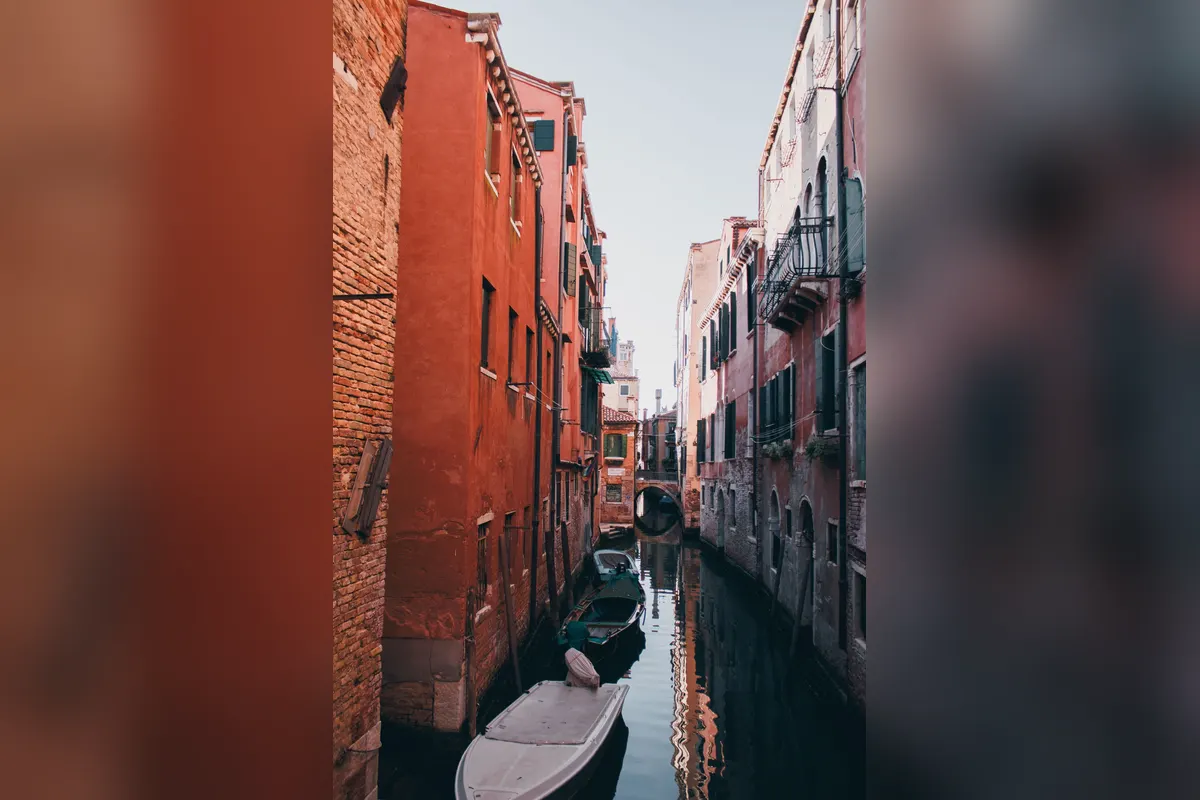
    A narrow canal
    A narrow canal

    The Grand Canal and the Rialto Bridge

    Ride vaporetto line 1 slowly down the S-shaped Grand Canal. Markets and shops surround the white stone Rialto Bridge.

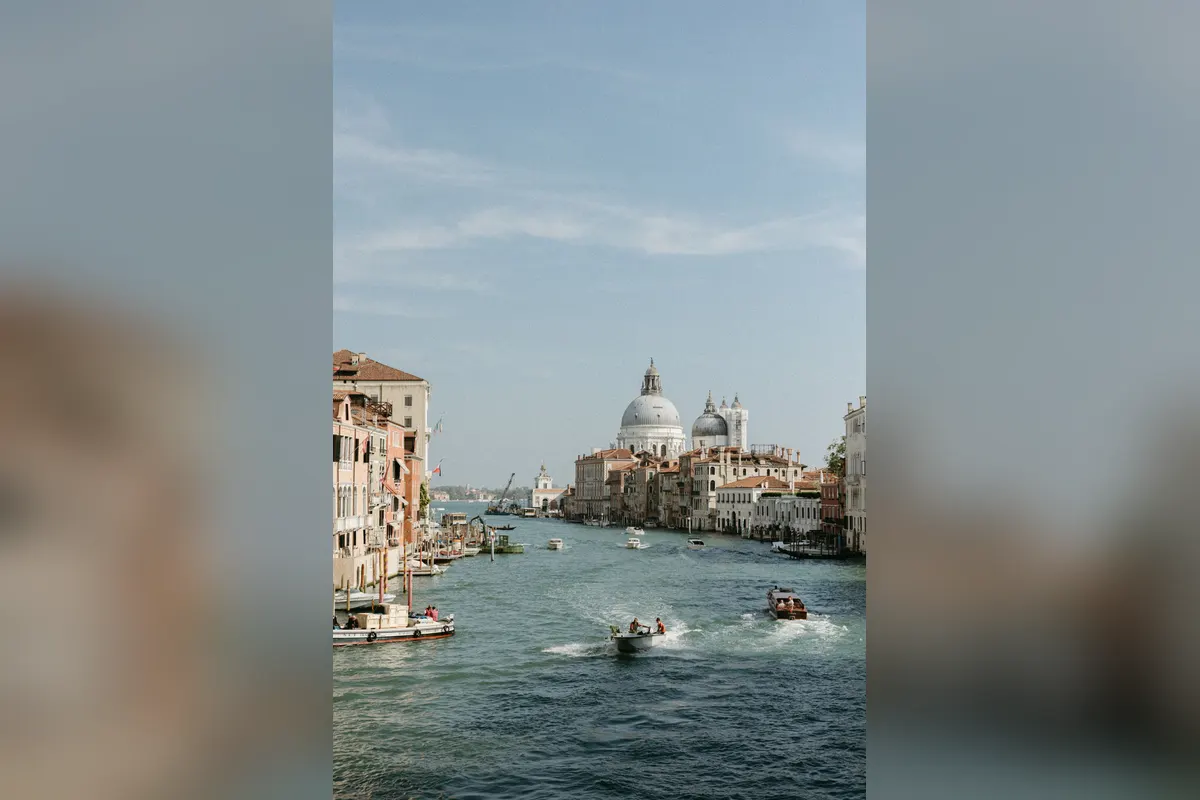
    The Grand Canal and the Salute church
    The Grand Canal and the Salute church

    A gondola ride

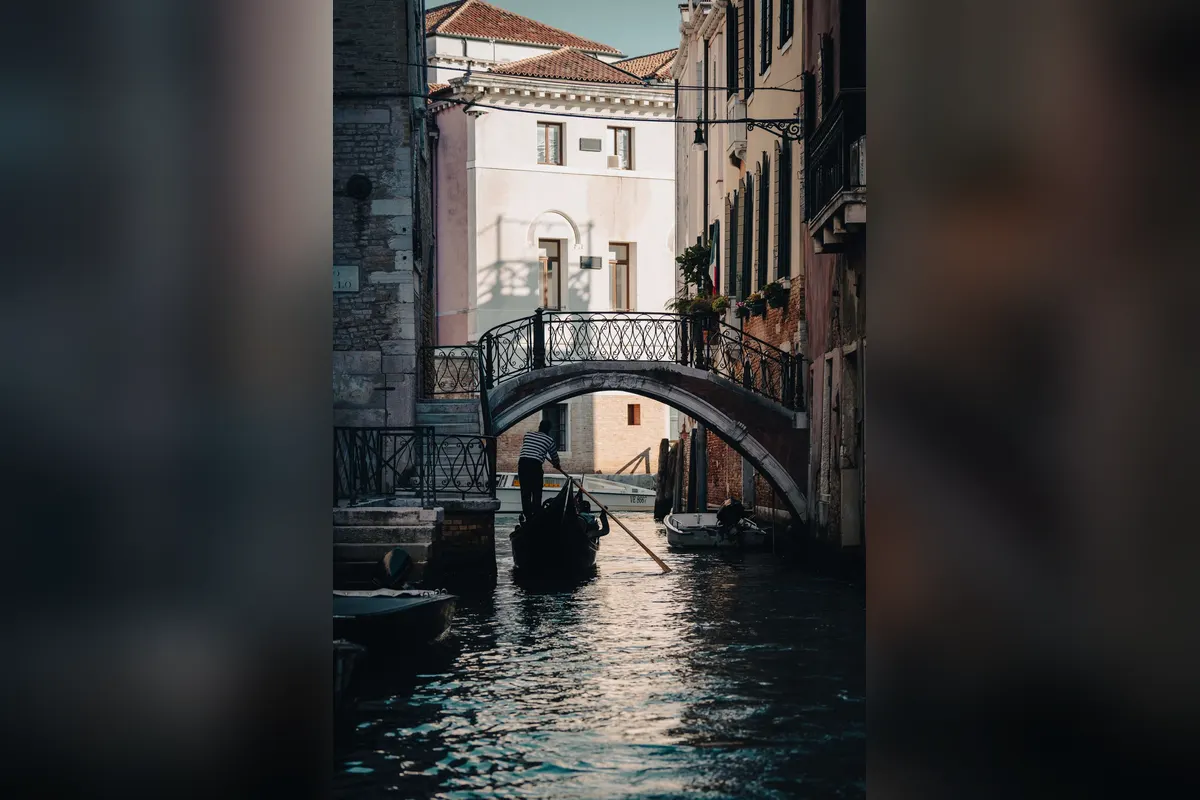
    Gliding through narrow canals in a gondola is pure Venice. Fares are officially set — confirm time and price before boarding.

    A gondola passing under a bridge
    A gondola passing under a bridge

    Burano and Murano

    Take a water bus to colourful lace-making Burano and glass-blowing Murano.

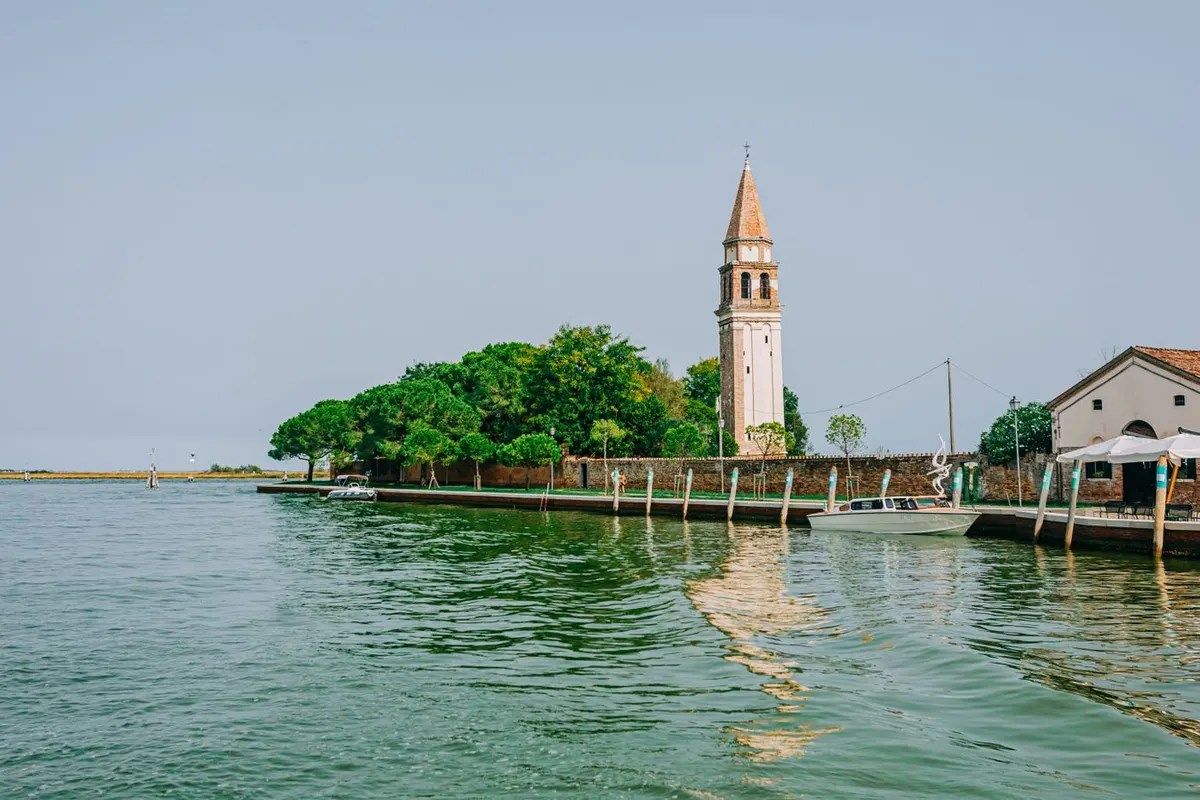
    Burano's leaning bell tower
    Burano’s leaning bell tower

    Suggested itinerary

    • A quiet St Mark’s Square in the morning
    • St Mark’s Basilica and the Doge’s Palace
    • Cicchetti snacks at a bacaro wine bar
    • Water bus to Burano
    • Back to the Rialto area
    • A gondola ride at dusk

    Where to stay nearby

    AREA 1San MarcoThe centre of it all — the most expensive.
    AREA 2CannaregioNear the station with a local feel and more affordable hotels and restaurants.
    AREA 3Mestre (mainland)About 10 minutes by train, with much cheaper hotels.

    Tips for working holiday makers

    • The day-tripper fee applies on designated days (mainly spring and summer weekends) — check dates and payment on the city website.
    • From around November to January, acqua alta high tides can flood the squares.
    • Bridges mean lots of steps, so travel light.
    • Picnicking on monuments or canal steps can be fined.

    FAQ

    Do I have to pay the access fee?

    Only if you are a day-tripper visiting on a designated day; overnight guests are exempt.

    How much is a gondola?

    Fares are officially set — confirm the time and price before you board.

    Where is cheapest to stay?

    Mestre on the mainland, about 10 minutes by train.

    When does acqua alta happen?

    Mainly from November to January.

    Planning a working holiday in Italy?Visa basics and a take-home pay calculator.
    Italy guide →

    More places to visit in Italy

    Photos: Pexels (free stock photos) Take-home pay calculator
  • The Amalfi Coast Travel Guide

    The Amalfi Coast Travel Guide

    Positano's houses on the hillside
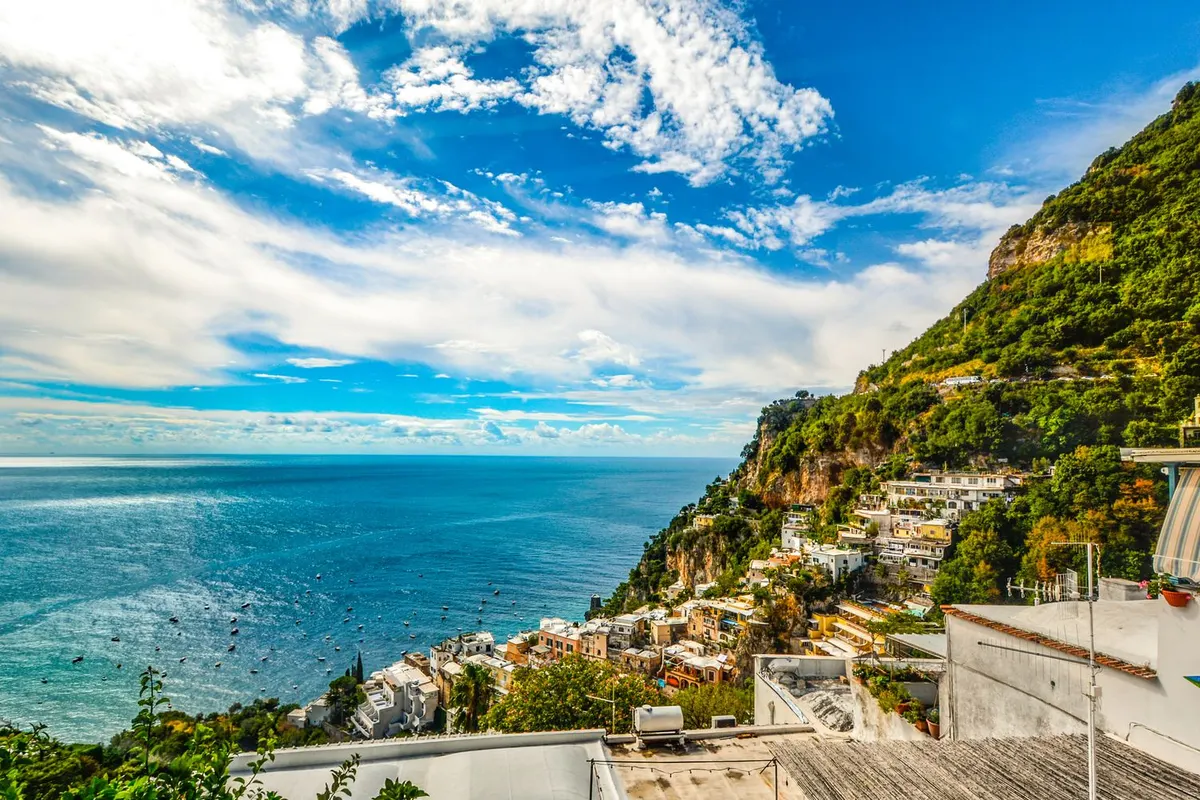
    Positano’s houses on the hillside

    Pastel houses cling to cliffs above a deep-blue sea along the Amalfi Coast, a World Heritage Site often called the world’s most beautiful coastline. Positano, Amalfi and Ravello each have their own charm. Here is how to get there from Naples or Sorrento, how to hop between towns and where to stay.

    LocationSouthern side of the Sorrento Peninsula, Campania
    Getting thereAbout 2–3 hours from Naples by train, bus and ferry
    Best timeMay–June and September–October; many ferries stop in winter
    Time needed2–3 nights

    How to get there

    1. Take the Circumvesuviana train from Naples to Sorrento (about 1 hour 10 minutes), then SITA buses along the coast.
    2. From around April to October, ferries run from Naples and Salerno to Amalfi and Positano — with great views from the water.
    3. The coastal road is narrow and winding, with heavy summer traffic; buses fill up, so queue early.
    4. Hop between towns by bus or boat — Positano to Amalfi is about 25 minutes by boat.

    Opening hours, prices and practical info

    FerriesMainly April–October (weather permitting)
    SITA busesSorrento–Positano–Amalfi; crowded in summer
    Ravello gardensVilla Rufolo and Villa Cimbrone charge admission
    World HeritageCostiera Amalfitana (1997)

    Prices and hours are from official sources as of November 2026 and may change — check the official website before you go.

    Highlights of The Amalfi Coast

    Positano

    Famous for houses tumbling down the hillside to the sea, Positano is all boutiques, beach clubs and lazy afternoons.

    The coast near Positano from above
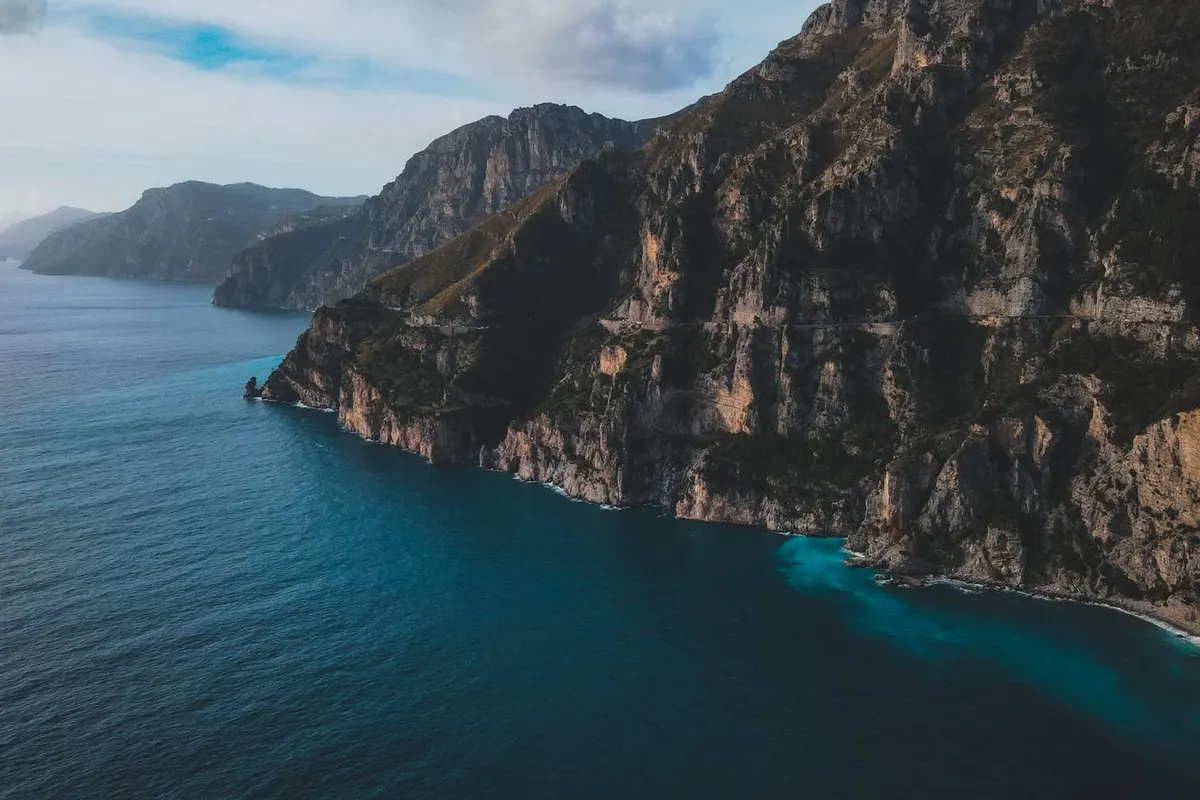
    The coast near Positano from above

    Amalfi town and cathedral

    The town that gave the coast its name, with a grand stairway up to its Arab-Norman cathedral, and lemon treats and limoncello everywhere.

    Amalfi town between the cliffs
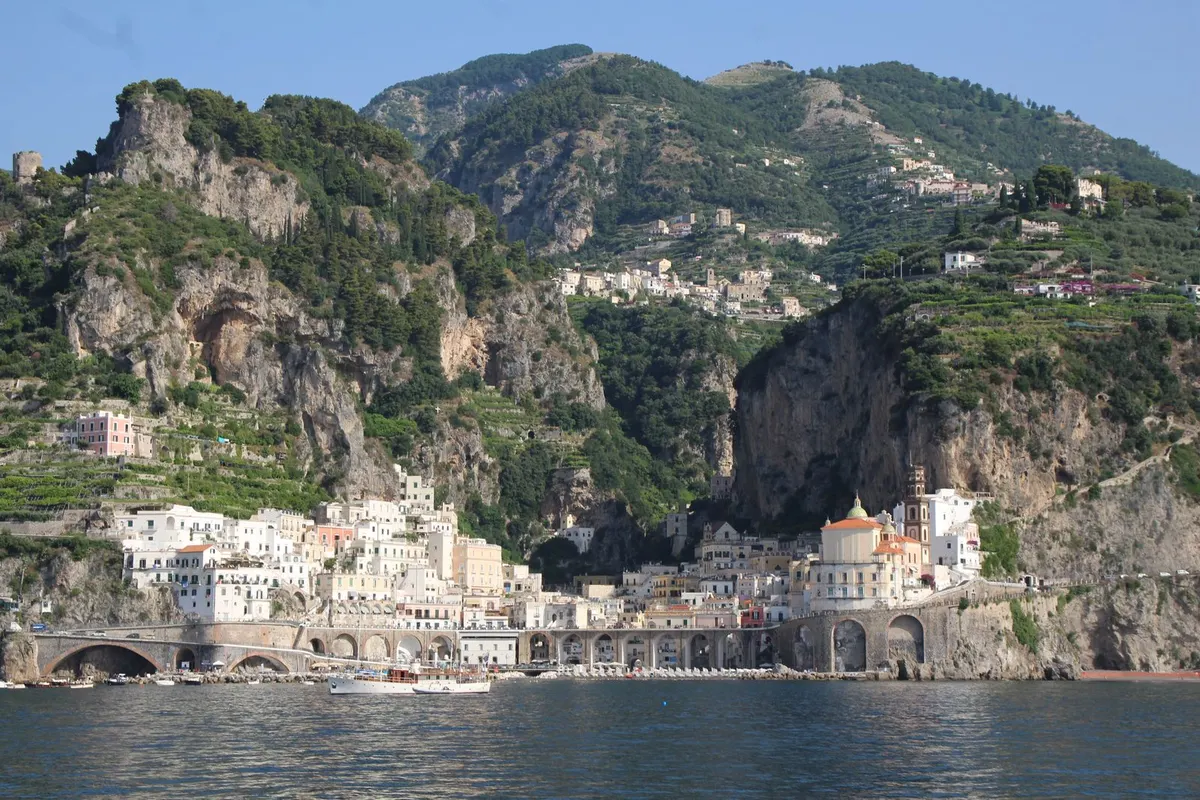
    Amalfi town between the cliffs

    The gardens of Ravello

    Hilltop Ravello has the gardens of Villa Rufolo and Villa Cimbrone, whose Terrace of Infinity gazes over the sea.

    The coastline and blue sea
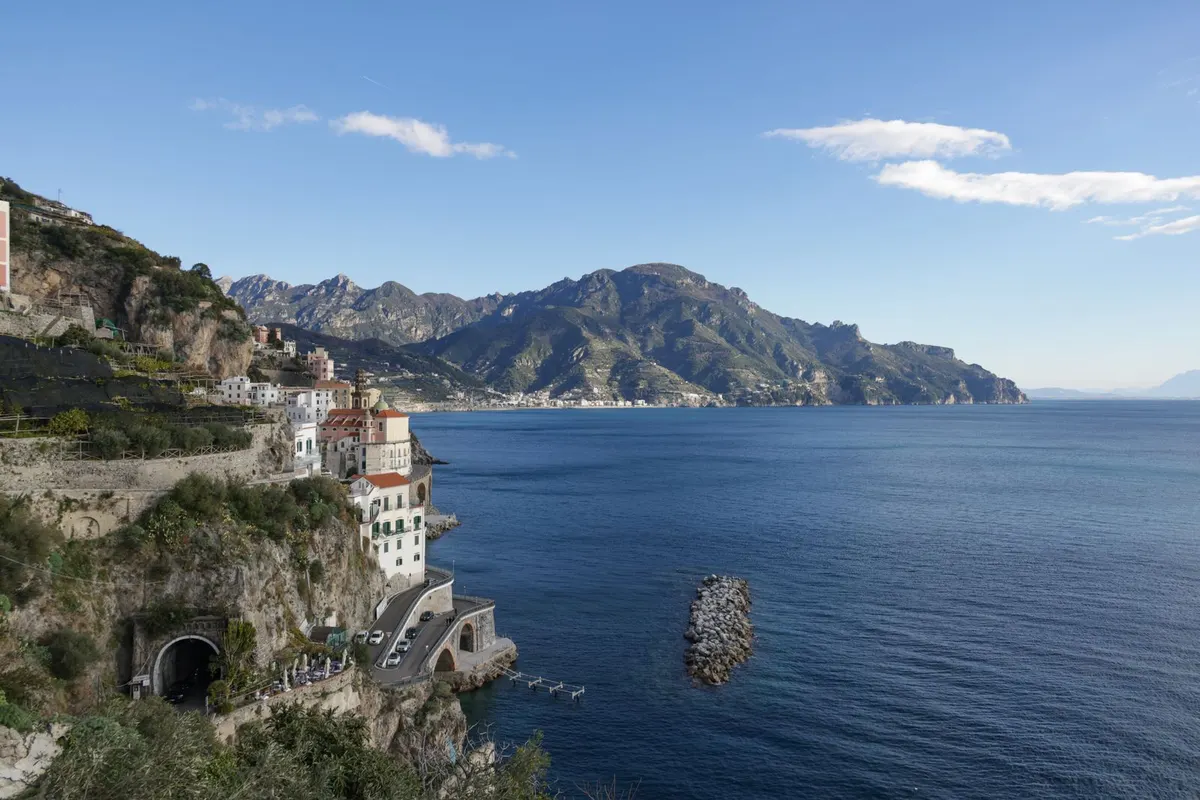
    The coastline and blue sea

    The Path of the Gods

    A 7 km cliff-top hike with sweeping views over the coastline and down to Positano.

    Green slopes and the Mediterranean
    Green slopes and the Mediterranean

    Suggested itinerary

    • Train from Naples to Sorrento
    • Bus or boat to Positano for the beach and town
    • Dinner with Positano lit up at night
    • Boat to Amalfi and the cathedral
    • A lemon-themed lunch
    • Bus up to Ravello and its gardens

    Where to stay nearby

    AREA 1PositanoUnbeatable views and prices to match — book early for summer.
    AREA 2AmalfiThe transport hub, with the most buses and boats and easy access to Ravello.
    AREA 3Sorrento and SalernoOutside the coast proper, with cheaper rooms and rail links.

    Tips for working holiday makers

    • Summer is extremely crowded on the roads and beaches — May–June and September–October are better.
    • Ferries can be cancelled in bad weather, so have a bus backup.
    • The towns are all steps and slopes — pack light.
    • If you pass through Naples, do not miss the pizza and Pompeii.

    FAQ

    Is it a day trip from Naples?

    Possible, but travel is slow — stay at least a night.

    Which town should I stay in?

    Positano for views, Amalfi for transport, Sorrento for budget.

    Is it good in winter?

    Ferries stop and many hotels and shops close, so spring to autumn is best.

    Can I drive?

    Yes, but roads are narrow and summer traffic and parking are tough — buses and boats are better.

    Planning a working holiday in Italy?Visa basics and a take-home pay calculator.
    Italy guide →

    More places to visit in Italy

    Photos: Pexels (free stock photos) Take-home pay calculator
  • Florence Travel Guide

    Florence Travel Guide

    Florence and the Duomo at sunset
    Florence and the Duomo at sunset

    The birthplace of the Renaissance, Florence is a World Heritage city of art. The red-domed Duomo, Botticelli’s masterpieces at the Uffizi and Michelangelo’s David await around every corner. Here is how to get there from Rome, how to book and where to stay.

    LocationTuscany, central Italy
    Getting thereAbout 1 hour 35 minutes by high-speed train from Rome
    Best timeApril–June and September–October
    Time needed2–3 days; day trips to Tuscan hill towns are popular

    How to get there

    1. High-speed trains run from Rome Termini to Firenze Santa Maria Novella in about 1 hour 35 minutes, and from Venice in about 2 hours 15 minutes.
    2. Pisa Airport is about an hour by train; the tram from Florence Airport takes about 20 minutes.
    3. The centre is compact and every main sight is walkable.
    4. Cars are restricted in the historic centre, so take care if you rent one.

    Opening hours, prices and practical info

    DuomoThe cathedral is free (queues); the dome, bell tower and museum share a timed paid pass
    UffiziPaid; closed Mondays; booking recommended
    AccademiaPaid; closed Mondays; booking recommended
    City taxPaid per night at your accommodation

    Prices and hours are from official sources as of November 2026 and may change — check the official website before you go.

    Highlights of Florence

    The Duomo

    Brunelleschi’s great dome is the symbol of Florence. Climb its 463 steps for views over the red rooftops — timed reservations required.

    The Duomo and Giotto's bell tower
    The Duomo and Giotto’s bell tower

    The Uffizi Gallery

    Home to Botticelli’s Birth of Venus and Primavera, works by Leonardo da Vinci and more Renaissance masterpieces.

    Michelangelo’s David at the Accademia

    See the original 5-metre statue of David by Michelangelo — book ahead, as it is very popular.

    Ponte Vecchio and Piazzale Michelangelo

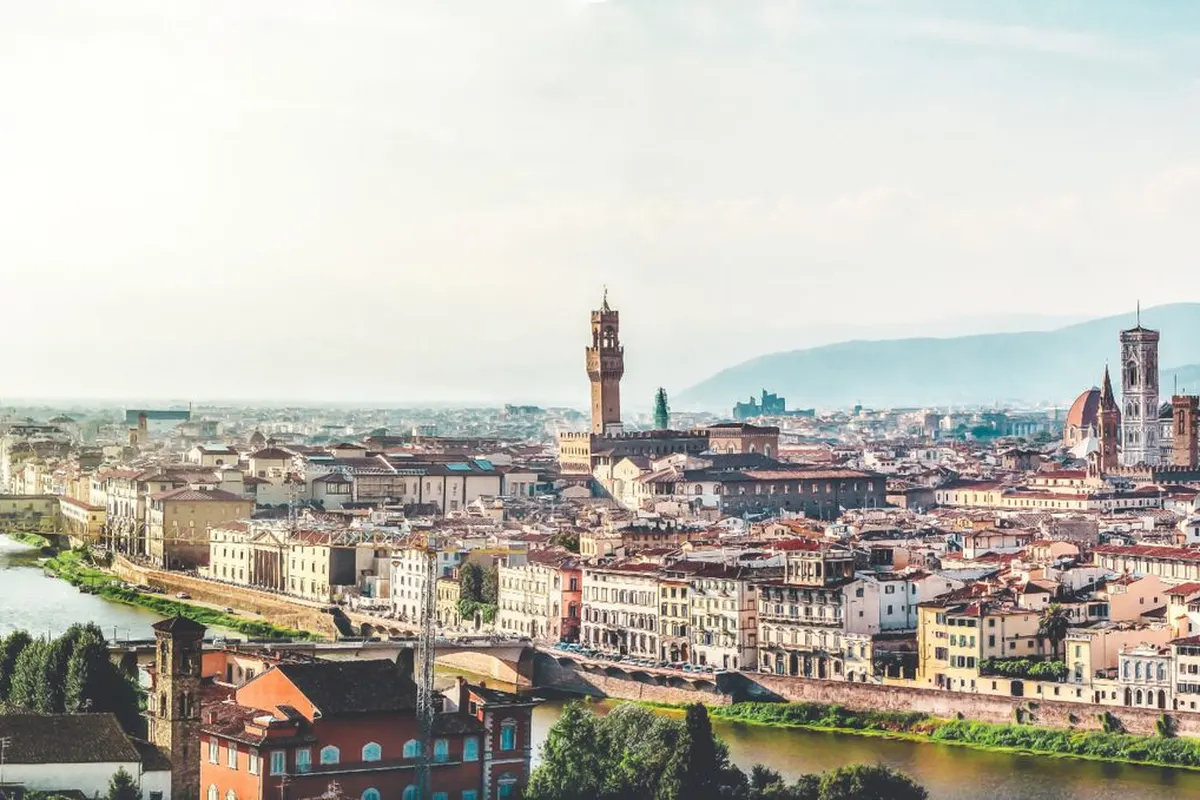
    Cross the jewellery-lined Ponte Vecchio and climb to Piazzale Michelangelo for a sunset view over the city.

    The Arno and the city
    The Arno and the city

    Suggested itinerary

    • Climb the Duomo dome at your booked time
    • The Uffizi Gallery
    • Tuscan lunch at the Central Market
    • David at the Accademia
    • Ponte Vecchio and up to Piazzale Michelangelo
    • Bistecca alla fiorentina for dinner
    A panorama of Florence
    A panorama of Florence
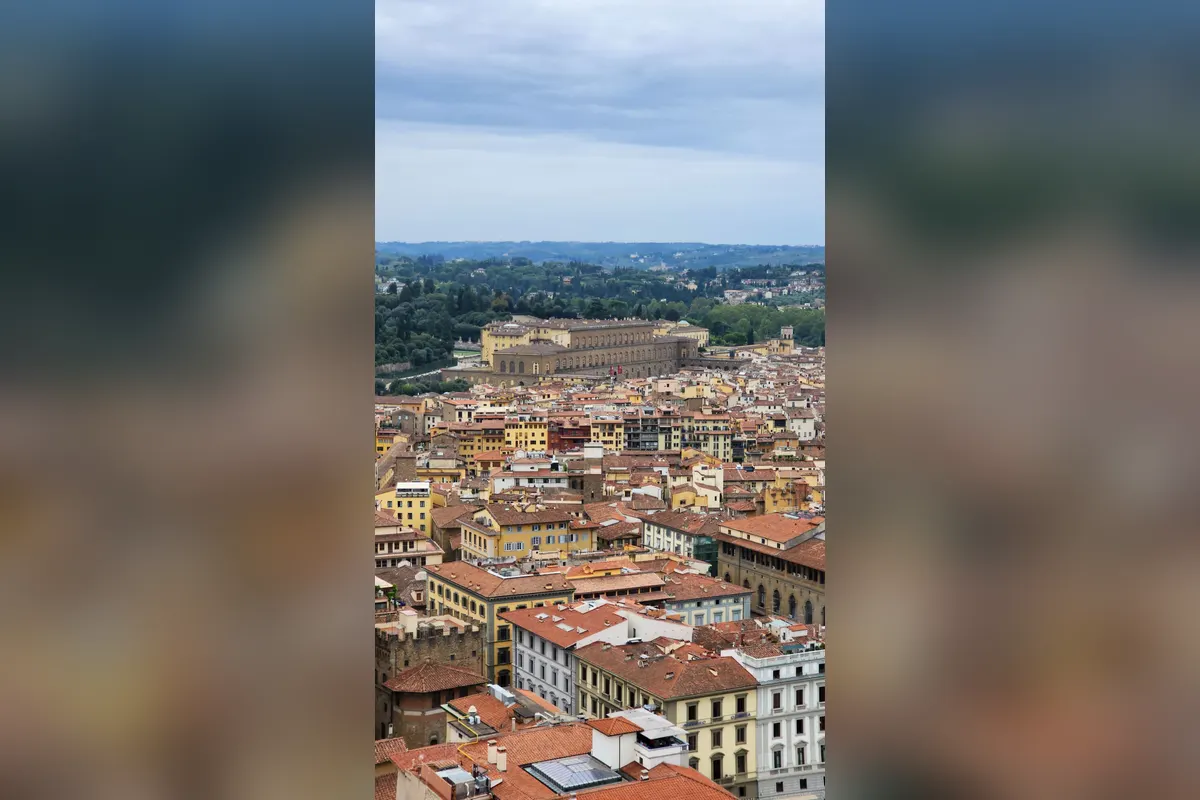
    A sea of red rooftops
    A sea of red rooftops

    Where to stay nearby

    AREA 1Around the DuomoThe heart of everything, walkable to all sights.
    AREA 2Near Santa Maria Novella stationConvenient for trains, with lots of hotels.
    AREA 3OltrarnoThe calmer south bank, full of artisan workshops and local trattorias.

    Tips for working holiday makers

    • Book the dome, the Uffizi and the Accademia — summer slots sell out days ahead.
    • Florence charges a per-night city tax.
    • Pisa (about an hour), Siena and the Tuscan hill towns make great day trips.
    • Florence is famous for leather — but beware of pushy street sellers.

    FAQ

    How do I get there from Rome?

    About 1 hour 35 minutes by high-speed train.

    Do I need to book the dome climb?

    Yes — buy the timed pass on the official site.

    Can I visit Pisa?

    Yes, about an hour by train — an easy day trip.

    How many days do I need?

    2 for the main galleries and sights, 3 with a Tuscan day trip.

    Planning a working holiday in Italy?Visa basics and a take-home pay calculator.
    Italy guide →

    More places to visit in Italy

    Photos: Pexels (free stock photos) Take-home pay calculator
  • Rome Travel Guide

    Rome Travel Guide

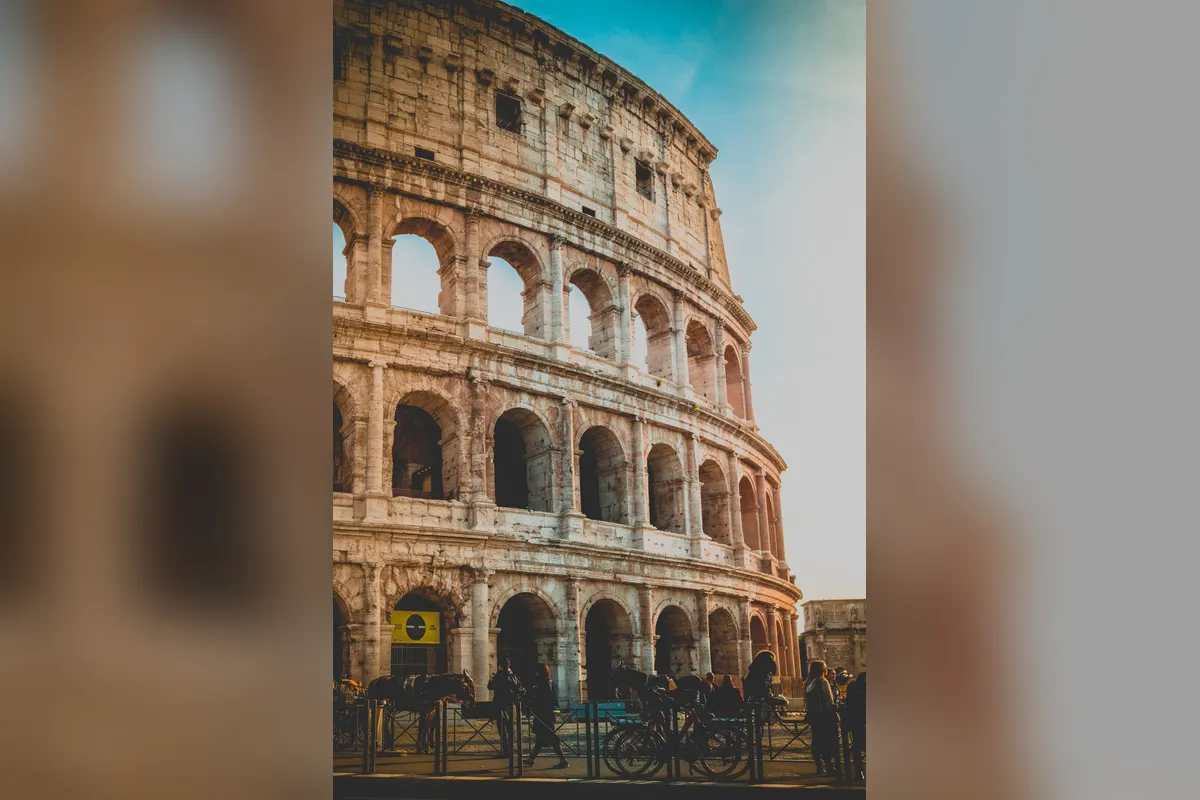
    The Colosseum at sunset
    The Colosseum at sunset

    The Eternal City is an open-air museum of ancient ruins and Renaissance art. The Colosseum, the Trevi Fountain and St Peter’s Basilica in Vatican City are once-in-a-lifetime sights. Here is how to get in from the airport, how to book the big sights and where to stay.

    LocationCentral Italy, on the Tiber
    AirportAbout 32 minutes by express train from Fiumicino to Termini
    Best timeApril–June and September–October
    Time needed3 days for the highlights; 4 with the Vatican in depth

    How to get there

    1. Fly direct from Haneda or connect via a European hub to Fiumicino.
    2. The Leonardo Express runs non-stop to Termini in about 32 minutes; buses are cheaper but traffic is unpredictable.
    3. Metro, buses and trams share one ticket system, and contactless works.
    4. Most central sights are walkable — wear comfortable shoes for the cobblestones.

    Opening hours, prices and practical info

    ColosseumCombined ticket with the Forum and Palatine; timed booking
    Vatican MuseumsClosed Sundays (except some free last Sundays); book ahead
    PantheonPaid entry since 2023
    Trevi FountainAccess to the basin area is limited and may be paid — check the latest rules

    Prices and hours are from official sources as of November 2026 and may change — check the official website before you go.

    Highlights of Rome

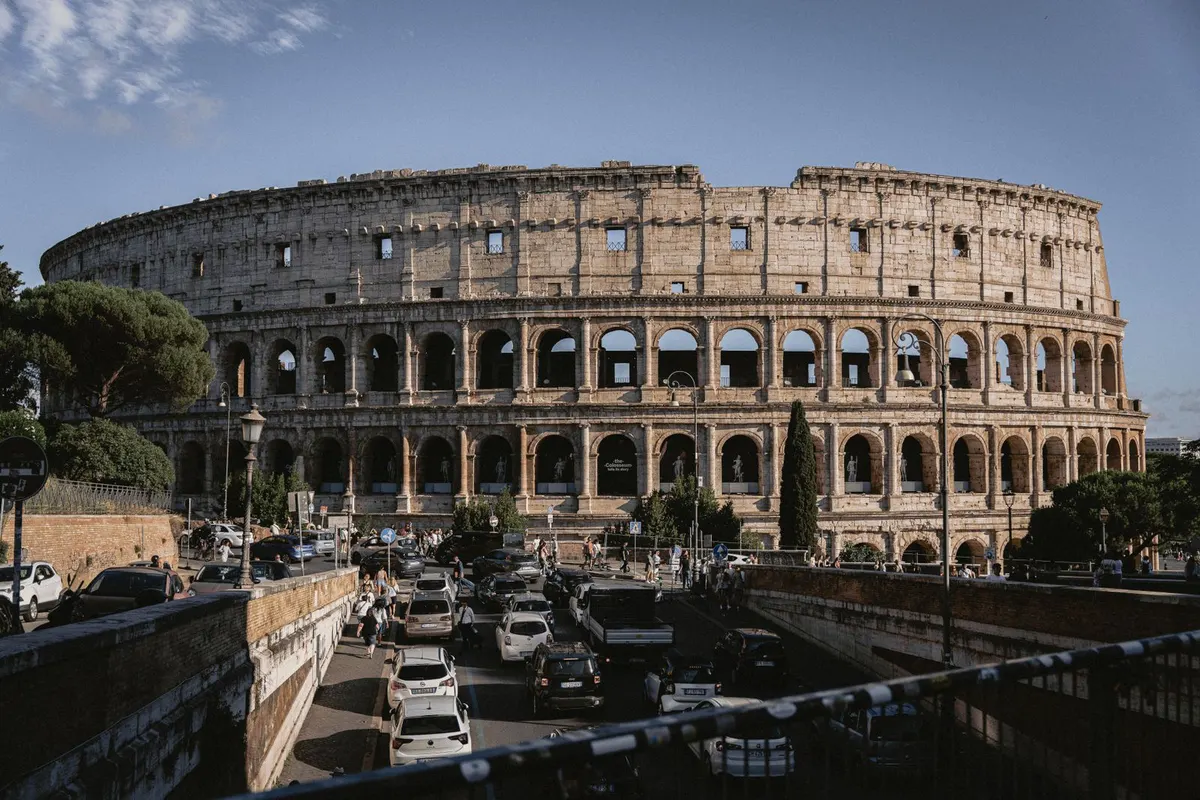
    The Colosseum and the Roman Forum

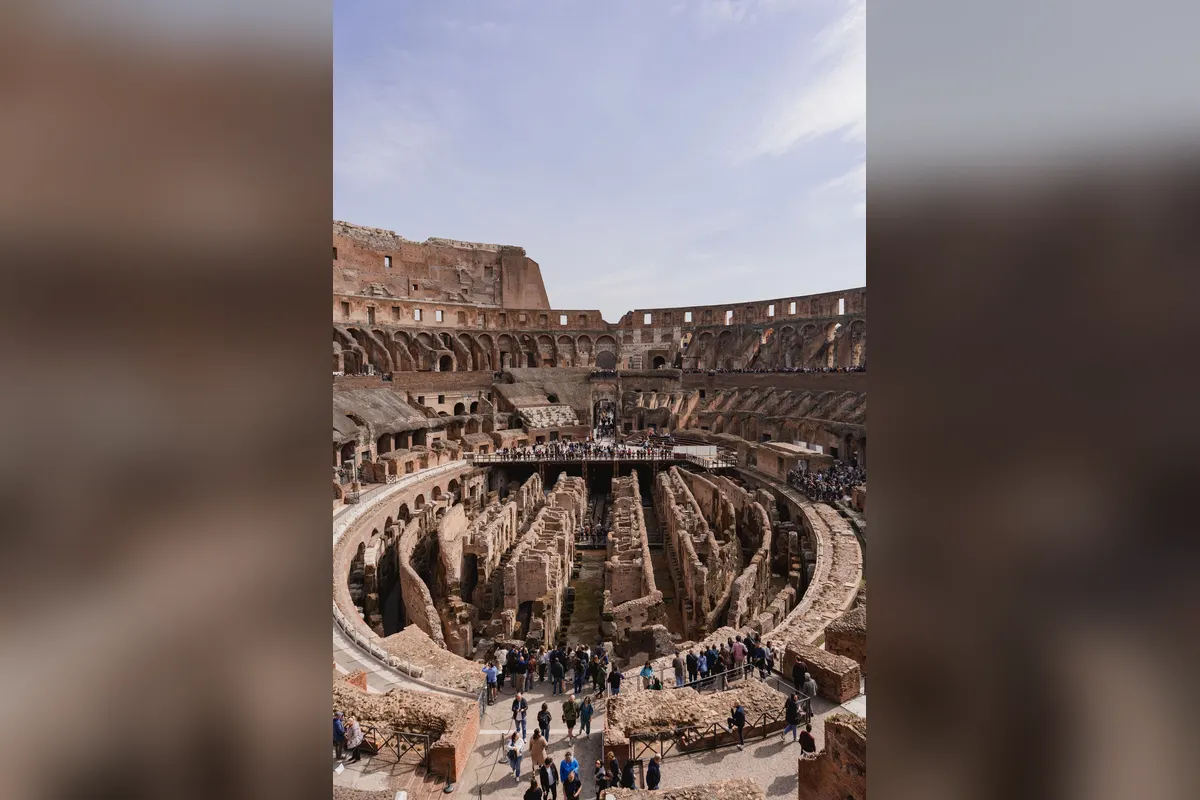
    The 2,000-year-old Colosseum, the Roman Forum and the Palatine Hill share a combined ticket. Timed booking is essential.

    Inside the Colosseum from above
    Inside the Colosseum from above

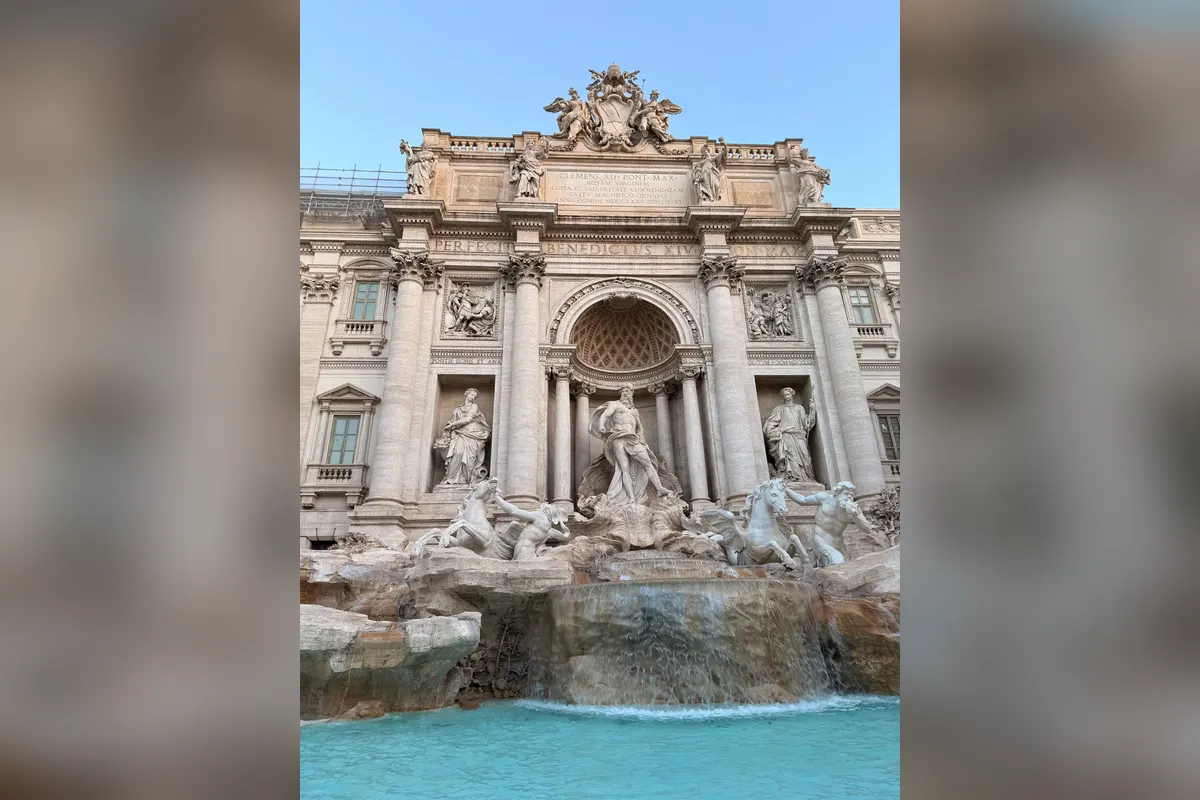
    The Trevi Fountain

    Toss a coin over your shoulder to guarantee a return to Rome. Crowd-control measures, including limited and paid access to the area by the basin, have been introduced.

    The Trevi Fountain
    The Trevi Fountain

    Vatican City

    The world’s smallest country holds St Peter’s Basilica and the Vatican Museums, including Michelangelo’s Sistine Chapel ceiling. Book the museums in advance.

    The Pantheon and Piazza Navona

    The Pantheon’s vast dome has stood for nearly 2,000 years. Stroll on to Piazza Navona and the Spanish Steps.

    The Colosseum in evening light
    The Colosseum in evening light

    Suggested itinerary

    • The Colosseum at your booked time
    • The Roman Forum and Palatine Hill
    • Pasta lunch in Monti
    • Trevi Fountain, the Pantheon and Piazza Navona
    • Around the Spanish Steps
    • Dinner in Trastevere
    The Colosseum rising above the city
    The Colosseum rising above the city

    Where to stay nearby

    AREA 1Around TerminiThe rail hub for the airport and intercity trains, with lots of affordable hotels — avoid quiet streets at night.
    AREA 2Centro StoricoClosest to the Pantheon and Piazza Navona — the most convenient, but pricey.
    AREA 3TrastevereAtmospheric cobbled lanes full of restaurants, lovely in the evening.

    Tips for working holiday makers

    • Book the Colosseum and Vatican Museums early on their official sites.
    • Cover shoulders and knees to enter churches.
    • Ignore people pushing petitions or bracelets at tourist sites.
    • Rome charges a per-night city tax on accommodation.

    FAQ

    How do I get from the airport?

    The Leonardo Express reaches Termini in about 32 minutes.

    Do I need to book the Colosseum?

    Yes — timed tickets; book early on the official site.

    How do I get to the Vatican?

    Metro line A to Ottaviano, then a short walk.

    How many days do I need?

    3 for the highlights, 4 to see the Vatican Museums properly.

    Planning a working holiday in Italy?Visa basics and a take-home pay calculator.
    Italy guide →

    More places to visit in Italy

    Photos: Pexels (free stock photos) Take-home pay calculator
  • 6 Best Places to Visit in Portugal

    6 Best Places to Visit in Portugal

    Lisbon
    Lisbon

    From tram-filled Lisbon and port-wine Porto to fairy-tale Sintra and the Algarve’s golden cliffs, Portugal is warm, relaxed and full of charm. Here are 6 of the best places to visit on your days off or travels during a working holiday.

    Lisbon
    No.1

    Lisbon

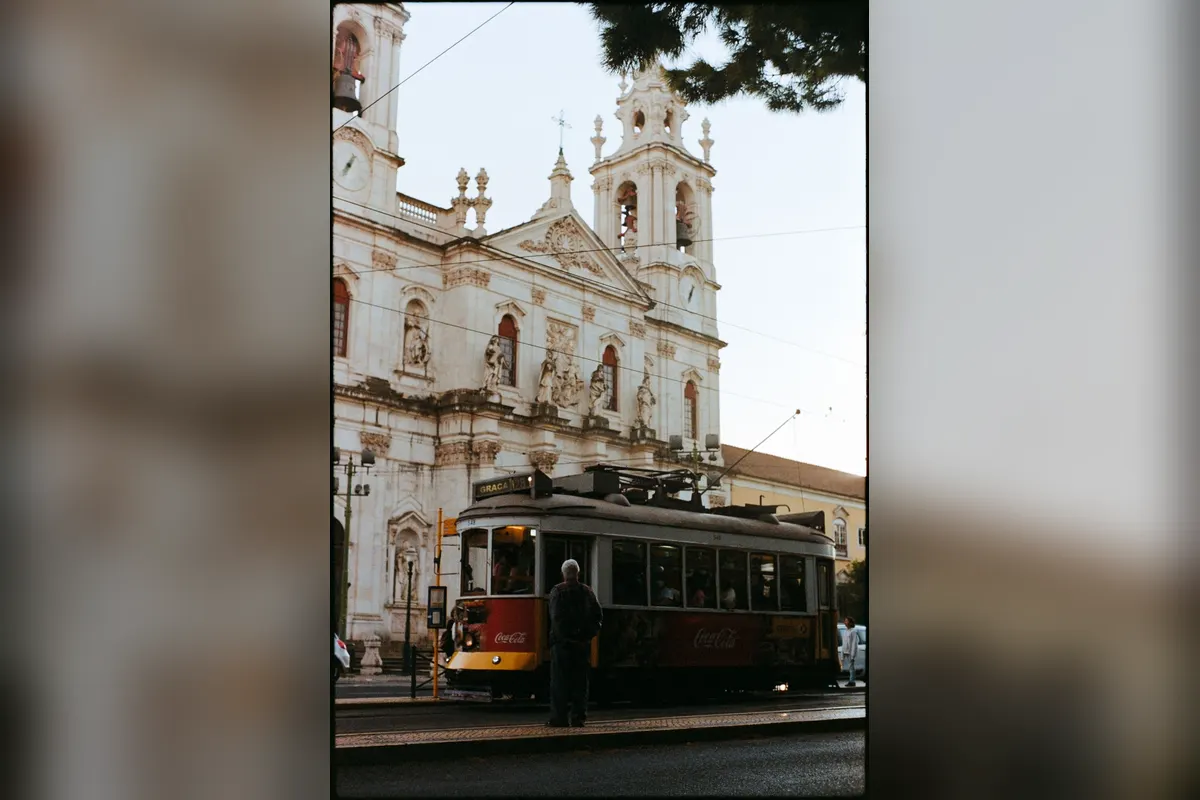
    Spread over seven hills, Lisbon is a city of yellow trams rattling up steep streets, tiled façades and viewpoints over the Tagus. Add the Age of Disc…

    Getting there:About 25 minutes by metro from Lisbon Airport to the centre

    Read the full guide →
    Porto
    No.2

    Porto

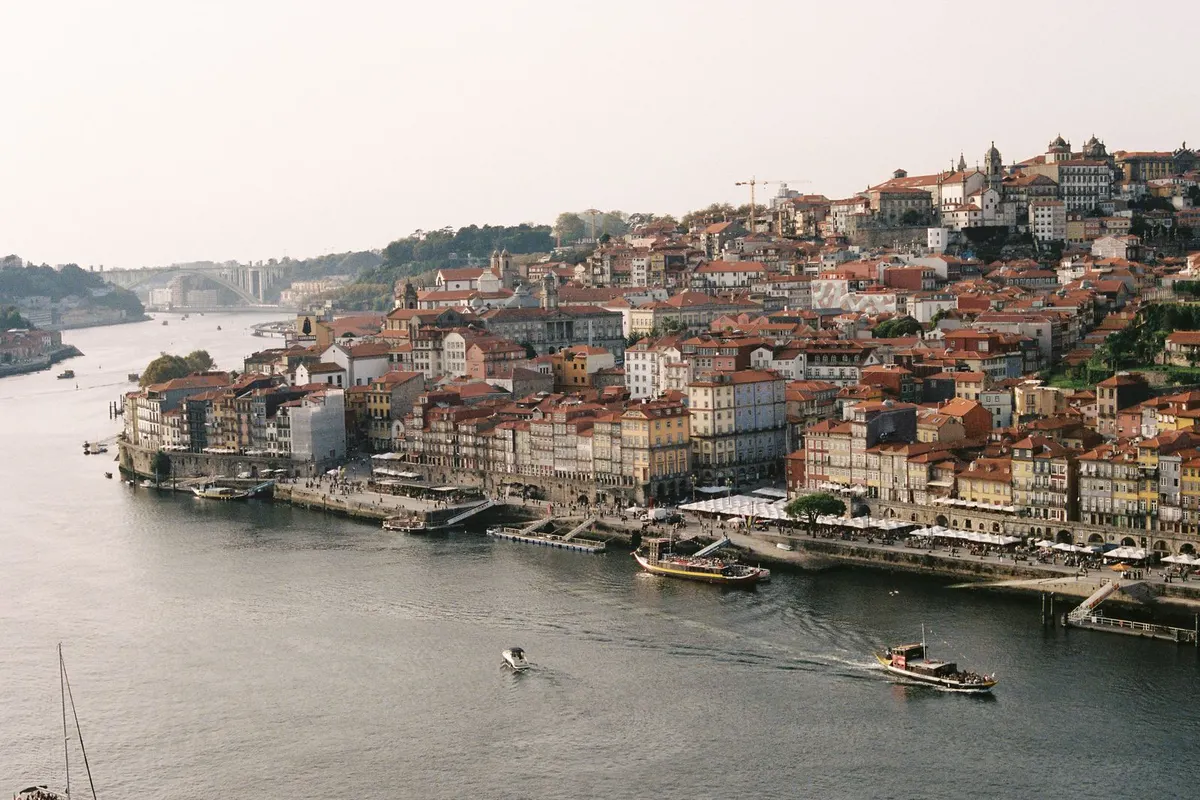
    Colourful houses tumble down both banks of the Douro in Porto, Portugal’s second city and the home of port wine. The riverside Ribeira is a World Her…

    Getting there:About 2 hours 50 minutes by express train from Lisbon

    Read the full guide →
    Sintra
    No.3

    Sintra

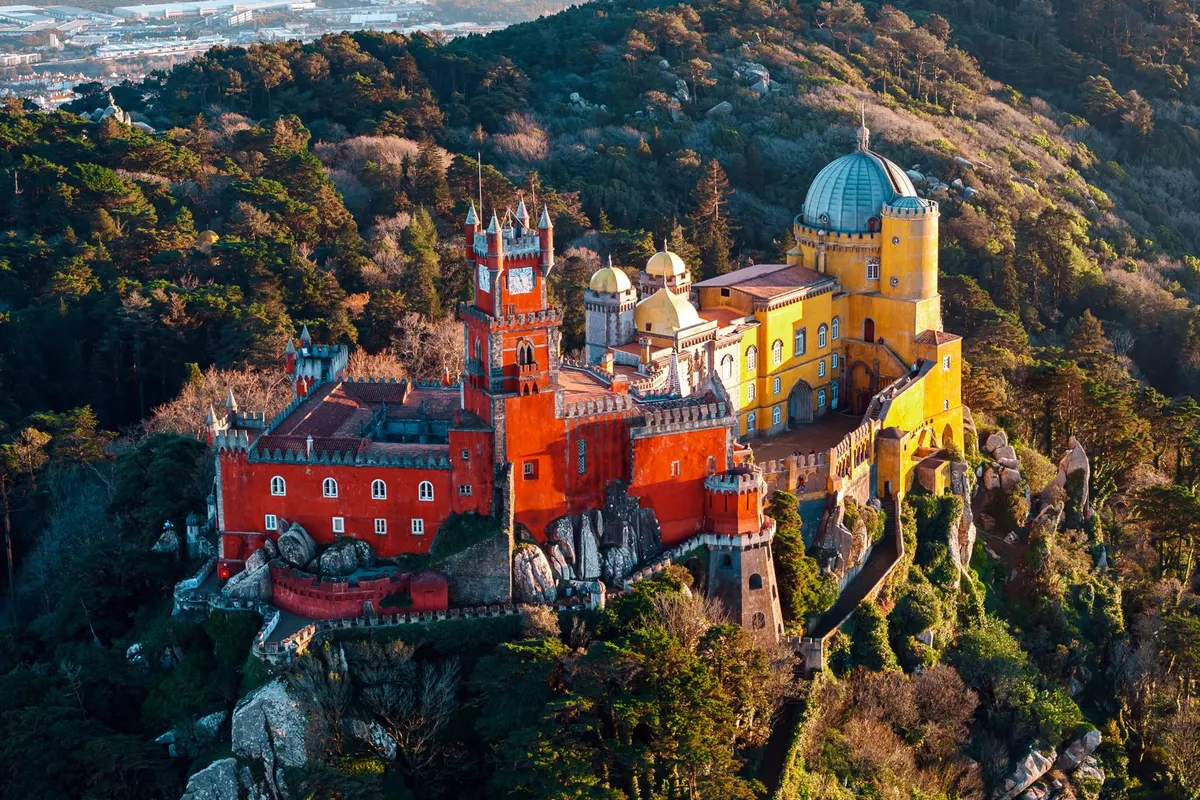
    In the forested hills near Lisbon, Sintra is dotted with fairy-tale buildings — the colourful Pena Palace, a hilltop Moorish castle and mysterious ga…

    Getting there:About 40 minutes by train from Lisbon Rossio

    Read the full guide →
    The Algarve
    No.4

    The Algarve

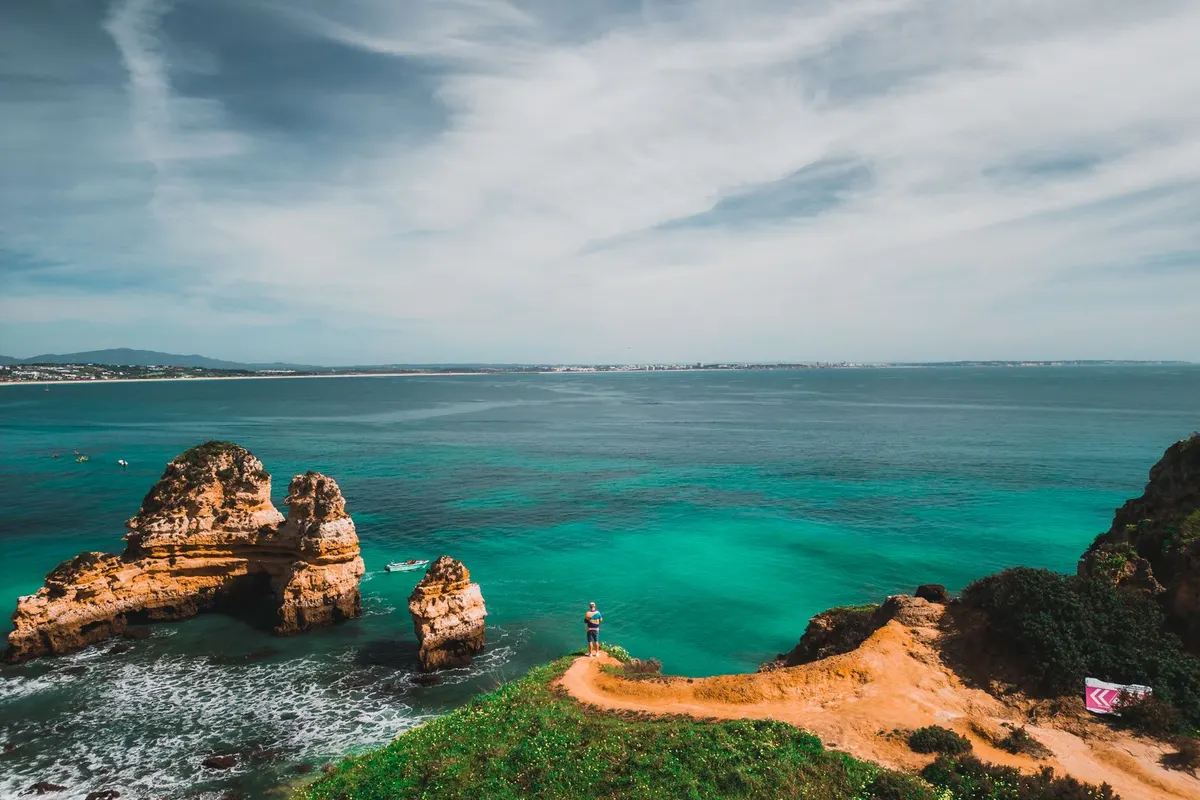
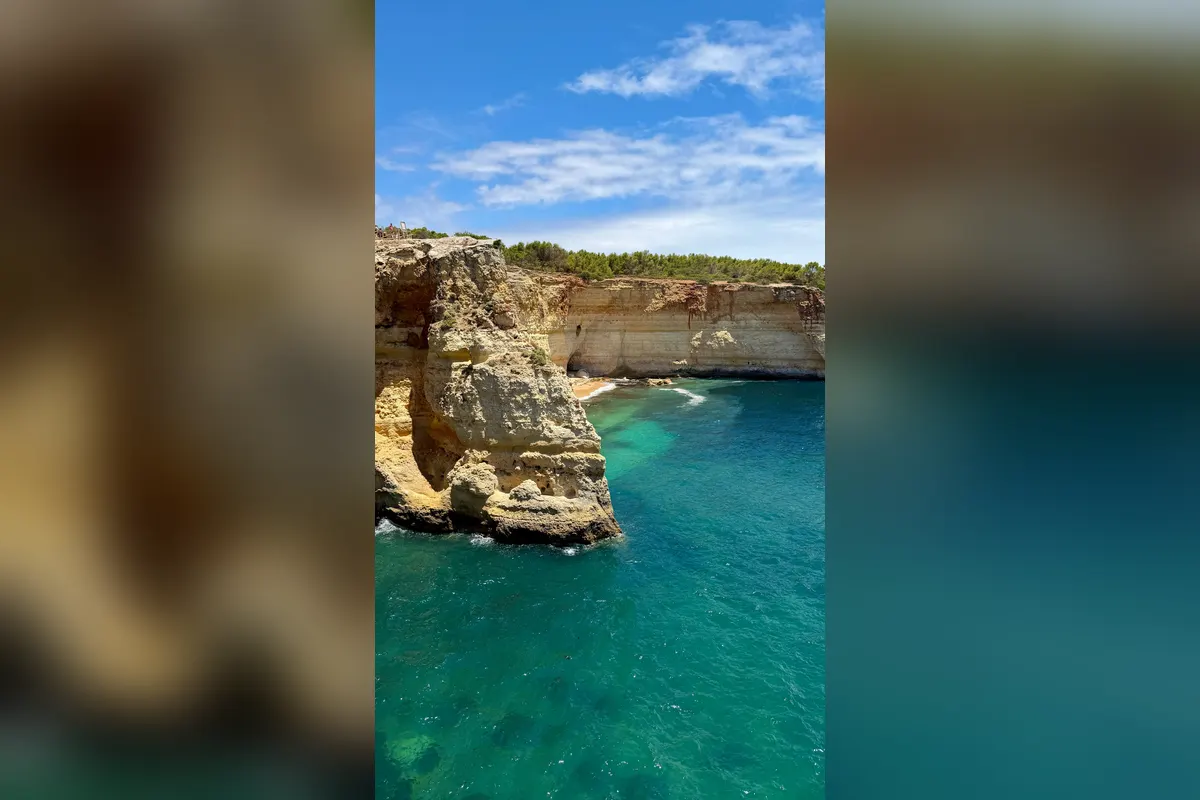
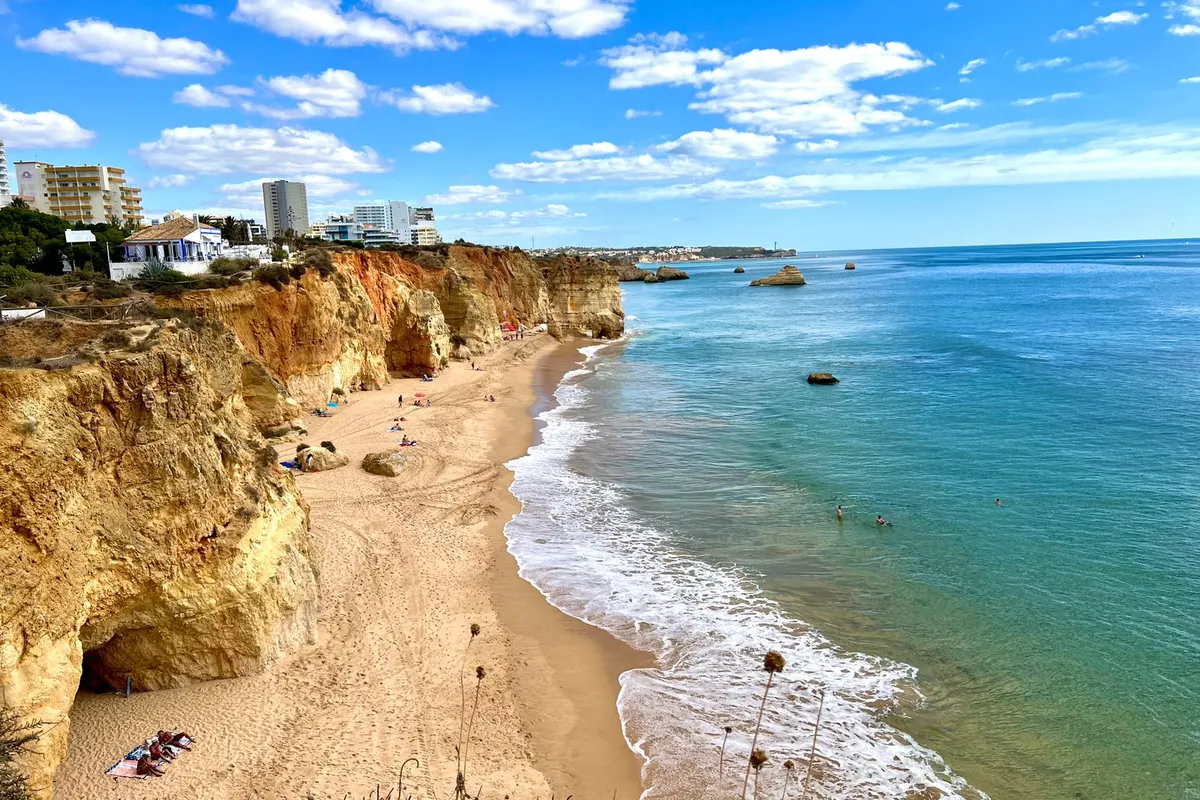
    Portugal’s southern coast, the Algarve, is one of Europe’s great beach destinations — golden cliffs, sea caves and crystal-clear water. Take a boat t…

    Getting there:About 3 hours by train or bus from Lisbon

    Read the full guide →
    Óbidos
    No.5

    Óbidos

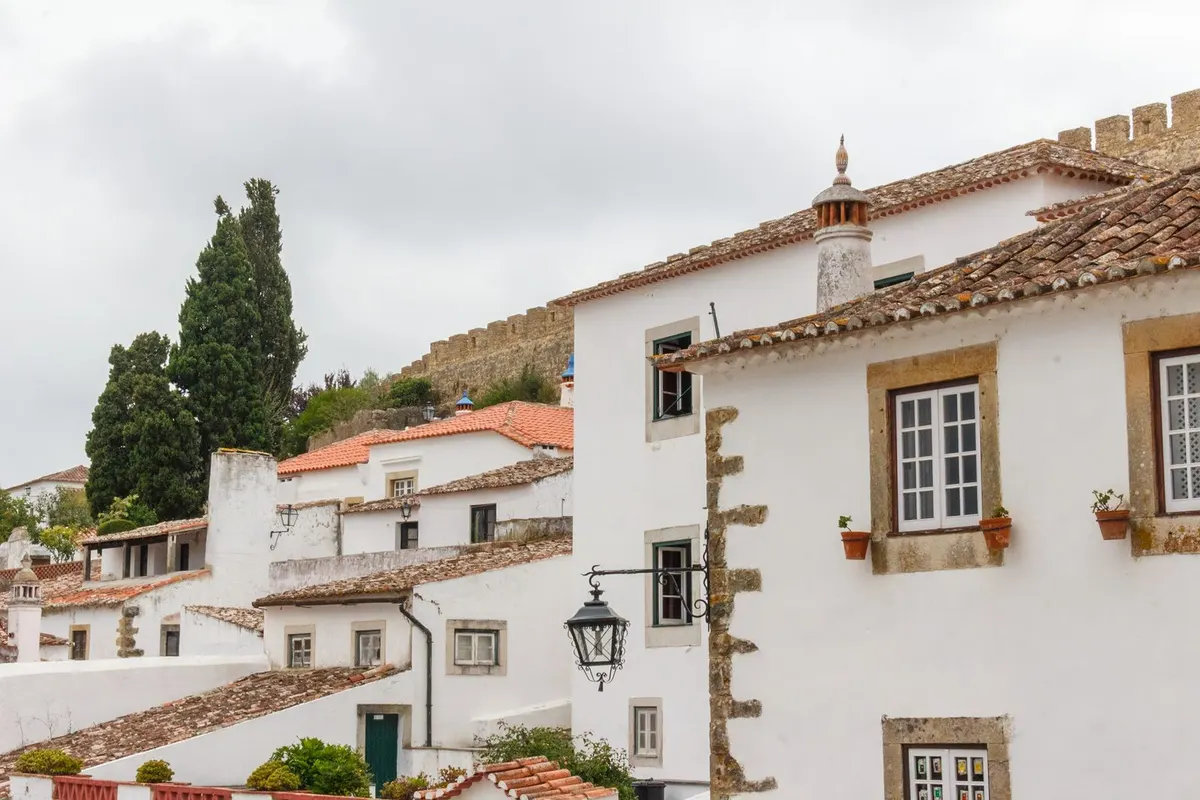
    A tiny walled village of white houses. Walk the medieval walls and sip ginjinha cherry liqueur from a chocolate cup.

    Getting there:About an hour by bus from Lisbon

    Douro Valley
    No.6

    Douro Valley

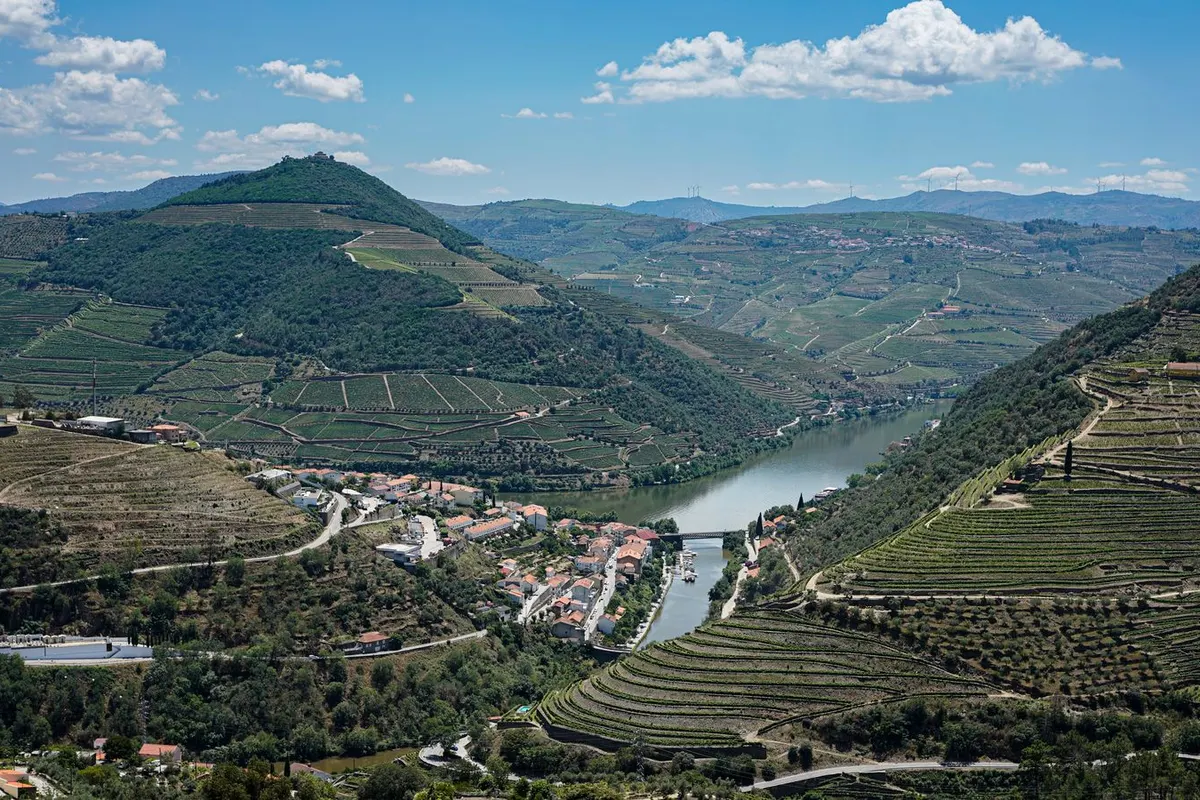
    A World Heritage valley of terraced port-wine vineyards, perfect for train rides, cruises and winery visits.

    Getting there:About 2 hours by train from Porto to Pinhão

    FAQ

    What are the most popular places in Portugal?

    Lisbon and Porto, plus Sintra as a day trip and the Algarve in the south.

    How do I get around?

    Express trains between Lisbon and Porto, and long-distance buses to the regions.

    When is the best time to travel?

    April–October, and June–September for beaches.

    Which city is best as a working holiday base?

    Lisbon for jobs, Porto for a calmer life — both relatively affordable for western Europe.

    Planning a working holiday in Portugal?Visa basics and a take-home pay calculator.
    Portugal guide →

    Photos: Pexels
  • The Algarve Travel Guide

    The Algarve Travel Guide

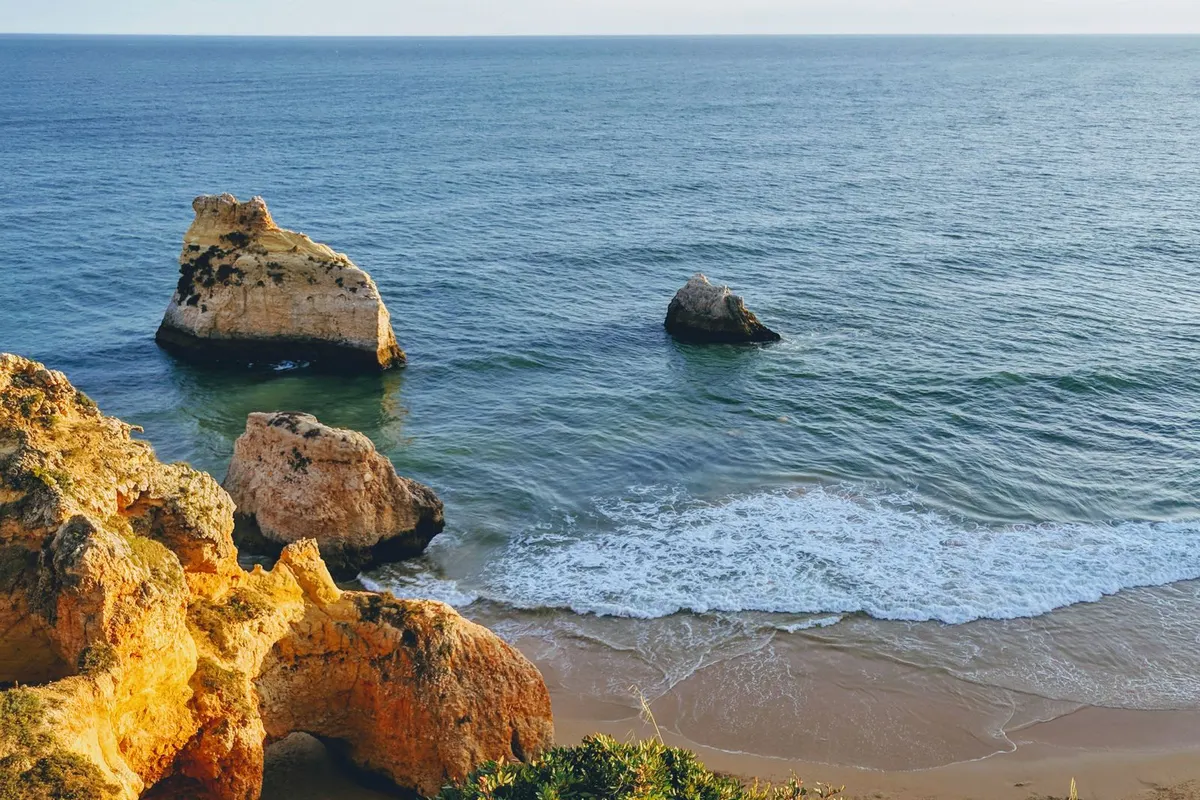
    Lagos rock formations from above
    Lagos rock formations from above

    Portugal’s southern coast, the Algarve, is one of Europe’s great beach destinations — golden cliffs, sea caves and crystal-clear water. Take a boat to the grottoes, walk the cliff-top trails and relax on stunning beaches. Here is how to get there from Lisbon, what to see and where to stay.

    LocationPortugal’s southern coast
    Getting thereAbout 3 hours by train or bus from Lisbon
    Best timeMay–October; July–August is busiest
    Time needed2–4 days

    How to get there

    1. Trains from Lisbon reach Faro or Tunes (change for Lagos) in about 3 hours; coaches also run.
    2. Faro Airport has flights from all over Europe.
    3. Buses and trains connect the coastal towns, but a car or tour is easiest for beach-hopping.
    4. Sea caves such as Benagil are usually visited on boat tours.

    Opening hours, prices and practical info

    Benagil CaveVisit with a licensed boat tour; landing on the inner beach is banned
    TransportAbout 3 hours from Lisbon by train (via Faro or Tunes) or coach
    BeachesSwim at lifeguarded beaches in summer
    Best timeMay–October

    Prices and hours are from official sources as of November 2026 and may change — check the official website before you go.

    Highlights of The Algarve

    Benagil Cave

    A sea cave with a round hole in its roof letting in shafts of light. Visit on a boat tour — landing on the beach inside is no longer allowed.

    Ponta da Piedade, Lagos

    A headland of rock pillars and arches — explore from the cliff-top paths or in a small boat weaving between the rocks.

    Turquoise water and cliffs
    Turquoise water and cliffs

    The Seven Hanging Valleys Trail

    A 6 km cliff-top trail with views over spectacular beaches such as Praia da Marinha.

    Cliffs and a sandy beach
    Cliffs and a sandy beach

    Faro old town

    The regional capital Faro has a walled old town and a chapel lined with bones — sights beyond the beach.

    A church and square in Faro
    A church and square in Faro

    Suggested itinerary

    • Boat tour to the caves from Portimão or Benagil
    • Walk the Seven Hanging Valleys Trail
    • Grilled sardines by the sea
    • Relax on Praia da Marinha
    • Sunset at Ponta da Piedade in Lagos
    • Dinner in Lagos old town
    Rocks on the coast at Alvor
    Rocks on the coast at Alvor

    Where to stay nearby

    AREA 1LagosAn old town and dramatic coastline, popular with young travellers and full of options.
    AREA 2AlbufeiraA lively resort known for beaches and nightlife, with the most hotels.
    AREA 3FaroThe airport city — a convenient base for getting around.

    Tips for working holiday makers

    • Rules for Benagil have tightened — use a licensed tour operator.
    • The summer sun is intense: bring sunscreen, a hat and water.
    • The Atlantic is cold even in summer and can be rough — swim at lifeguarded beaches.
    • Summer brings plenty of seasonal hotel and restaurant jobs.

    FAQ

    How do I get there from Lisbon?

    About 3 hours by train or coach; Faro Airport if flying.

    Can I go inside Benagil Cave?

    You can see inside from a boat tour, but landing on the beach is banned.

    When can I swim?

    June–September, though the water is cool.

    Which town should I stay in?

    Lagos for atmosphere, Albufeira for choice, Faro for convenience.

    Planning a working holiday in Portugal?Visa basics and a take-home pay calculator.
    Portugal guide →

    More places to visit in Portugal

    Photos: Pexels (free stock photos) Take-home pay calculator
  • Sintra Travel Guide

    Sintra Travel Guide

    Pena Palace above the forest
    Pena Palace above the forest

    In the forested hills near Lisbon, Sintra is dotted with fairy-tale buildings — the colourful Pena Palace, a hilltop Moorish castle and mysterious gardens. The whole area is a UNESCO World Heritage cultural landscape. Here is how to get there from Lisbon and make the most of your day.

    LocationAbout 25 km north-west of Lisbon
    Getting thereAbout 40 minutes by train from Lisbon Rossio
    Best timeApril–October; aim for a clear day as mist is common
    Time neededA full day for the main palaces

    How to get there

    1. Suburban trains run from Lisbon Rossio to Sintra in about 40 minutes, using the Navegante card.
    2. From Sintra station, bus 434 loops up to Pena Palace and the Moorish Castle.
    3. The palaces are spread over steep hills, so use buses or tuk-tuks rather than walking.
    4. Roads are narrow and congested — driving is not recommended.

    Opening hours, prices and practical info

    Pena PalaceTimed paid tickets (book online)
    BusRoute 434 loops between the station, town, Moorish Castle and Pena Palace
    TrainAbout 40 minutes from Lisbon Rossio
    World HeritageCultural Landscape of Sintra (1995)

    Prices and hours are from official sources as of November 2026 and may change — check the official website before you go.

    Highlights of Sintra

    Pena Palace

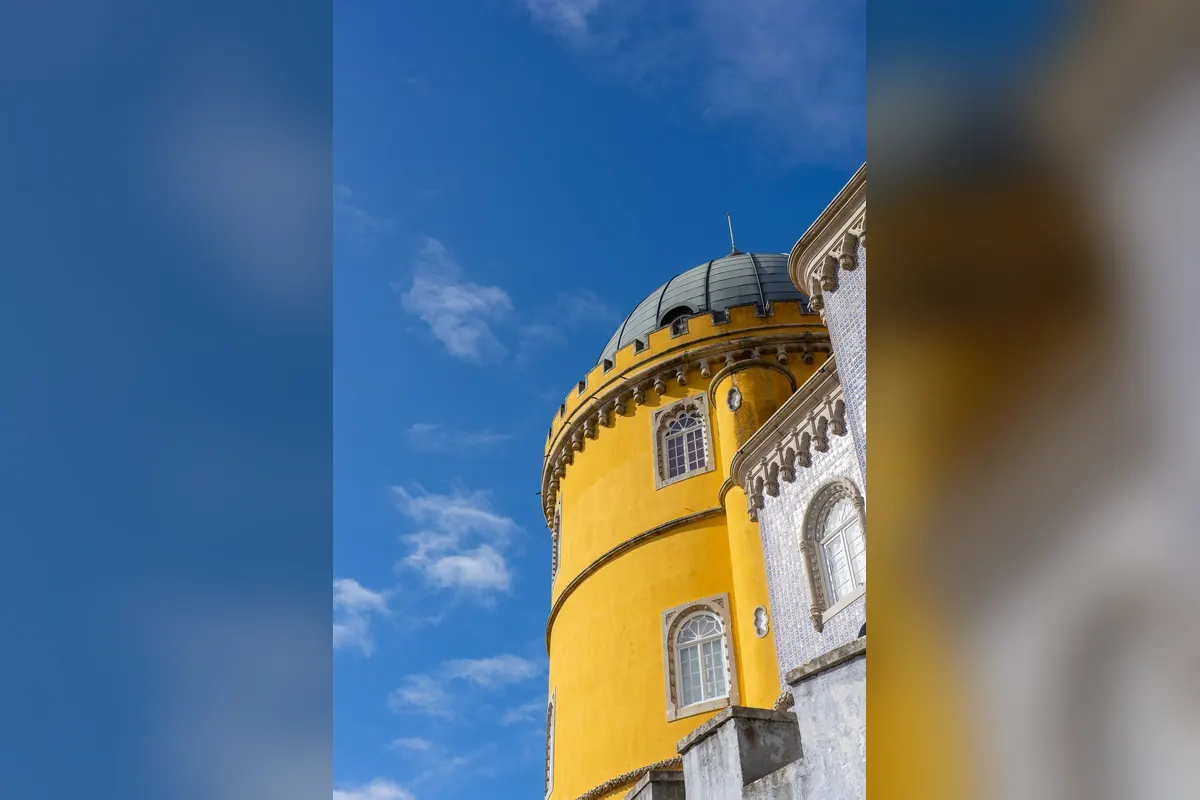
    A 19th-century Romanticist palace in red and yellow, floating above the forest. Timed tickets cover the interior and the vast park.

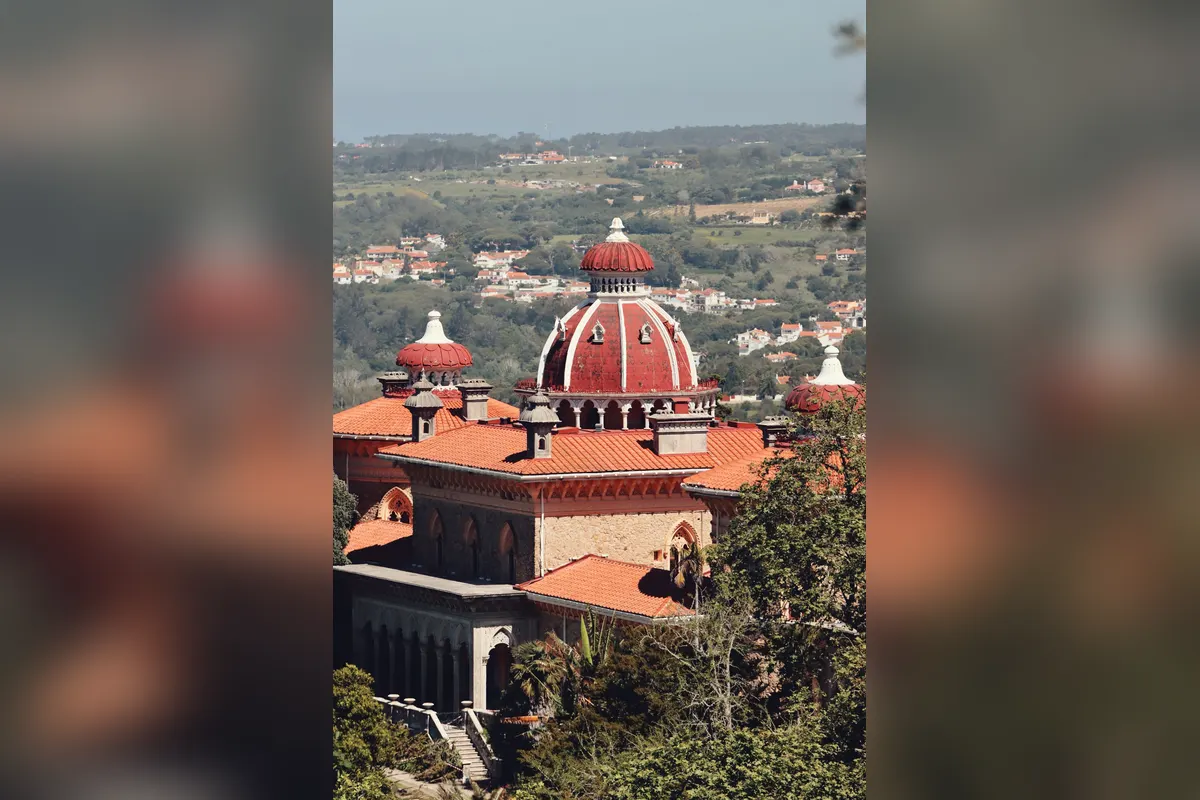
    Monserrate Palace
    Monserrate Palace

    The Moorish Castle

    An 8th–9th-century Moorish castle whose walls snake along the ridge, with views to Pena Palace and the Atlantic.

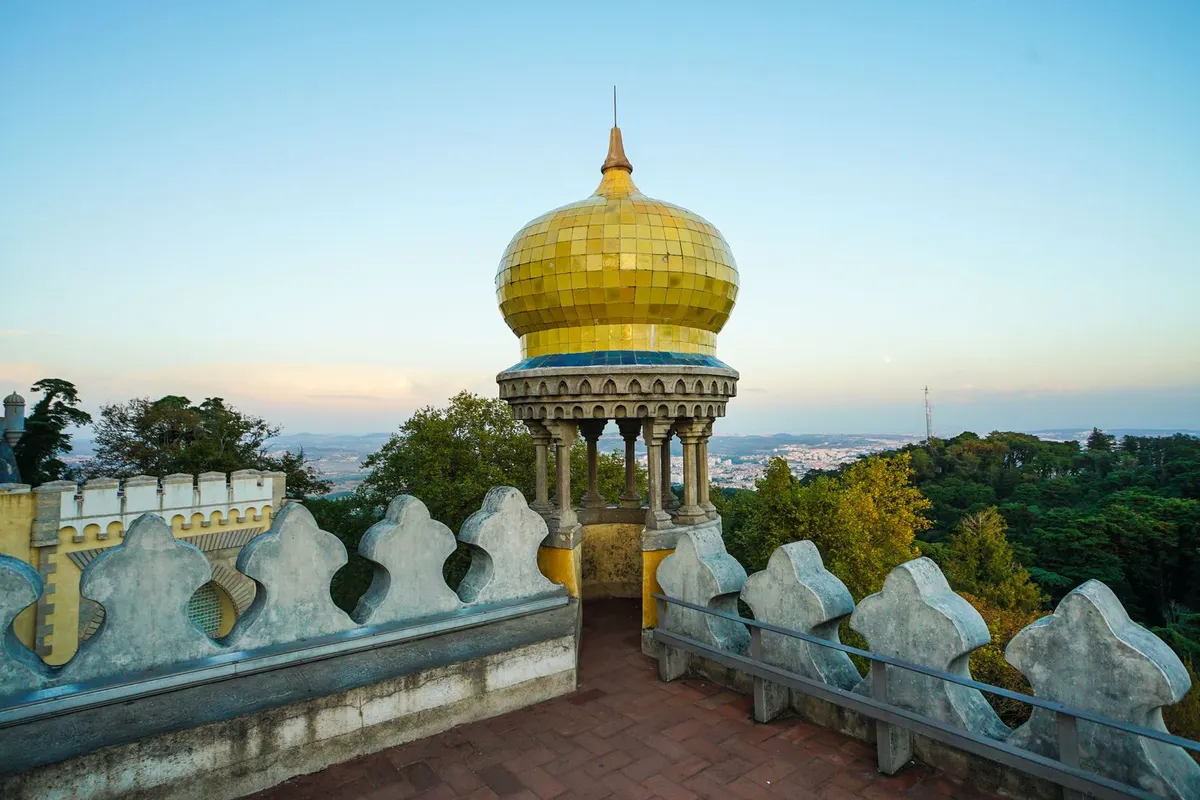
    A golden dome at Pena Palace
    A golden dome at Pena Palace

    Quinta da Regaleira and the Initiation Well

    Famous for the Initiation Well, a spiral staircase descending into the earth, set in gardens full of grottoes and tunnels.

    Monserrate Palace

    A palace with exquisite Moorish-style decoration and gardens of plants from around the world — usually quieter than the others.

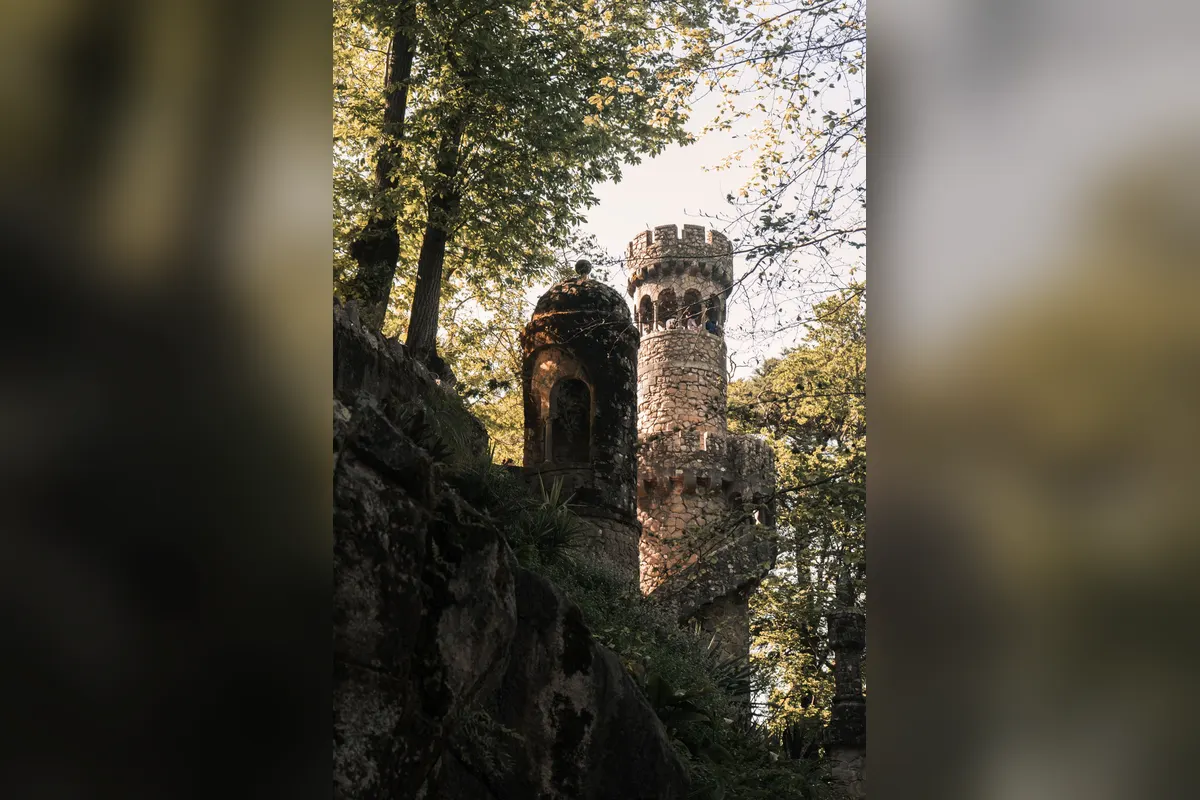
    The Moorish Castle in the forest
    The Moorish Castle in the forest

    Suggested itinerary

    • Train from Lisbon Rossio to Sintra
    • Bus 434 to Pena Palace, arriving at opening time
    • Walk the Moorish Castle walls
    • Lunch in town and a travesseiro pastry
    • Quinta da Regaleira and the Initiation Well
    • Back to Lisbon (or on to Cabo da Roca)
    Pena Palace's yellow walls and dome
    Pena Palace’s yellow walls and dome

    Where to stay nearby

    AREA 1Sintra townCharacterful stays in historic mansions, ideal for an early start.
    AREA 2CascaisA seaside resort that makes a handy base for Sintra and Cabo da Roca.
    AREA 3LisbonThe most choice, for a day trip.

    Tips for working holiday makers

    • Pena Palace uses timed tickets — book online in advance.
    • Weekends and summer are very busy; go early on a weekday.
    • A day ticket for bus 434 lets you hop on and off.
    • Bus 403 from Sintra station goes to Cabo da Roca, the westernmost point of mainland Europe.

    FAQ

    Is it a day trip from Lisbon?

    Yes, about 40 minutes by train.

    Which palaces should I prioritise?

    Pena Palace and Quinta da Regaleira, plus the Moorish Castle if you have time.

    Do I need to book Pena Palace?

    Yes, timed tickets are recommended.

    Should I drive?

    No — roads are narrow and parking scarce; take the train and bus.

    Planning a working holiday in Portugal?Visa basics and a take-home pay calculator.
    Portugal guide →

    More places to visit in Portugal

    Photos: Pexels (free stock photos) Take-home pay calculator
  • Lisbon Travel Guide

    Lisbon Travel Guide

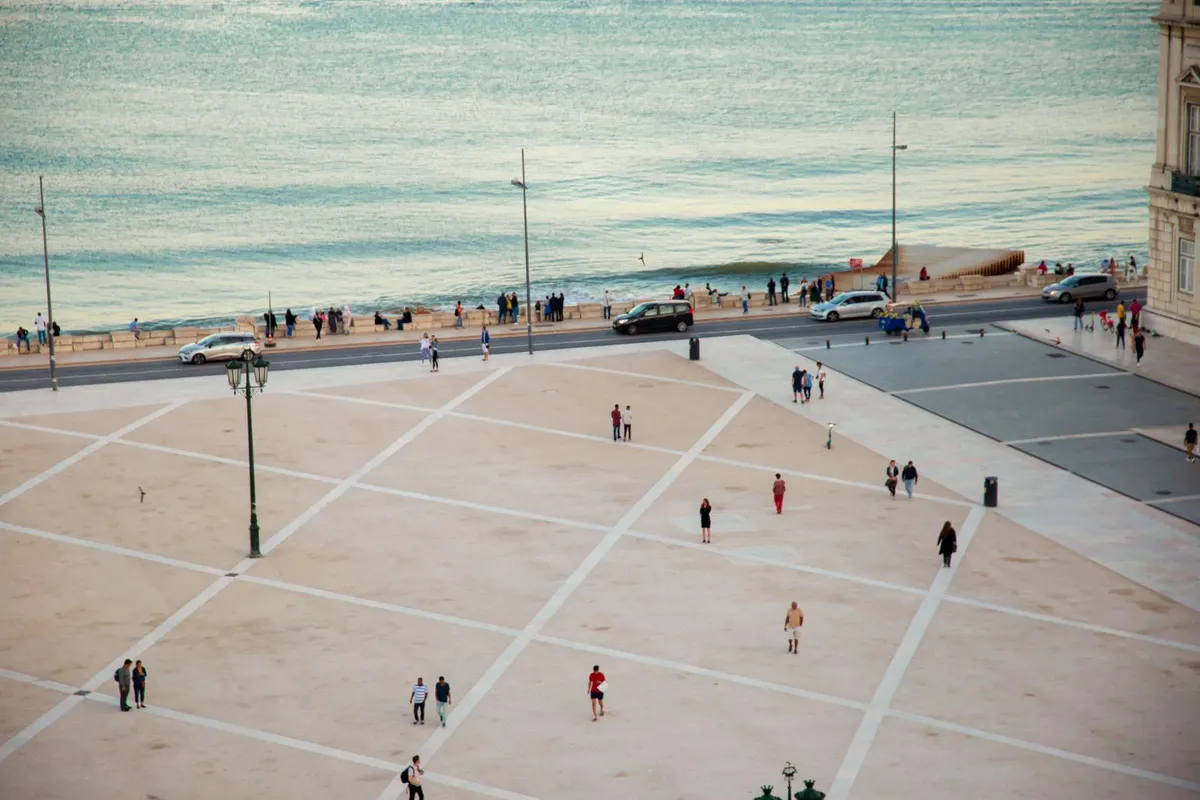
    Praça do Comércio and the Tagus at dusk
    Praça do Comércio and the Tagus at dusk

    Spread over seven hills, Lisbon is a city of yellow trams rattling up steep streets, tiled façades and viewpoints over the Tagus. Add the Age of Discovery monuments of Belém and soulful fado music, and it is easy to fall in love. Here is how to get there, what to see and where to stay.

    LocationWestern Portugal, at the mouth of the Tagus
    AirportAbout 25 minutes by metro from Lisbon Airport to the centre
    Best timeApril–June and September–October
    Time needed2–3 days for the city; 4 with day trips such as Sintra

    How to get there

    1. There are no direct flights from Japan, so connect via a European or Middle Eastern hub.
    2. The metro red line reaches the centre in about 25 minutes with one change.
    3. Use a Navegante card or contactless on the metro, buses and trams.
    4. The city is hilly, so make use of trams, funiculars and lifts.

    Opening hours, prices and practical info

    Jerónimos MonasteryPaid; closed Mondays; timed tickets recommended
    Tram 28Navegante pay-as-you-go or contactless; tickets bought on board cost more
    Tourist taxLisbon charges a per-night tourist tax
    AirportAbout 25 minutes by metro red line to the centre

    Prices and hours are from official sources as of November 2026 and may change — check the official website before you go.

    Highlights of Lisbon

    Tram 28

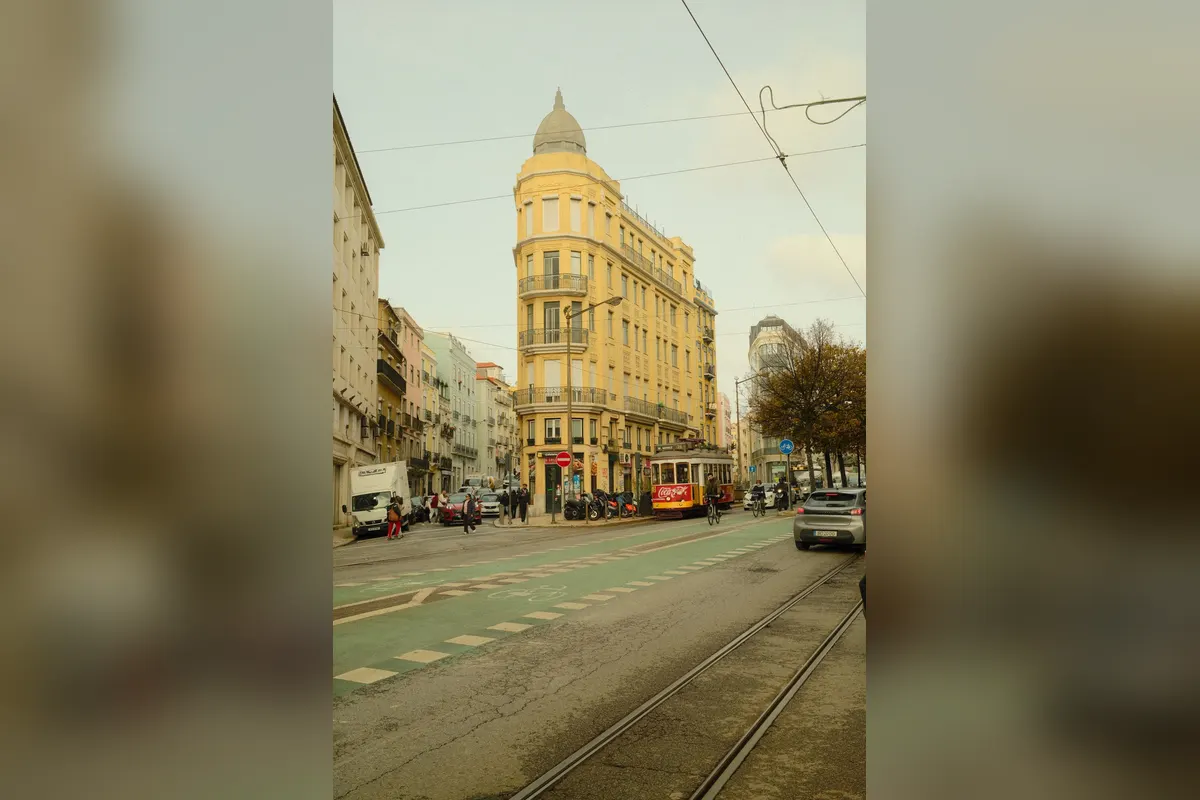
    Lisbon’s famous yellow tram squeezes through the narrow, steep streets of Alfama and beyond. Board at the first stop to get a seat.

    A yellow tram
    A yellow tram

    Belém

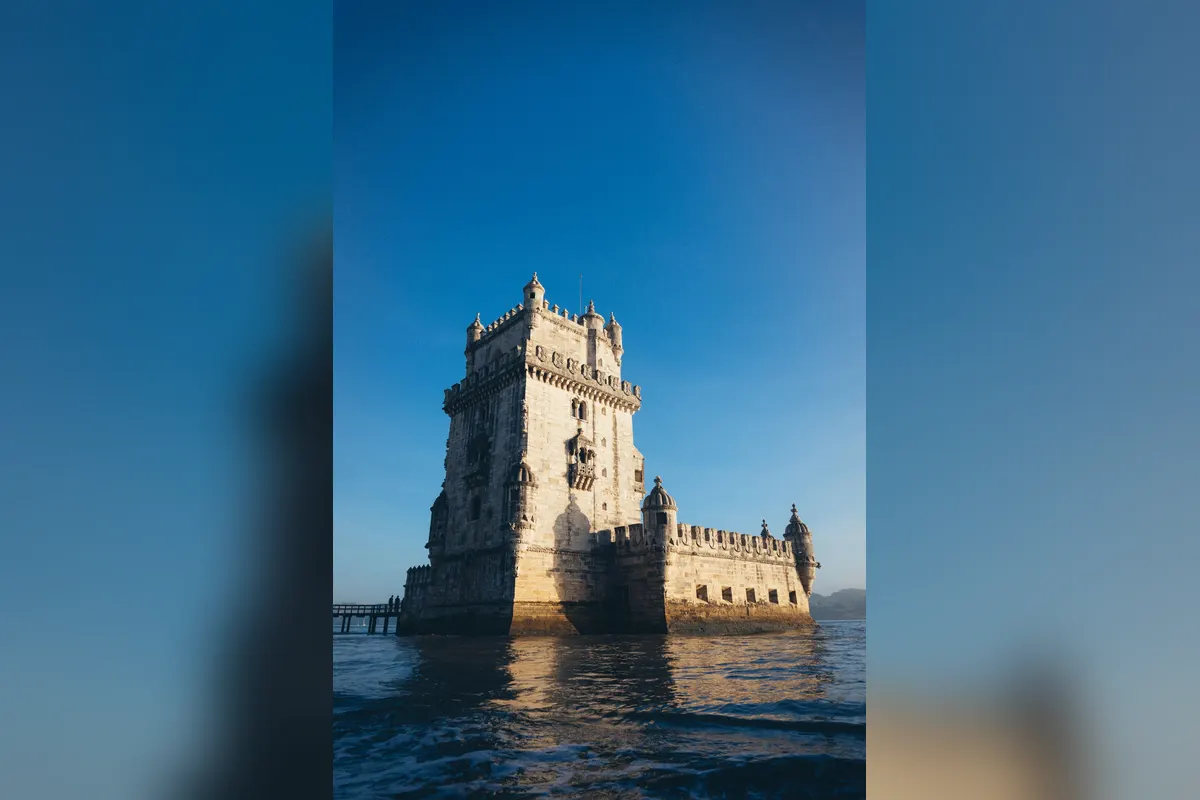
    Home to the World Heritage-listed Jerónimos Monastery and Belém Tower from the Age of Discovery — and the original custard tarts at a famous bakery nearby.

    Belém Tower on the Tagus
    Belém Tower on the Tagus

    Alfama and the viewpoints

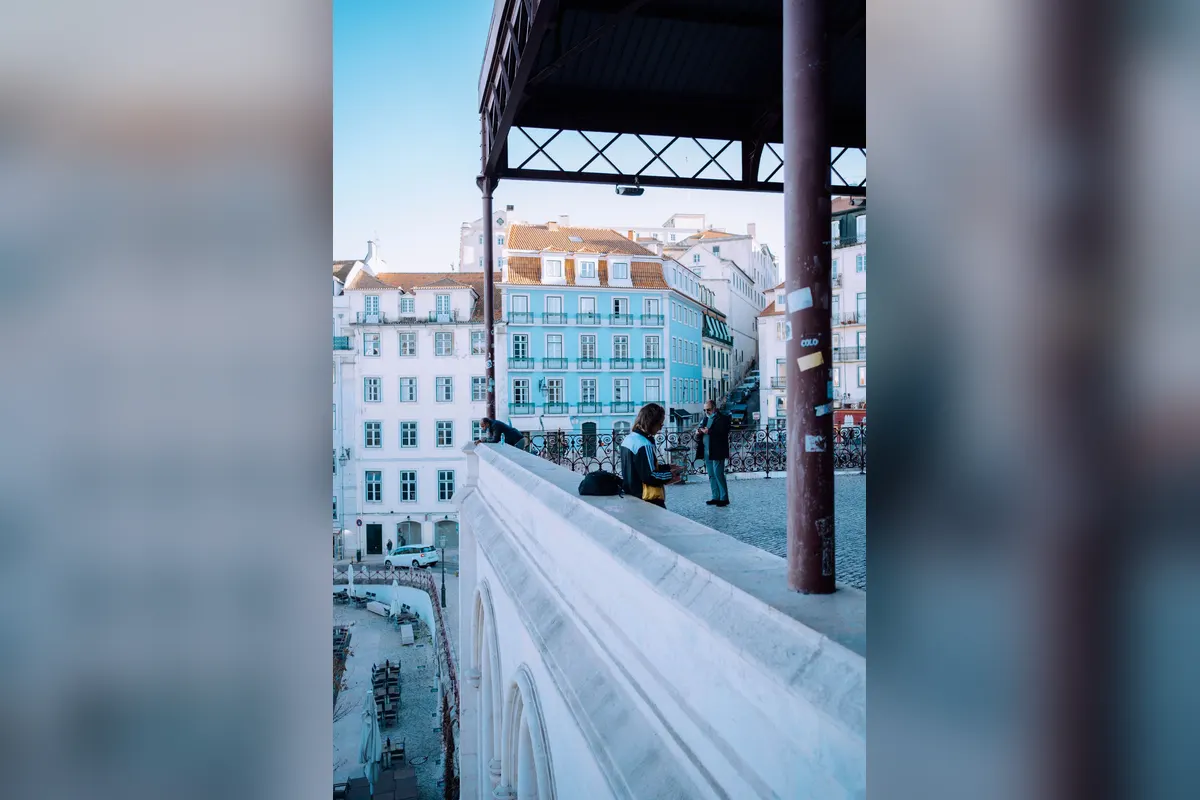
    Lisbon’s oldest district is a maze of alleys. São Jorge Castle and the miradouros look out over orange roofs and the river.

    Lisbon from a rooftop
    Lisbon from a rooftop

    Baixa and fado

    The grid-planned Baixa leads up from Praça do Comércio. At night, listen to fado in Alfama or Bairro Alto.

    A tram passing the Estrela Basilica
    A tram passing the Estrela Basilica

    Suggested itinerary

    • Jerónimos Monastery and Belém Tower
    • The famous custard tarts
    • Lunch in Baixa
    • Tram 28 to Alfama
    • São Jorge Castle and viewpoints
    • Dinner and fado

    Where to stay nearby

    AREA 1Baixa and ChiadoCentral and convenient, with stylish cafés and shopping.
    AREA 2AlfamaSmall hotels and apartments in the old quarter, close to fado houses.
    AREA 3Avenida da LiberdadeA calm, tree-lined boulevard with plenty of hotels.

    Tips for working holiday makers

    • Lisbon charges a per-night tourist tax (check the city’s current rate).
    • Cobbled hills are slippery, so wear good shoes.
    • Tram 28 is notorious for pickpockets — watch your valuables.
    • Costs are relatively low for western Europe, attracting working holiday makers and remote workers.

    FAQ

    How do I get from the airport?

    About 25 minutes on the metro red line, with one change.

    Is Tram 28 crowded?

    Very — board early at the Martim Moniz terminus for a seat.

    Can I visit Sintra as a day trip?

    Yes, about 40 minutes by train from Rossio station.

    Is Lisbon good for a working holiday?

    Costs are lower than much of western Europe and English is widely spoken, though rents are rising.

    Planning a working holiday in Portugal?Visa basics and a take-home pay calculator.
    Portugal guide →

    More places to visit in Portugal

    Photos: Pexels (free stock photos) Take-home pay calculator
  • Porto Travel Guide

    Porto Travel Guide

    Porto's riverside from above
    Porto’s riverside from above

    Colourful houses tumble down both banks of the Douro in Porto, Portugal’s second city and the home of port wine. The riverside Ribeira is a World Heritage Site, and blue-tiled stations, churches and the views from the iron bridge are unforgettable. Here is how to get there, what to see and where to stay.

    LocationNorthern Portugal, near the mouth of the Douro
    Getting thereAbout 2 hours 50 minutes by express train from Lisbon
    Best timeMay–October
    Time needed2 days for the city; 3 with a Douro Valley day trip

    How to get there

    1. Alfa Pendular express trains run from Lisbon to Porto Campanhã in about 2 hours 50 minutes.
    2. From Porto Airport, metro line E reaches the centre in about 35 minutes.
    3. From Campanhã, a short local train takes you to central São Bento.
    4. The centre is hilly but walkable, with a funicular and metro to help.

    Opening hours, prices and practical info

    Port cellarsPaid tours and tastings, bookable on each house’s website
    Livraria LelloTicketed entry (discounted against a book purchase)
    TransportAndante card or contactless for the metro and trams
    AirportAbout 35 minutes to the centre on metro line E

    Prices and hours are from official sources as of November 2026 and may change — check the official website before you go.

    Highlights of Porto

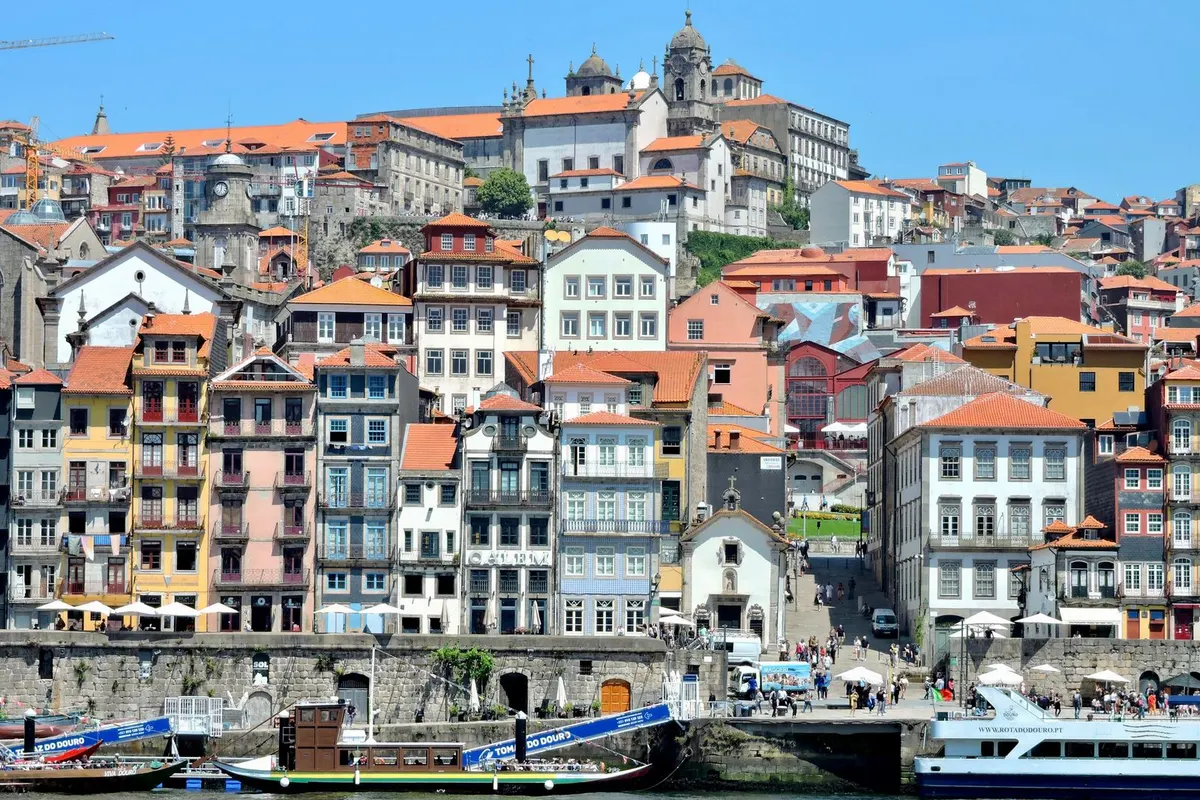
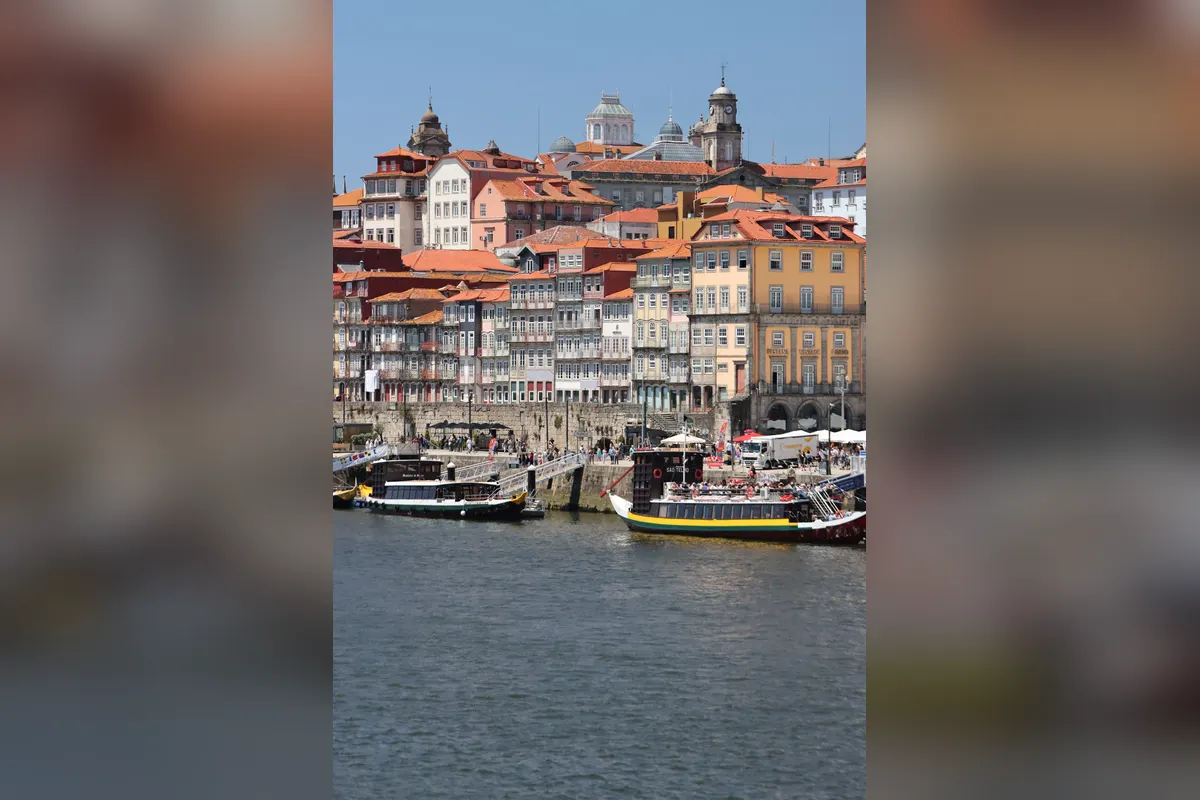
    The Ribeira

    A World Heritage riverside district of colourful houses — perfect for seafood and salt-cod dishes by the water.

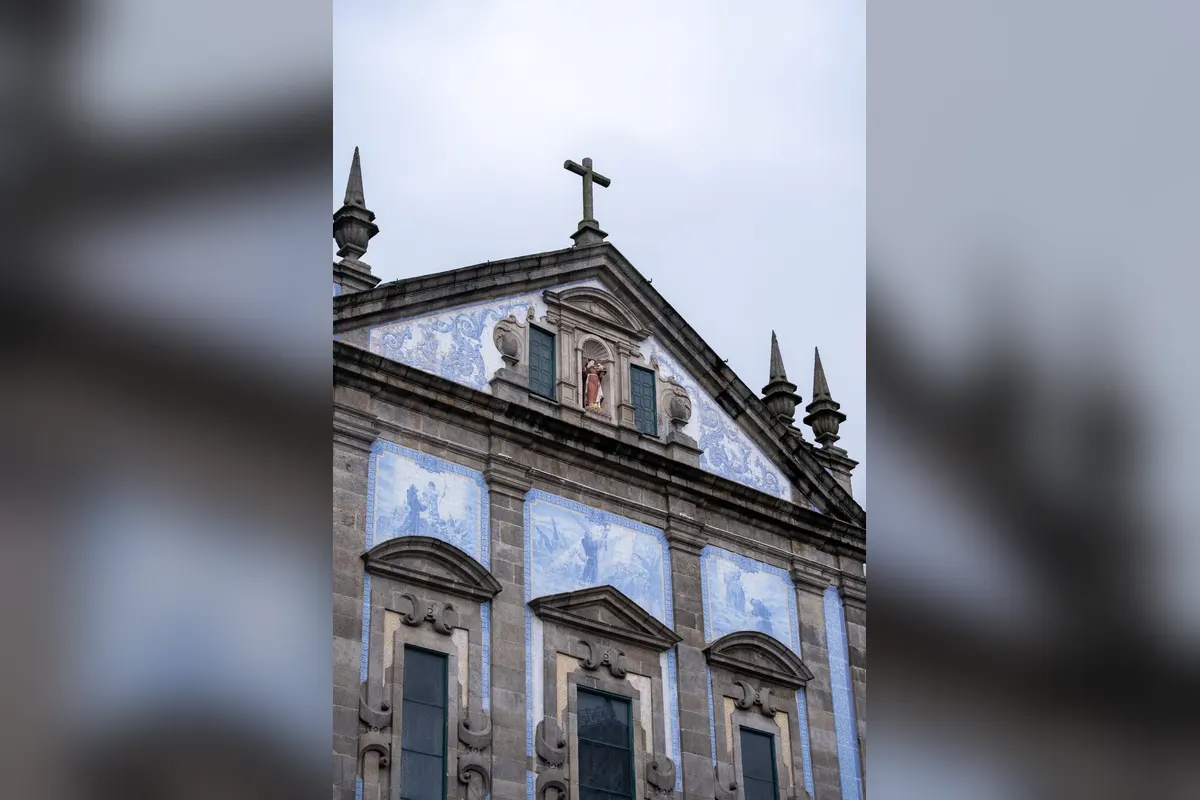
    A building covered in blue tiles
    A building covered in blue tiles

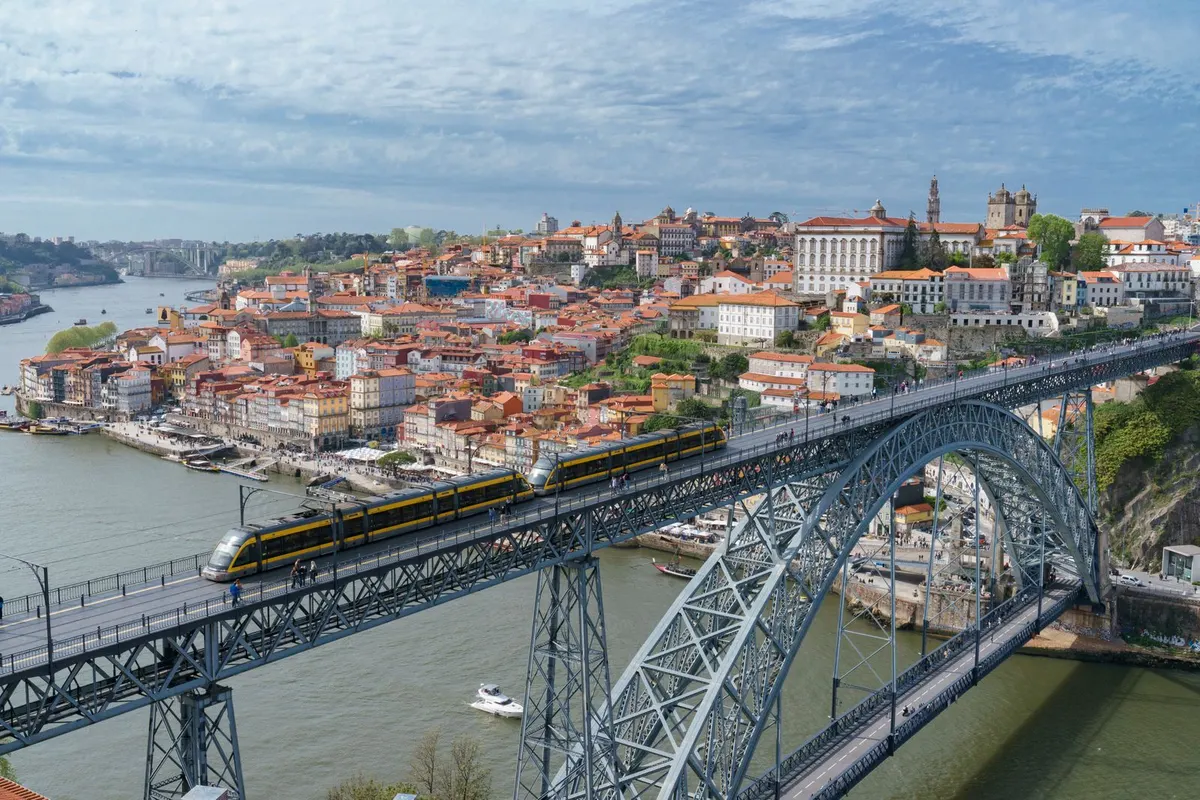
    The Dom Luís I Bridge

    Walk across the upper deck of this double-decker iron bridge for Porto’s best view over the Ribeira and river.

    The Ribeira on the Douro
    The Ribeira on the Douro

    Port wine cellars in Gaia

    Across the river in Vila Nova de Gaia, port houses offer cellar tours and tastings.

    São Bento station and azulejos

    São Bento station is lined with some 20,000 blue tiles depicting Portuguese history, and tiled churches dot the city.

    Colourful houses and boats on the river
    Colourful houses and boats on the river

    Suggested itinerary

    • The azulejos of São Bento station
    • Climb the Clérigos Tower
    • A francesinha sandwich for lunch
    • The Ribeira and across the Dom Luís I Bridge
    • Port cellar tour and tasting in Gaia
    • Riverside dinner at sunset
    The Dom Luís I Bridge over the Douro
    The Dom Luís I Bridge over the Douro

    Where to stay nearby

    AREA 1RibeiraThe riverside World Heritage area with great views — but lots of steps.
    AREA 2Baixa (around Aliados)Flatter and central, close to the metro and shops.
    AREA 3Vila Nova de GaiaAcross the river with views of the old town and close to the cellars.

    Tips for working holiday makers

    • Livraria Lello, the storybook bookshop, needs an entry ticket and has queues from the morning.
    • A day trip by tour or train to the Douro Valley vineyards is highly recommended.
    • The hills are steep — wear good shoes.
    • Porto is a little cheaper than Lisbon and popular with people who want a slower pace.

    FAQ

    How do I get there from Lisbon?

    About 2 hours 50 minutes by express train.

    Where can I taste port?

    In the cellars of Vila Nova de Gaia across the river.

    Can I visit the Douro Valley?

    Yes, on a day tour or by train — especially beautiful at harvest time in autumn.

    How many days do I need?

    2 days for the city, 3 with the Douro Valley.

    Planning a working holiday in Portugal?Visa basics and a take-home pay calculator.
    Portugal guide →

    More places to visit in Portugal

    Photos: Pexels (free stock photos) Take-home pay calculator