Category: Travel Guide

Travel guides to popular places in working holiday countries.

  • 6 Best Places to Visit in Spain

    6 Best Places to Visit in Spain

    Barcelona
    Barcelona

    From Gaudí’s Barcelona and the museums of Madrid to the Moorish heritage of Andalusia, Spain is full of cities with big personalities. Here are 6 of the best places to visit on your days off or travels during a working holiday.

    Barcelona
    No.1

    Barcelona

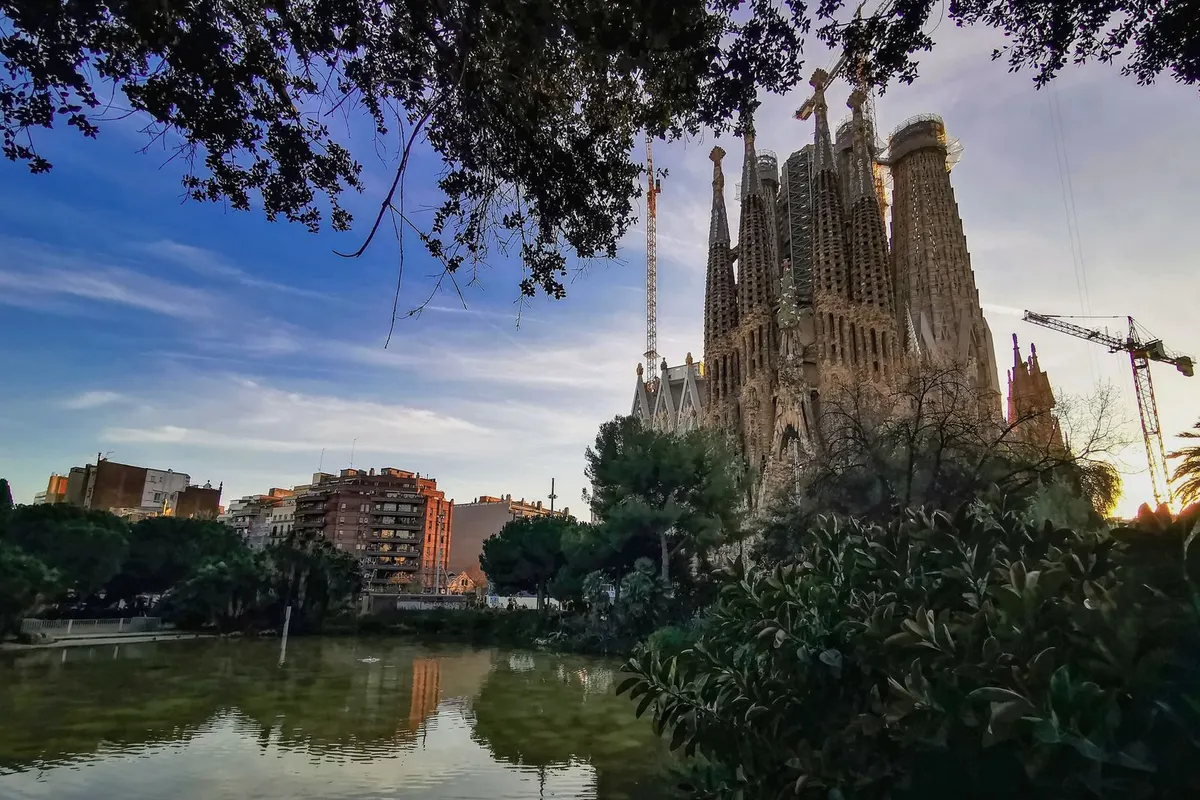
    On the Mediterranean, Barcelona is a city of art shaped by the architect Antoni Gaudí. From the Sagrada Família and Park Güell to the lanes of the Go…

    Getting there:About 35 minutes by Aerobús from El Prat Airport to the centre

    Read the full guide →
    Madrid
    No.2

    Madrid

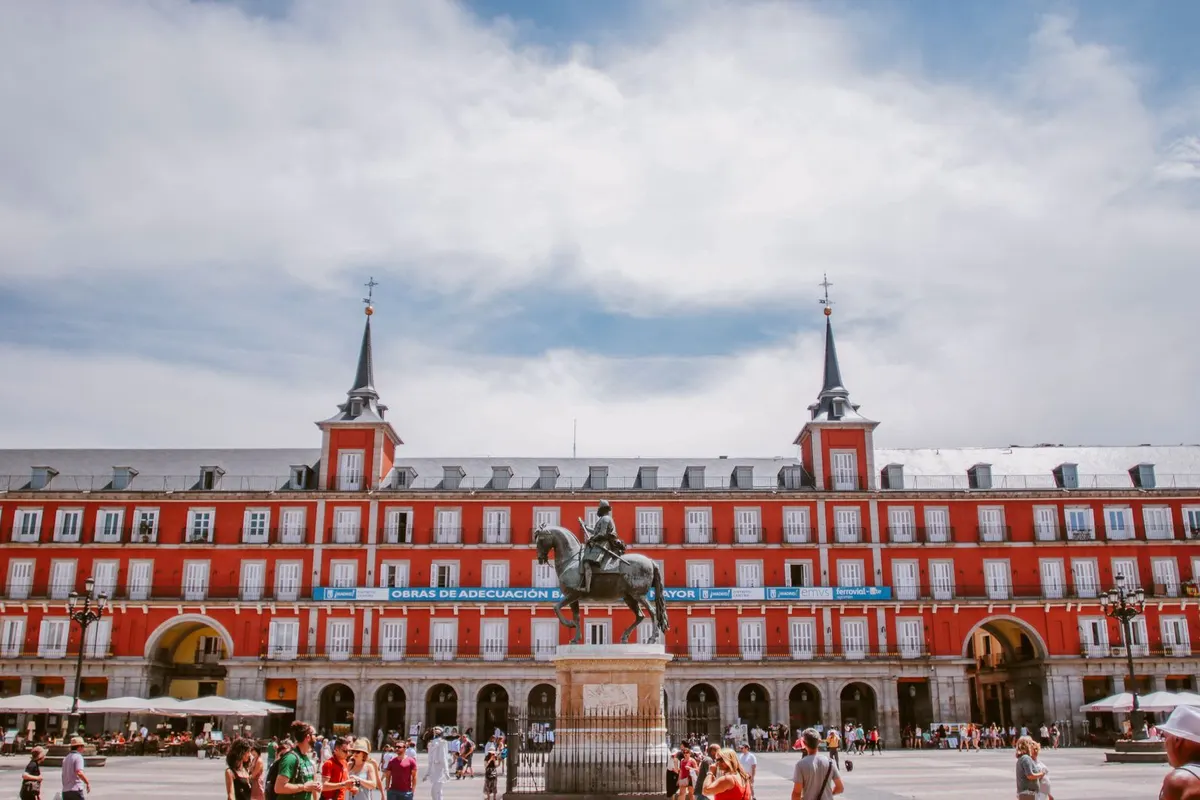
    Spain’s capital is home to world-class museums led by the Prado, and a bar scene that runs late into the night. The Royal Palace, Plaza Mayor and lea…

    Getting there:About 30–40 minutes by metro or airport bus from Barajas to the centre

    Read the full guide →
    Granada and the Alhambra
    No.3

    Granada and the Alhambra

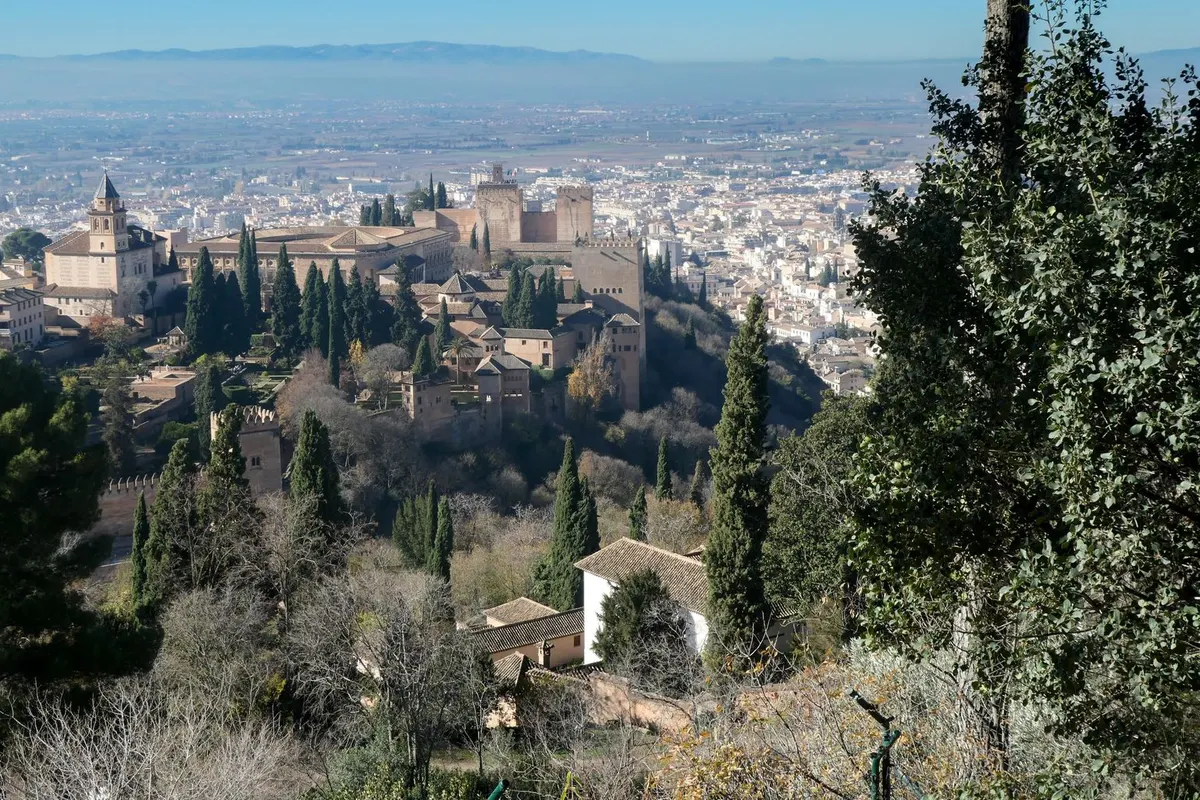
    In the Andalusian city of Granada stands the Alhambra, the crowning glory of Islamic Spain. Its intricately carved palaces, water gardens and the vie…

    Getting there:About 3 hours 20 minutes by high-speed train from Madrid

    Read the full guide →
    Seville
    No.4

    Seville

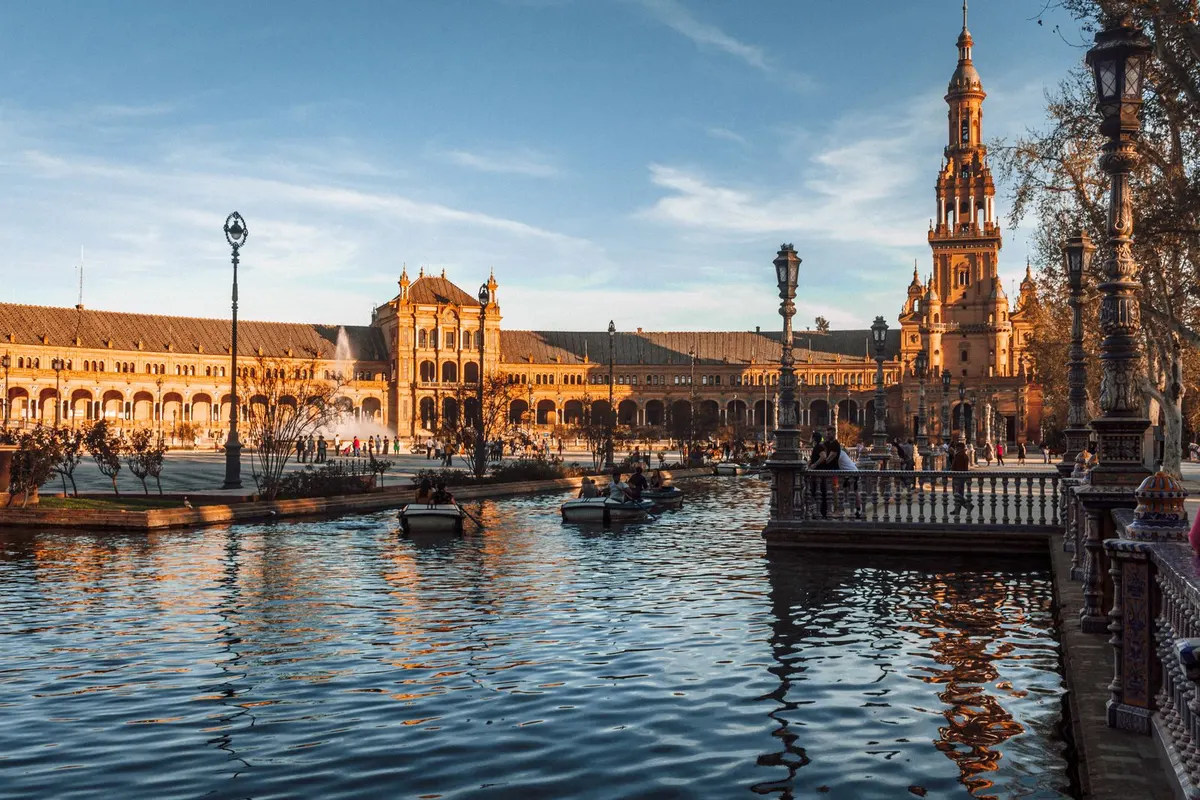
    Flamenco, bullfighting heritage and streets lined with orange trees — Seville, capital of Andalusia, is Spain at its most Spanish. It has one of the …

    Getting there:About 2.5 hours by high-speed train from Madrid

    Read the full guide →
    Toledo
    No.5

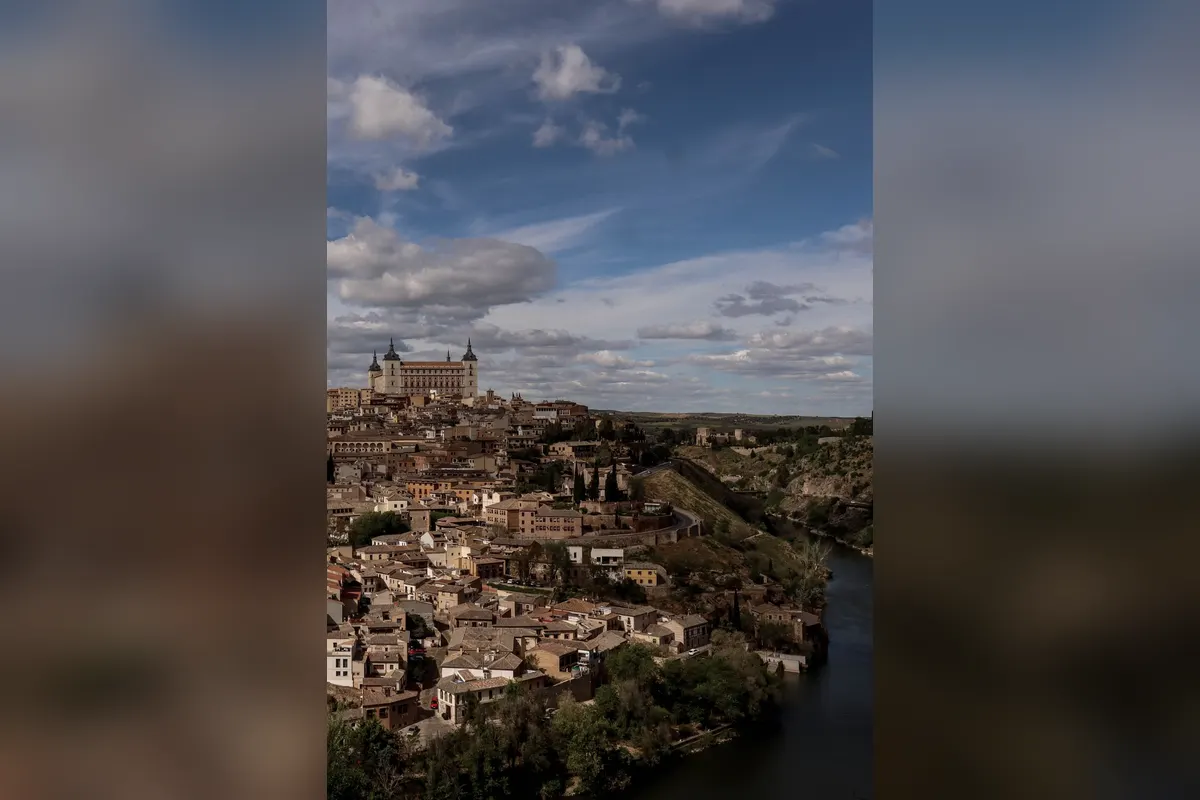
    Toledo

    A hilltop city wrapped by the Tagus, where Christian, Muslim and Jewish heritage blend — the whole old town is a World Heritage Site.

    Getting there:About 33 minutes by high-speed train from Madrid
    Valencia
    No.6

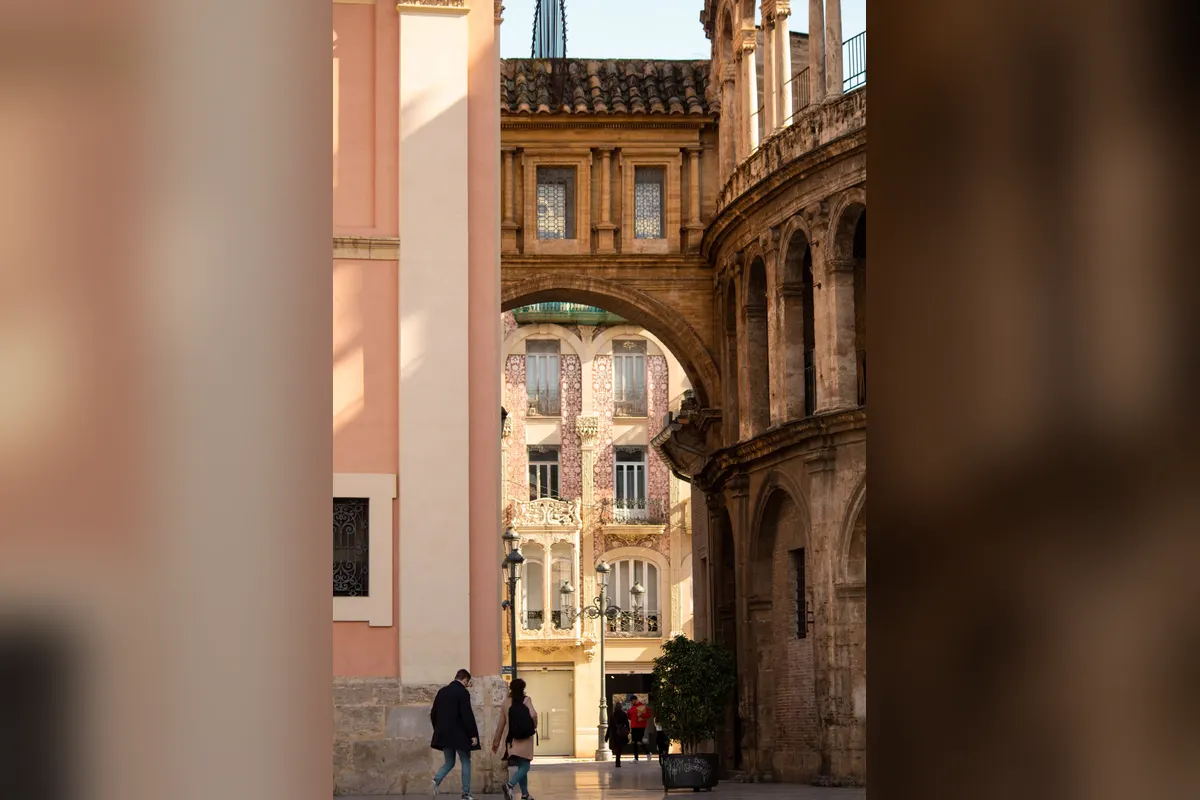
    Valencia

    The birthplace of paella, with a historic old town, the futuristic City of Arts and Sciences, and the famous Fallas festival in March.

    Getting there:About 1 hour 50 minutes by high-speed train from Madrid

    FAQ

    What are the most popular places in Spain?

    The Sagrada Família in Barcelona and the Alhambra in Granada, plus Madrid and Seville.

    How do I get around?

    High-speed trains (AVE and low-cost competitors) link the big cities; book early for the best fares.

    When is the best time to travel?

    Spring (March–May) and autumn (September–November); southern summers are very hot.

    Which city is best as a working holiday base?

    Madrid and Barcelona have the most jobs; Valencia and Seville are cheaper alternatives.

    Planning a working holiday in Spain?Visa basics and a take-home pay calculator.
    Spain guide →

    Photos: Pexels
  • Granada and the Alhambra Travel Guide

    Granada and the Alhambra Travel Guide

    The Alhambra beyond the cypress trees
    The Alhambra beyond the cypress trees

    In the Andalusian city of Granada stands the Alhambra, the crowning glory of Islamic Spain. Its intricately carved palaces, water gardens and the view from the white houses of the Albaicín are highlights of any trip to Spain. Here is how to book tickets, get there and choose where to stay.

    LocationAndalusia, southern Spain
    Getting thereAbout 3 hours 20 minutes by high-speed train from Madrid
    Best timeMarch–May and September–November
    Time neededHalf a day for the Alhambra; 2 days with the city

    How to get there

    1. High-speed trains reach Granada from Madrid in about 3 hours 20 minutes; buses from Seville take about 3 hours.
    2. From Málaga Airport, buses take about 1.5 hours; Granada also has a small airport.
    3. Minibuses run from the centre up to the Alhambra in about 10 minutes, or you can walk up.
    4. Minibuses also serve the Albaicín.

    Opening hours, prices and practical info

    TicketsBook on the official website; general tickets include a timed Nasrid Palaces slot
    IDTickets are registered to your passport and may be checked
    Night visitsEvening tickets for the Nasrid Palaces are available
    AccessAbout 10 minutes by minibus from the centre

    Prices and hours are from official sources as of November 2026 and may change — check the official website before you go.

    Highlights of Granada and the Alhambra

    The Nasrid Palaces

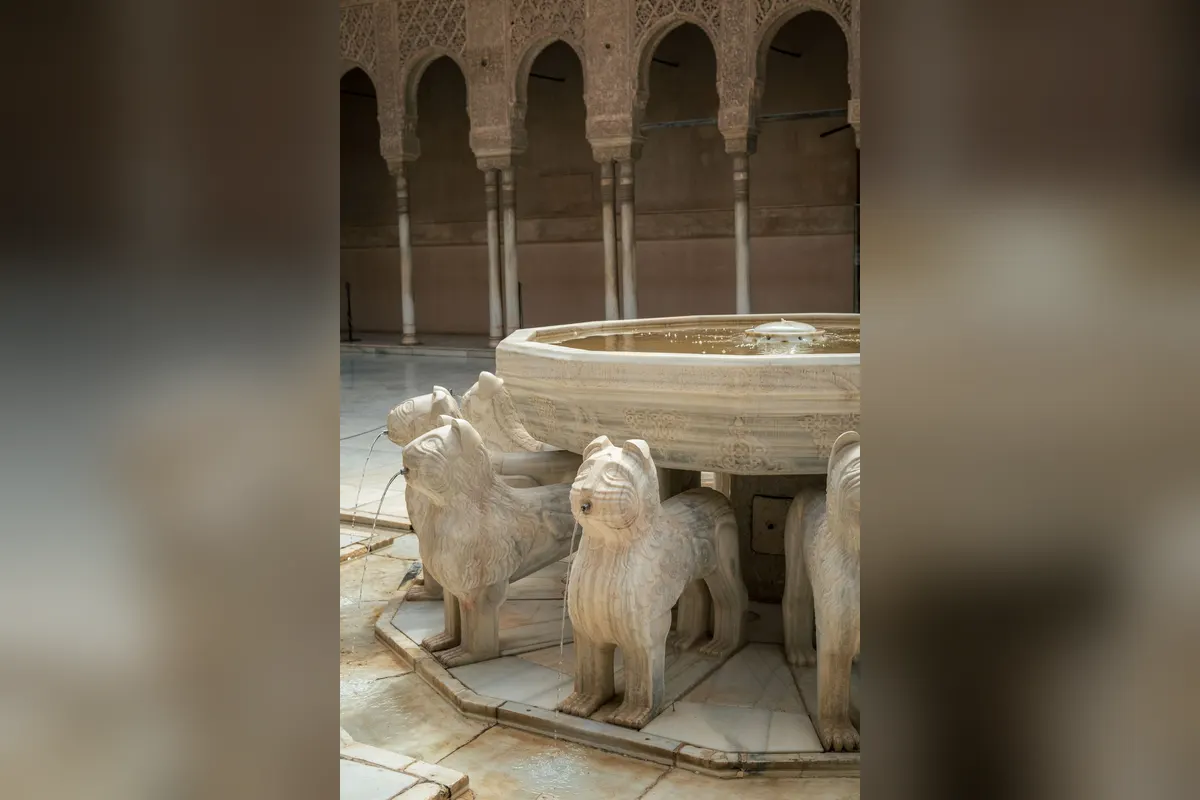
    The heart of the Alhambra, its walls and ceilings covered in intricate carving, including the famous Court of the Lions. Entry is in 30-minute slots, and late arrivals are refused.

    The fountain in the Court of the Lions
    The fountain in the Court of the Lions

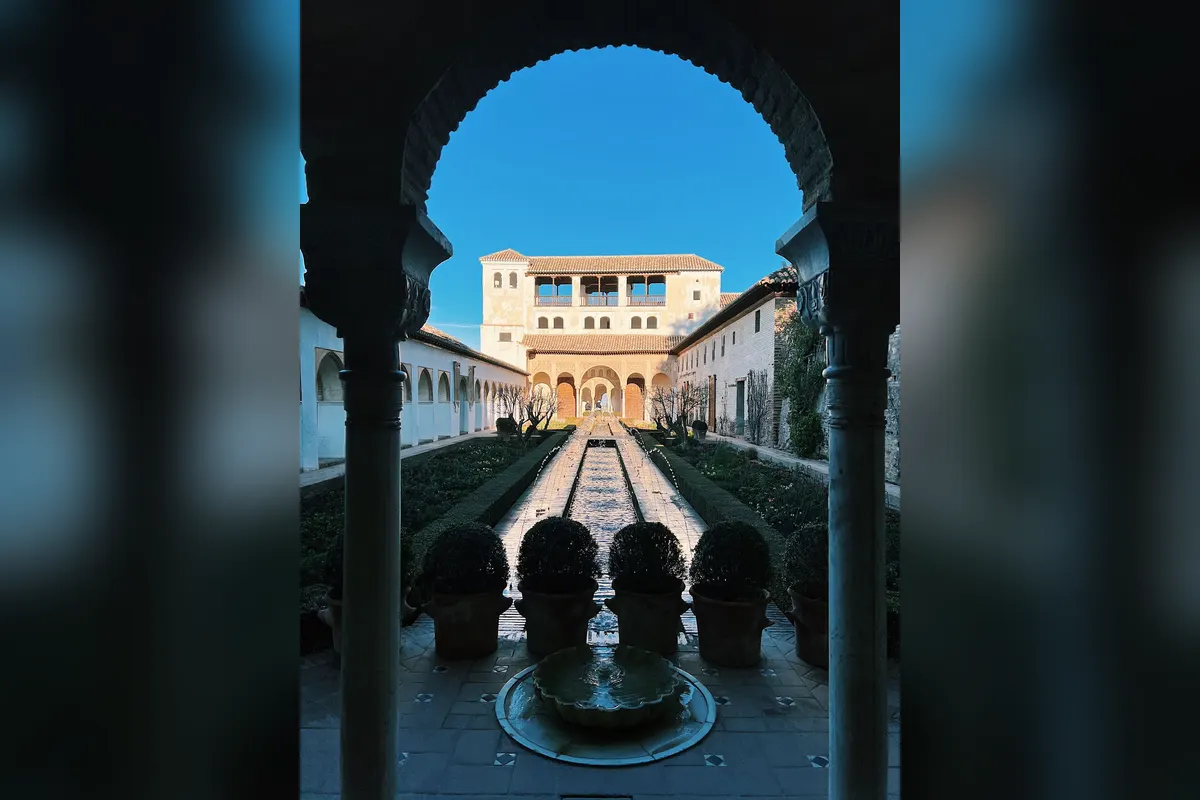
    The Generalife gardens

    The summer palace of the sultans, with fountains and flowers and the soothing sound of running water.

    The Generalife gardens
    The Generalife gardens

    The Albaicín and the San Nicolás viewpoint

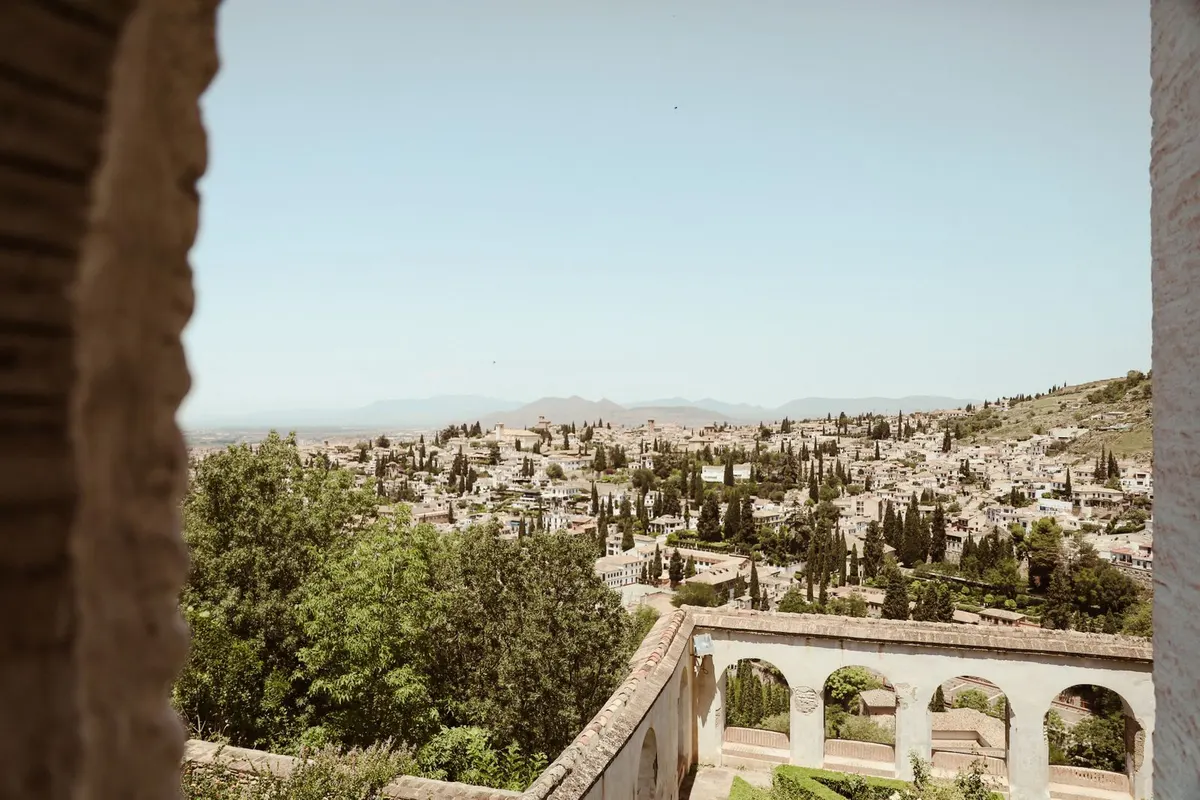
    A maze of whitewashed houses. The sunset view of the Alhambra from the San Nicolás viewpoint is Granada’s most beautiful sight.

    Sacromonte flamenco and free tapas

    Watch flamenco in the cave houses of Sacromonte. In Granada’s bars, a free tapa comes with every drink.

    Granada seen from the Alhambra
    Granada seen from the Alhambra

    Suggested itinerary

    • Start at the Alhambra’s Alcazaba fortress
    • The Nasrid Palaces at your booked time
    • The Generalife gardens
    • Lunch in the centre and the cathedral
    • Wander the Albaicín
    • Sunset at San Nicolás, then flamenco
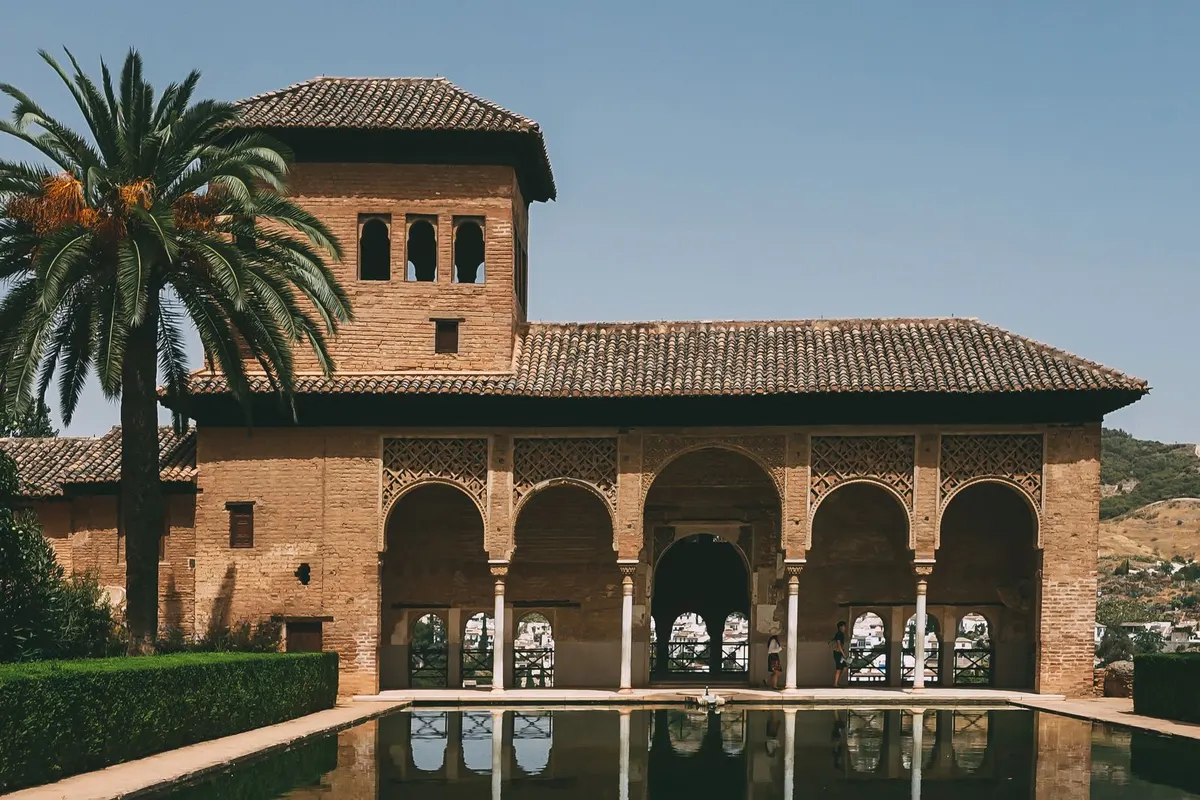
    Arches reflected in a pool
    Arches reflected in a pool

    Where to stay nearby

    AREA 1City centre (around the cathedral)Bus connections, restaurants and bars on your doorstep.
    AREA 2The AlbaicínConverted traditional houses, some with Alhambra views — but very hilly.
    AREA 3Near the AlhambraHotels within or near the grounds are handy for early visits.

    Tips for working holiday makers

    • Alhambra tickets can sell out weeks ahead — book on the official site as soon as you can.
    • Tickets are registered to your passport details and may be checked at the gate.
    • Your Nasrid Palaces time slot is strict — late arrivals are not admitted.
    • Every drink in a bar comes with a free tapa, so bar-hopping is a joy.

    FAQ

    Can I buy Alhambra tickets on the day?

    They often sell out, so book weeks ahead on the official site.

    How long does a visit take?

    About 3–4 hours for the palaces, fortress and gardens.

    Is it a day trip from Madrid?

    At about 3 hours 20 minutes each way, stay at least one night.

    Are tapas really free?

    In many Granada bars, yes — a tapa comes with every drink.

    Planning a working holiday in Spain?Visa basics and a take-home pay calculator.
    Spain guide →

    More places to visit in Spain

    Photos: Pexels (free stock photos) Take-home pay calculator
  • Seville Travel Guide

    Seville Travel Guide

    The Plaza de España and canal at sunset
    The Plaza de España and canal at sunset

    Flamenco, bullfighting heritage and streets lined with orange trees — Seville, capital of Andalusia, is Spain at its most Spanish. It has one of the world’s largest Gothic cathedrals, the Real Alcázar royal palace and the tiled splendour of the Plaza de España. Here is how to get there, what to see and where to stay.

    LocationAndalusia, southern Spain
    Getting thereAbout 2.5 hours by high-speed train from Madrid
    Best timeMarch–May and October–November; July–August can exceed 40°C
    Time needed2–3 days

    How to get there

    1. High-speed trains run from Madrid Atocha to Seville Santa Justa in about 2.5 hours.
    2. The airport bus reaches the centre in about 35 minutes.
    3. Buses from Granada take about 3 hours; Córdoba is about 45 minutes by high-speed train.
    4. The old town is walkable, with a tram and bike-share too.

    Opening hours, prices and practical info

    Real AlcázarPaid; timed tickets recommended (official site)
    CathedralPaid, including the Giralda; closed to tourists during services
    Plaza de EspañaFree
    HeatJuly–August can top 40°C — drink water and rest at midday

    Prices and hours are from official sources as of November 2026 and may change — check the official website before you go.

    Highlights of Seville

    The Cathedral and the Giralda

    One of the world’s largest Gothic cathedrals, home to Columbus’s tomb. Climb the Giralda, a former minaret, by ramps rather than stairs.

    The Real Alcázar

    A stunning palace and gardens blending Islamic and Christian styles, also used as a TV filming location. Book a timed ticket.

    The Plaza de España

    A semicircular palace, canal and tiled alcoves for every Spanish province — especially romantic at sunset.

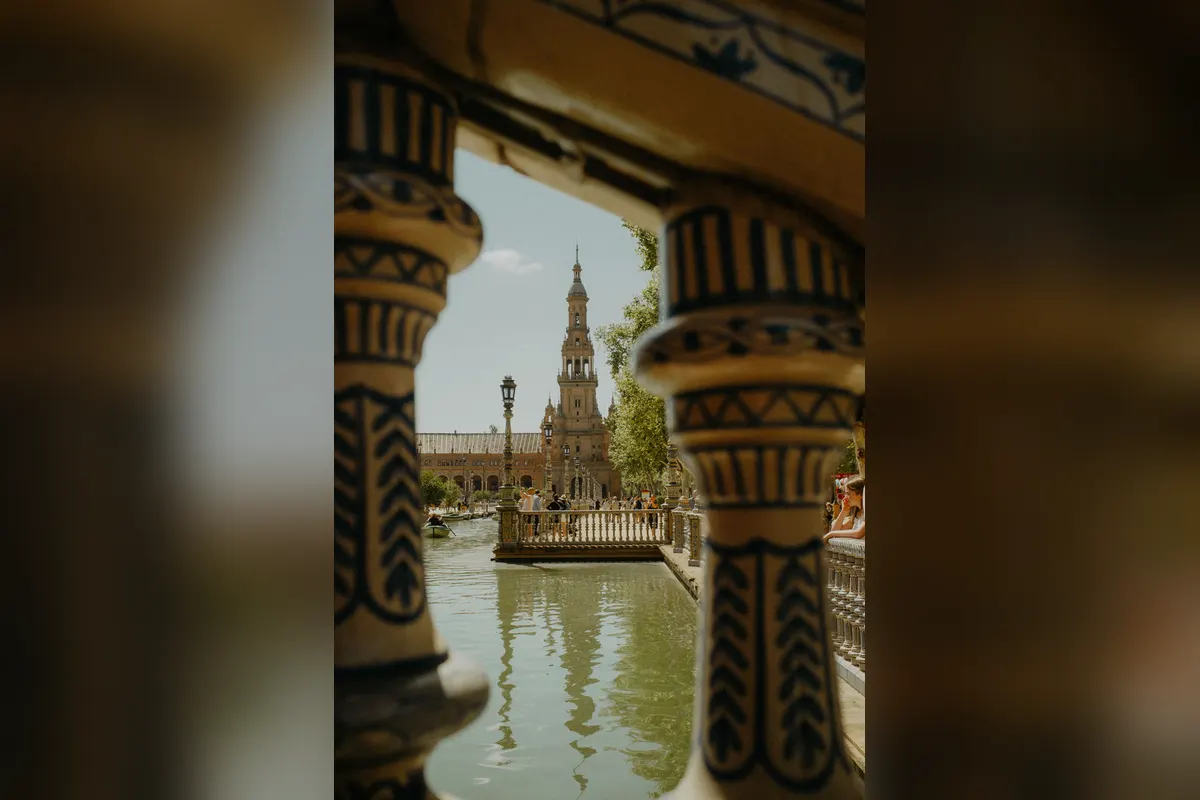
    The Plaza de España through tiled balustrades
    The Plaza de España through tiled balustrades

    Triana and flamenco

    Across the river, Triana is the home of ceramics and flamenco. Catch an authentic show in an intimate tablao at night.

    Seville from above at sunset
    Seville from above at sunset

    Suggested itinerary

    • The Real Alcázar at your booked time
    • The Cathedral and the Giralda
    • Tapas lunch in the Santa Cruz quarter
    • Plaza de España and María Luisa Park
    • Sunset from the Metropol Parasol
    • Flamenco in Triana
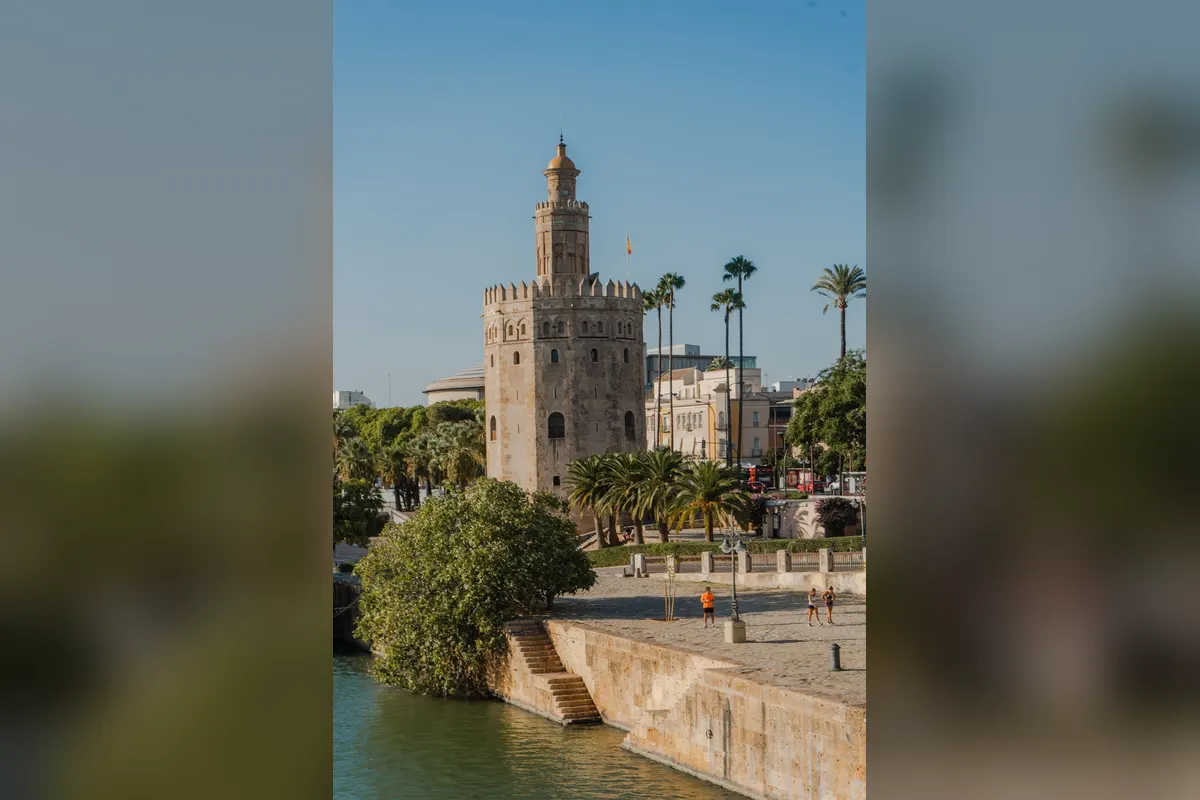
    The Guadalquivir and the Torre del Oro
    The Guadalquivir and the Torre del Oro
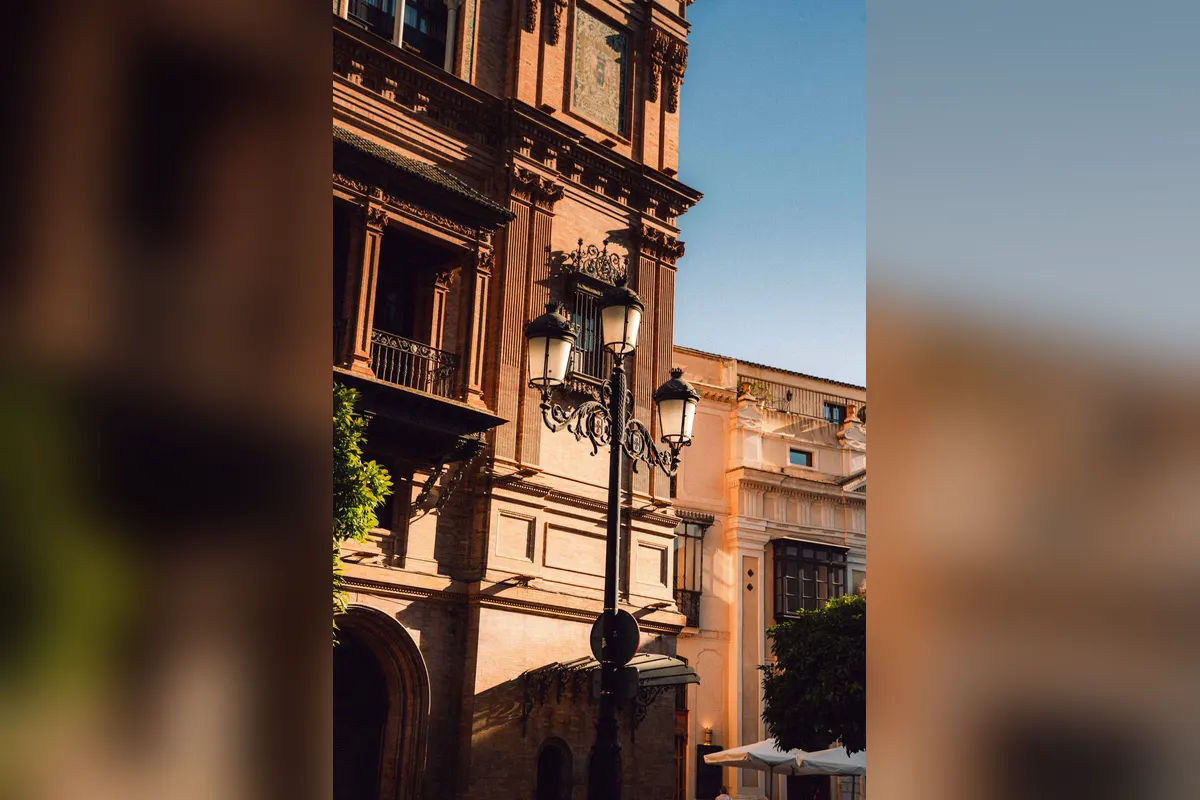
    A street in Seville's old town
    A street in Seville’s old town

    Where to stay nearby

    AREA 1Santa CruzThe old Jewish quarter beside the cathedral and Alcázar, with small hotels in flower-filled lanes.
    AREA 2Centre (around Alfalfa)Lively, full of bars and shops, and central to everything.
    AREA 3TrianaA local-feeling neighbourhood across the river with more affordable rooms.

    Tips for working holiday makers

    • Summer afternoons can exceed 40°C — sightsee in the morning and evening and rest at midday like the locals.
    • Holy Week and the April Fair push up hotel prices.
    • Book the Alcázar and the Cathedral online to skip the queues.
    • Córdoba is an easy day trip, about 45 minutes by high-speed train.

    FAQ

    How do I get there from Madrid?

    About 2.5 hours by high-speed train.

    When is the best time to visit?

    March–May and October–November; spring brings Holy Week and the April Fair.

    Where can I see flamenco?

    In tablaos in Triana and Santa Cruz, with shows every night.

    Do I need to book the Alcázar?

    Same-day tickets exist, but booking ahead avoids the queues.

    Planning a working holiday in Spain?Visa basics and a take-home pay calculator.
    Spain guide →

    More places to visit in Spain

    Photos: Pexels (free stock photos) Take-home pay calculator
  • Madrid Travel Guide

    Madrid Travel Guide

    The arcades of Plaza Mayor
    The arcades of Plaza Mayor

    Spain’s capital is home to world-class museums led by the Prado, and a bar scene that runs late into the night. The Royal Palace, Plaza Mayor and leafy Retiro Park are all walkable, and historic Toledo is an easy day trip. Here is how to get there, what to see and where to stay.

    LocationCentral Spain
    AirportAbout 30–40 minutes by metro or airport bus from Barajas to the centre
    Best timeApril–June and September–October; summers are very hot
    Time needed2–3 days for the city; 4 with day trips such as Toledo

    How to get there

    1. Direct flights from Narita take about 14–15 hours, or connect via European hubs.
    2. Metro line 8, Cercanías C1 trains and a 24-hour airport express bus run to the centre; the metro from the airport has a supplement.
    3. High-speed trains from Barcelona take about 2.5–3 hours.
    4. The metro is extensive, and central sights are walkable.

    Opening hours, prices and practical info

    Prado MuseumPaid; permanent collection free for the last 2 hours (Mon–Sat 6–8pm, Sun/holidays 5–7pm)
    Royal PalacePaid; may close for official events
    AirportMetro line 8 (airport supplement), Cercanías C1 and a 24-hour bus
    Day tripsToledo in about 33 minutes and Segovia in about 30 by high-speed train

    Prices and hours are from official sources as of November 2026 and may change — check the official website before you go.

    Highlights of Madrid

    The Prado Museum

    One of the world’s great museums, famous for Velázquez’s Las Meninas and Goya. The permanent collection is free for the last two hours of the day, and Picasso’s Guernica hangs nearby at the Reina Sofía.

    The Royal Palace and Plaza Mayor

    The lavish Royal Palace has over 3,000 rooms, and the arcaded Plaza Mayor nearby is famous for its fried-squid sandwiches.

    Retiro Park

    Part of the World Heritage-listed Paseo del Prado and Buen Retiro, with a boating lake and a glass palace.

    Gran Vía and Puerta del Sol

    The grand boulevard of Gran Vía and Puerta del Sol, home to Spain’s Kilometre Zero, buzz late into the night.

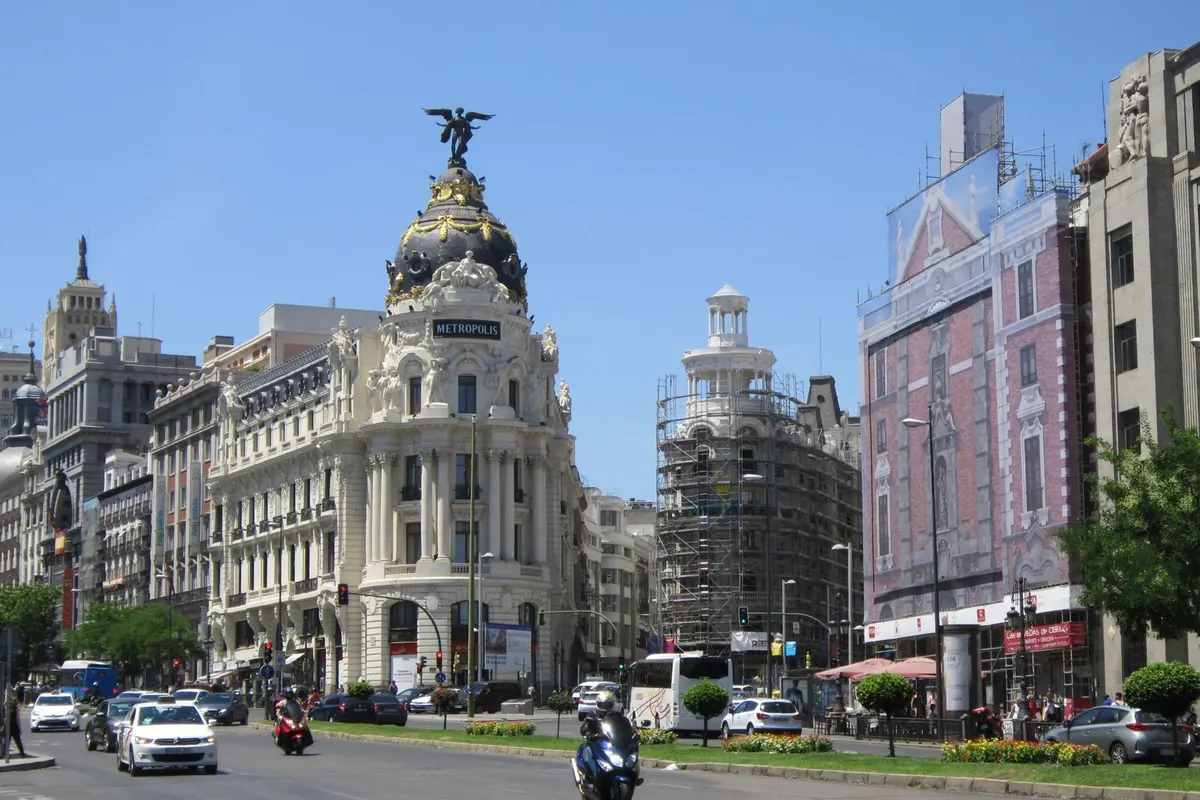
    Gran Vía and the Metropolis Building
    Gran Vía and the Metropolis Building

    Suggested itinerary

    • The Royal Palace
    • Plaza Mayor and a snack at the San Miguel Market
    • Lunch at a bar (Spanish lunch is late)
    • A walk in Retiro Park
    • The Prado during its free hours
    • Tapas crawl in La Latina
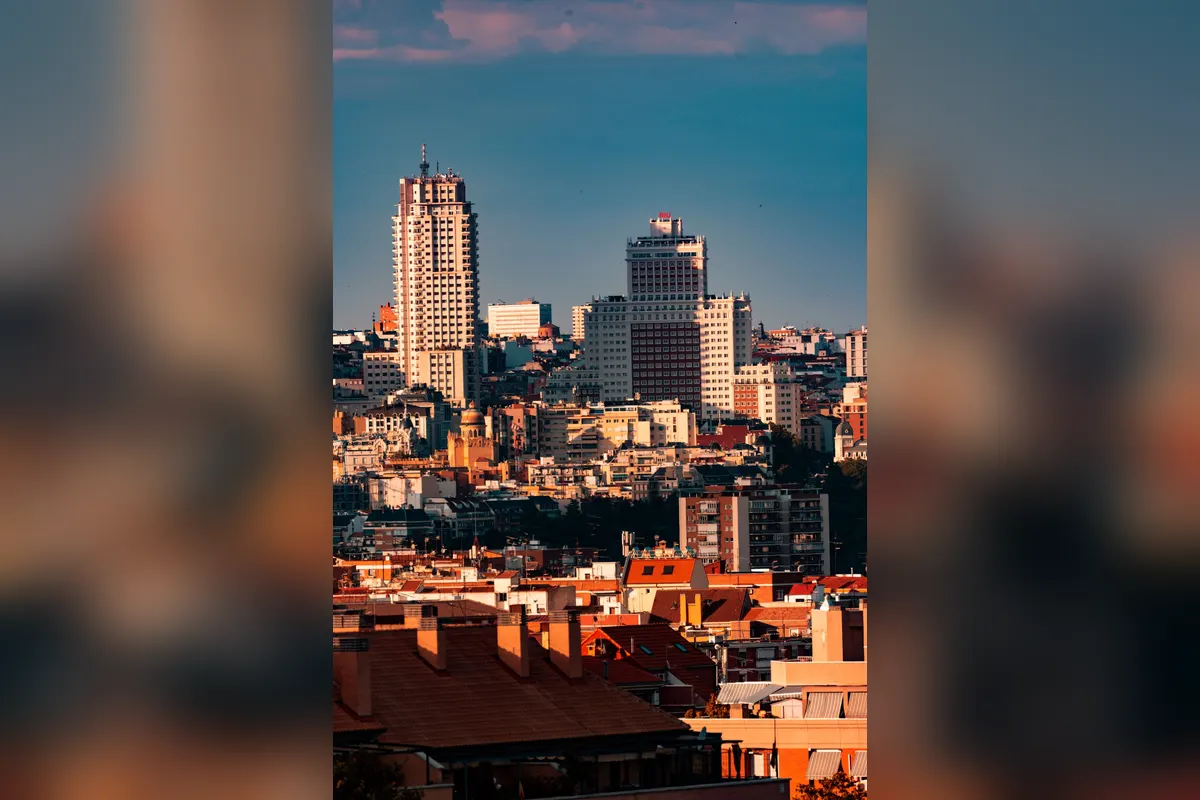
    Madrid at golden hour
    Madrid at golden hour
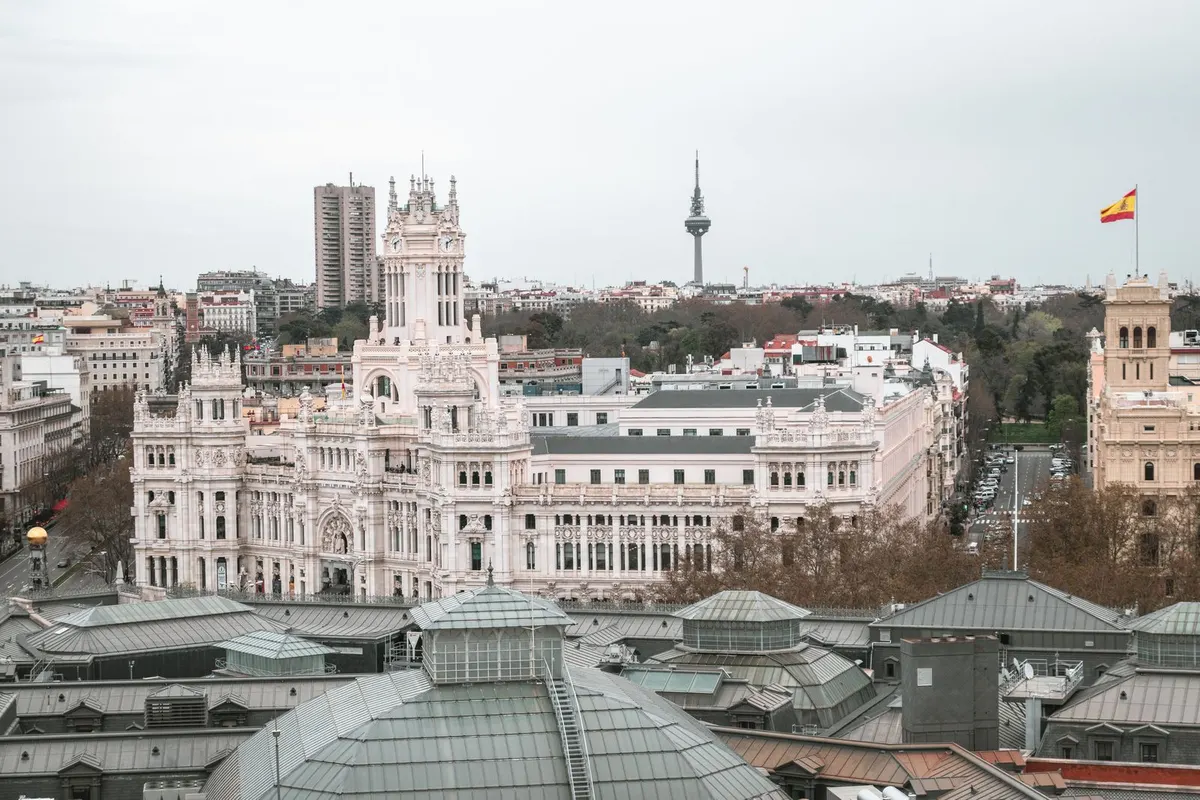
    The Cibeles Palace from above
    The Cibeles Palace from above
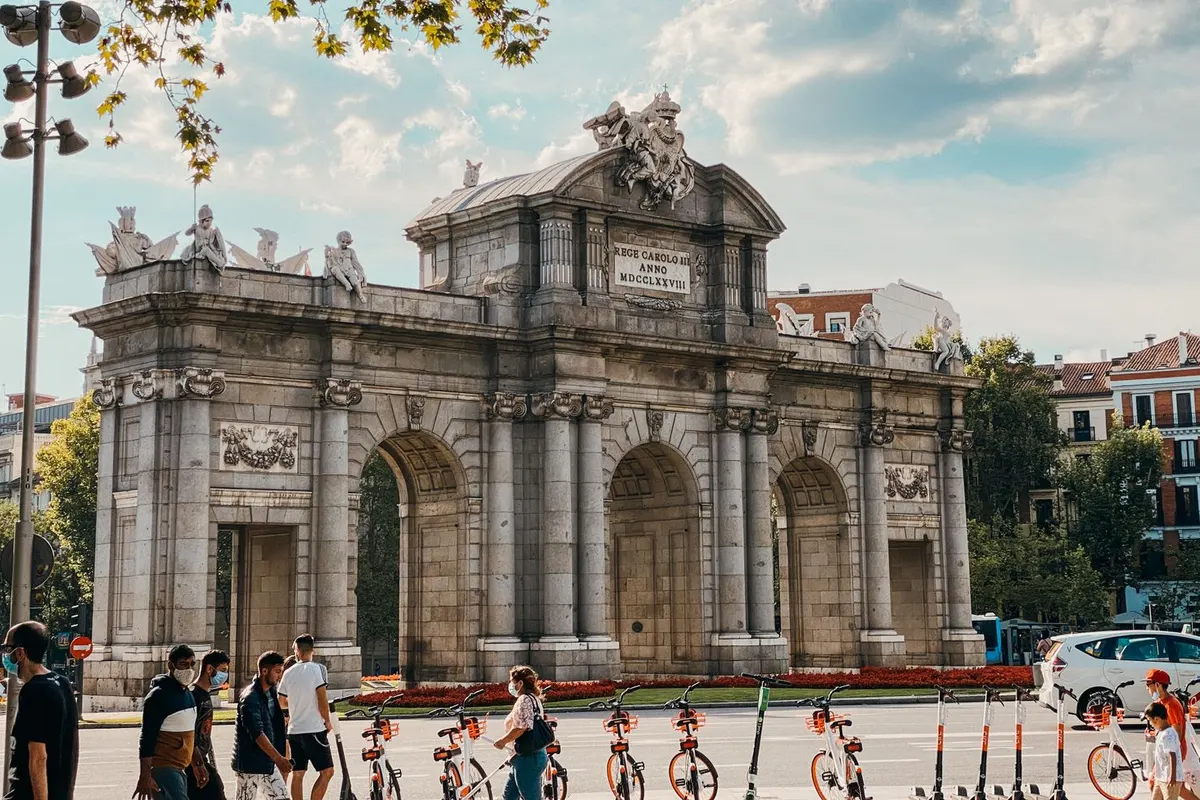
    The Puerta de Alcalá
    The Puerta de Alcalá

    Where to stay nearby

    AREA 1Sol and the centreWalk to the main sights, with plenty of hotels.
    AREA 2Malasaña and ChuecaTrendy districts full of cafés and bars.
    AREA 3SalamancaAn upmarket, quieter area of boutiques.

    Tips for working holiday makers

    • Dinner starts around 9pm; bars are perfect for a lighter bite.
    • The Prado’s permanent collection is free Monday–Saturday 6–8pm and Sundays and holidays 5–7pm.
    • Summer days can approach 40°C — spend the hottest hours indoors.
    • Toledo (about 33 minutes) and Segovia are easy high-speed day trips.

    FAQ

    How do I get from the airport?

    Metro line 8, Cercanías C1 or the airport bus, about 30–40 minutes.

    Is the Prado ever free?

    Yes, the permanent collection is free for the last two hours each day.

    What day trips can I take?

    Toledo and Segovia, about 30 minutes by high-speed train.

    Is Madrid good for a working holiday?

    Lots of jobs and a great place to learn Spanish, though rent is similar to Barcelona.

    Planning a working holiday in Spain?Visa basics and a take-home pay calculator.
    Spain guide →

    More places to visit in Spain

    Photos: Pexels (free stock photos) Take-home pay calculator
  • Barcelona Travel Guide

    Barcelona Travel Guide

    The Sagrada Família at sunset
    The Sagrada Família at sunset

    On the Mediterranean, Barcelona is a city of art shaped by the architect Antoni Gaudí. From the Sagrada Família and Park Güell to the lanes of the Gothic Quarter, beaches and markets, there is endless to enjoy — and 2026 marks 100 years since Gaudí’s death. Here is how to get in from the airport, how to book the big sights and where to stay.

    LocationCatalonia, north-east Spain, on the Mediterranean
    AirportAbout 35 minutes by Aerobús from El Prat Airport to the centre
    Best timeMay–June and September–October; July–August is hot and crowded
    Time needed3 days for Gaudí and the old town

    How to get there

    1. There are no direct flights from Japan, so connect via a European or Middle Eastern hub to El Prat.
    2. The Aerobús reaches Plaça de Catalunya in about 35 minutes; metro line L9 and R2 trains also run.
    3. The 10-ride T-casual ticket is good value for the metro and buses; contactless also works.
    4. The centre is walkable, but take the metro or bus to the Sagrada Família and Park Güell.

    Opening hours, prices and practical info

    Sagrada FamíliaTimed tickets on the official website; tower options available
    Park GüellTimed tickets for the Monumental Zone
    TransportT-casual 10-ride ticket or contactless on metro and buses
    Tourist taxCatalan tax plus a Barcelona surcharge is charged per night

    Prices and hours are from official sources as of November 2026 and may change — check the official website before you go.

    Highlights of Barcelona

    The Sagrada Família

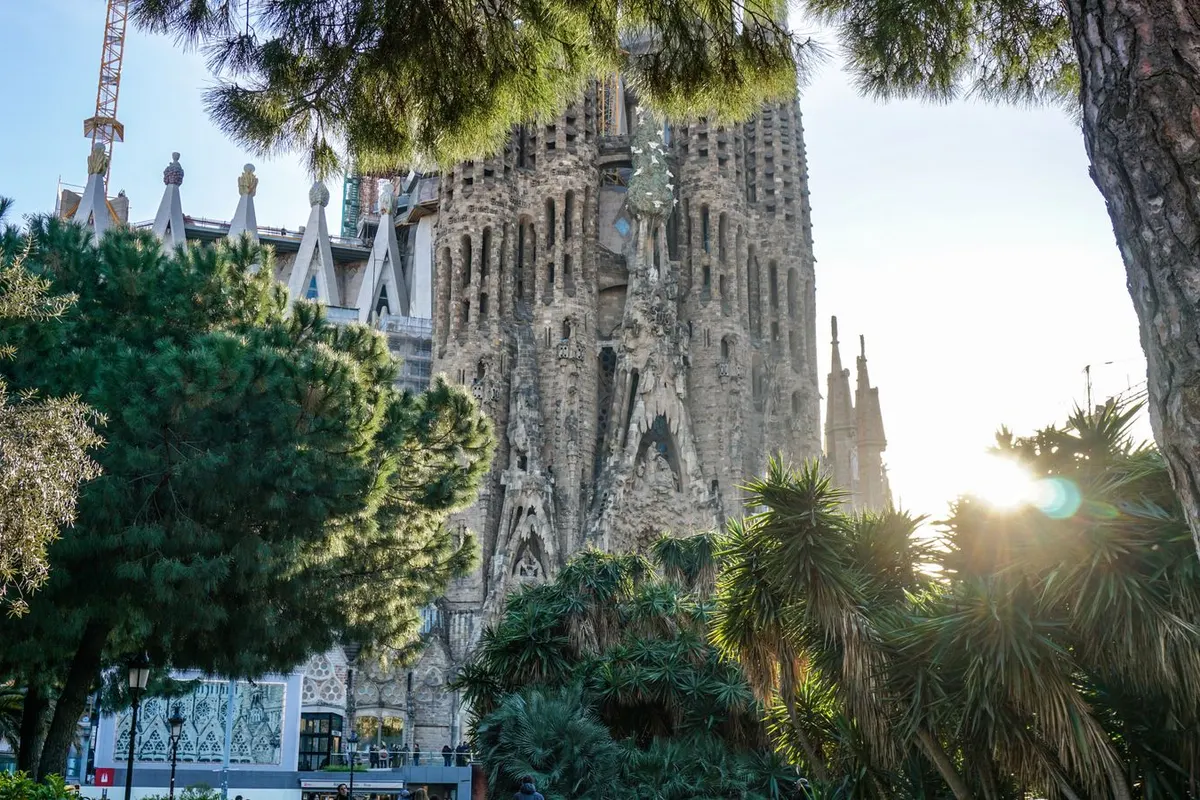
    Begun in 1882 and still under construction, Gaudí’s masterpiece glows with stained-glass light inside. Entry is by timed ticket, with tower access available.

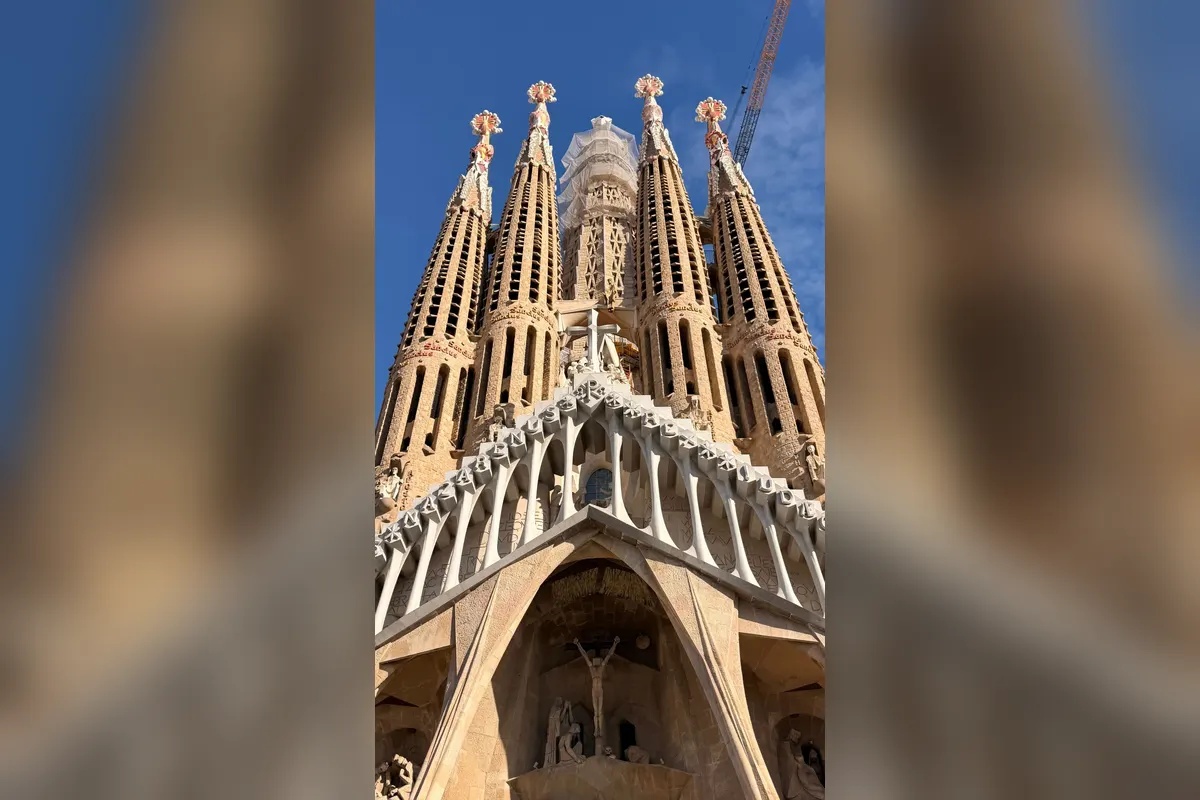
    The Sagrada Família façade
    The Sagrada Família façade

    Park Güell

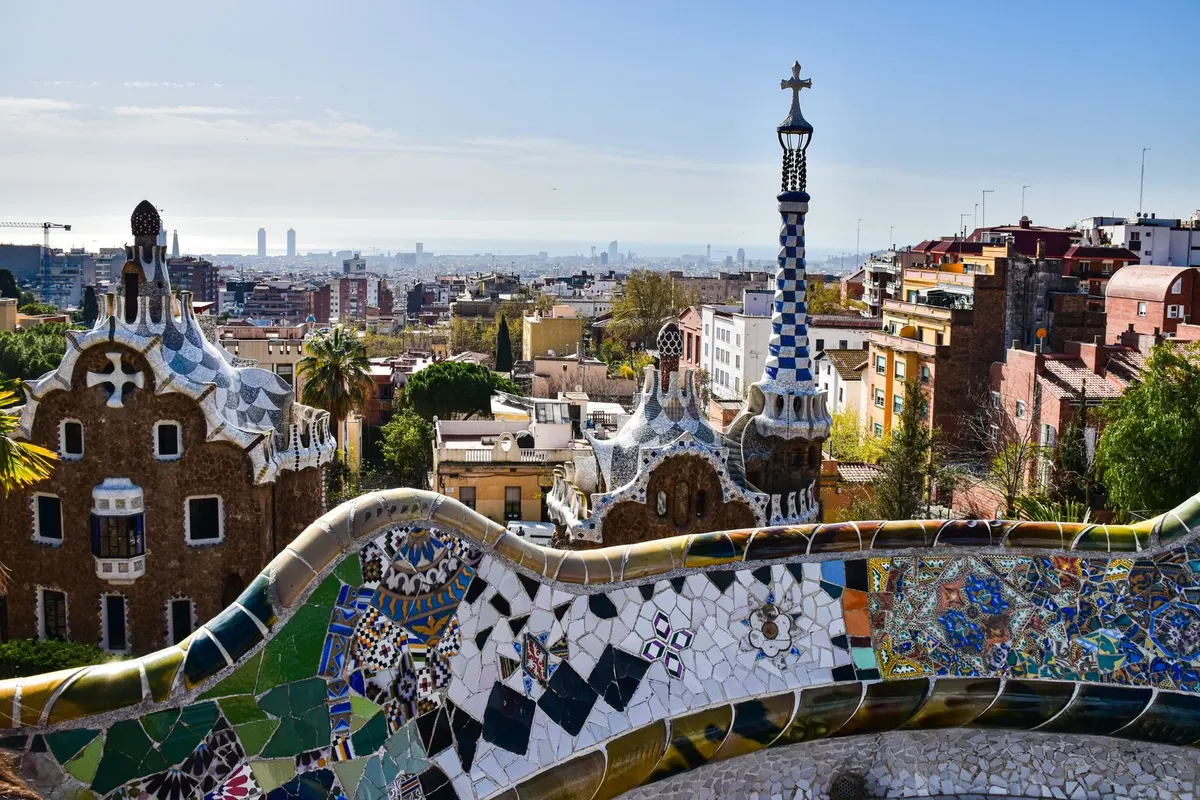
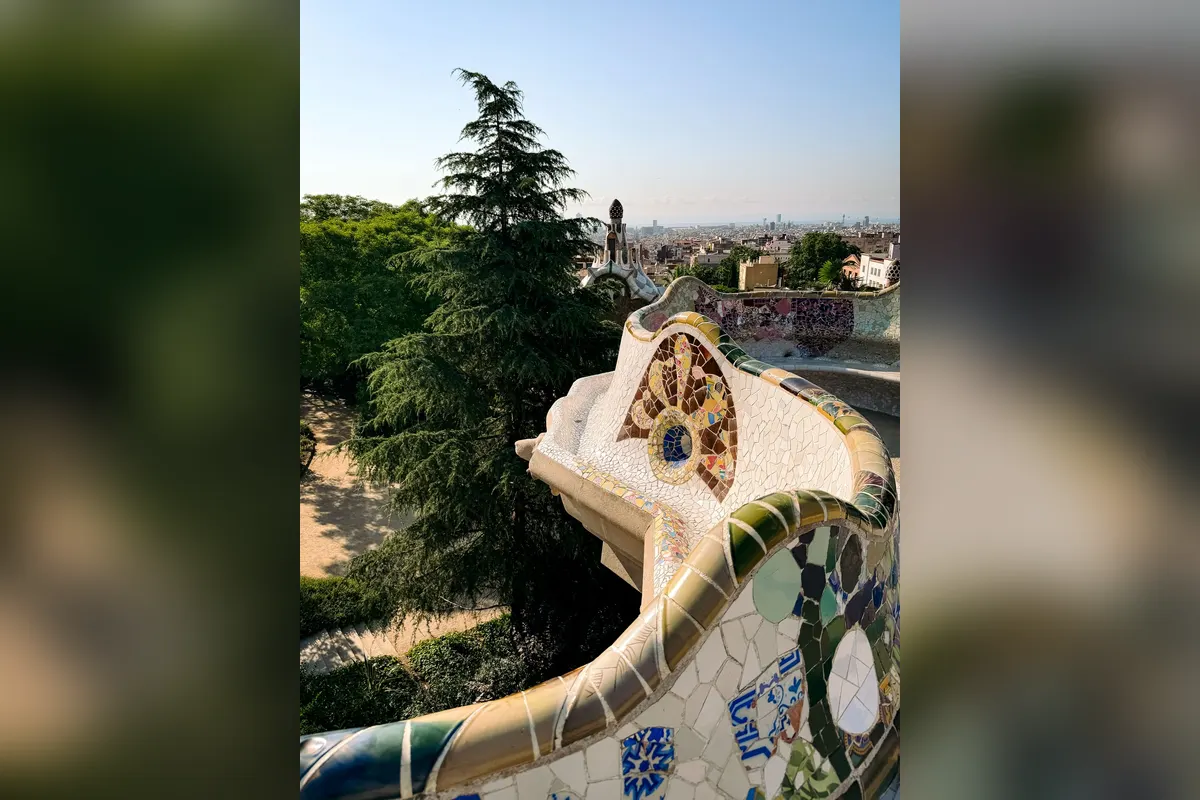
    Famous for its mosaic bench and dragon fountain, this hilltop park overlooks the city and sea. The Monumental Zone requires a timed ticket.

    Mosaics and city views at Park Güell
    Mosaics and city views at Park Güell

    Casa Batlló and Casa Milà

    Two Gaudí mansions on the elegant Passeig de Gràcia, with rippling façades and surreal rooftop chimneys.

    The Sagrada Família beyond the trees
    The Sagrada Família beyond the trees

    The Gothic Quarter and La Boqueria

    Lose yourself in the medieval lanes of the Gothic Quarter, then graze on jamón and fruit at La Boqueria market off La Rambla.

    Barcelona from the Park Güell bench
    Barcelona from the Park Güell bench

    Suggested itinerary

    • Sagrada Família at your booked time
    • Casa Batlló and Casa Milà on Passeig de Gràcia
    • Tapas lunch at a bar
    • City views from Park Güell
    • The Gothic Quarter and La Boqueria
    • A late Spanish-style dinner

    Where to stay nearby

    AREA 1Gothic Quarter and El BornThe atmospheric heart of the old town, walkable to the sights.
    AREA 2EixampleThe grid district near Passeig de Gràcia and the Sagrada Família, with lots of hotels.
    AREA 3BarcelonetaClose to the beach for a seaside stay.

    Tips for working holiday makers

    • La Rambla and the metro are notorious for pickpockets — keep bags in front and phones off tables.
    • Book the Sagrada Família and Park Güell online a few days ahead.
    • A tourist tax (Catalan tax plus a Barcelona surcharge) is charged on top of your room rate.
    • Meals are late: lunch around 2pm and dinner after 9pm.

    FAQ

    Do I need to book the Sagrada Família?

    Yes — timed tickets often sell out, so book online early.

    How do I get from the airport to the city?

    The Aerobús reaches Plaça de Catalunya in about 35 minutes.

    Is Barcelona safe?

    Watch out for pickpockets in tourist areas and on the metro; spread out your valuables.

    Can I swim at the beach?

    Yes, from June to September at city beaches like Barceloneta.

    Planning a working holiday in Spain?Visa basics and a take-home pay calculator.
    Spain guide →

    More places to visit in Spain

    Photos: Pexels (free stock photos) Take-home pay calculator
  • 6 Best Places to Visit in South Korea

    6 Best Places to Visit in South Korea

    Seoul
    Seoul

    Palaces beside skyscrapers in Seoul, the seaside city of Busan, volcanic Jeju and the thousand-year capital of Gyeongju — South Korea packs very different experiences into a small country. Here are 6 of the best places to visit on your days off or travels during a working holiday.

    Seoul
    No.1

    Seoul

    Joseon-dynasty palaces stand alongside gleaming towers and trendy cafés in Seoul, Korea’s capital. Just 2–3 hours from Japan, it is endlessly fun for…

    Getting there:About 45 minutes from Incheon to Seoul Station by AREX express; 20–30 minutes from Gimpo by subway

    Read the full guide →
    Busan
    No.2

    Busan

    Wrapped between sea and mountains, Busan — Korea’s second city — is all beaches, seafood and colourful hillside villages. It is the closest big Korea…

    Getting there:About 1–2 hours by air from Japan to Gimhae; about 2.5 hours by KTX from Seoul

    Read the full guide →
    Jeju Island
    No.3

    Jeju Island

    Off Korea’s south coast, Jeju is a volcanic island of dramatic scenery. Korea’s highest peak Hallasan, the sea-rising crater of Seongsan Ilchulbong a…

    Getting there:About 1 hour 10 minutes by air from Seoul Gimpo

    Read the full guide →
    Gyeongju
    No.4

    Gyeongju

    Capital of the Silla kingdom for about a thousand years, Gyeongju is often called a “museum without walls”. World Heritage-listed Bulguksa Temple, ro…

    Getting there:About 2 hours by KTX from Seoul to Singyeongju; about 30 minutes from Busan

    Read the full guide →
    Seoraksan National Park
    No.5

    Seoraksan National Park

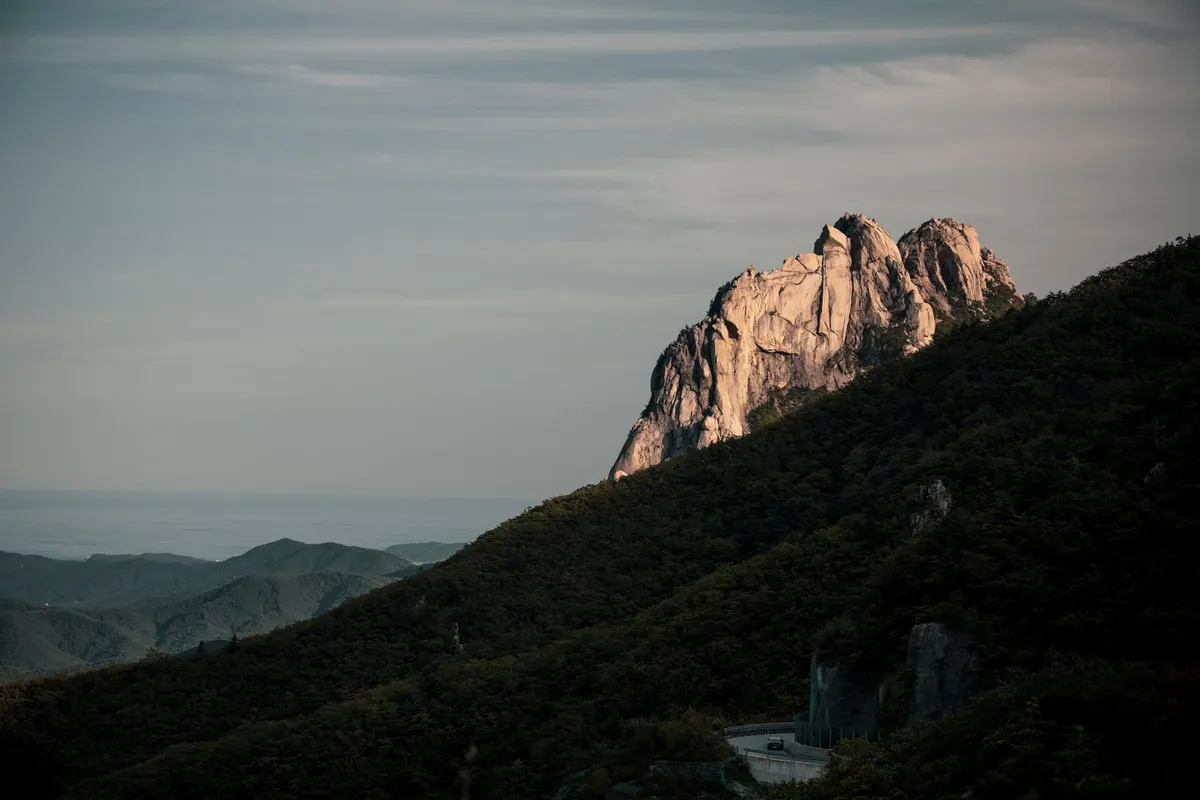
    Rugged granite peaks in north-east Korea, famous for October autumn colours, with a cable car for easy views.

    Getting there:About 2.5 hours by express bus from Seoul to Sokcho

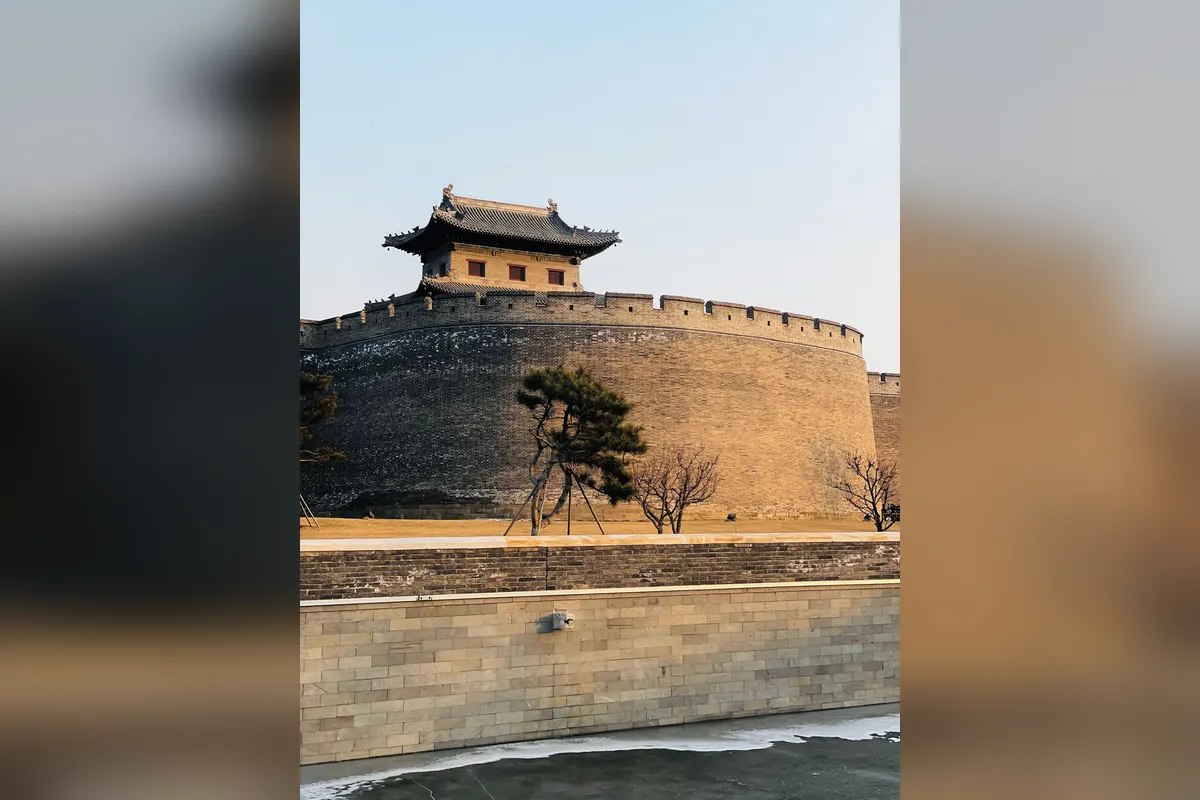
    Suwon Hwaseong Fortress
    No.6

    Suwon Hwaseong Fortress

    A late-18th-century fortress whose 5.7 km of walls you can walk around — a World Heritage Site and easy day trip from Seoul.

    Getting there:About 30 minutes to an hour by train from Seoul Station

    FAQ

    What are the most popular places in South Korea?

    Seoul is the classic, with Busan for the sea, Jeju for nature and resorts, and Gyeongju for history.

    How do I get around?

    KTX trains and express buses link the whole country at reasonable prices; Jeju is about an hour by air.

    When is the best time to travel?

    Spring (April–May) and autumn (September–November). Winters are very cold.

    Which city is best as a working holiday base?

    Seoul has the most jobs; Busan is popular for seaside living at lower cost.

    Planning a working holiday in South Korea?Visa basics and a take-home pay calculator.
    South Korea guide →

    Photos: Pexels
  • Jeju Island Travel Guide

    Jeju Island Travel Guide

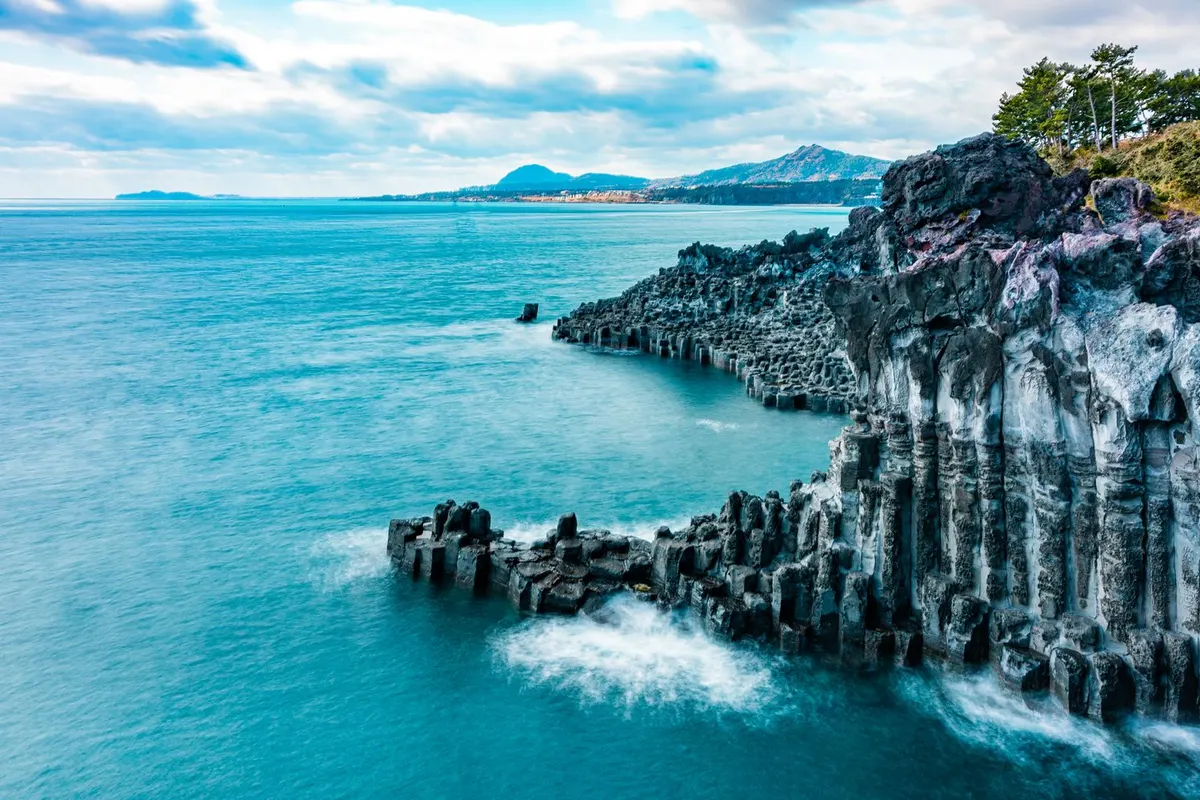
    Hexagonal columns at Daepo Jusangjeolli
    Hexagonal columns at Daepo Jusangjeolli

    Off Korea’s south coast, Jeju is a volcanic island of dramatic scenery. Korea’s highest peak Hallasan, the sea-rising crater of Seongsan Ilchulbong and coasts of hexagonal rock columns are all part of a UNESCO World Heritage Site — and Koreans love it as a holiday island. Here is how to get there, how to get around and where to stay.

    LocationAbout 90 km off the south coast of the Korean mainland
    Getting thereAbout 1 hour 10 minutes by air from Seoul Gimpo
    Best timeApril–June for flowers and greenery, September–October; summer for beaches
    Time needed3–4 days to circle the island

    How to get there

    1. Gimpo–Jeju is one of the world’s busiest air routes, about 1 hour 10 minutes; Busan is about an hour. Direct flights from Japan run at some times of year.
    2. A rental car is the easiest way around — an international driving permit issued in Japan is valid.
    3. Buses circle the island, but tours or hired taxis are more efficient for sightseeing.
    4. The island is about 70 km east to west. Base yourself in Jeju City in the north or Seogwipo in the south.

    Opening hours, prices and practical info

    Seongsan IlchulbongPaid entry; opens early for sunrise
    HallasanSummit trails (Seongpanak and Gwaneumsa) require booking on the national park website
    Car rentalValid with an international driving permit issued in Japan
    World HeritageListed in 2007 as Jeju Volcanic Island and Lava Tubes

    Prices and hours are from official sources as of November 2026 and may change — check the official website before you go.

    Highlights of Jeju Island

    Seongsan Ilchulbong

    A giant volcanic crater rising from the sea. Climb to the top in about 30 minutes — it is famous for sunrise — and you may see haenyeo women divers below.

    The Jusangjeolli cliffs and coast

    At Daepo Jusangjeolli, hexagonal columns of cooled lava line the shore as waves crash against them.

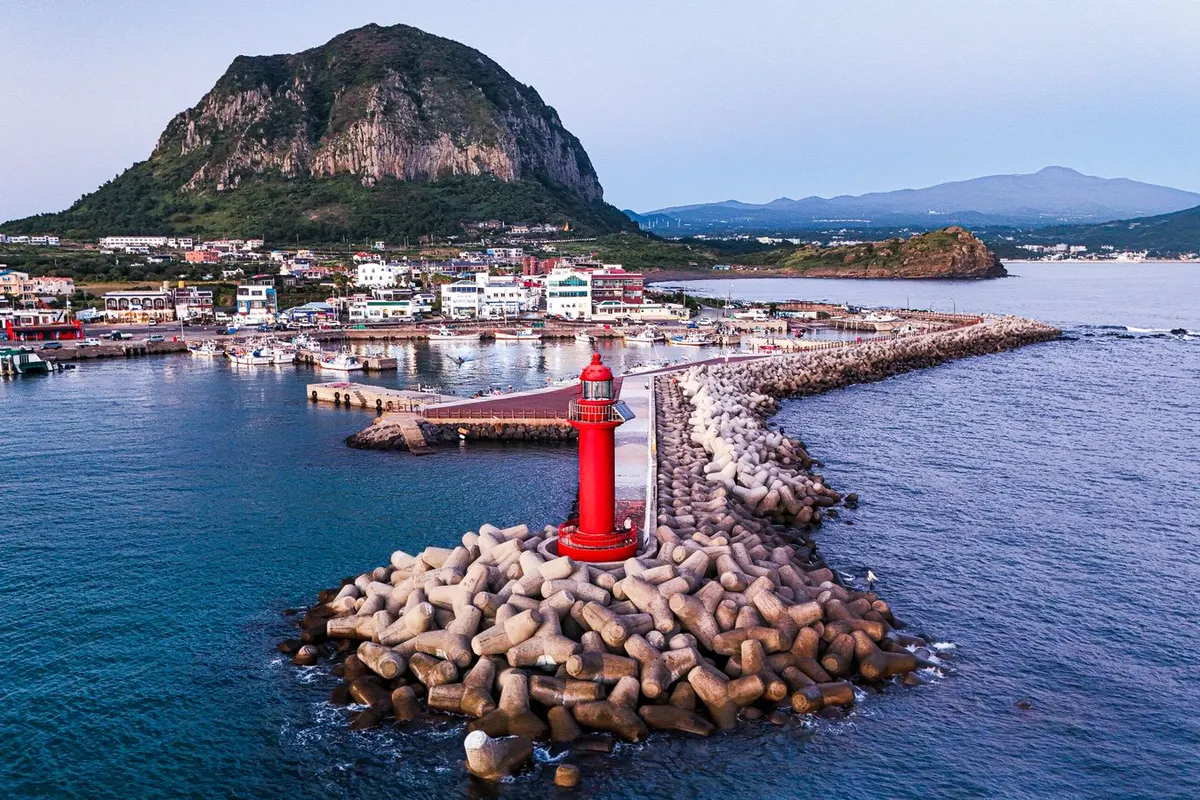
    Sanbangsan and the coast

    A bell-shaped mountain in the south-west with a cave temple on its slopes and beautiful coastline and lighthouse views below.

    Sanbangsan and a harbour lighthouse
    Sanbangsan and a harbour lighthouse

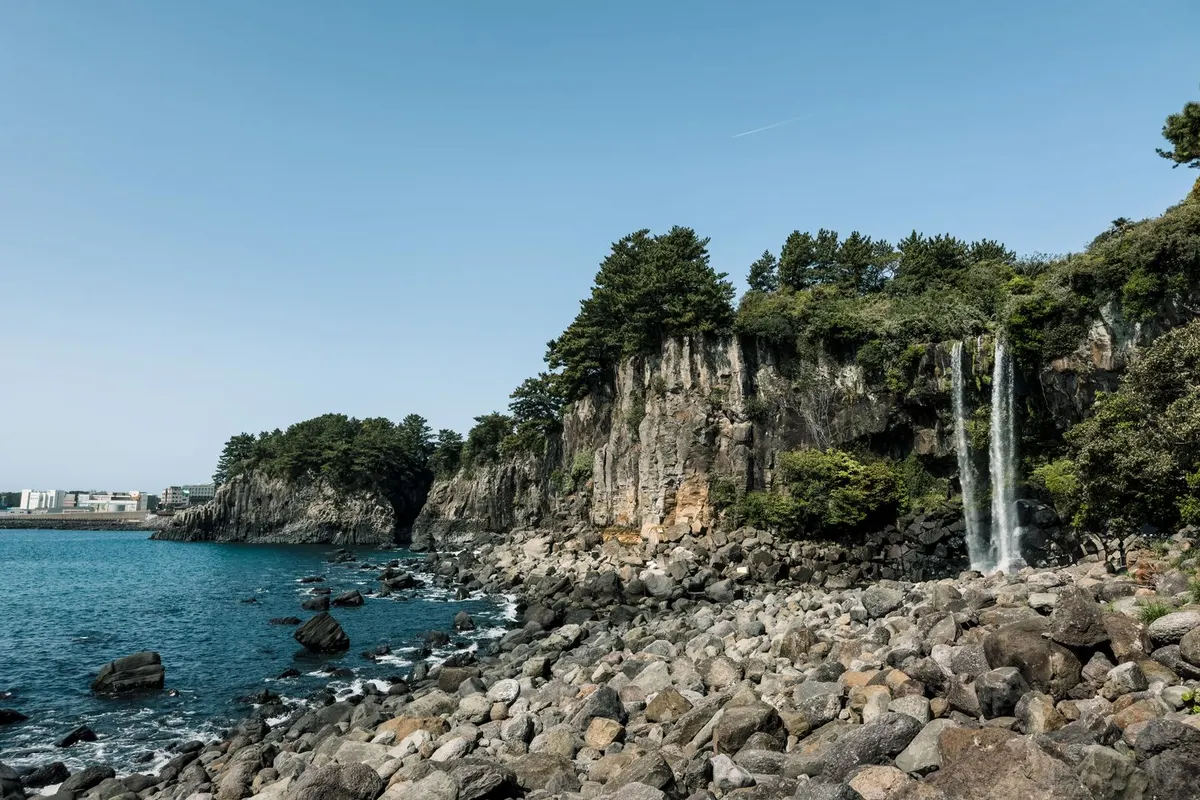
    Jeongbang Waterfall

    A rare waterfall that plunges straight into the sea, within walking distance of central Seogwipo.

    Jeongbang Waterfall falling into the sea
    Jeongbang Waterfall falling into the sea

    Hallasan

    At 1,947 m, Korea’s highest mountain. Trails to the crater lake at the summit require advance reservations, but shorter routes offer great views too.

    Suggested itinerary

    • Pick up a rental car at Jeju Airport and drive east via seaside cafés
    • Stay near Seongsan Ilchulbong
    • Sunrise at Seongsan Ilchulbong
    • South to Jeongbang Waterfall and Seogwipo market
    • Jusangjeolli cliffs and Sanbangsan, then back to Jeju City
    • Black-pork barbecue for dinner
    Blue sea and a rocky shore
    Blue sea and a rocky shore
    Jeju's coastline
    Jeju’s coastline

    Where to stay nearby

    AREA 1Jeju CityThe biggest town, near the airport, with plenty of hotels and restaurants.
    AREA 2SeogwipoA southern port town close to waterfalls and markets — a base for the south.
    AREA 3Jungmun ResortA zone of upmarket resort hotels with a beach and attractions.

    Tips for working holiday makers

    • With an international driving permit from Japan you can explore by rental car — remember Korea drives on the right.
    • Book Hallasan summit trails on the national park website.
    • Try black pork barbecue, abalone porridge and hallabong citrus.
    • Jeju is windy, so bring a layer whatever the season.

    FAQ

    How do I get to Jeju?

    About 1 hour 10 minutes by air from Seoul Gimpo, or about an hour from Busan.

    Can I get around without a car?

    Yes, by bus, but it is slow. Tours or hired taxis are handy.

    Can anyone climb Hallasan?

    Summit trails are serious 4–5 hour hikes each way and need reservations; shorter routes exist.

    When is the best time to visit?

    April–June for flowers, September–October for autumn, and summer for the beaches.

    Planning a working holiday in South Korea?Visa basics and a take-home pay calculator.
    South Korea guide →

    More places to visit in South Korea

    Photos: Pexels (free stock photos) Take-home pay calculator
  • Gyeongju Travel Guide

    Gyeongju Travel Guide

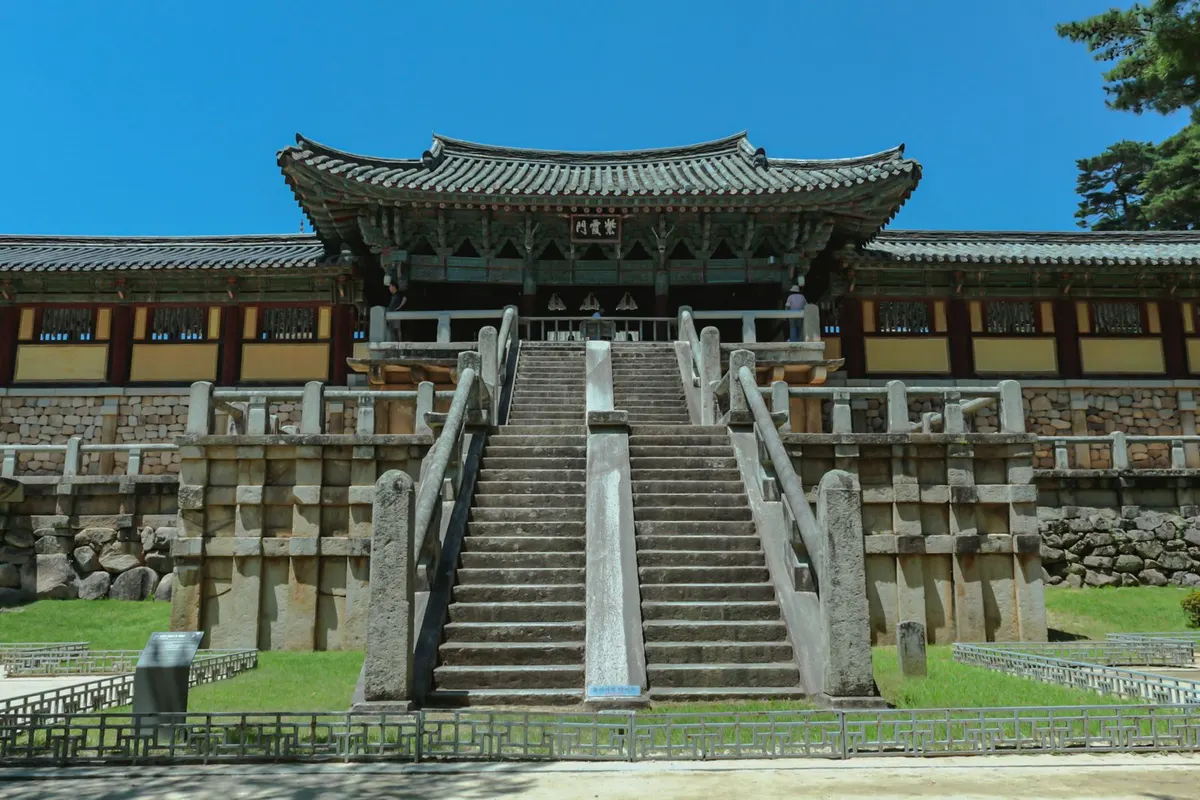
    The stone stairs and main hall of Bulguksa
    The stone stairs and main hall of Bulguksa

    Capital of the Silla kingdom for about a thousand years, Gyeongju is often called a “museum without walls”. World Heritage-listed Bulguksa Temple, royal burial mounds right in town and illuminated palace ponds make it Korea’s richest historic city — and it is an easy trip from Busan. Here is how to get there, how to get around and where to stay.

    LocationNorth Gyeongsang Province, south-east Korea
    Getting thereAbout 2 hours by KTX from Seoul to Singyeongju; about 30 minutes from Busan
    Best timeApril for cherry blossoms; October–November for autumn colours and pink muhly grass
    Time needed1–2 days for the main sights

    How to get there

    1. KTX trains run from Seoul Station to Singyeongju in about 2 hours, and from Busan in about 30 minutes.
    2. Express buses from Busan’s main terminal take about an hour and arrive right in central Gyeongju.
    3. From Singyeongju station, local buses reach the centre in about 20–30 minutes.
    4. Sights are split between the town centre — easy to explore by bike — and Bulguksa on the outskirts, 30–40 minutes by bus.

    Opening hours, prices and practical info

    Bulguksa and SeokguramAdmission policies change, so check on site or online
    Donggung and WoljiOpen into the evening; best after sunset
    TransportCycle in the centre; buses 10 and 11 reach Bulguksa in 30–40 minutes
    World HeritageBulguksa and Seokguram (1995) and the Gyeongju Historic Areas (2000)

    Prices and hours are from official sources as of November 2026 and may change — check the official website before you go.

    Highlights of Gyeongju

    Bulguksa Temple and Seokguram

    Built in the 8th century, Bulguksa and the mountaintop Seokguram grotto, with its serene stone Buddha facing the sea, have been World Heritage-listed since 1995.

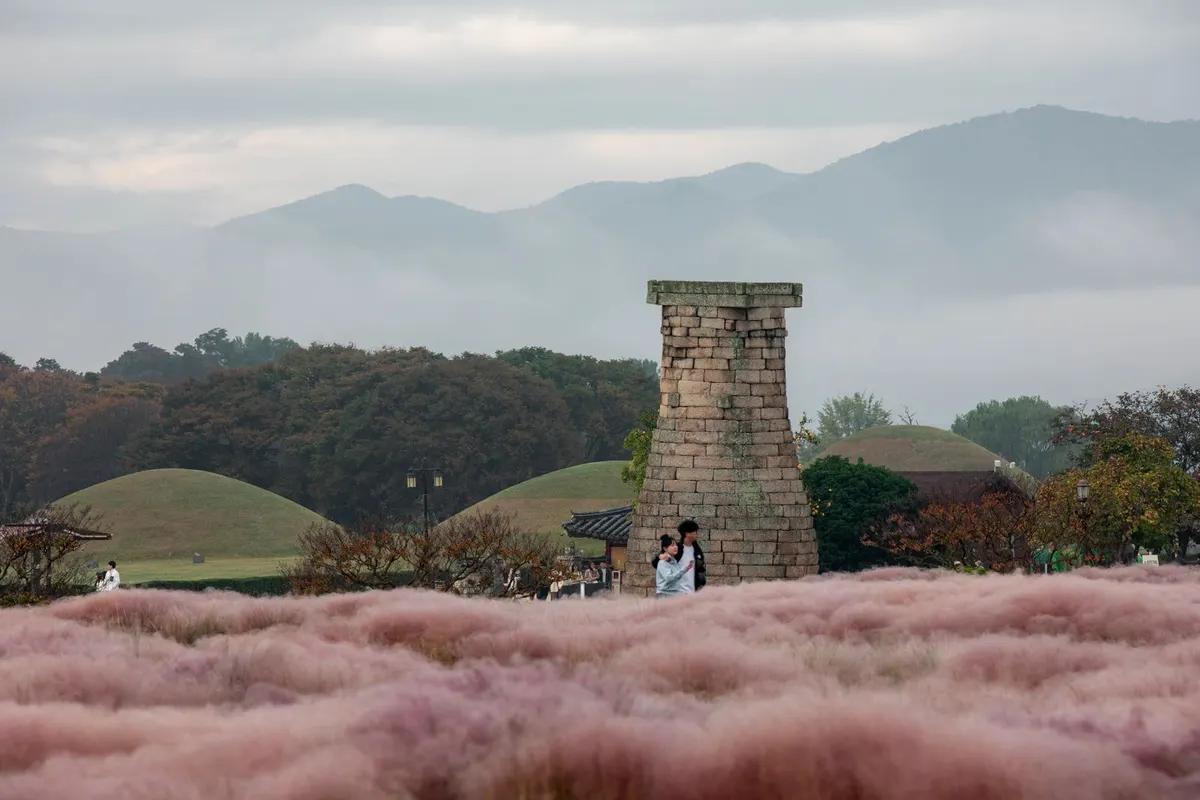
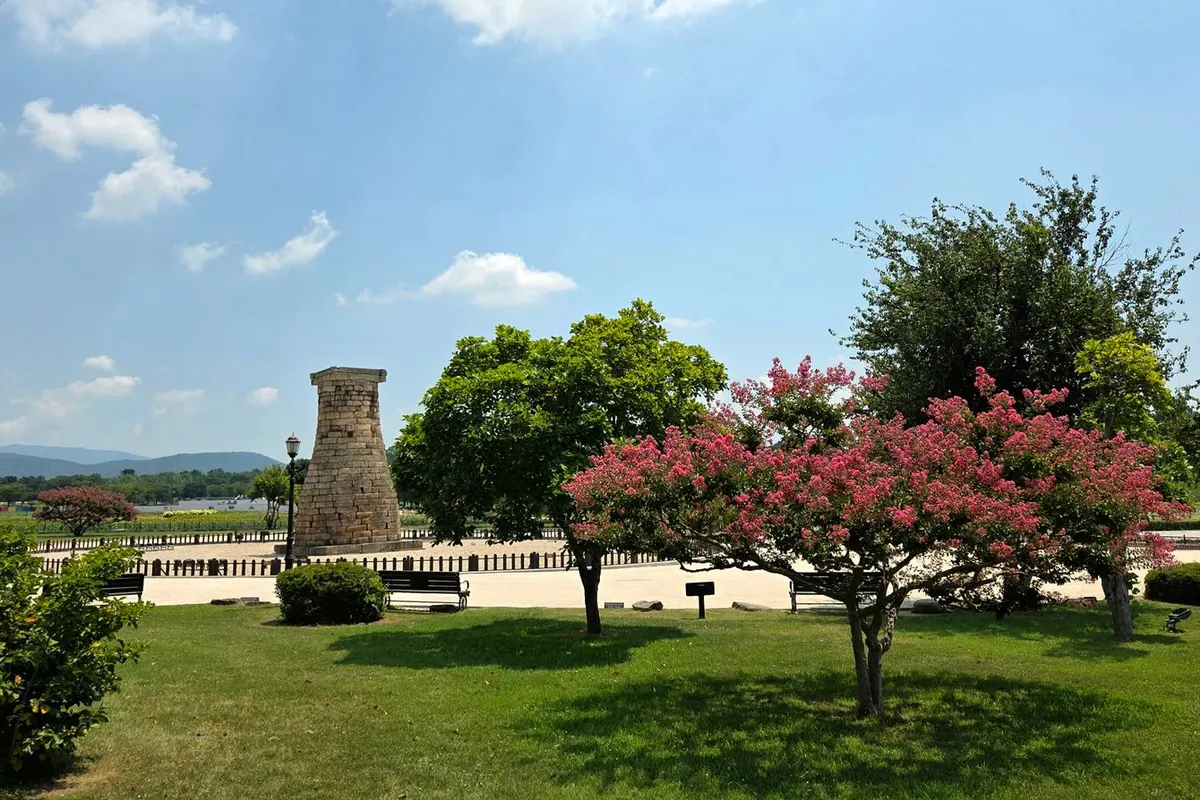
    Cheomseongdae and the pink meadows

    One of East Asia’s oldest observatories, from the 7th century. In autumn it is surrounded by fields of pink muhly grass.

    Cheomseongdae and pink muhly grass
    Cheomseongdae and pink muhly grass

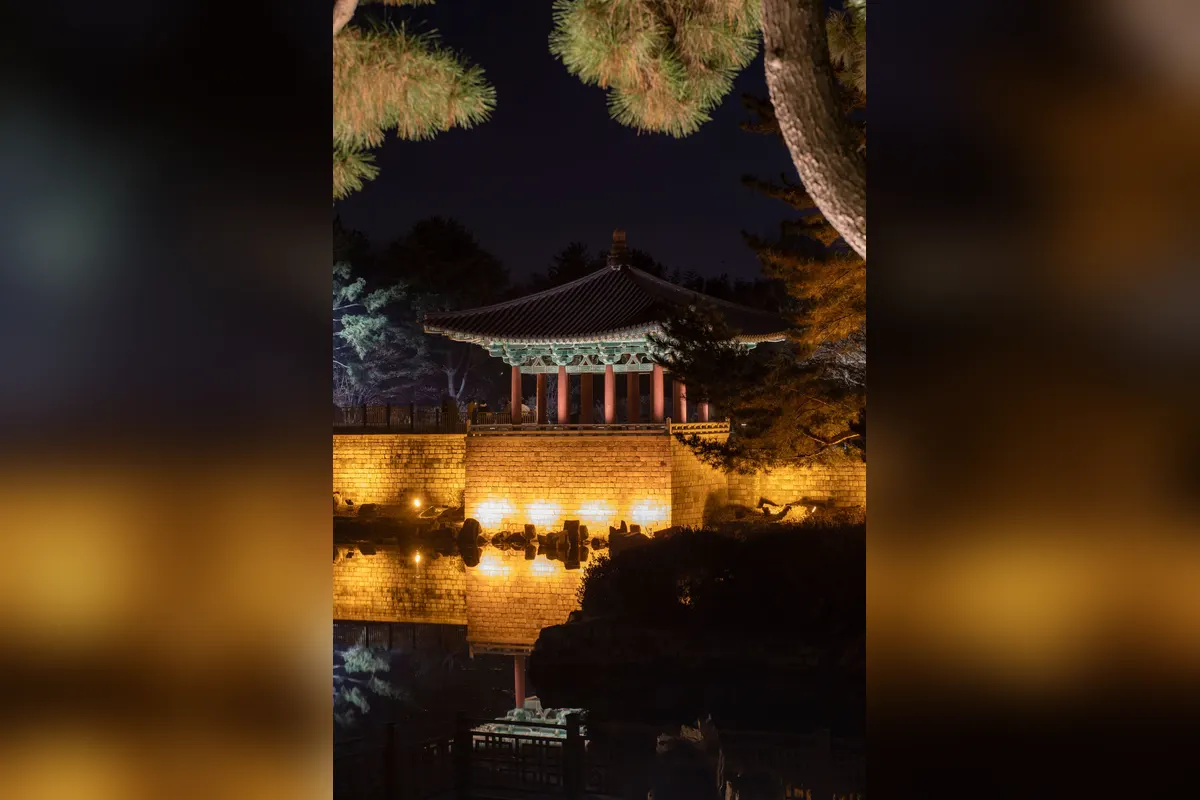
    Donggung Palace and Wolji Pond at night

    The ruins of a Silla royal palace. At night the illuminated pavilions reflected in the pond are Gyeongju’s most beautiful sight.

    Donggung Palace and Wolji Pond lit up
    Donggung Palace and Wolji Pond lit up

    Daereungwon and Hwangnidan-gil

    Grassy royal tombs fill Daereungwon, where you can enter Cheonmachong. Next door, Hwangnidan-gil is lined with cafés and shops in converted hanok.

    Cheomseongdae and the surrounding park
    Cheomseongdae and the surrounding park

    Suggested itinerary

    • Bus to Bulguksa, then up to Seokguram
    • Lunch and coffee on Hwangnidan-gil
    • Daereungwon tombs and Cheonmachong
    • Cycle to Cheomseongdae and nearby ruins
    • Sunset at Woljeonggyo Bridge
    • Donggung Palace and Wolji Pond lit up
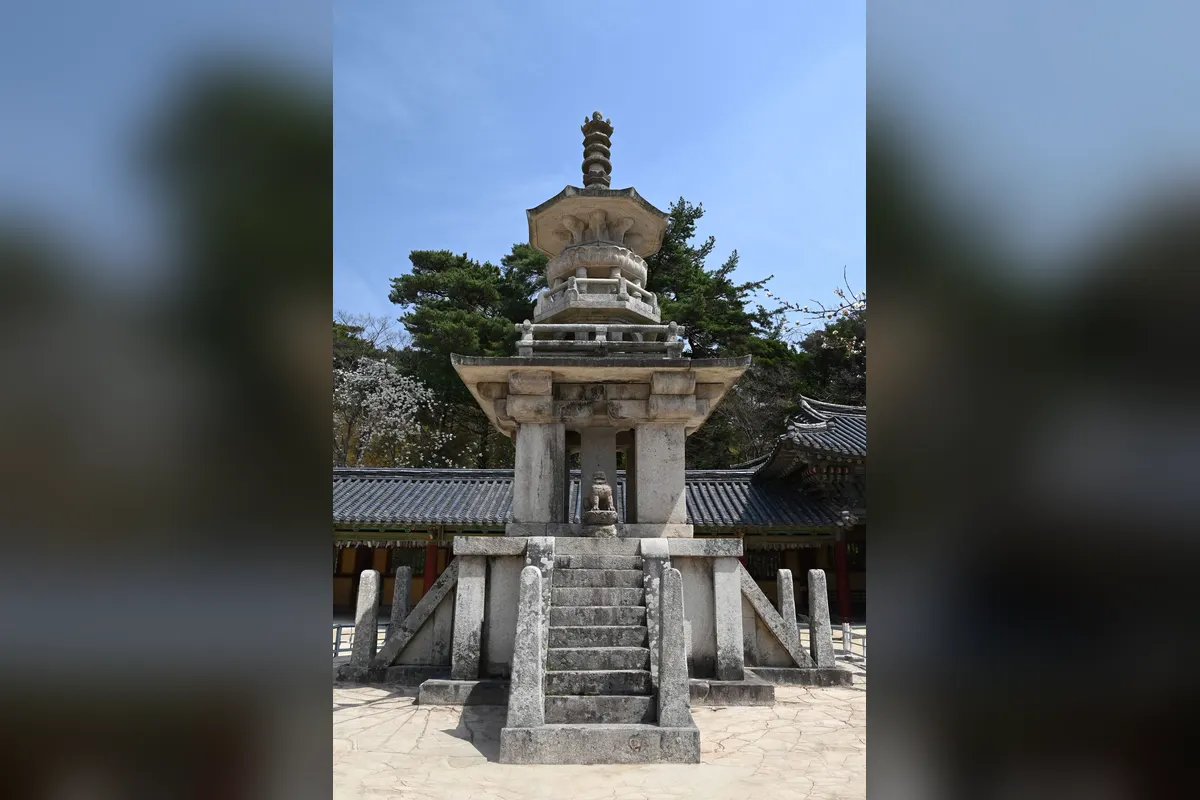
    A stone pagoda at Bulguksa
    A stone pagoda at Bulguksa

    Where to stay nearby

    AREA 1Centre and Hwangnidan-gilWalk to the tombs and ruins, with atmospheric hanok guesthouses.
    AREA 2Bomun Lake ResortLakeside resort hotels, convenient for Bulguksa.
    AREA 3Near Singyeongju stationHandy for the KTX but further from the sights.

    Tips for working holiday makers

    • Cycling is the best way to see the central sites, with plenty of bike rental shops.
    • Plan your evening around the illuminations at Donggung and Wolji Pond.
    • A day trip from Busan works, but stay a night to enjoy the night views.
    • Try Gyeongju bread (Hwangnam bread), a sweet red-bean pastry and popular souvenir.

    FAQ

    Is it a day trip from Busan?

    Yes — about 30 minutes by KTX or an hour by bus. Stay a night for the evening illuminations.

    How do I get there from Seoul?

    About 2 hours by KTX to Singyeongju.

    How do I get around?

    Bike or walk in the centre; take a bus or taxi to Bulguksa.

    When is the best time to visit?

    April for cherry blossoms and October–November for autumn colours.

    Planning a working holiday in South Korea?Visa basics and a take-home pay calculator.
    South Korea guide →

    More places to visit in South Korea

    Photos: Pexels (free stock photos) Take-home pay calculator
  • Busan Travel Guide

    Busan Travel Guide

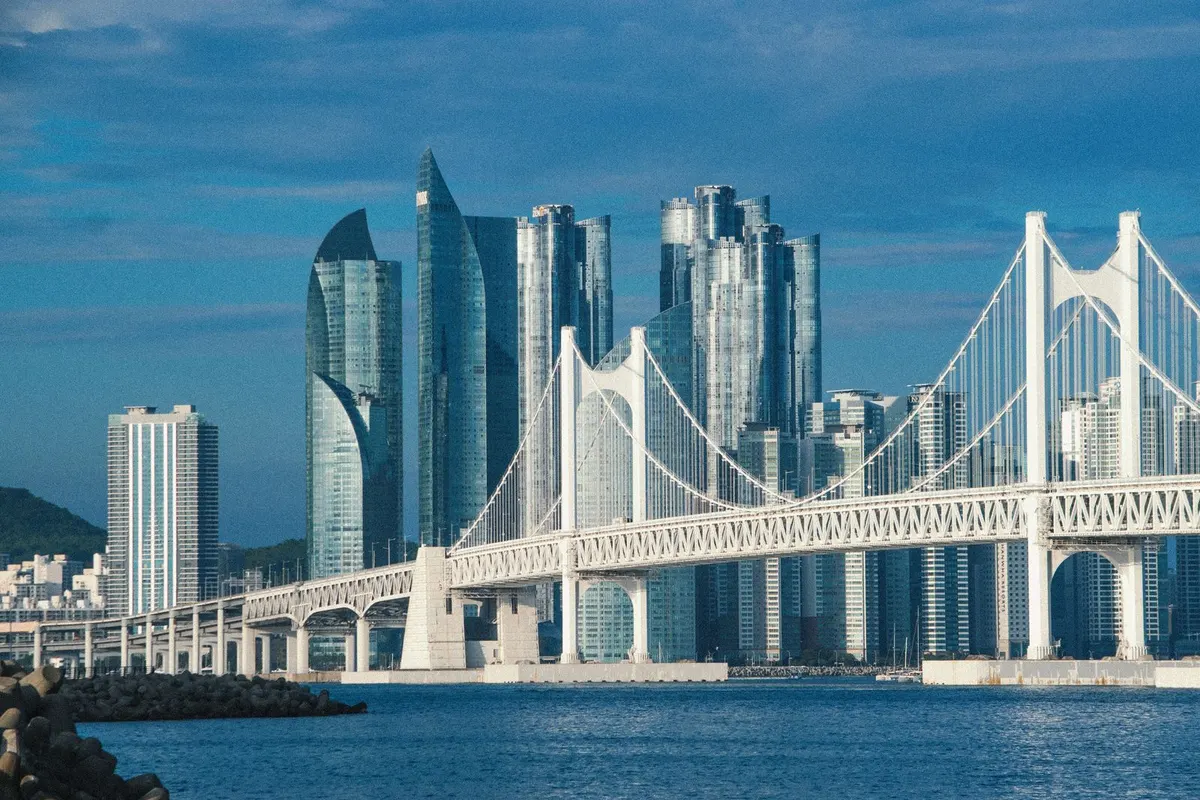
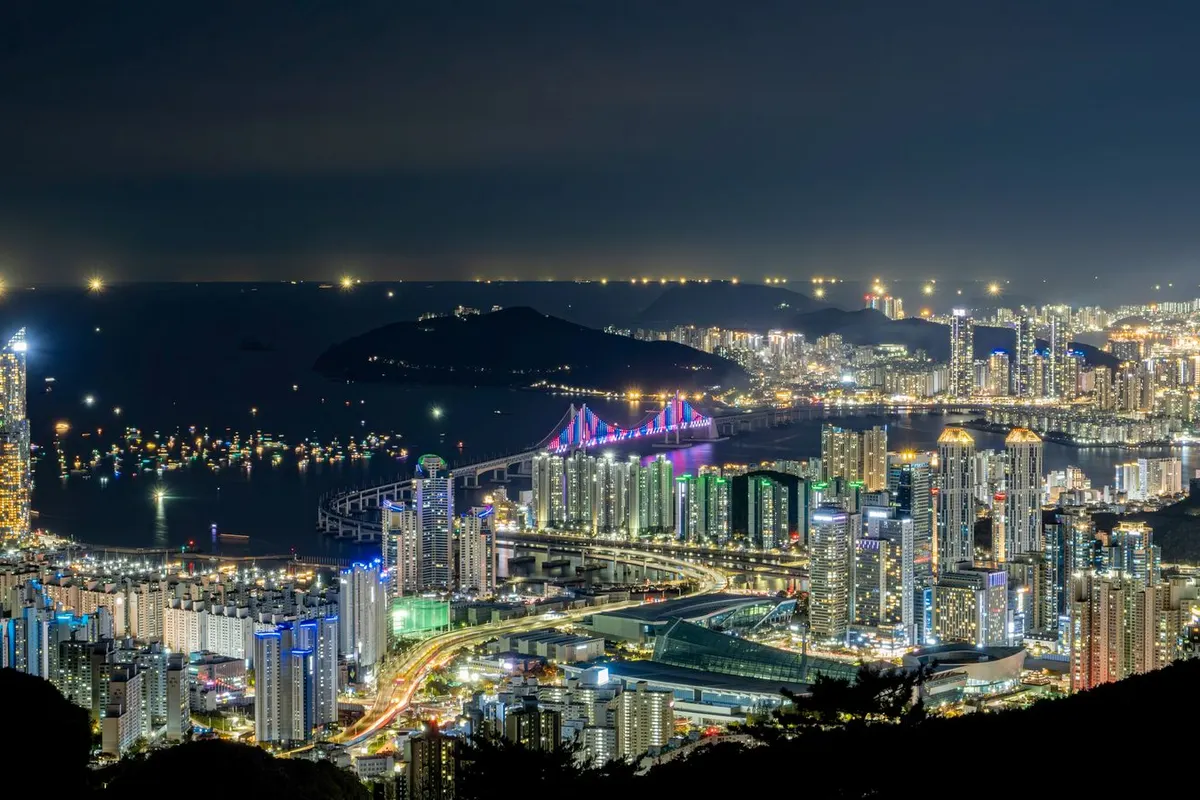
    The Gwangan Bridge and Haeundae skyline
    The Gwangan Bridge and Haeundae skyline

    Wrapped between sea and mountains, Busan — Korea’s second city — is all beaches, seafood and colourful hillside villages. It is the closest big Korean city to Japan, even reachable by ferry from Fukuoka. Here are the highlights, from Haeundae and Gwangalli beaches to Gamcheon Culture Village and Jagalchi Market, plus how to get there and where to stay.

    LocationA port city in south-east South Korea
    Getting thereAbout 1–2 hours by air from Japan to Gimhae; about 2.5 hours by KTX from Seoul
    Best timeJune–September for the beaches; October for the Busan International Film Festival
    Time needed3 days for the highlights

    How to get there

    1. Direct flights from across Japan land at Gimhae International Airport — about an hour from Fukuoka.
    2. Fast ferries and overnight ferries also sail from Hakata Port in Fukuoka.
    3. From Gimhae, the light rail and subway reach Seomyeon in about 30–40 minutes; limousine buses also run.
    4. From Seoul, the KTX takes about 2.5 hours to Busan Station. Get around on the subway with a T-money card.

    Opening hours, prices and practical info

    GamcheonFree to wander (stamp map sold separately); bus from Toseong station
    Jagalchi MarketOpen from early morning to evening; restaurants upstairs cook your seafood
    TransportT-money for the subway and buses; light rail plus subway from the airport
    Ferries from JapanFast and overnight ferries from Hakata (check operators for schedules)

    Prices and hours are from official sources as of November 2026 and may change — check the official website before you go.

    Highlights of Busan

    Haeundae Beach

    Korea’s most famous beach stretches 1.5 km in front of a wall of skyscrapers. In summer it is packed with swimmers, and the coastal sky capsules are a hit.

    Gwangalli and the Gwangan Bridge

    A beach facing the Gwangan Bridge, which lights up at night — watch it from a seaside café or bar.

    Busan by night
    Busan by night

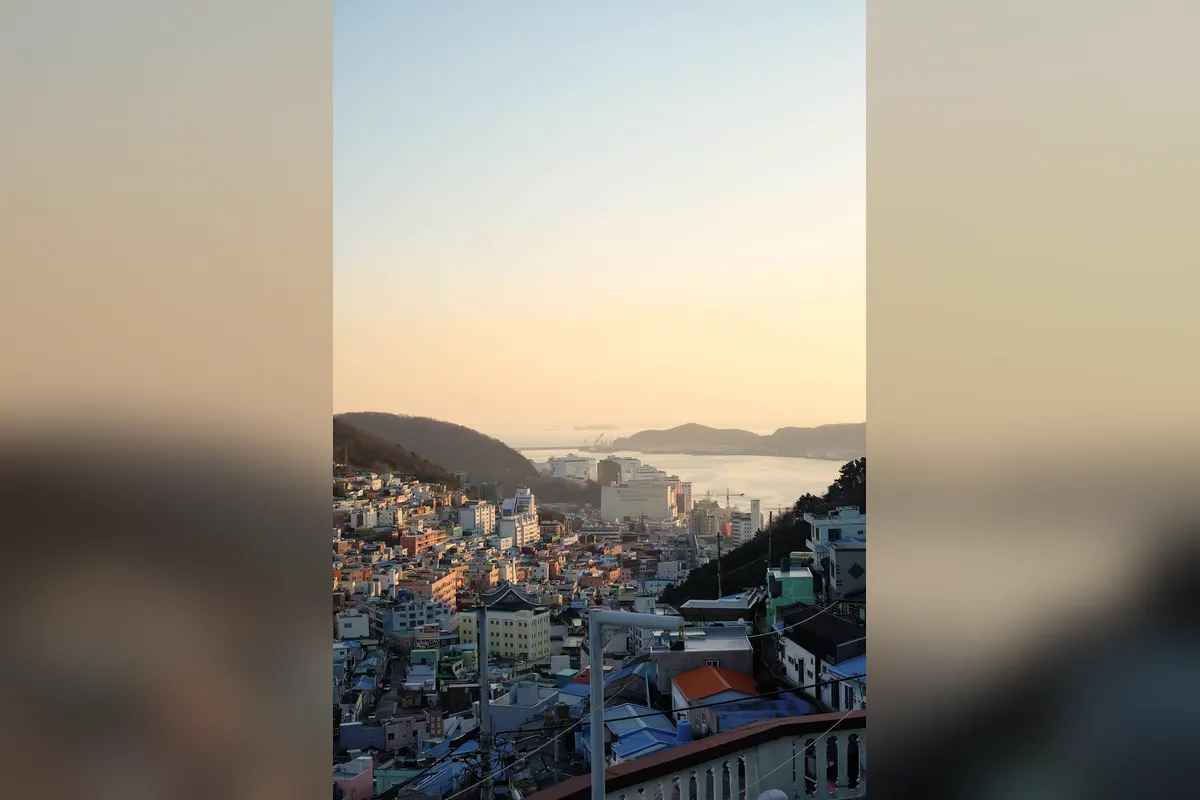
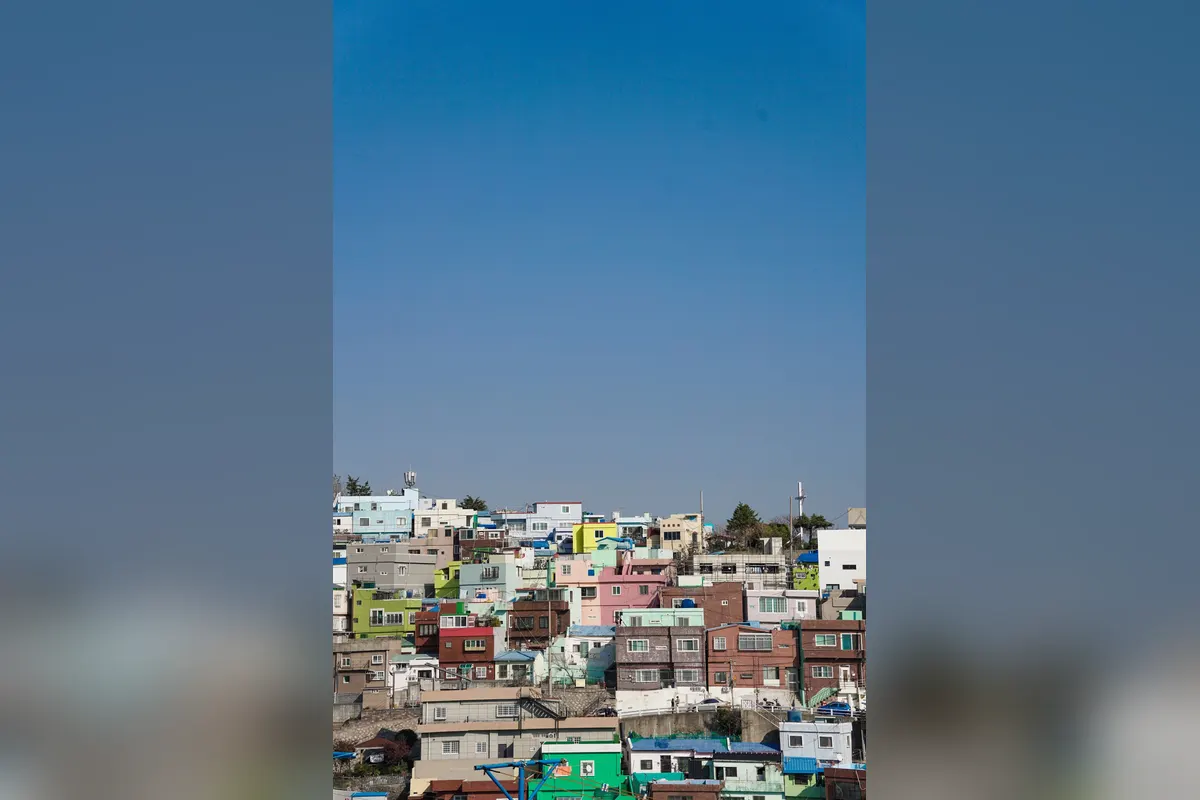
    Gamcheon Culture Village

    Colourful houses cover the hillside of this “Machu Picchu of Korea”, with art hidden in its alleys.

    Gamcheon Culture Village on the hillside
    Gamcheon Culture Village on the hillside

    Jagalchi Market and Nampo-dong

    One of Korea’s biggest fish markets — pick seafood downstairs and have it prepared upstairs. Nearby Nampo-dong is full of street food and the film-festival square.

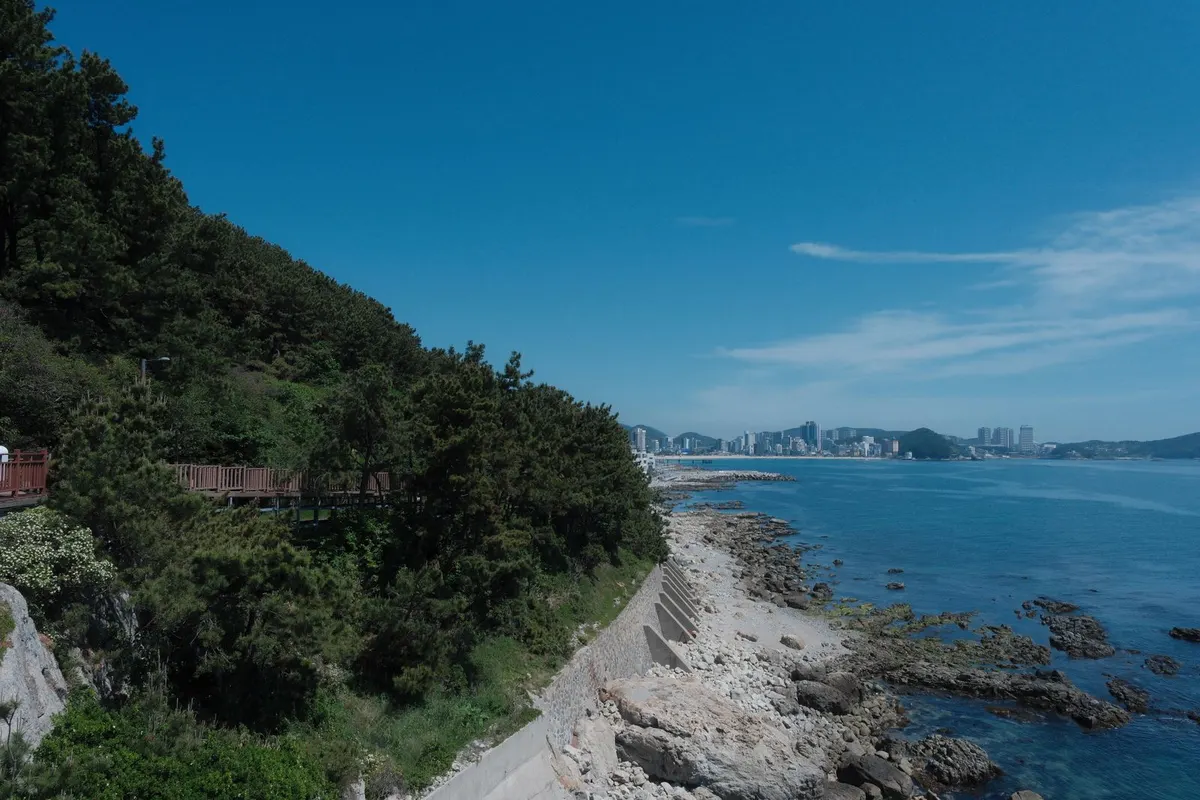
    Haedong Yonggungsa Temple

    A rare temple perched on seaside rocks, beautiful at sunrise with waves crashing below. Buses run from Haeundae.

    A coastal walking path
    A coastal walking path

    Suggested itinerary

    • Haedong Yonggungsa, the seaside temple
    • Haeundae Beach and the coastal walk
    • Dwaeji gukbap (pork soup) for lunch
    • Art-hunting in Gamcheon Culture Village
    • Seafood dinner at Jagalchi Market
    • Night views of the Gwangan Bridge from Gwangalli
    Busan and the sea at sunset
    Busan and the sea at sunset

    Where to stay nearby

    AREA 1HaeundaeBeachfront resort hotels — perfect for sea views.
    AREA 2SeomyeonA lively hub where two subway lines meet, with endless places to eat.
    AREA 3Nampo-dong and Busan StationClose to the markets and port, handy for the KTX and ferries, with affordable hotels.

    Tips for working holiday makers

    • Haeundae is packed in summer — go for an early-morning or evening stroll.
    • Gamcheon is a residential village: do not peer into homes or make noise.
    • The city is hilly, so wear comfortable shoes.
    • Busan is a little cheaper than Seoul and popular with working holiday makers who want to live by the sea.

    FAQ

    How do I get there from Japan?

    About 1 hour by air from Fukuoka or 2 hours from Tokyo; ferries also run from Fukuoka.

    How do I get there from Seoul?

    About 2.5 hours by KTX.

    Can I swim at the beaches?

    Haeundae and Gwangalli open for swimming in summer, mainly July and August.

    What should I eat?

    Dwaeji gukbap, milmyeon cold noodles and fresh seafood at Jagalchi Market.

    Planning a working holiday in South Korea?Visa basics and a take-home pay calculator.
    South Korea guide →

    More places to visit in South Korea

    Photos: Pexels (free stock photos) Take-home pay calculator
  • Seoul Travel Guide

    Seoul Travel Guide

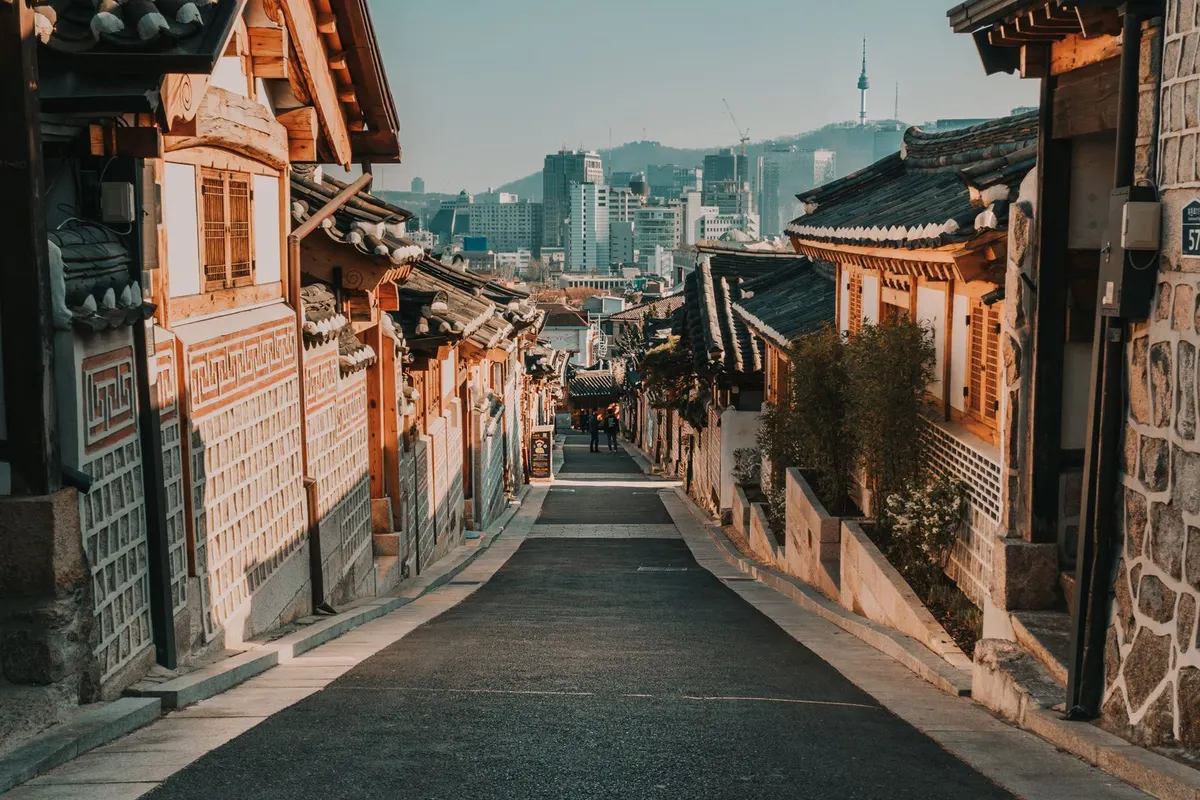
    Bukchon Hanok Village and N Seoul Tower
    Bukchon Hanok Village and N Seoul Tower

    Joseon-dynasty palaces stand alongside gleaming towers and trendy cafés in Seoul, Korea’s capital. Just 2–3 hours from Japan, it is endlessly fun for food, shopping and K-culture — and the city most working holiday makers in Korea call home. Here is how to get in from the airport, what to see and where to stay.

    LocationNorth-west South Korea, on the Han River
    AirportAbout 45 minutes from Incheon to Seoul Station by AREX express; 20–30 minutes from Gimpo by subway
    Best timeApril–May for blossoms and September–November for autumn colours
    Time needed3 days for the highlights; 4–5 to explore neighbourhoods

    How to get there

    1. Direct flights from Narita, Haneda, Kansai and elsewhere take about 2–3 hours. Haneda–Gimpo flights land closer to the city.
    2. From Incheon, the AREX express reaches Seoul Station in about 45 minutes; the all-stop train takes about an hour and is cheaper.
    3. Use a T-money card on subways and buses. There is also an unlimited Climate Card for short-term visitors.
    4. Depending on the period, you may need a K-ETA to enter Korea — check the official site before you fly.

    Opening hours, prices and practical info

    GyeongbokgungPaid entry (free if you wear a hanbok); closed on Tuesdays
    BukchonSome areas restrict tourist visits in the evening and early morning to protect residents
    TransportT-money for subways and buses; Climate Card for short stays
    EntryK-ETA requirements change over time — check the official site before you travel

    Prices and hours are from official sources as of November 2026 and may change — check the official website before you go.

    Highlights of Seoul

    Gyeongbokgung Palace and hanbok

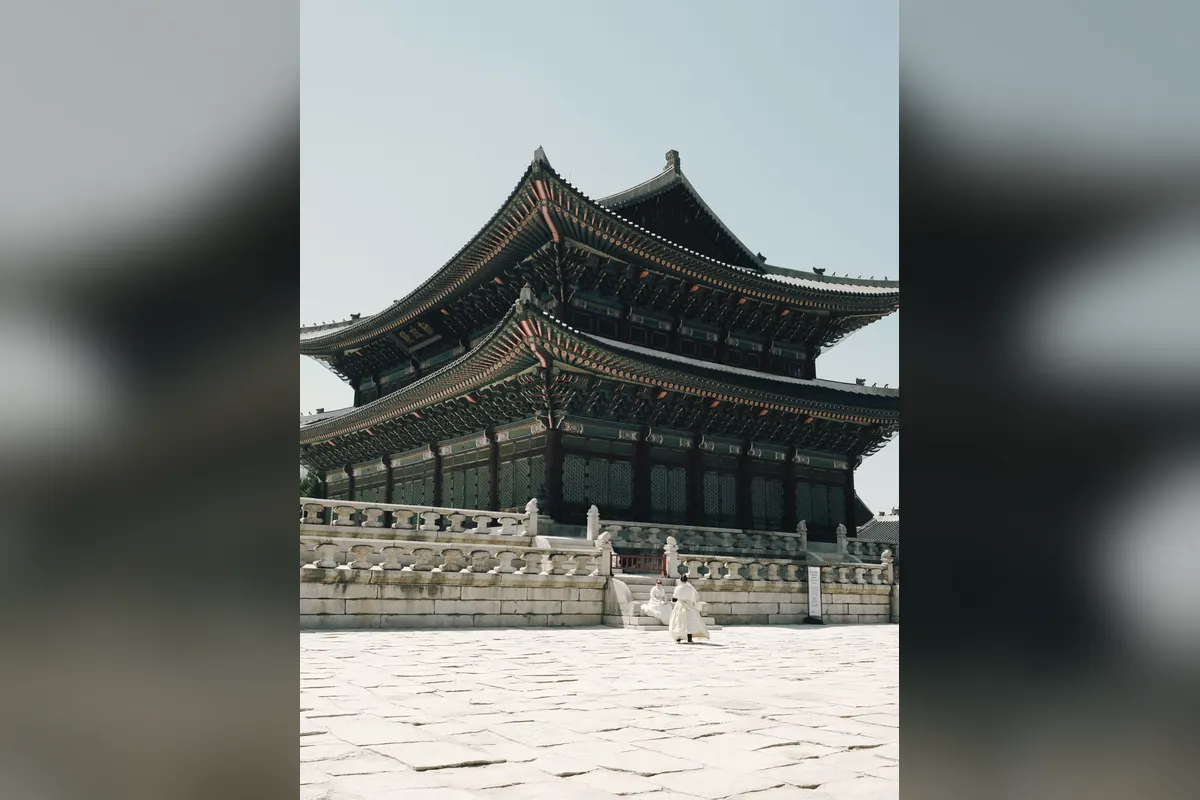
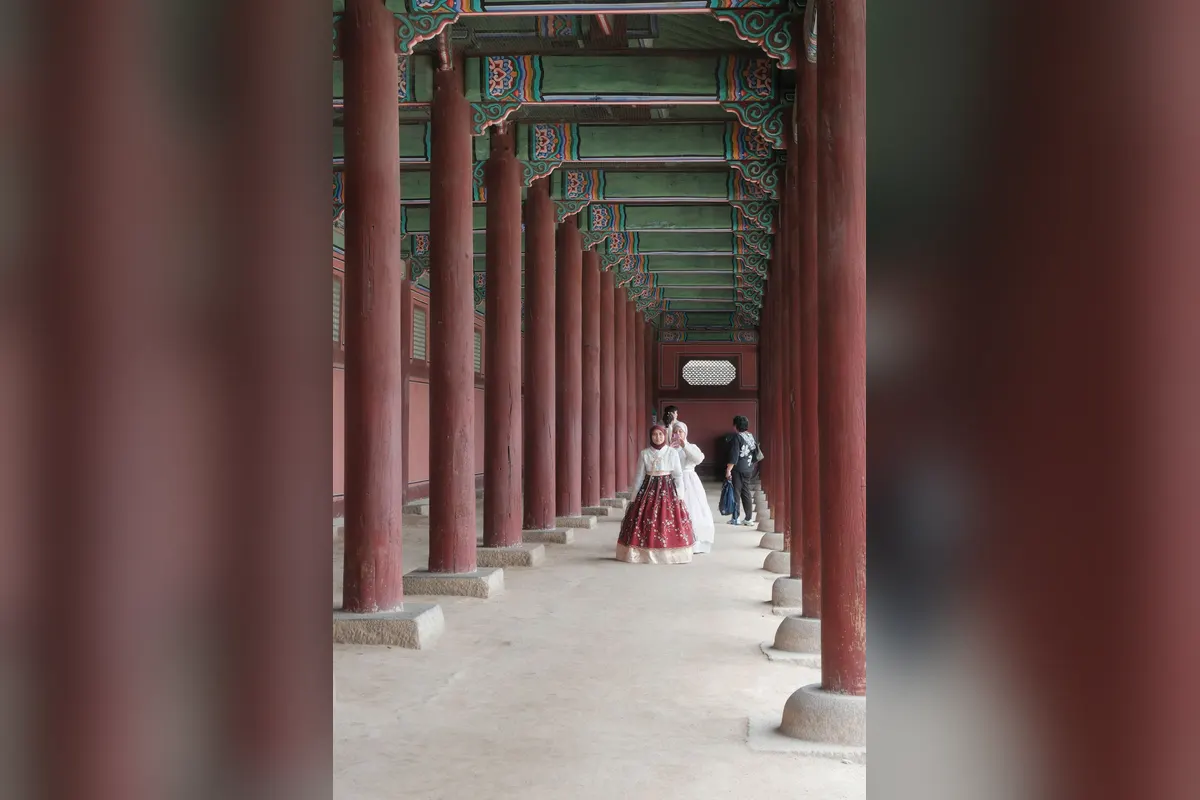
    The main royal palace of the Joseon dynasty, built in 1395. Wear a hanbok (rentals are everywhere nearby) and entry is free. Do not miss the changing of the guard.

    Geunjeongjeon Hall at Gyeongbokgung
    Geunjeongjeon Hall at Gyeongbokgung

    Bukchon Hanok Village

    A hillside neighbourhood of traditional hanok houses. People live here, so some areas have set visiting hours — please keep your voice down.

    N Seoul Tower and Namsan

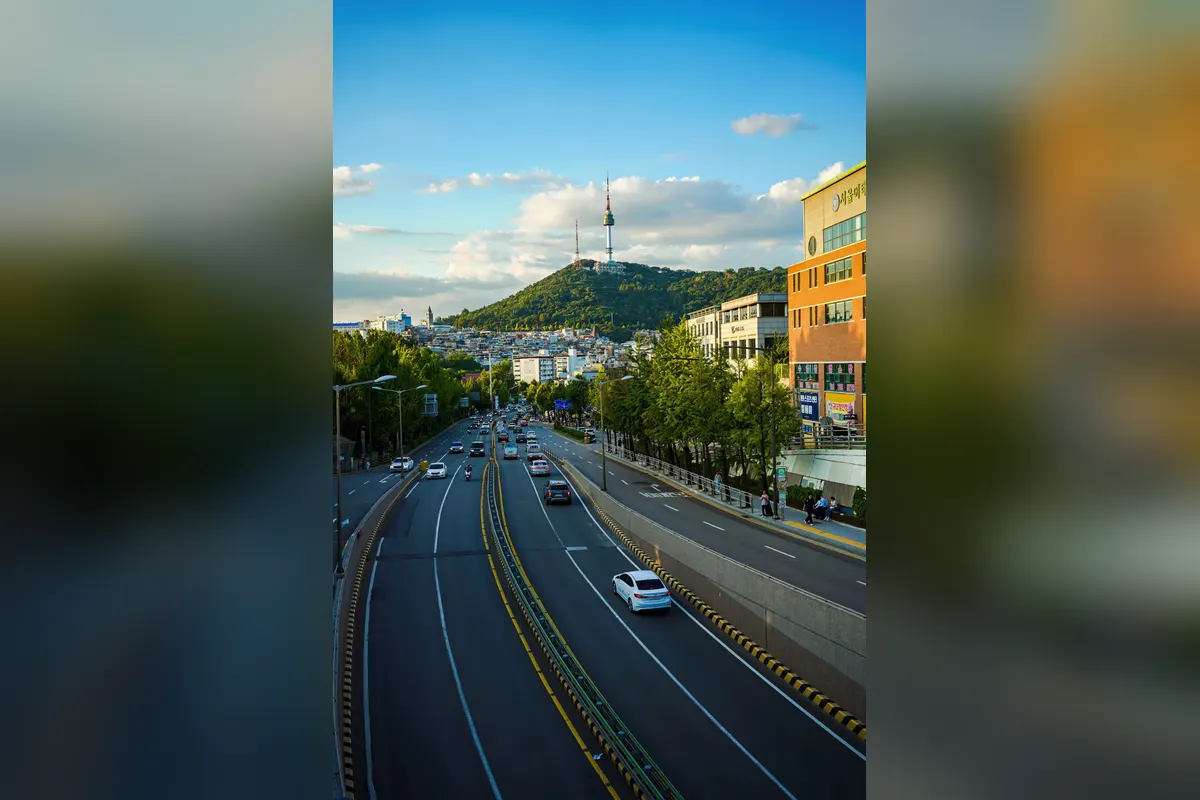
    From N Seoul Tower on Namsan mountain, take in the whole city and its mountains. Ride the cable car up, especially for the night view.

    A street leading to N Seoul Tower
    A street leading to N Seoul Tower

    Markets and food

    Graze street food at Gwangjang Market, shop in Myeongdong and soak up youth culture in Hongdae — each area has its own vibe.

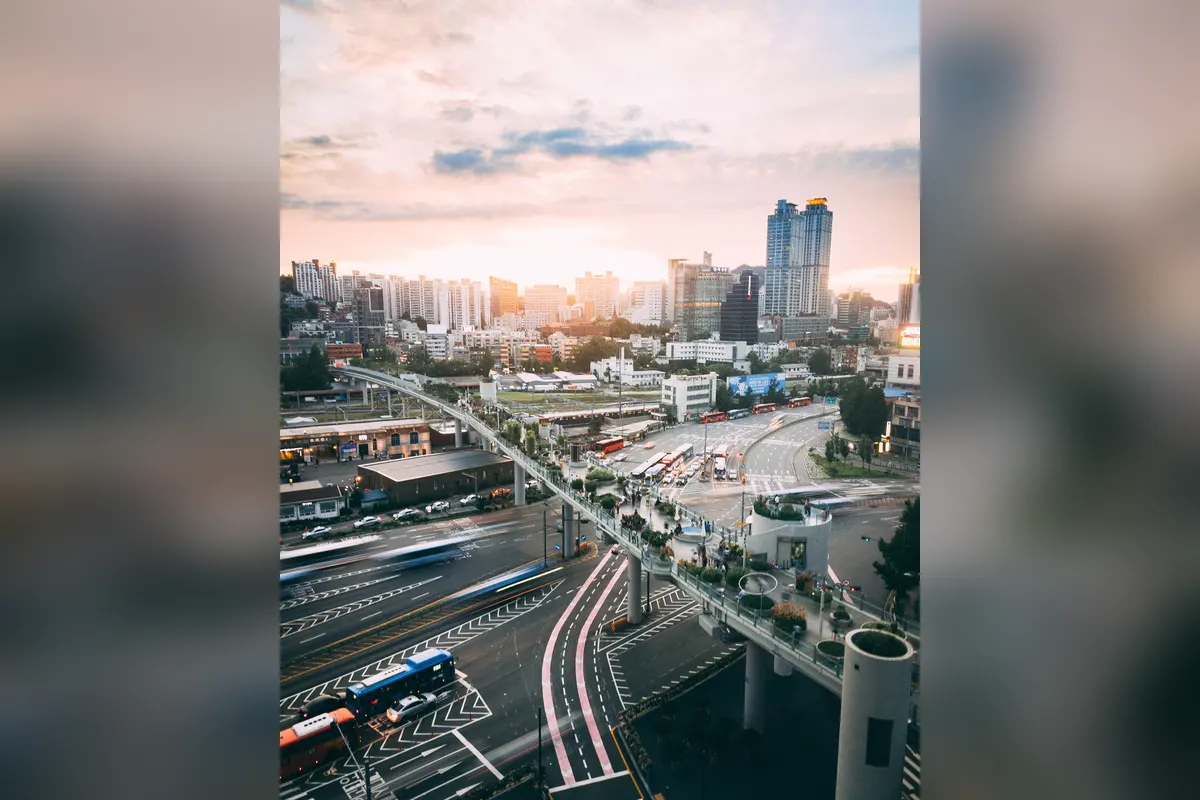
    Seoul at sunset
    Seoul at sunset

    Suggested itinerary

    • Rent a hanbok near Gyeongbokgung
    • Explore the palace and watch the guard ceremony
    • Stroll Bukchon and Samcheong-dong
    • Bindaetteok and kimbap at Gwangjang Market
    • Shopping in Myeongdong
    • Cable car to N Seoul Tower for dinner with a view
    Visitors in hanbok in a palace corridor
    Visitors in hanbok in a palace corridor

    Where to stay nearby

    AREA 1MyeongdongShopping and food central, with airport bus stops — ideal for a first visit.
    AREA 2HongdaeOn the airport railway, full of cafés and live music, with lots of budget guesthouses.
    AREA 3Jongno and InsadongClose to the palaces and traditional streets, with hanok guesthouses.

    Tips for working holiday makers

    • Working holiday jobs include cafés, restaurants and Japanese-language roles in tourism, retail and teaching — Korean opens many more doors.
    • Local apps like NAVER Map and KakaoMap are more accurate than Google Maps.
    • Cards and mobile payments are widely accepted; carry some cash for street stalls and markets.
    • Gyeongbokgung closes on Tuesdays.

    FAQ

    How do I get from Incheon to the city?

    The AREX express reaches Seoul Station in about 45 minutes, or take an airport bus to areas like Myeongdong.

    Is it true palaces are free if you wear a hanbok?

    Yes — the royal palaces, including Gyeongbokgung, are free if you wear a hanbok.

    Can I find work on a working holiday?

    Yes — cafés, restaurants and Japanese-language roles. Korean helps a lot.

    Which map app should I use?

    NAVER Map or KakaoMap — their transit directions are accurate.

    Planning a working holiday in South Korea?Visa basics and a take-home pay calculator.
    South Korea guide →

    More places to visit in South Korea

    Photos: Pexels (free stock photos) Take-home pay calculator