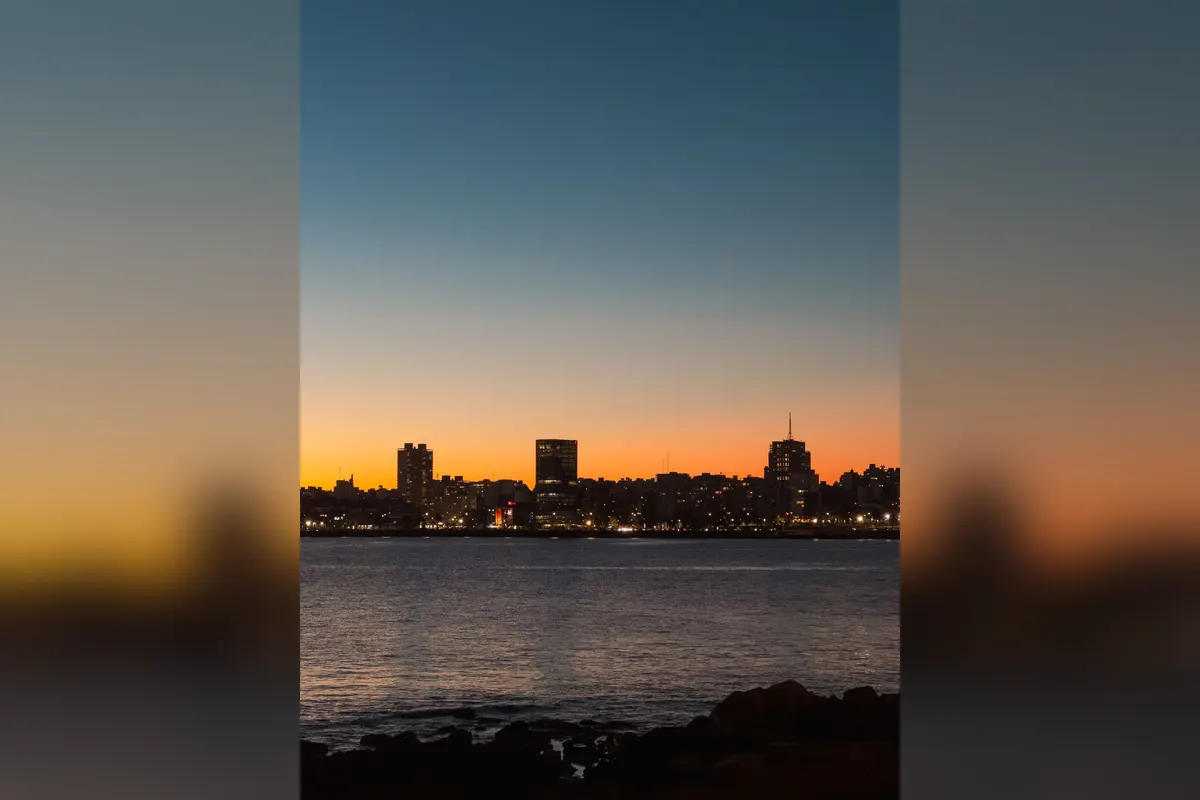
Category: Travel Guide

Travel guides to popular places in working holiday countries.

  • 6 Best Places to Visit in Panama

    6 Best Places to Visit in Panama

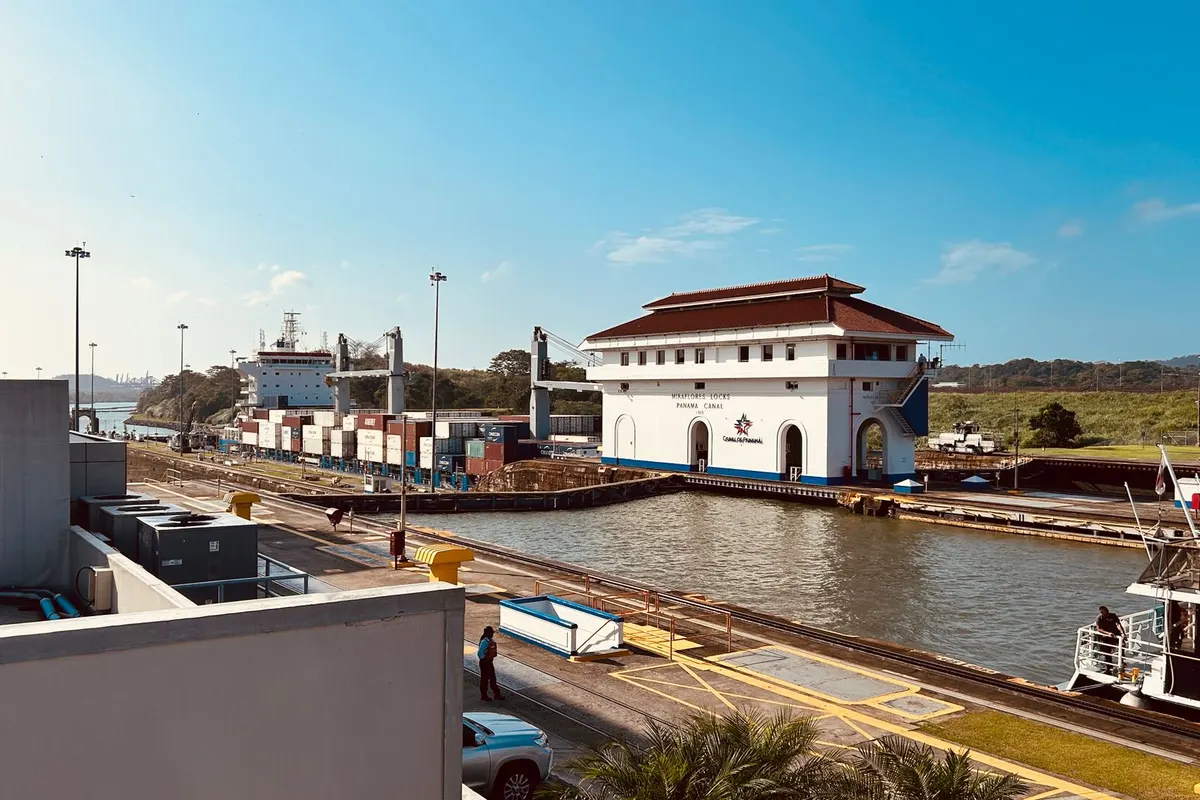
    The Panama Canal
    The Panama Canal

    A canal that connects the world, a colonial old town, Caribbean island paradises and coffee highlands — small Panama packs a lot in. Here are 6 of the best places to visit on your days off or travels during a working holiday.

    The Panama Canal
    No.1

    The Panama Canal

    Linking the Pacific and the Atlantic (Caribbean), the Panama Canal opened in 1914 and remains one of the 20th century’s greatest engineering feats. W…

    Getting there:About 20–30 minutes by road from central Panama City to Miraflores Locks

    Read the full guide →
    Casco Viejo
    No.2

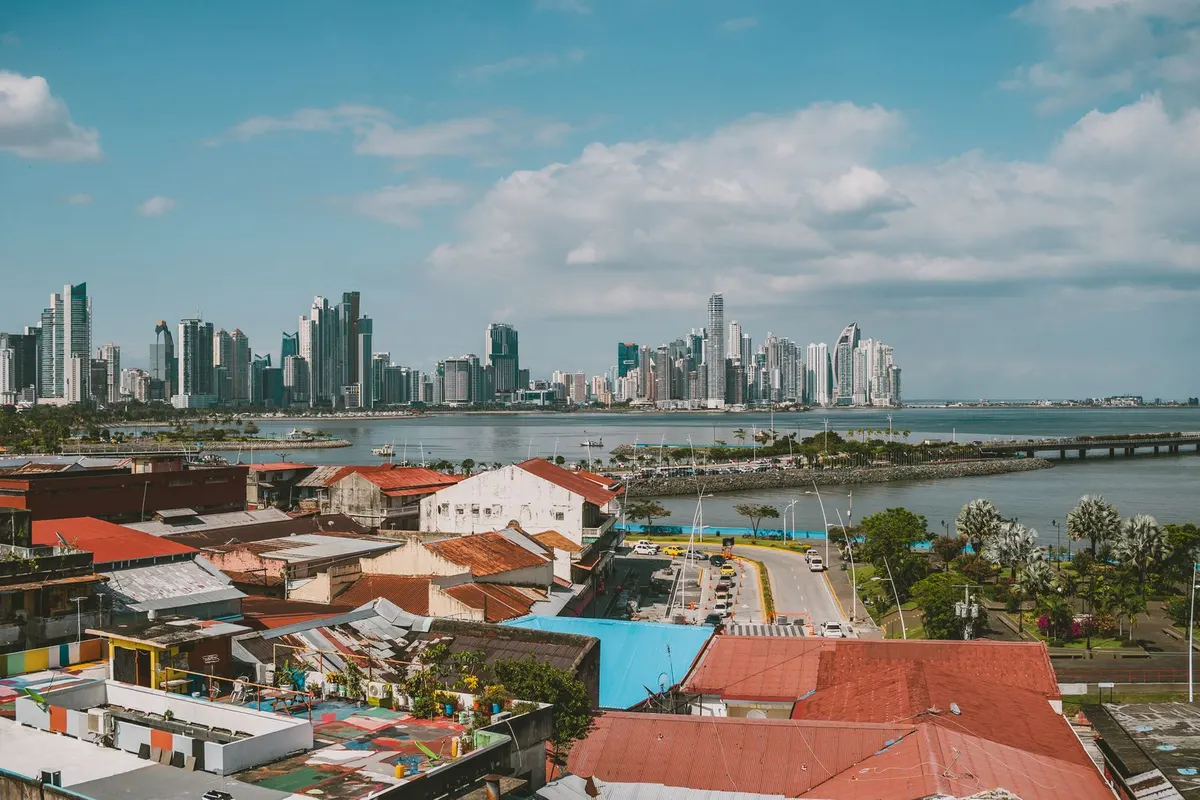
    Casco Viejo

    Panama City’s historic quarter, Casco Viejo, was built in 1673 after pirates destroyed the old city and is now a World Heritage Site. Colourful balco…

    Getting there:About 30–40 minutes by road from Tocumen Airport

    Read the full guide →
    The San Blas Islands (Guna Yala)
    No.3

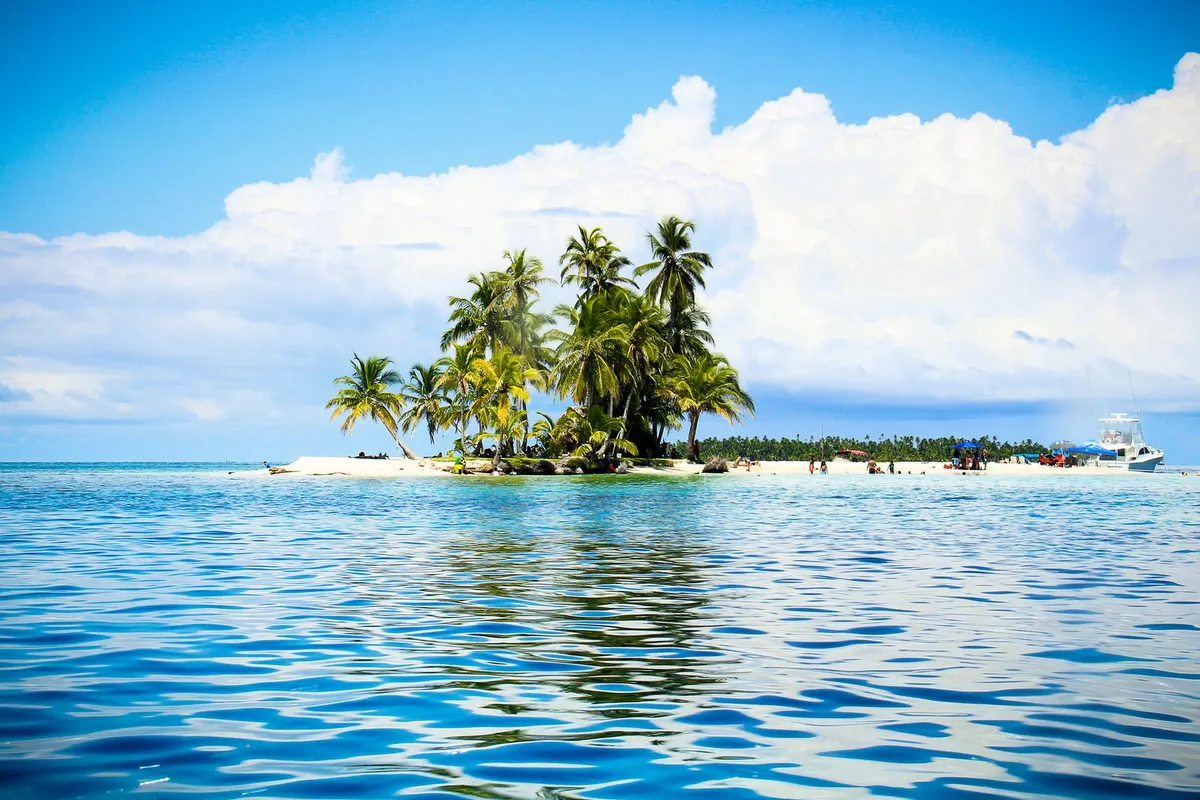
    The San Blas Islands (Guna Yala)

    Some 365 Caribbean islands make up San Blas, the self-governing territory of the Indigenous Guna people, Guna Yala. White sand, palms and crystal wat…

    Getting there:About 2.5–3 hours by 4×4 from Panama City, then a boat to the islands

    Read the full guide →
    Bocas del Toro
    No.4

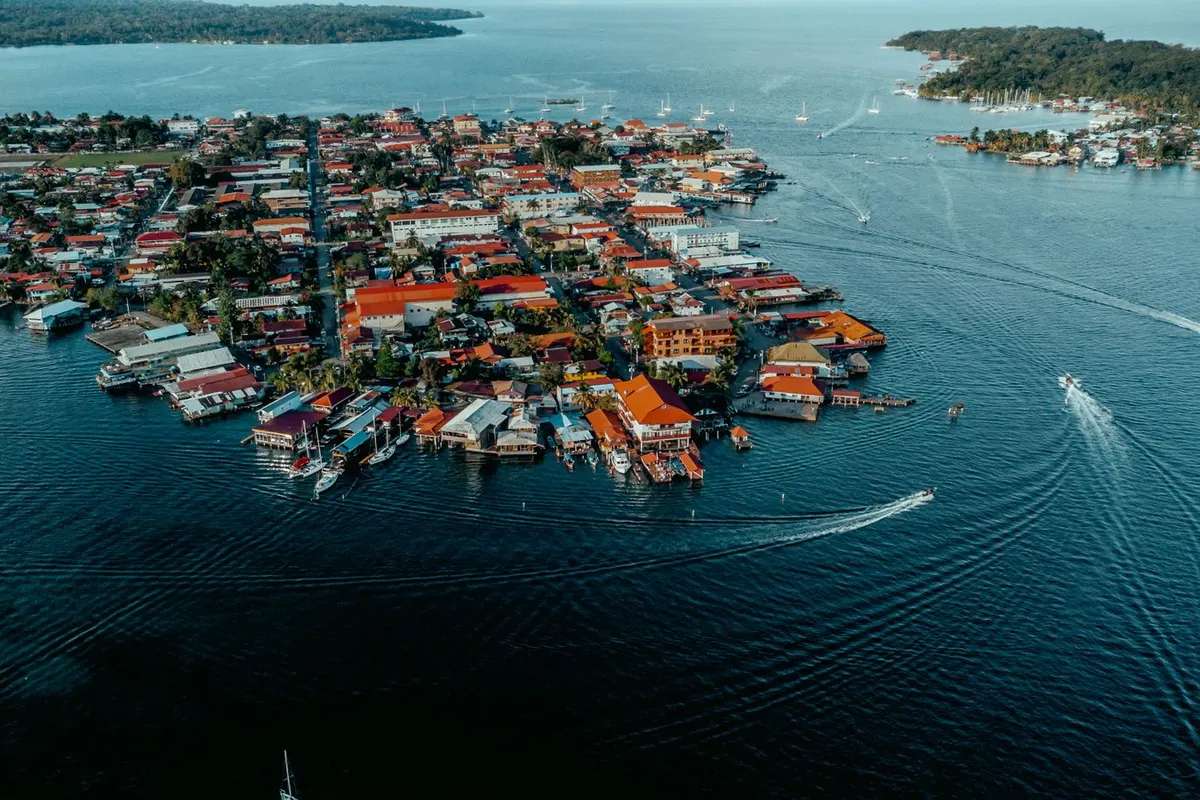
    Bocas del Toro

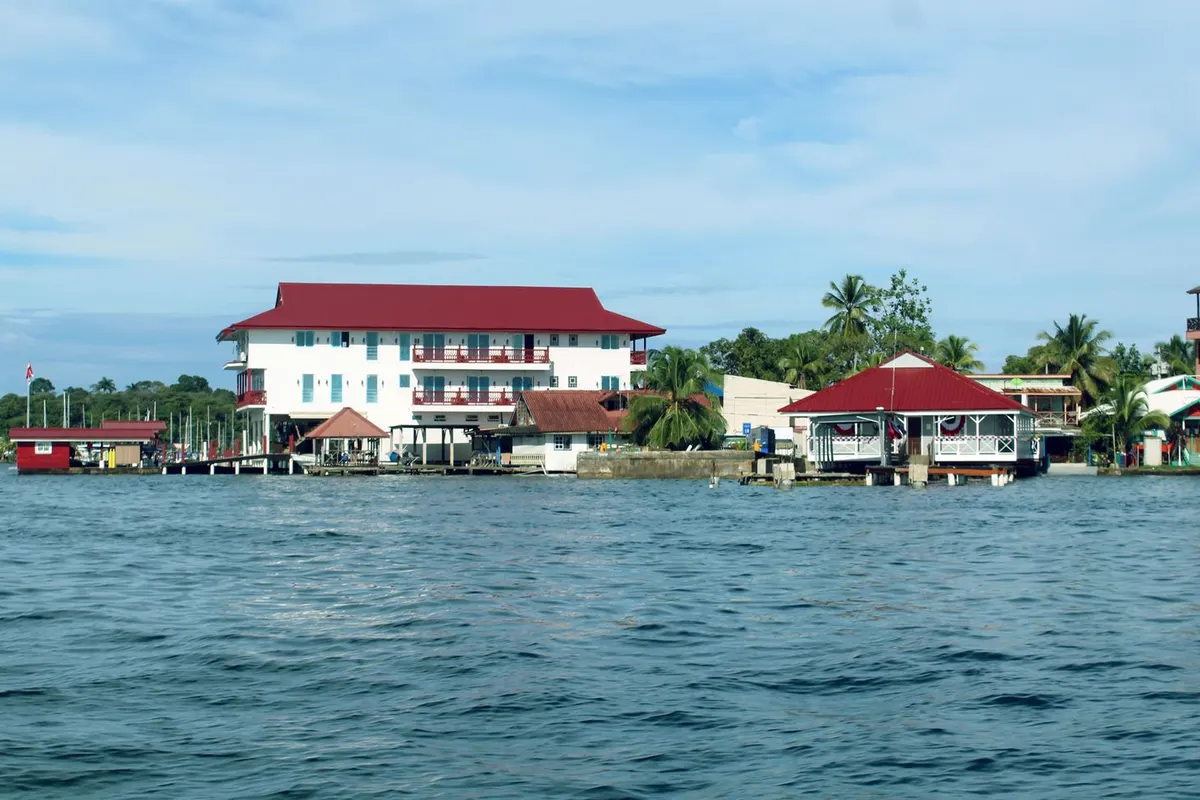
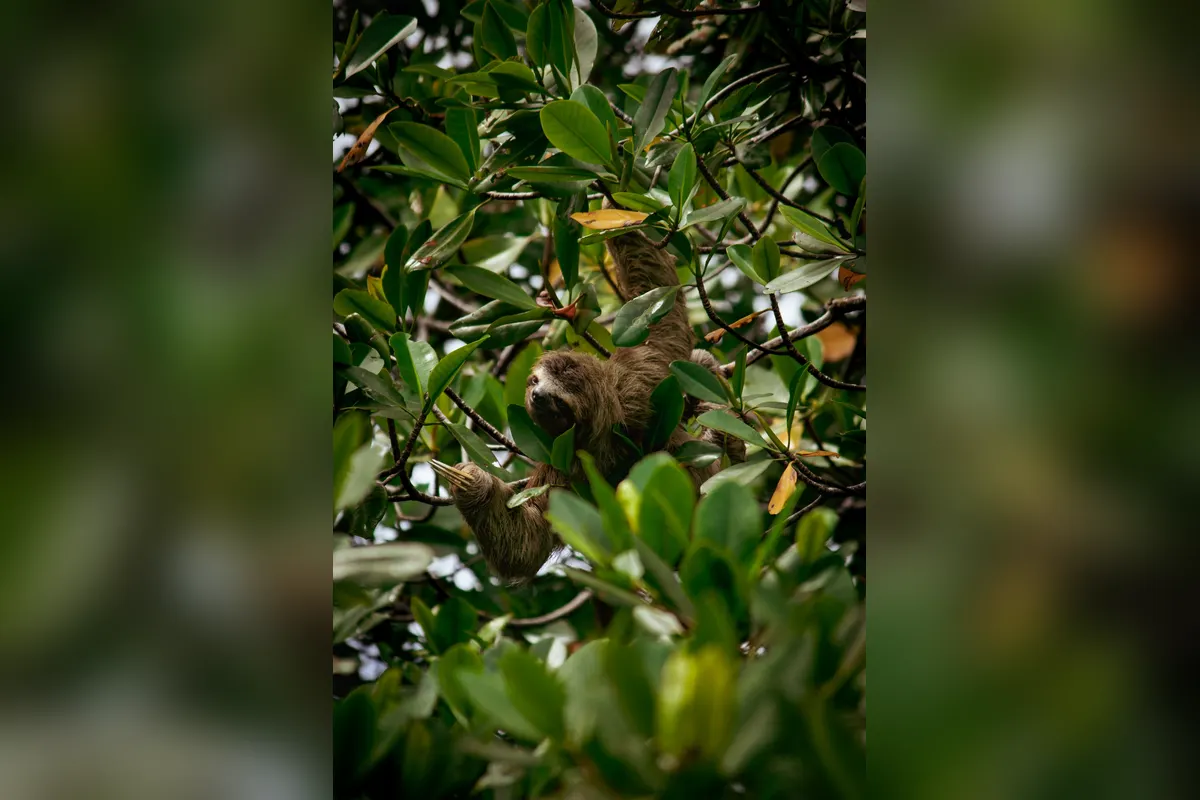
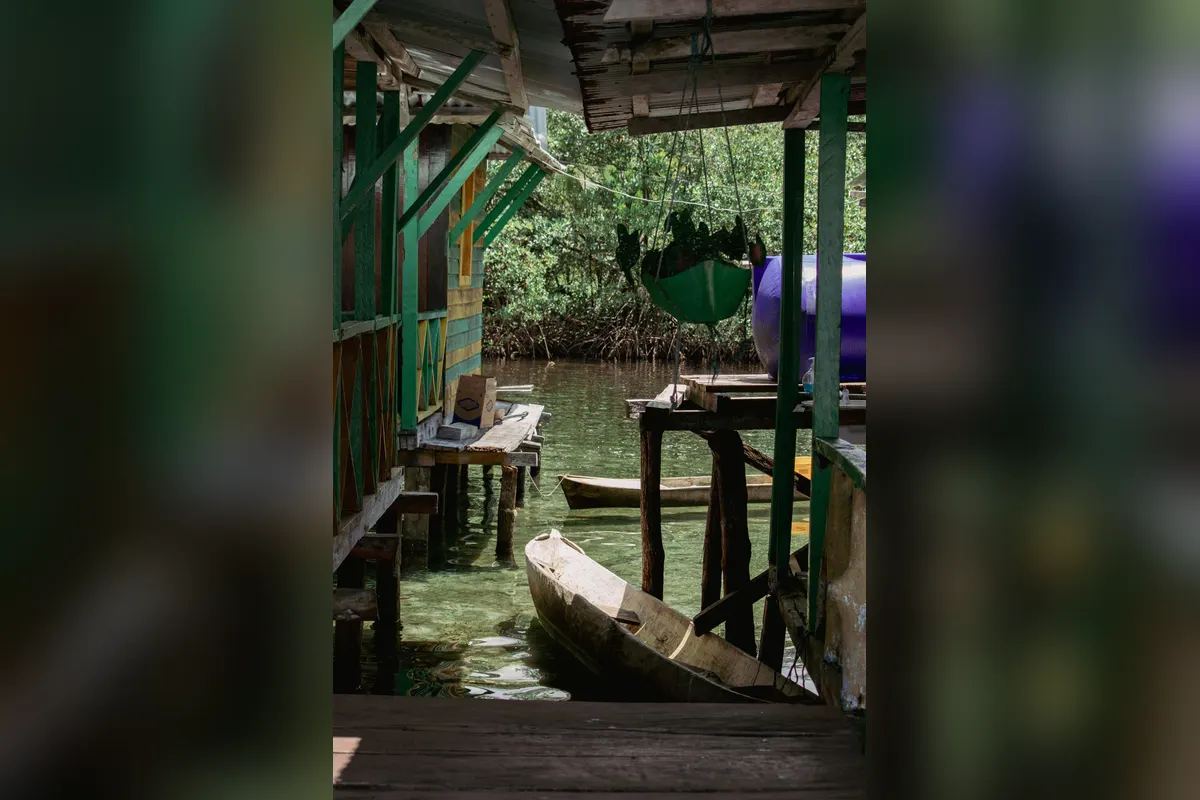
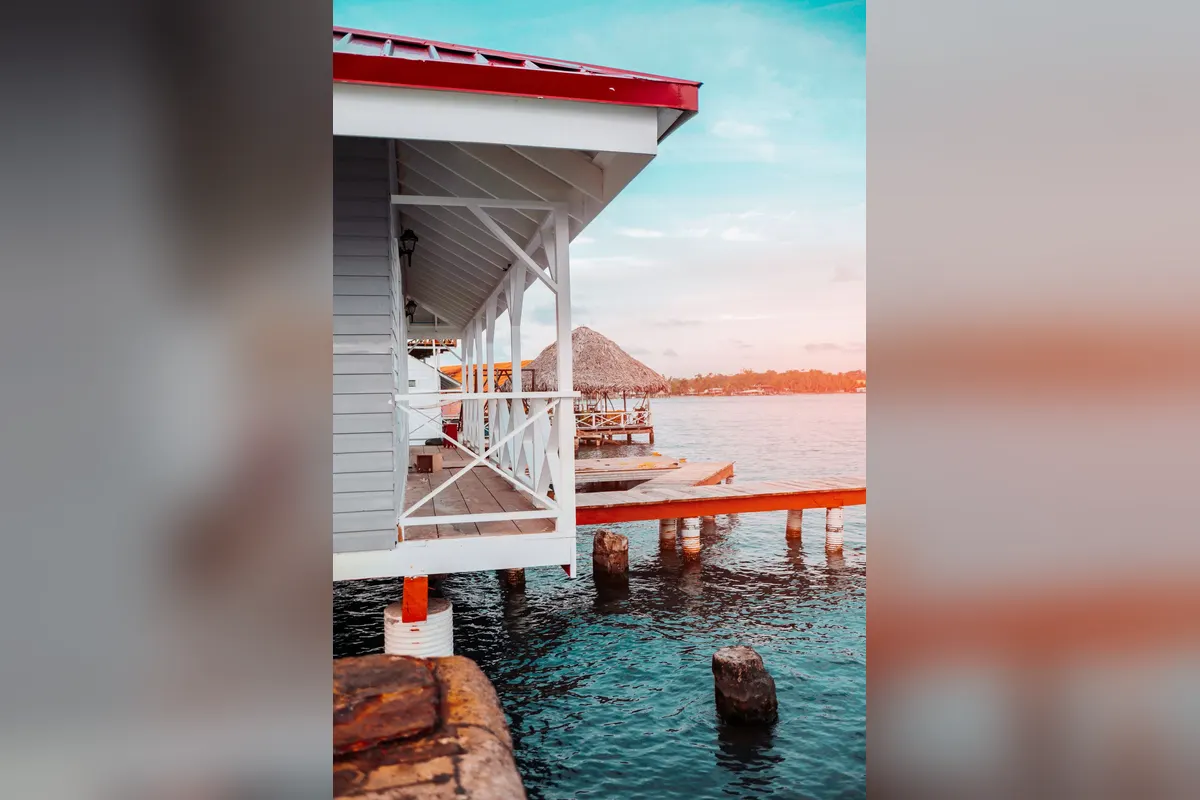
    On Panama’s Caribbean side, the Bocas del Toro archipelago offers colourful houses on stilts, a starfish-filled beach, sloths in the rainforest and a…

    Getting there:About 1 hour by air from Panama City’s Albrook Airport

    Read the full guide →
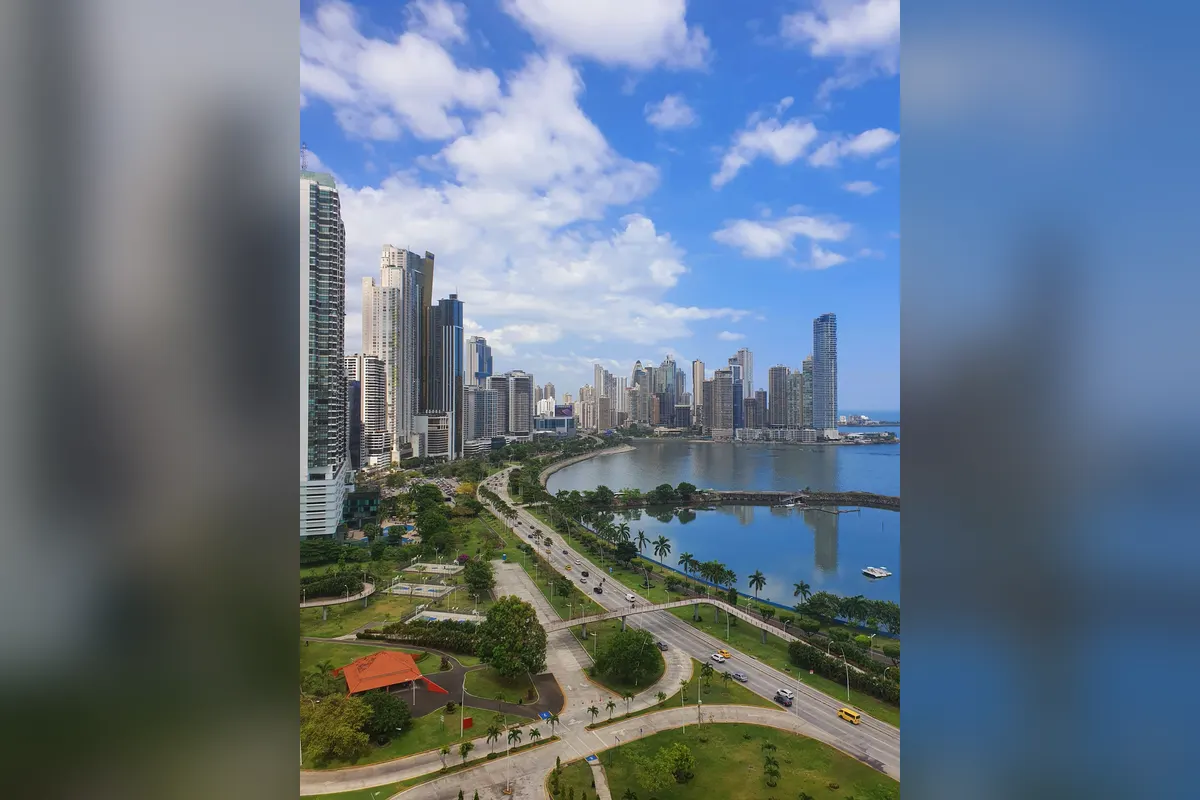
    Panama City
    No.5

    Panama City

    The skyscraper-filled “Dubai of Central America” — walk the Cinta Costera or cycle the Amador Causeway.

    Getting there:About 30 minutes by road from Tocumen Airport
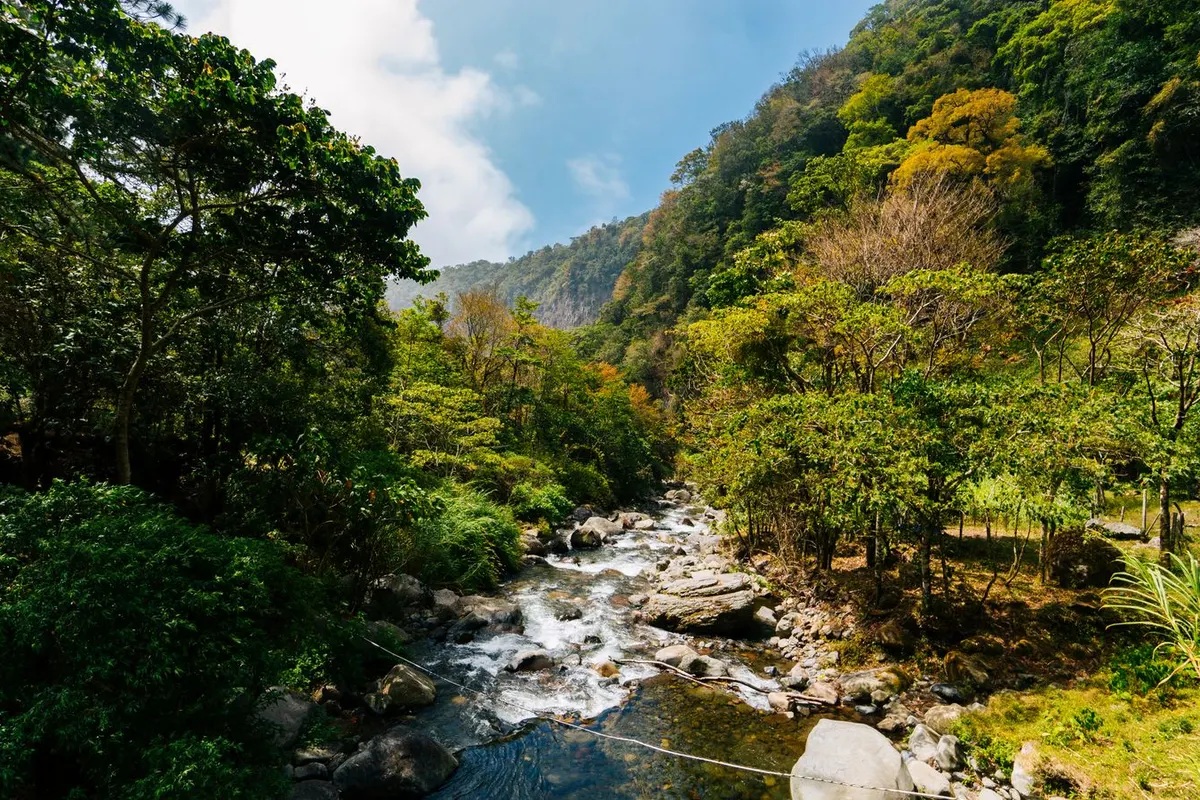
    Boquete
    No.6

    Boquete

    A cool highland town for Geisha coffee farm tours, rainforest hikes and climbing Volcán Barú.

    Getting there:About 1 hour by air from Panama City to David, then 1 hour by bus

    FAQ

    What are the most popular places?

    The Panama Canal and Casco Viejo.

    How do I get around?

    Domestic flights, buses and boats to the islands.

    When is the best time to travel?

    The dry season, December–April.

    What currency is used?

    The balboa, alongside US dollar notes.

    Planning a working holiday in Panama?Visa basics and a take-home pay calculator.
    Panama guide →

    Photos: Pexels
  • The San Blas Islands (Guna Yala) Travel Guide

    The San Blas Islands (Guna Yala) Travel Guide

    A palm-covered islet
    A palm-covered islet

    Some 365 Caribbean islands make up San Blas, the self-governing territory of the Indigenous Guna people, Guna Yala. White sand, palms and crystal water on tiny islands offer a simple island life with little power or signal.

    LocationThe Caribbean, northeast Panama
    Getting thereAbout 2.5–3 hours by 4×4 from Panama City, then a boat to the islands
    Best timeDecember–April (dry season)
    Time needed1–3 nights

    How to get there

    1. 4×4 transfers from Panama City hotels reach the port of Cartí in about 2.5–3 hours.
    2. Boats take you to the islands; most visitors book packages including transport, lodging and meals.
    3. An entry fee to Guna Yala is payable in cash.
    4. Bring your passport.

    Opening hours, prices and practical info

    Entry feeGuna Yala entry fee (cash)
    Access4×4 plus boat from Panama City
    FacilitiesLimited power, Wi-Fi and showers
    BringPassport, cash, sunscreen

    Prices and hours are from official sources as of November 2026 and may change — check the official website before you go.

    Highlights of The San Blas Islands (Guna Yala)

    Palm-fringed islets

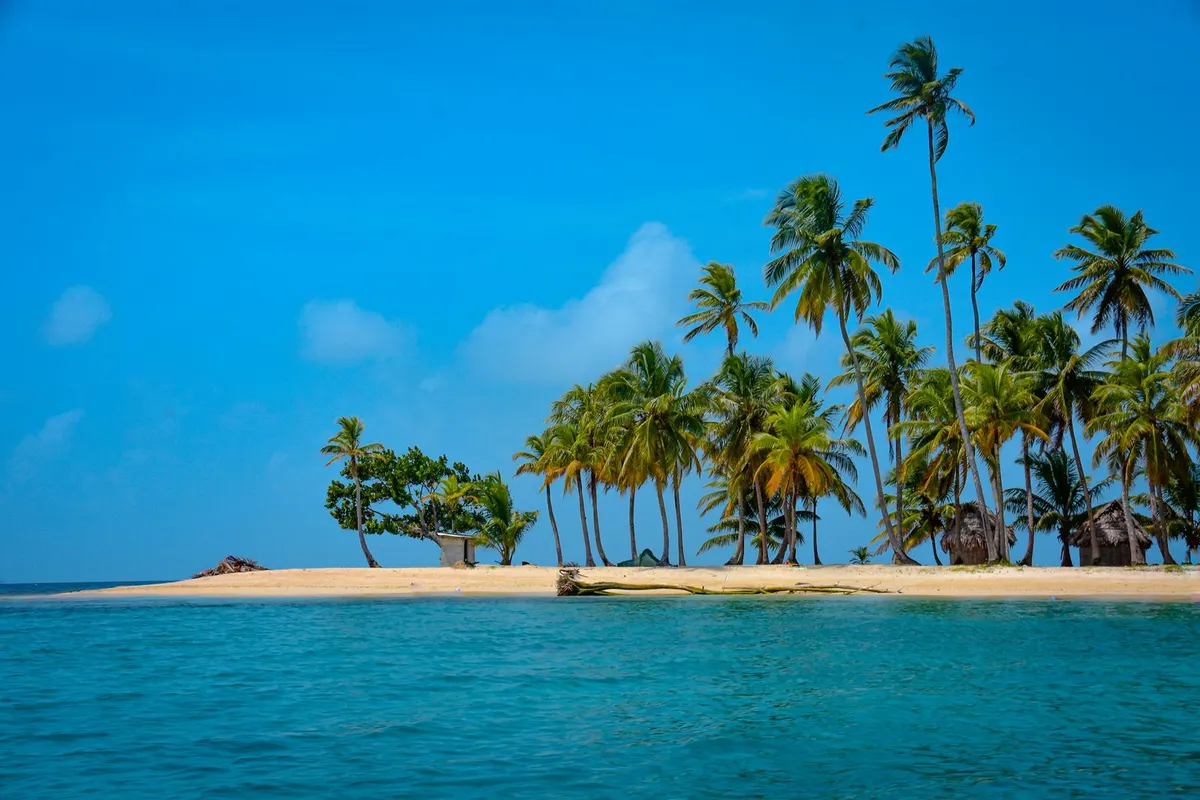
    Tiny islands of white sand and palms are picture-perfect paradise.

    Staying in Guna huts

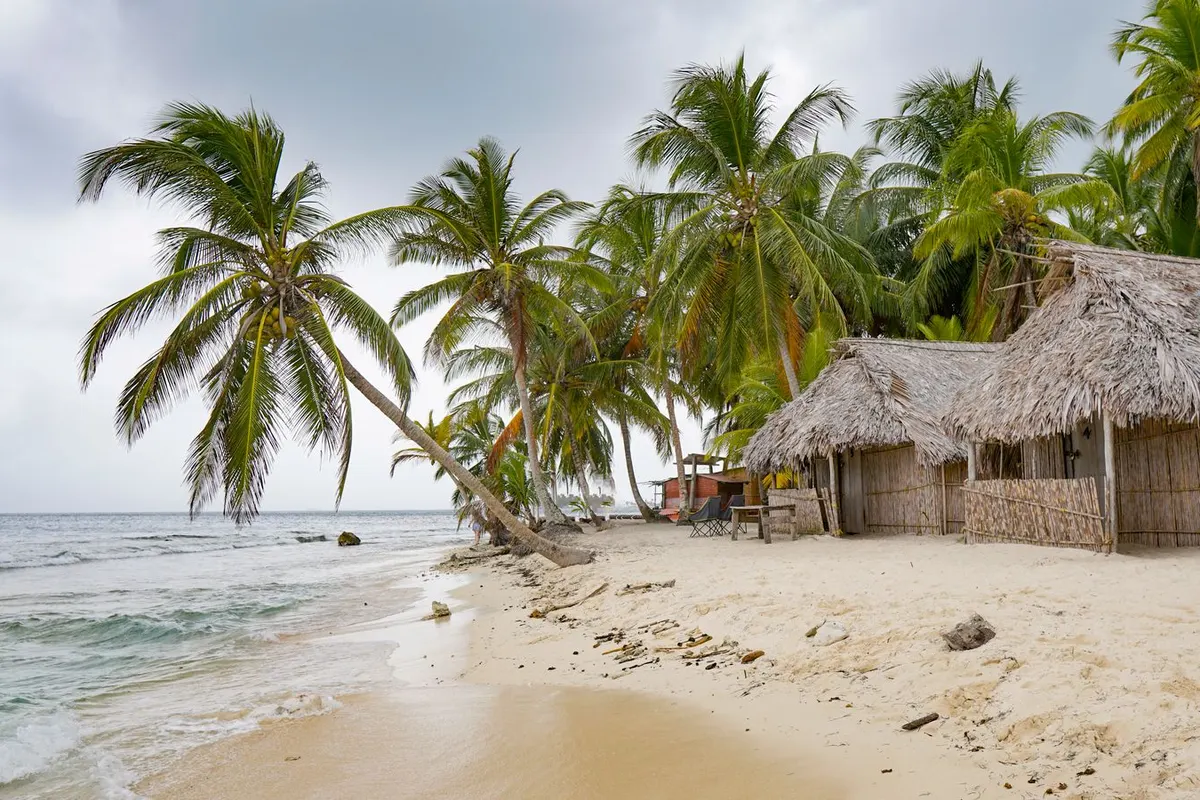
    Island lodging is in simple palm-thatched huts lulled by the waves.

    Palm huts on the beach
    Palm huts on the beach

    Crystal-clear water

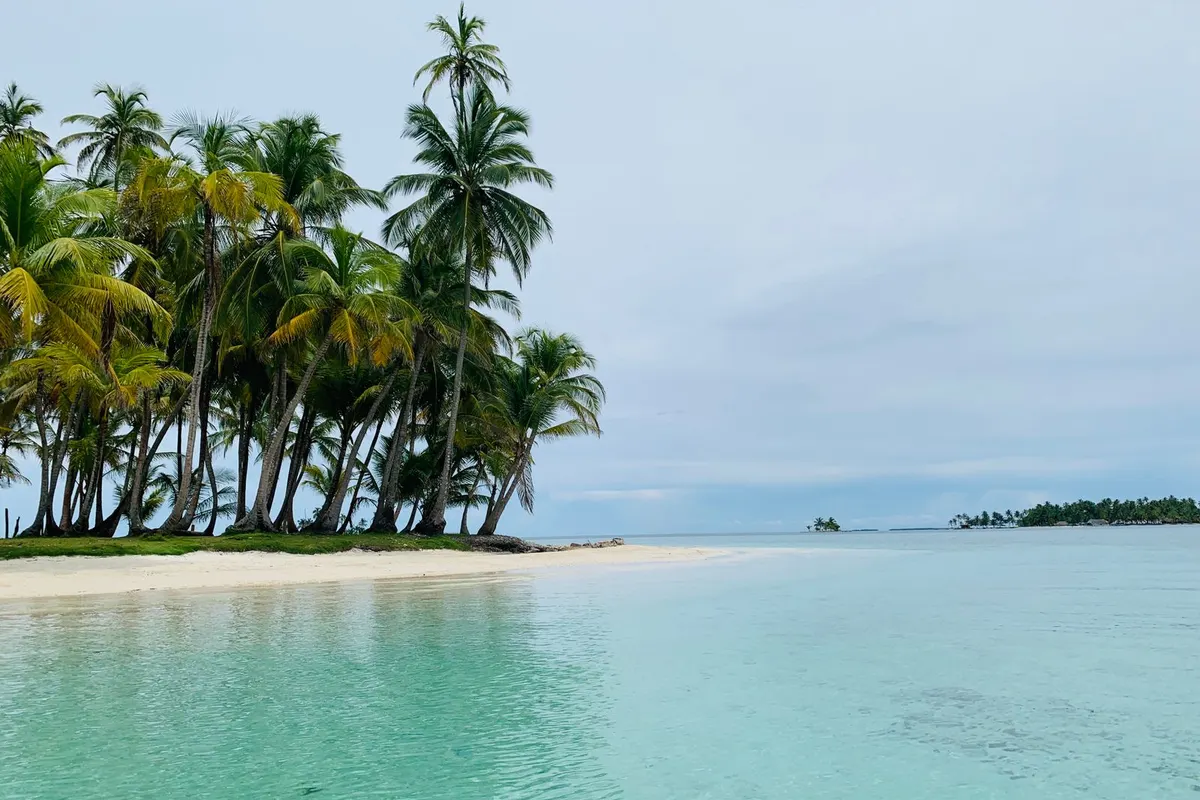
    Snorkel in shallow water with starfish and tropical fish.

    Clear water and palms
    Clear water and palms

    Guna culture

    See Guna traditions such as colourful mola textiles.

    Suggested itinerary

    • 4×4 from your Panama City hotel
    • Boat from Cartí to the islands
    • Beach and snorkelling
    • Island-hopping (including the natural pool)
    • A sky full of stars
    • Back to Panama City
    An island lined with palms
    An island lined with palms
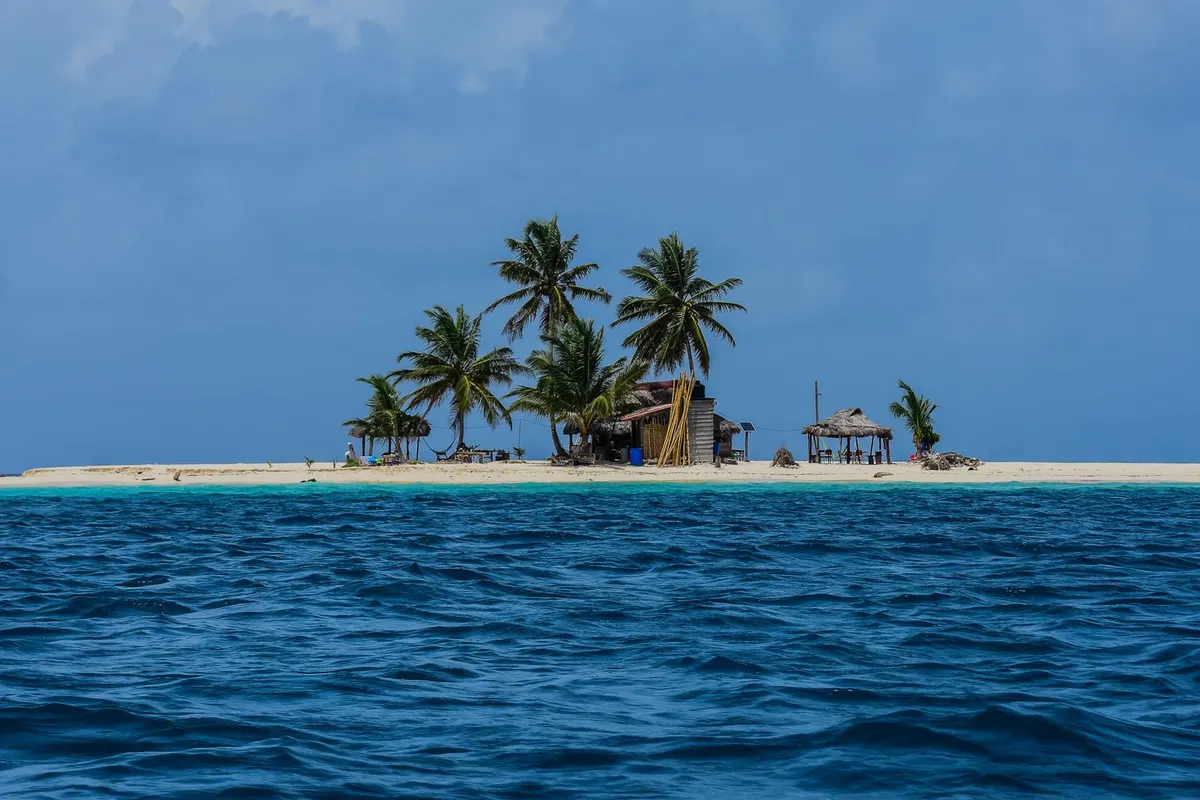
    An islet with huts
    An islet with huts

    Where to stay nearby

    AREA 1Island hutsSimple Guna-run lodging, usually with meals.
    AREA 2Private-island lodgesSlightly more comfortable options.
    AREA 3Sailing tripsSleep aboard and hop between islands.

    Tips for working holiday makers

    • Power, Wi-Fi and showers are limited — embrace the simplicity.
    • Ask before photographing Guna people; a fee may apply.
    • Bring plenty of US dollars in cash.
    • Take seasickness tablets if needed.

    FAQ

    Is it a day trip?

    Possible, but travel is long — stay at least a night.

    Do I need a tour?

    Packages with transport, lodging and meals are the norm.

    What is the lodging like?

    Simple palm-thatched huts.

    When should I go?

    December–April.

    Planning a working holiday in Panama?Visa basics and a take-home pay calculator.
    Panama guide →

    More places to visit in Panama

    Photos: Pexels (free stock photos) Take-home pay calculator
  • Bocas del Toro Travel Guide

    Bocas del Toro Travel Guide

    Bocas Town from above
    Bocas Town from above

    On Panama’s Caribbean side, the Bocas del Toro archipelago offers colourful houses on stilts, a starfish-filled beach, sloths in the rainforest and a laid-back Caribbean vibe — with surfing, diving and island-hopping boat trips.

    LocationNorthwest Panama on the Caribbean
    Getting thereAbout 1 hour by air from Panama City’s Albrook Airport
    Best timeSeptember–October and February–March (drier spells)
    Time needed3–4 days

    How to get there

    1. Flights from Albrook Airport to Isla Colón take about an hour.
    2. Or take a bus and boat (about 10 hours).
    3. Water taxis link the islands.
    4. Bocas Town is walkable.

    Opening hours, prices and practical info

    FlightAbout 1 hour from Albrook, Panama City
    Island transportWater taxis
    Best timeSeptember–October and February–March
    CurrencyBalboa (US dollar notes used)

    Prices and hours are from official sources as of November 2026 and may change — check the official website before you go.

    Highlights of Bocas del Toro

    Over-water town

    Colourful wooden buildings stand over the water in Bocas Town.

    Buildings over the water
    Buildings over the water

    Sloth spotting

    Spot sloths lazing in the rainforest canopy.

    A sloth in the trees
    A sloth in the trees

    Caribbean islands

    Boat tours visit Starfish Beach, Dolphin Bay and empty islands.

    A waterside hut
    A waterside hut

    Over-water cottages

    Stay in a cottage over the sea and watch Caribbean sunsets.

    An over-water cottage
    An over-water cottage

    Suggested itinerary

    • Fly to Isla Colón
    • Explore Bocas Town
    • Island-hopping (Dolphin Bay, Starfish Beach)
    • Sloth spotting in the rainforest
    • Surfing or snorkelling
    • Back to Panama City

    Where to stay nearby

    AREA 1Bocas TownHostels and restaurants in the hub.
    AREA 2Isla BastimentosQuieter and wilder.
    AREA 3Over-water cottagesRomantic stays above the sea.

    Tips for working holiday makers

    • Rain is common year-round — bring rain gear.
    • Do not touch or lift the starfish.
    • Insect repellent is a must.
    • Carry US dollars in cash.

    FAQ

    How should I get there?

    A 1-hour flight from Panama City.

    Will I see sloths?

    Often, on rainforest tours.

    Does it rain a lot?

    Yes — bring rain gear.

    How long should I stay?

    3–4 days.

    Planning a working holiday in Panama?Visa basics and a take-home pay calculator.
    Panama guide →

    More places to visit in Panama

    Photos: Pexels (free stock photos) Take-home pay calculator
  • Casco Viejo Travel Guide

    Casco Viejo Travel Guide

    The historic quarter and modern skyline
    The historic quarter and modern skyline

    Panama City’s historic quarter, Casco Viejo, was built in 1673 after pirates destroyed the old city and is now a World Heritage Site. Colourful balconied buildings, cobbled plazas and rooftop bars with skyline views make it Panama’s most stylish meeting of old and new.

    LocationA peninsula in southwest Panama City
    Getting thereAbout 30–40 minutes by road from Tocumen Airport
    Best timeDecember–April (dry season)
    Time neededHalf a day to a day

    How to get there

    1. Taxis or ride-hailing take about 30–40 minutes from Tocumen Airport.
    2. You can walk from downtown along the Cinta Costera waterfront.
    3. The quarter is walkable.
    4. Miraflores Locks are about 20 minutes away by car.

    Opening hours, prices and practical info

    World HeritageArchaeological Site of Panamá Viejo and Historic District of Panamá (1997)
    Getting thereAbout 30–40 minutes from the airport
    CurrencyBalboa (US dollar notes used)
    Best seasonDecember–April

    Prices and hours are from official sources as of November 2026 and may change — check the official website before you go.

    Highlights of Casco Viejo

    Colourful streets and the cathedral

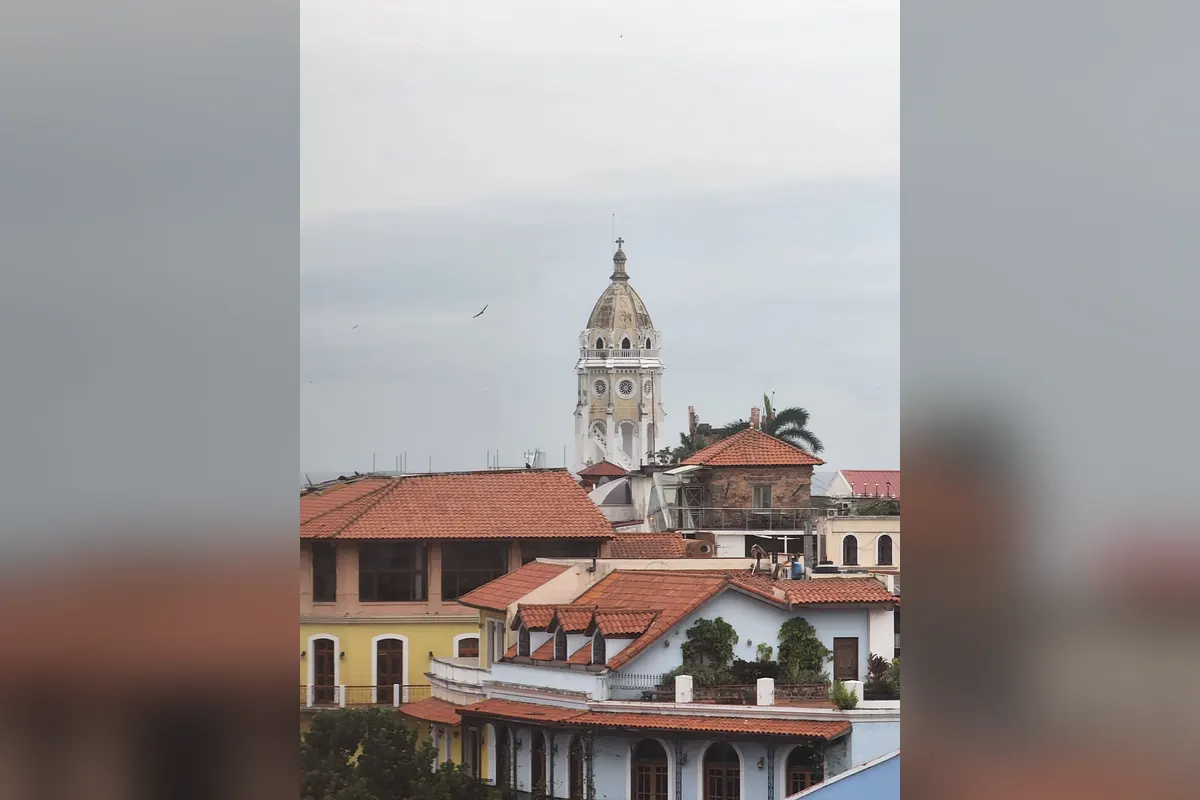
    The white-towered Metropolitan Cathedral rises among red roofs and balconies.

    Red roofs and the cathedral
    Red roofs and the cathedral

    Sea and skyline

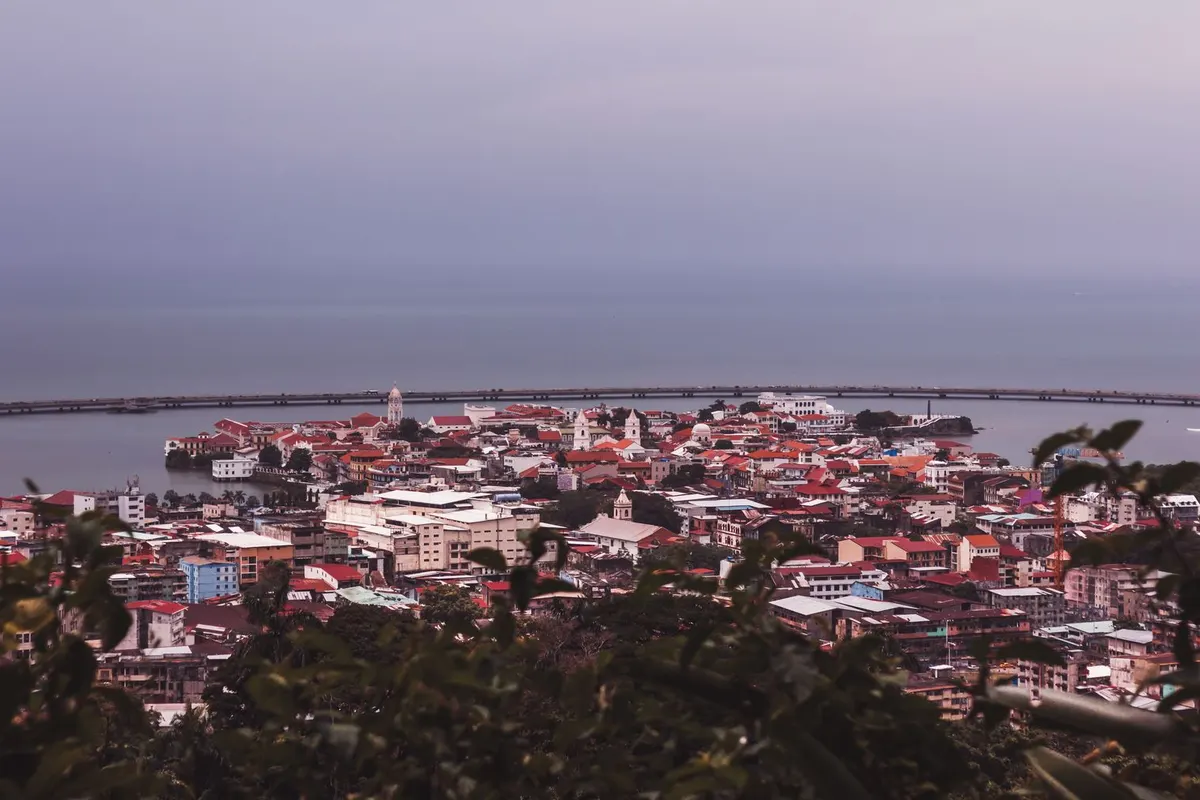
    Across Panama Bay, the modern skyline rises behind the old quarter.

    The quarter at night

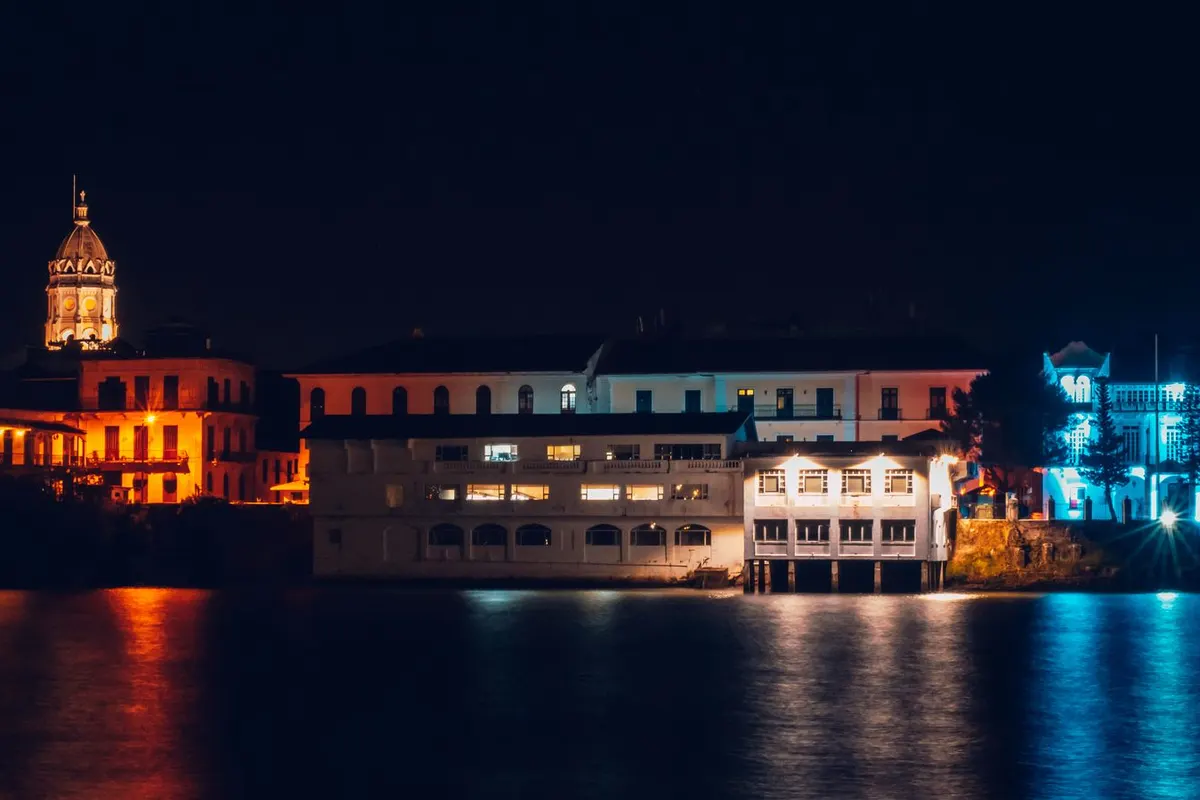
    Lit-up buildings reflect in the sea, and rooftop bars buzz at night.

    The quarter at night
    The quarter at night

    The hat street art

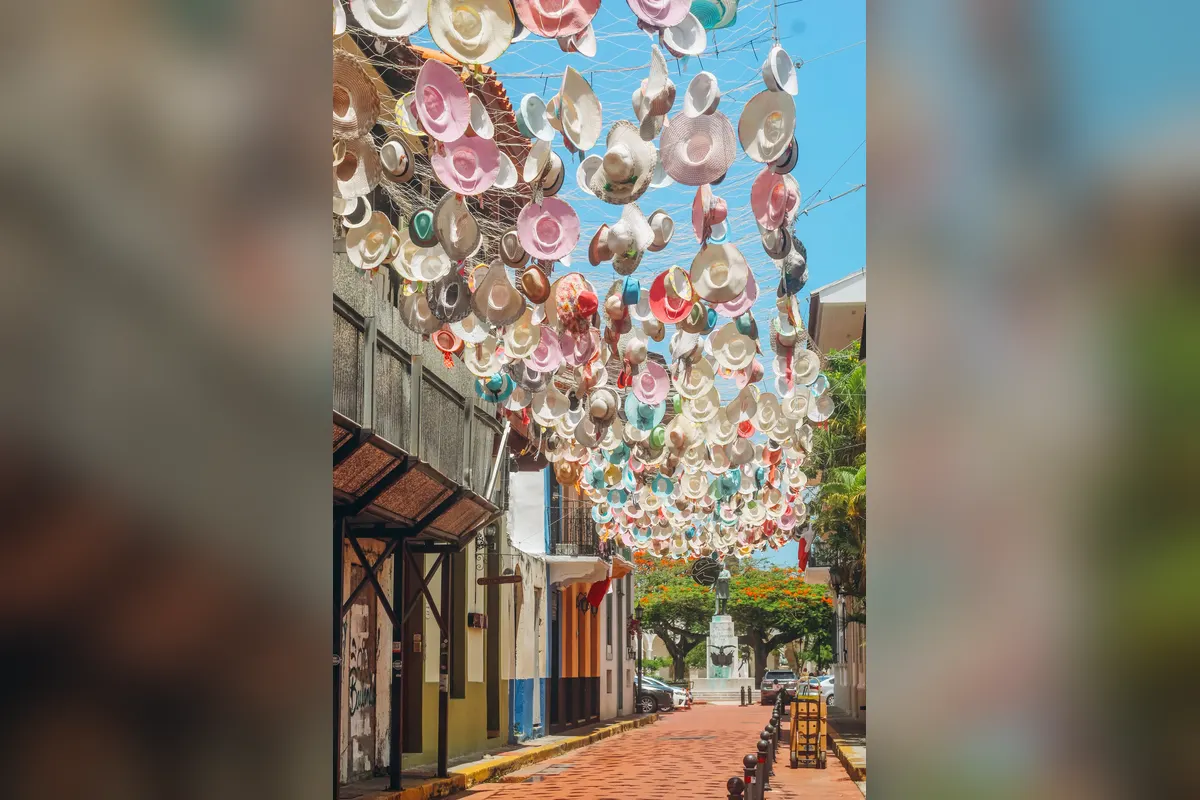
    A lane strung with hats overhead is a favourite photo spot.

    Hat street art
    Hat street art

    Suggested itinerary

    • Plaza de Francia and the seafront walk
    • The cathedral and Plaza de la Independencia
    • Panamanian lunch
    • The Panama Canal Museum
    • Panamanian Geisha coffee at a café
    • Night views from a rooftop bar
    The quarter and sea from above
    The quarter and sea from above

    Where to stay nearby

    AREA 1Casco ViejoBoutique hotels in restored buildings.
    AREA 2DowntownHigh-rise hotels.
    AREA 3Along the Cinta CosteraSeafront and walkable.

    Tips for working holiday makers

    • The tourist area is fairly safe, but avoid neighbouring districts at night.
    • Try Panama’s prized Geisha coffee.
    • Mola textile panels make great souvenirs.
    • Carry an umbrella in the rainy season.

    FAQ

    Is it safe?

    The tourist area is fairly safe; take care around it at night.

    How long do I need?

    Half a day to a day.

    How should I spend it?

    Explore by day, rooftop bars by night.

    Can I combine it with the canal?

    Yes, about 20 minutes away.

    Planning a working holiday in Panama?Visa basics and a take-home pay calculator.
    Panama guide →

    More places to visit in Panama

    Photos: Pexels (free stock photos) Take-home pay calculator
  • The Panama Canal Travel Guide

    The Panama Canal Travel Guide

    Ships in the locks
    Ships in the locks

    Linking the Pacific and the Atlantic (Caribbean), the Panama Canal opened in 1914 and remains one of the 20th century’s greatest engineering feats. Watching giant container ships rise and fall in the locks is astonishing up close — easiest at Miraflores Locks near Panama City.

    LocationCentral Panama, near Panama City
    Getting thereAbout 20–30 minutes by road from central Panama City to Miraflores Locks
    Best timeDecember–April (dry season)
    Time neededHalf a day

    How to get there

    1. Taxis or ride-hailing reach the Miraflores Locks Visitor Center in about 20–30 minutes.
    2. The Agua Clara Locks on the Caribbean side (expanded canal) also have a visitor centre.
    3. Partial transit cruises through the canal are popular.
    4. From Japan, connect via the US to Tocumen International Airport.

    Opening hours, prices and practical info

    Miraflores LocksPaid visitor centre
    Opened1914 (expanded canal 2016)
    Getting thereAbout 20–30 minutes from Panama City
    CurrencyBalboa (US dollar notes used)

    Prices and hours are from official sources as of November 2026 and may change — check the official website before you go.

    Highlights of The Panama Canal

    Miraflores Locks

    From the viewing decks, watch ships rise and fall within the locks.

    Giant container ships

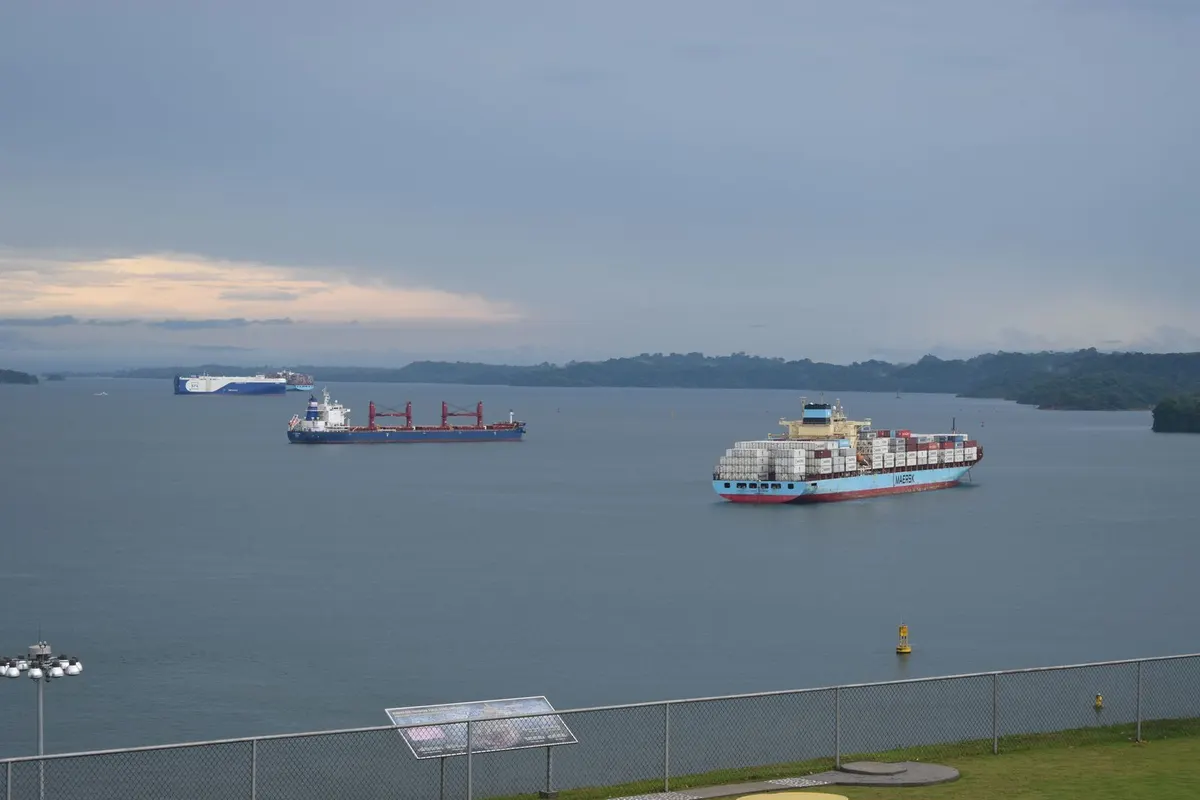
    Guided by tugs, the huge ships are even bigger than you imagine.

    Miraflores Locks
    Miraflores Locks

    How the locks work

    The visitor centre museum explains the canal’s history and construction.

    A container ship guided by tugs
    A container ship guided by tugs

    The Bridge of the Americas

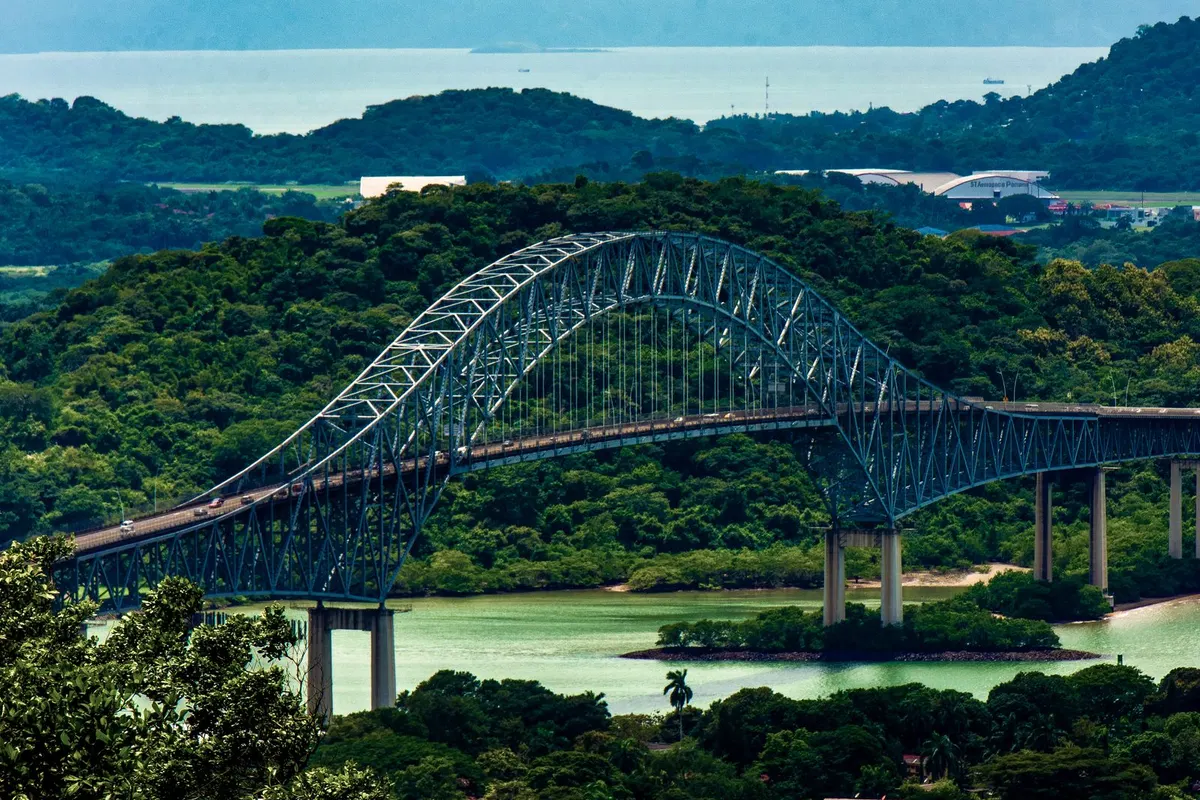
    This arch bridge at the Pacific entrance symbolises the link between the Americas.

    The Bridge of the Americas
    The Bridge of the Americas

    Suggested itinerary

    • Head to Miraflores Locks
    • Watch ships from the viewing deck
    • Museum and film
    • Lunch on the Amador Causeway
    • View the Bridge of the Americas
    • On to Casco Viejo
    Ships on the canal
    Ships on the canal

    Where to stay nearby

    AREA 1Casco ViejoStylish historic-quarter hotels.
    AREA 2Downtown on Panama BayHigh-rise hotels in the modern city.
    AREA 3AmadorNear the canal entrance.

    Tips for working holiday makers

    • Ship timings vary daily — check with the visitor centre.
    • The balboa is the currency, but US dollar notes are used.
    • The rainy season (May–November) brings afternoon downpours.
    • The sun is strong — bring a hat and sunscreen.

    FAQ

    Will I definitely see ships?

    Timings vary — check at the visitor centre.

    Where is best to watch?

    Miraflores Locks, near Panama City.

    Can I sail through?

    Yes, on partial transit cruises.

    How long do I need?

    Half a day.

    Planning a working holiday in Panama?Visa basics and a take-home pay calculator.
    Panama guide →

    More places to visit in Panama

    Photos: Pexels (free stock photos) Take-home pay calculator
  • 6 Best Places to Visit in Uruguay

    6 Best Places to Visit in Uruguay

    Montevideo
    Montevideo

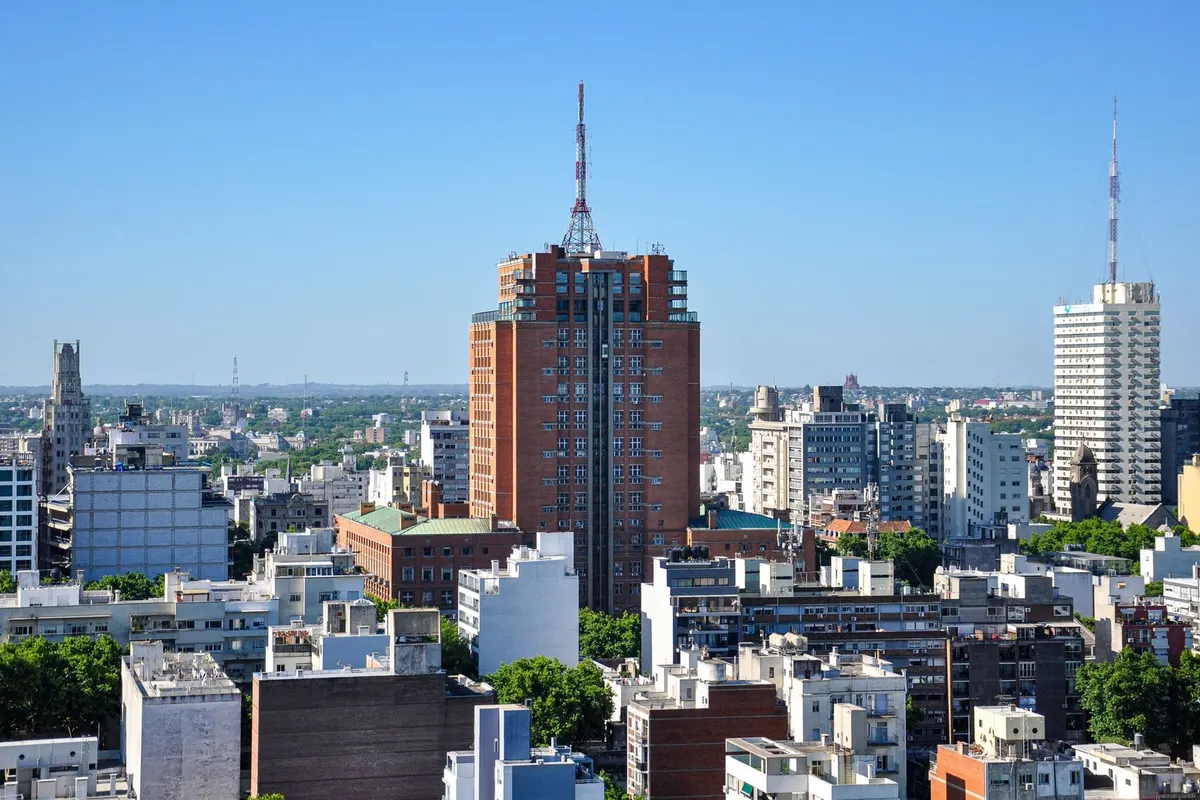
    A seaside capital, a cobbled World Heritage town, South America’s glitziest beach resort and an off-grid cape — Uruguay moves at a gentle pace. Here are 6 of the best places to visit on your days off or travels during a working holiday.

    Montevideo
    No.1

    Montevideo

    On the Río de la Plata, Uruguay’s capital Montevideo is one of South America’s safer, more relaxed cities. Walk the 22 km Rambla waterfront, pass thr…

    Getting there:About 2–3 hours by ferry from Buenos Aires; 30 minutes by road from Carrasco Airport

    Read the full guide →
    Colonia del Sacramento
    No.2

    Colonia del Sacramento

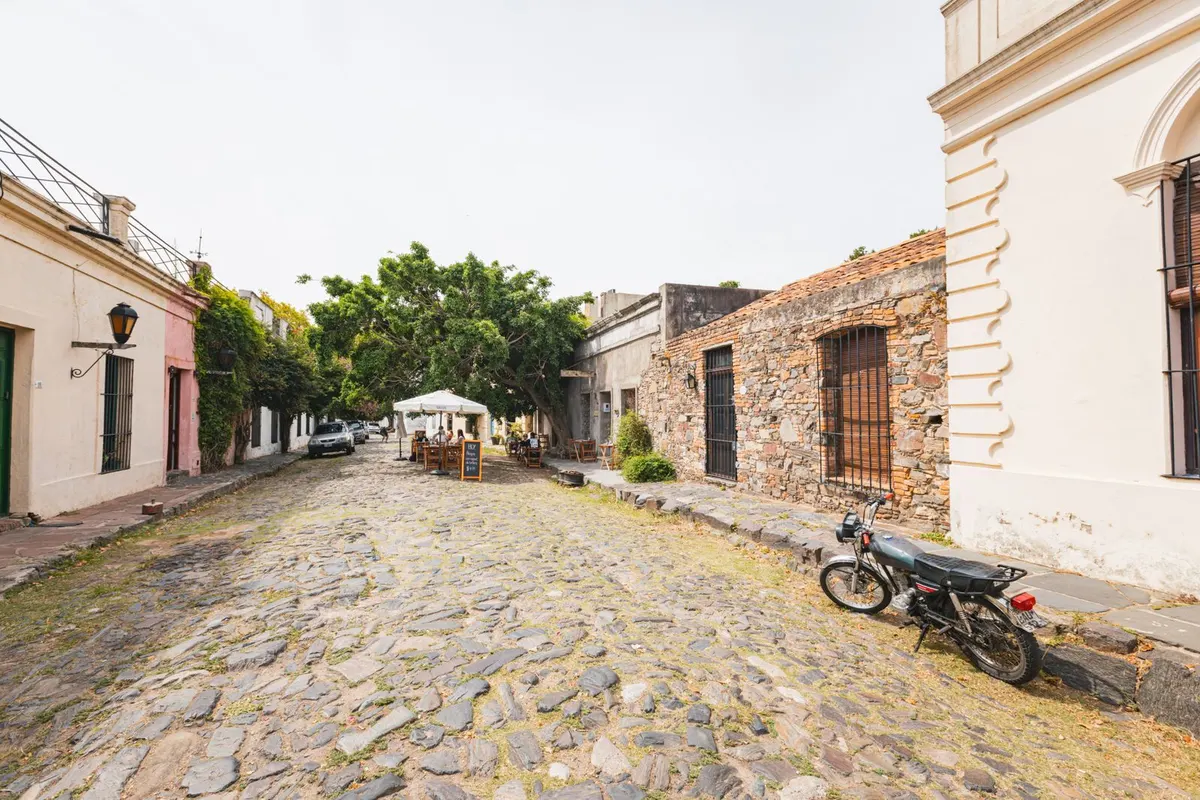
    Across the river from Buenos Aires, Colonia del Sacramento was founded by the Portuguese in the 17th century. Bougainvillea spills over old houses on…

    Getting there:About 1 hour 15 minutes by fast ferry from Buenos Aires; 2.5 hours by bus from Montevideo

    Read the full guide →
    Punta del Este
    No.3

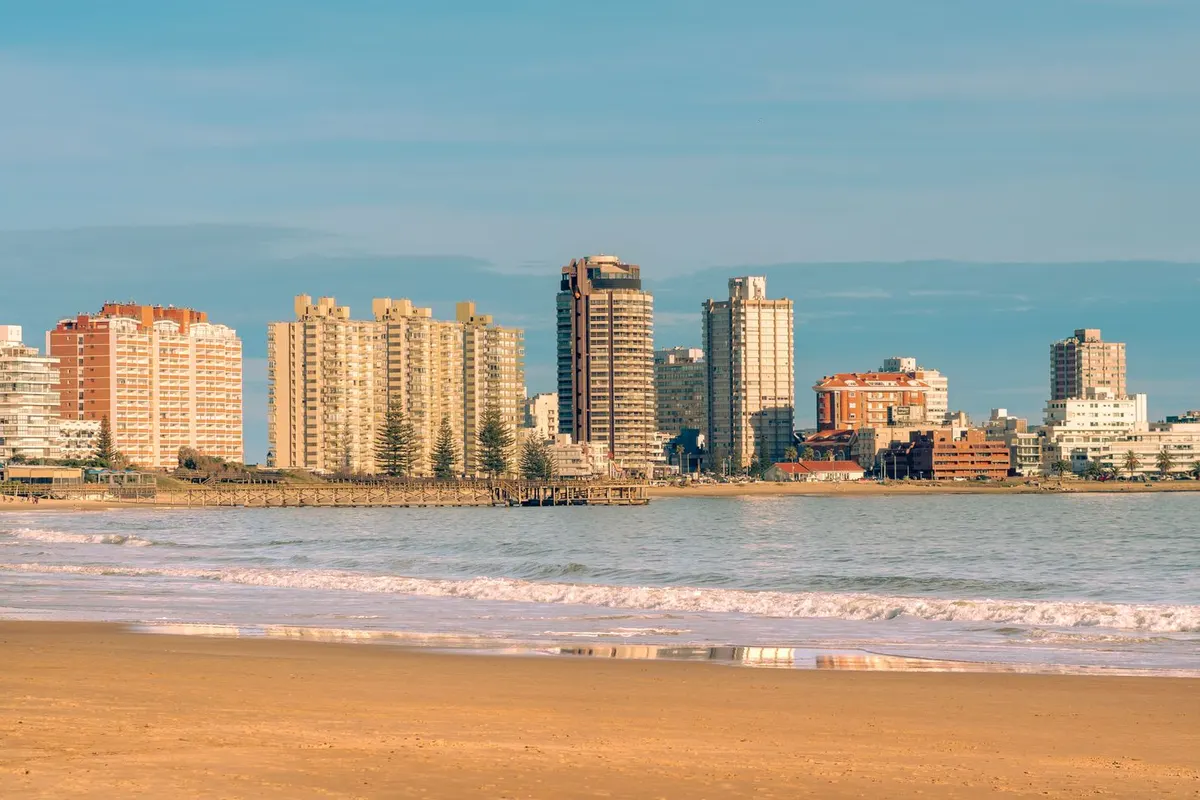
    Punta del Este

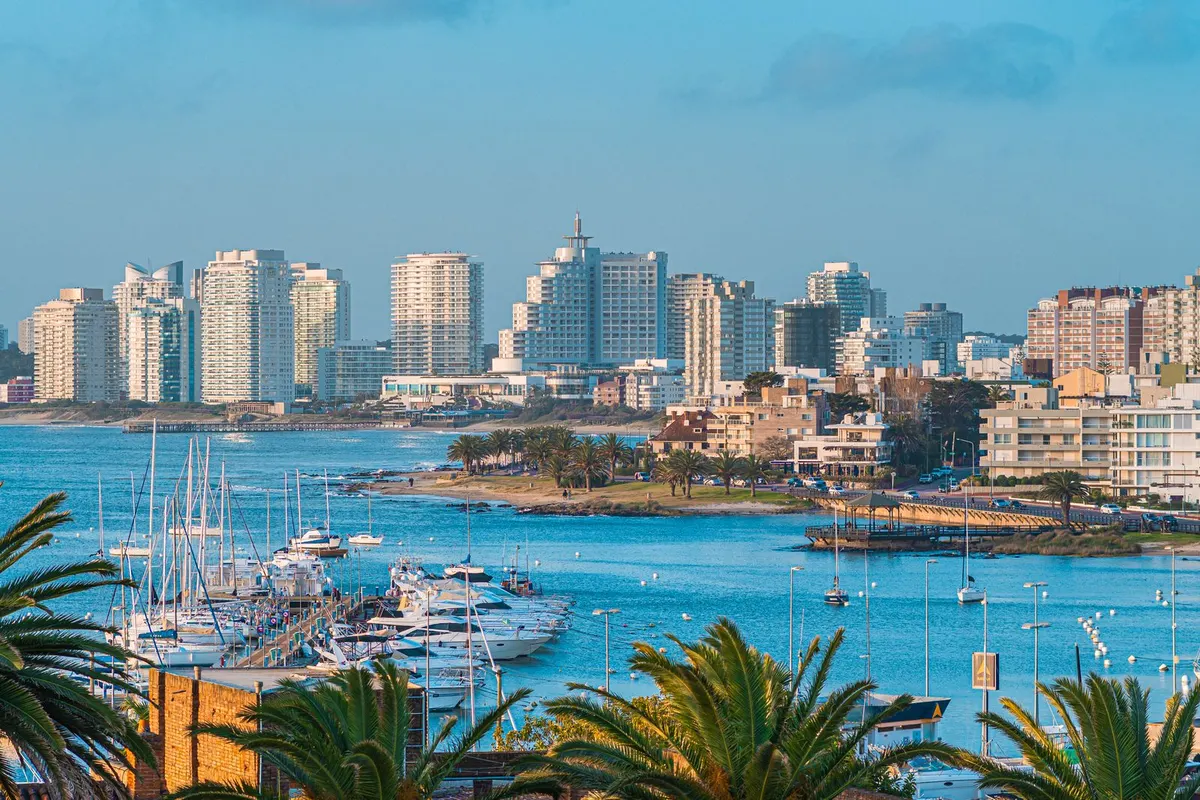
    Dubbed the “Monaco of South America”, Punta del Este is a beach resort on a peninsula jutting into the Atlantic. Calm Playa Mansa, surf-pounded Playa…

    Getting there:About 2 hours by bus from Montevideo

    Read the full guide →
    Cabo Polonio
    No.4

    Cabo Polonio

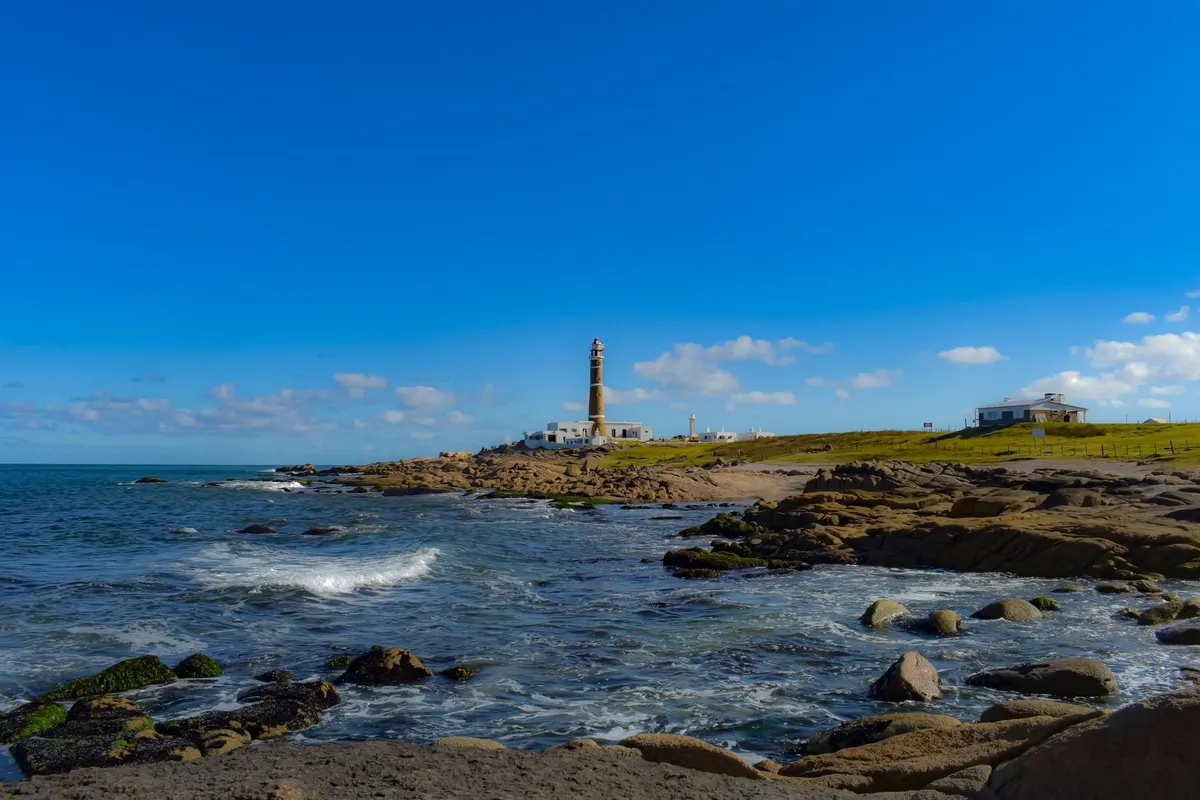
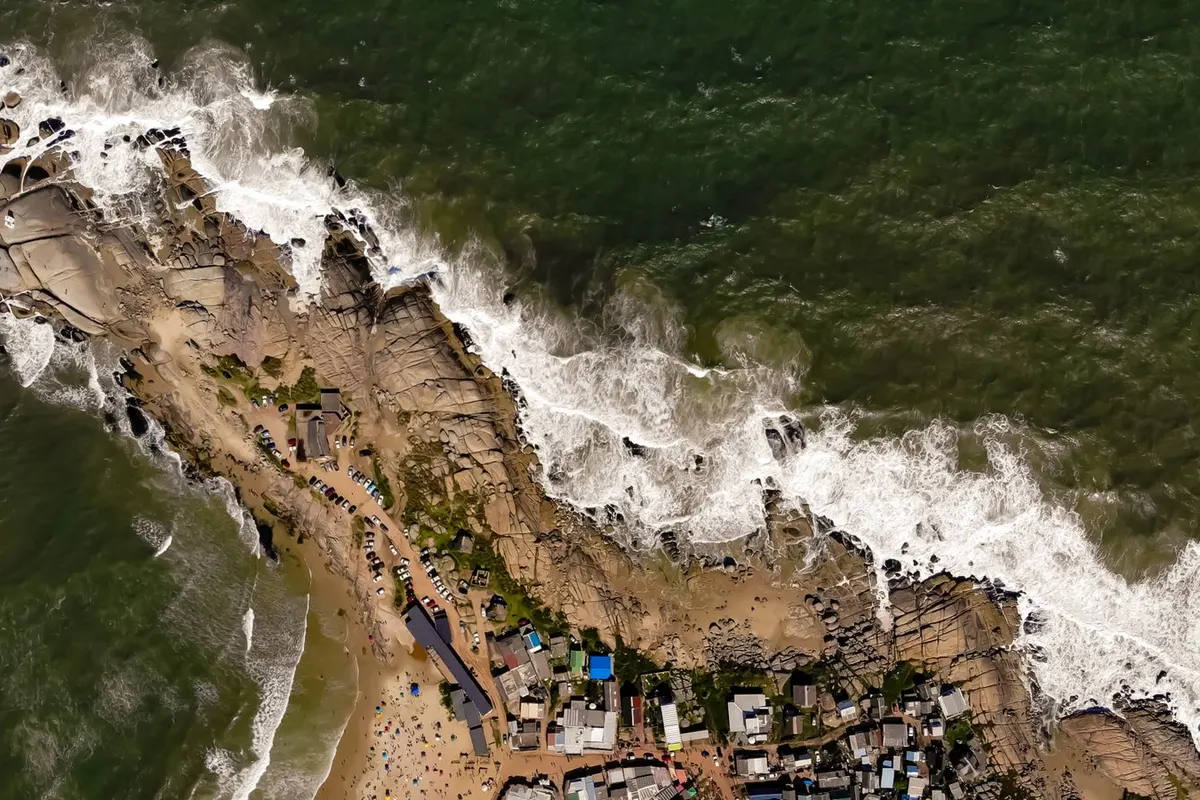
    On a cape jutting into the Atlantic, Cabo Polonio has no road — you reach it by 4×4 truck across the dunes. Expect simple living with limited electri…

    Getting there:About 4 hours by bus from Montevideo, then 30 minutes by 4×4 truck from the entrance

    Read the full guide →
    Punta del Diablo
    No.5

    Punta del Diablo

    A laid-back surf town with a fishing-village feel, colourful cabins and white beaches.

    Getting there:About 4.5 hours by bus from Montevideo

    La Paloma
    No.6

    La Paloma

    A small beach town on a peninsula with a lighthouse, surf and quiet sunsets.

    Getting there:About 3.5 hours by bus from Montevideo

    FAQ

    What are the most popular places?

    Colonia del Sacramento and Punta del Este.

    How do I get around?

    Long-distance buses cover the country.

    When is the best time to travel?

    December–March.

    Is it easy from Argentina?

    Yes — 1–3 hours by ferry from Buenos Aires.

    Planning a working holiday in Uruguay?Visa basics and a take-home pay calculator.
    Uruguay guide →

    Photos: Pexels
  • Cabo Polonio Travel Guide

    Cabo Polonio Travel Guide

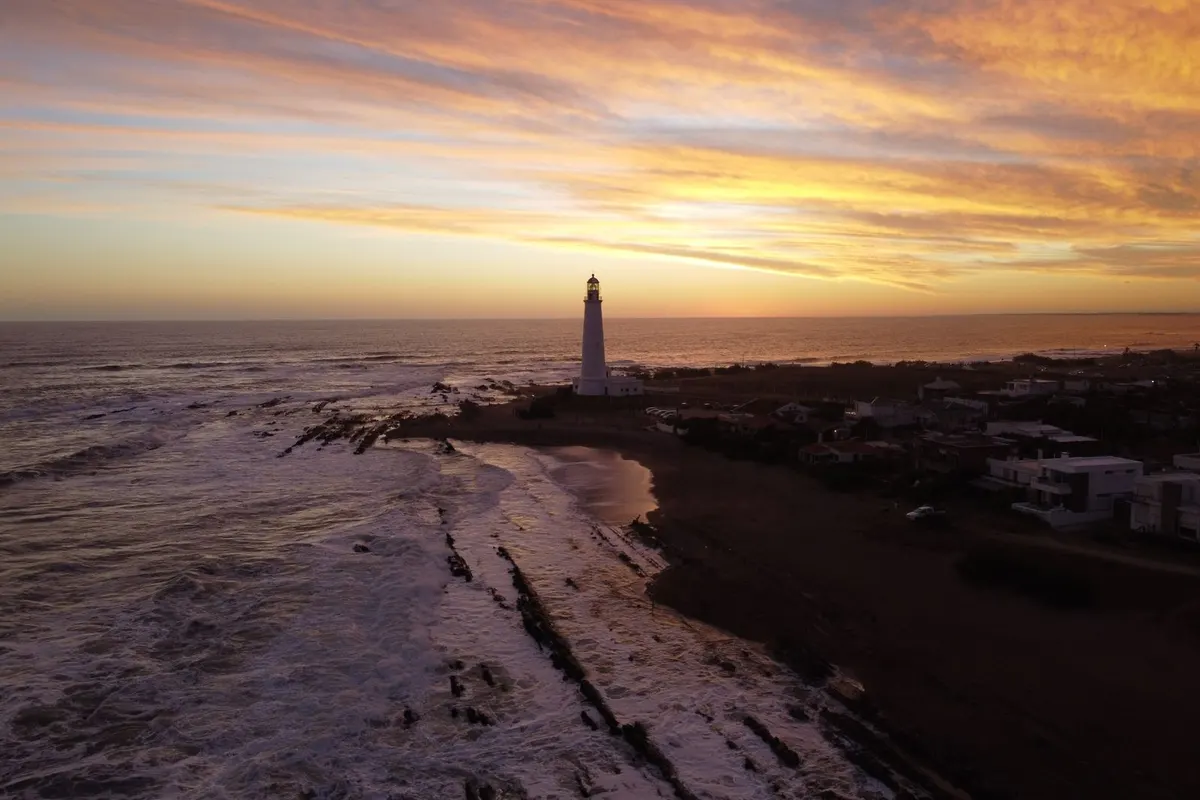
    The lighthouse and sea
    The lighthouse and sea

    On a cape jutting into the Atlantic, Cabo Polonio has no road — you reach it by 4×4 truck across the dunes. Expect simple living with limited electricity and water, sweeping lighthouse views, sea lions lounging on the rocks and a sky full of stars.

    LocationRocha Department, eastern Uruguay
    Getting thereAbout 4 hours by bus from Montevideo, then 30 minutes by 4×4 truck from the entrance
    Best timeDecember–March
    Time needed1–2 days

    How to get there

    1. Take a long-distance bus from Montevideo towards Rocha (about 4 hours) to the Cabo Polonio entrance.
    2. Switch to a 4×4 truck for the 30-minute ride over the dunes.
    3. Private cars cannot enter the village.
    4. The village is walkable.

    Opening hours, prices and practical info

    Access4×4 truck from the entrance (paid, about 30 minutes)
    LighthouseSmall fee
    ElectricityLimited (depends on lodging)
    ATMNone — bring cash

    Prices and hours are from official sources as of November 2026 and may change — check the official website before you go.

    Highlights of Cabo Polonio

    The lighthouse

    Climb the lighthouse for views over the Atlantic, dunes and village.

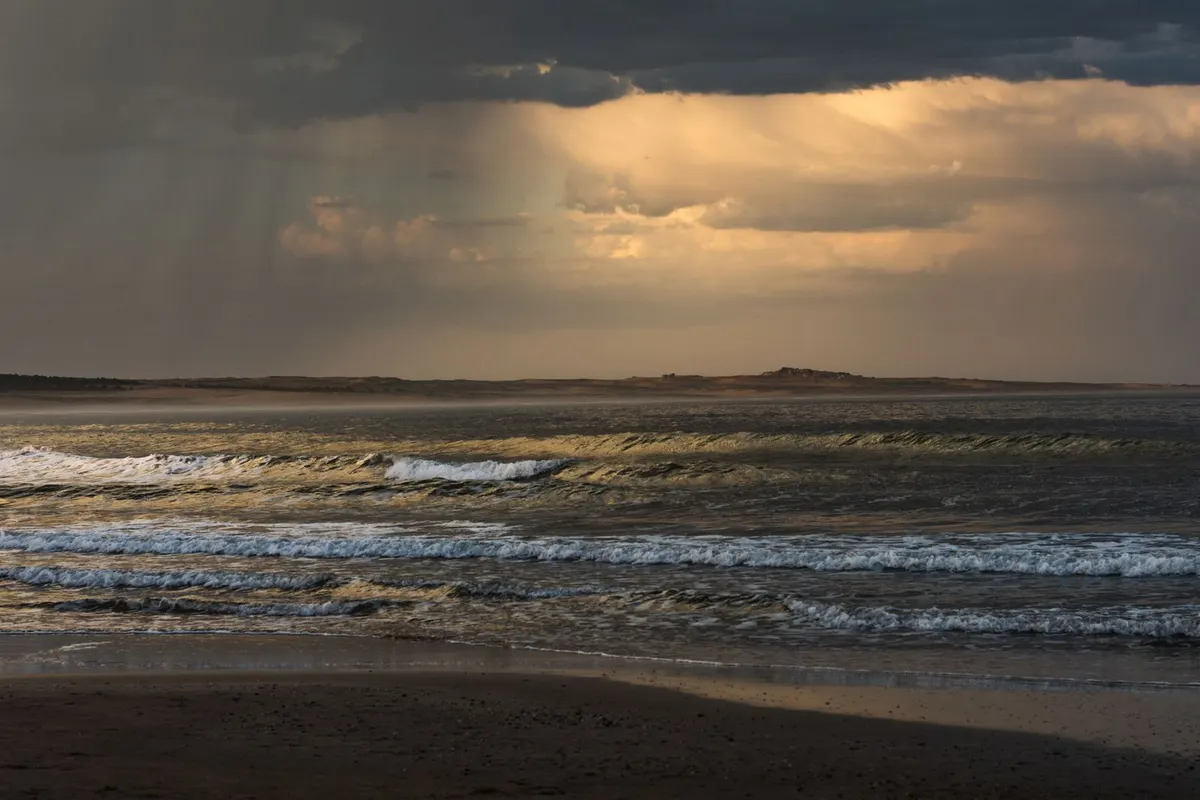
    A wild sea

    Atlantic waves and clouds create dramatic scenes.

    A stormy sky over the Atlantic
    A stormy sky over the Atlantic

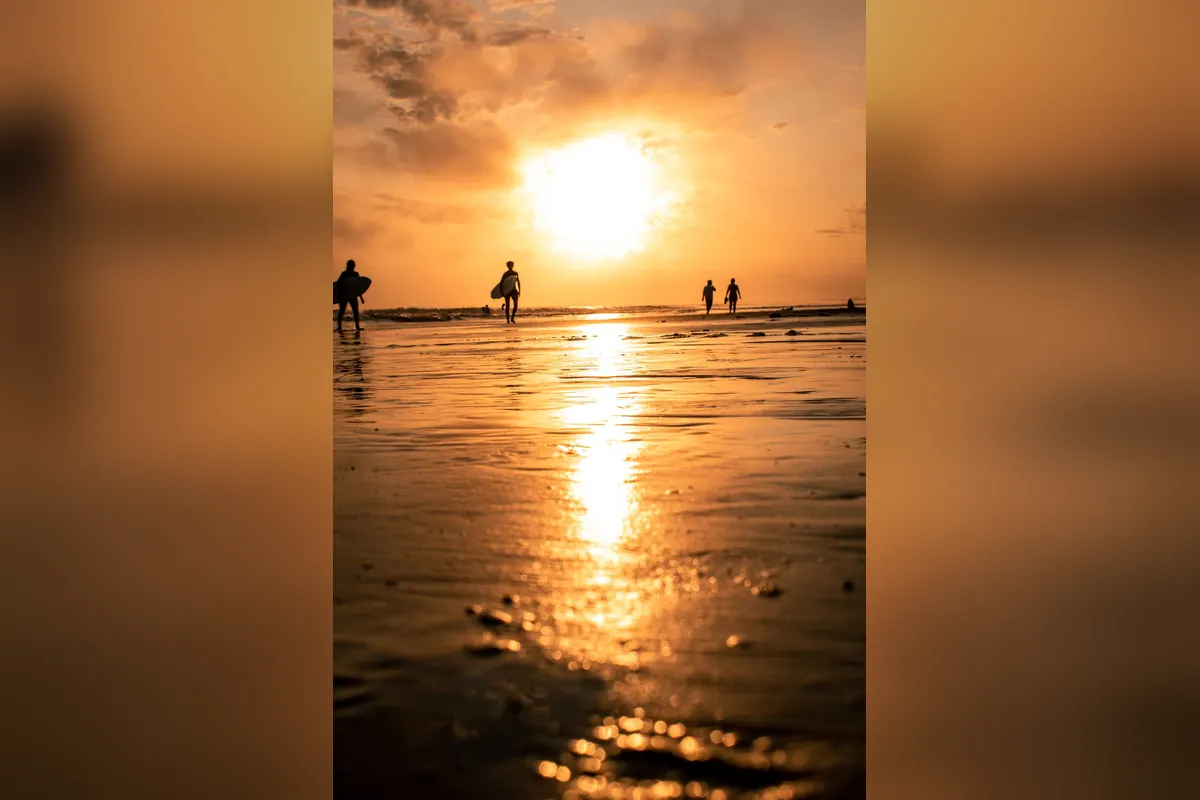
    Beach sunsets

    Sunsets on near-empty beaches are wonderfully peaceful.

    A beach at sunset
    A beach at sunset

    The sea lion colony

    Sea lions and fur seals live on the rocks below the lighthouse.

    Suggested itinerary

    • Bus from Montevideo
    • Truck from the entrance to the village
    • Climb the lighthouse
    • Watch the sea lions
    • Sunset on the beach
    • Stars over the village

    Where to stay nearby

    AREA 1Village hostels and posadasRustic stays, some with limited power.
    AREA 2Barra de ValizasA nearby village with more amenities.
    AREA 3Punta del DiabloA nearby surf town.

    Tips for working holiday makers

    • There are no ATMs — bring cash.
    • Power is limited; bring a torch and power bank.
    • Keep your distance from the sea lions.
    • It is a protected area — take your rubbish with you.

    FAQ

    Can I drive there?

    No — transfer to the trucks at the entrance.

    Can I stay overnight?

    Yes, in rustic hostels and posadas.

    When can I see sea lions?

    Year-round.

    What should I bring?

    Cash, a torch and a power bank.

    Planning a working holiday in Uruguay?Visa basics and a take-home pay calculator.
    Uruguay guide →

    More places to visit in Uruguay

    Photos: Pexels (free stock photos) Take-home pay calculator
  • Punta del Este Travel Guide

    Punta del Este Travel Guide

    The port, yachts and towers
    The port, yachts and towers

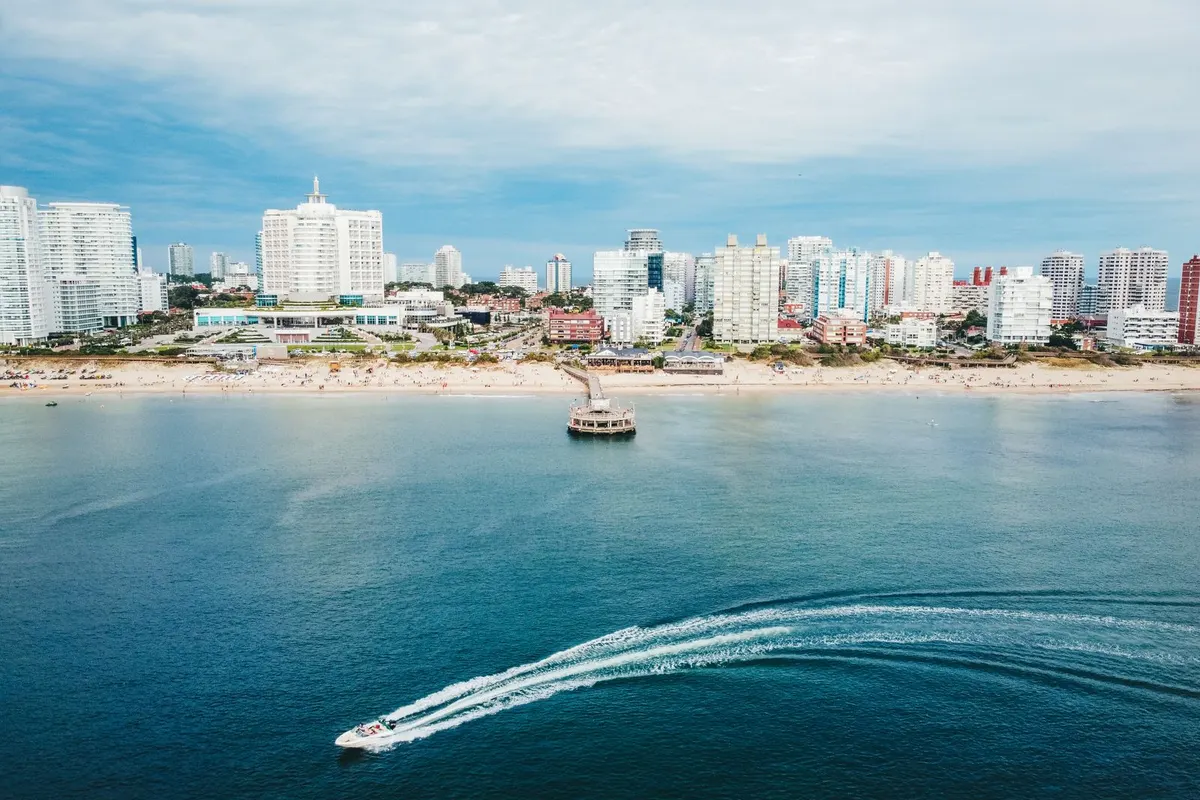
    Dubbed the “Monaco of South America”, Punta del Este is a beach resort on a peninsula jutting into the Atlantic. Calm Playa Mansa, surf-pounded Playa Brava, the giant hand sculpture in the sand and the white art-hotel Casapueblo draw crowds from across the continent in summer.

    LocationSoutheast Uruguay on the Atlantic
    Getting thereAbout 2 hours by bus from Montevideo
    Best timeDecember–February (summer)
    Time needed1–3 days

    How to get there

    1. Buses from Montevideo’s Tres Cruces terminal take about 2 hours.
    2. Buses also run from Carrasco Airport.
    3. The peninsula is walkable.
    4. Casapueblo is about 20 minutes by bus or taxi.

    Opening hours, prices and practical info

    BusAbout 2 hours from Montevideo
    Peak seasonJanuary (high prices)
    CasapuebloPaid visits
    WhalesAround September–November

    Prices and hours are from official sources as of November 2026 and may change — check the official website before you go.

    Highlights of Punta del Este

    The port and yachts

    Luxury yachts fill the harbour, and sea lions sometimes appear.

    Sunset on Playa Mansa

    Watch the sun set over calm Playa Mansa.

    Dusk on Playa Mansa
    Dusk on Playa Mansa

    Blue water and beaches

    Summer beaches buzz with swimmers and water sports.

    The beach from above
    The beach from above

    The rocky coast

    At the tip of the peninsula, rocks meet Atlantic waves.

    The rocky coast
    The rocky coast

    Suggested itinerary

    • Stroll the port
    • The hand sculpture on Playa Brava
    • Seafood lunch
    • Relax on Playa Mansa
    • Head to Casapueblo
    • Sunset from Casapueblo’s terrace

    Where to stay nearby

    AREA 1The peninsulaWalk to the port and beaches.
    AREA 2La BarraStylish bars and restaurants.
    AREA 3José IgnacioA quiet, upscale seaside village.

    Tips for working holiday makers

    • January is peak season with very high prices.
    • In winter, many places close.
    • Whales may be seen around September–November.
    • Casapueblo is especially popular at sunset.

    FAQ

    When should I go?

    December–February.

    Is it a day trip from Montevideo?

    Possible, but stay for the sunset.

    Which beach?

    Mansa for swimming, Brava for surfing.

    What is Casapueblo?

    Artist Carlos Páez Vilaró’s white creation, now a museum and hotel.

    Planning a working holiday in Uruguay?Visa basics and a take-home pay calculator.
    Uruguay guide →

    More places to visit in Uruguay

    Photos: Pexels (free stock photos) Take-home pay calculator
  • Colonia del Sacramento Travel Guide

    Colonia del Sacramento Travel Guide

    A cobbled street
    A cobbled street

    Across the river from Buenos Aires, Colonia del Sacramento was founded by the Portuguese in the 17th century. Bougainvillea spills over old houses on cobbled lanes, and the Street of Sighs, the lighthouse and river sunsets make its World Heritage quarter a place where time slows down.

    LocationSouthwest Uruguay on the Río de la Plata
    Getting thereAbout 1 hour 15 minutes by fast ferry from Buenos Aires; 2.5 hours by bus from Montevideo
    Best timeOctober–April
    Time needed1–2 days

    How to get there

    1. Fast ferries from Buenos Aires take about 1 hour 15 minutes — a popular day trip.
    2. Buses from Montevideo take about 2.5 hours.
    3. The historic quarter is small and walkable.
    4. Rent a bike or golf cart to explore further.

    Opening hours, prices and practical info

    World HeritageHistoric Quarter of Colonia del Sacramento (1995)
    FerryAbout 1 hour 15 minutes from Buenos Aires
    LighthouseSmall fee
    BorderBoth countries’ checks at the ferry terminal

    Prices and hours are from official sources as of November 2026 and may change — check the official website before you go.

    Highlights of Colonia del Sacramento

    The cobbled historic quarter

    Portuguese and Spanish colonial buildings mingle in this World Heritage quarter.

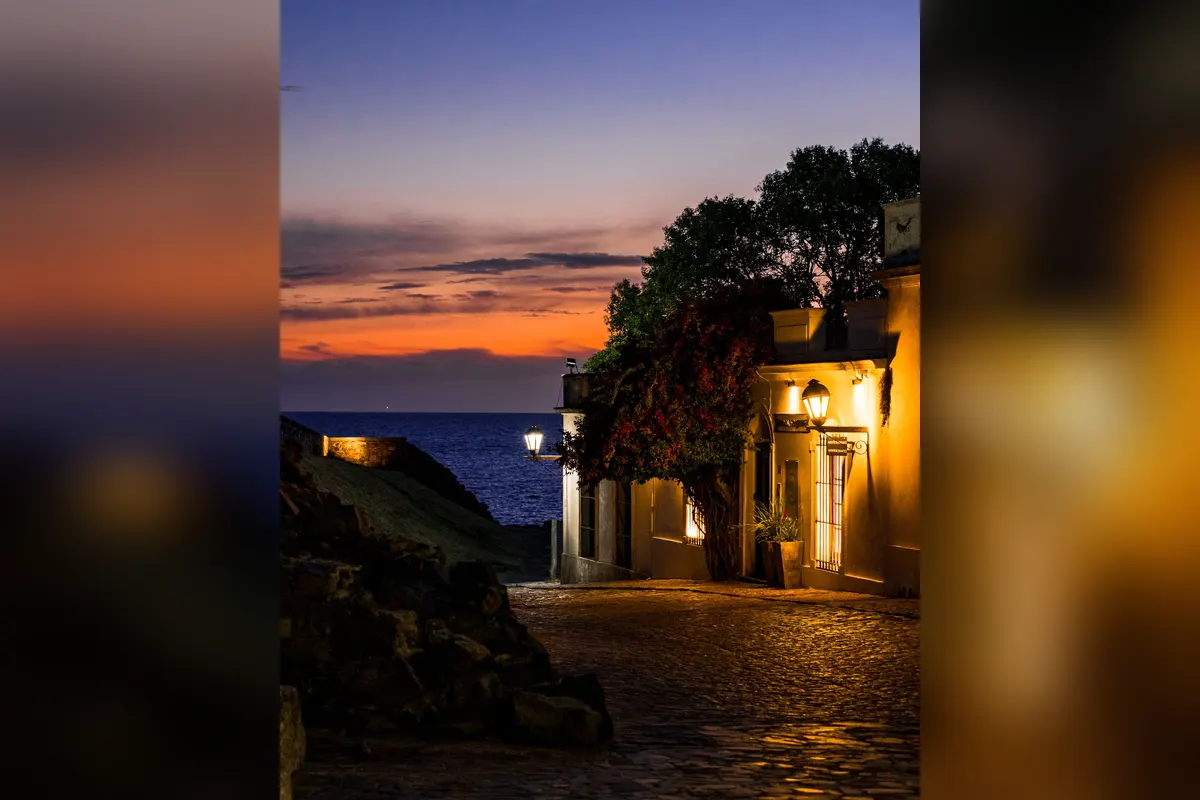
    Lanes at dusk

    At dusk, lamp-lit lanes turn romantic.

    A lane at dusk
    A lane at dusk

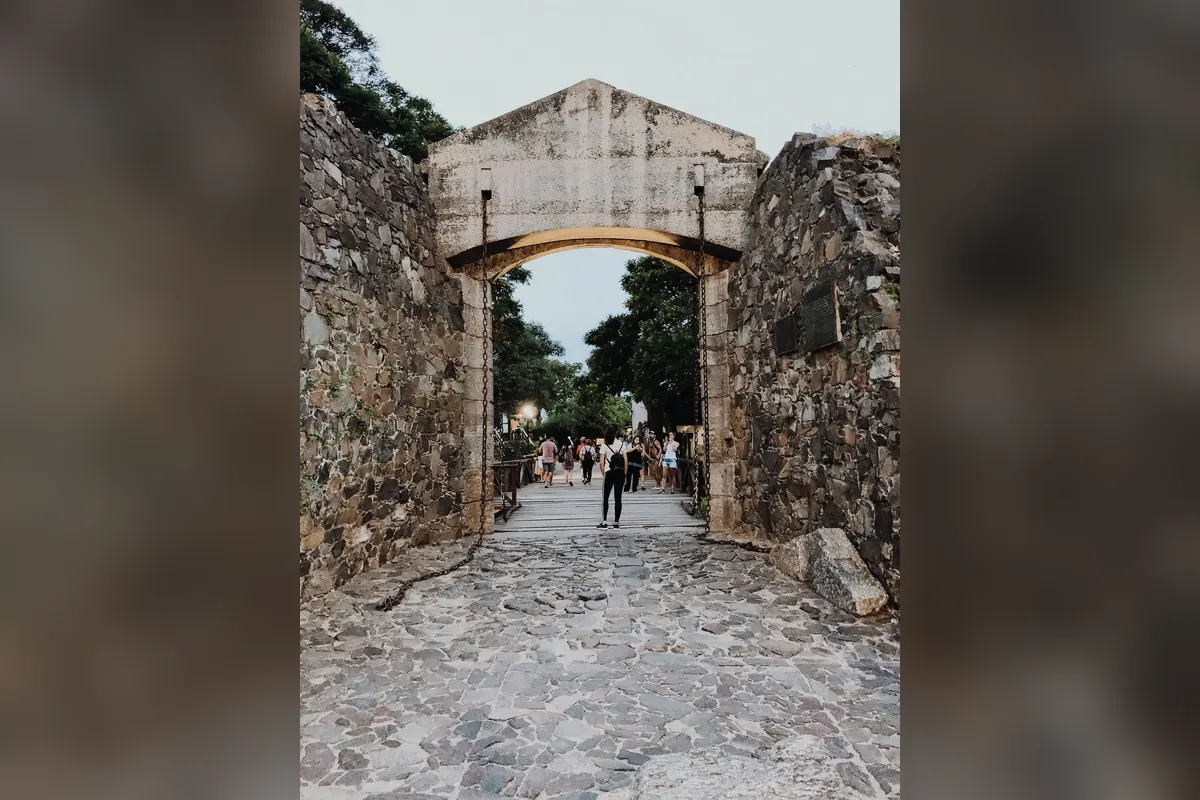
    The city gate and walls

    An old gate with a drawbridge marks the entrance to the historic quarter.

    Cobbles beyond the gate
    Cobbles beyond the gate

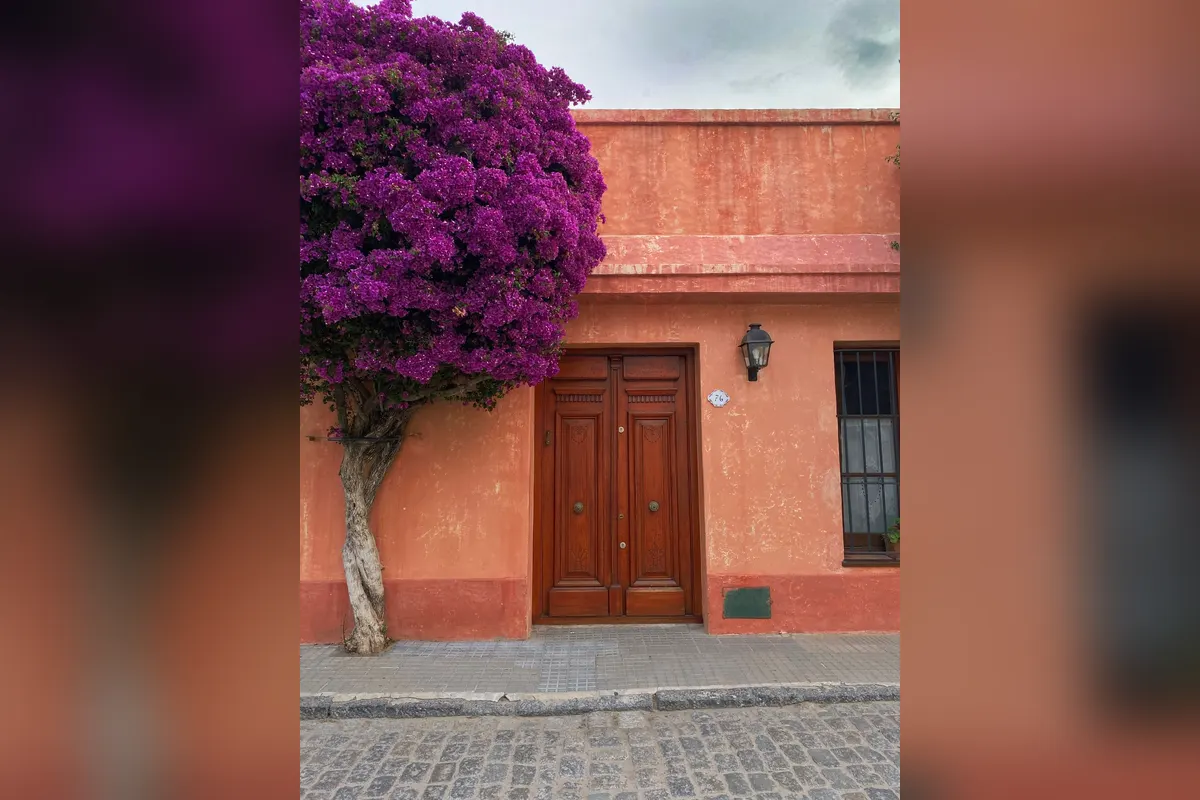
    Flowers and old houses

    Bougainvillea-draped houses are a photographer’s dream.

    A house with bougainvillea
    A house with bougainvillea

    Suggested itinerary

    • Arrive by ferry from Buenos Aires
    • Enter the historic quarter through the gate
    • The Street of Sighs
    • Riverside lunch
    • Climb the lighthouse
    • Sunset over the river, then the ferry back
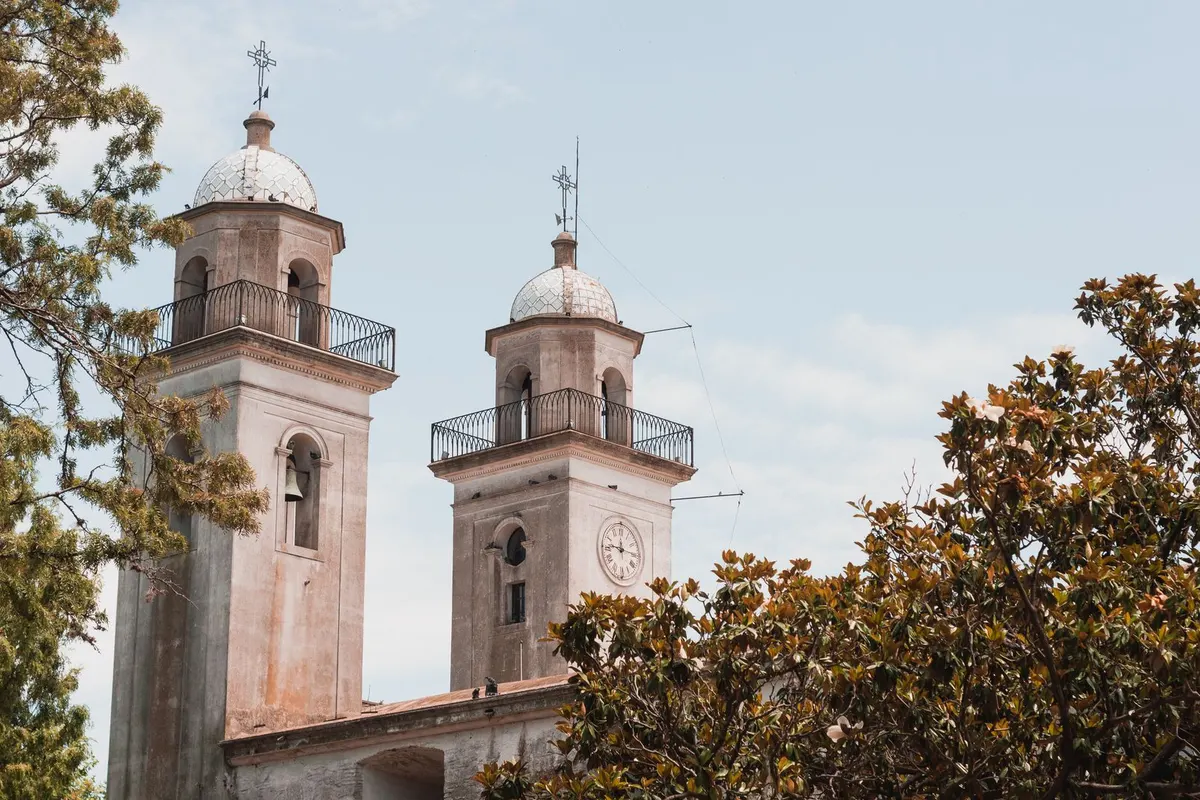
    Twin church towers
    Twin church towers

    Where to stay nearby

    AREA 1Historic quarterAtmospheric stays in old buildings.
    AREA 2Near the portHandy for ferries.
    AREA 3Riverside resortsHotels with spas and pools.

    Tips for working holiday makers

    • Wear good shoes on the cobbles.
    • Stay overnight for the river sunset.
    • Ferry prices vary — book early.
    • Argentine and Uruguayan border formalities are done together at the ferry terminal.

    FAQ

    Is it a day trip from Buenos Aires?

    Yes, about 1 hour 15 minutes by fast ferry.

    How long do I need?

    Half a day for the historic quarter.

    When is best?

    Sunset.

    Can I come from Montevideo?

    Yes, about 2.5 hours by bus.

    Planning a working holiday in Uruguay?Visa basics and a take-home pay calculator.
    Uruguay guide →

    More places to visit in Uruguay

    Photos: Pexels (free stock photos) Take-home pay calculator
  • Montevideo Travel Guide

    Montevideo Travel Guide

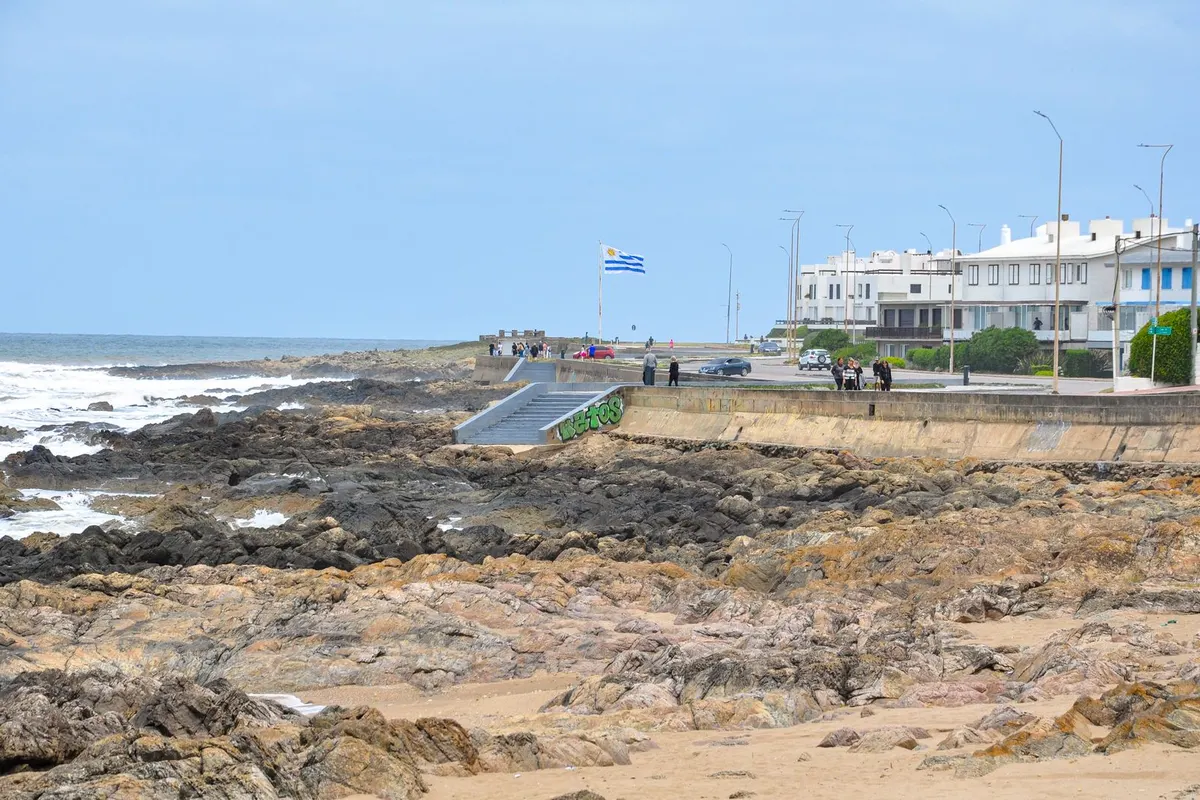
    The Rambla at sunset
    The Rambla at sunset

    On the Río de la Plata, Uruguay’s capital Montevideo is one of South America’s safer, more relaxed cities. Walk the 22 km Rambla waterfront, pass through the Old Town gate and feast on wood-fired asado at the port market — a city to enjoy like a local.

    LocationSouthern Uruguay on the Río de la Plata
    Getting thereAbout 2–3 hours by ferry from Buenos Aires; 30 minutes by road from Carrasco Airport
    Best timeDecember–March (summer)
    Time needed2–3 days

    How to get there

    1. Ferries from Buenos Aires take about 2–3 hours (or ferry-and-bus via Colonia).
    2. Carrasco Airport is 30–40 minutes from the centre by bus or taxi.
    3. City buses get you around.
    4. Long-distance buses run to Colonia and Punta del Este.

    Opening hours, prices and practical info

    FerryAbout 2–3 hours from Buenos Aires
    RamblaAbout 22 km of waterfront
    CurrencyUruguayan peso (UYU)
    CarnivalFebruary–March (about 40 days)

    Prices and hours are from official sources as of November 2026 and may change — check the official website before you go.

    Highlights of Montevideo

    The Rambla

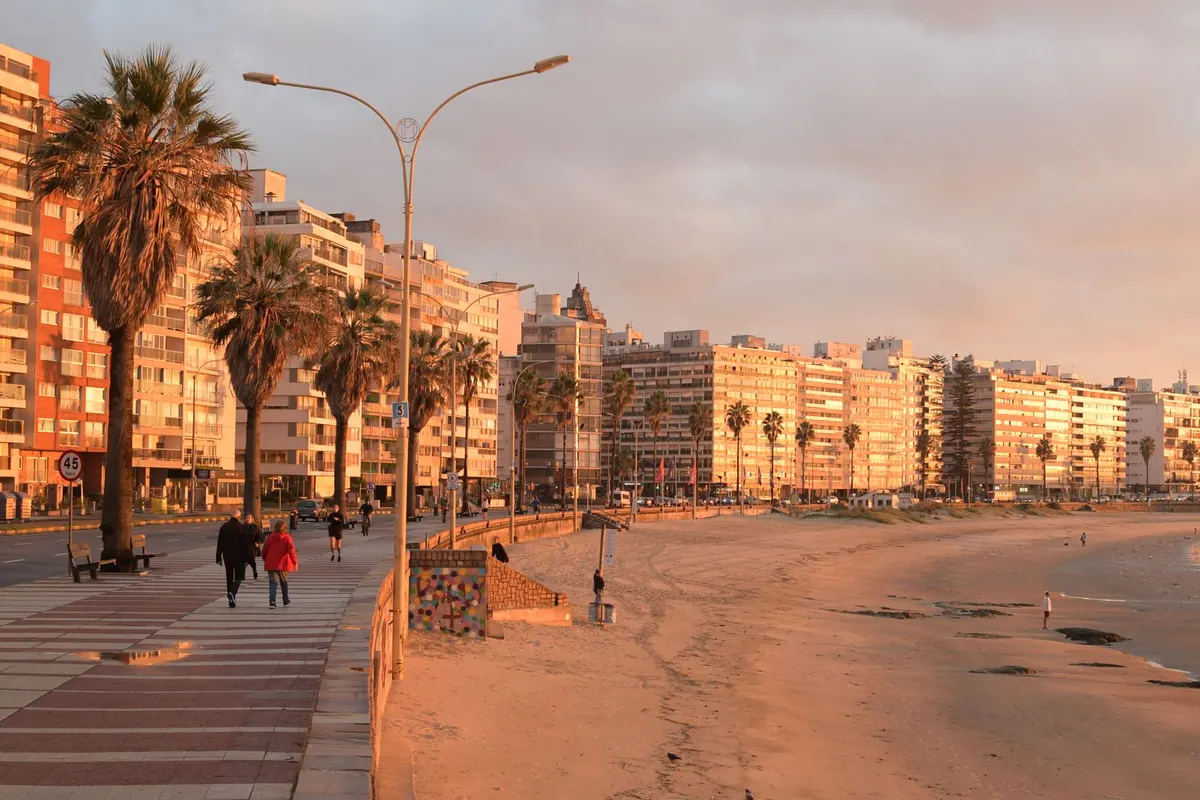
    A 22 km palm-lined promenade busy with walkers, joggers and mate drinkers.

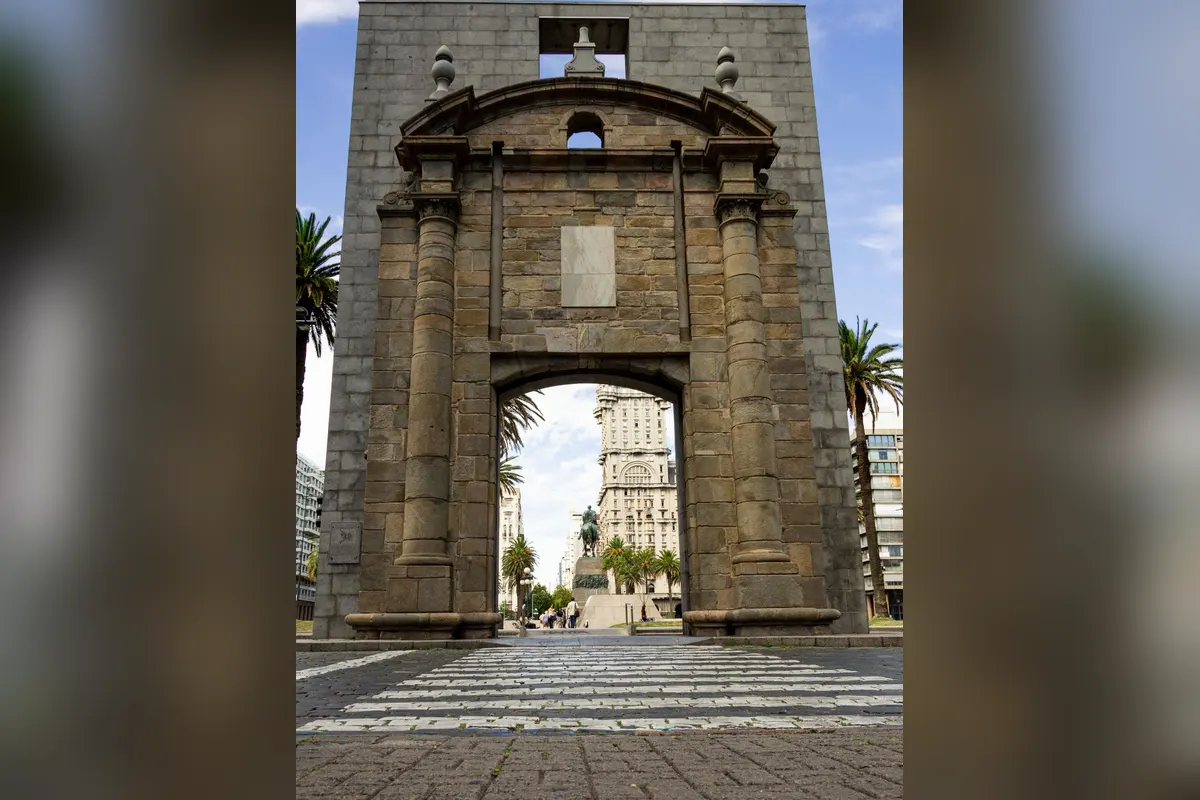
    The Ciudadela Gate

    The old citadel gate marks the entrance to the Old Town and Plaza Independencia.

    The Ciudadela Gate
    The Ciudadela Gate

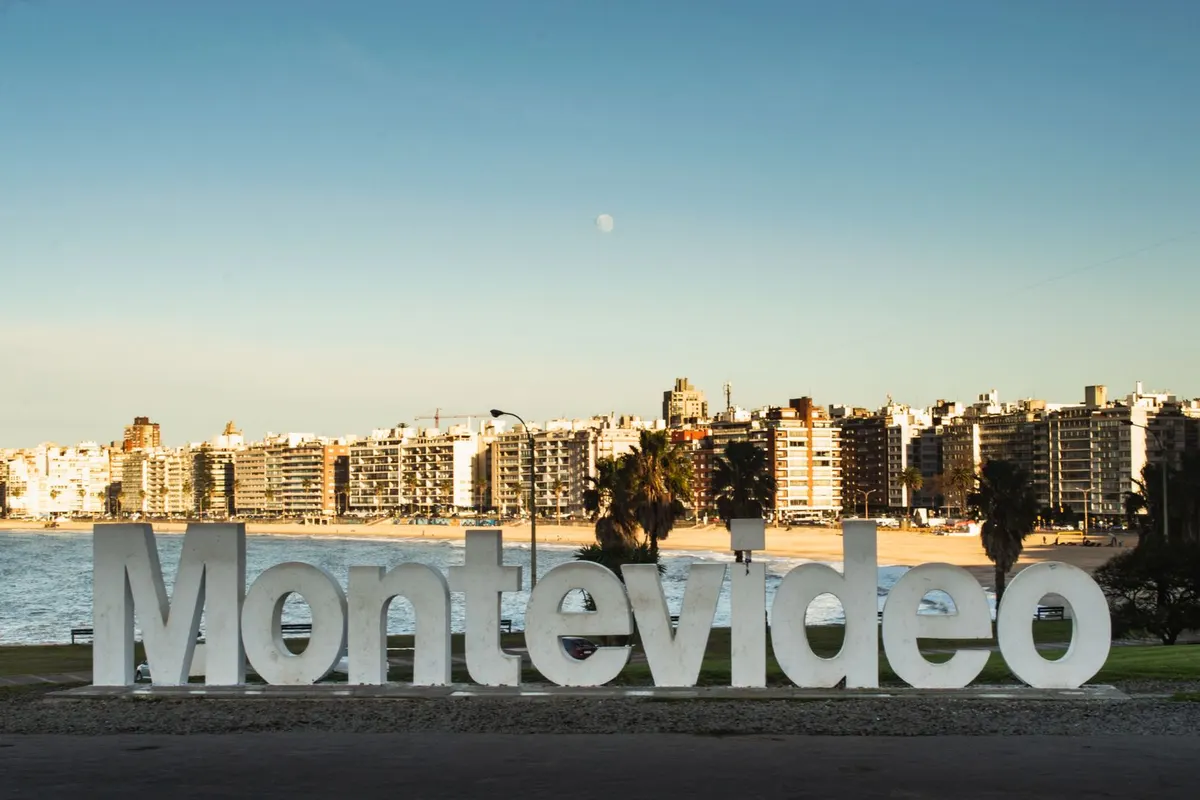
    The Montevideo sign

    The giant letters on Pocitos beach are a favourite photo spot.

    The Montevideo sign and skyline
    The Montevideo sign and skyline

    Palacio Salvo

    Once South America’s tallest building, it towers over Plaza Independencia.

    Palacio Salvo and the city
    Palacio Salvo and the city

    Suggested itinerary

    • Plaza Independencia and Palacio Salvo
    • Through the gate into the Old Town
    • Asado at the Mercado del Puerto
    • Teatro Solís
    • Walk the Rambla
    • Sunset over the water
    The river and city at dusk
    The river and city at dusk

    Where to stay nearby

    AREA 1Centro and Old TownConvenient for sightseeing.
    AREA 2PocitosA calm seaside neighbourhood.
    AREA 3CarrascoAn upscale area near the airport.

    Tips for working holiday makers

    • Uruguay uses the peso (UYU); cards are widely accepted.
    • Mate is everywhere — a daily ritual.
    • Carnival in February–March lasts about 40 days, said to be the world’s longest.
    • Prices are relatively high for South America.

    FAQ

    How do I get there from Buenos Aires?

    About 2–3 hours by ferry.

    Is it safe?

    Relatively, for South America — take care in the Old Town at night.

    What should I eat?

    Asado and chivito steak sandwiches.

    How long should I stay?

    2–3 days.

    Planning a working holiday in Uruguay?Visa basics and a take-home pay calculator.
    Uruguay guide →

    More places to visit in Uruguay

    Photos: Pexels (free stock photos) Take-home pay calculator