Category: Travel Guide

Travel guides to popular places in working holiday countries.

  • 9 Best Places to Visit in Australia

    9 Best Places to Visit in Australia

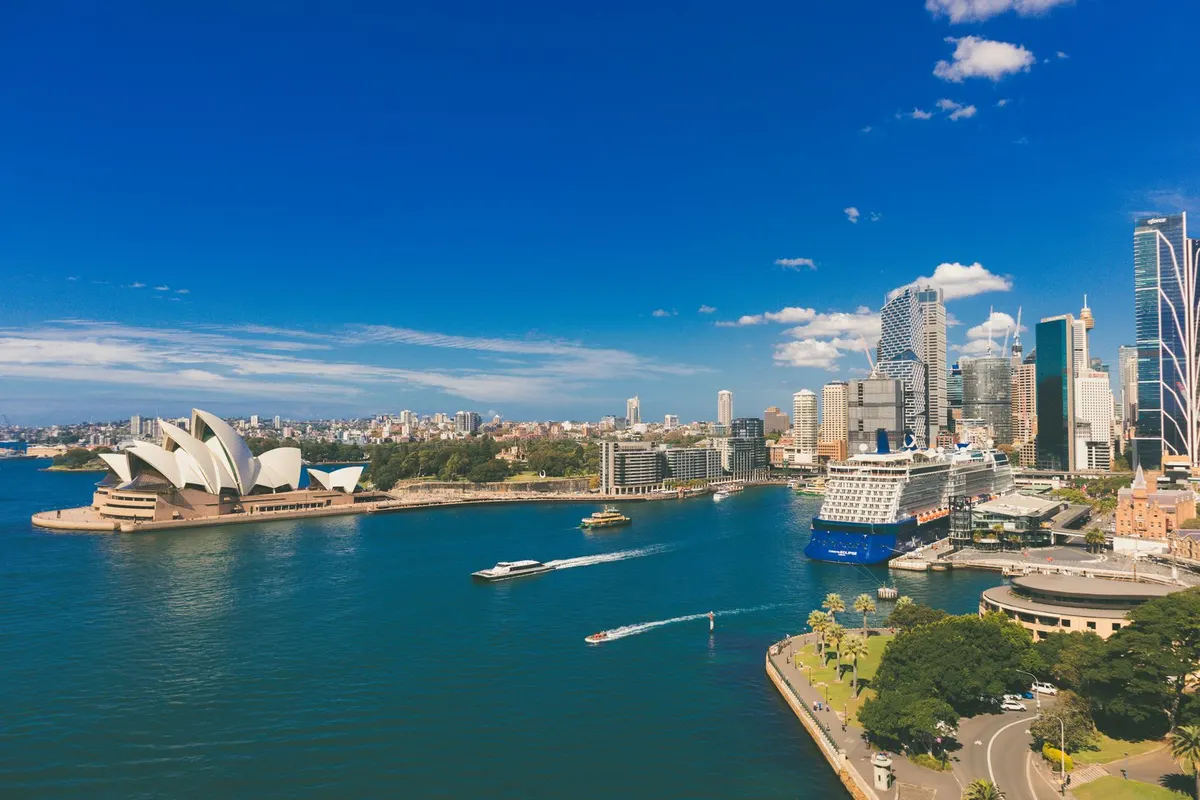
    Sydney Opera House
    Sydney Opera House

    From a World Heritage opera house and the world’s largest coral reef to a giant red rock in the desert, Australia is full of once-in-a-lifetime sights. Here are 9 of the best places to visit on your days off or travels during a working holiday.

    Sydney Opera House
    No.1

    Sydney Opera House

    The World Heritage-listed icon with a sail-like roof. Walking around outside is free, and guided tours run in several languages including Japanese.

    Getting there:About 7 minutes on foot from Circular Quay station, Sydney

    Read the full guide →
    Great Barrier Reef
    No.2

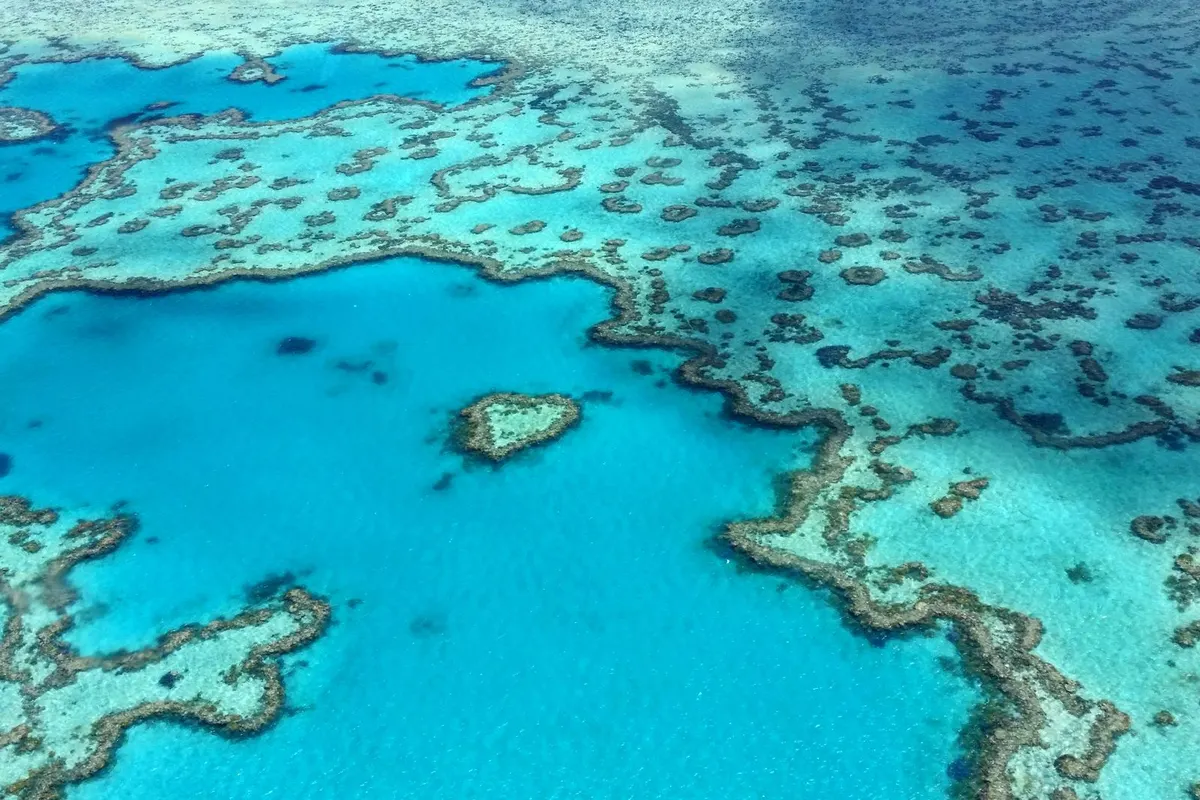
    Great Barrier Reef

    The world’s largest coral reef, with snorkelling and intro dives on day trips from Cairns.

    Getting there:About 1.5–2 hours by tour boat from the Reef Fleet Terminal in Cairns

    Read the full guide →

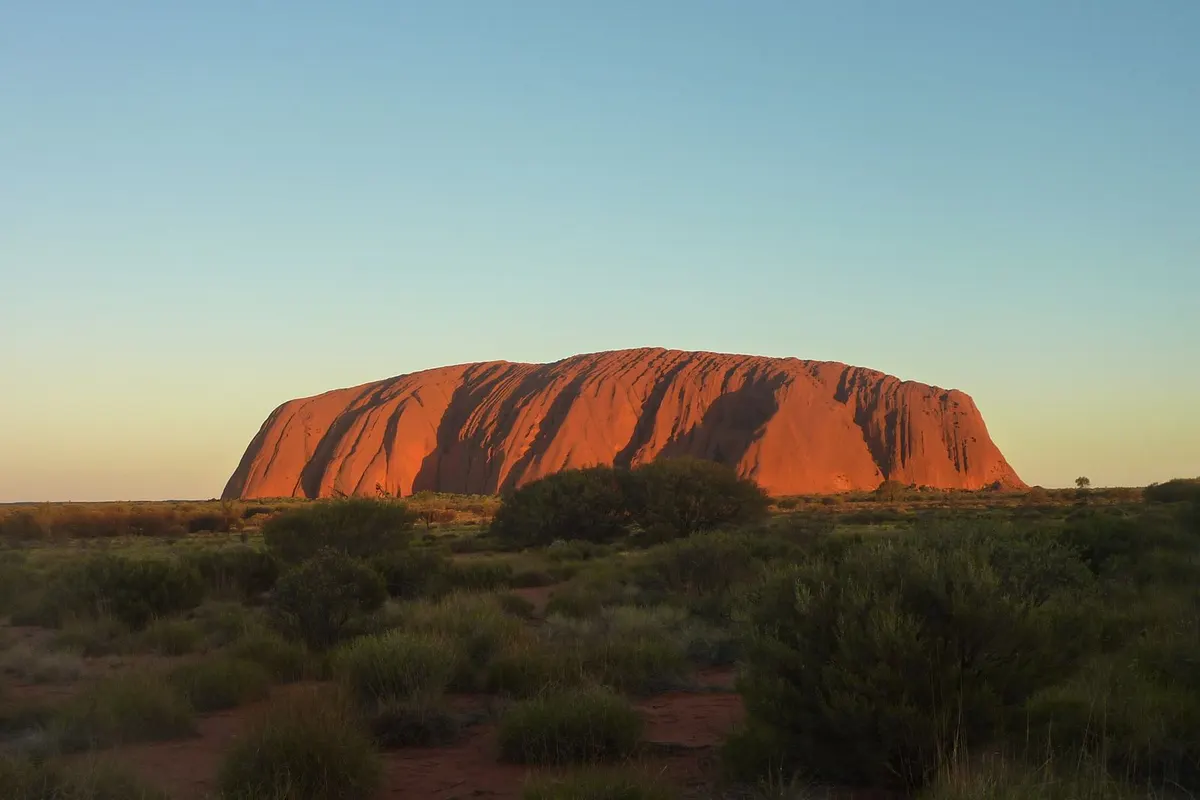
    Uluru (Ayers Rock)
    No.3

    Uluru (Ayers Rock)

    The giant monolith in the heart of the continent — watching it change colour at sunrise and sunset is unforgettable.

    Getting there:Direct flights to Ayers Rock Airport from Sydney, Melbourne and Cairns

    Read the full guide →
    Melbourne Laneways
    No.4

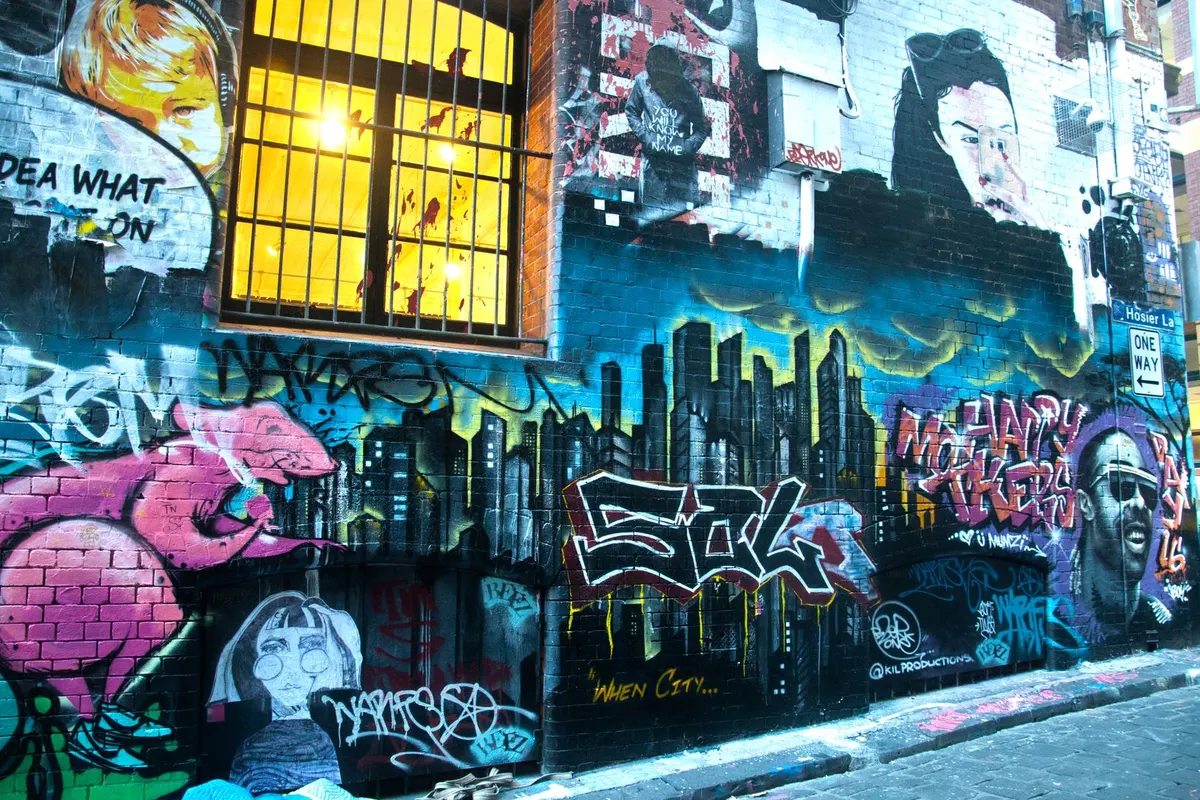
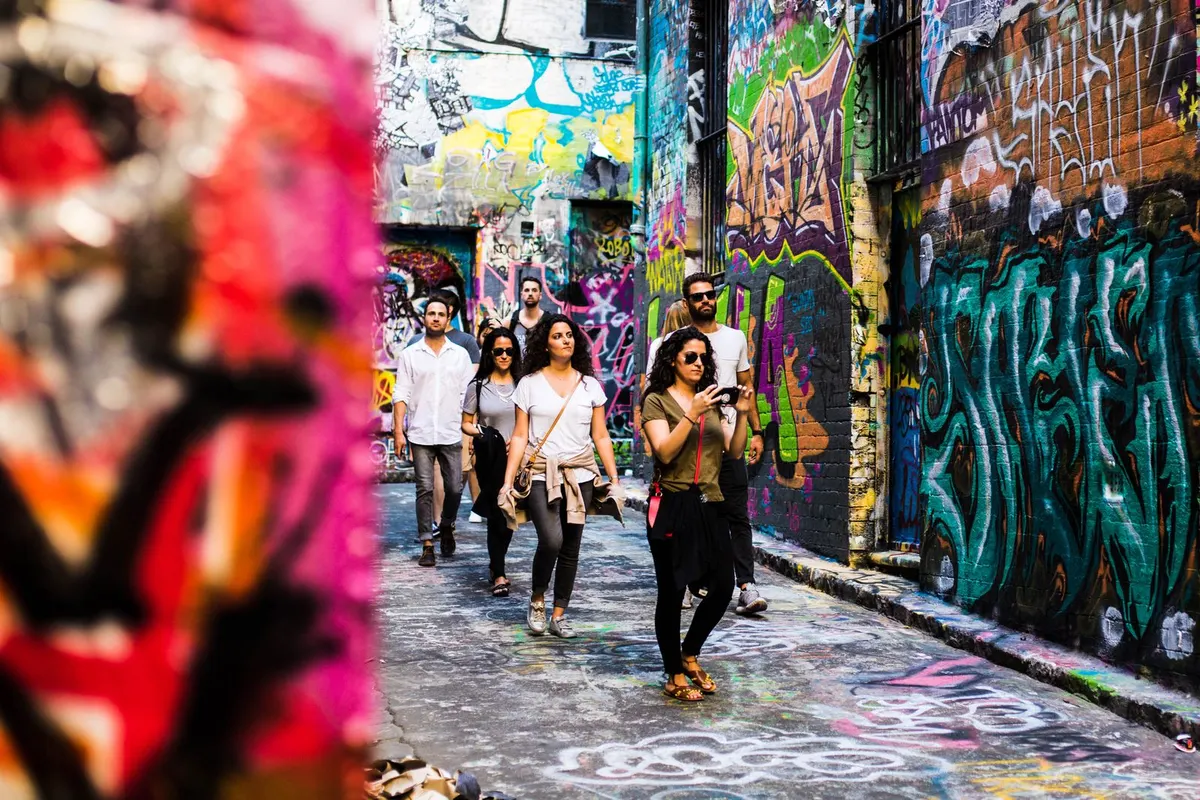
    Melbourne Laneways

    Street art and café culture in the city’s laneways, easy to explore with the free CBD trams.

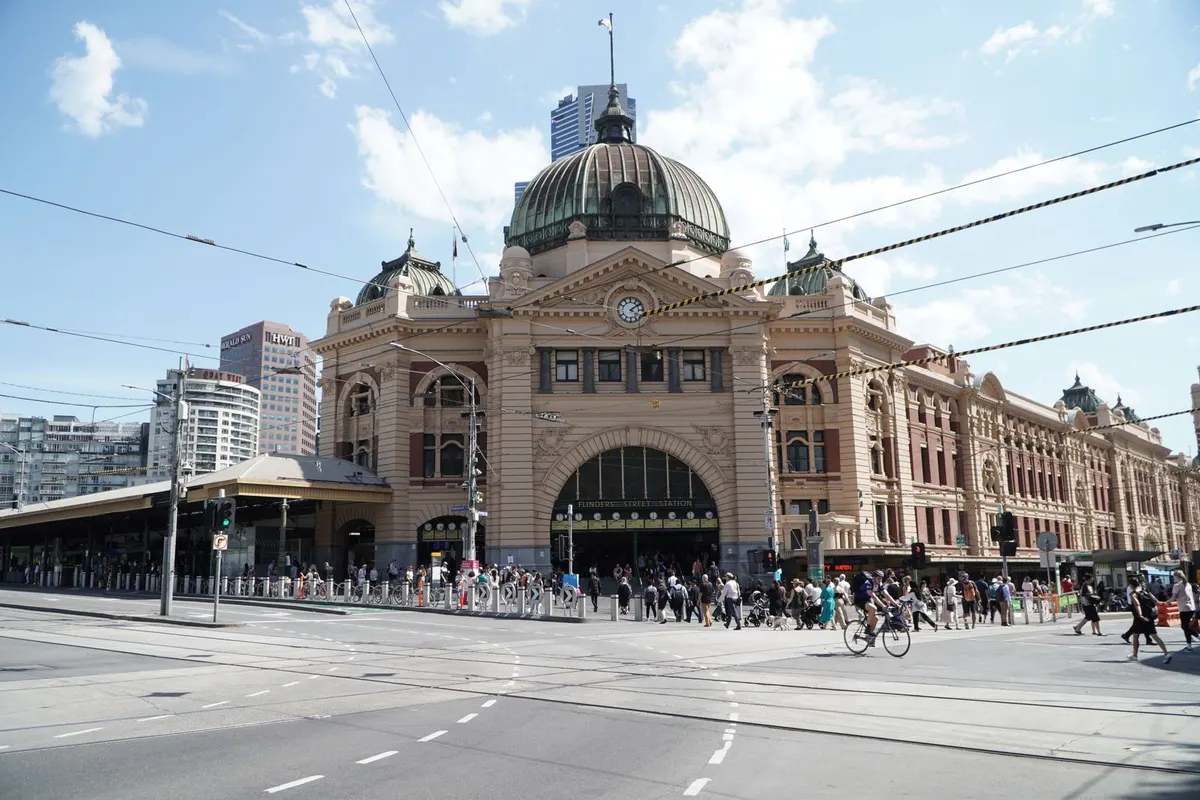
    Getting there:A short walk from Flinders Street Station

    Read the full guide →
    Bondi Beach
    No.5

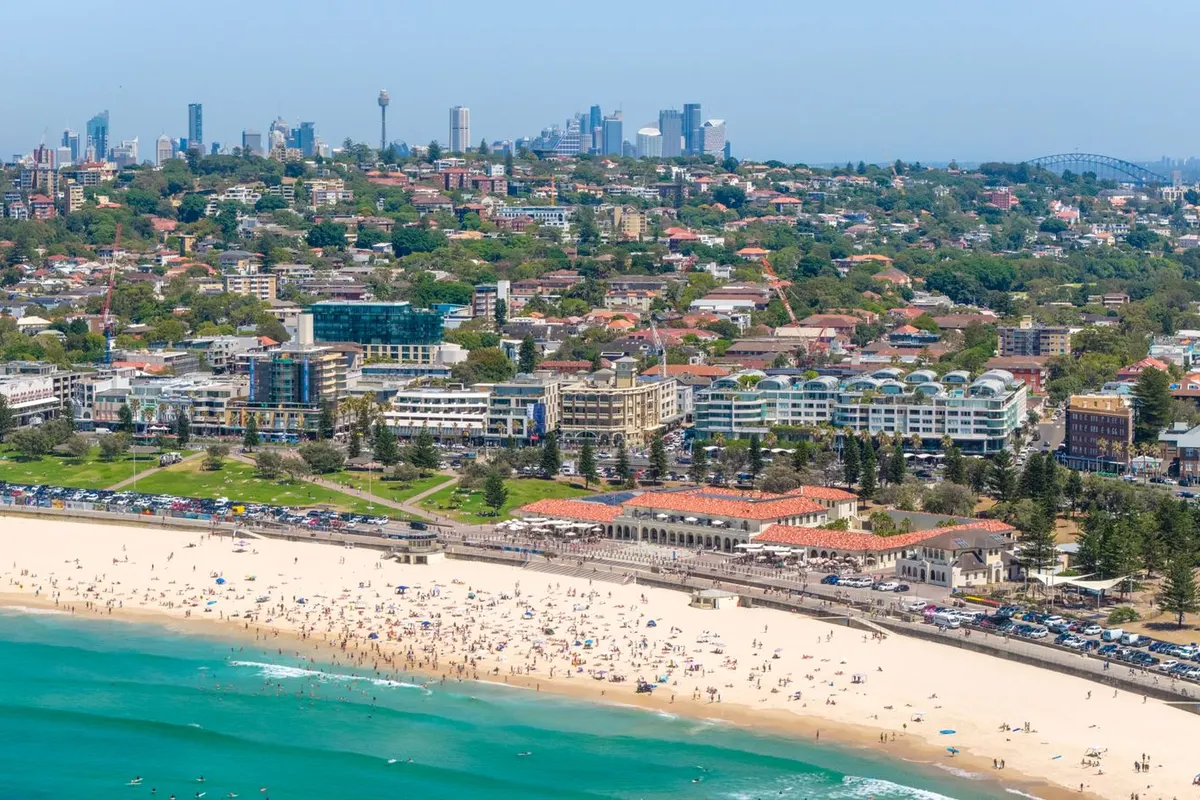
    Bondi Beach

    Sydney’s most famous beach. Do not miss the coastal walk of about 6 km south to Coogee.

    Getting there:About 30–40 minutes by bus from central Sydney, or take the train to Bondi Junction and change to a bus
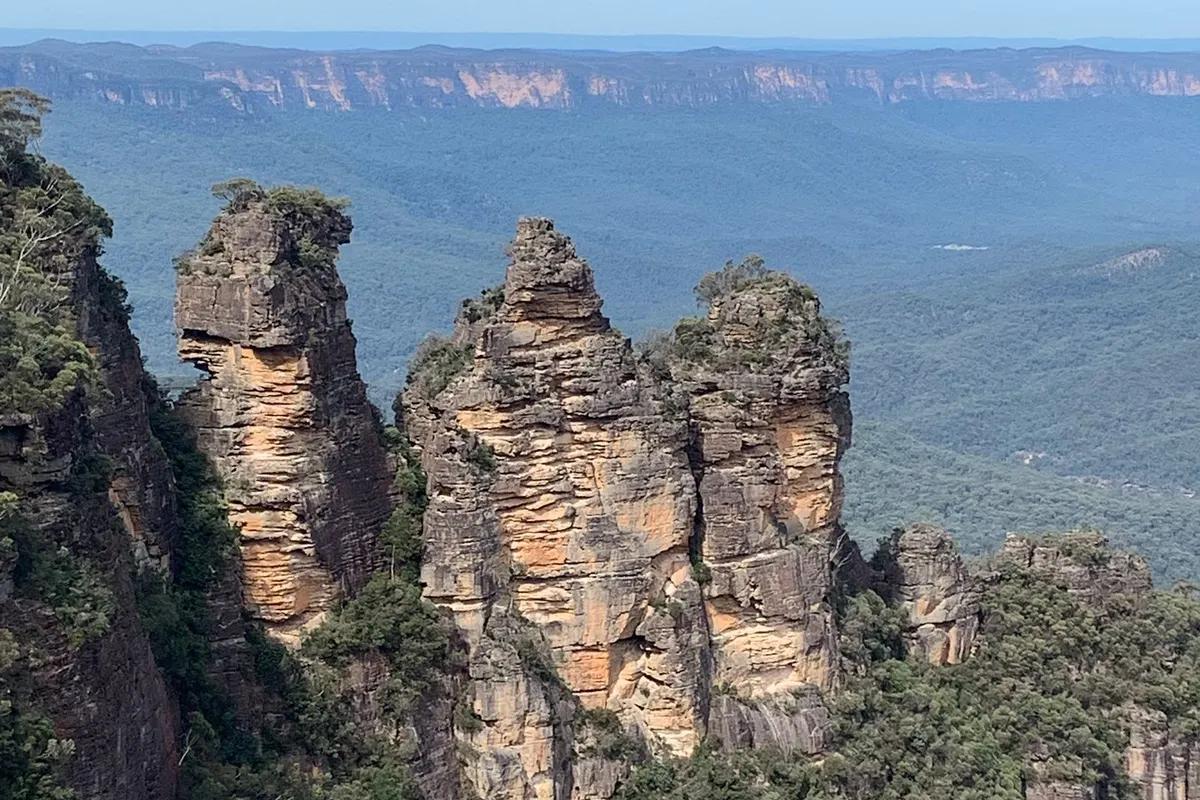
    Blue Mountains
    No.6

    Blue Mountains

    A World Heritage mountain area, famous for the Three Sisters rock formation seen from Echo Point.

    Getting there:About 2 hours by Blue Mountains Line train from Sydney Central to Katoomba
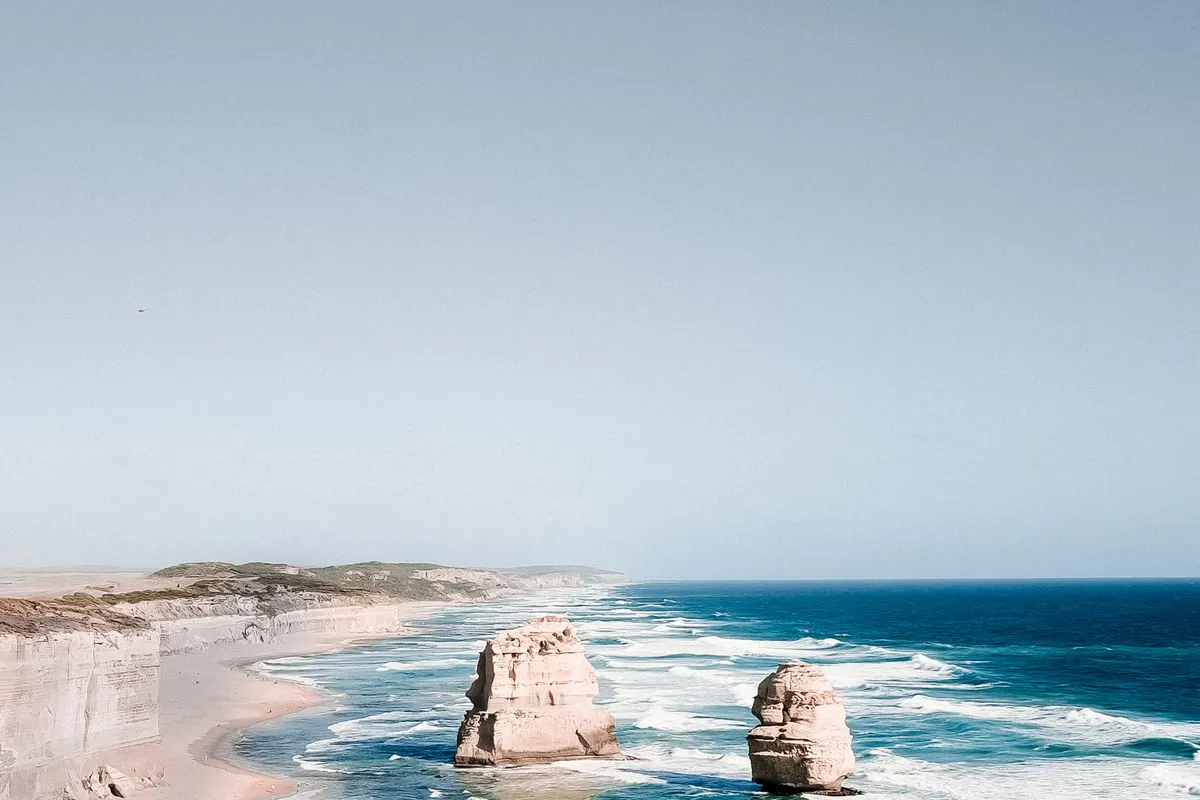
    Great Ocean Road (Twelve Apostles)
    No.7

    Great Ocean Road (Twelve Apostles)

    A spectacular coastal drive whose highlight is the Twelve Apostles rock stacks rising from the sea.

    Getting there:Day tour or rental car from Melbourne (about 4 hours one way to the Twelve Apostles)
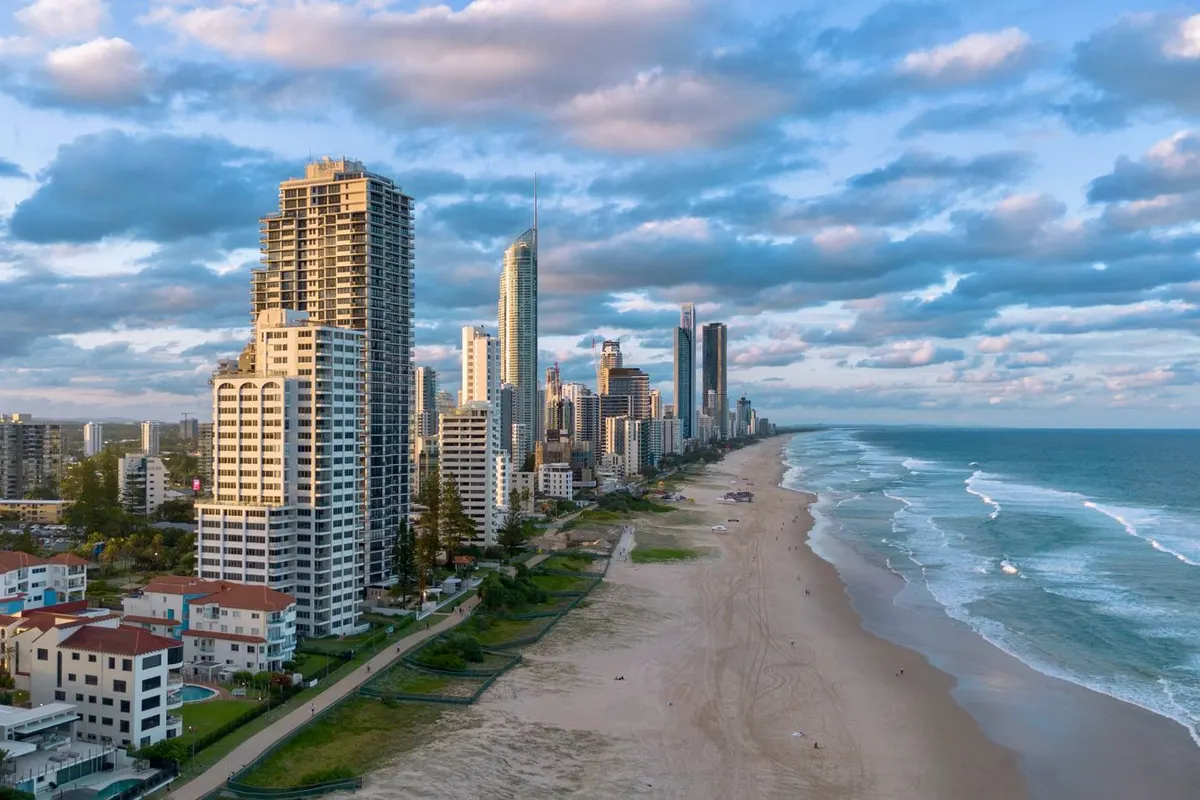
    Gold Coast
    No.8

    Gold Coast

    A resort city of high-rises and surf beaches, with theme parks and plenty of working holiday jobs.

    Getting there:Train from Brisbane, then the G:link light rail to Surfers Paradise
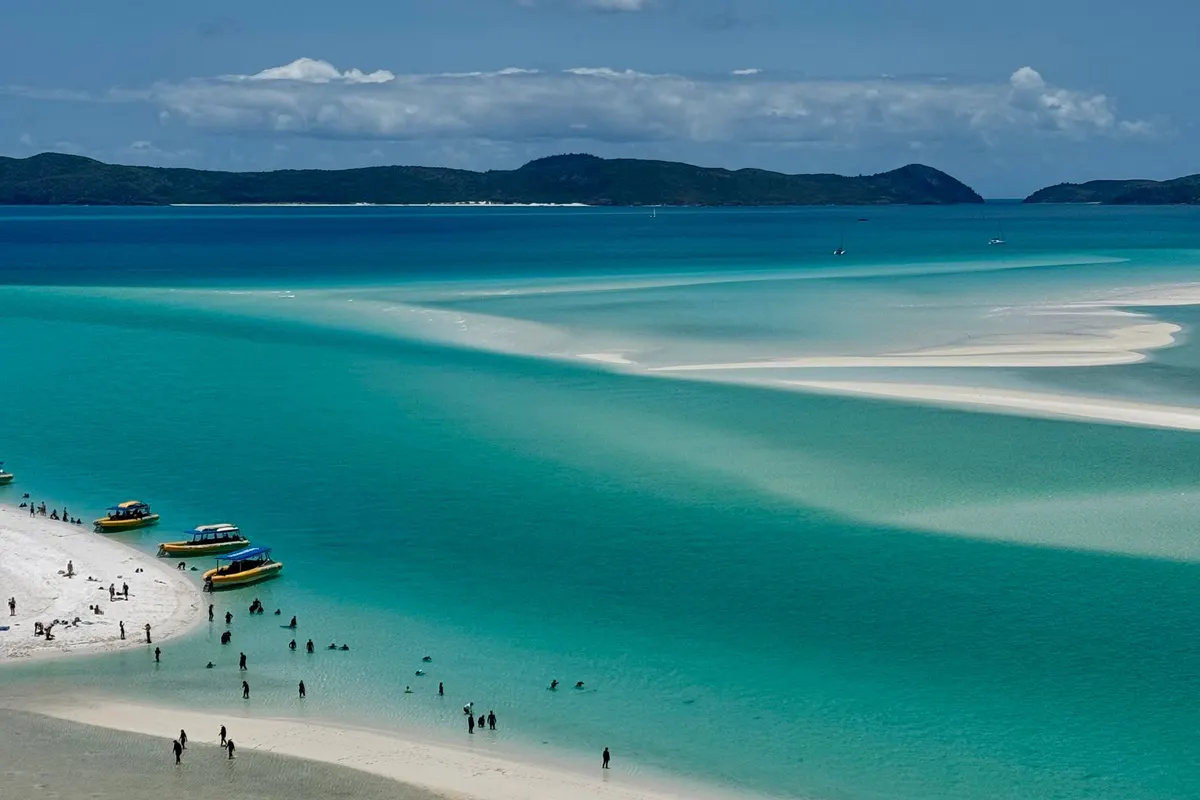
    Whitsunday Islands
    No.9

    Whitsunday Islands

    Islands home to the brilliant white sand of Whitehaven Beach, popular for sailing trips and scenic flights.

    Getting there:Boat tours from Airlie Beach

    Read the full guide →

    FAQ

    What are the most popular places to visit in Australia?

    The Sydney Opera House, the Great Barrier Reef and Uluru are the classics. Working holiday makers often base themselves in Sydney or Melbourne and explore nearby on days off.

    When is the best time to travel during a working holiday?

    Seasons are opposite to the northern hemisphere. The north (Cairns, Uluru) is best from May to October, and the south (Sydney, Melbourne) from November to March.

    How do I get around Australia?

    Distances are huge, so domestic flights are the norm between cities. Nearby trips such as Sydney to the Blue Mountains or Brisbane to the Gold Coast are easy by train.

    Planning a working holiday in Australia?Visa basics and a take-home pay calculator.
    Australia guide →

    Photos: Pexels

  • Sydney Opera House Travel Guide

    Sydney Opera House Travel Guide

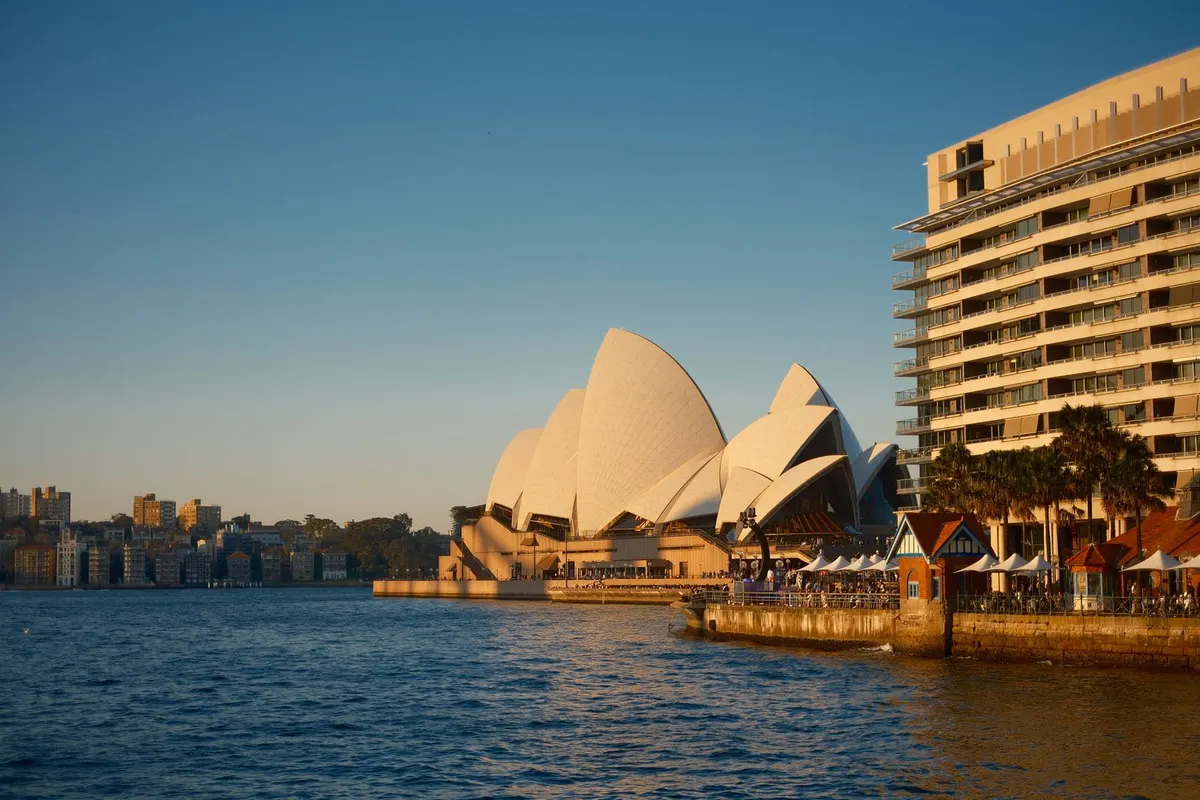
    The Opera House at sunset next to Circular Quay
    The Opera House at sunset next to Circular Quay

    With its sail-like white roof, the Sydney Opera House is Australia’s most famous building and a UNESCO World Heritage Site since 2007. If you are starting a working holiday in Sydney, you will come back here again and again. This guide covers how to get there, where to stay nearby and the best ways to enjoy it.

    LocationBennelong Point, Sydney, New South Wales
    Nearest stationCircular Quay (trains, ferries and light rail), about a 7-minute walk
    Best timeSeptember–November and March–May; Vivid Sydney light festival in May–June
    Time needed1–2 hours for the outside and surroundings; half a day with a tour or show

    How to get there

    1. From Sydney Airport, take the T8 Airport & South Line towards the City Circle and get off at Circular Quay. Some services run straight through, taking about 20–30 minutes.
    2. From the city, any City Circle train (T2, T3 and others) stops at Circular Quay. The L2 and L3 light rail lines also end at Circular Quay.
    3. From Circular Quay station, simply follow the harbour-side promenade (East Circular Quay) to the Opera House.
    4. Pay with an Opal card or tap on and off with a contactless bank card. The same card works on ferries.

    Opening hours, prices and practical info

    VisitingThe exterior, forecourt and promenade are free to explore
    Guided tourDaily tours of about 60 minutes, also offered in Japanese and other languages (check prices and times on the official site)
    PerformancesBuy tickets on the official website and arrive about 30 minutes early
    AddressBennelong Point, Sydney NSW 2000

    Prices and hours are from official sources as of November 2026 and may change — check the official website before you go.

    Highlights of Sydney Opera House

    Take a guided tour inside

    Guided tours take you into the concert halls and behind the scenes. Learning about the design and the dramatic story of its construction makes the building even more impressive.

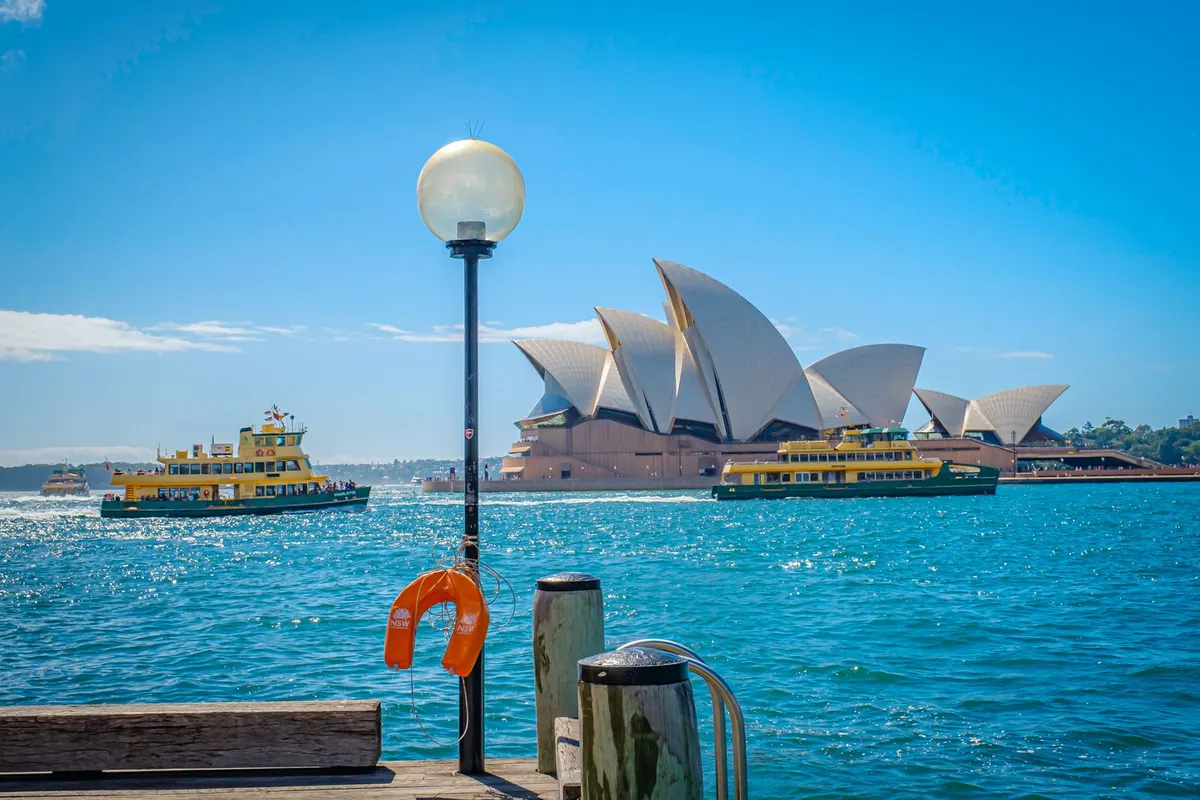
    Boats crossing the harbour in front of the Opera House
    Boats crossing the harbour in front of the Opera House

    See it from the best viewpoints

    For the classic photo of the Opera House with the Harbour Bridge, walk through the Royal Botanic Garden to Mrs Macquarie’s Chair. Seeing it from a ferry on the harbour is also unforgettable.

    Aerial view of the Opera House and Sydney CBD
    Aerial view of the Opera House and Sydney CBD

    Catch a performance

    Beyond opera, there are concerts, ballet and comedy almost every day. Discounted last-minute seats are sometimes available, so check the official website.

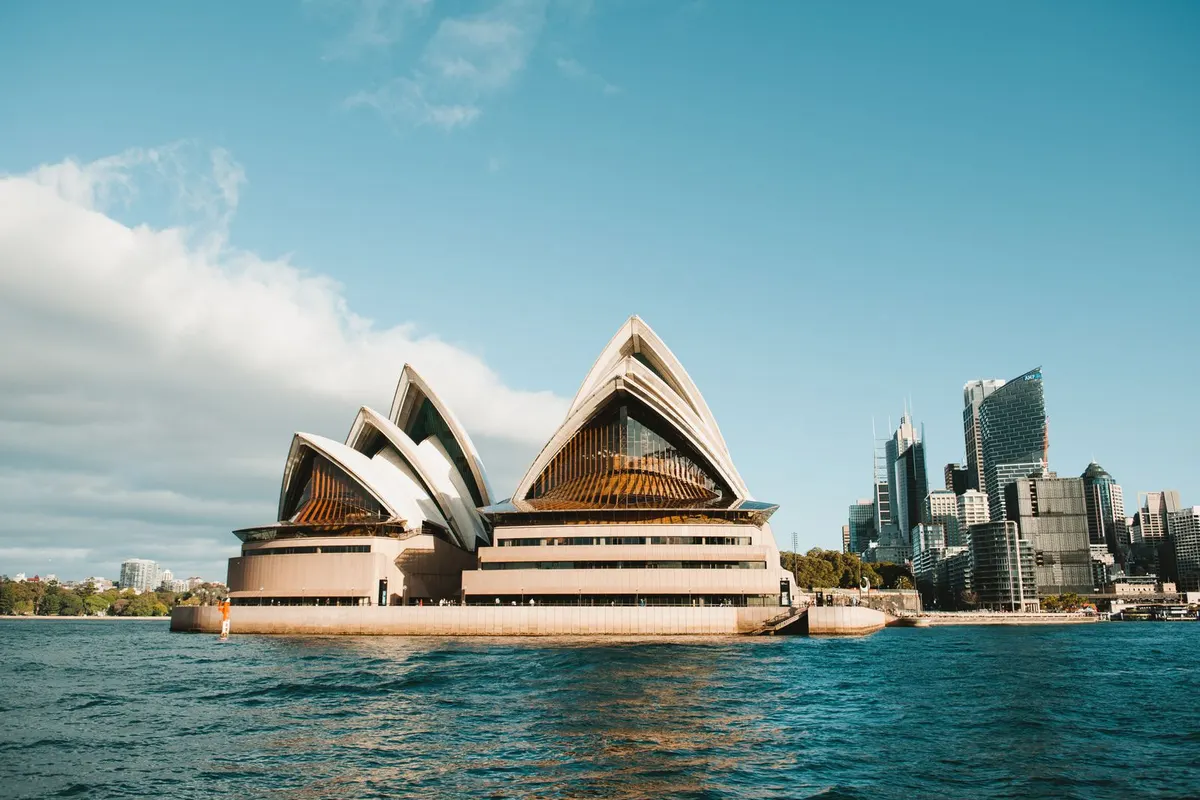
    The famous sail-like roof
    The famous sail-like roof

    Suggested itinerary

    • Breakfast at a café around Circular Quay
    • Join an Opera House guided tour
    • Walk through the Royal Botanic Garden to Mrs Macquarie’s Chair
    • Take the ferry to Manly and stroll along the beach
    • Watch the sunset over the harbour with a drink at the Opera Bar
    Ferries at Circular Quay with the Opera House behind
    Ferries at Circular Quay with the Opera House behind

    Where to stay nearby

    AREA 1Circular Quay / The RocksWithin walking distance of the Opera House, with historic streets, hotels and pubs. Pricier, but the location is unbeatable.
    AREA 2Sydney CBDPlenty of hotels around Town Hall and Wynyard stations, just a few stops from Circular Quay.
    AREA 3Haymarket and CentralLots of backpacker hostels, popular for your first nights after arriving, with easy airport access.

    Tips for working holiday makers

    • Walking around the outside is free, so it is a great budget day out.
    • Public ferries are cheaper than tour boats and give great harbour views — try Manly or Watsons Bay on your day off.
    • The New Year’s Eve fireworks are world-famous; people start claiming spots in the morning.
    • Hotels, bars and restaurants in the area often hire hospitality staff — good to know if you are looking for work.

    FAQ

    Is it free to visit the Sydney Opera House?

    Yes, the exterior, forecourt and harbour promenade are free. To go inside the halls you need a performance ticket or a guided tour.

    Are tours available in Japanese?

    Yes. Besides English, tours are offered in Japanese, Korean, Mandarin and other languages.

    What is the nearest station?

    Circular Quay, served by trains, ferries and light rail, about a 7-minute walk away.

    Where is the best photo spot?

    Mrs Macquarie’s Chair, past the Royal Botanic Garden, gives you the Opera House and Harbour Bridge in one shot.

    Planning a working holiday in Australia?Visa basics and a take-home pay calculator.
    Australia guide →

    More places to visit in Australia

    Photos: Pexels (free stock photos) Take-home pay calculator

  • Great Barrier Reef Travel Guide

    Great Barrier Reef Travel Guide

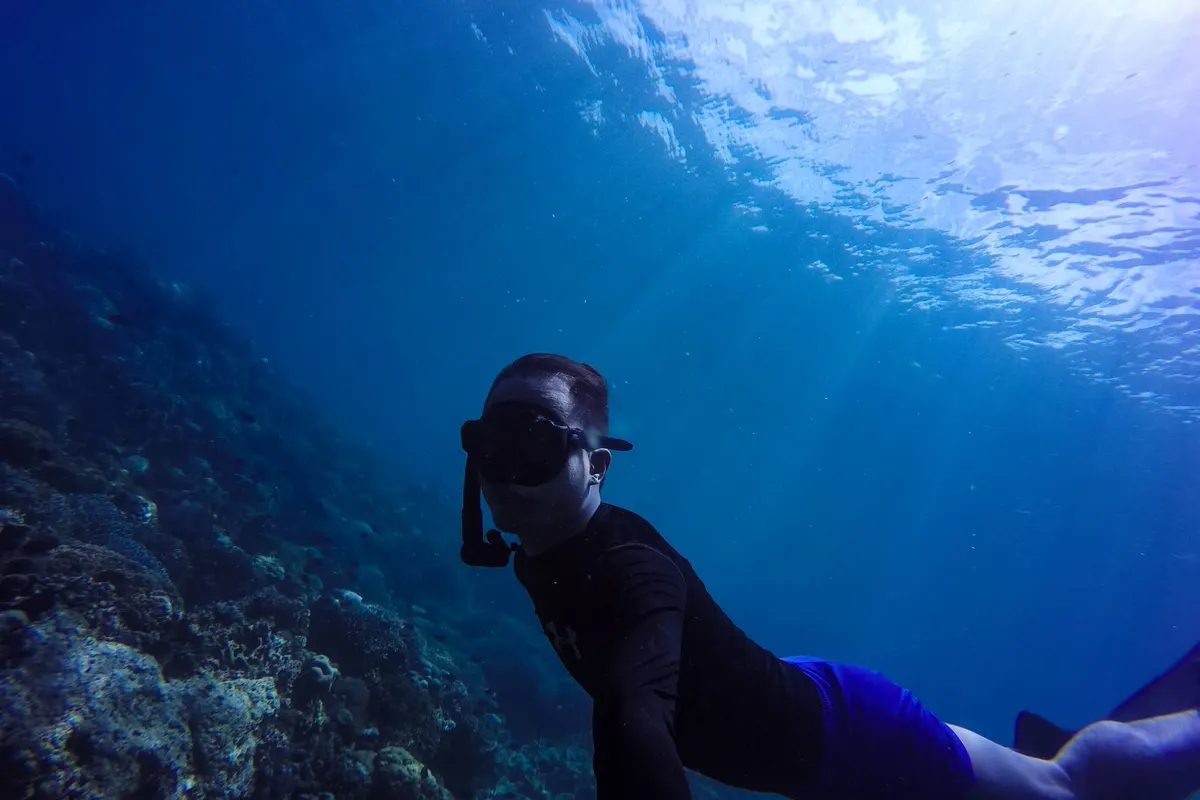
    Snorkellers above the coral reef
    Snorkellers above the coral reef

    Stretching for more than 2,000 km off the coast of Queensland, the Great Barrier Reef is the world’s largest coral reef system and a World Heritage Site. From Cairns — a popular working holiday base — you can go snorkelling or diving on a day trip.

    LocationOff the Queensland coast (gateways: Cairns, Port Douglas, Airlie Beach)
    AccessCairns Airport is about 15 minutes by car from the city; reef boats leave from the Reef Fleet Terminal
    Best timeJune–October (dry season, calmer seas); wear a stinger suit from November to May
    Time neededA full day for a reef trip (morning to late afternoon)

    How to get there

    1. Most travellers fly to Cairns, either directly or via Sydney or Brisbane.
    2. From Cairns Airport, a shuttle bus or taxi takes about 15 minutes to the city centre, which is easy to explore on foot.
    3. Reef boats leave in the morning from the Reef Fleet Terminal near the Esplanade, and many tours include hotel pick-up.
    4. By train, the long-distance Spirit of Queensland runs from Brisbane to Cairns, and the scenic Kuranda Scenic Railway takes you from Cairns up to a rainforest village.

    Opening hours, prices and practical info

    Environmental Management ChargeA$8.50 per visitor per full day (A$4.25 part day), usually included in tour prices; rising to A$9.00 from 1 April 2027
    ToursDay trips from Cairns usually leave in the morning and return in the late afternoon; prices vary widely
    Departure pointReef Fleet Terminal, 1 Spence St, Cairns

    Prices and hours are from official sources as of November 2026 and may change — check the official website before you go.

    Highlights of Great Barrier Reef

    Snorkel on the outer reef

    Large boats take you to pontoons on the outer reef, so even beginners can snorkel safely among colourful coral, tropical fish and, with luck, sea turtles.

    A snorkeller in the clear water
    A snorkeller in the clear water

    See Heart Reef from the air

    The reef looks spectacular from a helicopter or scenic flight. Heart Reef, a heart-shaped coral formation, is a highlight of flights from Airlie Beach.

    Heart Reef seen from the air
    Heart Reef seen from the air

    Whitehaven Beach

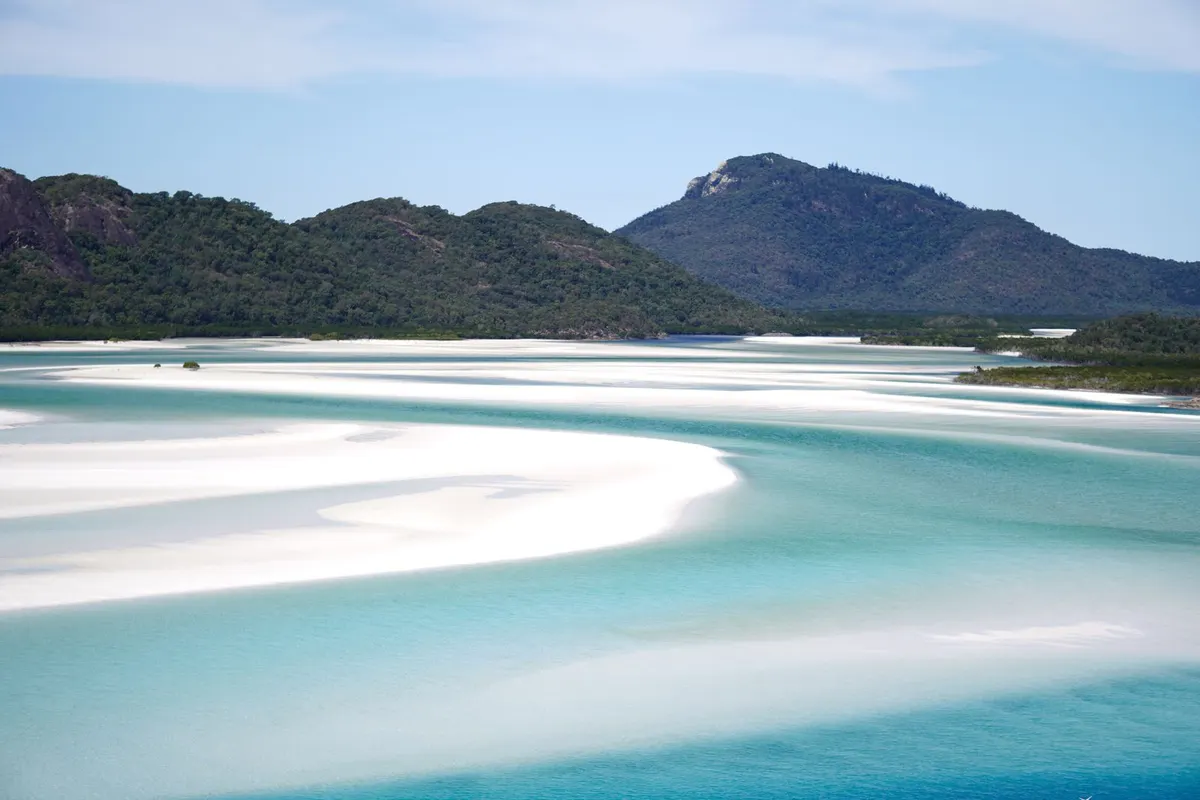
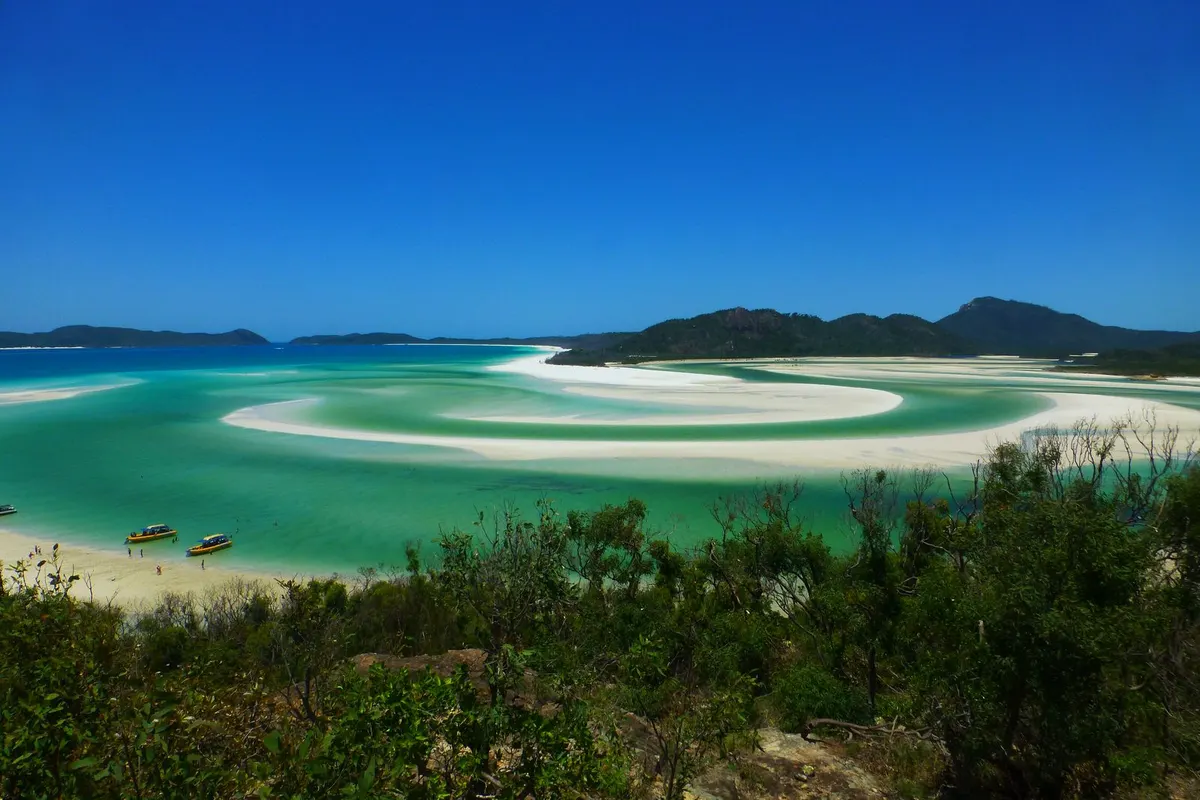
    In the Whitsunday Islands, reached by boat from Airlie Beach, Whitehaven Beach has dazzling white sand. Do not miss the swirling patterns seen from the Hill Inlet lookout.

    White sand and turquoise water at Whitehaven Beach
    White sand and turquoise water at Whitehaven Beach

    Suggested itinerary

    • Hotel pick-up and check-in at the Reef Fleet Terminal
    • Cruise to the outer reef (about 1.5–2 hours)
    • Snorkelling, semi-submersible tours or an intro dive
    • Lunch on board, then back into the water
    • Return to Cairns and relax at the Esplanade Lagoon
    • Dinner at the Night Markets or a restaurant
    Whitehaven Beach from the Hill Inlet lookout
    Whitehaven Beach from the Hill Inlet lookout

    Where to stay nearby

    AREA 1Cairns EsplanadeHotels and hostels line the waterfront, within walking distance of the reef boat terminal.
    AREA 2Cairns CBDSupermarkets and restaurants nearby make it handy for longer stays, with plenty of backpacker accommodation.
    AREA 3Port Douglas / Airlie BeachChoose Port Douglas for a quieter resort stay, or Airlie Beach as your base for the Whitsunday Islands.

    Tips for working holiday makers

    • Cairns is a popular working holiday town with plenty of tourism and hospitality jobs; regional farm work nearby may count towards a visa extension.
    • November to May is stinger (jellyfish) season — wear the stinger suit provided by tour operators.
    • Never touch or stand on the coral, and choose reef-friendly sunscreen.
    • Tour prices vary a lot; choose based on whether you want to snorkel only or also dive.

    FAQ

    Can I enjoy the reef if I cannot swim?

    Yes. Pontoon tours offer snorkelling with life jackets and semi-submersible boats so you can see the coral without getting wet.

    When is the best time to visit?

    June to October (dry season) has calmer seas and more sunny days. From November to May, wear a stinger suit in the water.

    Should I go from Cairns or Airlie Beach?

    Cairns is best for reef snorkelling; Airlie Beach is the base for Whitehaven Beach and Heart Reef scenic flights.

    Planning a working holiday in Australia?Visa basics and a take-home pay calculator.
    Australia guide →

    More places to visit in Australia

    Photos: Pexels (free stock photos) Take-home pay calculator

  • Uluru (Ayers Rock) Travel Guide

    Uluru (Ayers Rock) Travel Guide

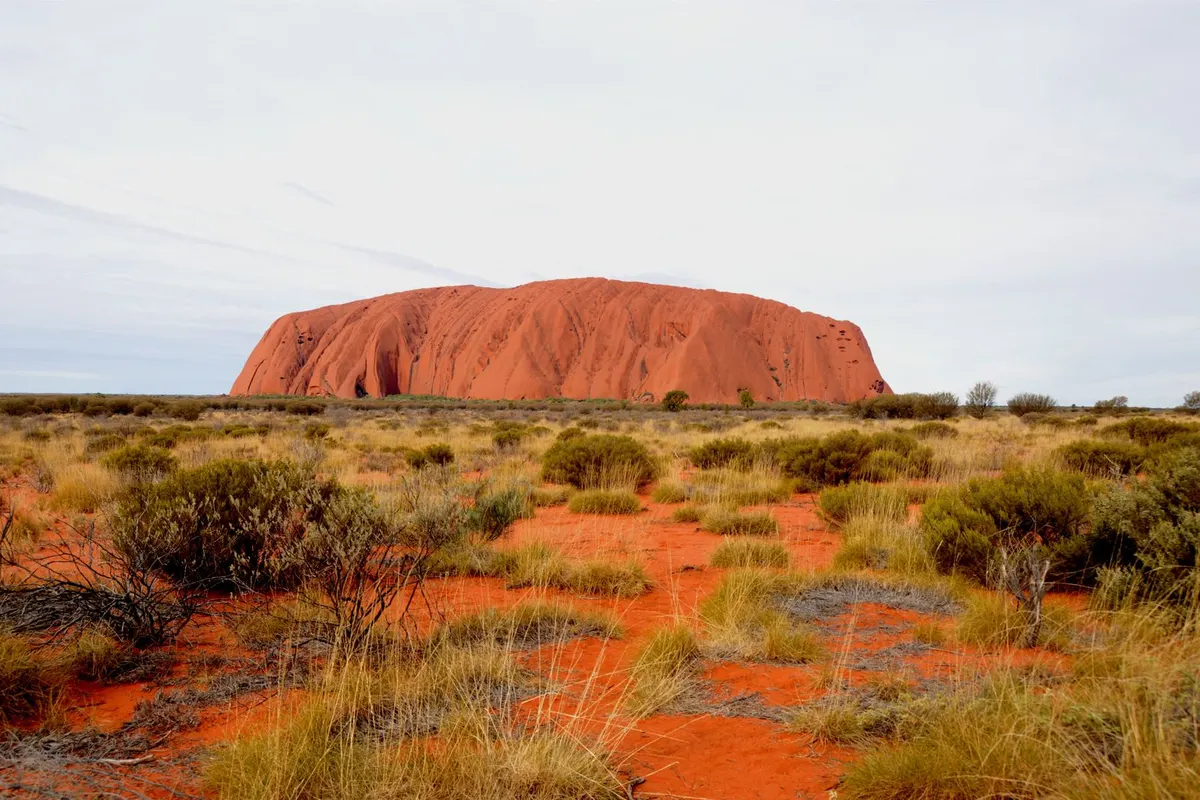
    Uluru rising from the red desert
    Uluru rising from the red desert

    Rising from the red desert in the heart of Australia, Uluru is a sacred place for the Anangu people and part of the Uluru-Kata Tjuta National Park World Heritage Site. Watching the rock change colour at sunrise or sunset is a must on any working holiday.

    LocationUluru-Kata Tjuta National Park, Northern Territory
    GatewayAyers Rock Airport (Connellan); about 5 hours’ drive from Alice Springs
    Best timeMay–September (cooler days); summer days can exceed 40°C
    Time needed2–3 days to see Uluru, Kata Tjuta, sunrise and sunset

    How to get there

    1. Flying is easiest: there are direct flights to Ayers Rock Airport from Sydney, Melbourne and Cairns.
    2. A free shuttle takes about 10 minutes from the airport to Ayers Rock Resort (Yulara), where all the accommodation is.
    3. If you love trains, ride The Ghan between Adelaide and Darwin to Alice Springs, then join a tour or drive about 450 km.
    4. Inside the park, use tours, shuttles or a rental car. You need a national park pass to enter.

    Opening hours, prices and practical info

    Park passAdult 3-day pass A$38, annual pass A$50 (under 18s free); buy online in advance
    Opening hoursOpen daily; hours vary by month, e.g. 5:00 am–9:00 pm in January, 6:30 am–7:30 pm in June–July
    Cultural CentreDaily, 7:00 am–5:45 pm
    NoteClimbing Uluru has been banned since October 2019

    Prices and hours are from official sources as of November 2026 and may change — check the official website before you go.

    Highlights of Uluru (Ayers Rock)

    Sunrise and sunset viewing

    From the dedicated viewing areas, watch Uluru glow red, orange and purple as the sun rises or sets. Sunset tours with sparkling wine are a popular choice.

    Uluru at sunrise
    Uluru at sunrise

    The Base Walk

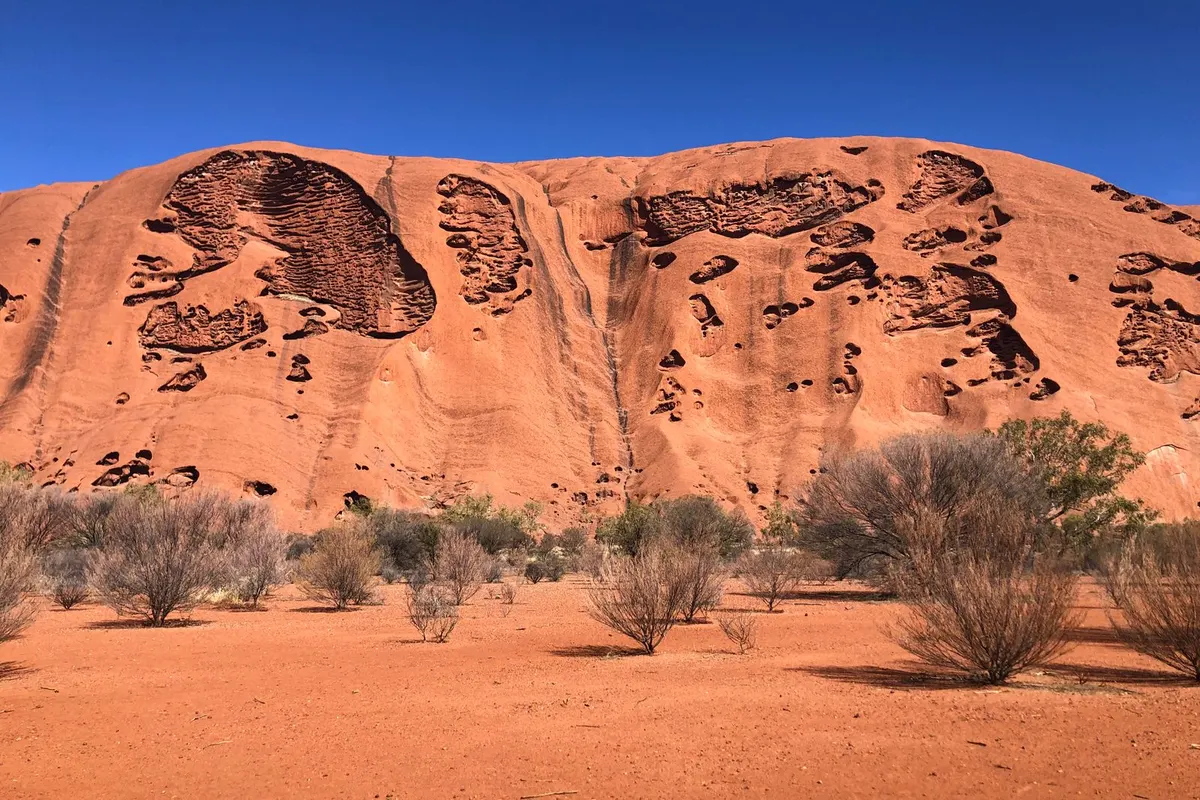
    The roughly 10 km Base Walk circles the rock, passing rock art, waterholes and fascinating textures. Climbing Uluru has been banned since 2019.

    Textures on the surface of Uluru
    Textures on the surface of Uluru

    Kata Tjuta and the Valley of the Winds

    About 50 km west, Kata Tjuta is a group of 36 dome-shaped rocks. The Valley of the Winds walk offers changing views and pairs perfectly with Uluru.

    Uluru at dusk
    Uluru at dusk

    Suggested itinerary

    • Arrive at Ayers Rock Airport and check in at the resort
    • Watch the sunset at the viewing area
    • Sunrise, then the Base Walk before it gets hot
    • Learn about Anangu culture at the Cultural Centre
    • The Field of Light art installation or stargazing
    • Walk the Valley of the Winds at Kata Tjuta, then fly out

    Where to stay nearby

    AREA 1Ayers Rock Resort (Yulara)The only place to stay near the park, with everything from luxury hotels to a campground.
    AREA 2Outback PioneerA more affordable option within the resort, including dorm rooms popular with backpackers.
    AREA 3Alice SpringsThe base if you arrive by The Ghan or overland; many multi-day Uluru tours start here.

    Tips for working holiday makers

    • Accommodation is limited, so book early in peak season.
    • On days forecast above 36°C, some walks close at 11 am. Carry plenty of water.
    • A fly net for your face makes summer visits much more comfortable.
    • Some sacred sites must not be photographed — follow the signs out of respect for the Anangu.

    FAQ

    Can you climb Uluru?

    No. At the request of the Anangu traditional owners, climbing has been banned since October 2019. The Base Walk around the rock is a great alternative.

    How many days do I need?

    Two nights and three days lets you see sunrise and sunset, walk the Base Walk and visit Kata Tjuta.

    How much is the park entry fee?

    An adult 3-day pass costs A$38 (as of November 2026); under 18s enter free.

    Planning a working holiday in Australia?Visa basics and a take-home pay calculator.
    Australia guide →

    More places to visit in Australia

    Photos: Pexels (free stock photos) Take-home pay calculator

  • Melbourne Laneways Travel Guide

    Melbourne Laneways Travel Guide

    Walking through a street-art laneway
    Walking through a street-art laneway

    Often ranked among the world’s most liveable cities, Melbourne shows its personality best in the laneways that criss-cross the city centre. Street art, quirky cafés and hidden bars make laneway walks the perfect day off on a working holiday.

    LocationMelbourne city centre (CBD), Victoria
    Nearest stationFlinders Street Station, just a short walk
    Best timeOctober–April, but enjoyable all year
    Time neededHalf a day for cafés and street art

    How to get there

    1. From Melbourne Airport, the SkyBus runs to Southern Cross Station in about 30 minutes.
    2. Trams are free within the CBD’s Free Tram Zone.
    3. Hosier Lane, famous for street art, is across the road from Flinders Street Station and Federation Square.
    4. Pay for trains, trams and buses with a myki card.

    Opening hours, prices and practical info

    CostWalking the laneways and seeing the street art is free
    Queen Victoria MarketTue, Thu, Fri 6 am–3 pm; Sat 6 am–4 pm; Sun 9 am–4 pm (closed Mon and Wed)
    Free tramsFree within the CBD Free Tram Zone

    Prices and hours are from official sources as of November 2026 and may change — check the official website before you go.

    Highlights of Melbourne Laneways

    Street art in Hosier Lane

    Every wall is covered in graffiti, and the artworks change constantly. Combine it with nearby AC/DC Lane.

    Graffiti covering the walls
    Graffiti covering the walls

    Café culture on Degraves Street

    Melbourne is Australia’s coffee capital. Degraves Street and Centre Place are lined with small cafés — try a flat white.

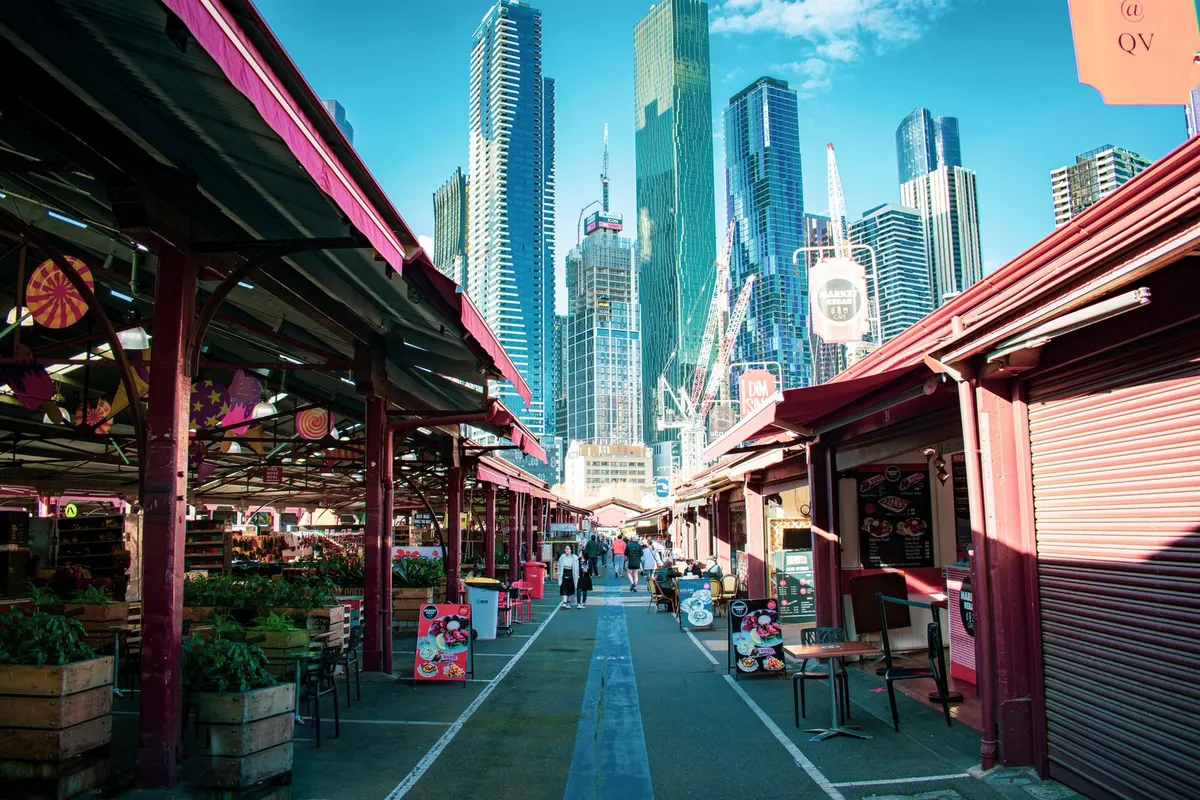
    Queen Victoria Market

    A market with over 100 years of history, selling everything from fresh food to souvenirs — handy for cheap groceries too.

    Queen Victoria Market with the city skyline
    Queen Victoria Market with the city skyline

    Suggested itinerary

    • Breakfast and coffee on Degraves Street
    • Explore historic arcades such as the Block Arcade
    • Street art in Hosier Lane
    • Free tram to Queen Victoria Market
    • Walk along the Yarra River at Southbank
    • Find a hidden laneway bar
    Flinders Street Station
    Flinders Street Station

    Where to stay nearby

    AREA 1Melbourne CBDClosest to the laneways and tram lines, with plenty of hotels and hostels.
    AREA 2SouthbankAcross the Yarra River, with high-rise hotels and great night views.
    AREA 3St Kilda / FitzroySeaside St Kilda is popular with backpackers; trendy Fitzroy suits longer stays.

    Tips for working holiday makers

    • Use the Free Tram Zone and getting around the CBD is almost free.
    • With so many cafés, barista experience makes it easier to find work in Melbourne.
    • The weather can change quickly — “four seasons in one day” — so carry a jacket.
    • Photographing street art is fine, but ask before photographing artists at work.

    FAQ

    Which laneway is most famous for street art?

    Hosier Lane, opposite Flinders Street Station, is the most famous. AC/DC Lane nearby is also worth a visit.

    Are Melbourne trams free?

    Yes, inside the CBD Free Tram Zone. Outside the zone you need a myki card.

    Is Queen Victoria Market open every day?

    No, it is closed on Mondays and Wednesdays.

    Planning a working holiday in Australia?Visa basics and a take-home pay calculator.
    Australia guide →

    More places to visit in Australia

    Photos: Pexels (free stock photos) Take-home pay calculator