Category: Travel Guide

Travel guides to popular places in working holiday countries.

  • 6 Best Places to Visit in Canada

    6 Best Places to Visit in Canada

    Banff National Park
    Banff National Park

    From the turquoise lakes of the Rockies and the thundering Niagara Falls to a European-style walled city, Canada does everything on a grand scale. Here are 6 of the best places to visit on your days off or travels during a working holiday.

    Banff National Park
    No.1

    Banff National Park

    Founded in 1885, Banff is Canada’s first national park and the heart of the World Heritage-listed Canadian Rockies. Turquoise glacier-fed lakes like …

    Getting there:About 1.5 hours by car or bus from Calgary International Airport

    Read the full guide →
    Niagara Falls
    No.2

    Niagara Falls

    On the border between Canada and the United States, Niagara Falls is one of the world’s great waterfalls — and the Canadian side has the best head-on…

    Getting there:About 1.5–2 hours from Toronto by car, train or bus

    Read the full guide →
    Vancouver
    No.3

    Vancouver

    Surrounded by ocean and mountains, Vancouver regularly ranks among the world’s most liveable cities. With direct flights from Japan, it is the first …

    Getting there:About 25 minutes by train from Vancouver International Airport to downtown

    Read the full guide →
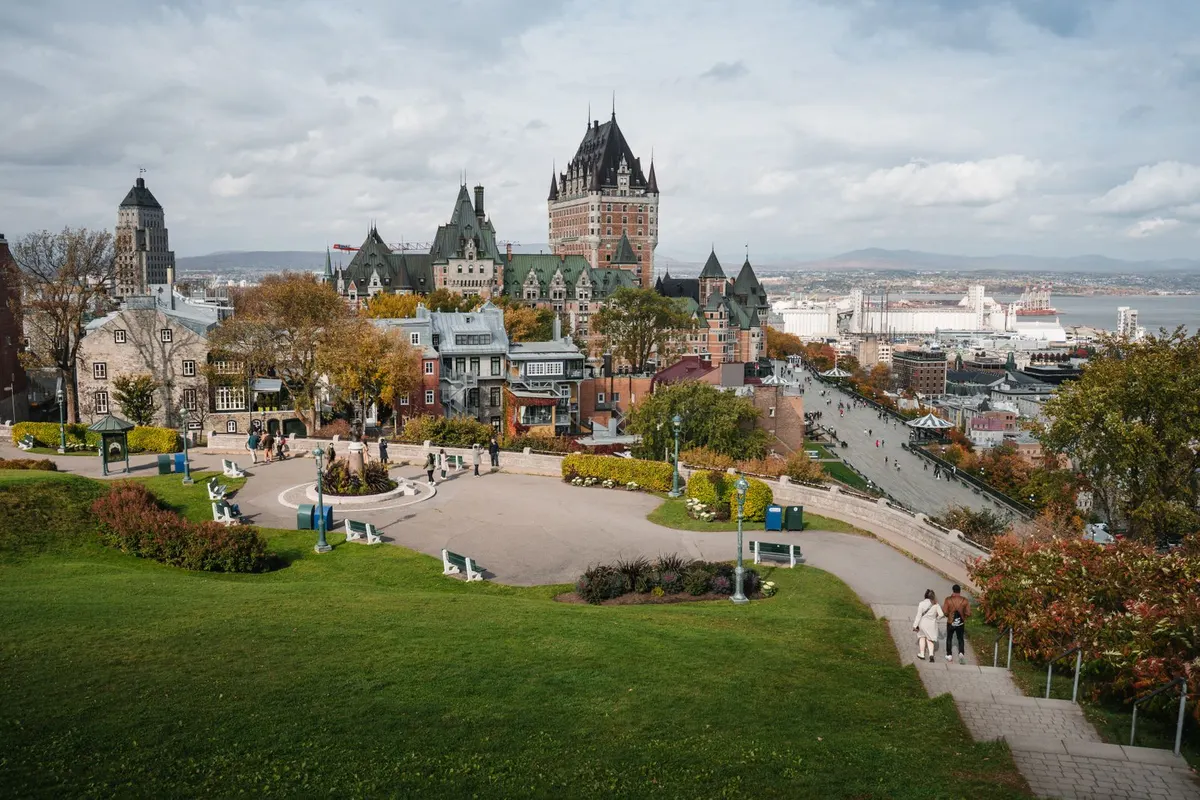
    Old Quebec
    No.4

    Old Quebec

    Old Quebec is the only walled city north of Mexico and a UNESCO World Heritage Site since 1985. French is spoken, and its cobbled lanes and castle-li…

    Getting there:About 3.5 hours by train from Montreal

    Read the full guide →
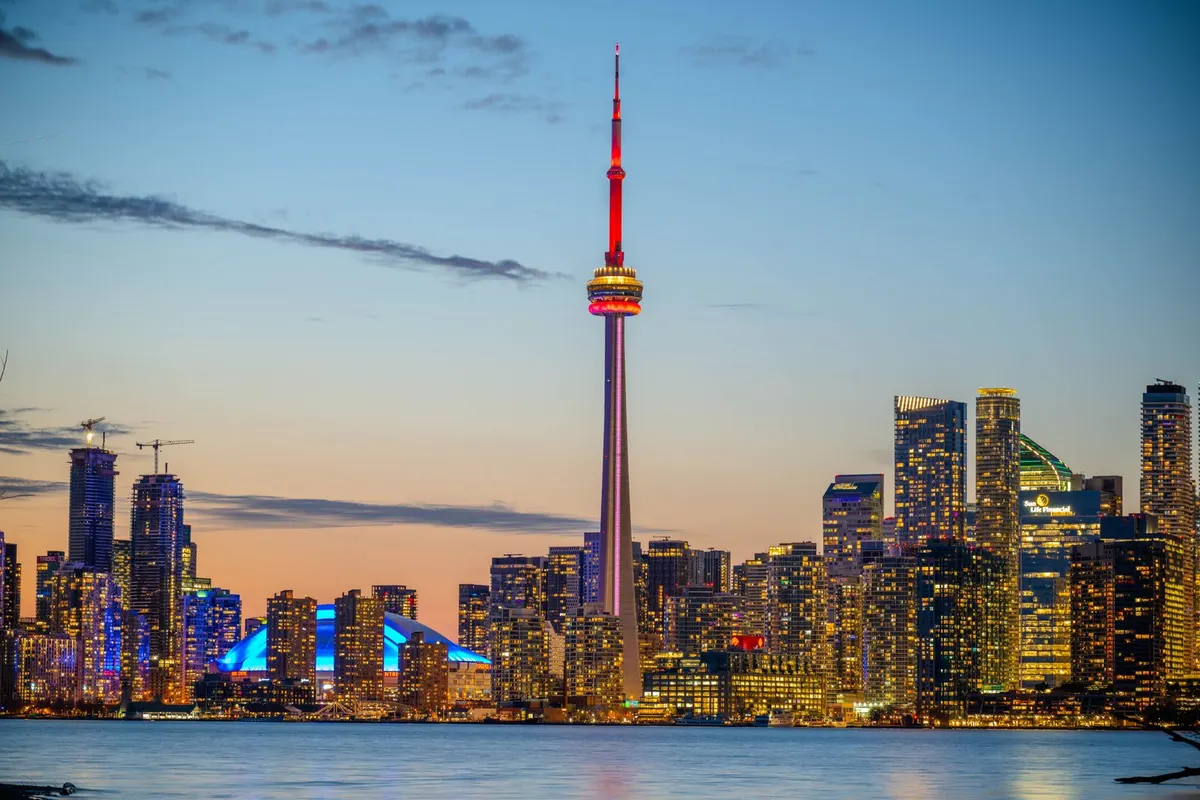
    Toronto
    No.5

    Toronto

    Canada’s largest city, with views from the CN Tower and food from every corner of the world. A popular working holiday base and the gateway to Niagara Falls.

    Getting there:About 25 minutes on the UP Express from Toronto Pearson Airport
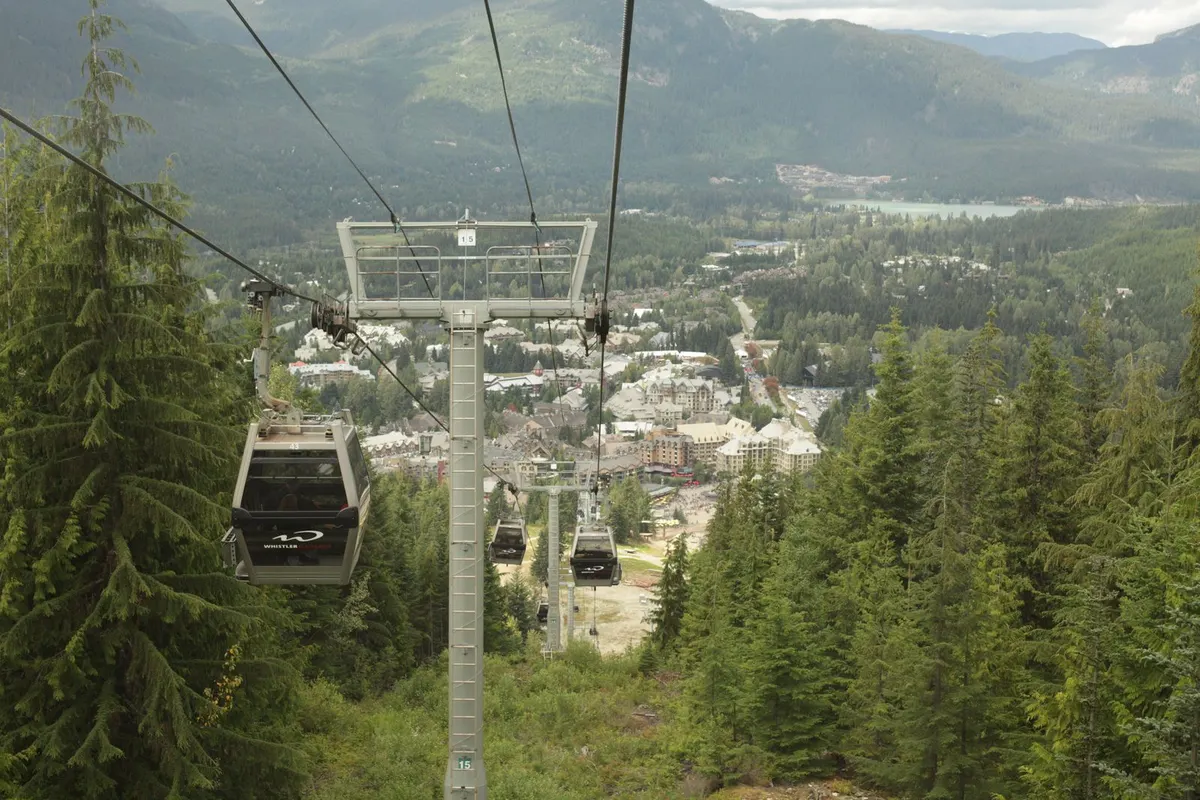
    Whistler
    No.6

    Whistler

    One of North America’s biggest ski resorts, with gondola hikes and mountain biking in summer — and many working holiday makers in the ski season.

    Getting there:About 2 hours by bus from Vancouver along the Sea-to-Sky Highway

    FAQ

    What are the most popular places in Canada?

    Banff and Niagara Falls are the classics, with Vancouver and Toronto for city life and Old Quebec for a European feel.

    How do I get around?

    Canada is huge, so flights connect most cities. VIA Rail is handy between Toronto, Montreal and Quebec City.

    When is the best time to travel?

    June–September is the most comfortable and October brings autumn colours; winter is for skiing, northern lights and festivals.

    Which city is best as a working holiday base?

    Vancouver and Toronto have the most jobs; Montreal and Quebec City are popular if you want to learn French.

    Planning a working holiday in Canada?Visa basics and a take-home pay calculator.
    Canada guide →

    Photos: Pexels
  • Old Quebec Travel Guide

    Old Quebec Travel Guide

    Old Quebec and the Château Frontenac in autumn
    Old Quebec and the Château Frontenac in autumn

    Old Quebec is the only walled city north of Mexico and a UNESCO World Heritage Site since 1985. French is spoken, and its cobbled lanes and castle-like hotel feel more like Europe than North America. Here is how to get there from Montreal, what to see, the famous winter carnival and where to stay.

    LocationQuebec City, Quebec, on the St. Lawrence River
    Getting thereAbout 3.5 hours by train from Montreal
    Best timeJune–September and October for autumn colours; February for Winter Carnival
    Time needed1–2 days for the old town; 2–3 days with Montmorency Falls

    How to get there

    1. VIA Rail trains take about 3.5 hours from Montreal Central Station to Quebec City’s Gare du Palais, a 10-minute walk from the old town.
    2. Coaches such as Orléans Express take about 3 hours from Montreal.
    3. Quebec City Jean Lesage International Airport has domestic flights from Toronto and elsewhere; a taxi to the old town takes about 20–30 minutes.
    4. The old town is hilly — the Funiculaire cable car links the Upper and Lower Towns.

    Opening hours, prices and practical info

    VIA RailSeveral trains a day between Montreal and Quebec City, about 3.5 hours; book early for discounts
    FuniculaireCable car between the Upper and Lower Towns, running daily (check fares online)
    Winter CarnivalUsually late January to mid-February; some years require buying the “Bonhomme” effigy pass for site entry
    The CitadelleGuided tours and museum are paid; check summer changing-of-the-guard dates online

    Prices and hours are from official sources as of November 2026 and may change — check the official website before you go.

    Highlights of Old Quebec

    Château Frontenac

    The castle-like hotel crowning the old town is the symbol of Quebec City. Even if you do not stay, you can join a guided tour or have a drink inside. Dufferin Terrace in front gives sweeping river views.

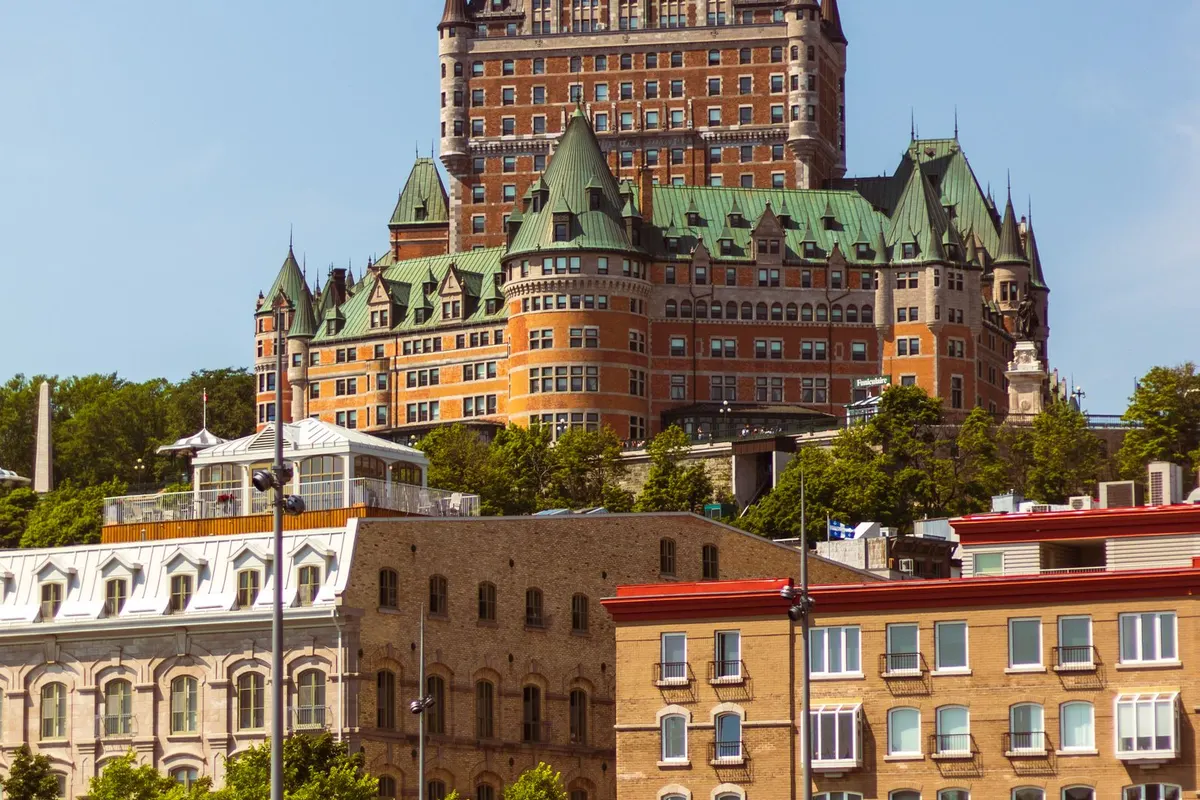
    The Château Frontenac on the hill
    The Château Frontenac on the hill

    Rue du Petit-Champlain

    One of the oldest shopping streets in North America, in the Lower Town, lined with boutiques and restaurants in stone buildings and beautifully decorated each season.

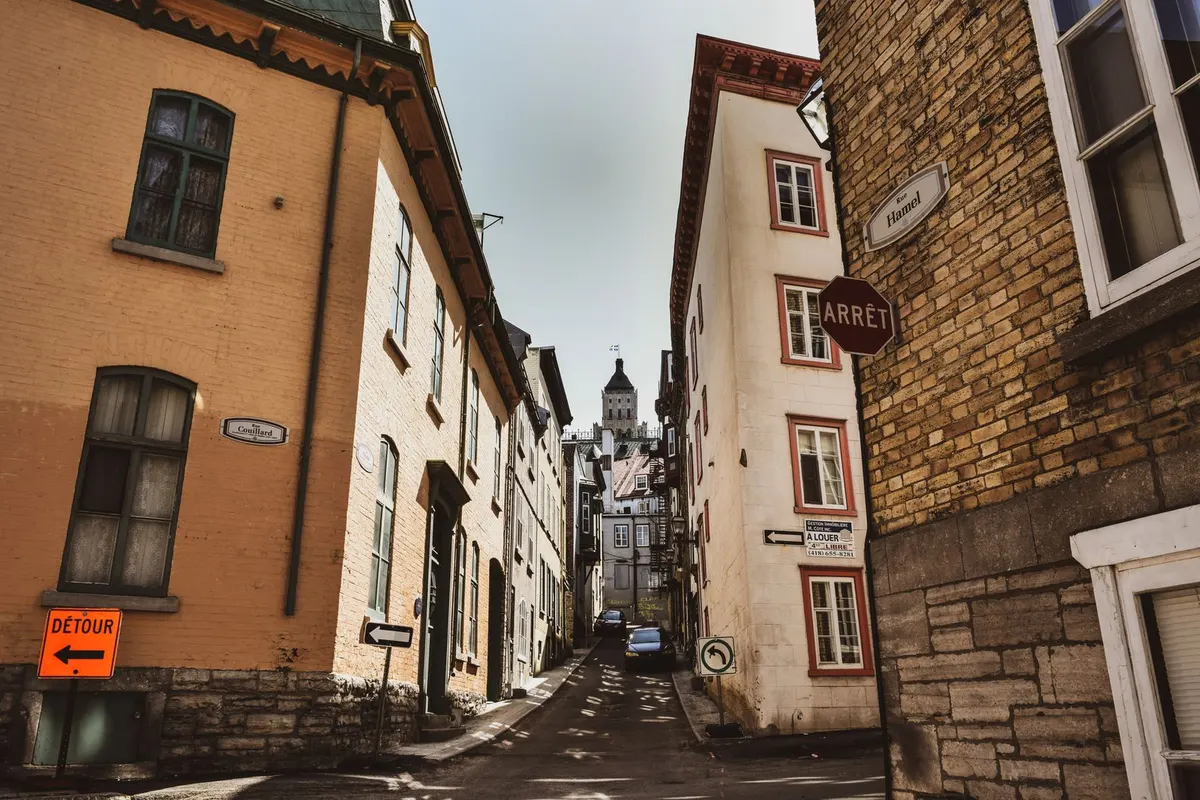
    A narrow lane of stone buildings
    A narrow lane of stone buildings

    The walls and the Citadelle

    Walk along about 4.6 km of city walls. At the star-shaped Citadelle, the changing of the guard takes place in summer.

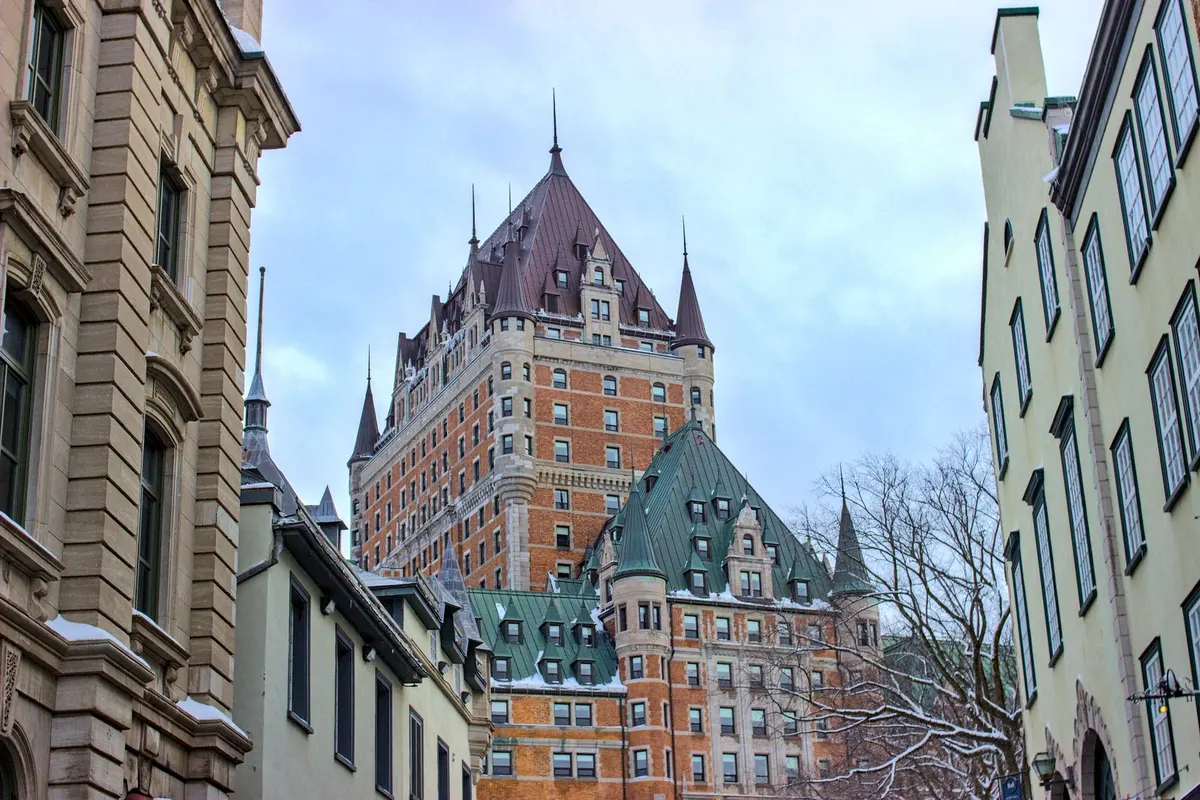
    The Château Frontenac in the snow
    The Château Frontenac in the snow

    Montmorency Falls

    Just 15 minutes’ drive away, Montmorency Falls is 83 m high — about 30 m taller than Niagara. Enjoy the view from the suspension bridge and cable car.

    Suggested itinerary

    • Walk Dufferin Terrace and visit the Château Frontenac
    • Follow the city walls to the Citadelle (changing of the guard in summer)
    • Lunch at a bistro serving Québécois food
    • Funiculaire to the Lower Town and Rue du Petit-Champlain
    • Bus or drive to Montmorency Falls
    • French dinner back in the old town
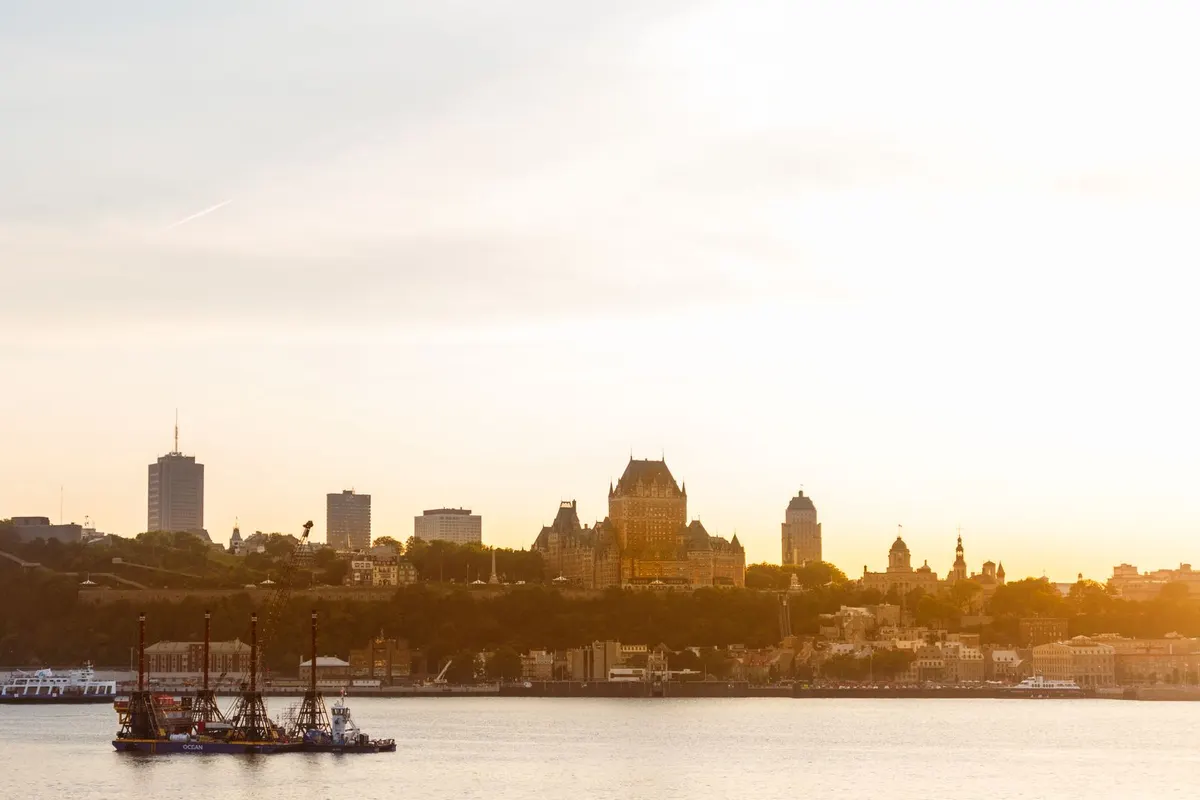
    Old Quebec at sunset from the St. Lawrence River
    Old Quebec at sunset from the St. Lawrence River

    Where to stay nearby

    AREA 1Old Town (Upper Town)Inside the walls, with historic hotels including the Château Frontenac — the most convenient base.
    AREA 2Lower Town and Old PortStylish boutique hotels near Rue du Petit-Champlain and the Old Port.
    AREA 3Saint-RochA trendy area just outside the walls with affordable hotels and restaurants, close to the station.

    Tips for working holiday makers

    • French is the official language of Quebec. English is widely understood in tourist areas, but a “bonjour” and “merci” go a long way.
    • Winter Carnival in February is one of the world’s biggest winter festivals — temperatures can drop to -20°C, so dress warmly.
    • Wear comfortable shoes for the hills and cobblestones.
    • If you want to learn French, a working holiday in Quebec is a popular choice.

    FAQ

    Is it a day trip from Montreal?

    Possible at about 3.5 hours each way by train, but stay a night — the old town is lovely after dark.

    Do people speak English?

    French is the official language, but English is widely spoken in hotels and restaurants.

    When is the best time to visit?

    June–September for comfort, October for autumn colours, and winter for snow and Carnival.

    Is it expensive?

    Similar to other big Canadian cities. Eat in Saint-Roch to save money.

    Planning a working holiday in Canada?Visa basics and a take-home pay calculator.
    Canada guide →

    More places to visit in Canada

    Photos: Pexels (free stock photos) Take-home pay calculator
  • Vancouver Travel Guide

    Vancouver Travel Guide

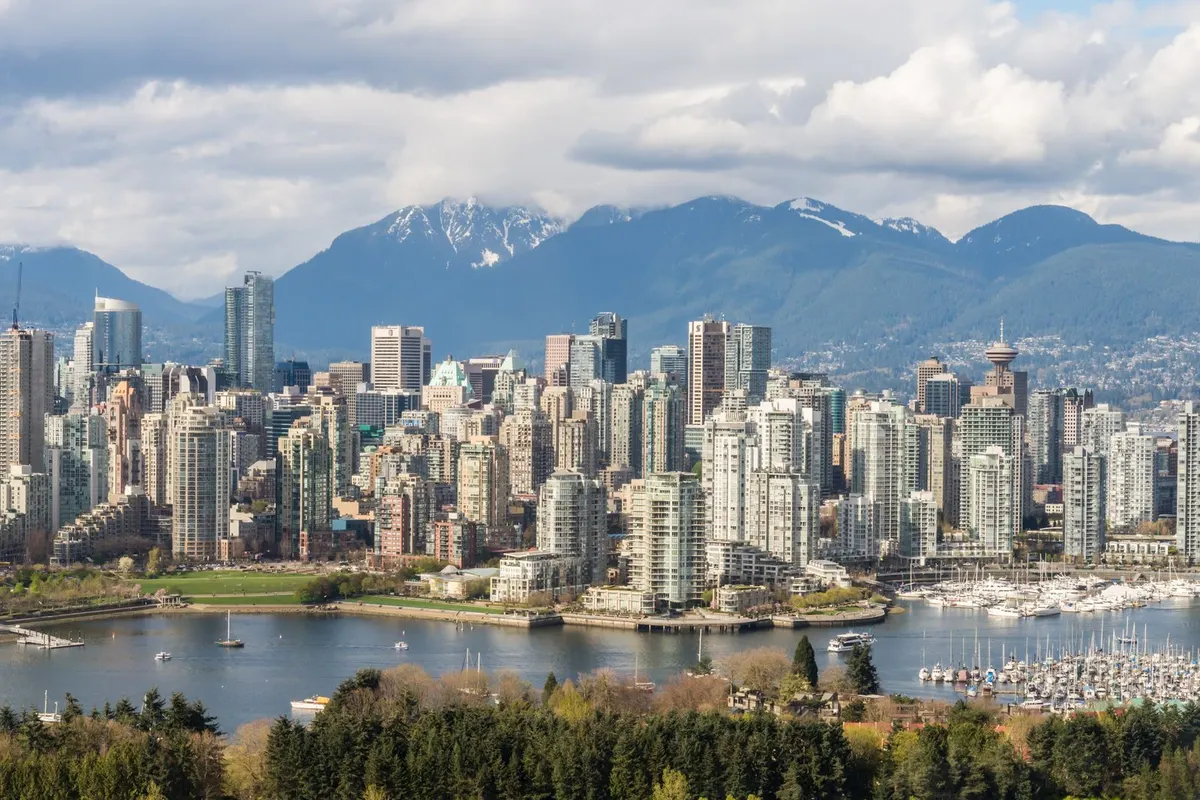
    Vancouver between the mountains and the sea
    Vancouver between the mountains and the sea

    Surrounded by ocean and mountains, Vancouver regularly ranks among the world’s most liveable cities. With direct flights from Japan, it is the first stop for many working holiday makers and students. Here are the highlights — from Stanley Park to Granville Island — plus how to get in from the airport and where to stay.

    LocationBritish Columbia, on Canada’s west coast
    AirportAbout 25 minutes by train from Vancouver International Airport to downtown
    Best timeJune–September, when it is driest and sunniest
    Time needed2–3 days for the city; side trips to Whistler or Victoria are popular

    How to get there

    1. Direct flights from Narita and Haneda take about 9 hours.
    2. From the airport, the SkyTrain Canada Line reaches Waterfront station downtown in about 25 minutes. Trips from the airport include an extra fare.
    3. Pay for trains, buses and the SeaBus with a Compass Card or by tapping a contactless bank card.
    4. Hop on a little Aquabus ferry across False Creek to reach Granville Island.

    Opening hours, prices and practical info

    SkyTrainCanada Line from the airport to Waterfront takes about 25 minutes; airport trips include an extra fare
    Stanley ParkFree; the Seawall loop is about 10 km (around an hour by bike)
    Granville IslandThe public market opens daily (closed on a few holidays)
    Capilano Suspension BridgePaid entry with a free downtown shuttle (check prices and times online)

    Prices and hours are from official sources as of November 2026 and may change — check the official website before you go.

    Highlights of Vancouver

    Stanley Park

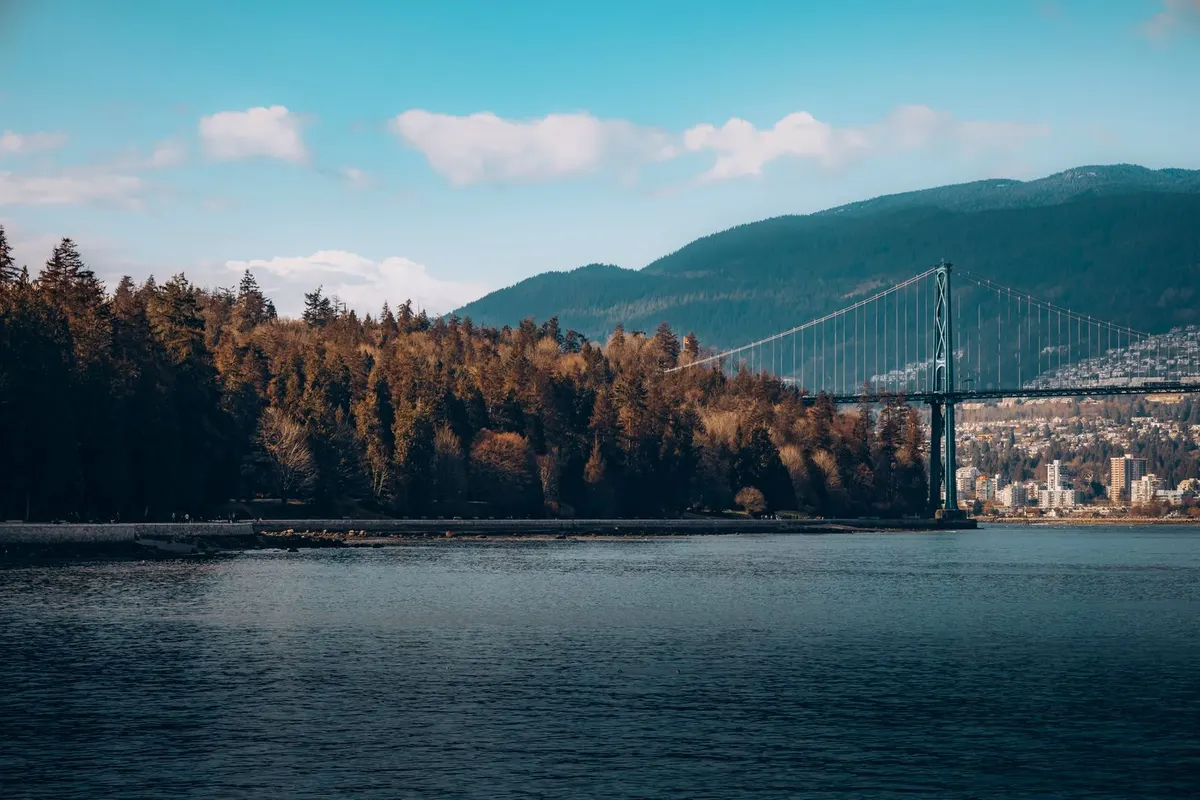
    A 400-hectare park right next to downtown. Rent a bike to ride the Seawall around it, passing totem poles and views of the Lions Gate Bridge.

    The Lions Gate Bridge from Stanley Park
    The Lions Gate Bridge from Stanley Park

    Granville Island

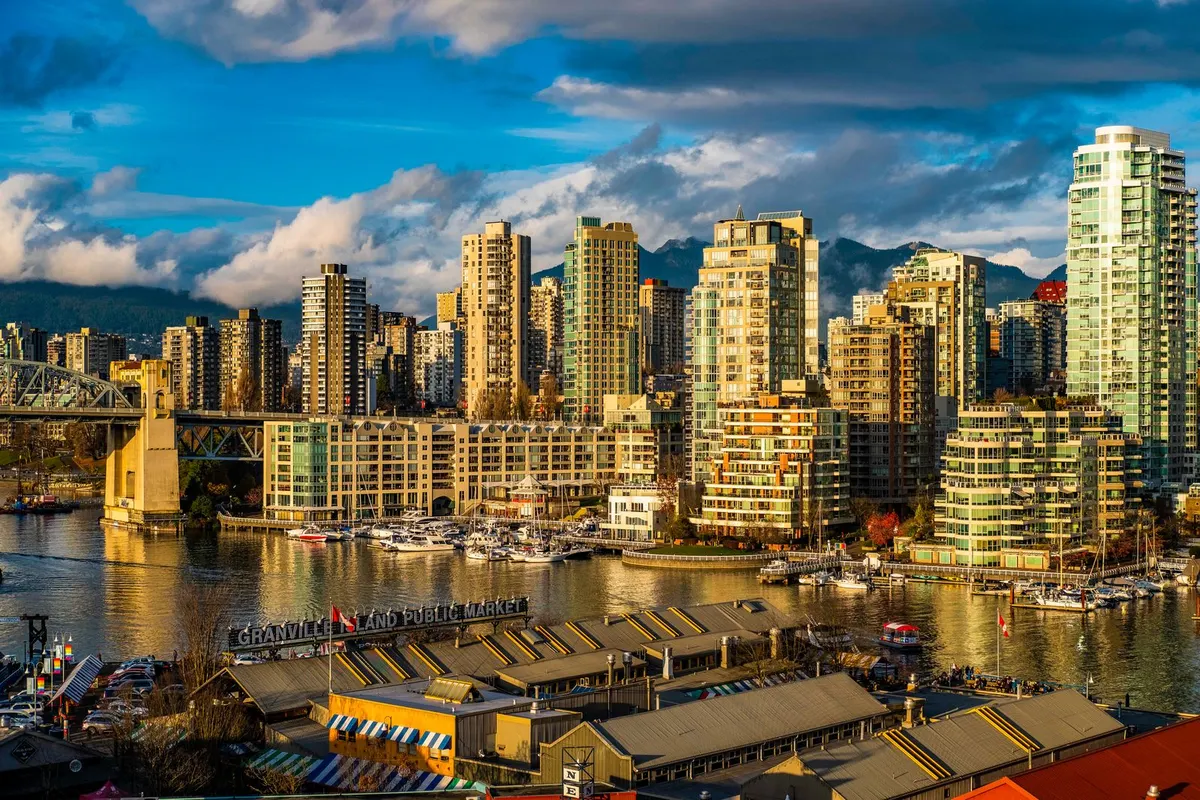
    The public market in converted warehouses is packed with fresh seafood, local produce and crafts. Grab a snack and watch the street performers.

    Granville Island and downtown
    Granville Island and downtown

    Gastown and the steam clock

    Gastown, where Vancouver began, is a stylish area of cobblestones and brick buildings, famous for its steam clock that whistles every 15 minutes.

    Capilano Suspension Bridge and Grouse Mountain

    In North Vancouver, cross the 140 m Capilano Suspension Bridge over a deep canyon, or ride the gondola up Grouse Mountain for nature right next to the city.

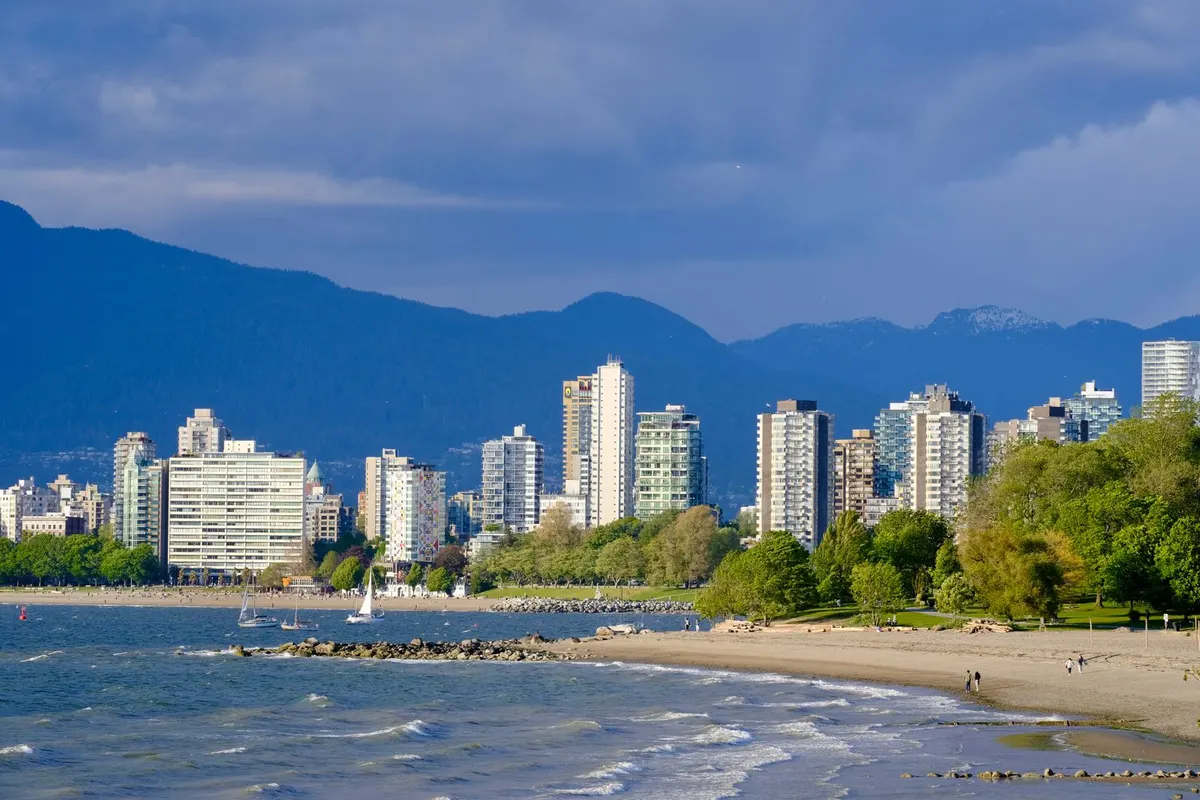
    The beach at English Bay
    The beach at English Bay

    Suggested itinerary

    • Stroll around Gastown and see the steam clock
    • Rent a bike and ride the Stanley Park Seawall
    • Lunch by the beach at English Bay
    • Aquabus to Granville Island and graze the market
    • SeaBus to North Vancouver for skyline views
    • Dinner around Robson Street
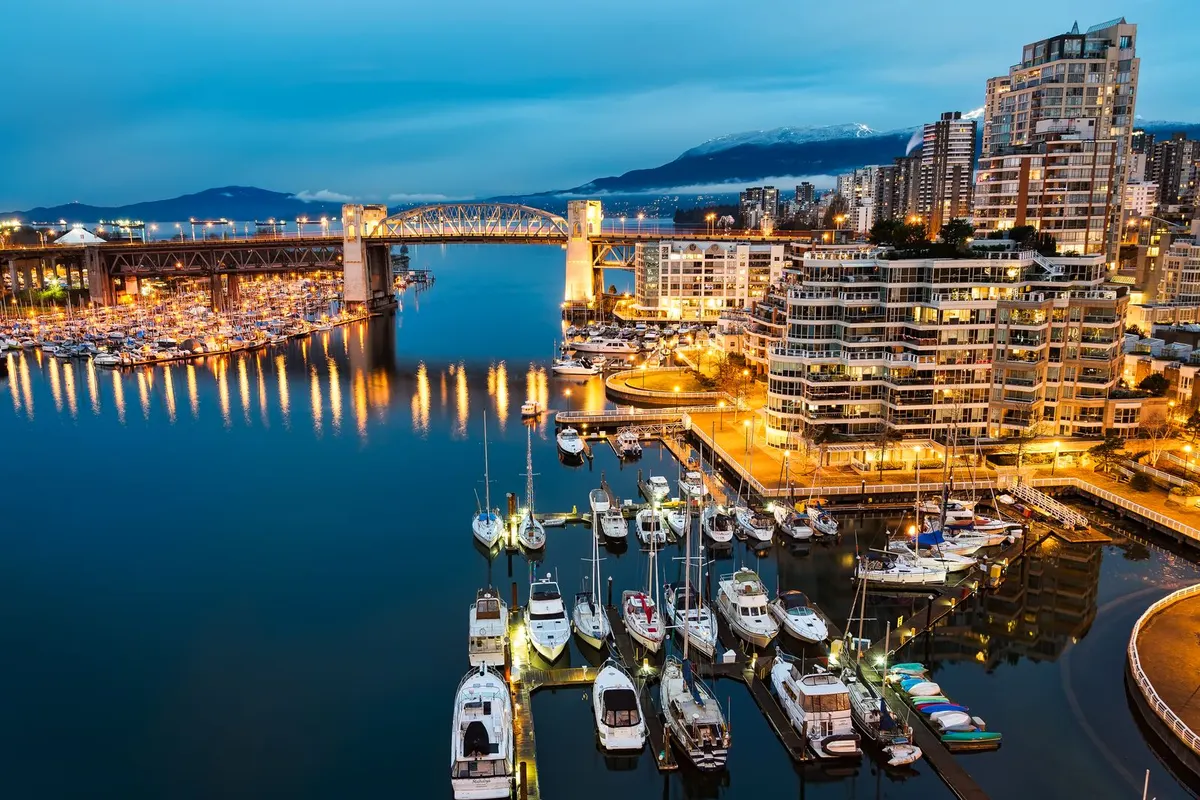
    False Creek marina at night
    False Creek marina at night

    Where to stay nearby

    AREA 1Downtown (around Robson Street)Close to shopping and restaurants, with the widest choice of hotels.
    AREA 2West EndA residential area near Stanley Park and English Bay — calmer and greener.
    AREA 3YaletownA trendy redeveloped district with great restaurants and a Canada Line station for the airport.

    Tips for working holiday makers

    • Japanese restaurants and tourism businesses hire a lot, so job hunting is relatively easy for Japanese working holiday makers.
    • Rent is high — many people start in a flatshare or homestay.
    • October to April is rainy, so pack a waterproof jacket.
    • In winter, local ski hills like Grouse and Cypress are a bus ride away, and Whistler is close by.

    FAQ

    How do I get from the airport to downtown?

    Take the SkyTrain Canada Line — about 25 minutes, paid with a Compass Card or contactless card.

    Can I find work there on a working holiday?

    Yes — Japanese restaurants and tourism businesses hire a lot, though rent is high.

    How many days do I need?

    2–3 days covers the main sights. Day trips to Whistler or Victoria are well worth it.

    Does it rain a lot?

    October to April is rainy but rarely snowy; summers are mostly dry and sunny.

    Planning a working holiday in Canada?Visa basics and a take-home pay calculator.
    Canada guide →

    More places to visit in Canada

    Photos: Pexels (free stock photos) Take-home pay calculator
  • Niagara Falls Travel Guide

    Niagara Falls Travel Guide

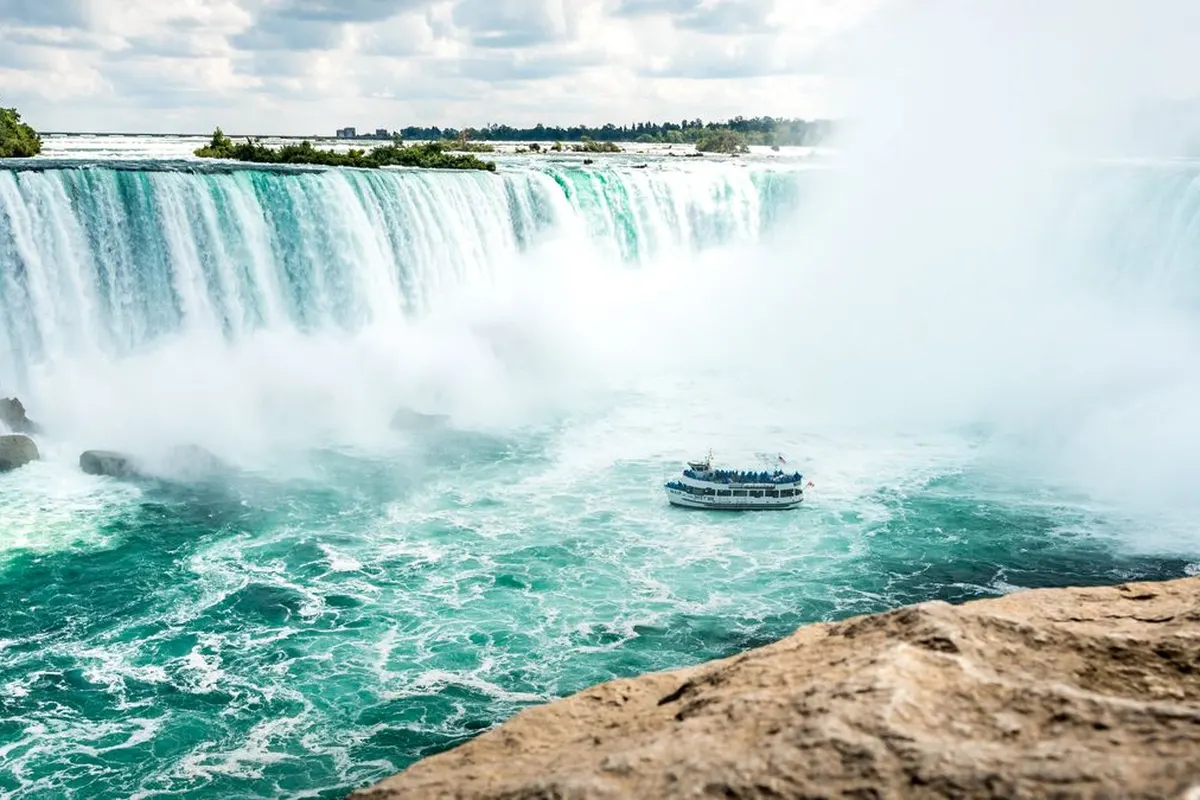
    A cruise boat approaching the Horseshoe Falls
    A cruise boat approaching the Horseshoe Falls

    On the border between Canada and the United States, Niagara Falls is one of the world’s great waterfalls — and the Canadian side has the best head-on view of the Horseshoe Falls. It is an easy day trip from Toronto, perfect for a weekend away during a working holiday. Here is how to get there, which boat tour to take, when to see the illuminations and where to stay.

    LocationCity of Niagara Falls, Ontario, on the US border
    Getting thereAbout 1.5–2 hours from Toronto by car, train or bus
    Best timeMay–October while the boats run; winter brings icy falls
    Time neededHalf a day to a full day; stay overnight for the illuminations

    How to get there

    1. From Toronto’s Union Station, GO Transit’s Lakeshore West line runs to Niagara Falls station (about 2 hours). Direct trains run mainly on weekends and in summer; on weekdays you connect to a GO bus.
    2. Coaches such as FlixBus take about 1.5–2 hours from downtown Toronto and run frequently.
    3. From the station or bus terminal, the Niagara Parks WEGO buses run along the falls area.
    4. You can walk to the US side, but you need your passport and US entry approval. Check that your Canadian visa lets you re-enter before you go.

    Opening hours, prices and practical info

    Boat toursNiagara City Cruises usually run from about April to November — check prices and times online
    ViewingThe promenade along the falls and Table Rock are free
    IlluminationsEvery night from dusk until late; check the fireworks schedule online
    To the USWalk across the Rainbow Bridge with your passport and US entry approval (such as ESTA)

    Prices and hours are from official sources as of November 2026 and may change — check the official website before you go.

    Highlights of Niagara Falls

    Boat tour into the mist

    Niagara City Cruises take you right into the mist at the base of the Horseshoe Falls. You will get soaked even in the poncho they hand out.

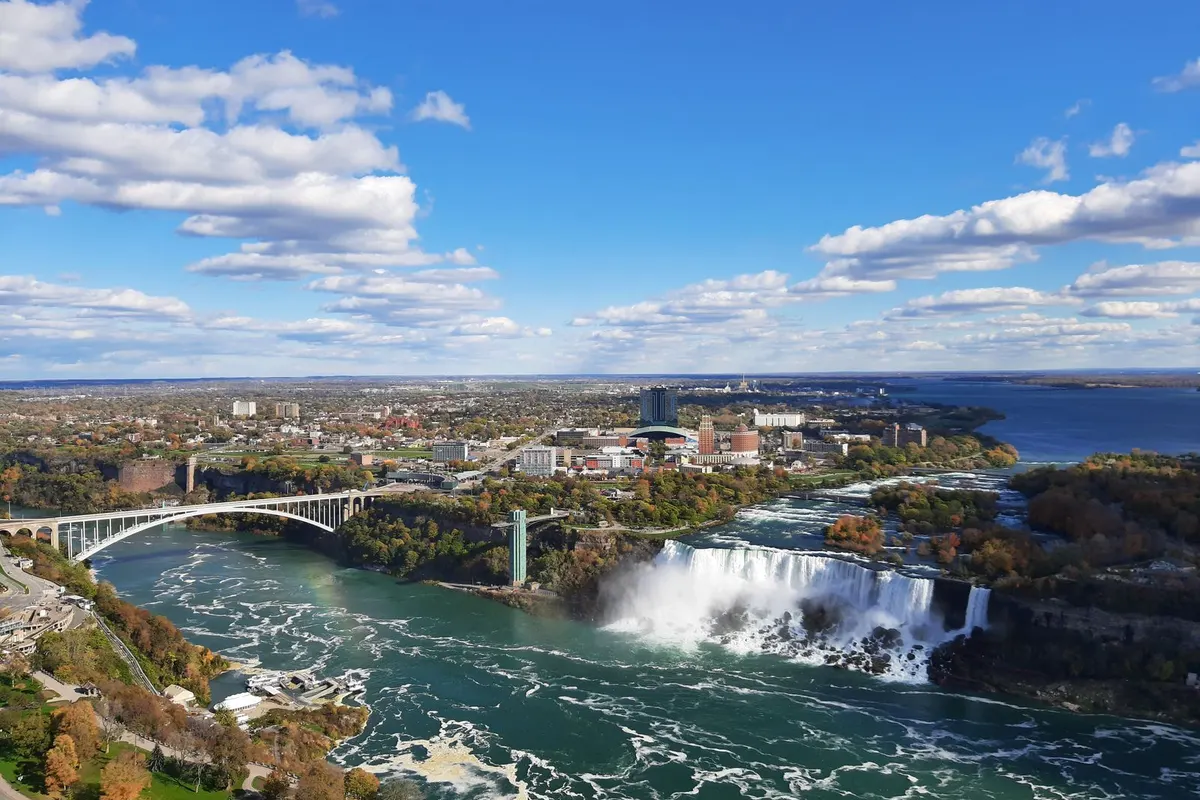
    Niagara Falls and the Rainbow Bridge from above
    Niagara Falls and the Rainbow Bridge from above

    Journey Behind the Falls

    An elevator takes you down through the rock to tunnels behind the Horseshoe Falls, where the water thunders past. It is open in winter too.

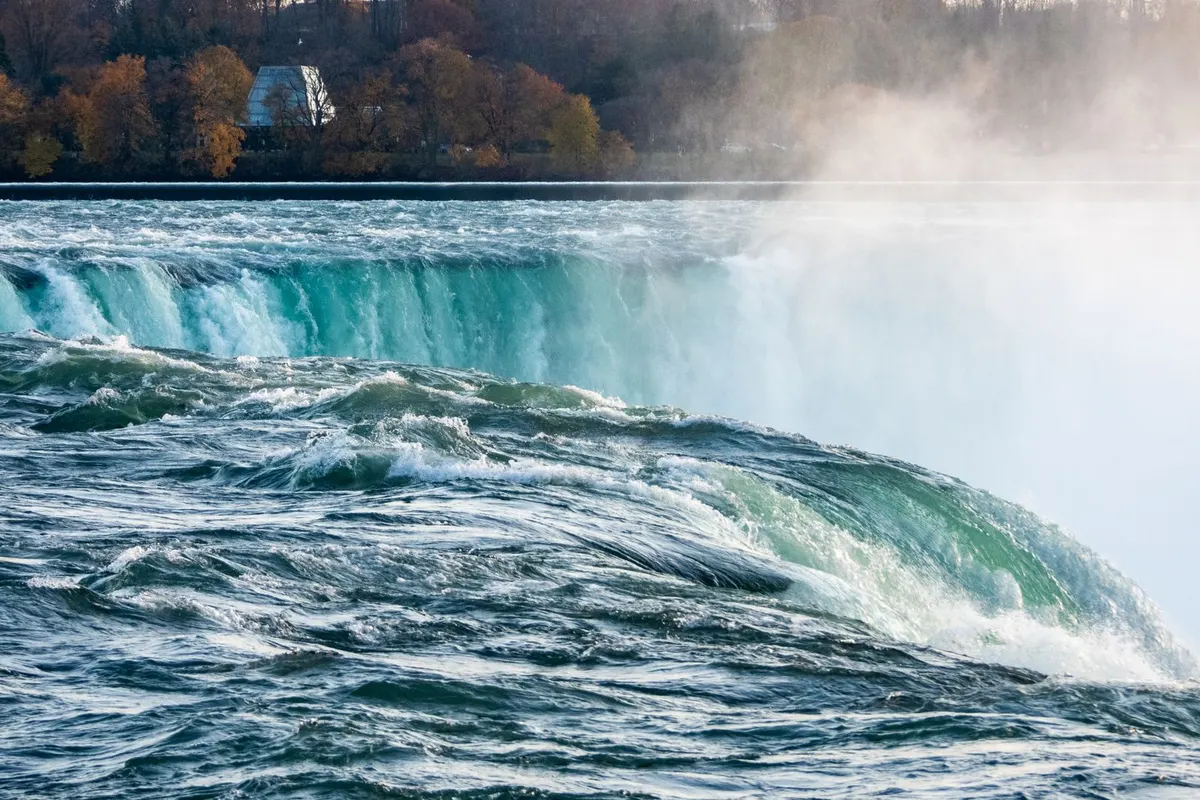
    Spray rising from the Horseshoe Falls
    Spray rising from the Horseshoe Falls

    Illuminations and fireworks

    The falls are lit up in colour every night, and fireworks light the sky on many evenings, mostly in summer.

    Niagara-on-the-Lake and the wineries

    Niagara-on-the-Lake, about 30 minutes away, is a pretty historic town surrounded by wineries famous for ice wine.

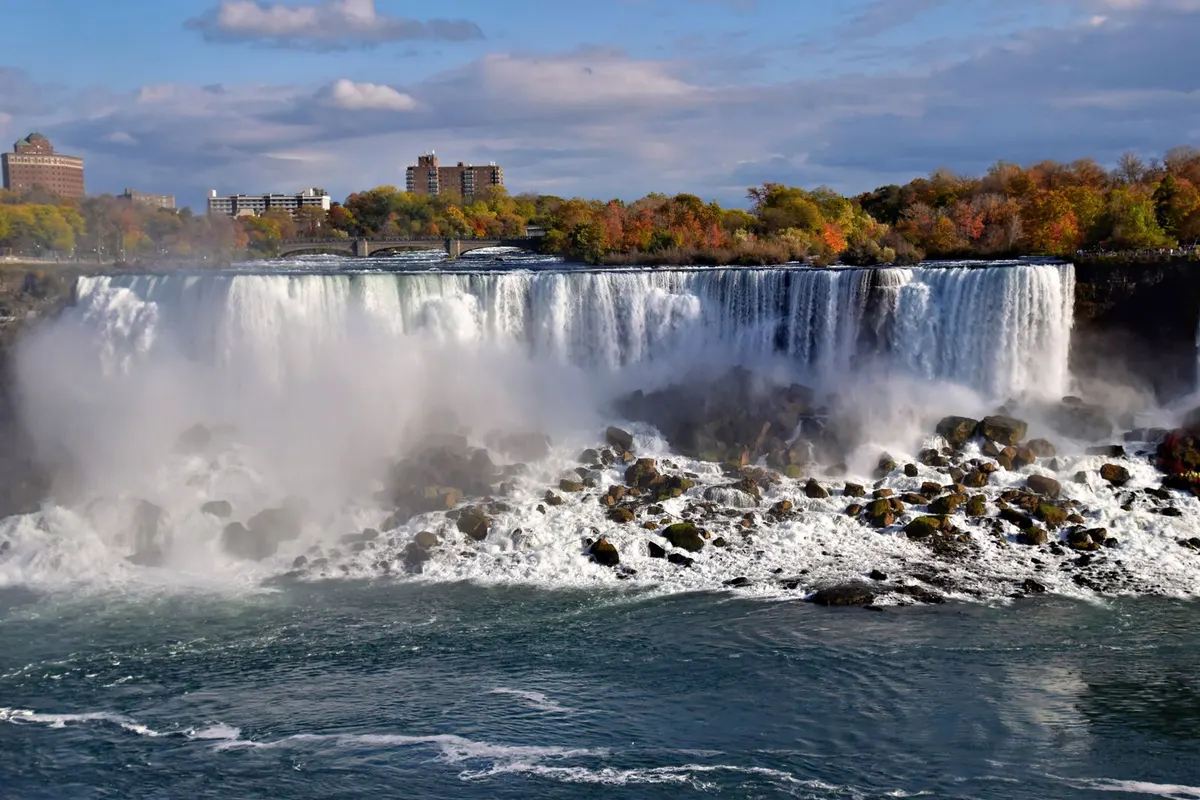
    The American Falls in autumn
    The American Falls in autumn

    Suggested itinerary

    • Leave Toronto by coach or train
    • See the Horseshoe Falls from Table Rock
    • Niagara City Cruises into the mist
    • Lunch overlooking the falls
    • Journey Behind the Falls
    • Wineries around Niagara-on-the-Lake
    • Illuminations and fireworks, then back to the hotel
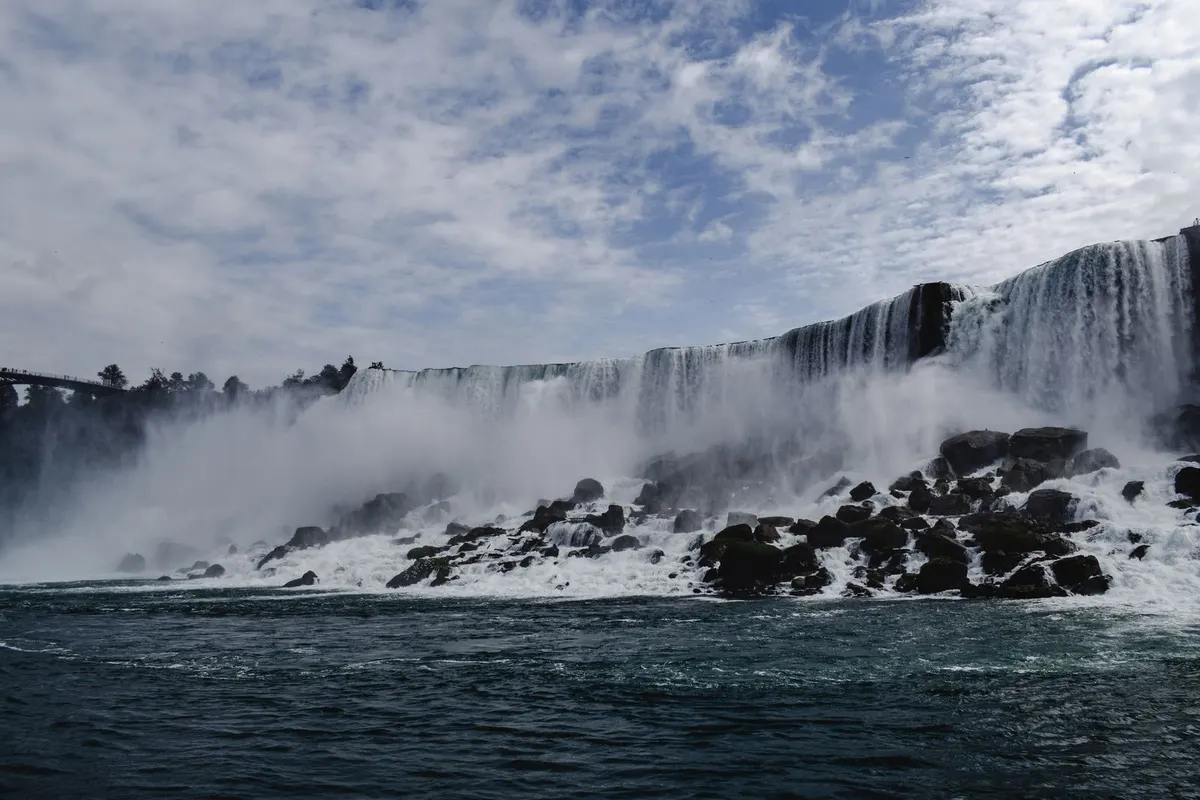
    The American Falls from the riverbank
    The American Falls from the riverbank

    Where to stay nearby

    AREA 1Fallsview districtHigh-rise hotels overlooking the falls — book a falls-view room to watch the illuminations from bed.
    AREA 2Around Clifton HillA lively strip of attractions and restaurants, with plenty of affordable hotels and motels.
    AREA 3Niagara-on-the-LakeQuiet, stylish B&Bs and boutique hotels — ideal for wine lovers.

    Tips for working holiday makers

    • Boats are busiest around midday in summer — go first thing or late in the afternoon.
    • The spray will reach you, so a waterproof phone pouch helps.
    • Toronto, Canada’s largest city, is a popular base for working holiday jobs, and Niagara is a perfect weekend trip.
    • In winter the falls partly freeze, and the Winter Festival of Lights runs from about November to February.

    FAQ

    Is it a day trip from Toronto?

    Yes, about 1.5–2 hours each way by coach or train. Stay overnight if you want to see the illuminations.

    Canadian or American side?

    The Canadian side gives the best head-on view of all the falls, especially the Horseshoe Falls.

    Is it worth visiting in winter?

    Yes — the boats stop, but the frozen falls and light festival are beautiful, and Journey Behind the Falls stays open.

    Is it free to see the falls?

    Yes, the promenade is free. Boat tours and attractions cost extra.

    Planning a working holiday in Canada?Visa basics and a take-home pay calculator.
    Canada guide →

    More places to visit in Canada

    Photos: Pexels (free stock photos) Take-home pay calculator
  • Banff National Park Travel Guide

    Banff National Park Travel Guide

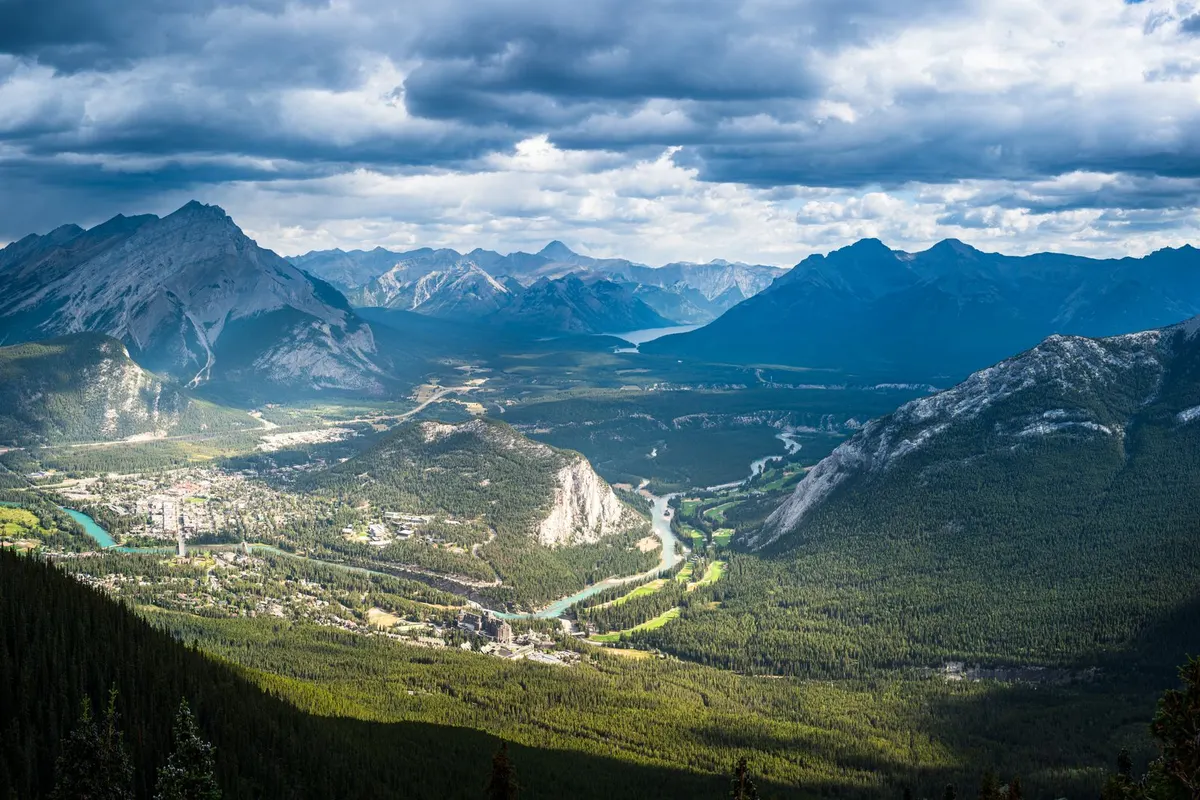
    Banff and the Bow Valley from a viewpoint
    Banff and the Bow Valley from a viewpoint

    Founded in 1885, Banff is Canada’s first national park and the heart of the World Heritage-listed Canadian Rockies. Turquoise glacier-fed lakes like Lake Louise and Moraine Lake, and a charming mountain town, make it look like a postcard come to life. Here is how to get there from Calgary, how the lake shuttles work and where to stay.

    LocationThe Canadian Rockies, Alberta
    AirportAbout 1.5 hours by car or bus from Calgary International Airport
    Best timeJune–September for the bluest lakes; December–March for skiing
    Time needed2 days for the town area; 3–4 days with Lake Louise and the Icefields Parkway

    How to get there

    1. Fly into Calgary International Airport (often via Vancouver). Airport shuttles such as the Banff Airporter reach Banff in about 2 hours.
    2. By car, drive about 130 km west on the Trans-Canada Highway (Highway 1). You need a park pass to enter the national park.
    3. Roam Transit buses run around Banff and to Canmore and Lake Louise, with extra summer services.
    4. Private cars have not been allowed on the Moraine Lake road since 2023 — use the Parks Canada shuttle (reservation required), Roam Transit or a tour.

    Opening hours, prices and practical info

    Park passYou need a park pass to enter (daily or annual). Check prices on the Parks Canada website
    2026 offerAdmission was free from June 19 to September 7, 2026; regular fees returned on September 8
    Moraine LakeNo private vehicles; book the Parks Canada shuttle online (usually June–October)
    BusesRoam Transit links Banff town, Canmore and Lake Louise

    Prices and hours are from official sources as of November 2026 and may change — check the official website before you go.

    Highlights of Banff National Park

    Lake Louise and Moraine Lake

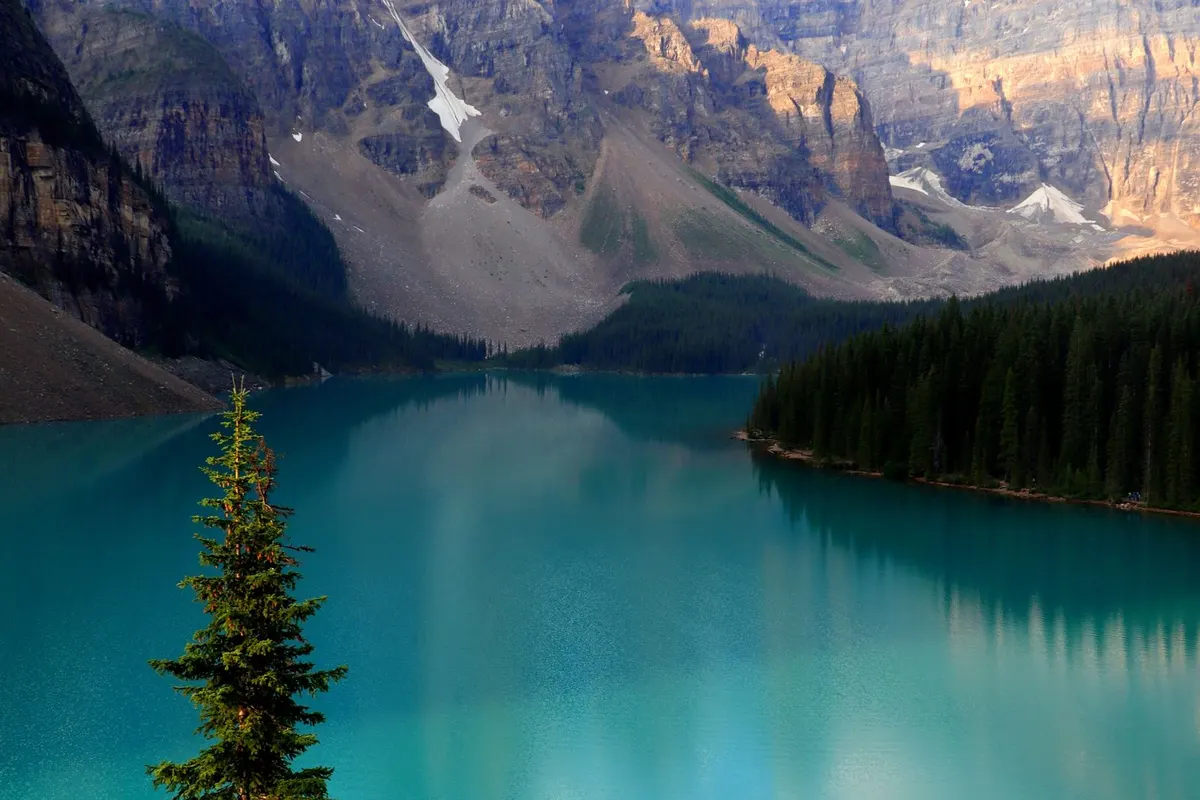
    Glacial rock flour turns the water a brilliant turquoise. Paddle a canoe on Lake Louise, or admire Moraine Lake beneath the Valley of the Ten Peaks.

    Moraine Lake and the Ten Peaks
    Moraine Lake and the Ten Peaks

    Banff town and Banff Avenue

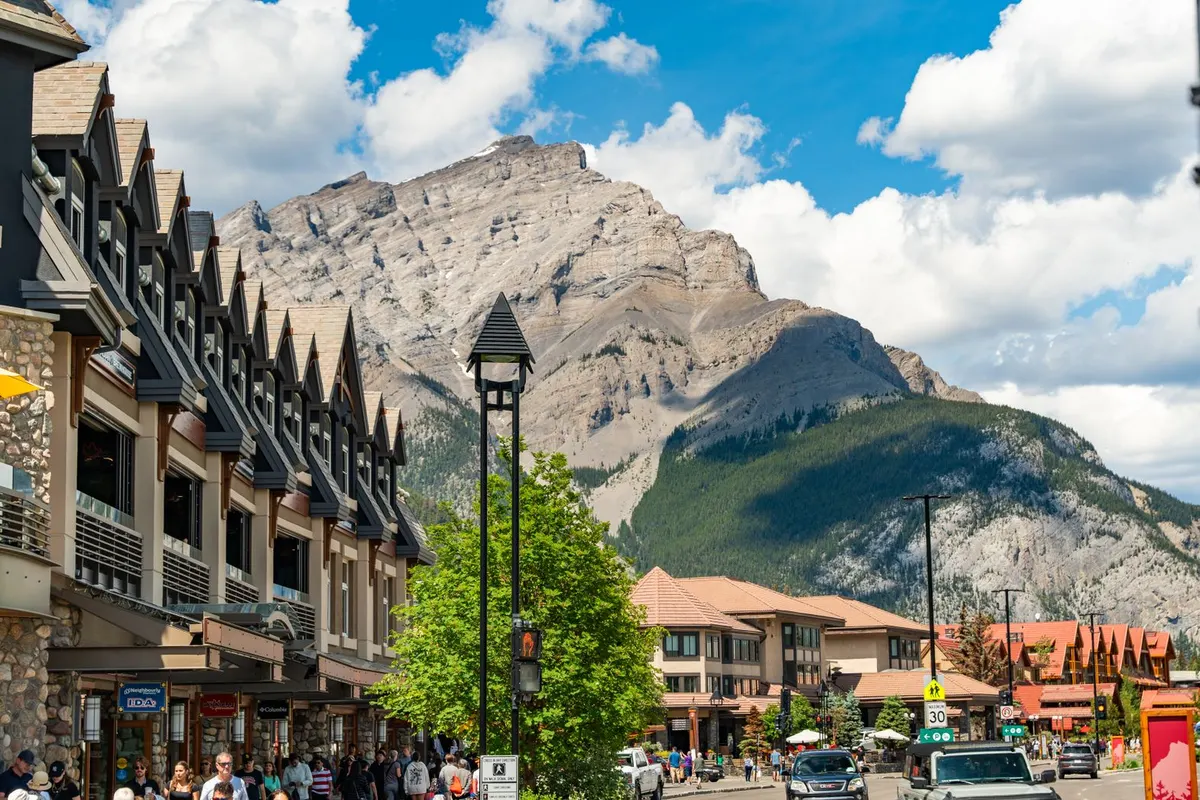
    Banff Avenue, lined with cafés and shops, runs straight towards Cascade Mountain. The town is small, walkable and lively into the evening.

    Banff Avenue and Cascade Mountain
    Banff Avenue and Cascade Mountain

    Banff Gondola and Sulphur Mountain

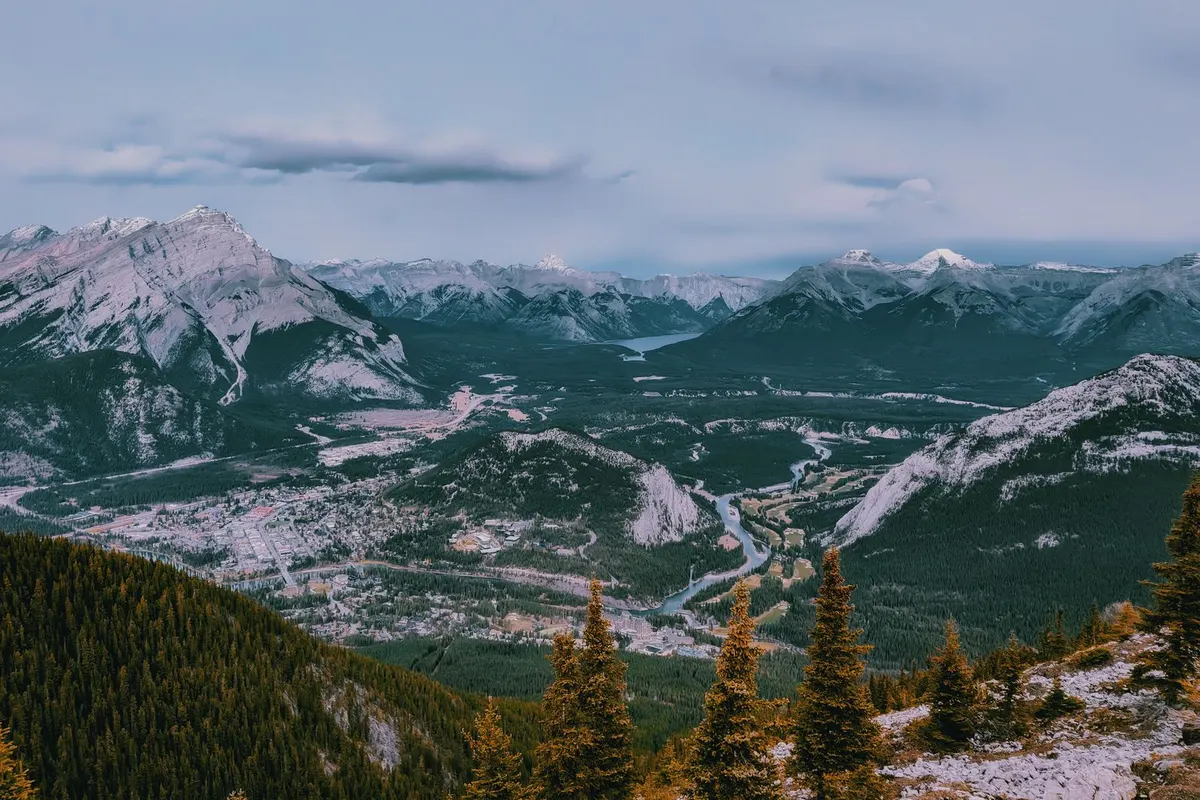
    Ride the gondola to the 2,281 m summit of Sulphur Mountain for 360-degree views of the Bow Valley. The Banff Upper Hot Springs are at the base.

    The Canadian Rockies from above
    The Canadian Rockies from above

    Banff Springs Hotel and Bow Falls

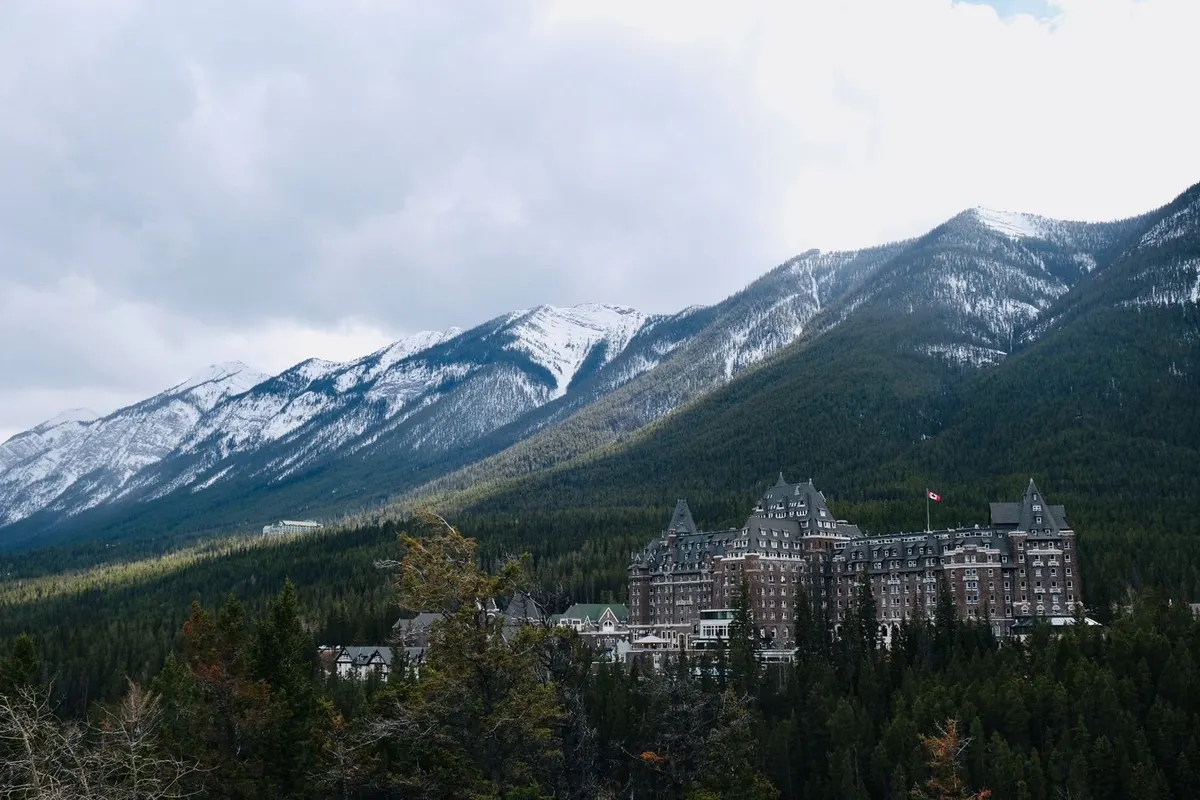
    The castle-like Fairmont Banff Springs opened in 1888. Walk along the river to nearby Bow Falls.

    The Banff Springs Hotel among the mountains
    The Banff Springs Hotel among the mountains

    Suggested itinerary

    • Breakfast at a café on Banff Avenue
    • Roam Transit or shuttle to Lake Louise for a lakeside walk or canoe
    • Connecting shuttle to Moraine Lake
    • Back in Banff, ride the gondola up Sulphur Mountain
    • Relax at the Banff Upper Hot Springs
    • Dinner with Alberta beef in town

    Where to stay nearby

    AREA 1Banff town (around Banff Avenue)Hotels, hostels and restaurants, plus the main bus hub. Prices climb in summer, so book early.
    AREA 2CanmoreA town just outside the park, about 20 minutes away — cheaper to stay and popular with working holiday makers.
    AREA 3Lake Louise villageSmall, but perfect for seeing the lake in the quiet of early morning. Limited rooms, so book ahead.

    Tips for working holiday makers

    • Hotels, restaurants and ski resorts hire heavily, sometimes with staff housing. Hiring peaks before summer and the ski season.
    • For a long stay, the annual Discovery Pass covers every national park in Canada.
    • You may meet bears or elk — keep your distance and never leave food out.
    • Popular lakes are quieter early in the morning, when the water mirrors the mountains.

    FAQ

    How do I get to Banff?

    About 2 hours by airport shuttle or 1.5 hours by car from Calgary International Airport.

    Can I drive to Moraine Lake?

    No. Private vehicles have been banned since 2023 — take the Parks Canada shuttle or a tour.

    Can I find work there on a working holiday?

    Yes — hotels, restaurants and ski resorts hire a lot, sometimes with staff housing.

    When is the best time to visit?

    June–September for the lakes (the Moraine Lake road usually opens around June). Winter is great for skiing.

    Planning a working holiday in Canada?Visa basics and a take-home pay calculator.
    Canada guide →

    More places to visit in Canada

    Photos: Pexels (free stock photos) Take-home pay calculator
  • 6 Best Places to Visit in New Zealand

    6 Best Places to Visit in New Zealand

    Queenstown
    Queenstown

    From glacier-carved fiords and active volcanoes to a village straight out of the movies, New Zealand is packed with natural wonders. Here are 6 of the best places to visit on your days off or travels during a working holiday.

    Queenstown
    No.1

    Queenstown

    Wrapped around Lake Wakatipu and framed by jagged mountains, Queenstown is the South Island’s most famous resort town. Known as the adventure capital…

    Getting there:About 20–30 minutes by bus from Queenstown Airport to town

    Read the full guide →
    Milford Sound
    No.2

    Milford Sound

    Sheer cliffs rising straight out of the sea make Milford Sound (Piopiotahi) one of New Zealand’s most iconic sights and part of the Te Wāhipounamu Wo…

    Getting there:About 2 hours’ drive from Te Anau, 4 hours from Queenstown

    Read the full guide →
    Hobbiton Movie Set
    No.3

    Hobbiton Movie Set

    The Hobbiton Movie Set, built for The Lord of the Rings and The Hobbit films, sits on a working farm near Matamata on the North Island. With round-do…

    Getting there:About 2 hours’ drive from Auckland, 1 hour from Rotorua

    Read the full guide →
    Tongariro Alpine Crossing
    No.4

    Tongariro Alpine Crossing

    Crossing the World Heritage-listed Tongariro National Park, the Tongariro Alpine Crossing is a 19.4 km trek often called one of the world’s best day …

    Getting there:About 19.4 km one way, 6–8 hours (Mangatepopo to Ketetahi)

    Read the full guide →
    Lake Tekapo
    No.5

    Lake Tekapo

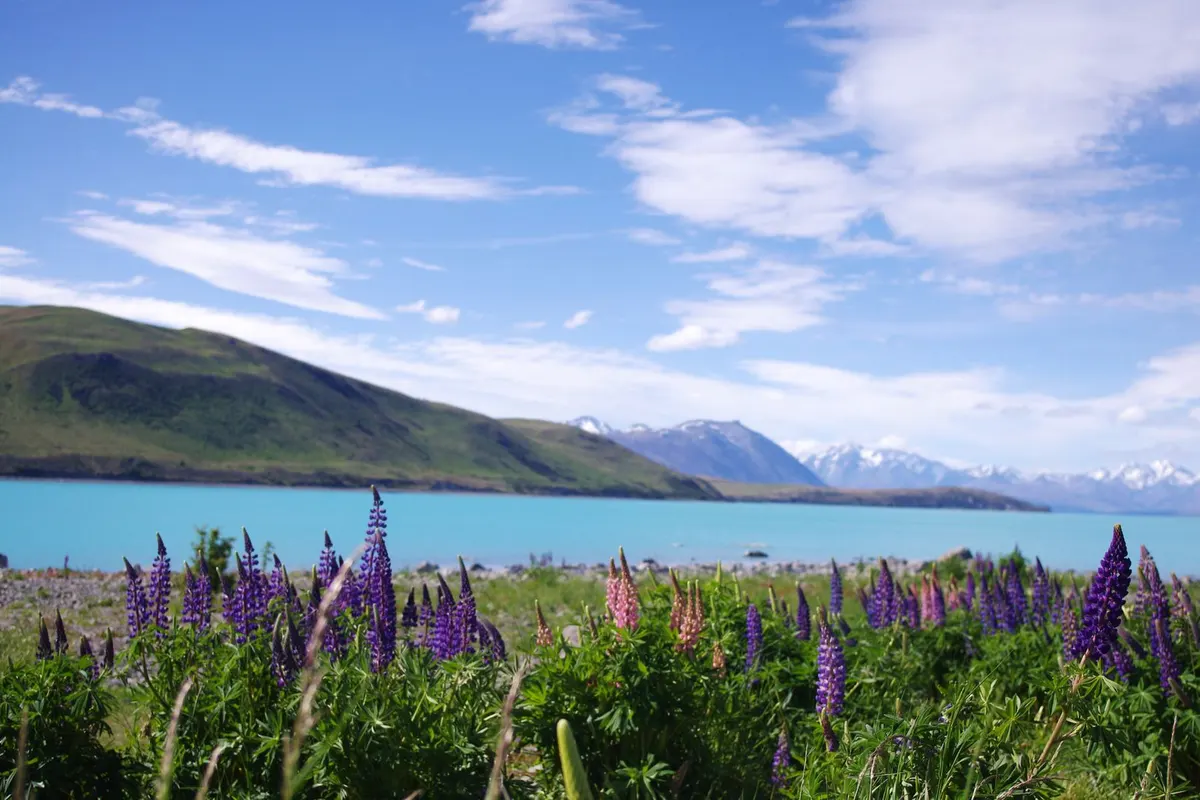
    A milky-blue lake and the tiny Church of the Good Shepherd, inside an International Dark Sky Reserve. Lupins bloom along the shore in November–December.

    Getting there:About 3 hours by car or coach from Christchurch

    Rotorua
    No.6

    Rotorua

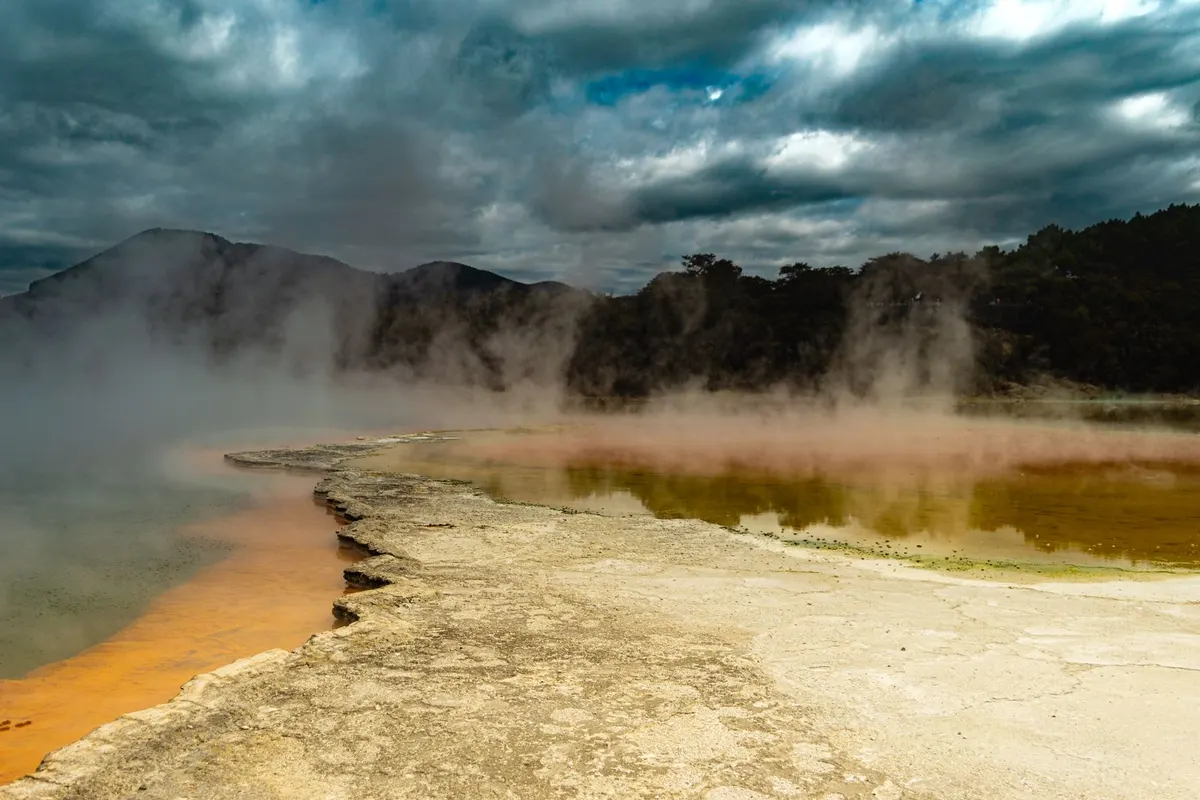
    A geothermal town of geysers and bubbling mud pools, with hot springs and Māori cultural experiences — often paired with Hobbiton.

    Getting there:About 3.5 hours by coach or 3 hours by car from Auckland

    FAQ

    What are the most popular places in New Zealand?

    Queenstown and Milford Sound in the South Island, and Hobbiton and Rotorua in the North Island, are the classics.

    North or South Island?

    The North Island for cities, hot springs and culture; the South Island for mountains and lakes. Many working holiday makers live on both.

    How do I get around?

    Domestic flights and InterCity coaches connect the cities. For the outdoors, a rental car or campervan is easiest.

    When is the best time to travel?

    Seasons are opposite to Japan: December–March for hiking, June–September for skiing.

    Planning a working holiday in New Zealand?Visa basics and a take-home pay calculator.
    New Zealand guide →

    Photos: Pexels
  • Tongariro Alpine Crossing Travel Guide

    Tongariro Alpine Crossing Travel Guide

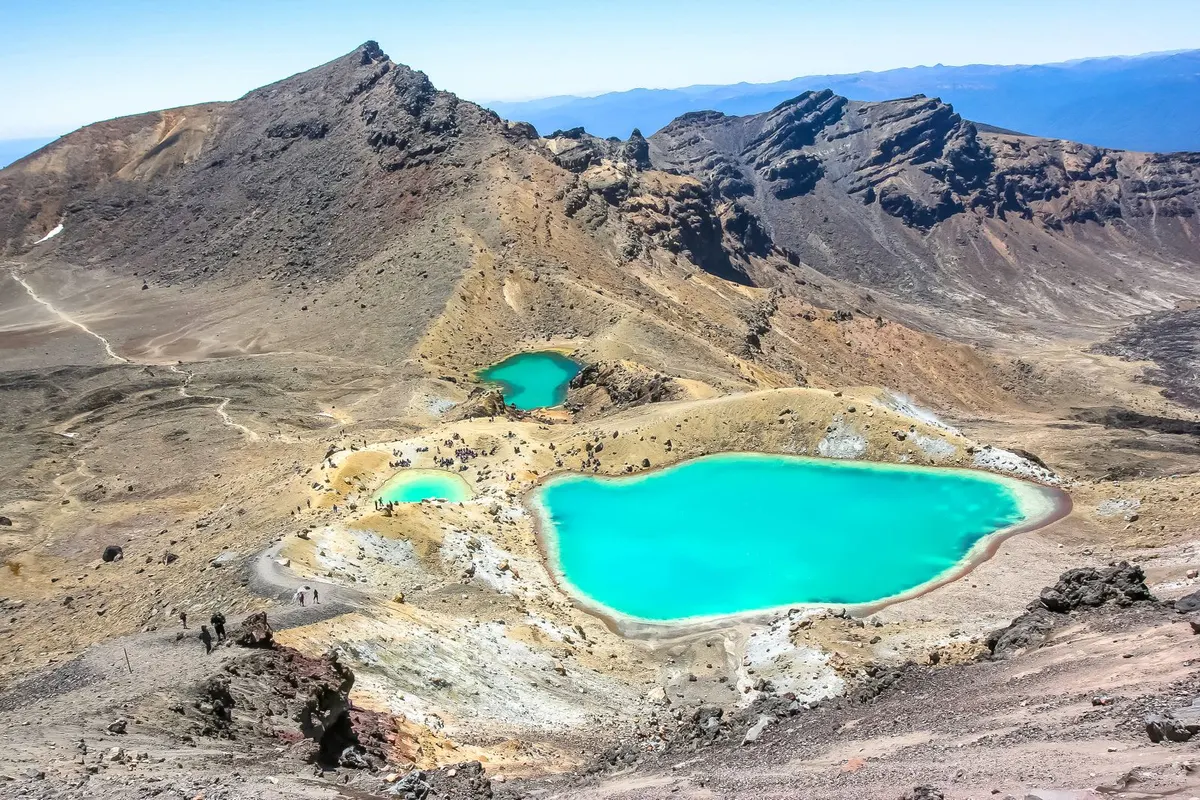
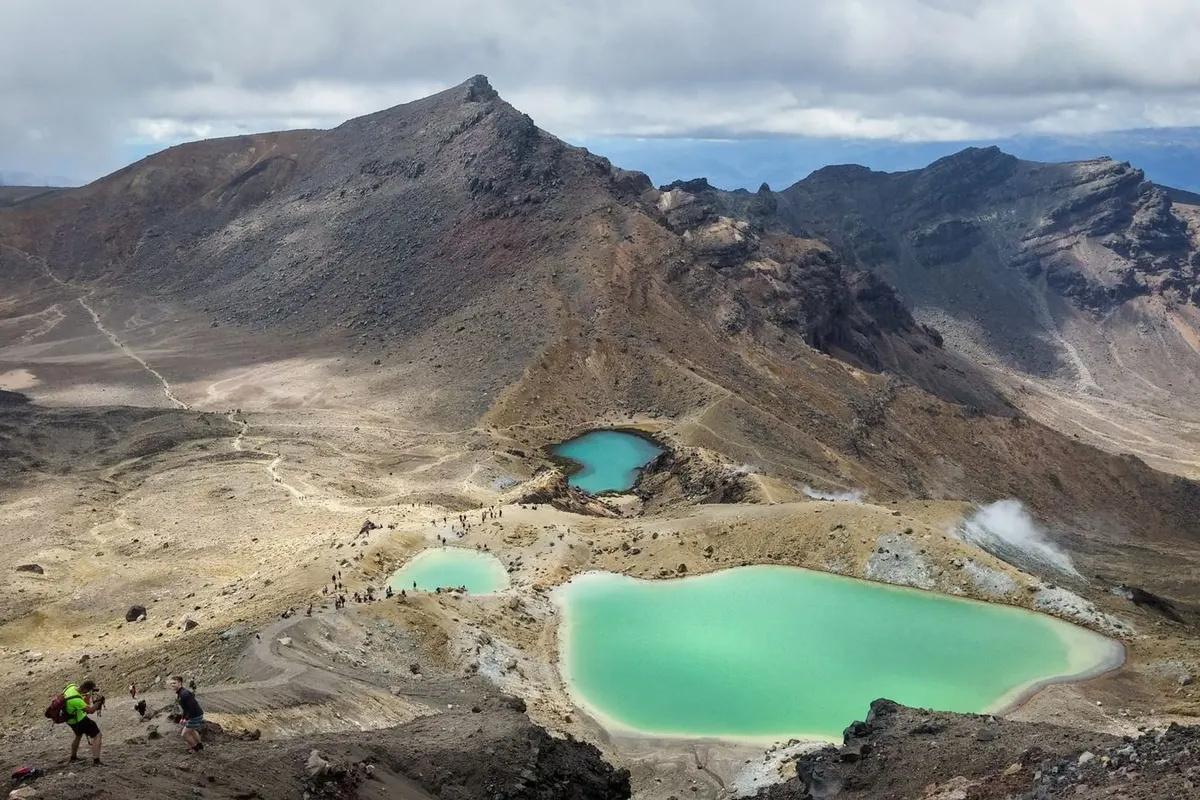
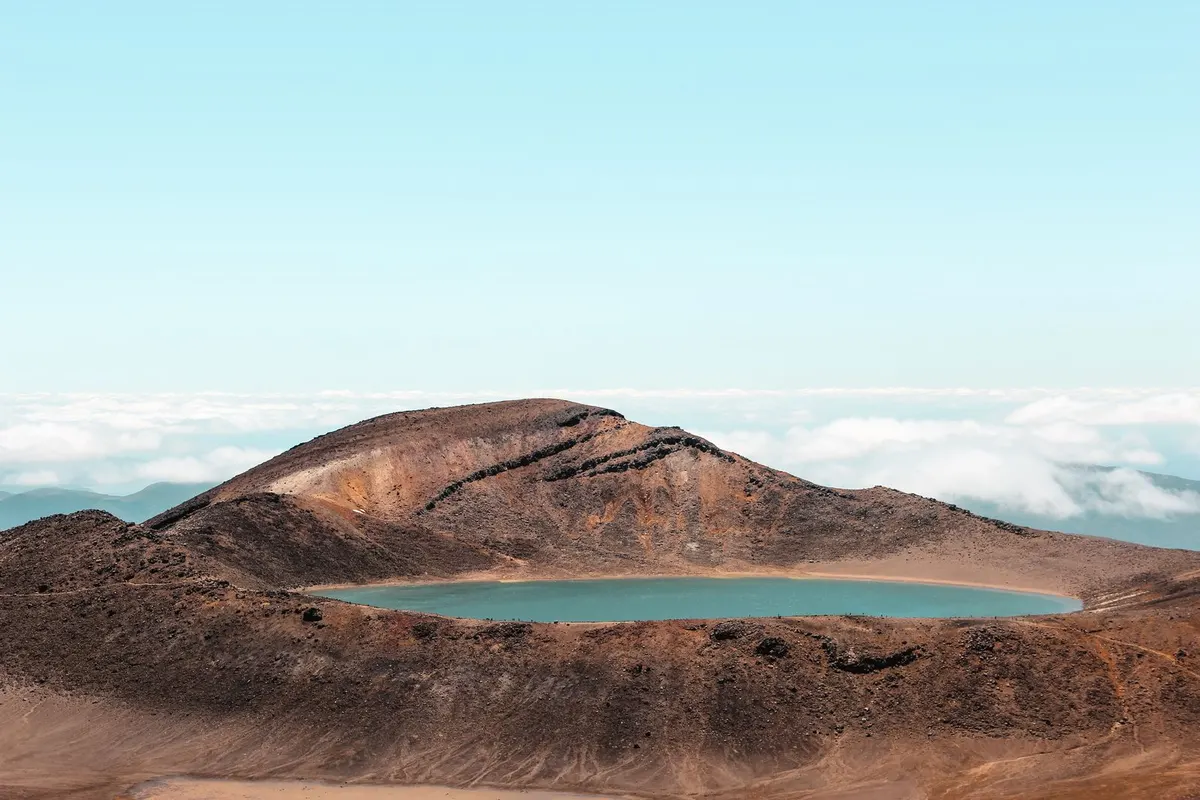
    The Emerald Lakes below Red Crater
    The Emerald Lakes below Red Crater

    Crossing the World Heritage-listed Tongariro National Park, the Tongariro Alpine Crossing is a 19.4 km trek often called one of the world’s best day hikes. Steaming volcanoes, a blood-red crater and glowing emerald lakes make it unlike anywhere else. Here is what to know before you go — shuttles, bookings, gear and where to stay.

    LocationTongariro National Park, central North Island
    Distance and timeAbout 19.4 km one way, 6–8 hours (Mangatepopo to Ketetahi)
    Best timeDecember–March; from May to October it is an alpine snow hike
    Highest pointNear Red Crater, about 1,886 m

    How to get there

    1. The track is one-way, so almost everyone uses a shuttle from Taupō, Tūrangi or National Park Village to the Mangatepopo start.
    2. From Taupō it is about 1 hour 15 minutes to the start, and shuttles collect you again at the Ketetahi end.
    3. Parking at Mangatepopo is limited to 4 hours, so hikers cannot leave their cars there. If you drive, use a shuttle operator’s car park.
    4. You need to book the crossing on the Department of Conservation (DOC) website beforehand — arrange it together with your shuttle.

    Opening hours, prices and practical info

    BookingBook on the DOC website before you walk (not needed if you hold a Northern Circuit Great Walk booking)
    ParkingMangatepopo is limited to 4 hours — hikers must use a shuttle
    WinterMay–October needs alpine skills for snow and ice; a guided trip is recommended
    Upcoming changesA 2026 bill would allow fees for international visitors, and this track is one of the candidates

    Prices and hours are from official sources as of November 2026 and may change — check the official website before you go.

    Highlights of Tongariro Alpine Crossing

    The Emerald Lakes

    The Emerald Lakes get their vivid colour from dissolved minerals and are the crossing’s best photo spot. They are sacred to local Māori, so do not touch or swim in them.

    The Emerald Lakes from above
    The Emerald Lakes from above

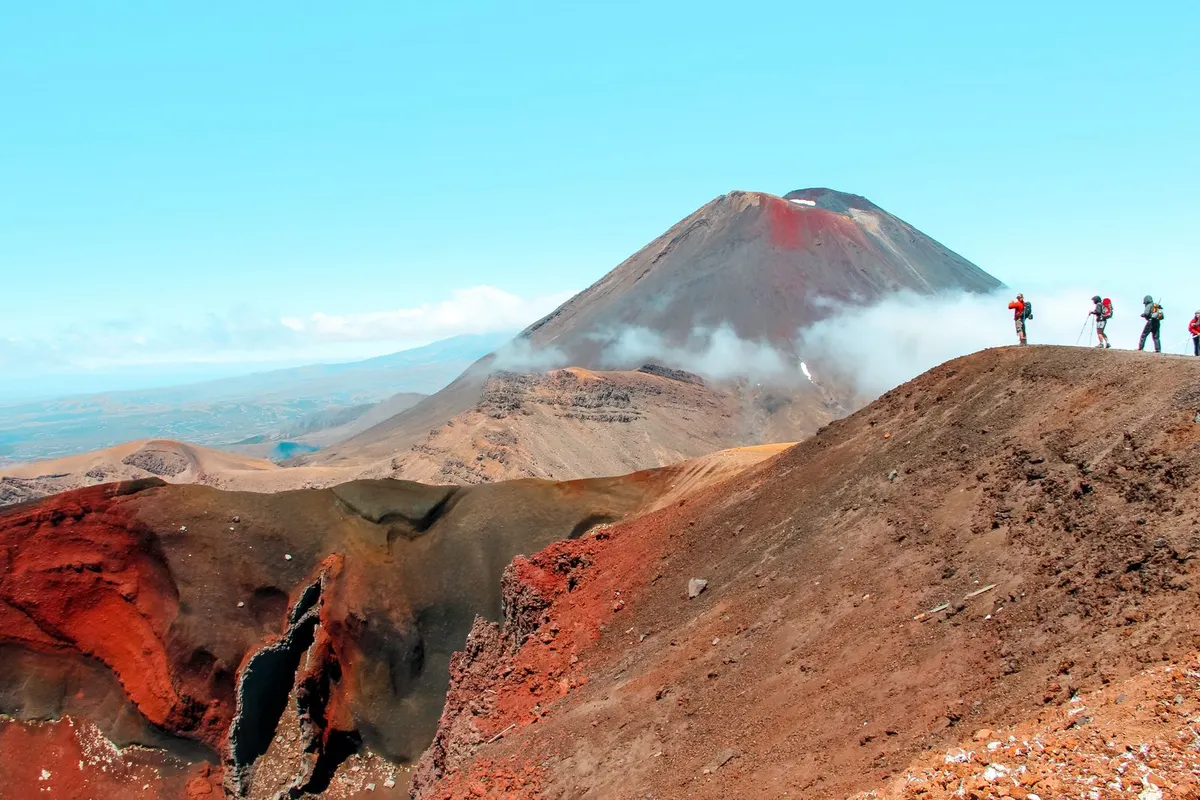
    Red Crater

    Iron-rich red rock makes Red Crater look like another planet. It is the highest point, and the steep scree descent needs care.

    Hikers with Mt Ngāuruhoe behind
    Hikers with Mt Ngāuruhoe behind

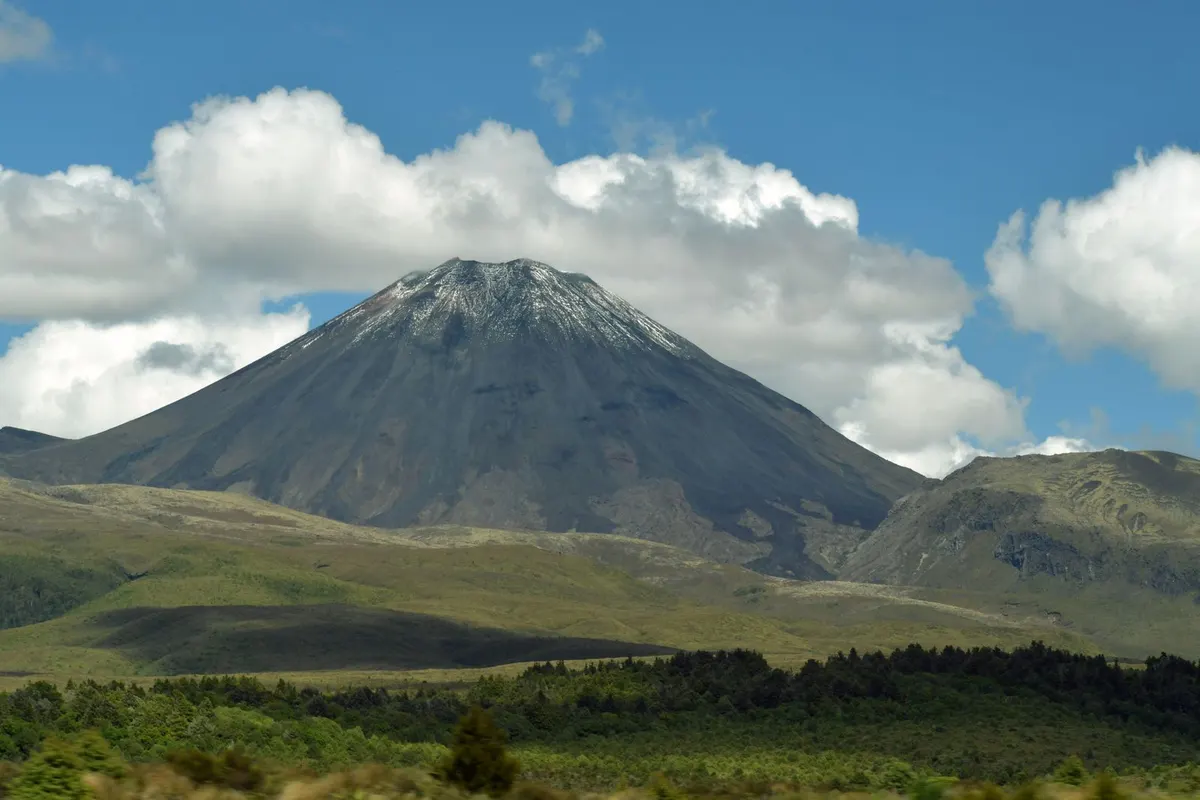
    Mt Ngāuruhoe (“Mount Doom”)

    The perfect cone of Mt Ngāuruhoe famously stood in for Mount Doom in The Lord of the Rings. You see it for much of the first half.

    The perfect cone of Mt Ngāuruhoe
    The perfect cone of Mt Ngāuruhoe

    Blue Lake and the descent to Ketetahi

    The second half passes Blue Lake, then descends with views over Lake Taupō before a final stretch through native forest.

    Blue Lake in its crater
    Blue Lake in its crater

    Suggested itinerary

    • Stay in Taupō or National Park Village and check the weather and volcanic alerts
    • Shuttle from your accommodation to Mangatepopo
    • Start walking — a gentle climb to Soda Springs
    • Climb the Devil’s Staircase to South Crater
    • Rest at Red Crater and the Emerald Lakes
    • Finish at Ketetahi and shuttle back

    Where to stay nearby

    AREA 1TaupōA lakeside town on New Zealand’s largest lake, with plenty of places to stay and eat, plus hot pools and Huka Falls.
    AREA 2National Park VillageA small village close to the start — easy for early shuttles, with lodge-style accommodation.
    AREA 3TūrangiSouth of Lake Taupō, famous for trout fishing and fairly close to the start.

    Tips for working holiday makers

    • Mountain weather changes fast. Even in summer, bring a waterproof jacket, warm layers, a hat and gloves.
    • Carry 2–3 litres of water per person and plenty of snacks — there is nothing to buy on the track.
    • There are only a few toilets on the track. Starting early also helps you avoid the crowds.
    • Shuttles do not run in bad weather, so build a spare day into your plans.

    FAQ

    Can beginners do it?

    If you are reasonably fit, yes — but it is about 19 km with steep sections. A guided trip is a good idea if you do not hike often.

    Do I need to book?

    Yes. Book on the DOC website and arrange your shuttle in advance.

    Can I do it in winter?

    From May to October it is a snow hike needing crampons, an ice axe and skills — join a guided trip.

    Is there a fee?

    As of November 2026 walking is free, though shuttles cost extra. Fees for international visitors are being considered.

    Planning a working holiday in New Zealand?Visa basics and a take-home pay calculator.
    New Zealand guide →

    More places to visit in New Zealand

    Photos: Pexels (free stock photos) Take-home pay calculator
  • Hobbiton Movie Set Travel Guide

    Hobbiton Movie Set Travel Guide

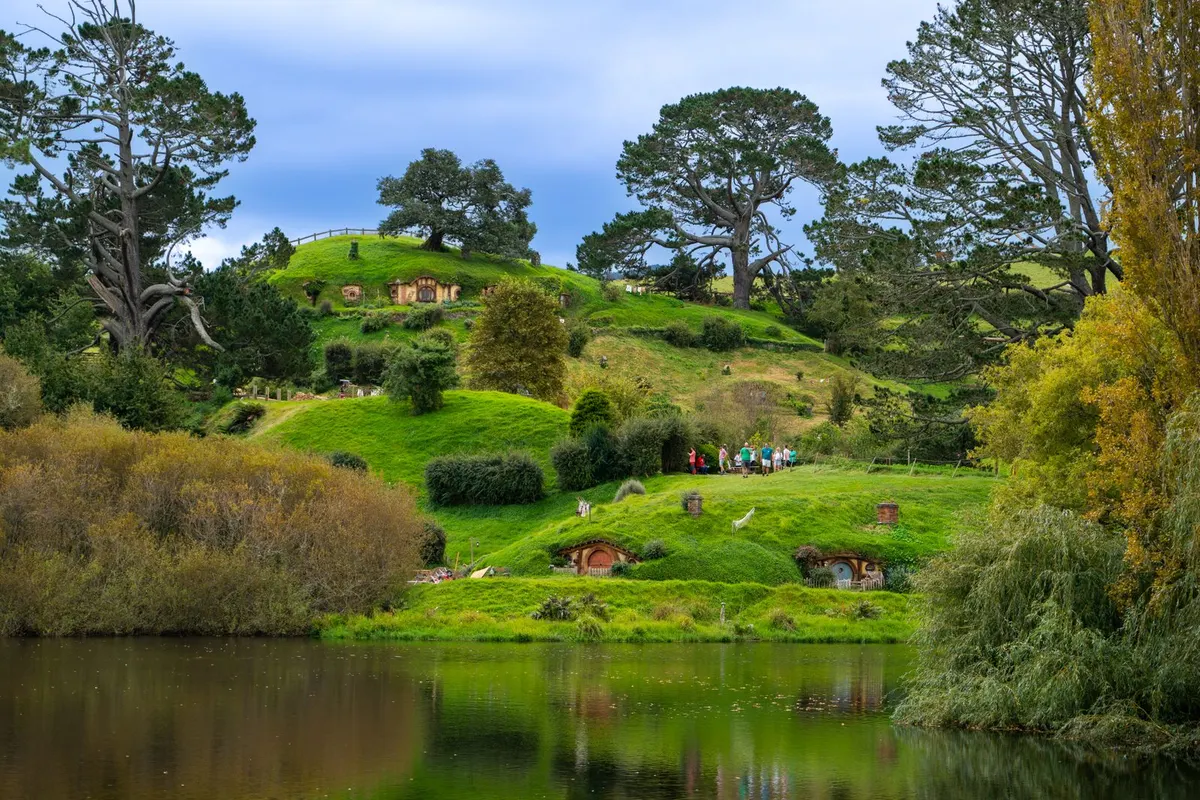
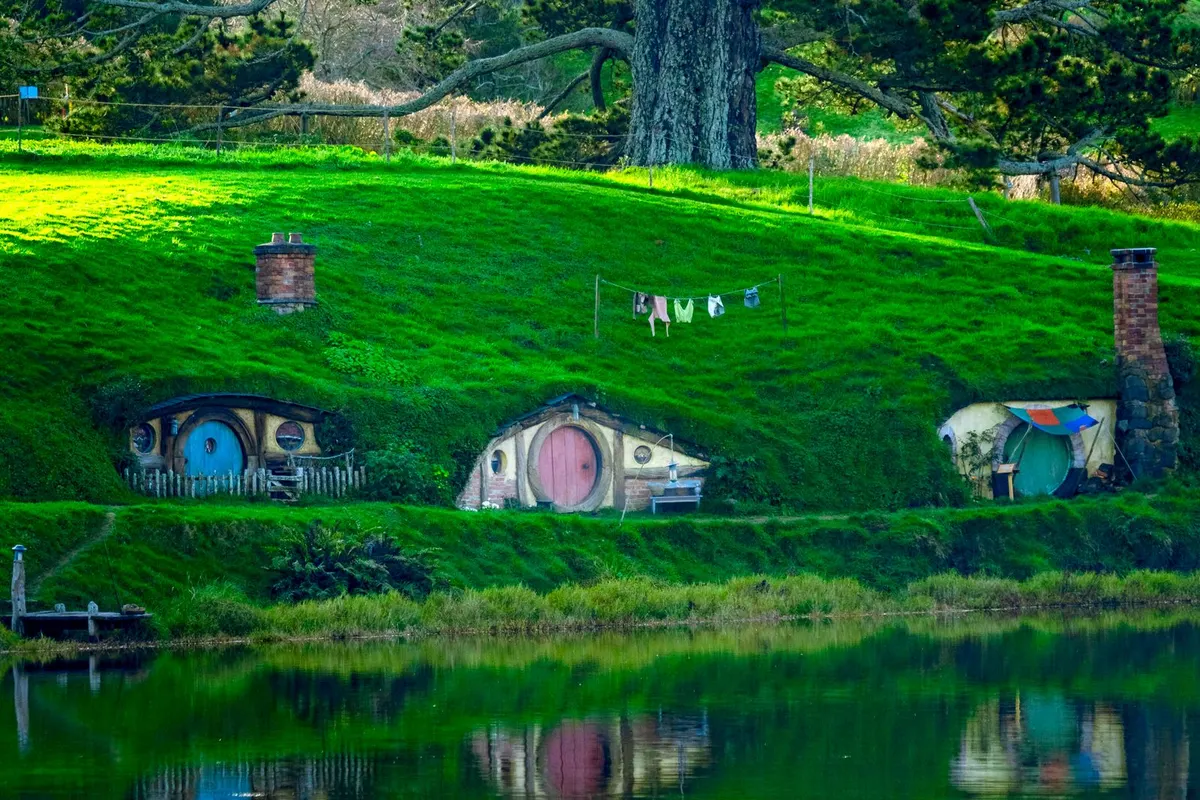
    Hobbiton from across the pond
    Hobbiton from across the pond

    The Hobbiton Movie Set, built for The Lord of the Rings and The Hobbit films, sits on a working farm near Matamata on the North Island. With round-doored hobbit holes on the hillside and the Green Dragon Inn, the Shire feels just like it does on screen. Here is how to get there from Auckland, which tour to choose and where to stay.

    LocationA farm near Matamata, Waikato, North Island
    Getting thereAbout 2 hours’ drive from Auckland, 1 hour from Rotorua
    Best timeYear-round; gardens are at their best October–March
    Time neededAbout 2.5 hours for the tour, including transfers

    How to get there

    1. You can only visit on a guided tour. Tours start at The Shire’s Rest or the Matamata i-SITE visitor centre.
    2. By car, it is about 2 hours from Auckland via State Highways 1 and 27, with free parking at The Shire’s Rest.
    3. By public transport, take an InterCity coach from Auckland to Matamata (about 2.5–3 hours) and join a tour from the i-SITE.
    4. Day tours with transfers from Auckland or Rotorua are the easiest option if you do not want to drive.

    Opening hours, prices and practical info

    Signature TourNZ$130 per adult, about 2.5 hours (official website, November 2026)
    Other toursTour and lunch NZ$170, Evening Banquet NZ$240, Behind the Scenes NZ$290 and more
    Meeting pointThe Shire’s Rest (501 Buckland Road, Hinuera) or the Matamata i-SITE
    BookingBook in advance on the official website — popular times sell out

    Prices and hours are from official sources as of November 2026 and may change — check the official website before you go.

    Highlights of Hobbiton Movie Set

    44 hobbit holes and Bag End

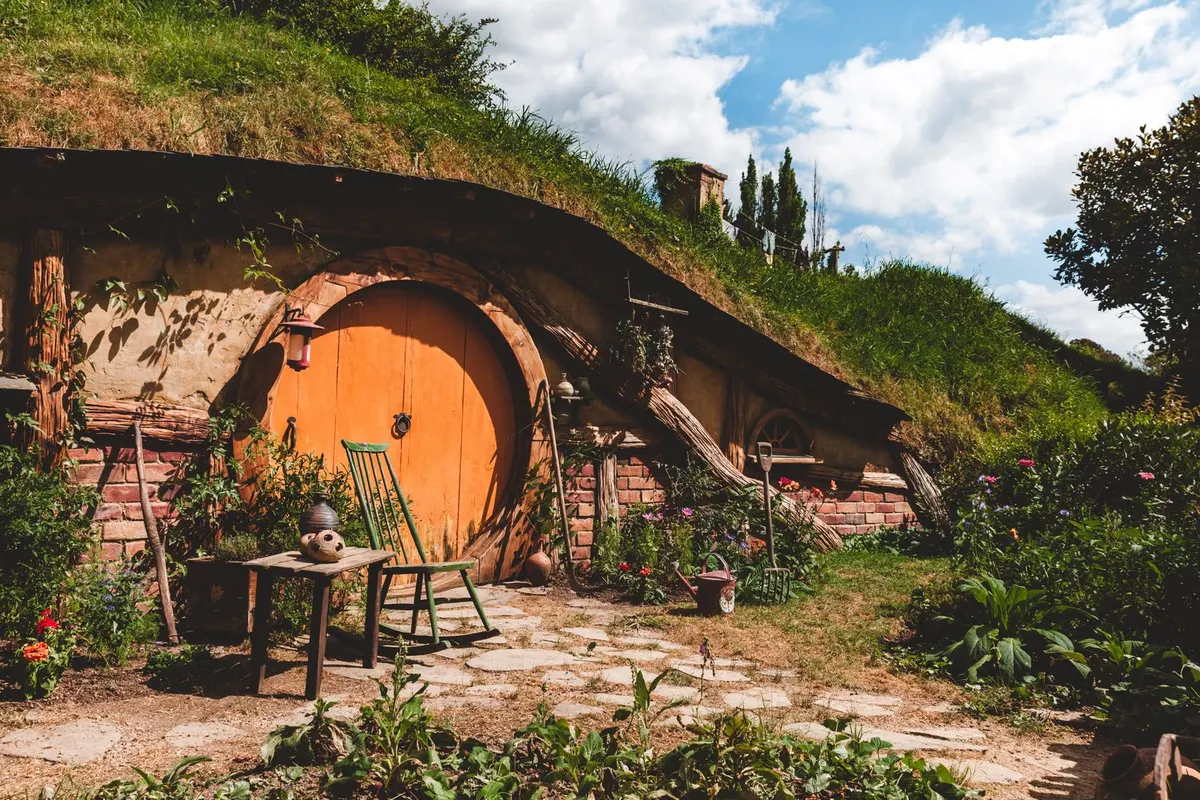
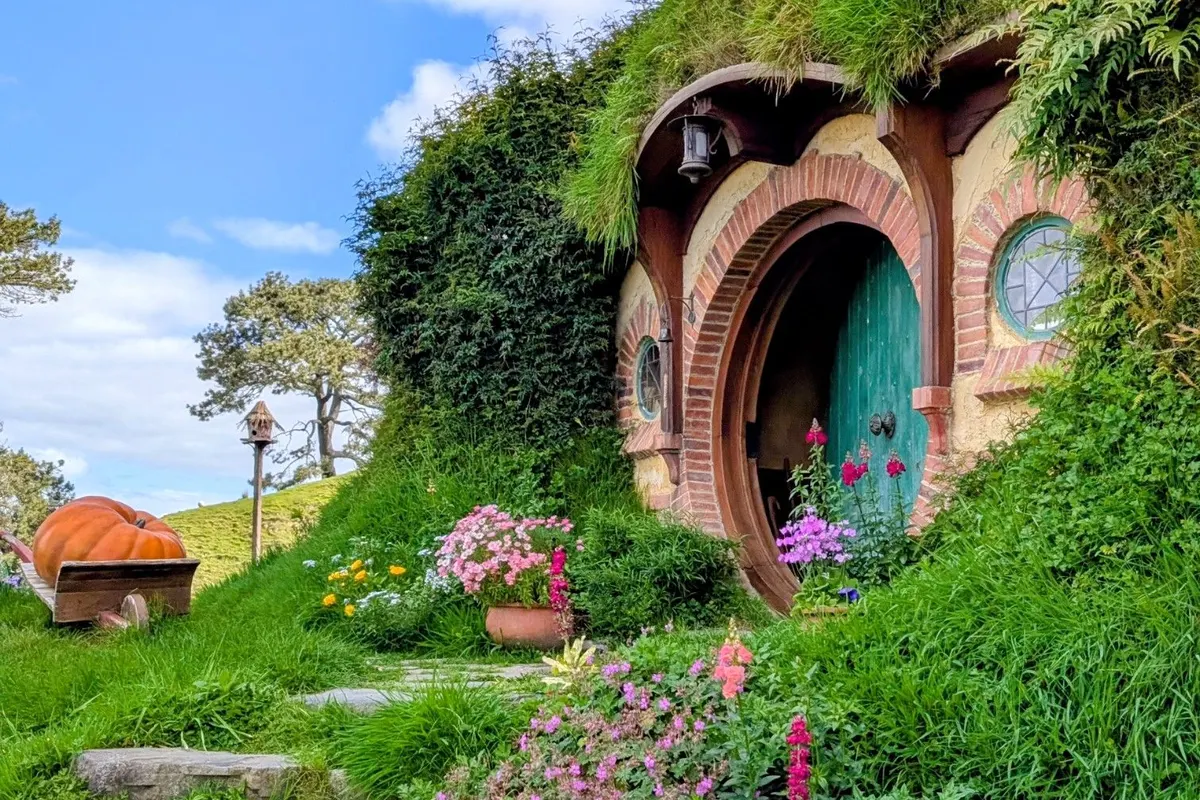
    There are 44 hobbit holes built into the hillside, with Bilbo and Frodo’s Bag End at the very top. Some now have interiors you can step inside.

    A hobbit hole with a round orange door
    A hobbit hole with a round orange door

    A drink at the Green Dragon Inn

    Tours finish at the Green Dragon Inn from the films, with a complimentary drink of Hobbiton’s own ale or ginger beer.

    Hobbit holes reflected in the pond
    Hobbit holes reflected in the pond

    Gardens and tiny details

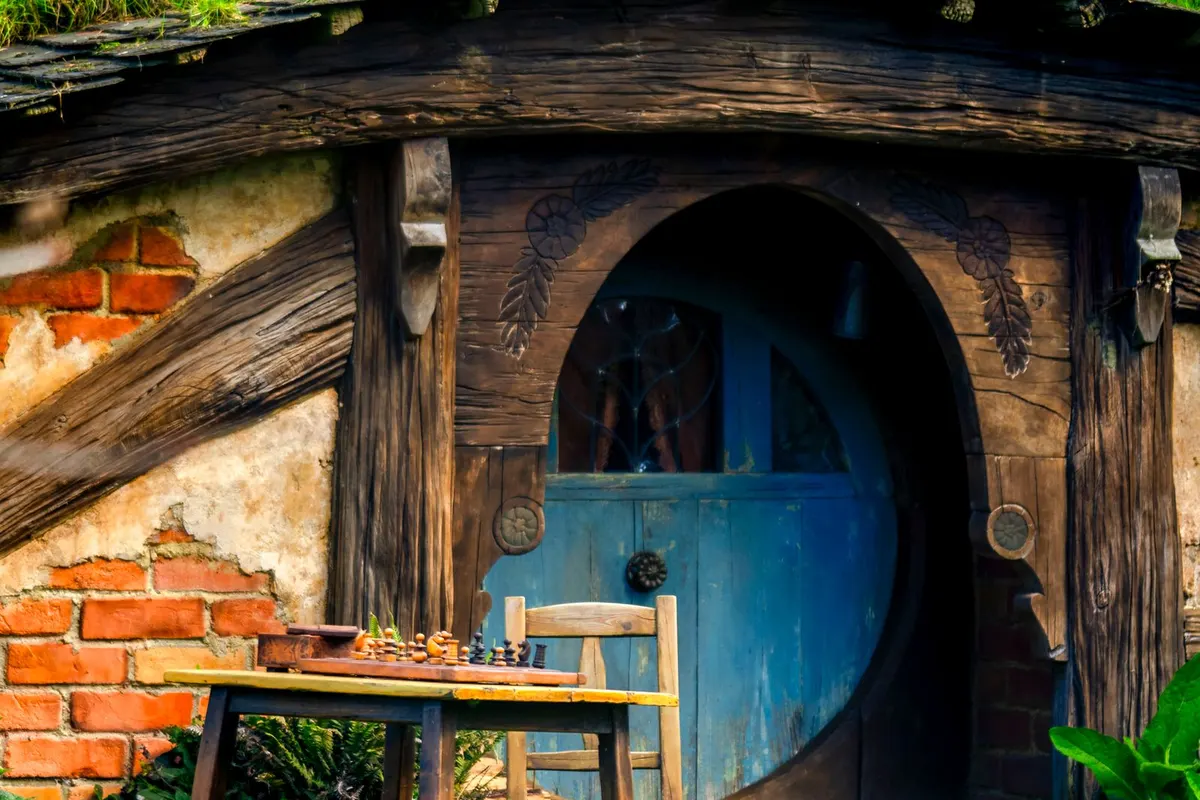
    From laundry on the line to vegetable patches and tiny letterboxes, every detail is film-perfect. The guides share behind-the-scenes stories that even non-fans enjoy.

    A table and chairs outside a hobbit hole
    A table and chairs outside a hobbit hole

    The Evening Banquet Tour

    The evening tour ends with a feast at the Green Dragon and a lantern-lit walk through the Shire — perfect for a special occasion.

    Suggested itinerary

    • Leave Auckland by car or on a tour
    • Arrive at The Shire’s Rest and grab a coffee
    • Hobbiton tour (about 2.5 hours)
    • Lunch in Matamata
    • Drive to Rotorua for hot springs and geothermal parks
    • Stay in Rotorua and enjoy a Māori cultural dinner show
    A garden path leading up to a hobbit hole
    A garden path leading up to a hobbit hole

    Where to stay nearby

    AREA 1MatamataThe small town closest to Hobbiton, with motels and B&Bs — handy for an early tour.
    AREA 2RotoruaAbout an hour away, with hot springs, geothermal parks, Māori culture and lots of accommodation.
    AREA 3HamiltonThe North Island’s fourth-largest city, about 45 minutes away, with plenty of hotels on the way to Auckland.

    Tips for working holiday makers

    • Popular times sell out — book on the official website as soon as your dates are fixed.
    • Tours run in English and Mandarin; check the official site for other language support.
    • Pair it with Rotorua for a great two-day North Island trip.
    • The Waikato is dairy country, and farm jobs for working holiday makers do come up.

    FAQ

    Can I visit Hobbiton on my own?

    No — all visits are guided tours departing from The Shire’s Rest or the Matamata i-SITE.

    How much does it cost?

    The Signature Tour is NZ$130 per adult (November 2026). Lunch and evening tours are also available.

    Is it a day trip from Auckland?

    Yes, about 2 hours each way by car, and many day tours include transfers.

    Is it fun if I have not seen the films?

    Yes — the gardens and storybook houses are charming on their own.

    Planning a working holiday in New Zealand?Visa basics and a take-home pay calculator.
    New Zealand guide →

    More places to visit in New Zealand

    Photos: Pexels (free stock photos) Take-home pay calculator
  • Milford Sound Travel Guide

    Milford Sound Travel Guide

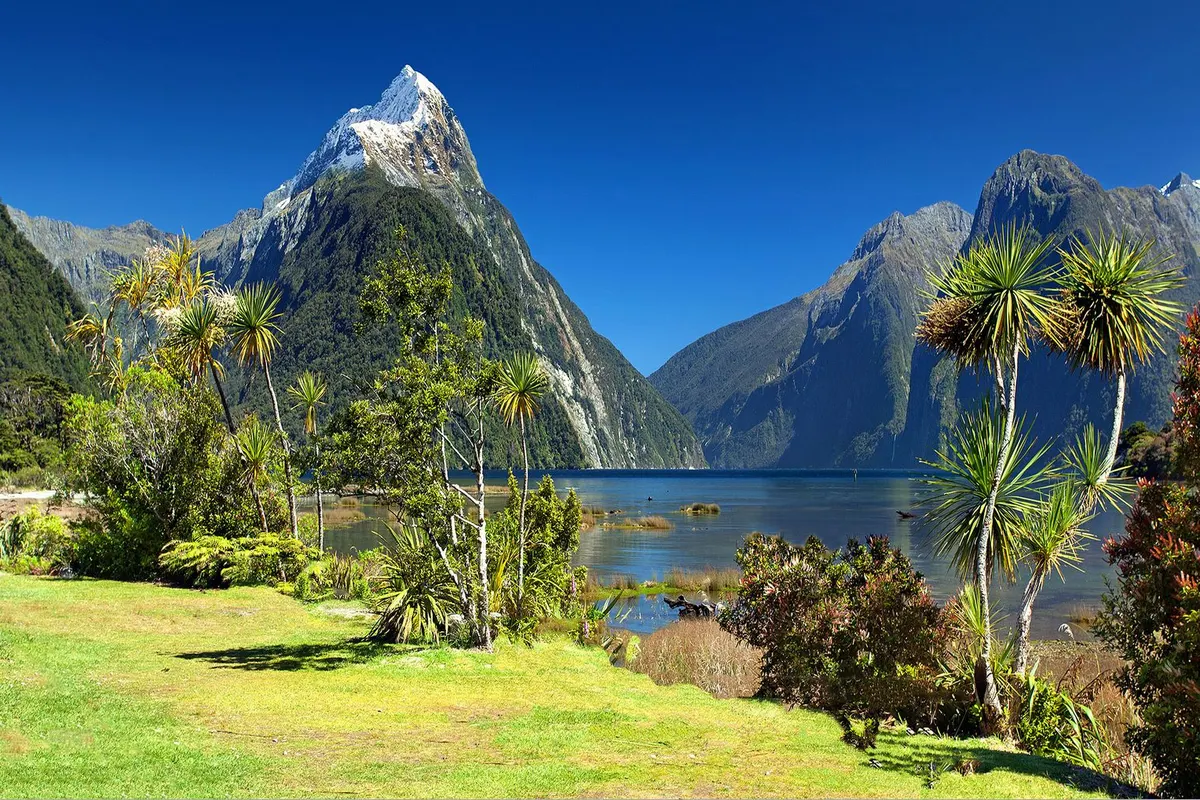
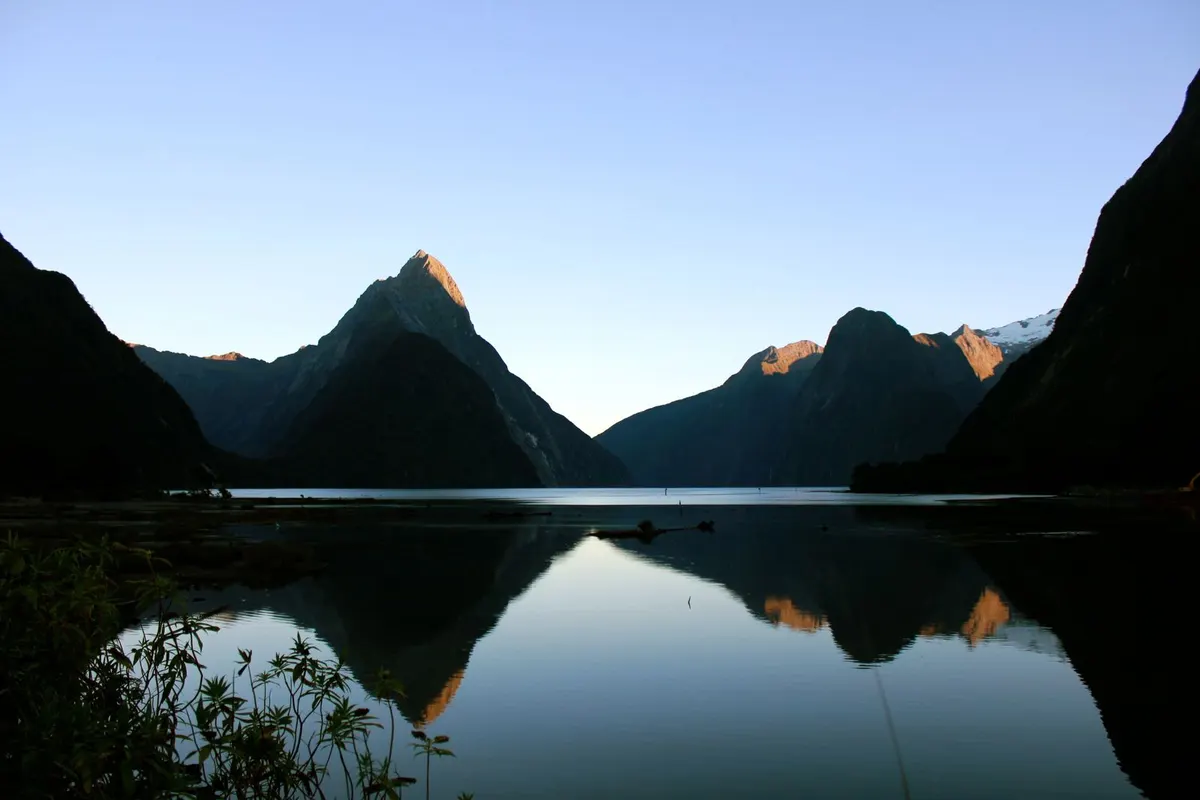
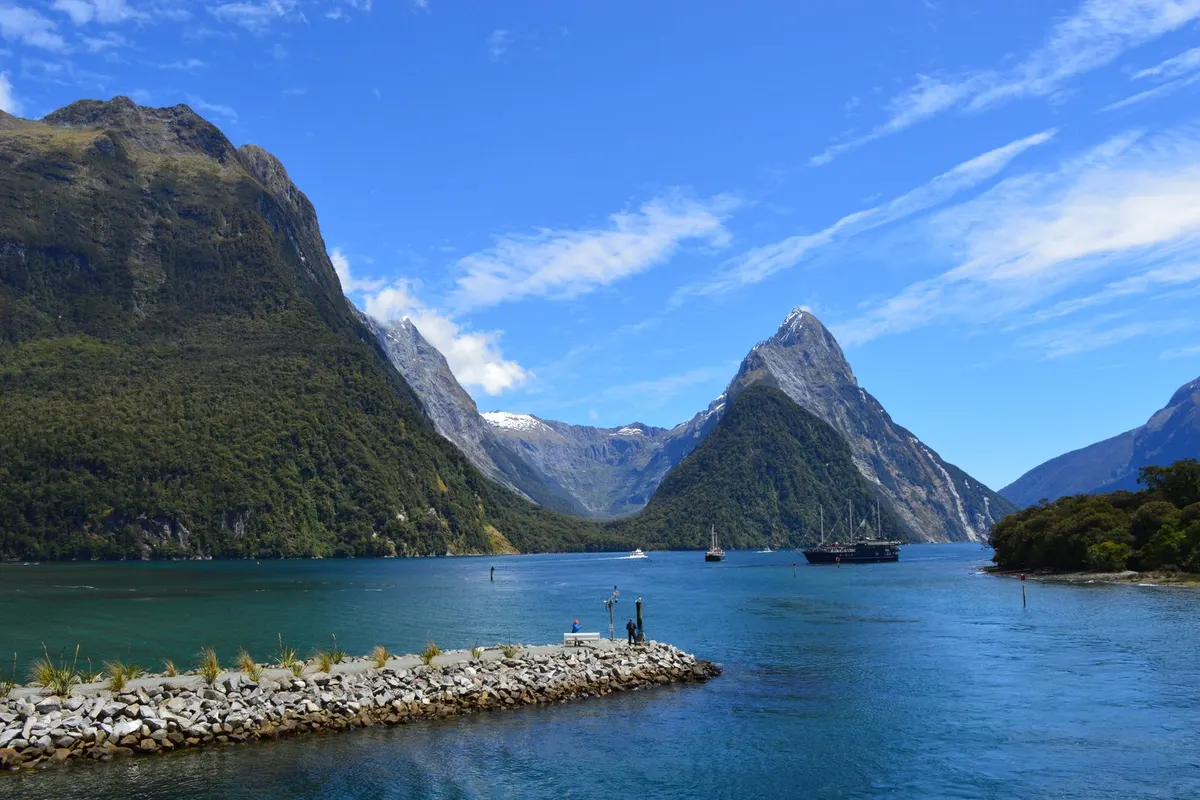
    Mitre Peak and Milford Sound
    Mitre Peak and Milford Sound

    Sheer cliffs rising straight out of the sea make Milford Sound (Piopiotahi) one of New Zealand’s most iconic sights and part of the Te Wāhipounamu World Heritage Area. Towering Mitre Peak and the countless waterfalls that appear after rain are a once-in-a-lifetime view. Here is how to get there from Queenstown or Te Anau, how to choose a cruise and where to stay.

    LocationFiordland National Park, South Island
    Base townsAbout 2 hours’ drive from Te Anau, 4 hours from Queenstown
    Best timeNovember–March; rainy days bring even more waterfalls
    Time neededAbout 12–13 hours on a day tour from Queenstown

    How to get there

    1. The easiest option is a coach tour from Queenstown or Te Anau, with the cruise included — no long drive for you.
    2. By car, follow the Milford Road (State Highway 94) for about 120 km from Te Anau. The fiord appears after the Homer Tunnel.
    3. There is no fuel on the Milford Road, so fill up in Te Anau. In winter you may be required to carry snow chains.
    4. Short on time? Scenic flights from Queenstown take about 40 minutes each way over mountains and glaciers.

    Opening hours, prices and practical info

    CruisesSeveral operators run daily departures of about 1 hr 45 min–2 hrs; prices vary by company and time
    ParkingParking at Milford Sound is paid — not needed on a tour
    Road statusThe Milford Road can close for avalanches or heavy rain (check NZTA)
    Upcoming changesA 2026 bill would let New Zealand charge international visitors at some sites, and Milford Sound is one of the candidates

    Prices and hours are from official sources as of November 2026 and may change — check the official website before you go.

    Highlights of Milford Sound

    Cruising the fiord

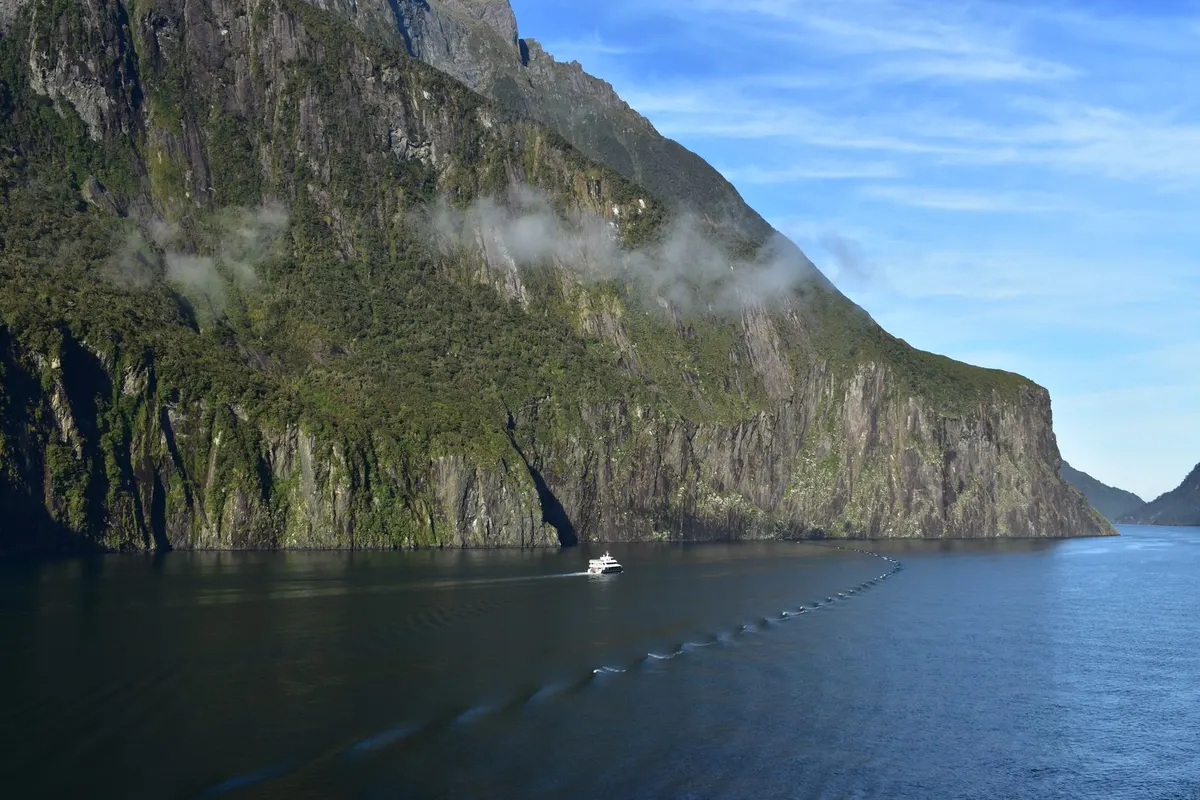
    Cruises of about 1 hour 45 minutes to 2 hours sail out to the Tasman Sea and back, nosing right up to waterfalls. Look out for fur seals and dolphins.

    The fiord and Mitre Peak on a clear day
    The fiord and Mitre Peak on a clear day

    Mitre Peak and the great waterfalls

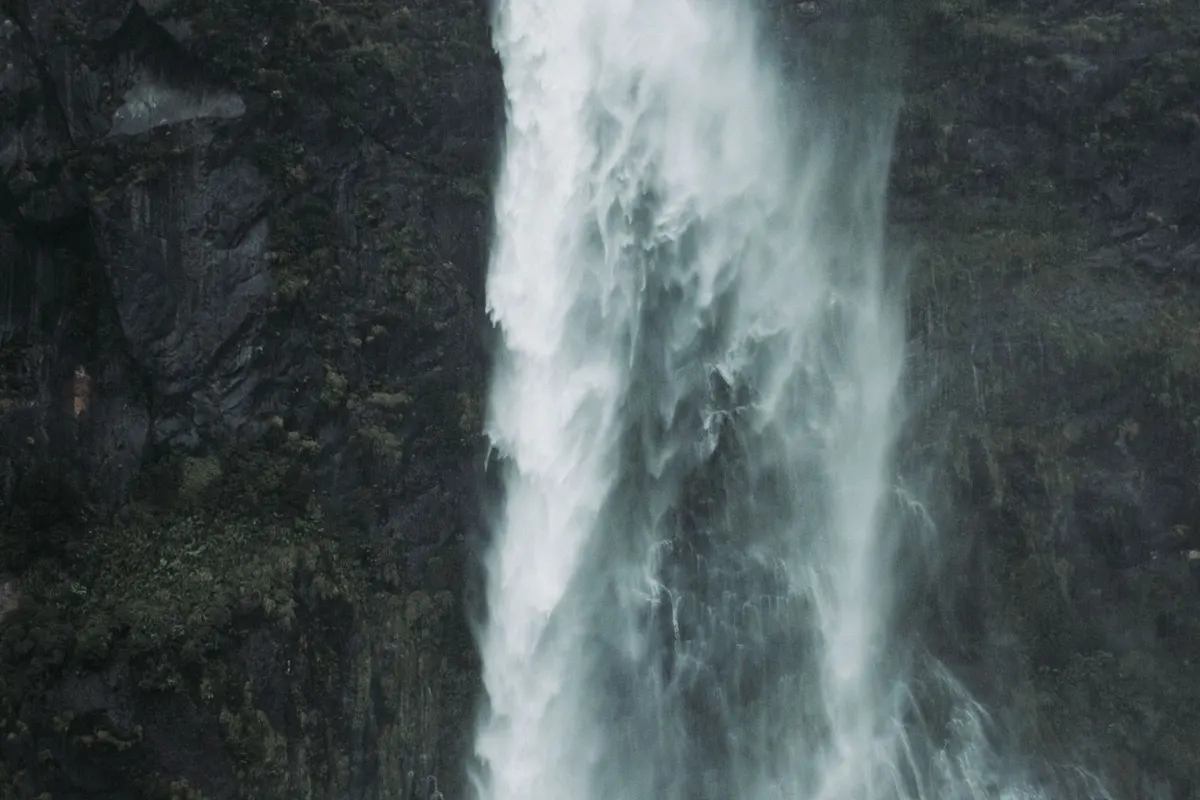
    Mitre Peak rises 1,692 m straight from the water and is the symbol of Milford Sound. Stirling Falls (151 m) and Lady Bowen Falls (162 m) are just as dramatic.

    A waterfall plunging into the sea
    A waterfall plunging into the sea

    Stops along the Milford Road

    The road itself is a highlight: Mirror Lakes reflect the mountains, and The Chasm shows off the power of the river. Tours include photo stops.

    A cruise boat beneath the cliffs
    A cruise boat beneath the cliffs

    Kayaking and the underwater world

    Kayak tours let you feel the scale of the fiord from the water. Its unusual layer of fresh water over seawater brings deep-sea creatures close to the surface.

    Suggested itinerary

    • Coach tour departs Queenstown
    • Break in Te Anau, then into the mountains
    • Photo stops at Mirror Lakes and more
    • Fiord cruise with lunch on board
    • Head back
    • Arrive back in Queenstown
    Still water reflecting the peaks at dusk
    Still water reflecting the peaks at dusk

    Where to stay nearby

    AREA 1Te AnauThe lakeside gateway town, with hotels, motels and holiday parks — plus glowworm cave tours.
    AREA 2Milford Sound LodgeOne of very few places to stay near the fiord — magical early and late in the day, but book well ahead.
    AREA 3QueenstownThe widest choice of accommodation and the main starting point for day tours.

    Tips for working holiday makers

    • Rain is a bonus, not a loss — hundreds of waterfalls appear. Bring a rain jacket.
    • Sandflies are everywhere, so insect repellent is essential.
    • The Milford Road can close in bad weather. Check NZTA road information before you set off.
    • The world-famous Milford Track is a 4-day Great Walk that books out months ahead.

    FAQ

    Can I do it as a day trip from Queenstown?

    Yes. A coach tour takes about 12–13 hours return; a scenic flight takes about half a day.

    Is it worth going on a rainy day?

    Absolutely — rain brings hundreds of waterfalls cascading down the cliffs.

    Do I need to book the cruise?

    Booking ahead is wise in summer. Coach tours that include the cruise are the easiest option.

    Is there an entry fee?

    Not as of November 2026, but a bill to charge international visitors is going through Parliament, so check before you go.

    Planning a working holiday in New Zealand?Visa basics and a take-home pay calculator.
    New Zealand guide →

    More places to visit in New Zealand

    Photos: Pexels (free stock photos) Take-home pay calculator
  • Queenstown Travel Guide

    Queenstown Travel Guide

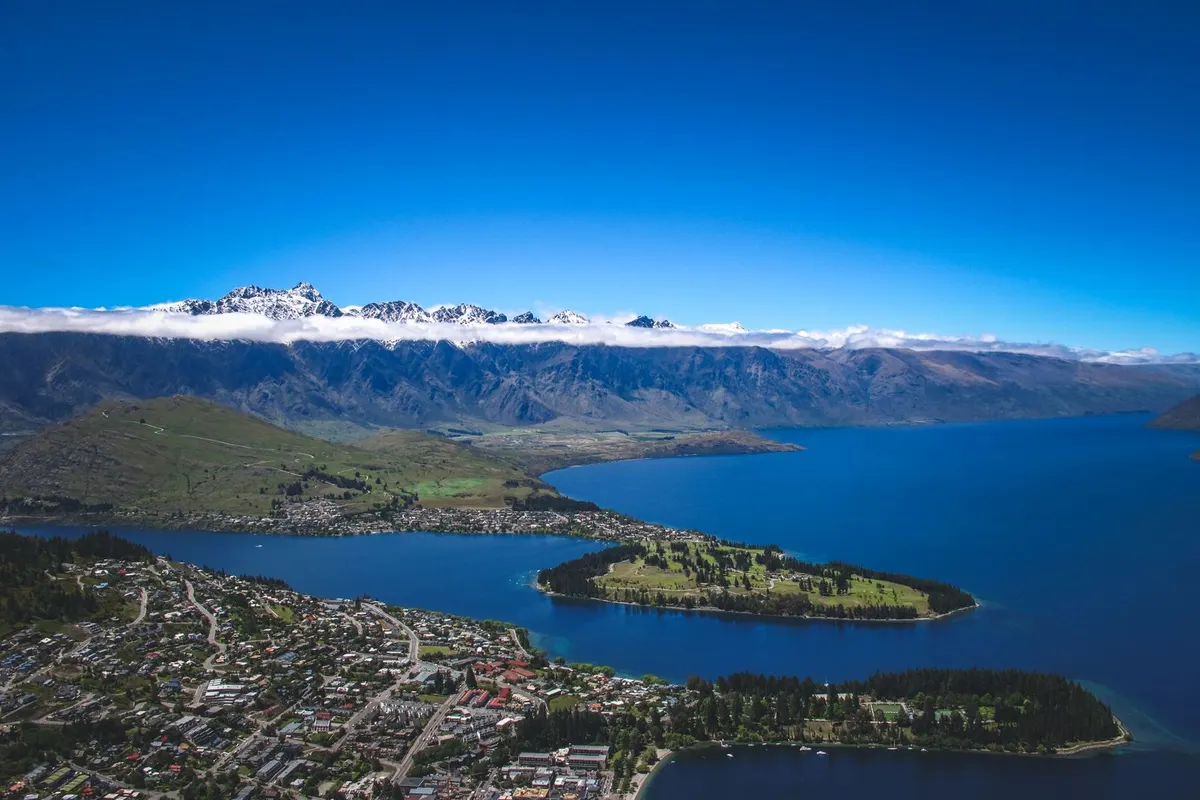
    Queenstown and Lake Wakatipu from above
    Queenstown and Lake Wakatipu from above

    Wrapped around Lake Wakatipu and framed by jagged mountains, Queenstown is the South Island’s most famous resort town. Known as the adventure capital of the world and the home of commercial bungy jumping, it offers skiing in winter and hiking and lake cruises in summer. With plenty of tourism jobs, it is also a favourite base for working holiday makers. This guide covers how to get there, where to stay and how to spend your days off.

    LocationOtago, on the northern shore of Lake Wakatipu, South Island
    AirportAbout 20–30 minutes by bus from Queenstown Airport to town
    Best timeDecember–February for the outdoors, June–September for skiing
    Time needed1–2 days for the town; 4–5 days with day trips

    How to get there

    1. Fly into Queenstown Airport via Auckland, Sydney or Melbourne. A domestic flight from Auckland takes about 1 hour 45 minutes.
    2. From the airport, Orbus route 1 runs into town in about 20–30 minutes. Pay with a Bee Card or cash.
    3. From Christchurch, long-distance coaches (such as InterCity) take about 7–8 hours. Many people drive instead, stopping at Lake Tekapo on the way.
    4. The town centre is walkable, and Orbus buses also connect to Arrowtown and Frankton.

    Opening hours, prices and practical info

    Skyline GondolaRuns daily — check prices on the official site (combo tickets with the luge available)
    TSS EarnslawAbout 45 minutes each way to Walter Peak; book farm tours and lunch packages in advance
    Buses (Orbus)Route 1 between the airport and town runs about every 15 minutes; Bee Card fares are cheaper than cash
    Visitor centreThe i-SITE in town can book tours and give local advice

    Prices and hours are from official sources as of November 2026 and may change — check the official website before you go.

    Highlights of Queenstown

    Skyline Gondola and Luge

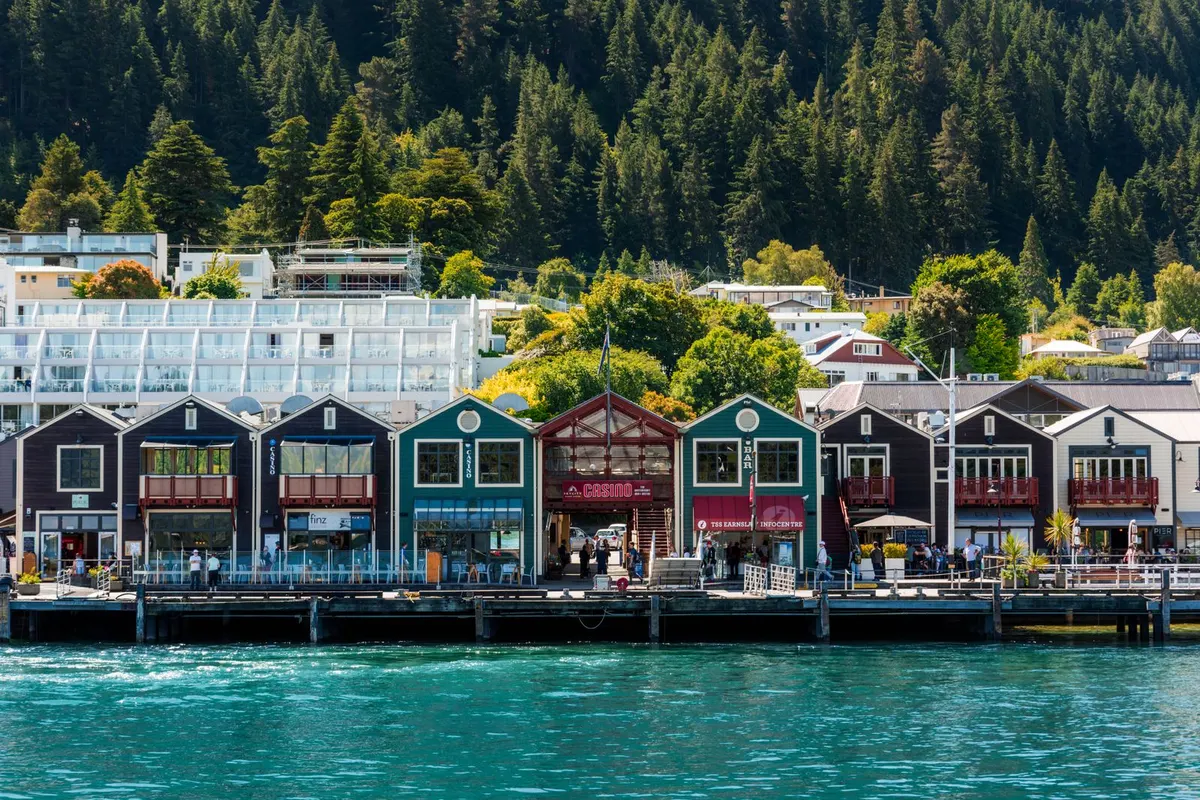
    Ride the gondola up Bob’s Peak for sweeping views over Lake Wakatipu and The Remarkables. At the top, the luge is a must, and the sunset from the restaurant is unforgettable.

    Colourful waterfront buildings
    Colourful waterfront buildings

    Kawarau Bridge, home of bungy

    Kawarau Bridge, about 25 minutes from town, is where the world’s first commercial bungy jump opened in 1988. Watching is free, and jet boating and paragliding are just as popular.

    TSS Earnslaw lake cruise

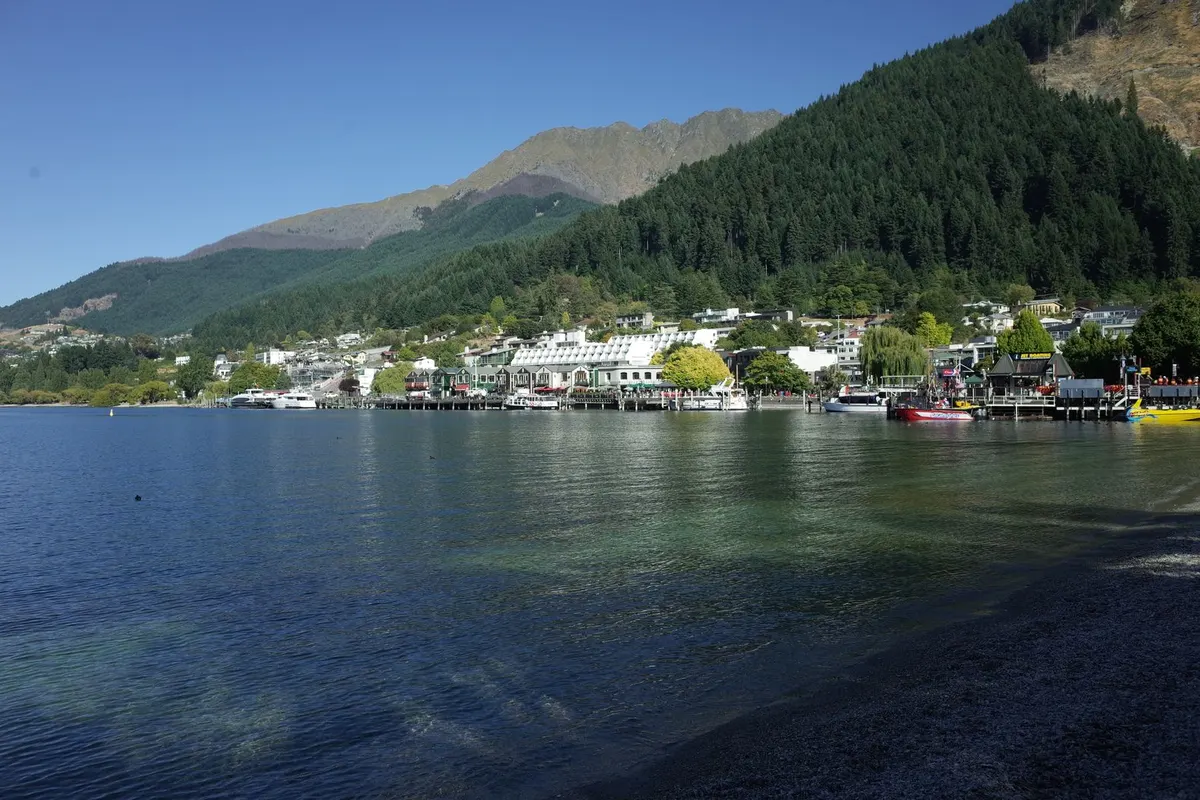
    Board the TSS Earnslaw, a vintage steamship sailing the lake since 1912, to Walter Peak High Country Farm for sheep-shearing shows and a farm lunch.

    Queenstown from Lake Wakatipu
    Queenstown from Lake Wakatipu

    Side trips to Arrowtown and Glenorchy

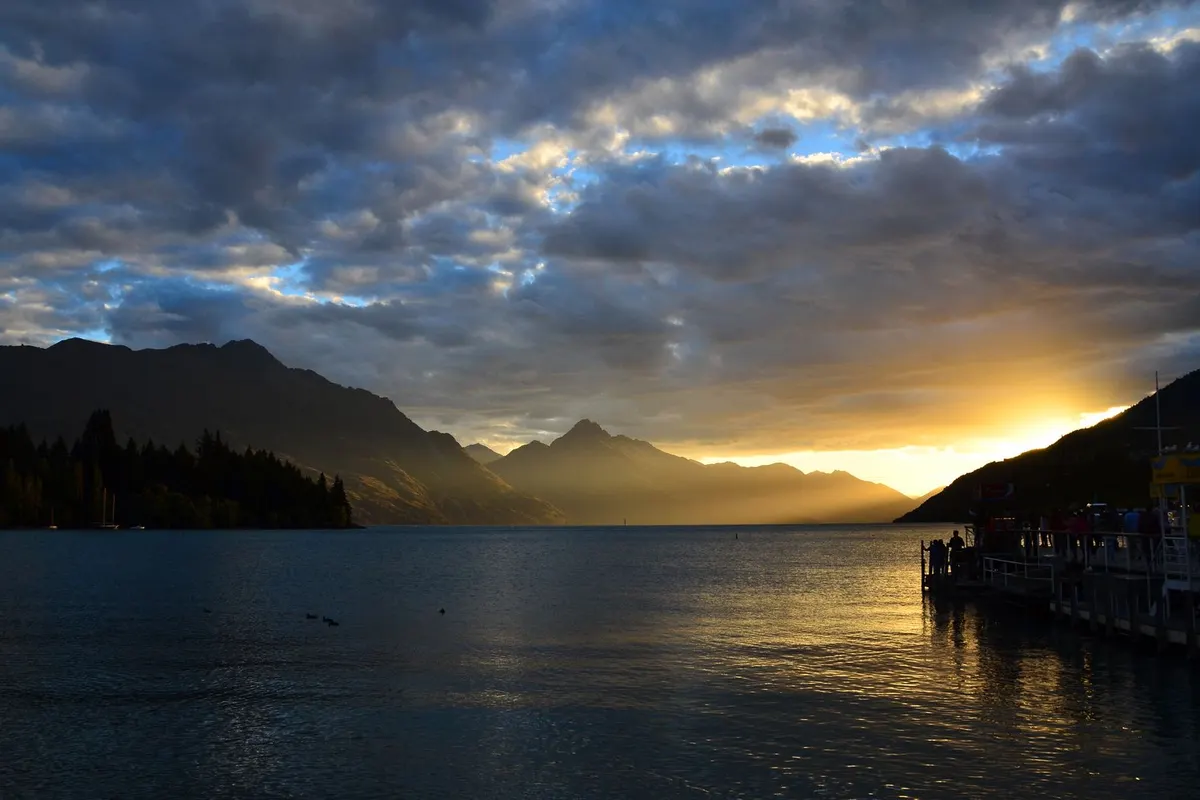
    Historic gold-rush Arrowtown is 20 minutes away and glows with autumn colours. Glenorchy, a 45-minute lakeside drive, is a stunning village known for its film locations.

    Sunset over Lake Wakatipu
    Sunset over Lake Wakatipu

    Suggested itinerary

    • Breakfast at a lakefront café and a stroll along the waterfront
    • Skyline Gondola up Bob’s Peak and a few luge rides
    • Lunch at one of the town’s famous burger joints
    • TSS Earnslaw cruise to Walter Peak High Country Farm
    • Dinner watching the sunset over the lake
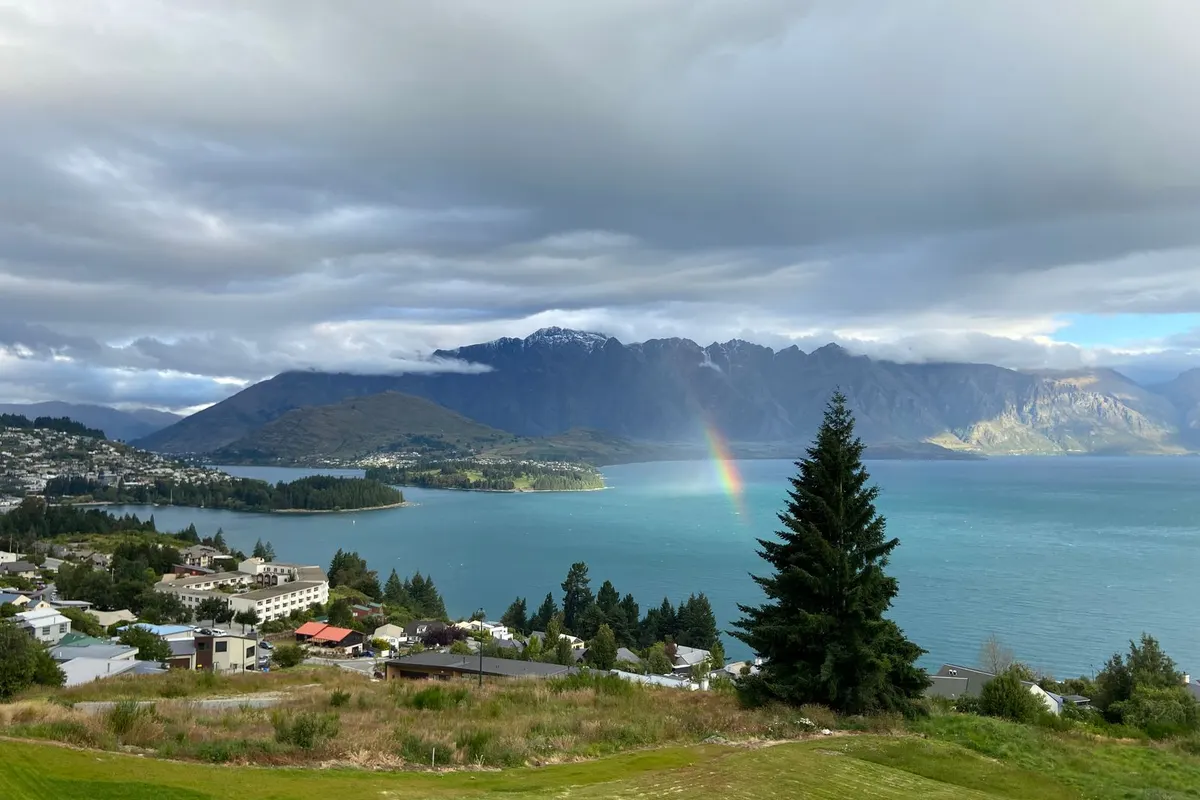
    A rainbow over Queenstown
    A rainbow over Queenstown

    Where to stay nearby

    AREA 1Queenstown town centreWalk to the gondola and tour pick-up points, with everything from hotels to backpackers.
    AREA 2FranktonClose to the airport and big supermarkets, and quieter than town — about 15 minutes by bus.
    AREA 3ArrowtownSmall hotels and B&Bs in a historic village — ideal if you prefer peace and quiet.

    Tips for working holiday makers

    • Hotels, restaurants and ski fields hire heavily — job hunting picks up in April–May before the ski season.
    • Rent is high, so look for flatshares early if you plan a long stay.
    • Activities are quieter on weekdays and early in the morning.
    • The weather changes fast — carry a warm layer even in summer.

    FAQ

    How do I get to Queenstown?

    Fly into Queenstown Airport, then take Orbus route 1 into town (about 20–30 minutes).

    Can I find work there on a working holiday?

    Yes — hotels, restaurants and ski fields hire a lot. Rent is high, so start looking for a place early.

    How many days should I spend?

    1–2 days for the town; 4–5 days if you add day trips to Milford Sound or Arrowtown.

    When is the best time to visit?

    December–February for hiking and cruises, June–September for skiing, and March–May for autumn colours.

    Planning a working holiday in New Zealand?Visa basics and a take-home pay calculator.
    New Zealand guide →

    More places to visit in New Zealand

    Photos: Pexels (free stock photos) Take-home pay calculator