Category: Travel Guide

Travel guides to popular places in working holiday countries.

  • 6 Best Places to Visit in the Netherlands

    6 Best Places to Visit in the Netherlands

    Amsterdam
    Amsterdam

    Canal-lined Amsterdam, spring flower fields, windmill-dotted countryside and cutting-edge architecture — the Netherlands packs a lot into a small country. Here are 6 of the best places to visit on your days off or travels during a working holiday.

    Amsterdam
    No.1

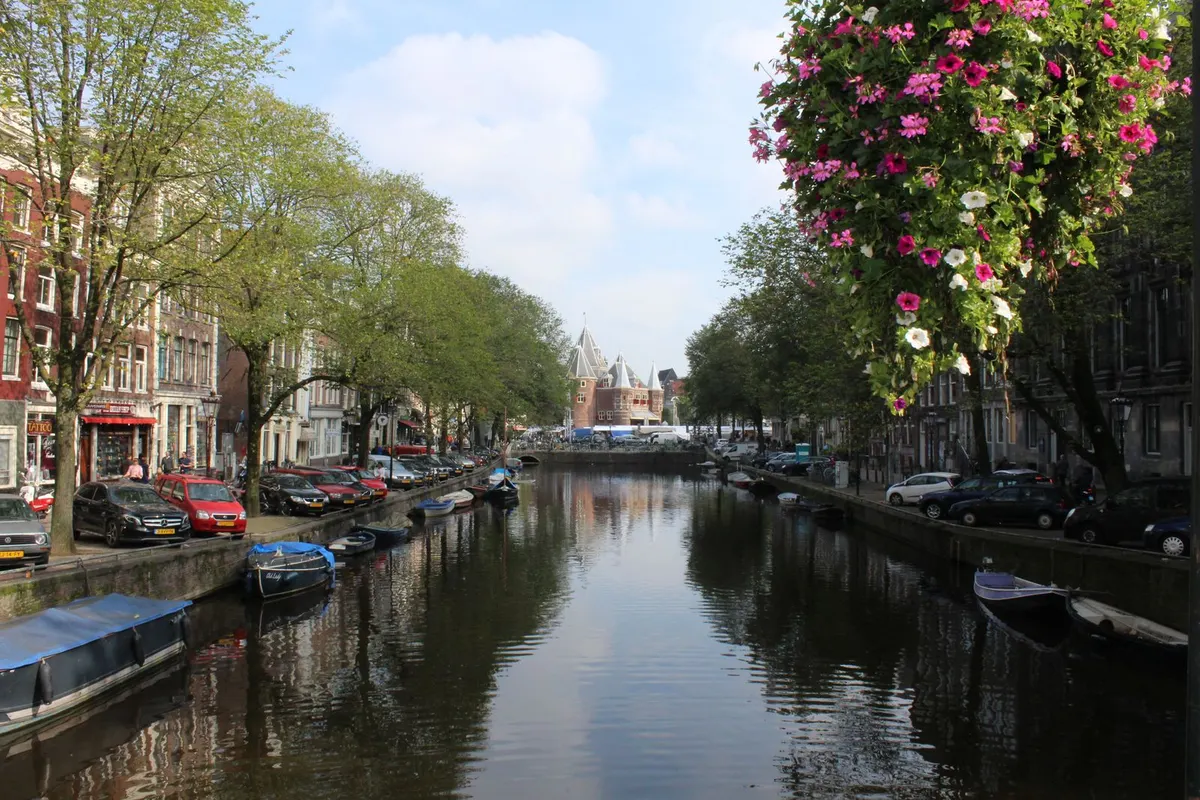
    Amsterdam

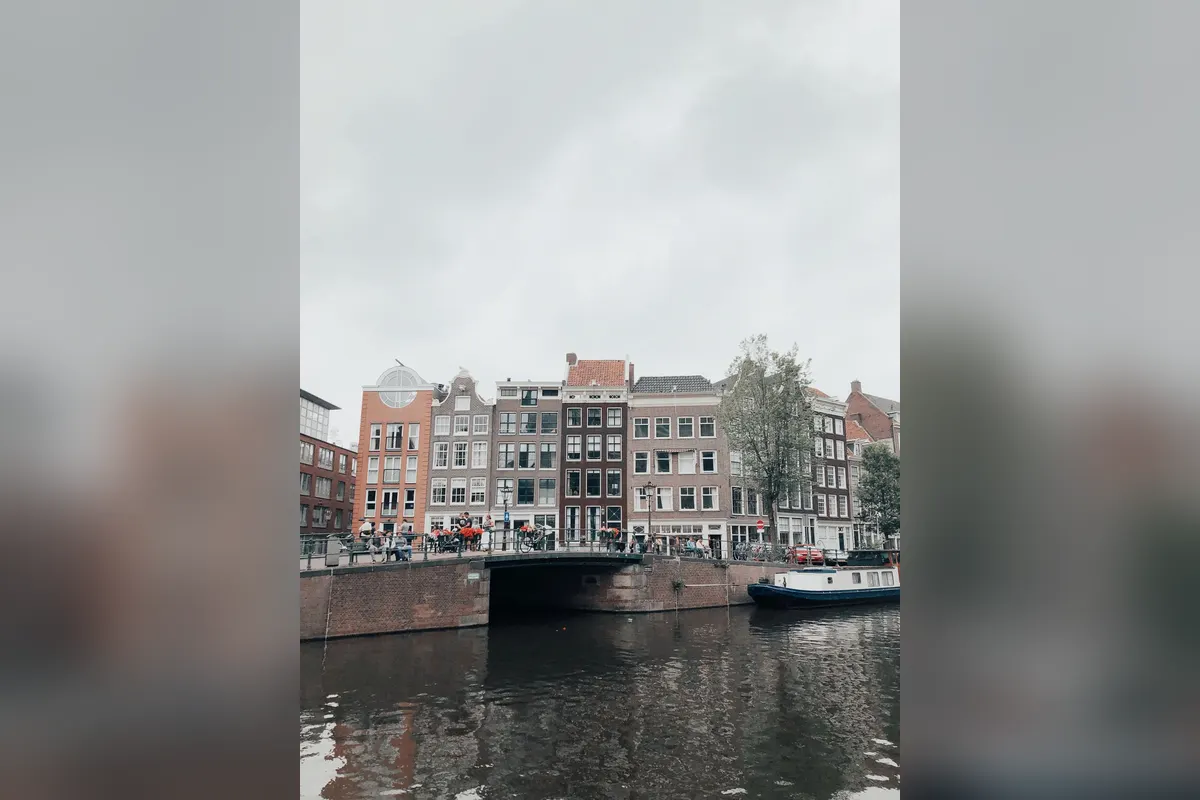
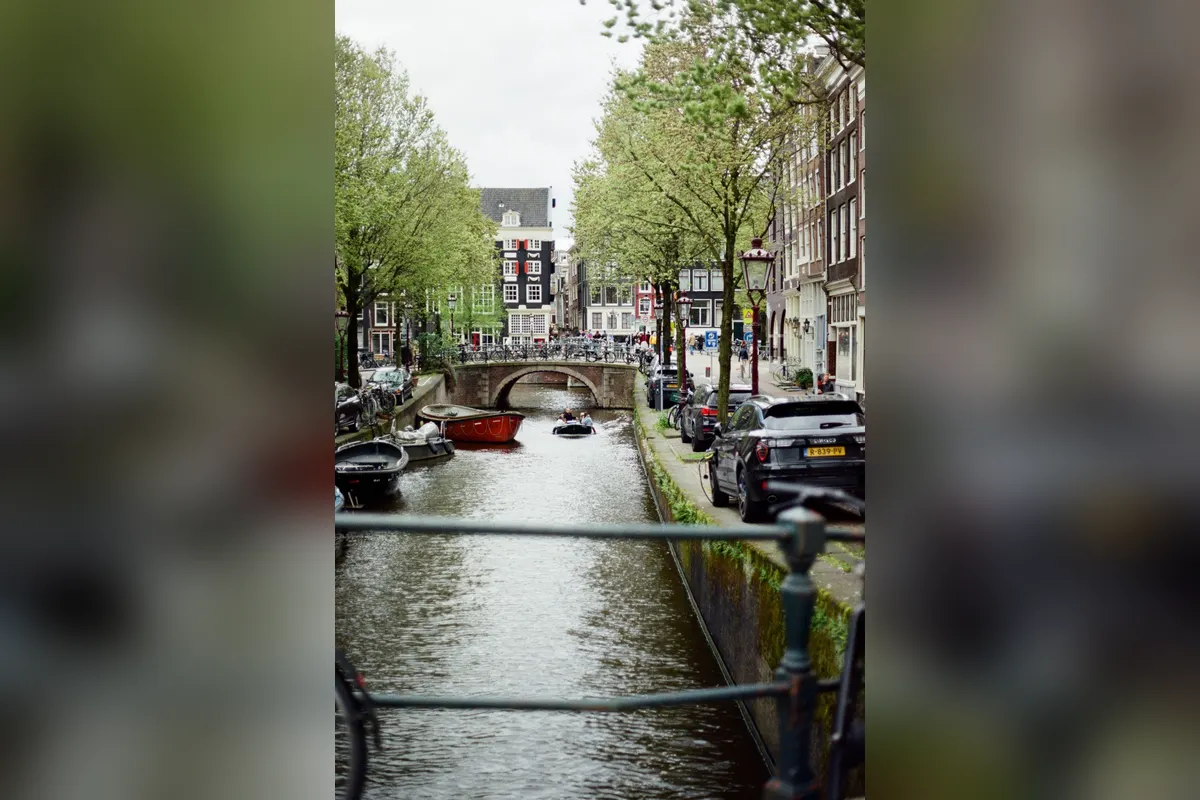
    Ringed by World Heritage-listed canals, the Dutch capital is a city of narrow leaning houses, bridges full of bicycles and museums filled with Van Go…

    Getting there:About 15–20 minutes by train from Schiphol to Centraal

    Read the full guide →
    Keukenhof
    No.2

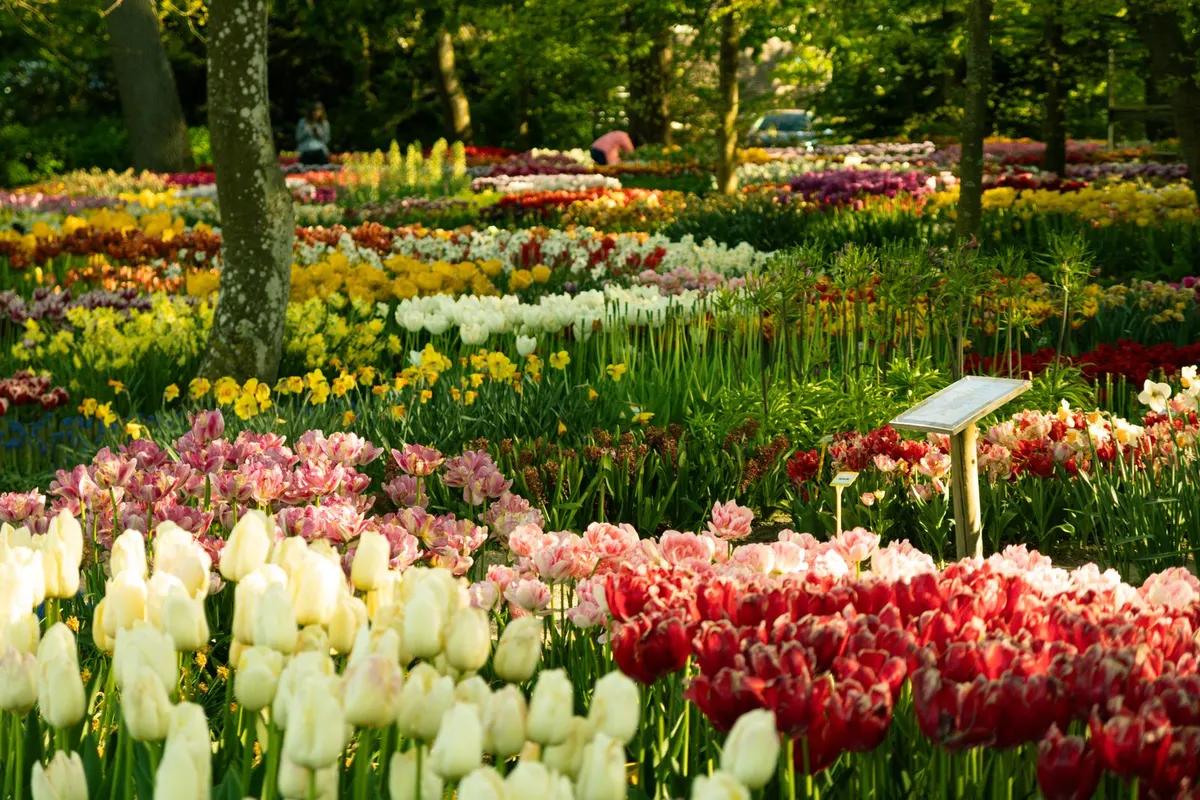
    Keukenhof

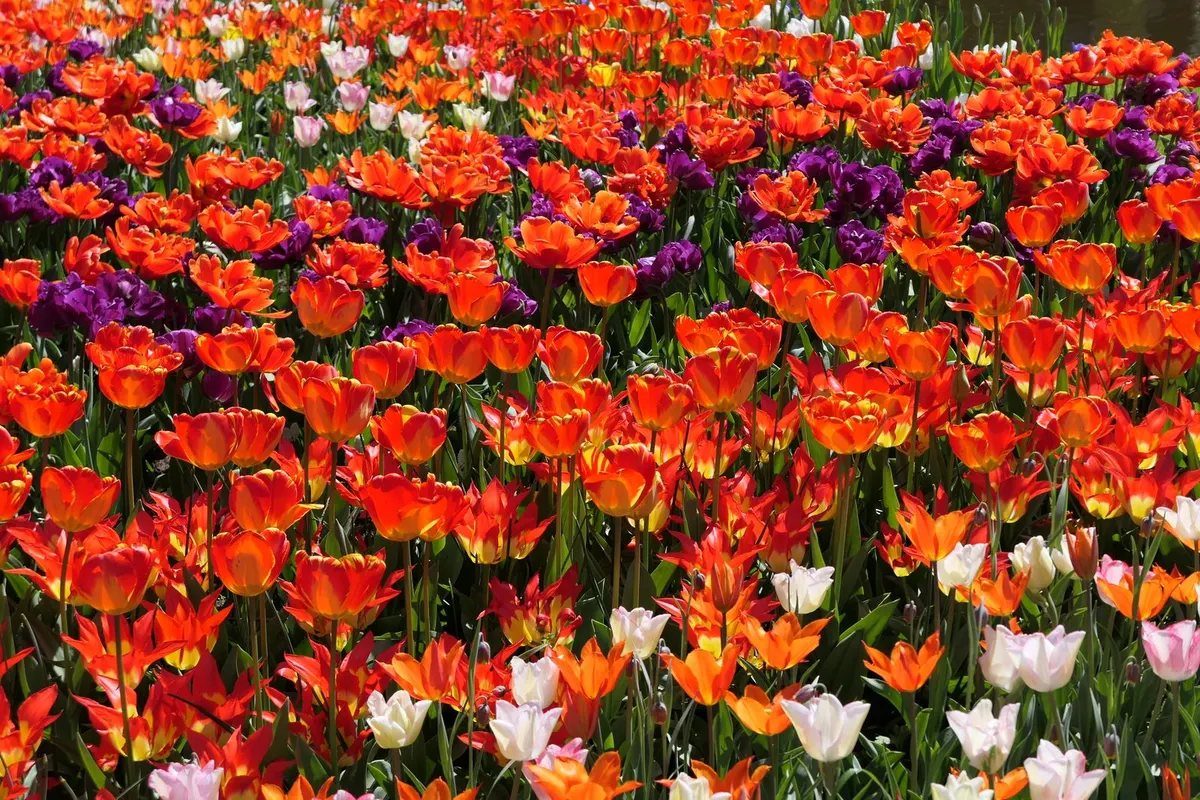
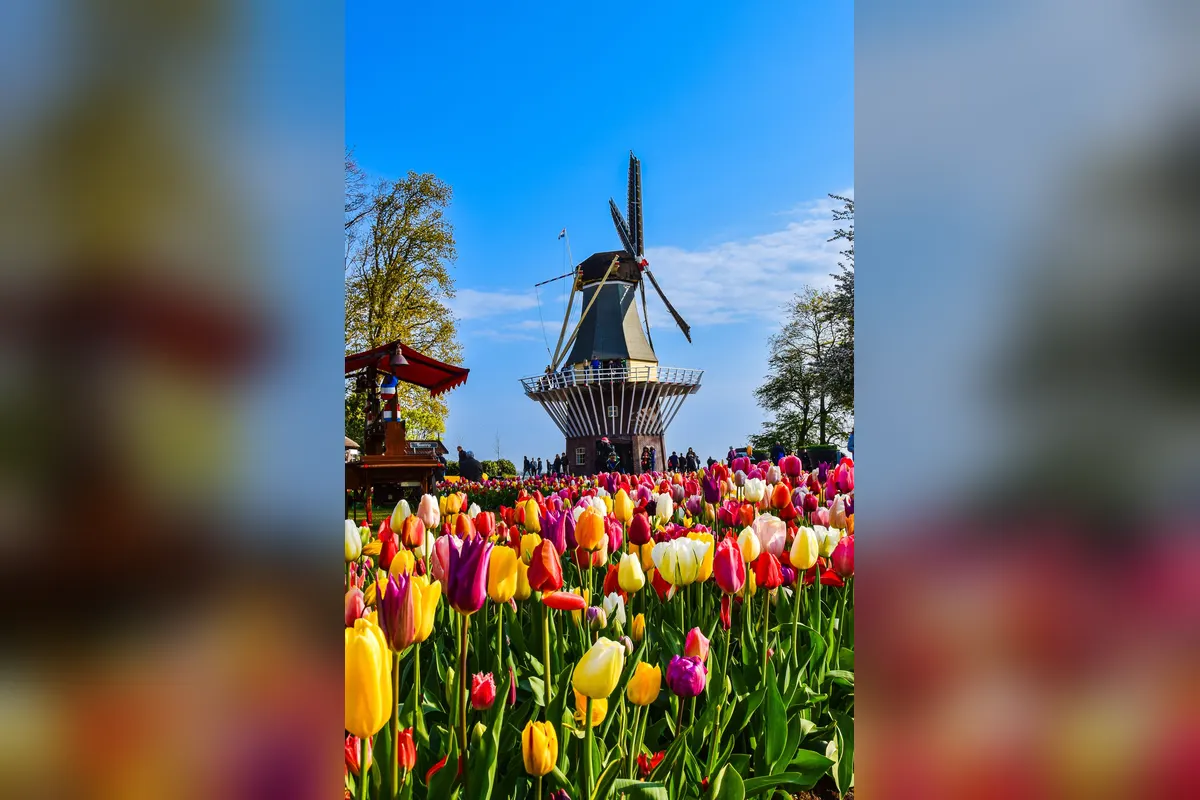
    Keukenhof is the Netherlands’ most famous spring garden, with around 7 million bulbs of tulips, hyacinths and daffodils planted each year. It opens f…

    Getting there:About 30 minutes by bus from Schiphol or Leiden

    Read the full guide →
    Kinderdijk Windmills
    No.3

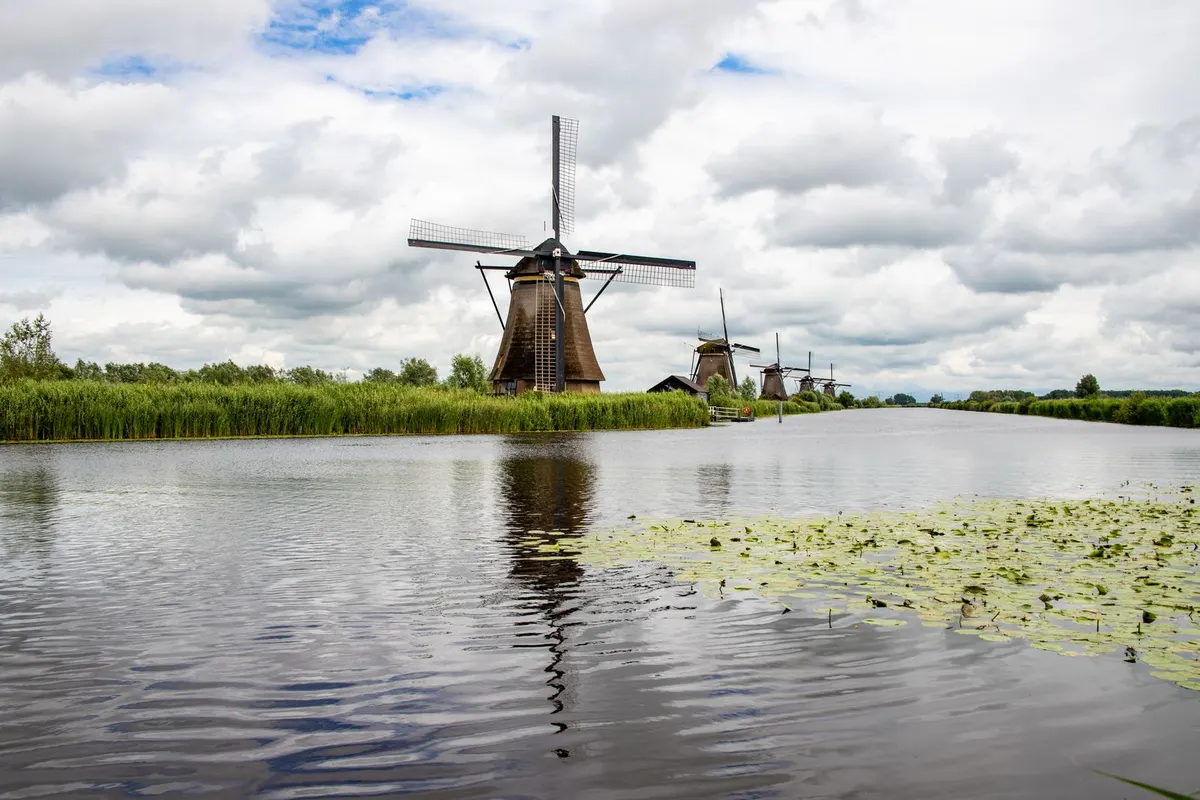
    Kinderdijk Windmills

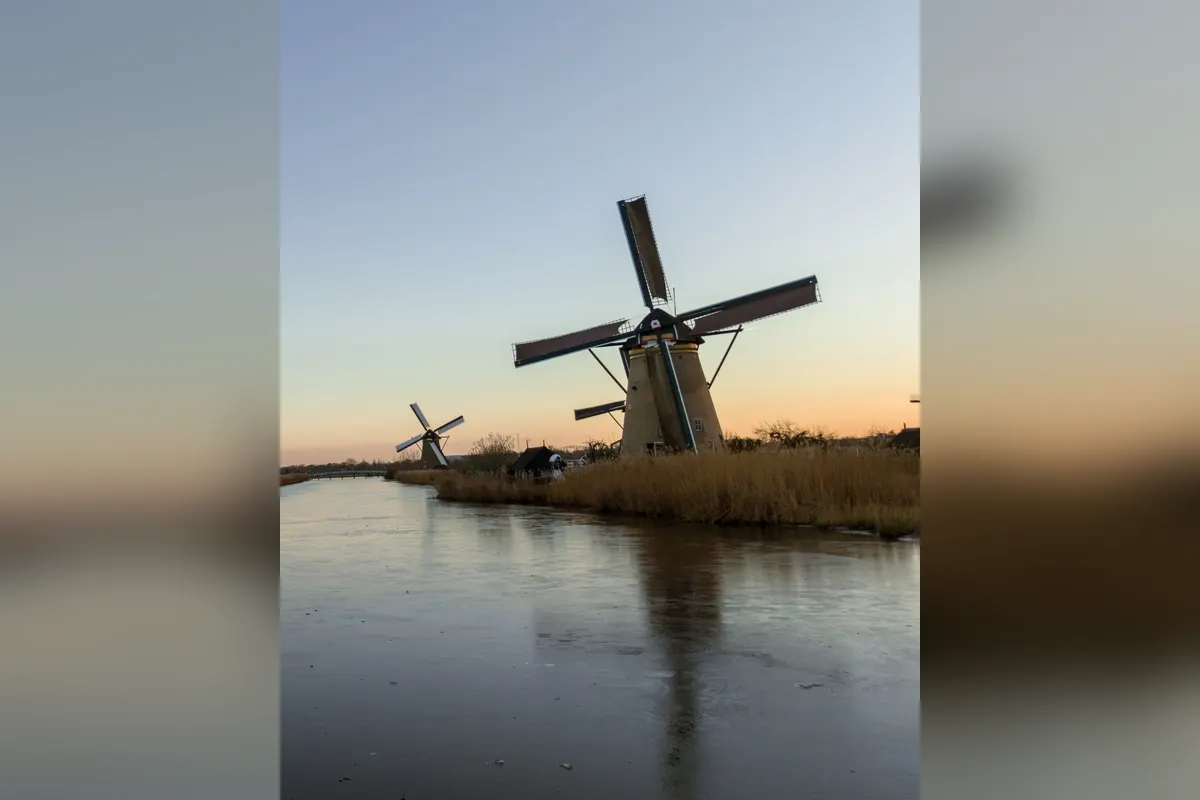
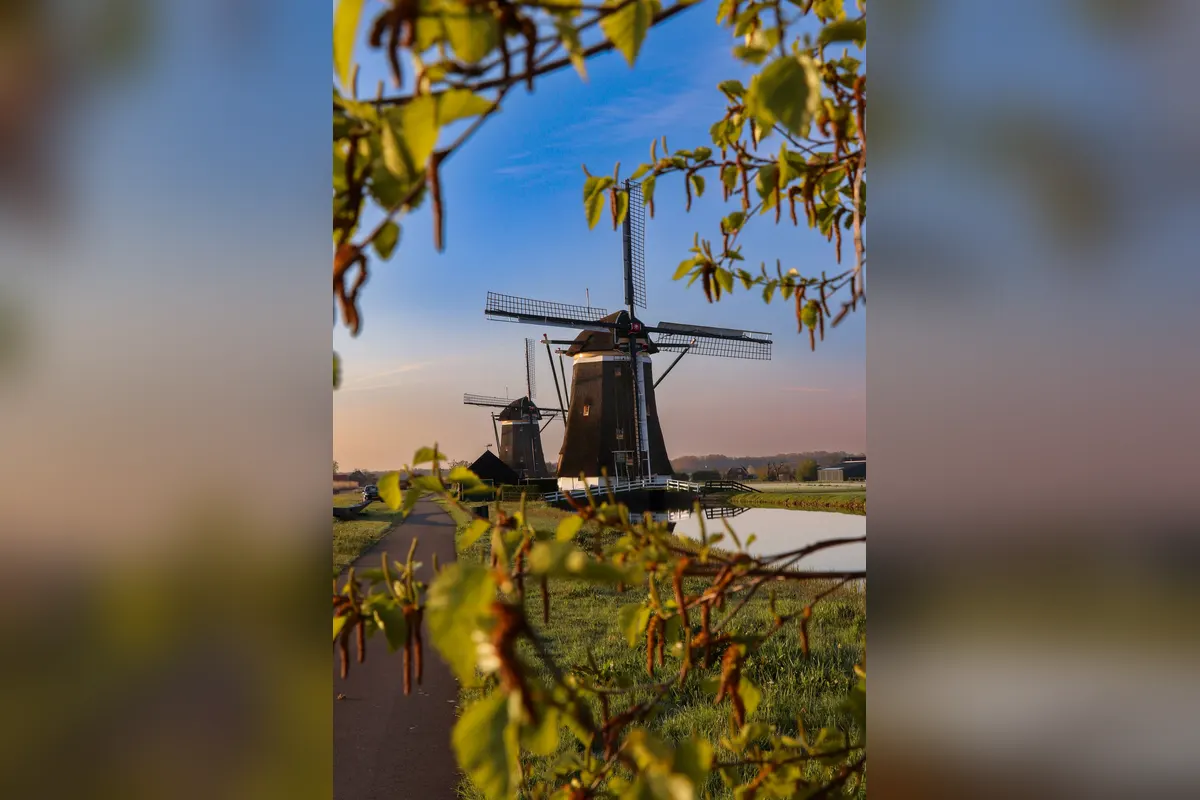
    With 19 windmills lined up along its canals, Kinderdijk is the Netherlands in a single view. Built in the 18th century to pump water from the low-lyi…

    Getting there:About 30–40 minutes by waterbus from Rotterdam

    Read the full guide →
    Rotterdam
    No.4

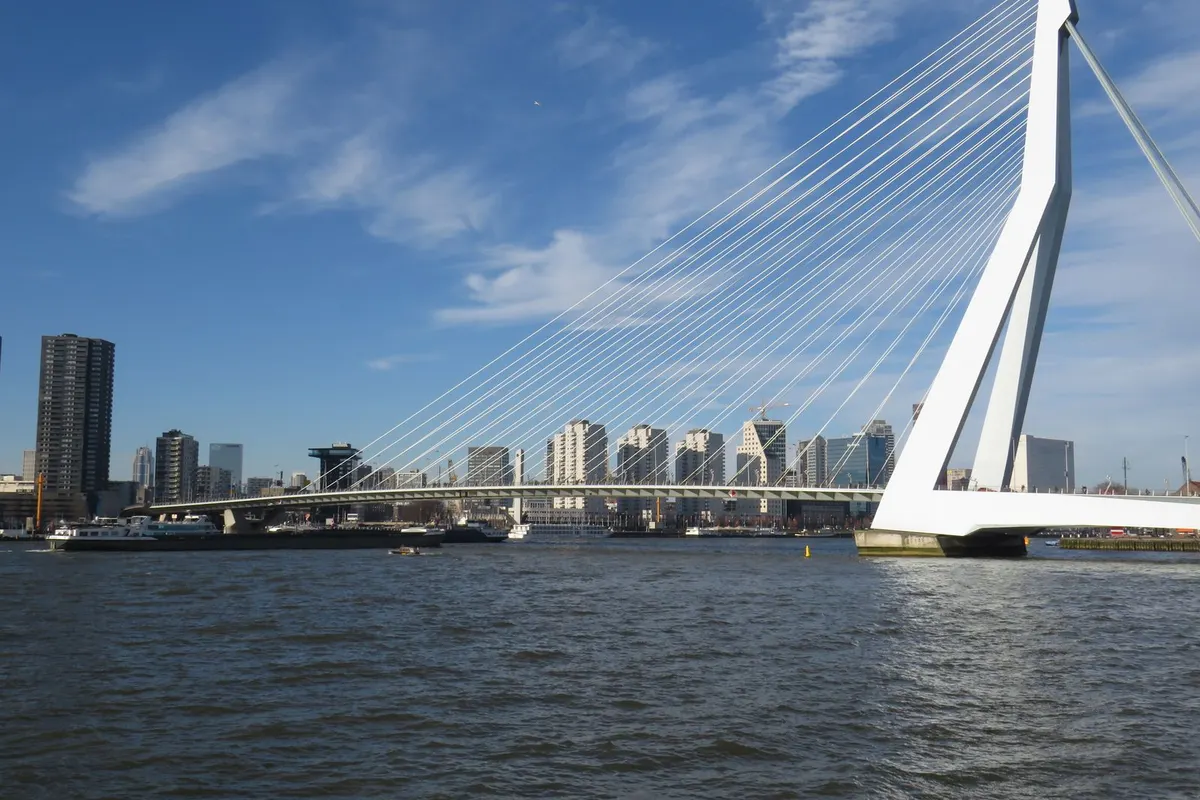
    Rotterdam

    Home to Europe’s largest port, Rotterdam is the Netherlands’ second city and a showcase of bold modern architecture — the swan-like Erasmus Bridge, t…

    Getting there:About 40 minutes by train from Amsterdam

    Read the full guide →
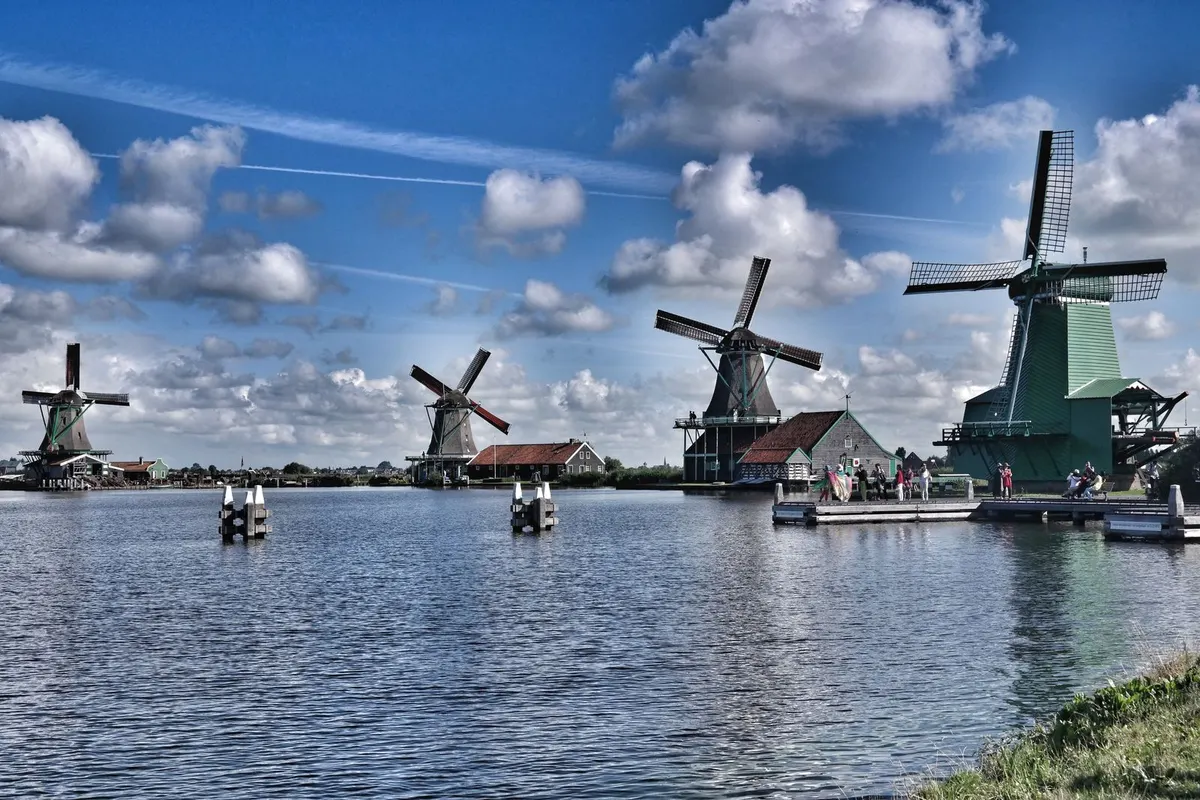
    Zaanse Schans
    No.5

    Zaanse Schans

    A village of green wooden houses and working windmills, with cheese and clog workshops.

    Getting there:About 20 minutes by train from Amsterdam Centraal
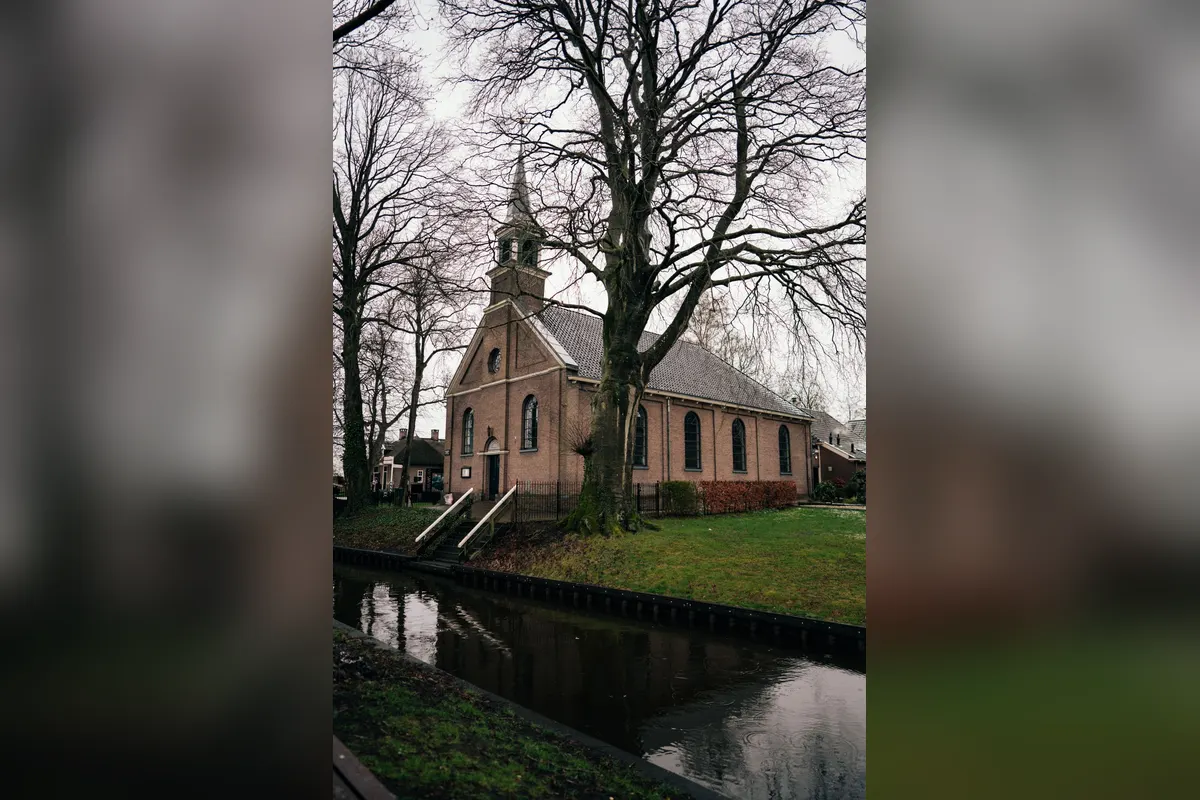
    Giethoorn
    No.6

    Giethoorn

    The “Venice of the Netherlands”, where canals replace roads and you glide past thatched cottages by boat.

    Getting there:About 2 hours by train and bus from Amsterdam

    FAQ

    What are the most popular places in the Netherlands?

    Amsterdam, plus Keukenhof in spring and windmills at Kinderdijk and Zaanse Schans.

    How do I get around?

    An excellent rail network links the cities in about an hour; tap in with contactless.

    When is the best time to travel?

    April–May for tulips and June–September for comfortable weather.

    Which city is best as a working holiday base?

    Amsterdam for jobs; Rotterdam and Utrecht for lower rent.

    Planning a working holiday in Netherlands?Visa basics and a take-home pay calculator.
    Netherlands guide →

    Photos: Pexels
  • Rotterdam Travel Guide

    Rotterdam Travel Guide

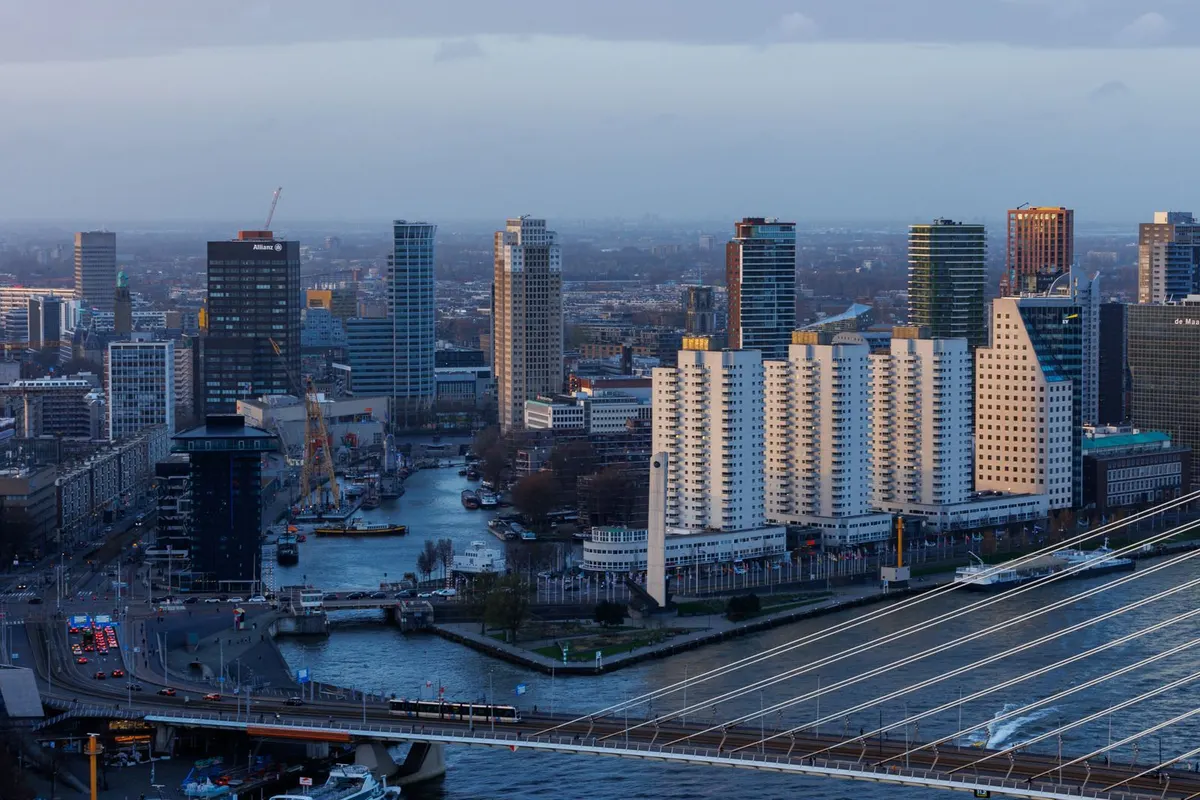
    The Maas and the Erasmus Bridge
    The Maas and the Erasmus Bridge

    Home to Europe’s largest port, Rotterdam is the Netherlands’ second city and a showcase of bold modern architecture — the swan-like Erasmus Bridge, the tilted Cube Houses and the giant arched Markthal. Here is how to get there, what to see and where to stay.

    LocationSouth Holland, on the Maas
    Getting thereAbout 40 minutes by train from Amsterdam
    Best timeMay–September
    Time needed1–2 days; 2 with Kinderdijk

    How to get there

    1. Intercity Direct trains from Amsterdam Centraal or Schiphol reach Rotterdam Centraal in about 40 minutes.
    2. International trains run direct from Paris and Brussels.
    3. Metro and trams cover the city and accept contactless cards.
    4. Water taxis on the Maas double as sightseeing.

    Opening hours, prices and practical info

    MarkthalFree entry; check shop hours online
    Cube HousesThe show house charges admission
    TransportMetro, trams and water taxis; contactless accepted
    TrainAbout 40 minutes from Amsterdam

    Prices and hours are from official sources as of November 2026 and may change — check the official website before you go.

    Highlights of Rotterdam

    The Erasmus Bridge

    Nicknamed “the Swan”, this graceful white bridge is the symbol of the city and beautifully lit at night.

    The Cube Houses and Markthal

    The tilted Cube Houses and the Markthal, a market hall with a giant mural on its arched ceiling — great for food.

    The harbour and skyline

    The waterfront mixes Europe’s biggest port with striking new buildings; harbour boat tours run regularly.

    Rotterdam's skyline at dusk
    Rotterdam’s skyline at dusk

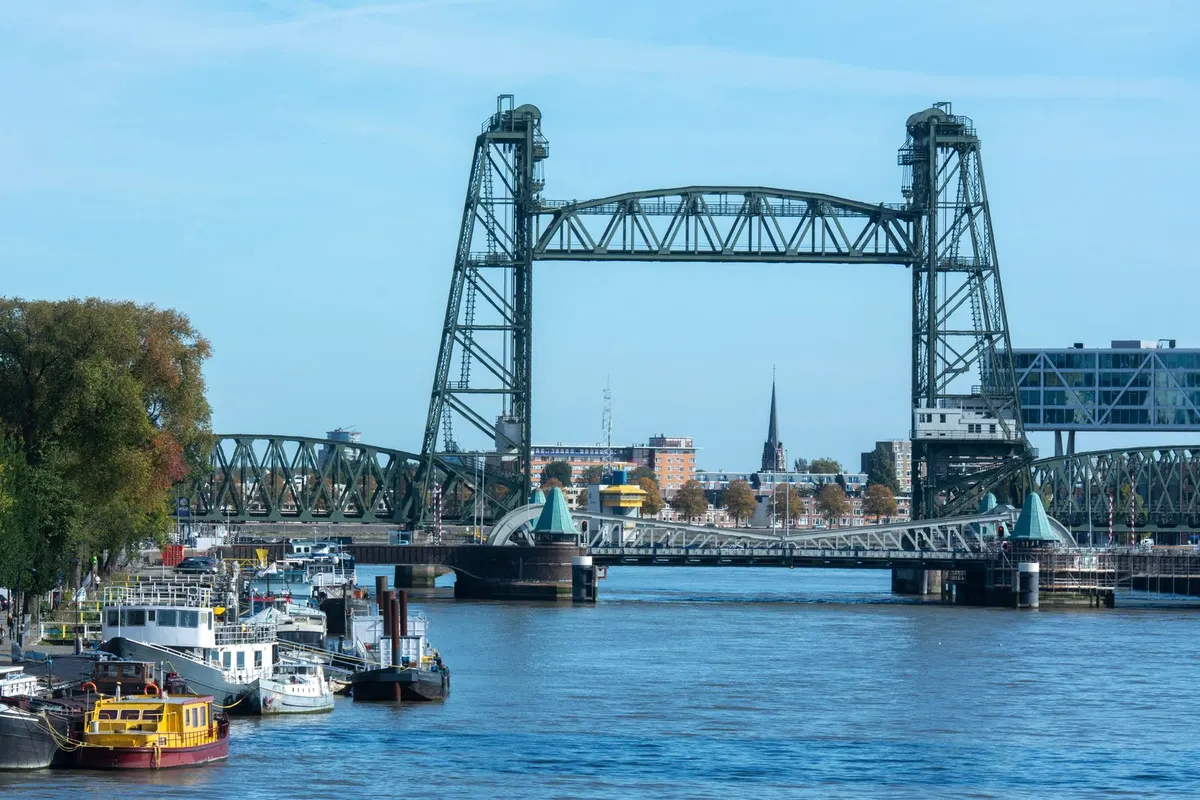
    De Hef bridge

    A striking green steel lift bridge from the railway era, now a peaceful riverside landmark.

    De Hef bridge
    De Hef bridge

    Suggested itinerary

    • Admire Rotterdam Centraal, then explore
    • Breakfast and snacks at the Markthal
    • Visit a Cube House
    • Harbour boat tour
    • Cross the Erasmus Bridge to Kop van Zuid
    • Dinner with skyline views

    Where to stay nearby

    AREA 1City centreWalkable to the sights, with lots of hotels.
    AREA 2Kop van ZuidAcross the Erasmus Bridge, with view hotels.
    AREA 3DelfshavenAn old harbour area with a calm atmosphere.

    Tips for working holiday makers

    • Kinderdijk is 30–40 minutes by waterbus — combine them.
    • Hotels are often cheaper than in Amsterdam.
    • Architecture fans should see the Depot Boijmans art storehouse.
    • The port and big companies make it a popular base for working in the Netherlands.

    FAQ

    How do I get there from Amsterdam?

    About 40 minutes by train.

    What are the highlights?

    Modern architecture — the Erasmus Bridge, Cube Houses and Markthal.

    How do I reach Kinderdijk?

    About 30–40 minutes by waterbus.

    How many days do I need?

    1 for the city, 2 with Kinderdijk.

    Planning a working holiday in Netherlands?Visa basics and a take-home pay calculator.
    Netherlands guide →

    More places to visit in Netherlands

    Photos: Pexels (free stock photos) Take-home pay calculator
  • Kinderdijk Windmills Travel Guide

    Kinderdijk Windmills Travel Guide

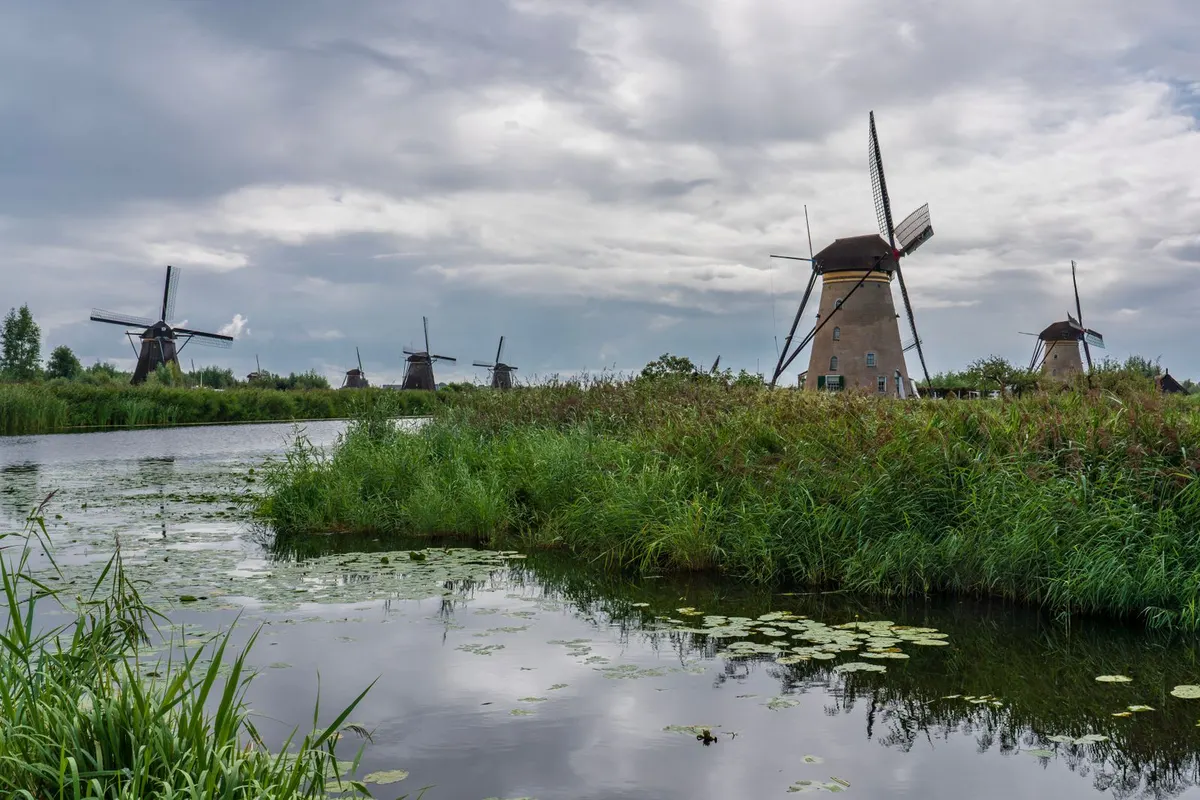
    Windmills by the water
    Windmills by the water

    With 19 windmills lined up along its canals, Kinderdijk is the Netherlands in a single view. Built in the 18th century to pump water from the low-lying land, the mills are a UNESCO World Heritage Site. Here is how to get there from Rotterdam, how to visit inside a mill and how to explore.

    LocationSouth Holland, east of Rotterdam
    Getting thereAbout 30–40 minutes by waterbus from Rotterdam
    Best timeApril–October
    Time needed2–3 hours

    How to get there

    1. Waterbuses run from near the Erasmus Bridge in Rotterdam in about 30–40 minutes, with great views on the way.
    2. Local buses also go, with a change.
    3. From Amsterdam, take the train to Rotterdam (about 40 minutes) and connect to the waterbus.
    4. On site, walk or cycle along the canal paths between the mills.

    Opening hours, prices and practical info

    TicketsMill interiors, films and boats are paid (buy online)
    WaterbusFrom near the Erasmus Bridge in Rotterdam
    World HeritageListed in 1997
    Best timeApril–October

    Prices and hours are from official sources as of November 2026 and may change — check the official website before you go.

    Highlights of Kinderdijk Windmills

    Nineteen windmills in a row

    Nowhere else in the Netherlands has so many mills lined up along a canal. Their reflections are loveliest in the morning or evening.

    Mills along the canal
    Mills along the canal

    Inside a working mill

    With a ticket you can step inside mills where millers still live, with steep ladders and tools that show daily life.

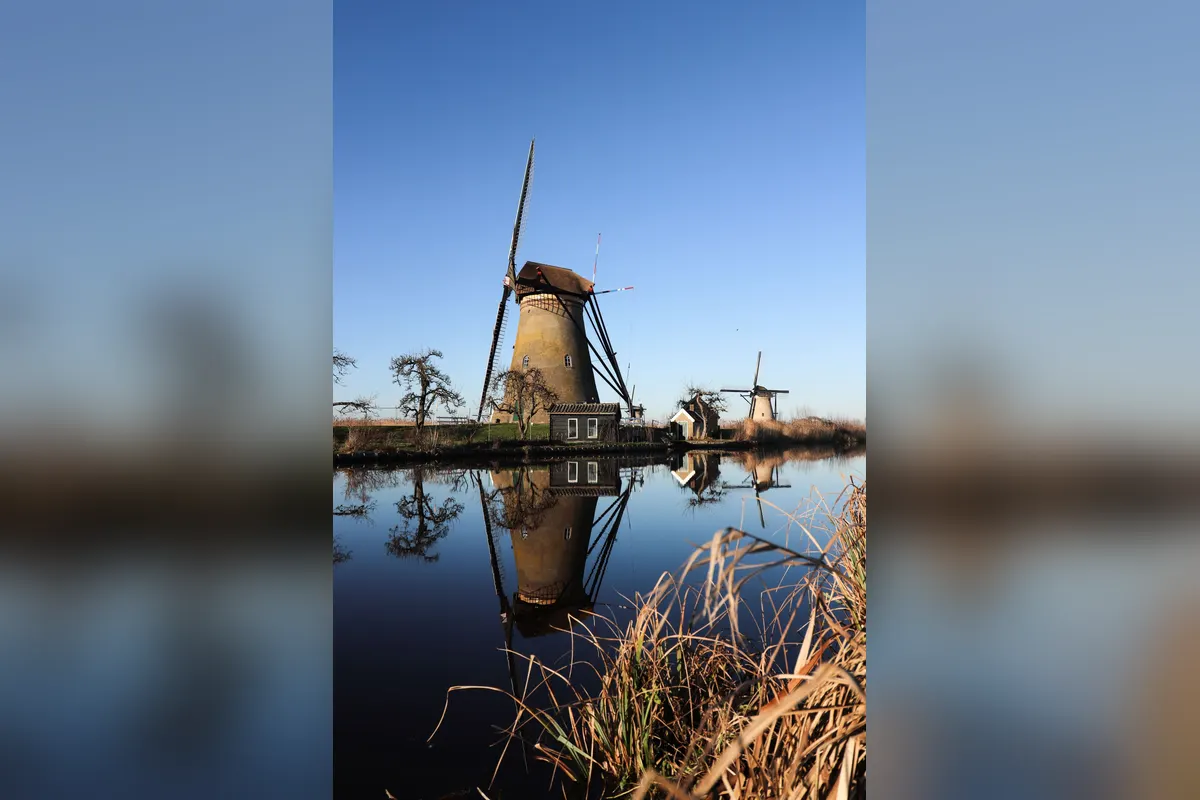
    A windmill reflected in the water
    A windmill reflected in the water

    The pumping station and films

    At the modern pumping station, films explain how the low-lying Netherlands has battled water for centuries.

    Suggested itinerary

    • Waterbus from Rotterdam
    • Walk the canal path
    • Go inside a mill
    • Lunch at the café
    • See the mills from a canal boat
    • Back to Rotterdam for architecture
    Windmills at sunrise
    Windmills at sunrise
    A mill framed by trees
    A mill framed by trees

    Where to stay nearby

    AREA 1RotterdamLots of hotels near the waterbus pier.
    AREA 2DordrechtA historic port town with canals and easy access.
    AREA 3AmsterdamThe most choice for a day trip.

    Tips for working holiday makers

    • Walking the path is open to all, but mill interiors and films need a ticket.
    • It is often windy, so bring a jacket.
    • On some days the sails are turning.
    • Cycling is the most efficient way to see them all.

    FAQ

    Is it a day trip from Amsterdam?

    Yes — train to Rotterdam, then the waterbus.

    Is there an entry fee?

    Walking is free; mill interiors and extras are paid.

    How long do I need?

    2–3 hours.

    Can I visit in winter?

    Yes, but opening hours are shorter — check ahead.

    Planning a working holiday in Netherlands?Visa basics and a take-home pay calculator.
    Netherlands guide →

    More places to visit in Netherlands

    Photos: Pexels (free stock photos) Take-home pay calculator
  • Keukenhof Travel Guide

    Keukenhof Travel Guide

    Flowerbeds in the Keukenhof gardens
    Flowerbeds in the Keukenhof gardens

    Keukenhof is the Netherlands’ most famous spring garden, with around 7 million bulbs of tulips, hyacinths and daffodils planted each year. It opens for only about eight weeks in spring. Here is how to get there from Amsterdam, how to buy tickets and how to enjoy the bulb fields nearby.

    LocationLisse, South Holland
    Getting thereAbout 30 minutes by bus from Schiphol or Leiden
    SeasonAbout eight weeks from mid-March to mid-May
    Time needed3–4 hours in the park; a full day with the bulb fields

    How to get there

    1. Seasonal shuttle buses run from Schiphol, Leiden Centraal and Haarlem.
    2. Combi tickets bundling the bus and entry are sold on the official website.
    3. From Amsterdam, take the train to Schiphol and change to the bus.
    4. Rent a bike near the park to explore the surrounding bulb fields.

    Opening hours, prices and practical info

    SeasonUsually mid-March to mid-May (varies)
    TicketsBuy timed tickets online, including bus combos
    AccessSeasonal buses from Schiphol, Leiden and Haarlem
    BikesBike rental near the park

    Prices and hours are from official sources as of November 2026 and may change — check the official website before you go.

    Highlights of Keukenhof

    Seven million blooms

    Themed flowerbeds fill 32 hectares, and the design changes every year.

    Tulips in every colour
    Tulips in every colour

    The windmill and canal boats

    Climb the windmill for views over the bulb fields, or take a boat tour along the canals outside.

    A windmill and tulips
    A windmill and tulips

    Indoor flower shows

    The pavilions host changing displays of tulips, orchids and more — perfect on a rainy day.

    The bulb fields

    Outside the park, commercial bulb fields stripe the countryside in blocks of colour — best seen by bike.

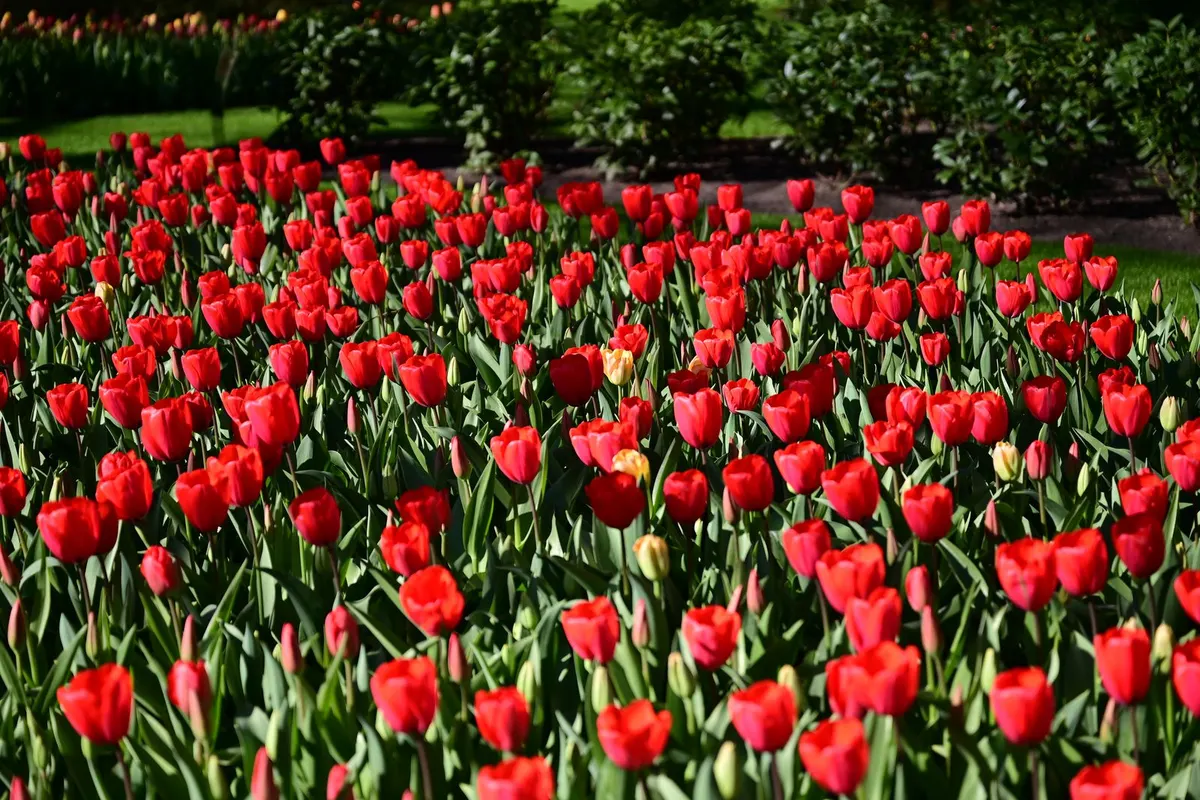
    Red tulips
    Red tulips

    Suggested itinerary

    • Train from Amsterdam to Schiphol
    • Shuttle bus to Keukenhof
    • Explore while it is quiet after opening
    • Lunch at a park café
    • Bike around the bulb fields
    • Bus back to Amsterdam
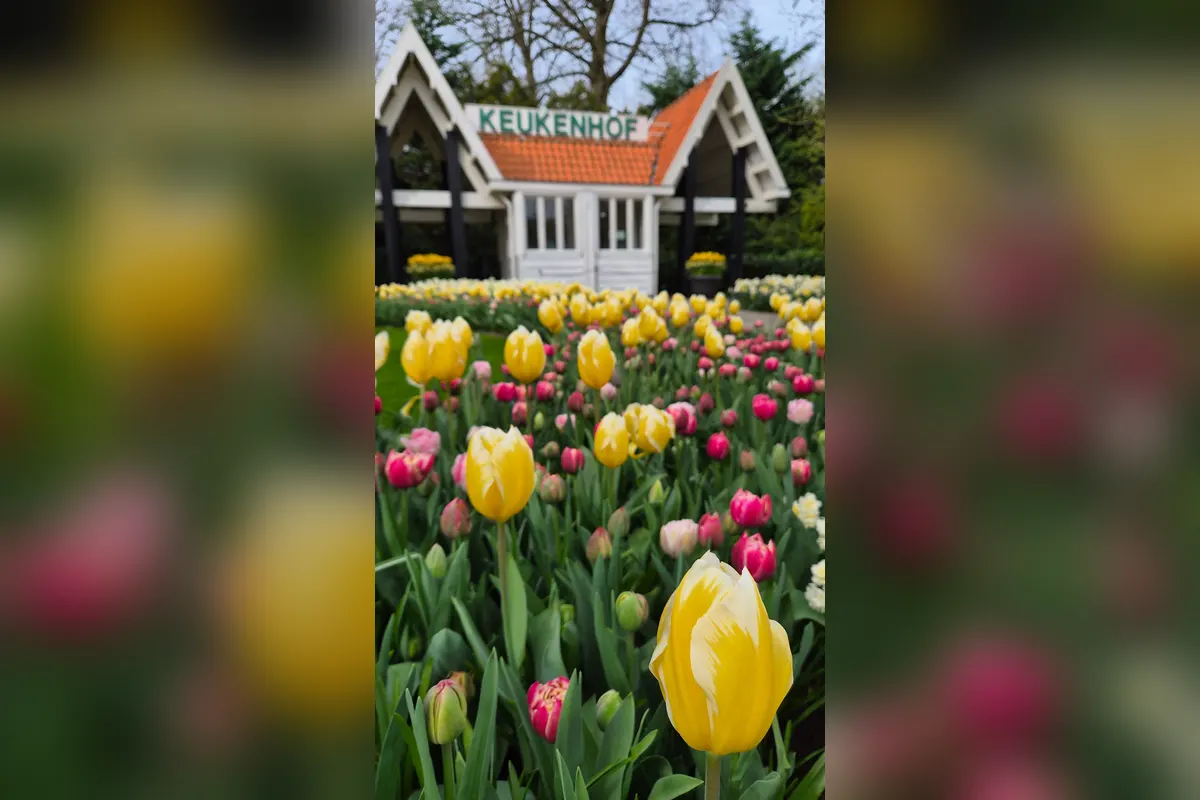
    The Keukenhof entrance
    The Keukenhof entrance

    Where to stay nearby

    AREA 1LeidenA university town with canals and buses to Keukenhof.
    AREA 2HaarlemA historic city 15 minutes from Amsterdam by train, close to the bulb fields.
    AREA 3AmsterdamThe most choice for a day trip.

    Tips for working holiday makers

    • Opening dates change each year — check the official site.
    • Tulips usually peak around mid-April; the site posts bloom updates.
    • Weekends and Easter are very busy; go on a weekday morning.
    • In April, the Flower Parade of floats decorated with blooms travels through the area.

    FAQ

    When is the best time to go?

    Tulips usually peak around mid-April.

    Is it a day trip from Amsterdam?

    Yes — about an hour by train and bus.

    Can I buy tickets on the day?

    Buy online in advance; combo tickets with the bus are easiest.

    Is it worth going in the rain?

    Yes — the indoor pavilions have spectacular displays.

    Planning a working holiday in Netherlands?Visa basics and a take-home pay calculator.
    Netherlands guide →

    More places to visit in Netherlands

    Photos: Pexels (free stock photos) Take-home pay calculator
  • Amsterdam Travel Guide

    Amsterdam Travel Guide

    A canal decorated with flowers
    A canal decorated with flowers

    Ringed by World Heritage-listed canals, the Dutch capital is a city of narrow leaning houses, bridges full of bicycles and museums filled with Van Gogh and Rembrandt. Here is how to get in from Schiphol, which sights to book and where to stay.

    LocationNorth-west Netherlands
    AirportAbout 15–20 minutes by train from Schiphol to Centraal
    Best timeApril–May for tulips and June–September
    Time needed2–3 days for the city; 4 with day trips

    How to get there

    1. KLM flies direct from Narita in about 14–15 hours.
    2. Trains from Schiphol reach Centraal in about 15–20 minutes, and you can tap in with a contactless card.
    3. Trams, buses and the metro are easy to use, with GVB day tickets available.
    4. Cycle lanes are everywhere — do not walk in them.

    Opening hours, prices and practical info

    RijksmuseumPaid; timed booking recommended
    Van Gogh MuseumPaid; online timed tickets only
    Anne Frank HouseOnline only; released every Tuesday for six weeks ahead
    Tourist tax12.5% of the room rate (since 2025)

    Prices and hours are from official sources as of November 2026 and may change — check the official website before you go.

    Highlights of Amsterdam

    A canal cruise

    The 17th-century canal ring is a World Heritage Site, and the houses and bridges look even better from a boat — try an evening cruise.

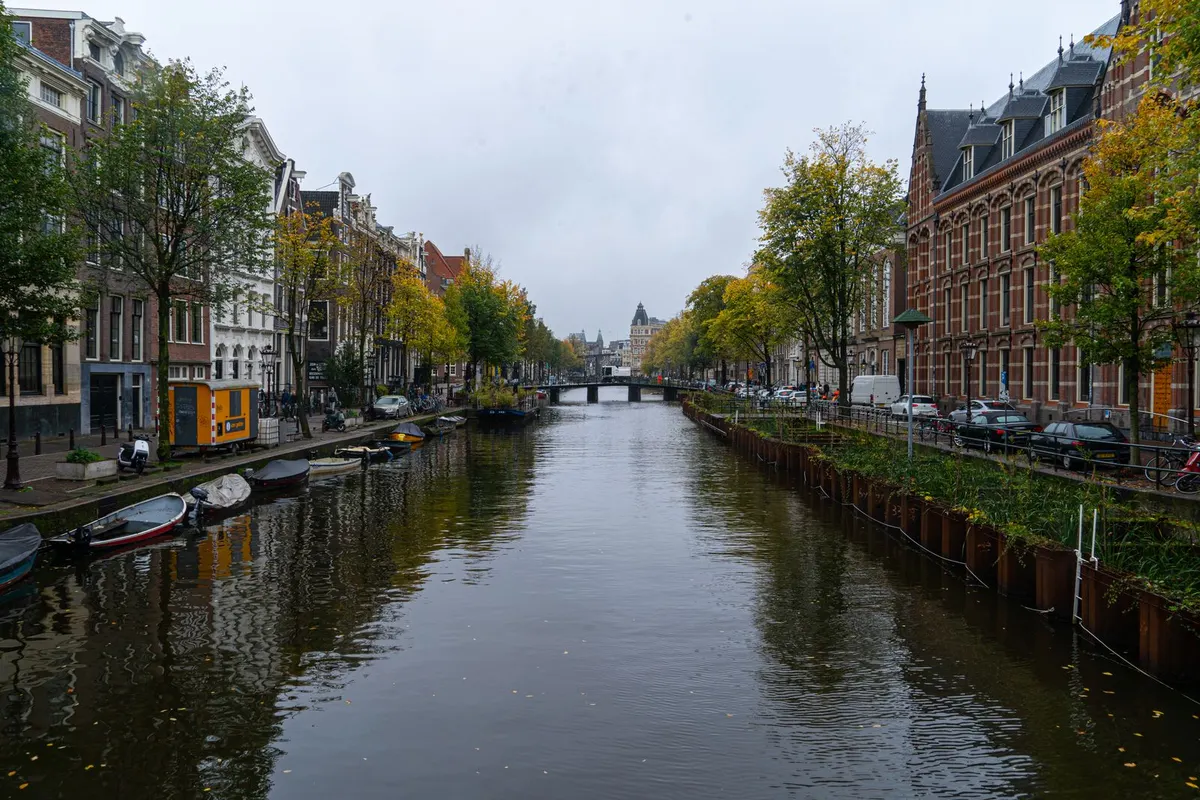
    A tree-lined canal
    A tree-lined canal

    The Rijksmuseum and Van Gogh Museum

    The Rijksmuseum has Rembrandt’s Night Watch and Vermeer; the Van Gogh Museum holds the world’s largest collection of his work. Book timed tickets for both.

    The Anne Frank House

    The house where Anne Frank hid during the war. Tickets are sold online only and sell out quickly.

    Boats moored along a canal
    Boats moored along a canal

    The Jordaan by bike

    Rent a bike and pedal around the Jordaan, full of cafés and boutiques, like a local.

    Narrow canal houses
    Narrow canal houses

    Suggested itinerary

    • The Rijksmuseum at your booked time
    • The Van Gogh Museum
    • Lunch with Dutch croquettes
    • Bike to the Jordaan
    • The Anne Frank House at your booked time
    • Evening canal cruise
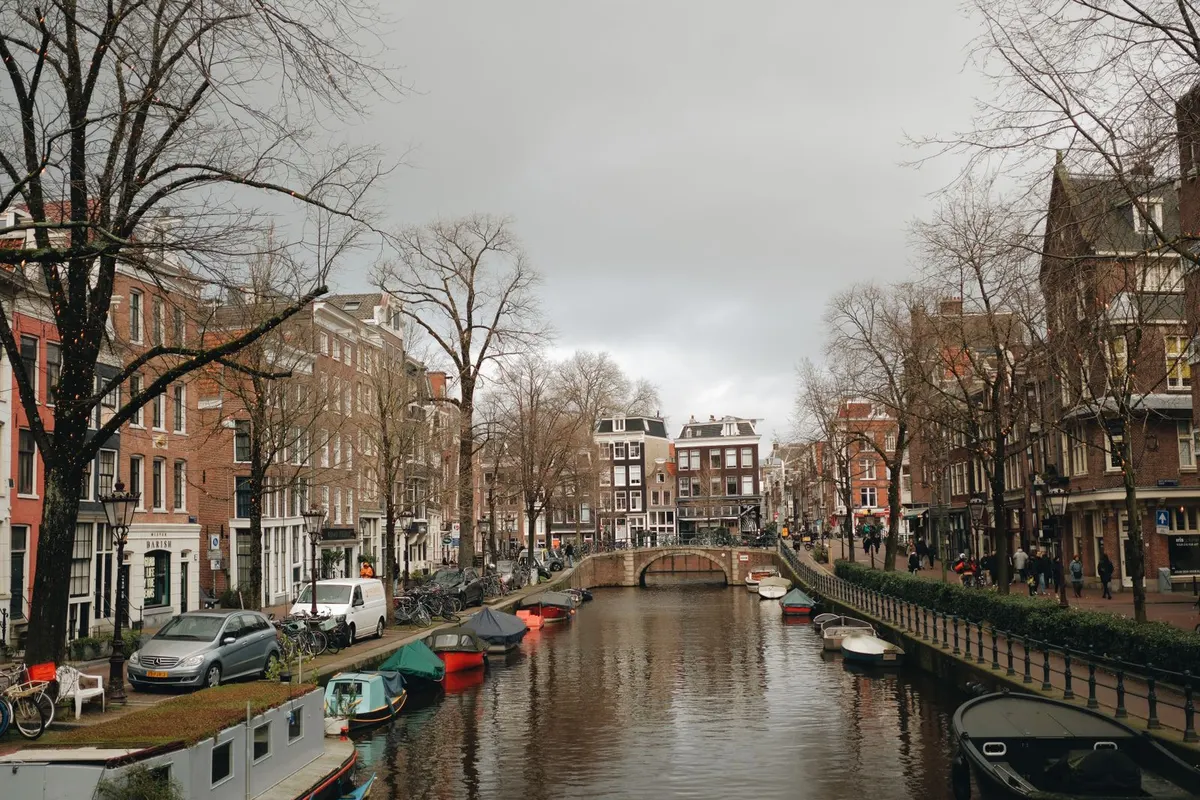
    A canal and bicycles
    A canal and bicycles

    Where to stay nearby

    AREA 1The canal ring (centre)Historic canal-side hotels close to everything — pricey.
    AREA 2Museum QuarterA calmer area near the museums.
    AREA 3Amsterdam-Noord and outskirtsAcross the free ferry from Centraal or further out, with more affordable rooms.

    Tips for working holiday makers

    • Amsterdam’s tourist tax is among Europe’s highest — 12.5% of the room rate since 2025.
    • Anne Frank House tickets are released online every Tuesday, six weeks ahead.
    • Bikes ride on the right — move aside quickly when you hear a bell.
    • Working holiday jobs include hospitality, hotels and Japanese companies, and English is widely spoken.

    FAQ

    How do I get from the airport?

    About 15–20 minutes by train to Centraal.

    Can I visit the Anne Frank House on the day?

    Rarely — tickets are online only, so book early.

    Can I rent a bike?

    Yes, everywhere — just follow the traffic rules.

    Is it hard to live there on a working holiday?

    Rent is high and housing is competitive, so start looking early.

    Planning a working holiday in Netherlands?Visa basics and a take-home pay calculator.
    Netherlands guide →

    More places to visit in Netherlands

    Photos: Pexels (free stock photos) Take-home pay calculator
  • 6 Best Places to Visit in Malta

    6 Best Places to Visit in Malta

    Valletta
    Valletta

    Malta is a small Mediterranean nation of knights’ fortresses and crystal-clear water — and with English as an official language, it is ideal for combining study and a working holiday. Here are 6 of the best places to visit on your days off.

    Valletta
    No.1

    Valletta

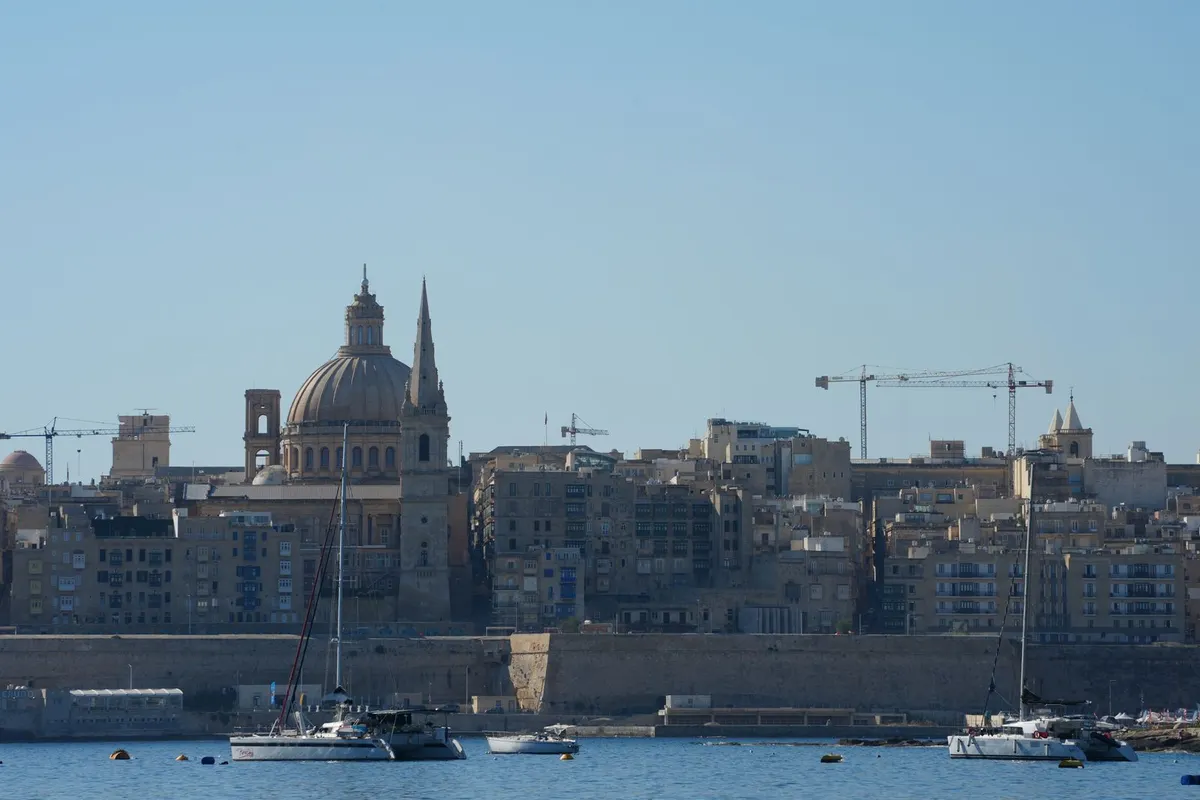
    Malta’s capital Valletta is a fortified city built by the Knights of St John in the 16th century, and the whole city is a World Heritage Site. Honey-…

    Getting there:About 25 minutes by bus from Malta International Airport

    Read the full guide →
    Blue Lagoon, Comino
    No.2

    Blue Lagoon, Comino

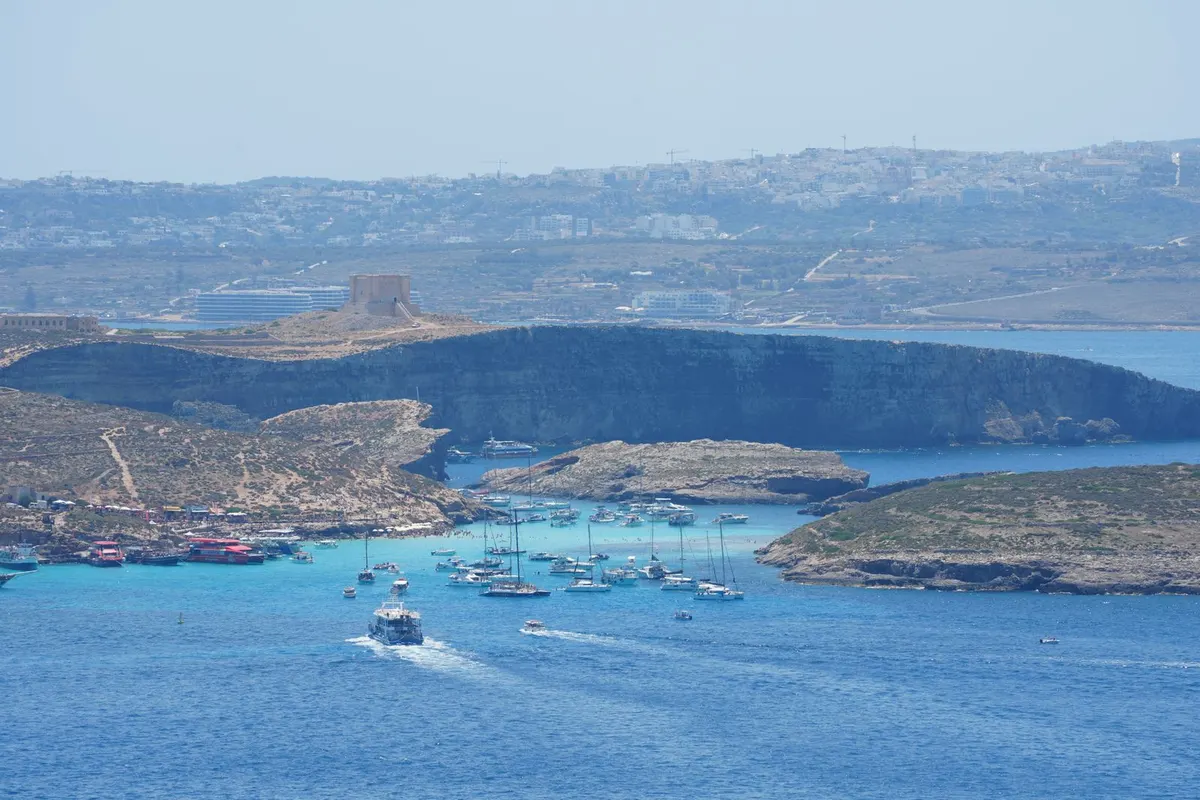
    Between Malta and Gozo lies tiny Comino, home to the Blue Lagoon — a bay of astonishingly clear turquoise water over white sand, like a natural swimm…

    Getting there:About 15–25 minutes by boat from Ċirkewwa or Marfa in northern Malta

    Read the full guide →
    Mdina
    No.3

    Mdina

    On a hill in the centre of Malta, the walled city of Mdina was the island’s capital before Valletta. With almost no cars, it is known as the Silent C…

    Getting there:About 30 minutes by bus from Valletta

    Read the full guide →
    Gozo
    No.4

    Gozo

    North of Malta, Gozo is a rural island of green fields and dramatic cliffs. A hilltop citadel, a basilica standing alone in the countryside, a red-sa…

    Getting there:About 25 minutes by ferry from Ċirkewwa, or 45 minutes by fast ferry from Valletta

    Read the full guide →
    Marsaxlokk
    No.5

    Marsaxlokk

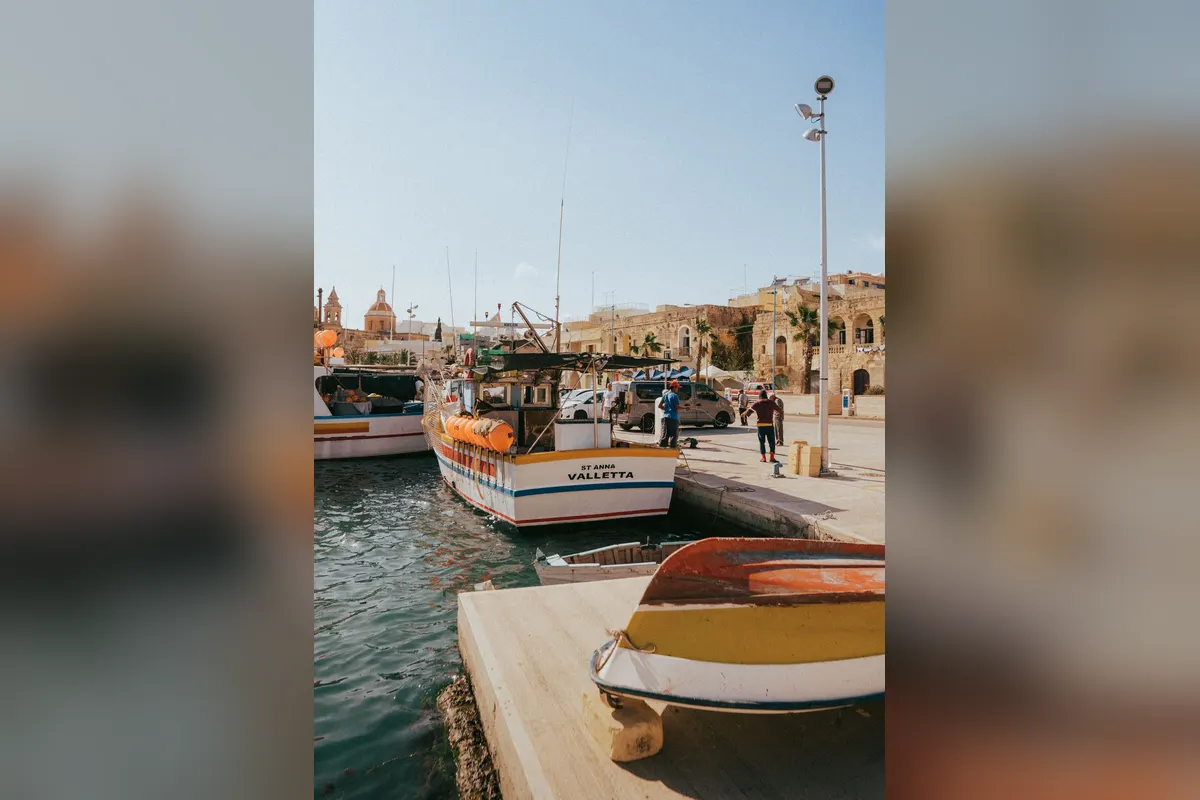
    A fishing village of colourful luzzu boats, with a big Sunday fish market and great seafood restaurants.

    Getting there:About 30 minutes by bus from Valletta

    The Three Cities
    No.6

    The Three Cities

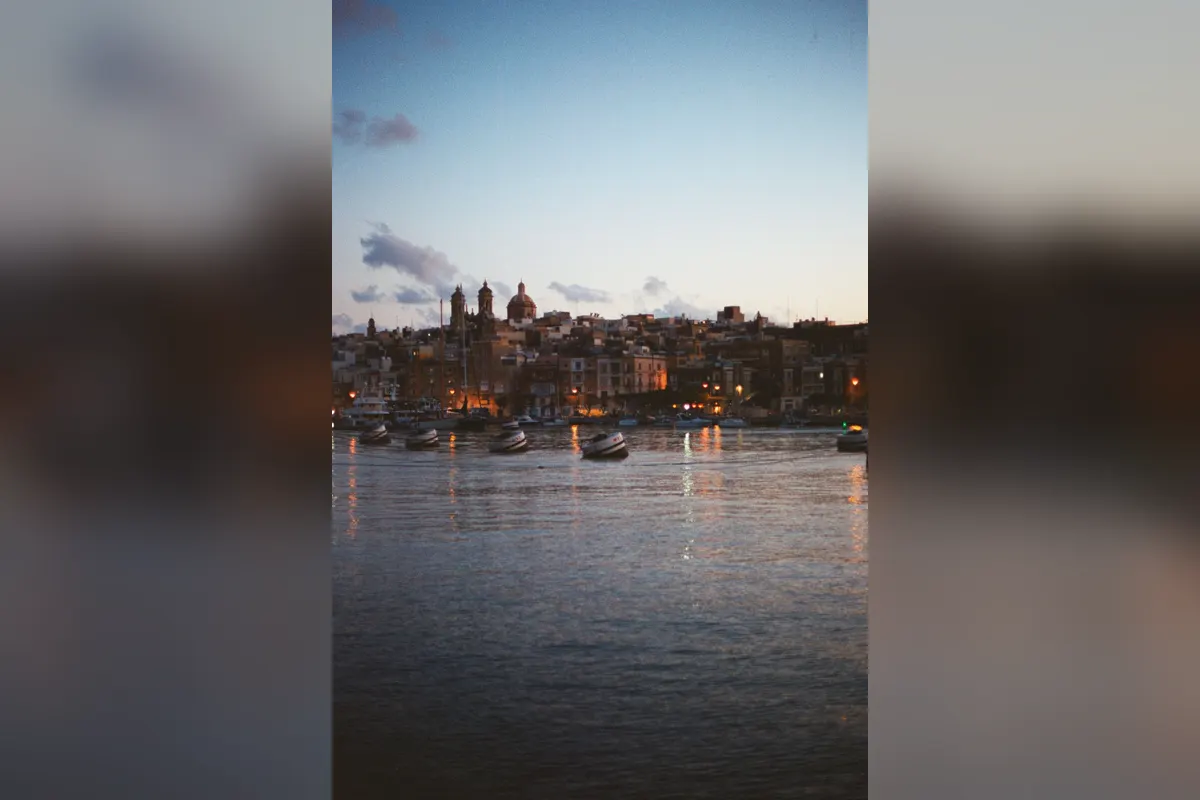
    Three historic harbour towns (Birgu, Senglea and Cospicua) facing Valletta — quieter, and beautiful at sunset.

    Getting there:About 10 minutes by ferry from Valletta

    FAQ

    What are the most popular places in Malta?

    Valletta and the Blue Lagoon on Comino, plus Gozo and Mdina.

    How do I get around?

    Buses on Malta, and ferries or boats to Gozo and Comino.

    When is the best time to travel?

    April–June and September–October, or June–September for swimming.

    Which town is best as a working holiday base?

    Sliema and St Julian’s, where language schools and jobs are concentrated.

    Planning a working holiday in Malta?Visa basics and a take-home pay calculator.
    Malta guide →

    Photos: Pexels
  • Mdina Travel Guide

    Mdina Travel Guide

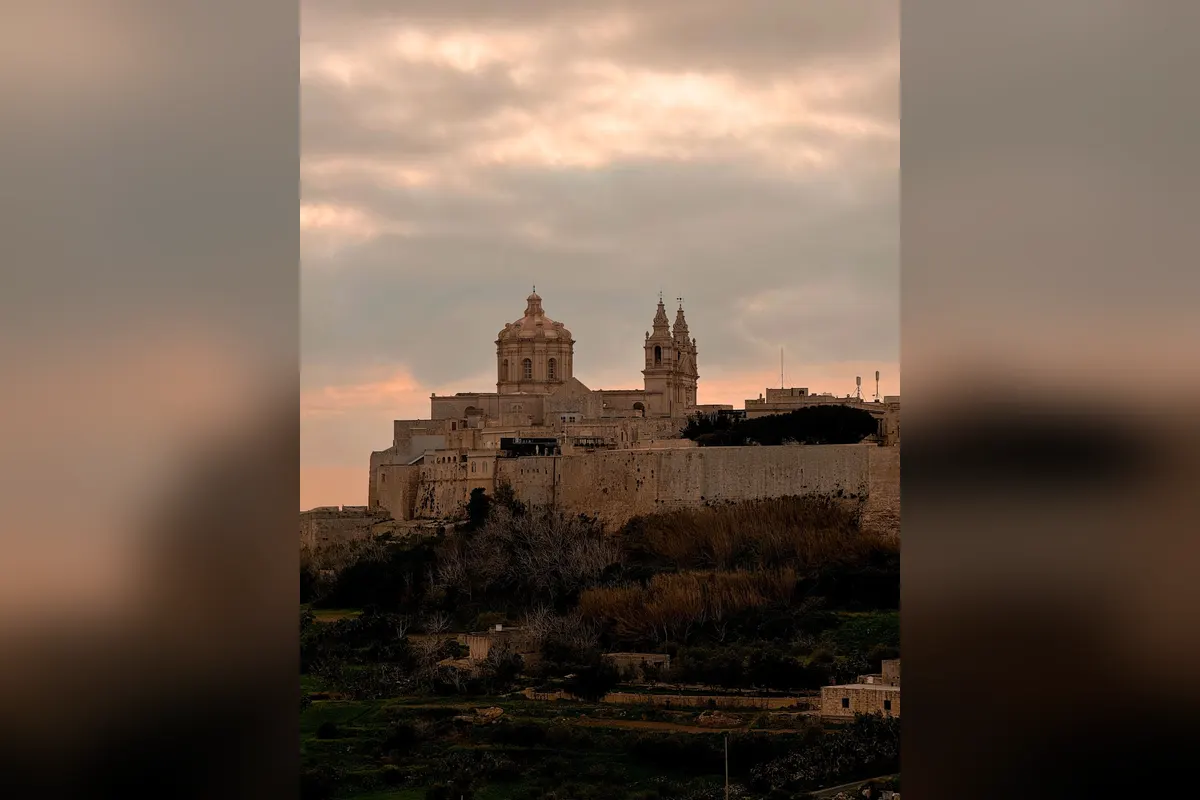
    The walled city of Mdina at sunset
    The walled city of Mdina at sunset

    On a hill in the centre of Malta, the walled city of Mdina was the island’s capital before Valletta. With almost no cars, it is known as the Silent City. Its medieval limestone lanes and views from the ramparts are unforgettable. Here is how to get there from Valletta and what to see.

    LocationA hilltop in central Malta
    Getting thereAbout 30 minutes by bus from Valletta
    Best timeYear-round; evenings are especially atmospheric
    Time neededHalf a day with neighbouring Rabat

    How to get there

    1. Buses from Valletta’s terminus reach Mdina and Rabat in about 30 minutes.
    2. Direct buses also run from Sliema and St Julian’s.
    3. Get off outside the walls and walk in through the Main Gate.
    4. Cars are restricted inside, and everything is walkable.

    Opening hours, prices and practical info

    EntryThe city is free to enter
    St Paul’s CathedralPaid (combined ticket with the museum)
    CatacombsSt Paul’s Catacombs in Rabat charge admission
    BusAbout 30 minutes from Valletta

    Prices and hours are from official sources as of November 2026 and may change — check the official website before you go.

    Highlights of Mdina

    The Main Gate and silent lanes

    Pass through the baroque Main Gate into winding cobbled lanes — a filming location for a famous TV series.

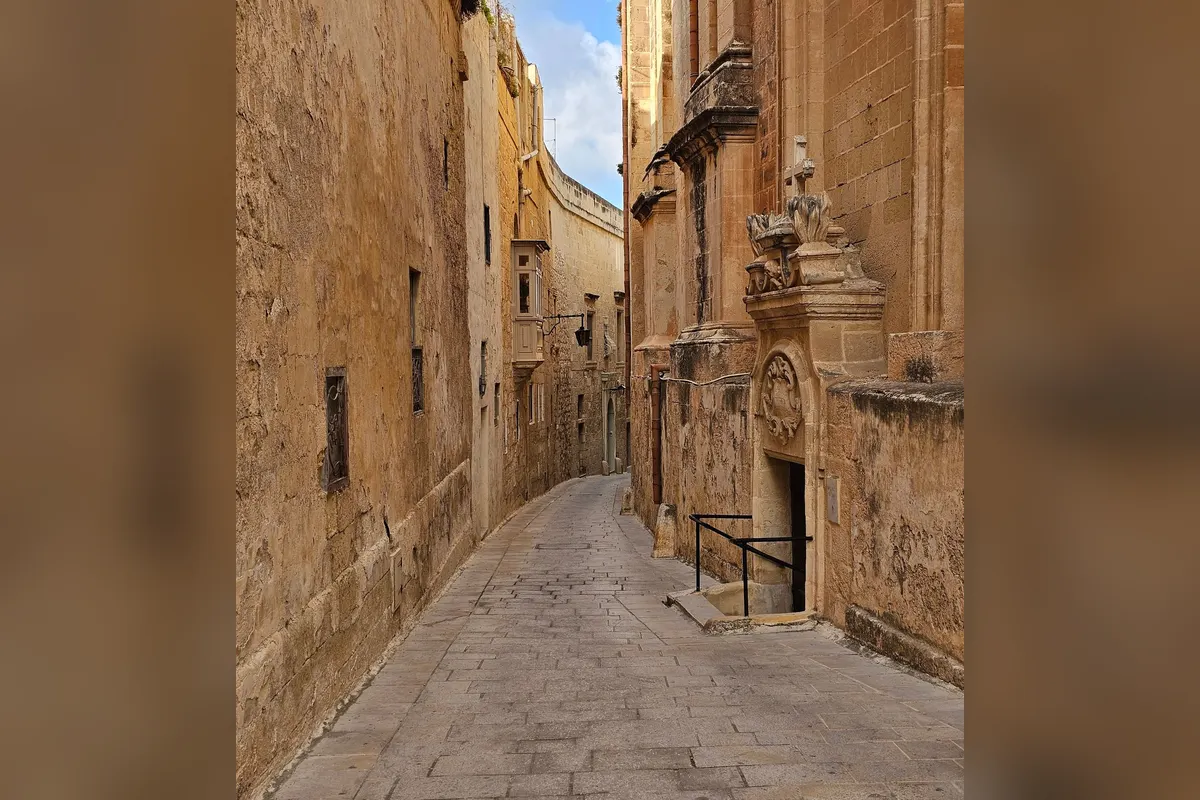
    A quiet limestone lane
    A quiet limestone lane

    St Paul’s Cathedral

    One of Malta’s great baroque cathedrals, with a floor of marble tombstones and painted ceilings.

    Rampart views and a famous café

    The ramparts look out across much of Malta, and a café on the walls is famous for its chocolate cake.

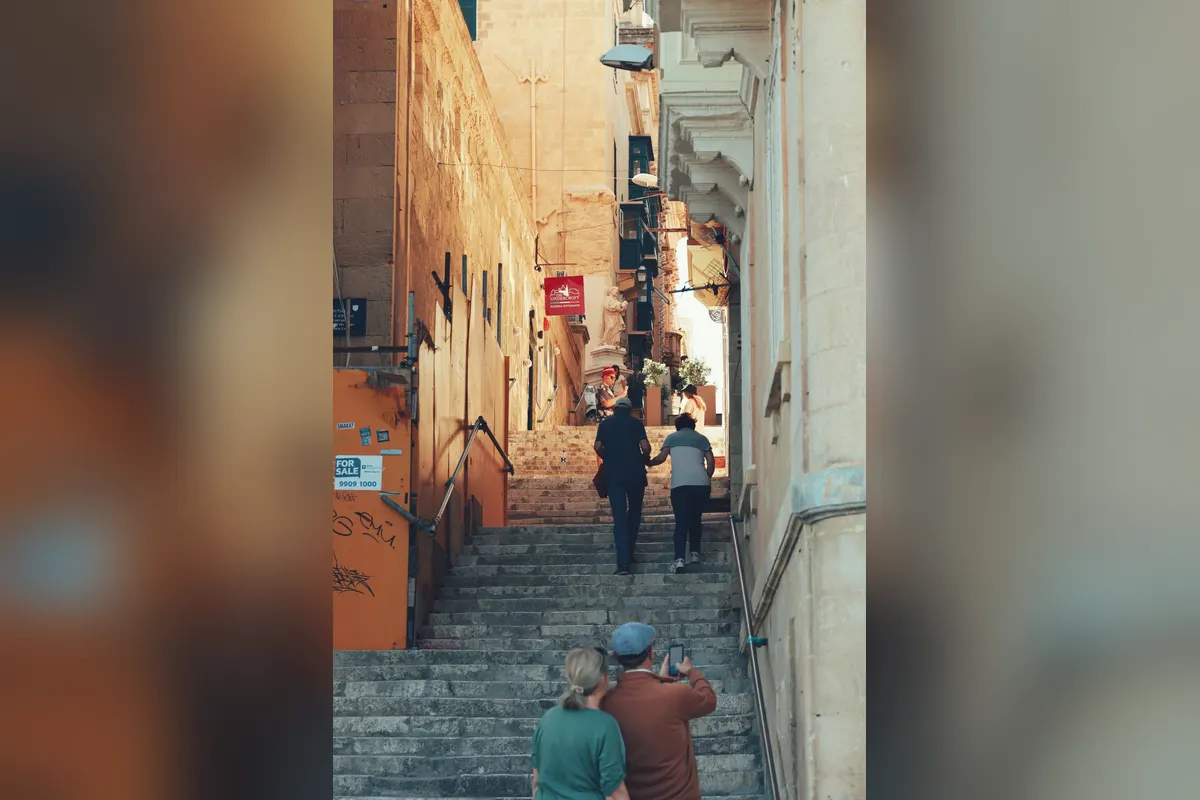
    A sloping lane of old buildings
    A sloping lane of old buildings

    Rabat’s catacombs

    Neighbouring Rabat has early Christian catacombs and St Paul’s Grotto.

    Suggested itinerary

    • Bus from Valletta to Mdina
    • Through the Main Gate into the lanes
    • St Paul’s Cathedral
    • Cake at the café on the walls
    • Rabat’s catacombs
    • Wander the silent city at dusk, then head back

    Where to stay nearby

    AREA 1MdinaA palace hotel inside the walls lets you enjoy the city’s silence at night.
    AREA 2RabatJust outside the walls, with affordable guesthouses.
    AREA 3Valletta or SliemaMore choice, as a base for a day trip.

    Tips for working holiday makers

    • People live here — keep your voice down.
    • Tour groups crowd the daytime; come later for real quiet.
    • The cobblestones are slippery, so wear good shoes.
    • Cover shoulders and knees in churches.

    FAQ

    How do I get there from Valletta?

    About 30 minutes by bus.

    Is there an entry fee?

    The city is free; the cathedral and catacombs charge.

    How long should I spend?

    Half a day with Rabat is plenty.

    Is it worth visiting at night?

    Yes — the lit, silent lanes are magical.

    Planning a working holiday in Malta?Visa basics and a take-home pay calculator.
    Malta guide →

    More places to visit in Malta

    Photos: Pexels (free stock photos) Take-home pay calculator
  • Gozo Travel Guide

    Gozo Travel Guide

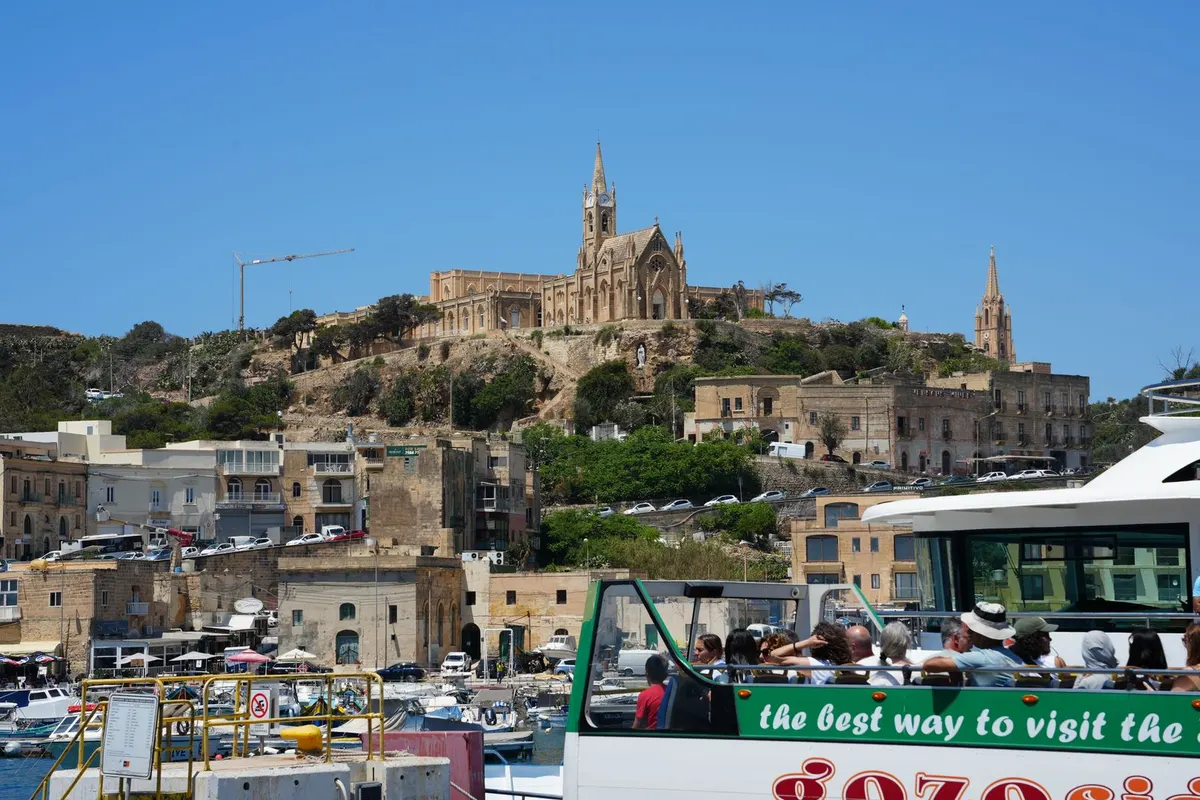
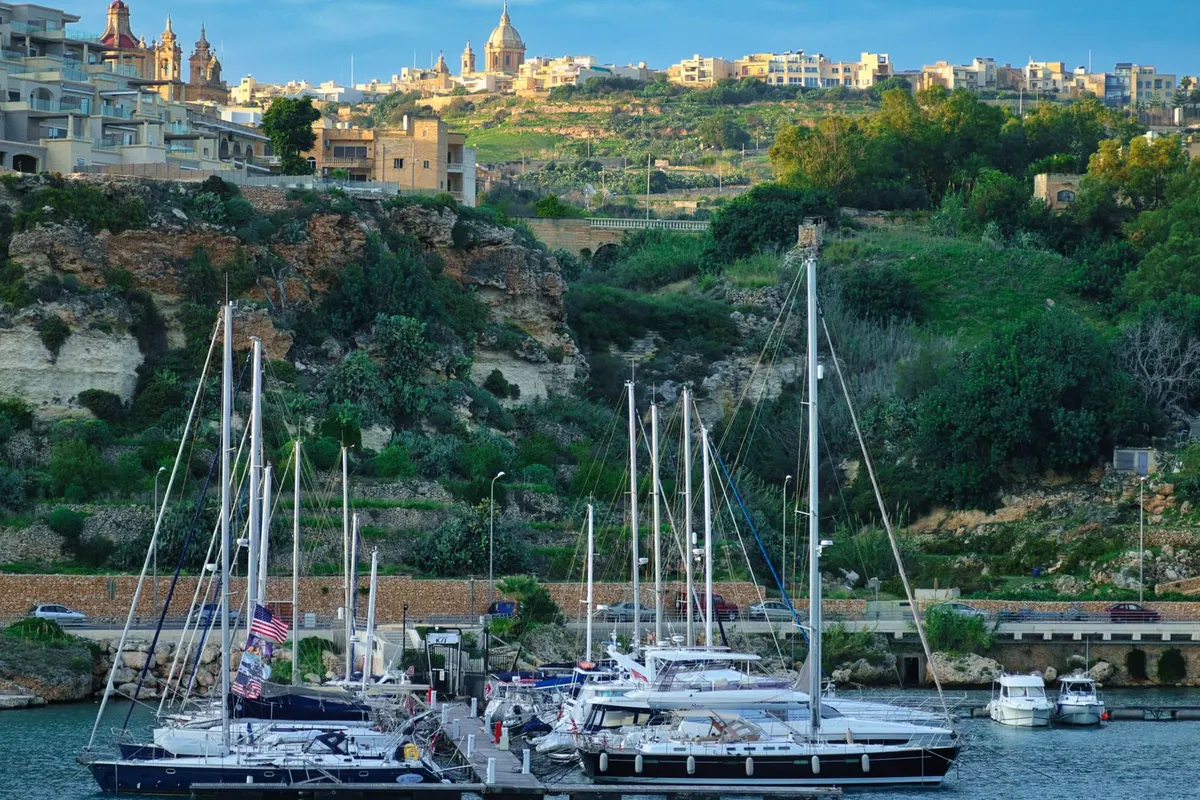
    A hilltop church and Mġarr Harbour
    A hilltop church and Mġarr Harbour

    North of Malta, Gozo is a rural island of green fields and dramatic cliffs. A hilltop citadel, a basilica standing alone in the countryside, a red-sand beach and world-class dive sites give it a character all its own. Here is how to get there by ferry and get around.

    LocationAbout 6 km north-west of Malta
    Getting thereAbout 25 minutes by ferry from Ċirkewwa, or 45 minutes by fast ferry from Valletta
    Best timeApril–October
    Time neededA day trip works, but 1–2 nights is better

    How to get there

    1. Gozo Channel ferries run from Ċirkewwa in about 25 minutes — you pay on the return trip.
    2. Fast ferries from Valletta reach Mġarr on Gozo in about 45 minutes.
    3. Buses cover the island but are infrequent; a rental car, tour or hop-on bus is easier.
    4. Buses meet in Victoria (Rabat), the main town.

    Opening hours, prices and practical info

    FerryĊirkewwa–Mġarr in about 25 minutes; fare paid on the return
    Fast ferryValletta–Mġarr in about 45 minutes
    CitadelFree to explore (museums are paid)
    Azure WindowCollapsed in 2017 and no longer exists

    Prices and hours are from official sources as of November 2026 and may change — check the official website before you go.

    Highlights of Gozo

    The Citadel in Victoria

    The fortified citadel crowning Victoria, with 360-degree views from the walls.

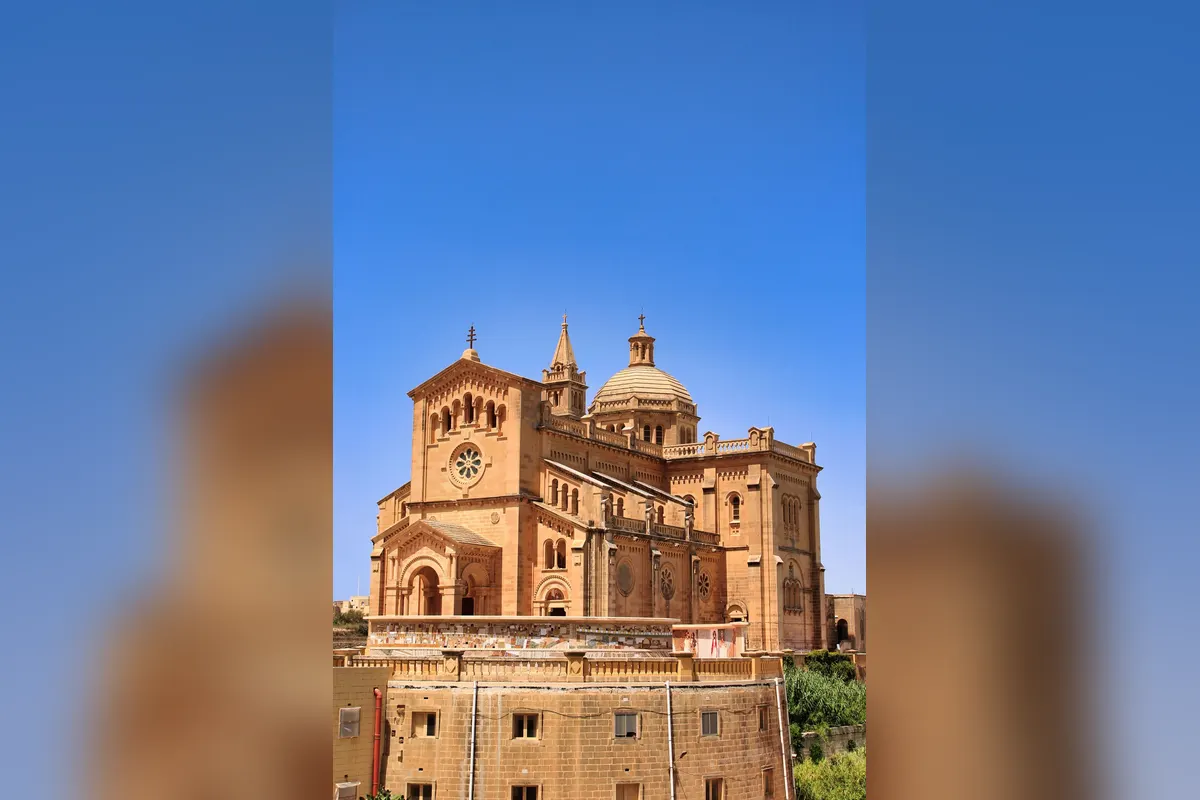
    Ta’ Pinu Basilica

    A grand basilica standing alone in the countryside — a pilgrimage site with a peaceful beauty.

    Ta' Pinu Basilica
    Ta’ Pinu Basilica

    Dwejra and the coast

    Home of the former Azure Window (collapsed in 2017), Dwejra still has stunning cliffs, the Inland Sea and world-famous diving.

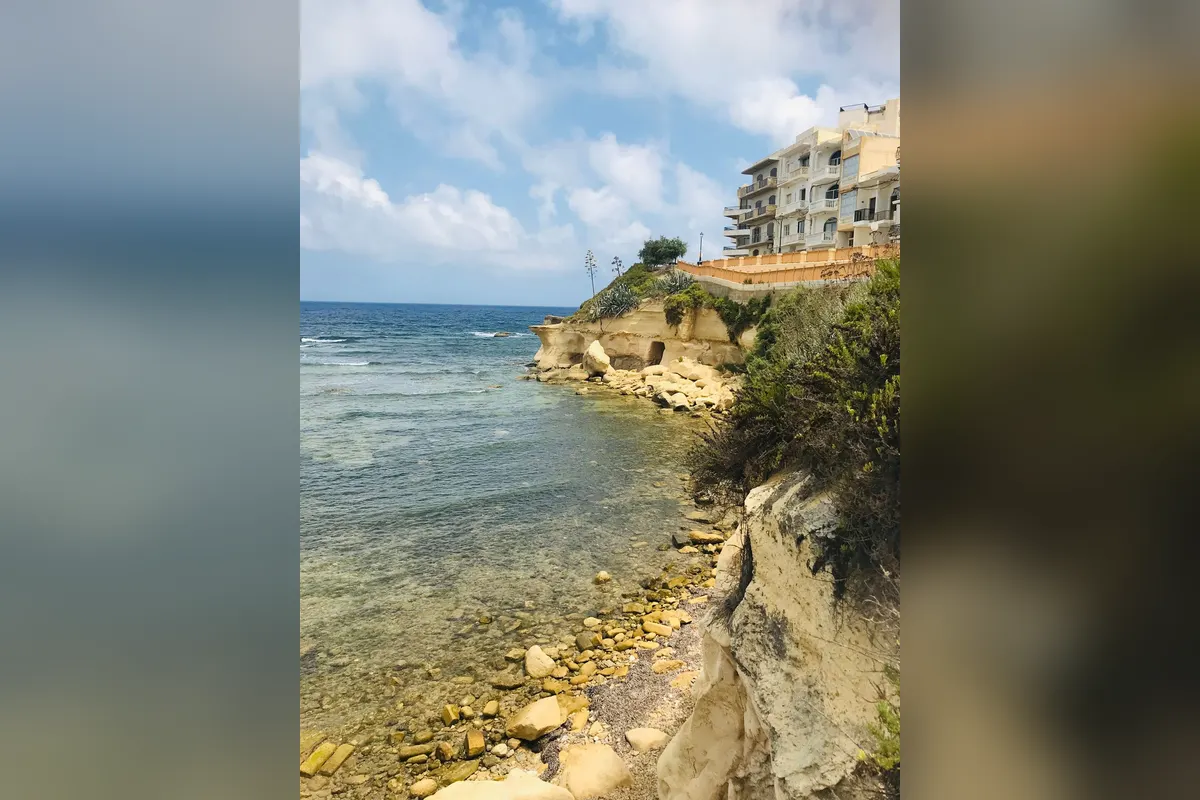
    Gozo's rocky coast
    Gozo’s rocky coast

    Ramla Bay’s red sand

    Gozo’s favourite beach, with glowing orange-red sand and summer swimming.

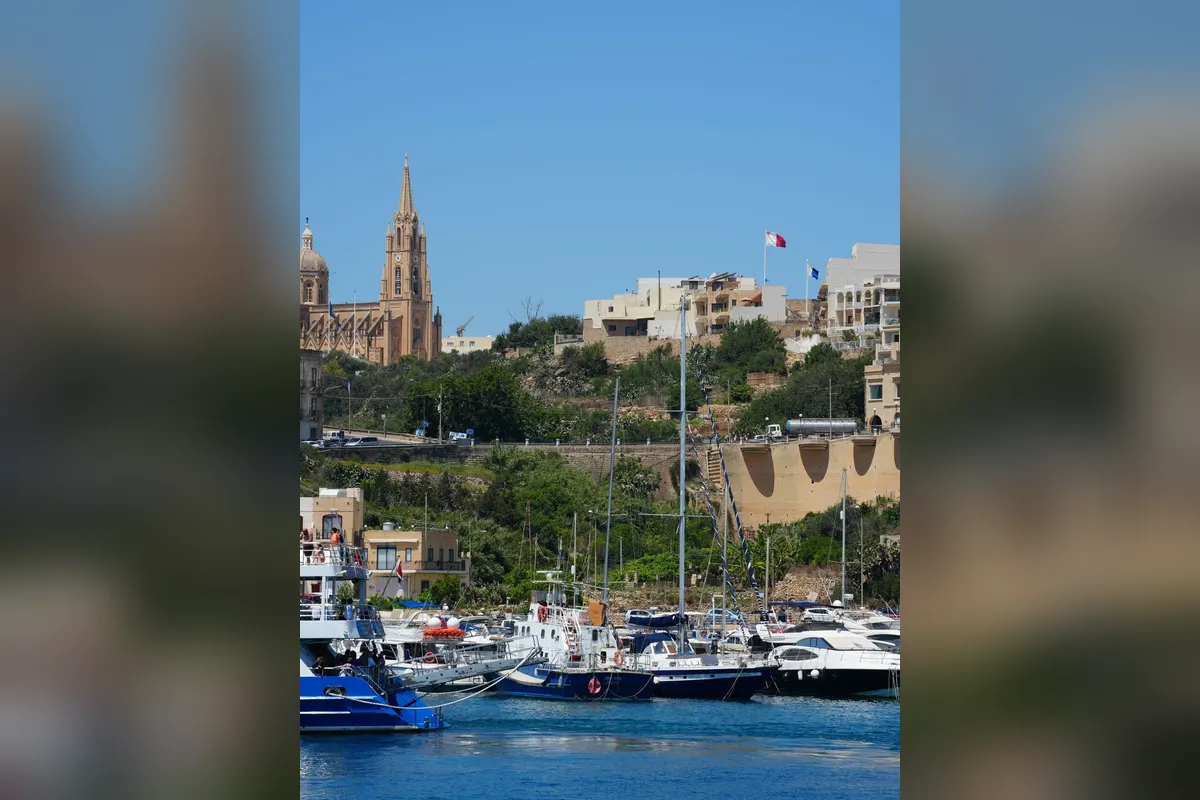
    Mġarr Harbour

    The ferry port is a postcard of colourful boats beneath a hilltop church.

    Yachts in Mġarr Harbour
    Yachts in Mġarr Harbour

    Suggested itinerary

    • Ferry from Ċirkewwa to Gozo
    • Bus or drive to the Citadel in Victoria
    • Ta’ Pinu Basilica
    • Lunch by the sea at Dwejra
    • Relax at Ramla Bay
    • Return ferry from Mġarr
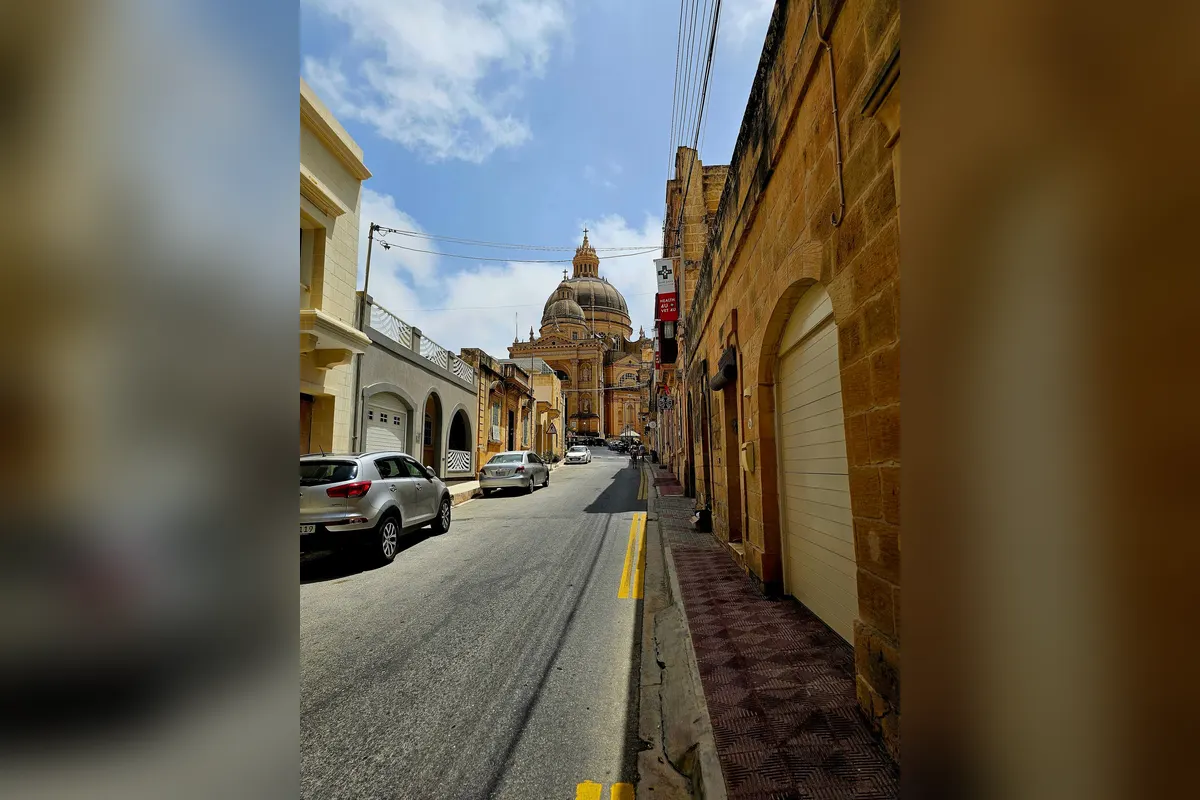
    A street leading to the cathedral
    A street leading to the cathedral

    Where to stay nearby

    AREA 1VictoriaThe central bus hub with affordable rooms.
    AREA 2Xlendi and MarsalfornSmall seaside resorts with dive centres.
    AREA 3FarmhousesRestored farmhouses with pools — the classic Gozo stay.

    Tips for working holiday makers

    • Ferry fares are paid on the way back (the outbound trip is free).
    • Buses are infrequent — rent a car or join a tour to see more.
    • Gozo is a popular place to learn to dive.
    • Prices are a little lower than on Malta, and life is slower.

    FAQ

    Is it a day trip from Malta?

    Yes — about 25 minutes by ferry.

    How do I get around?

    Buses exist but are infrequent; a car or tour is easier.

    Is the Azure Window still there?

    No, it collapsed in a 2017 storm, but the coast is still spectacular.

    Can I dive there?

    Yes — Gozo has world-famous sites and beginner courses.

    Planning a working holiday in Malta?Visa basics and a take-home pay calculator.
    Malta guide →

    More places to visit in Malta

    Photos: Pexels (free stock photos) Take-home pay calculator
  • Blue Lagoon, Comino Travel Guide

    Blue Lagoon, Comino Travel Guide

    The Blue Lagoon from above
    The Blue Lagoon from above

    Between Malta and Gozo lies tiny Comino, home to the Blue Lagoon — a bay of astonishingly clear turquoise water over white sand, like a natural swimming pool. It is Malta’s most popular sea spot. Here is how to get there, which ferries to take and how to beat the crowds.

    LocationComino, between Malta and Gozo
    Getting thereAbout 15–25 minutes by boat from Ċirkewwa or Marfa in northern Malta
    Best timeMay–October for swimming
    Time neededHalf a day to a full day

    How to get there

    1. Day boat trips to the Blue Lagoon leave from Valletta and Sliema.
    2. Independently, take a bus to Ċirkewwa in the north and hop on a small boat to Comino (15–25 minutes).
    3. Boats also run from Mġarr on Gozo.
    4. There are very few facilities on Comino, so bring water and snacks.

    Opening hours, prices and practical info

    BoatsFrom Ċirkewwa, Marfa and Gozo; return tickets are standard
    Crowd controlVisitor caps or bookings may apply at peak times
    FacilitiesFew kiosks and almost no shade
    SeasonMainly May–October

    Prices and hours are from official sources as of November 2026 and may change — check the official website before you go.

    Highlights of Blue Lagoon, Comino

    Swimming in the Blue Lagoon

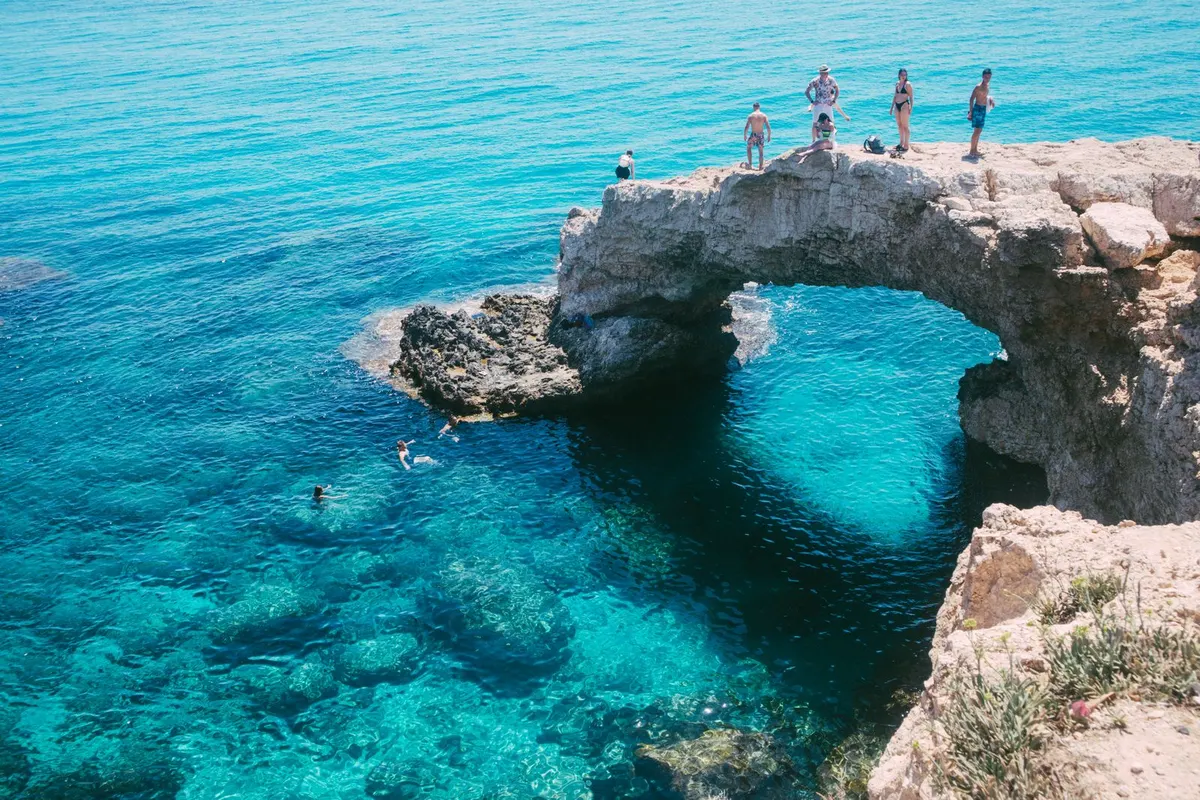
    The shallow, crystal-clear water is perfect for swimming and snorkelling, its colour shifting with the light.

    A rock arch and crystal-clear water
    A rock arch and crystal-clear water

    Walking on Comino

    A quiet, almost car-free island. Walk to the 17th-century St Mary’s Tower for views of Malta and Gozo.

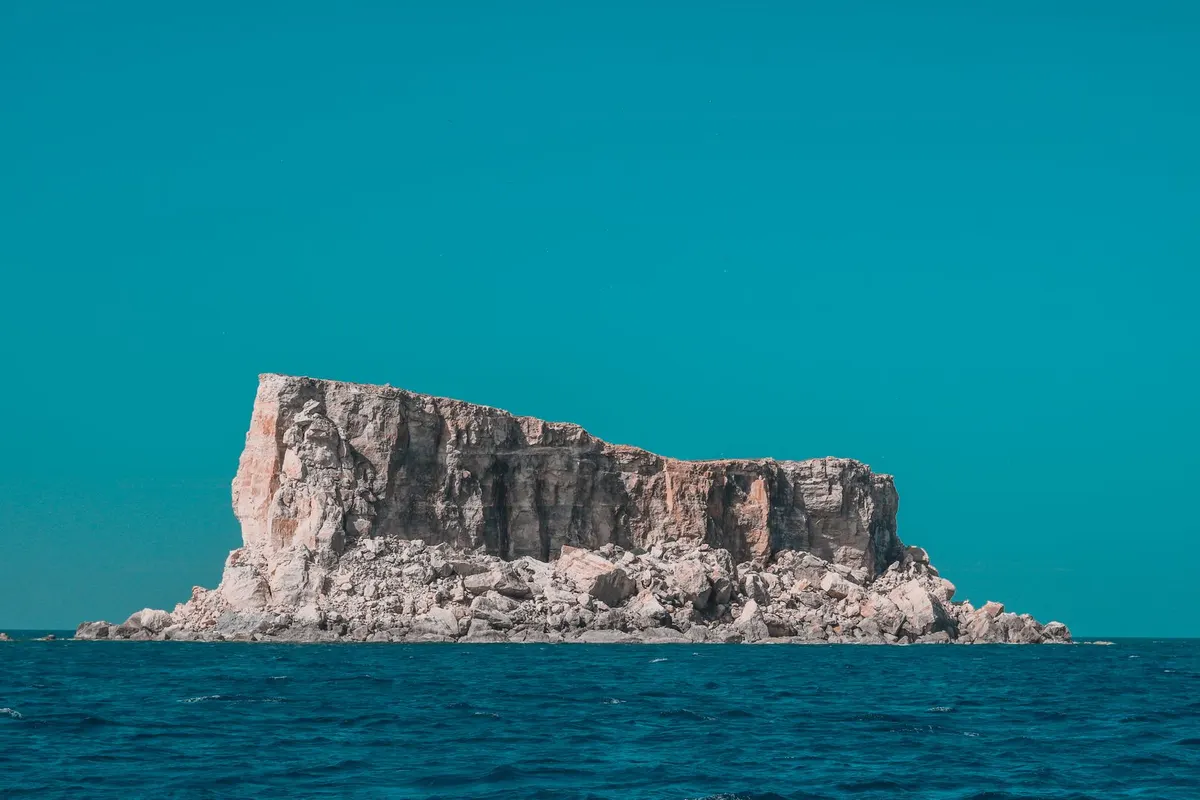
    A rocky islet in the sea
    A rocky islet in the sea

    Cave boat trips

    Small boats tour the sea caves around the island, where the water glows blue.

    Suggested itinerary

    • Bus or tour to the northern harbour
    • Arrive on Comino and swim before the crowds
    • Picnic lunch
    • Walk to St Mary’s Tower
    • Cave boat tour
    • Back to Malta

    Where to stay nearby

    AREA 1MellieħaA northern beach resort close to the Comino boats.
    AREA 2GozoA quieter island with boats to Comino.
    AREA 3Sliema and St Julian’sPlenty of rooms and lots of day-trip departures.

    Tips for working holiday makers

    • Summer middays are packed — go early or late.
    • Visitor caps or advance bookings may apply at busy times; check the latest rules before going.
    • There is almost no shade: bring sunscreen, a hat and water.
    • Water shoes help on the rocks.

    FAQ

    Is it a day trip from Valletta?

    Yes — many boat tours run daily.

    When is it best for swimming?

    May–October; July–August is warmest but very crowded.

    Do I need to book?

    Visitor caps or bookings may apply at times — check the latest rules.

    Can I buy food there?

    Only from a few kiosks, so bring water and snacks.

    Planning a working holiday in Malta?Visa basics and a take-home pay calculator.
    Malta guide →

    More places to visit in Malta

    Photos: Pexels (free stock photos) Take-home pay calculator

  • Valletta Travel Guide

    Valletta Travel Guide

    Valletta from the water
    Valletta from the water

    Malta’s capital Valletta is a fortified city built by the Knights of St John in the 16th century, and the whole city is a World Heritage Site. Honey-coloured limestone streets and views over the Grand Harbour are breathtaking. With English as an official language, Malta is popular for language study and working holidays. Here is how to get there, what to see and where to stay.

    LocationA peninsula on the Grand Harbour, north-east Malta
    AirportAbout 25 minutes by bus from Malta International Airport
    Best timeApril–June and September–October; summer is hot
    Time needed1–2 days for the city

    How to get there

    1. There are no direct flights from Japan, so connect via a European or Middle Eastern hub.
    2. Bus X4 and others reach Valletta from the airport in about 25 minutes; taxis have a fixed-fare desk.
    3. Buses are the main way around the island — get a Tallinja card.
    4. Short ferries link Valletta with the Three Cities and Sliema.

    Opening hours, prices and practical info

    St John’s Co-CathedralPaid; closed Sundays and holidays; cover shoulders and knees
    Saluting BatteryDaily at noon and 4pm at Upper Barrakka Gardens
    BusesTallinja card; X4 and others from the airport
    World HeritageCity of Valletta (1980)

    Prices and hours are from official sources as of November 2026 and may change — check the official website before you go.

    Highlights of Valletta

    St John’s Co-Cathedral

    Plain outside but dazzling inside, the baroque cathedral glows with gold and marble and houses Caravaggio’s Beheading of St John the Baptist.

    Upper Barrakka Gardens

    Gardens overlooking the Grand Harbour, with a saluting battery that fires at noon and 4pm.

    The walls and limestone streets

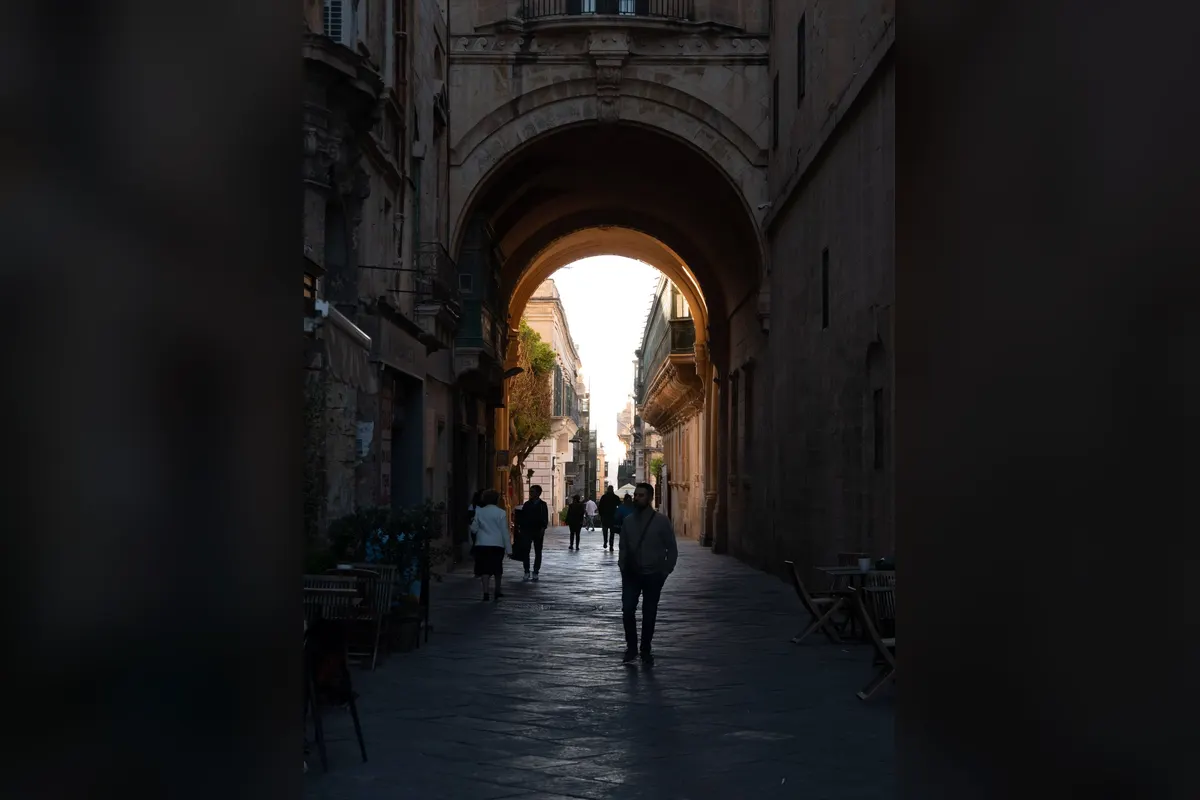
    A grid of steep streets lined with buildings and colourful wooden balconies, ending in glimpses of blue sea.

    A stone arch and street
    A stone arch and street

    The Grand Harbour and its forts

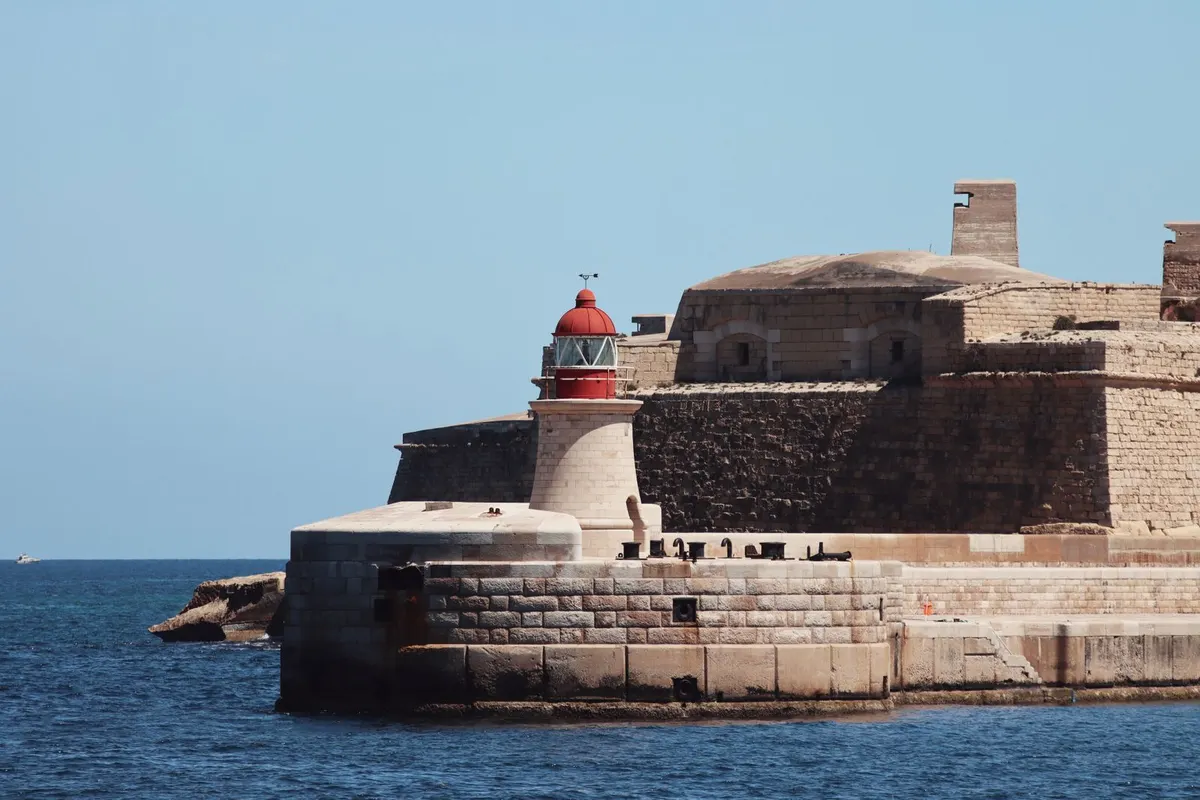
    Massive walls, forts and a lighthouse guard the harbour. Take a traditional dgħajsa boat ride at dusk.

    The fort and lighthouse at the harbour mouth
    The fort and lighthouse at the harbour mouth

    Suggested itinerary

    • St John’s Co-Cathedral
    • Republic Street and the Grandmaster’s Palace area
    • The noon gun at Upper Barrakka Gardens
    • Pastizzi pastries for lunch
    • Ferry to the Three Cities
    • Dinner back in Valletta at night
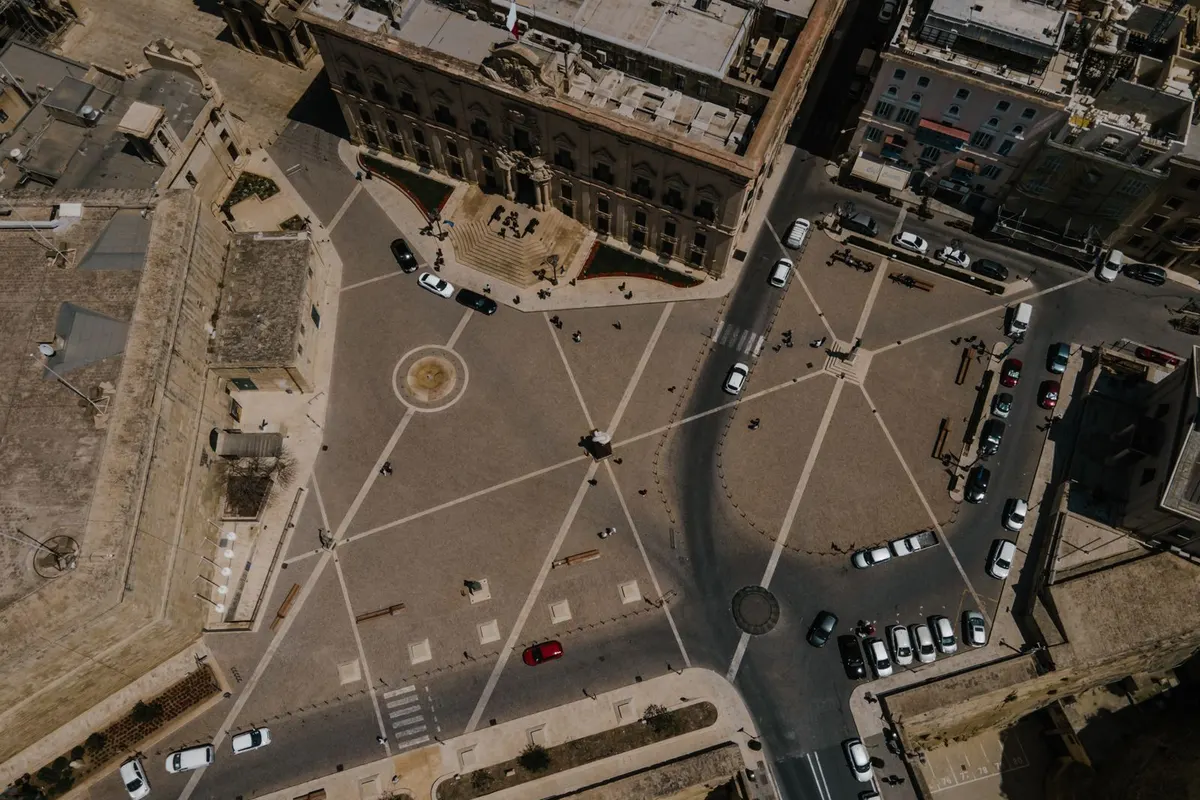
    A Valletta square from above
    A Valletta square from above
    The marina and Valletta
    The marina and Valletta

    Where to stay nearby

    AREA 1VallettaBoutique hotels in historic buildings; quiet at night.
    AREA 2Sliema and St Julian’sSeafront hotels, language schools and restaurants — popular with students and working holiday makers.
    AREA 3The Three CitiesQuiet harbour towns a short ferry ride from Valletta.

    Tips for working holiday makers

    • English is an official language, making Malta popular for working holidays combined with language study.
    • The summer sun is fierce — stay hydrated and use sunscreen.
    • Buses can be crowded and late, so allow extra time.
    • Plugs are the British type G.

    FAQ

    How do I get from the airport to Valletta?

    About 25 minutes by bus, or a fixed-fare taxi from the airport desk.

    Is English spoken?

    Yes, it is an official language and spoken almost everywhere.

    Can I find work on a working holiday?

    Yes — in tourism, hotels, restaurants and the online gaming industry.

    How many days do I need?

    1–2 days for Valletta; 4–5 with Gozo and Comino.

    Planning a working holiday in Malta?Visa basics and a take-home pay calculator.
    Malta guide →

    More places to visit in Malta

    Photos: Pexels (free stock photos) Take-home pay calculator