Category: Travel Guide

Travel guides to popular places in working holiday countries.

  • 6 Best Places to Visit in Austria

    6 Best Places to Visit in Austria

    Vienna
    Vienna

    Imperial Vienna, Mozart’s Salzburg, lakeside Hallstatt and Alpine Innsbruck — Austria blends elegance with breathtaking nature. Here are 6 of the best places to visit on your days off or travels during a working holiday.

    Vienna
    No.1

    Vienna

    Once the imperial capital of the Habsburgs, Vienna is a city of palaces, music and coffee houses — Schönbrunn, the Hofburg, Klimt’s masterpieces and …

    Getting there:About 16 minutes by City Airport Train to the centre

    Read the full guide →
    Salzburg
    No.2

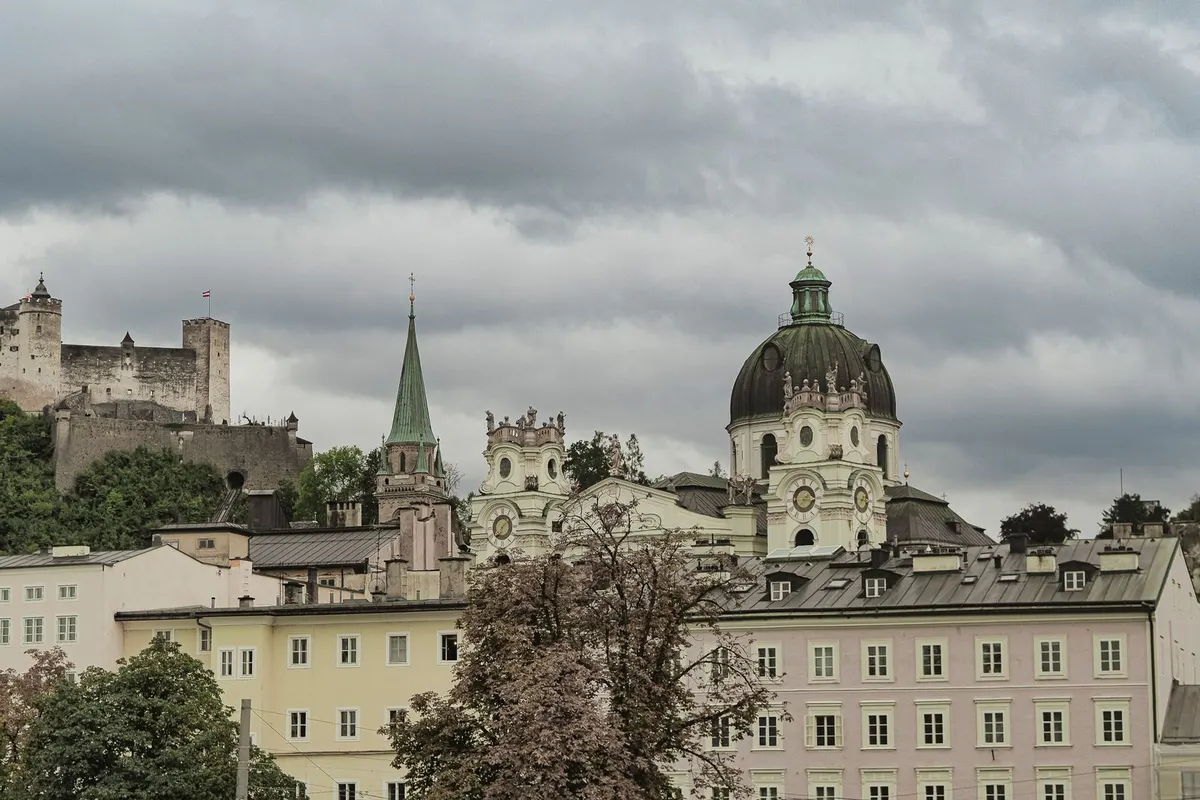
    Salzburg

    Mozart’s birthplace and the setting of The Sound of Music, Salzburg has a hilltop fortress and a baroque old town that is a World Heritage Site. It i…

    Getting there:About 2 hours 20 minutes by train from Vienna, 1.5 hours from Munich

    Read the full guide →
    Hallstatt
    No.3

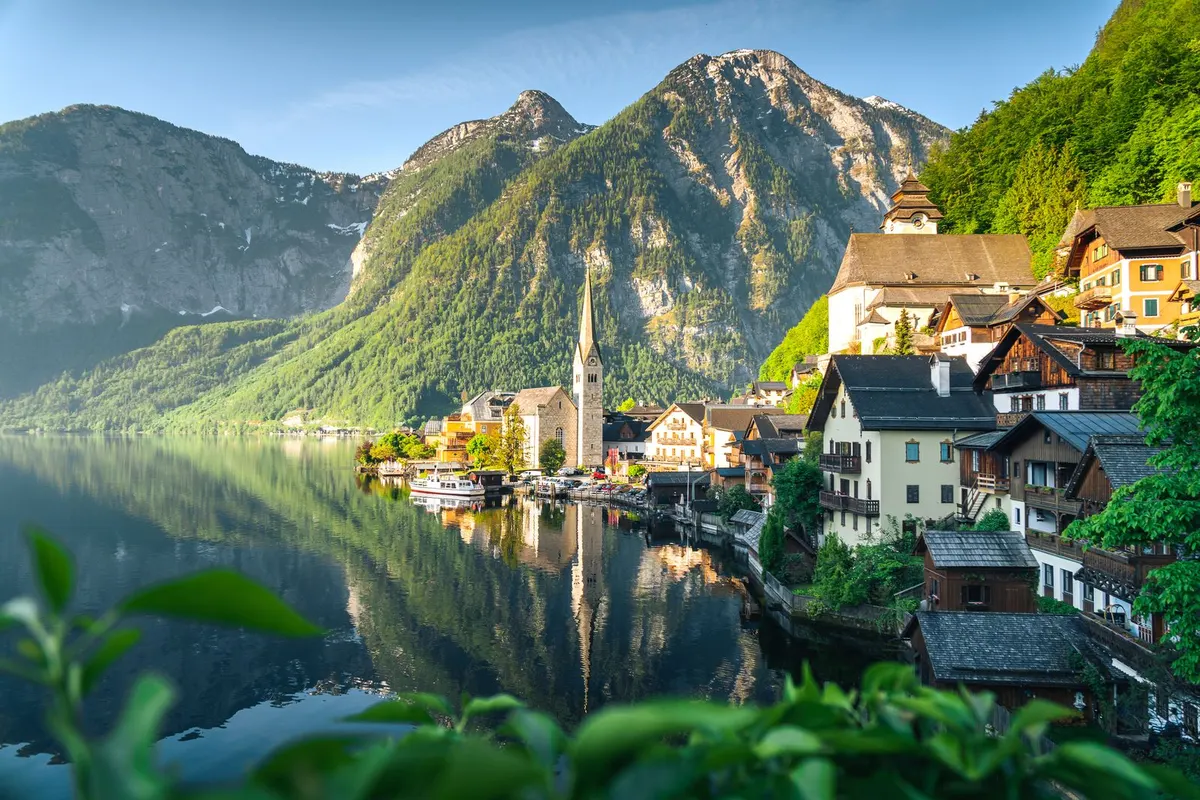
    Hallstatt

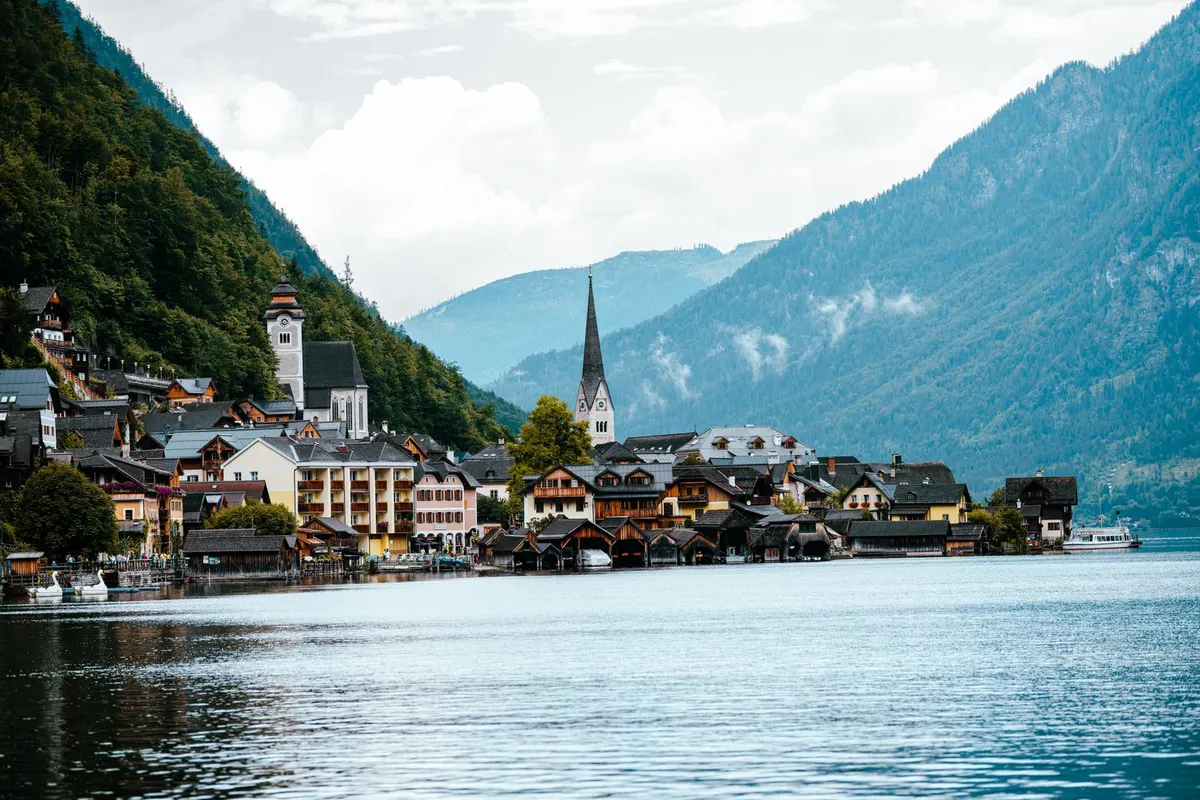
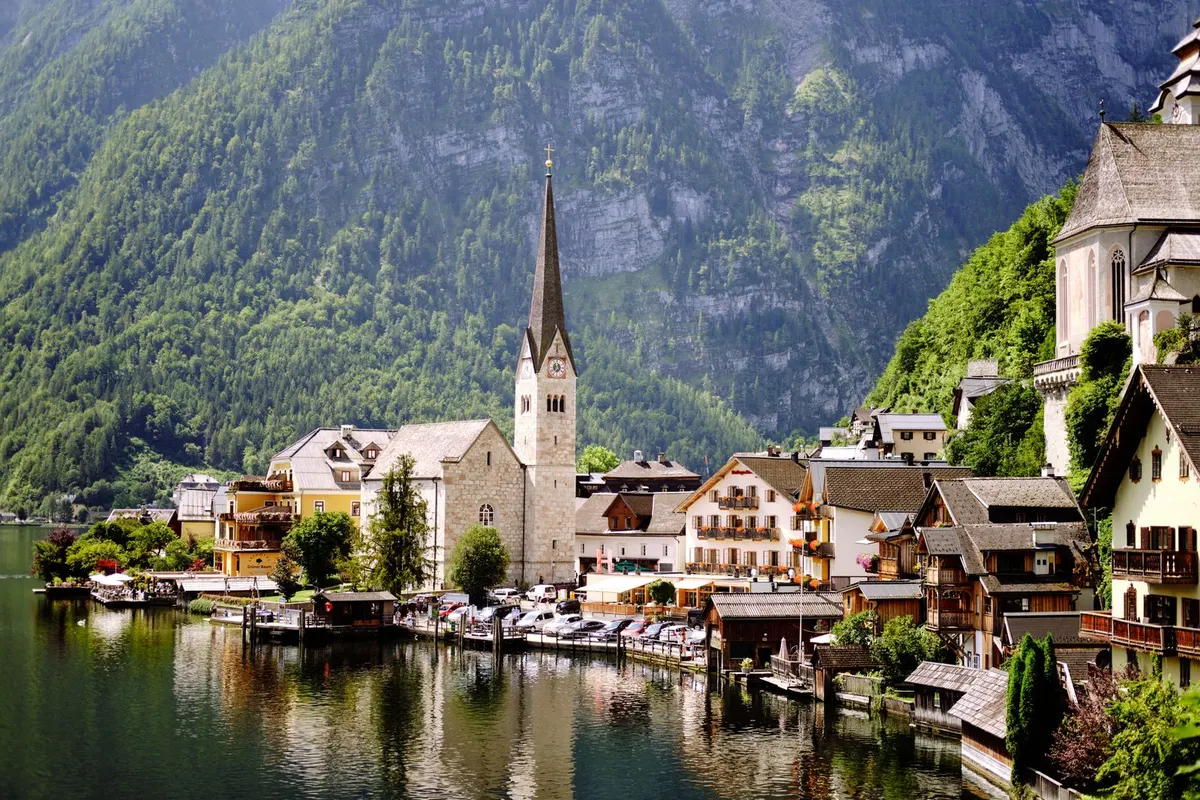
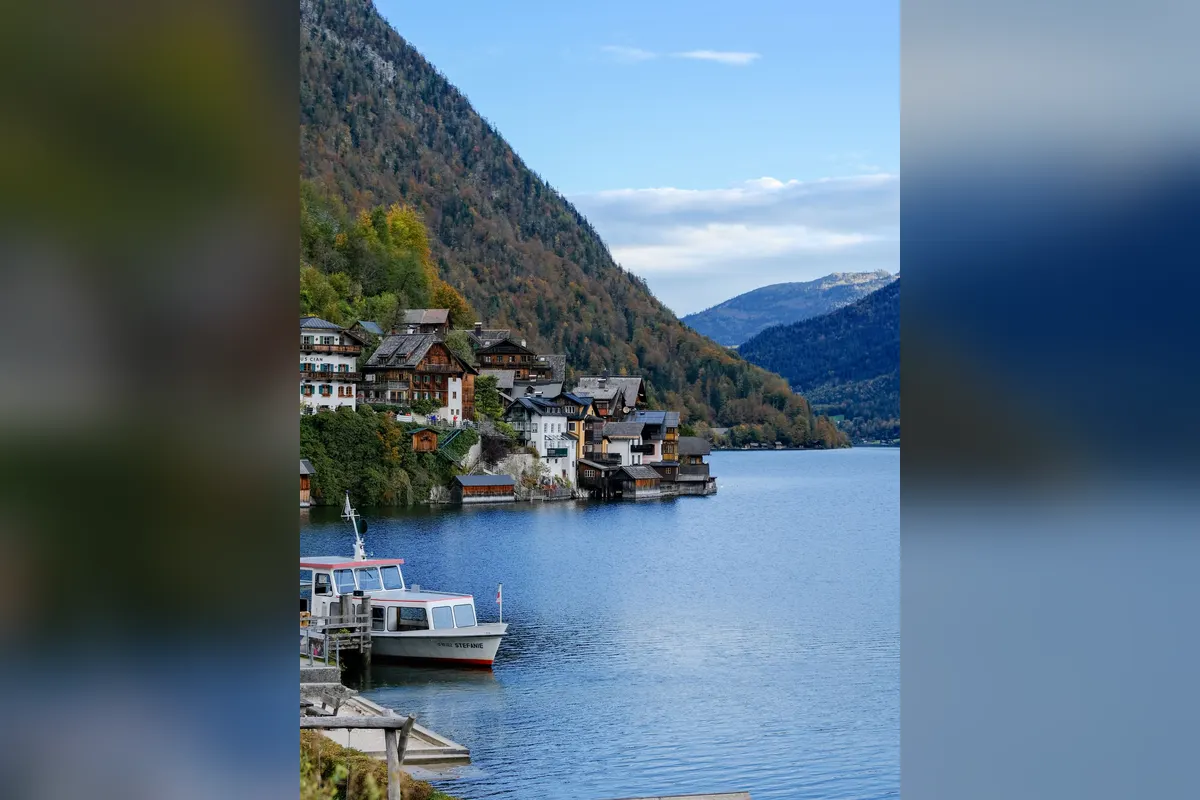
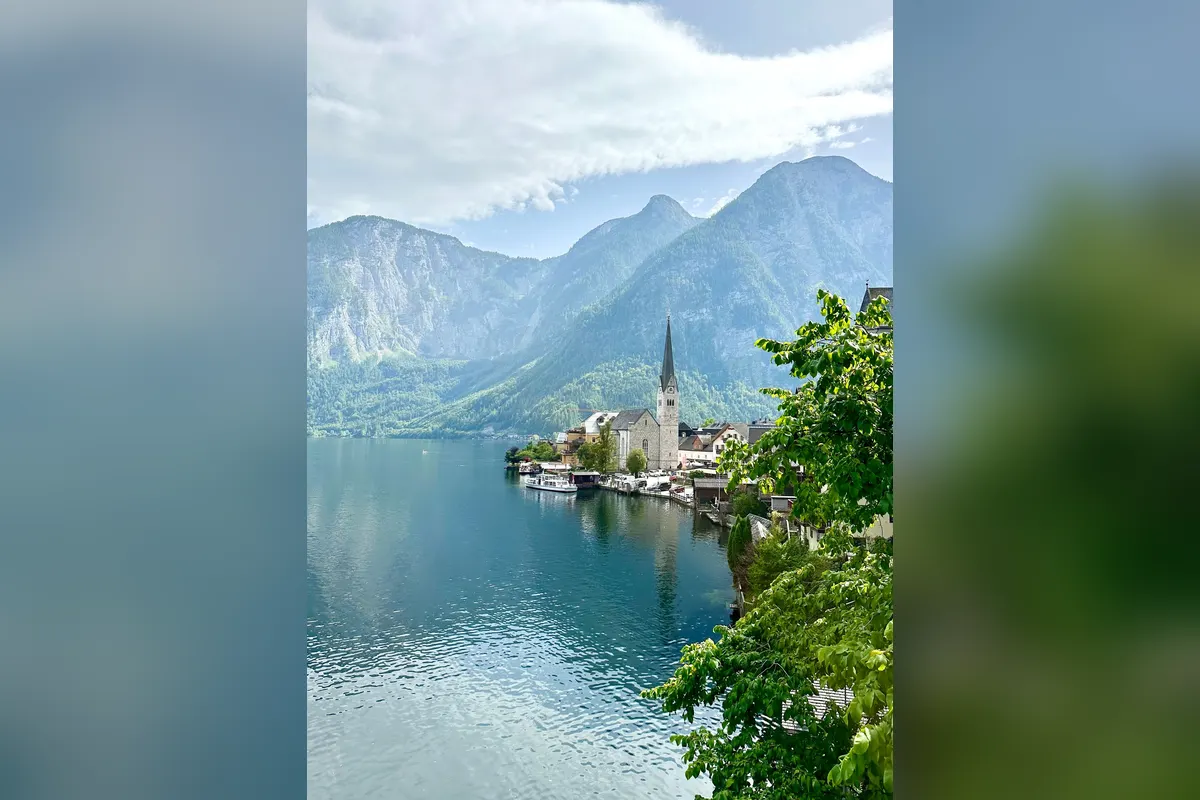
    Pastel houses squeezed between a lake and steep mountains make Hallstatt one of the world’s most beautiful lakeside villages — and a World Heritage S…

    Getting there:About 2.5 hours by bus and train from Salzburg

    Read the full guide →
    Innsbruck
    No.4

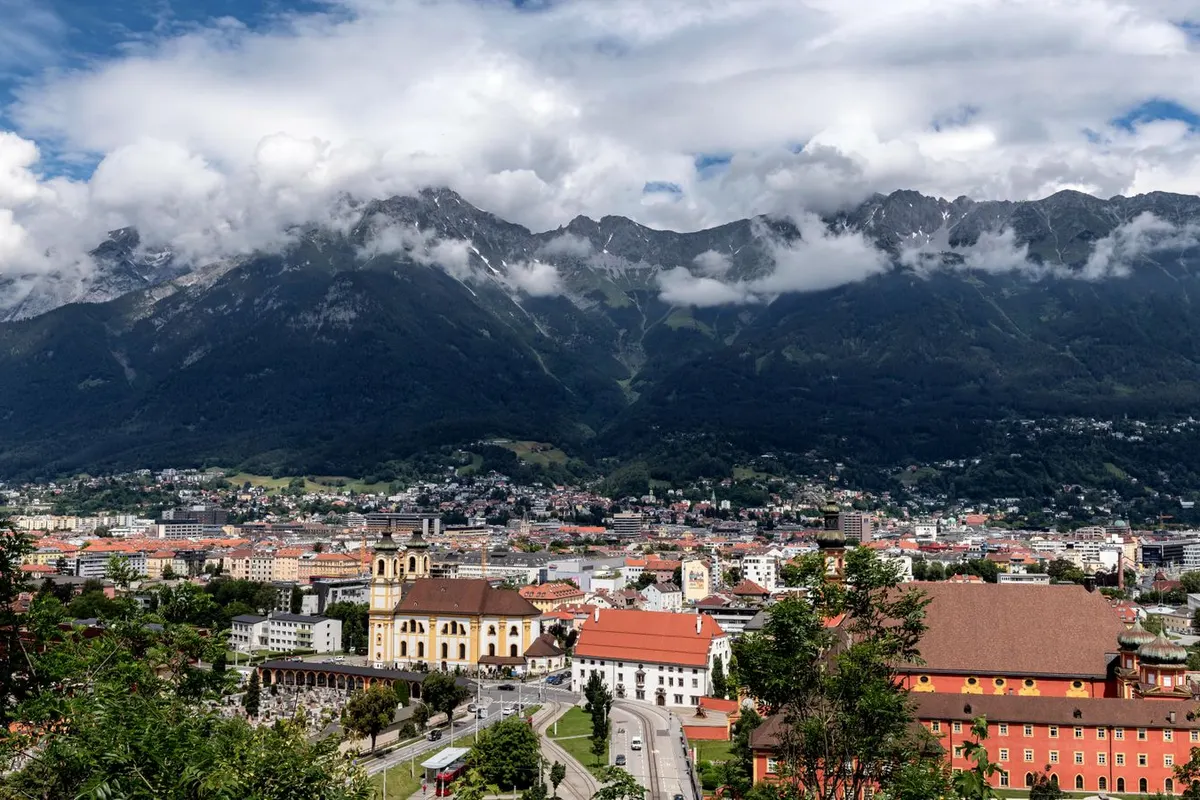
    Innsbruck

    Ringed by the Alps, Innsbruck is the capital of Tyrol and a two-time Winter Olympics host. From the city centre, funiculars and cable cars whisk you …

    Getting there:About 1 hour 50 minutes by train from Munich, 4 hours 15 minutes from Vienna

    Read the full guide →
    Wachau Valley
    No.5

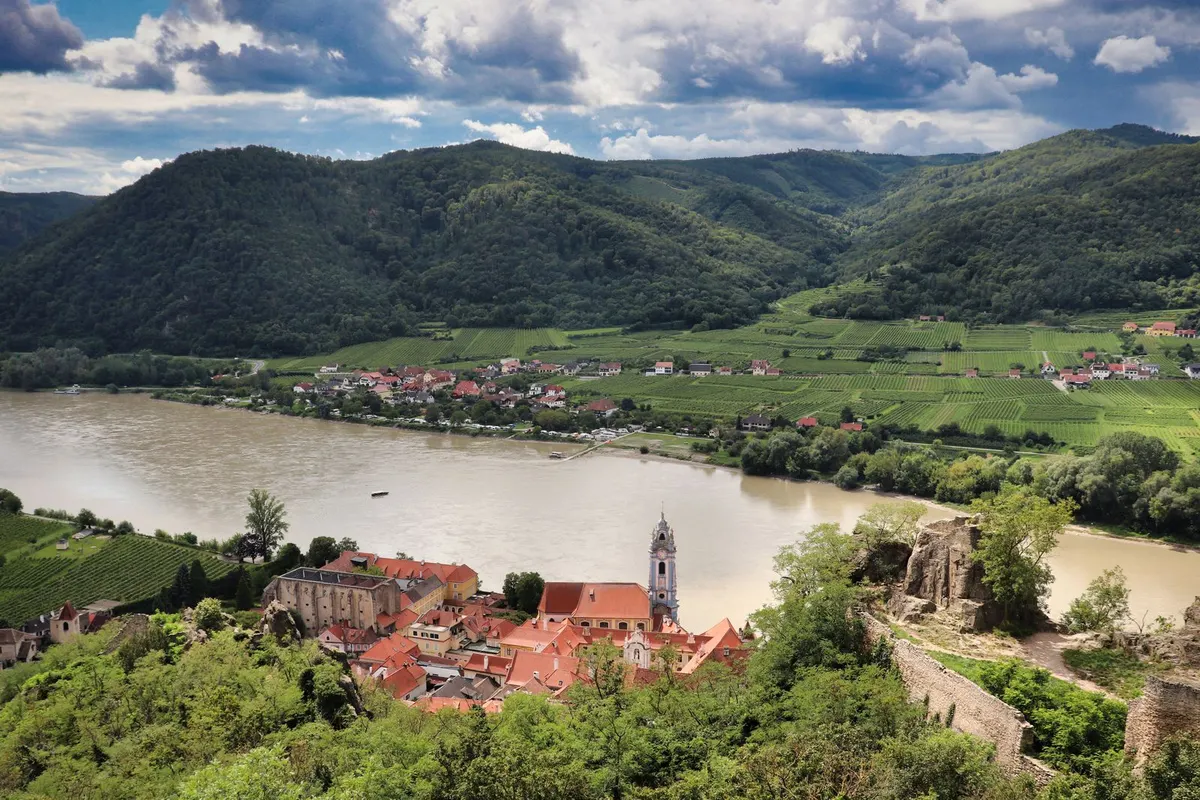
    Wachau Valley

    A World Heritage stretch of the Danube lined with vineyards, castles and abbeys — famous for blue-towered Dürnstein and river cruises.

    Getting there:About an hour by train from Vienna to Melk or Krems
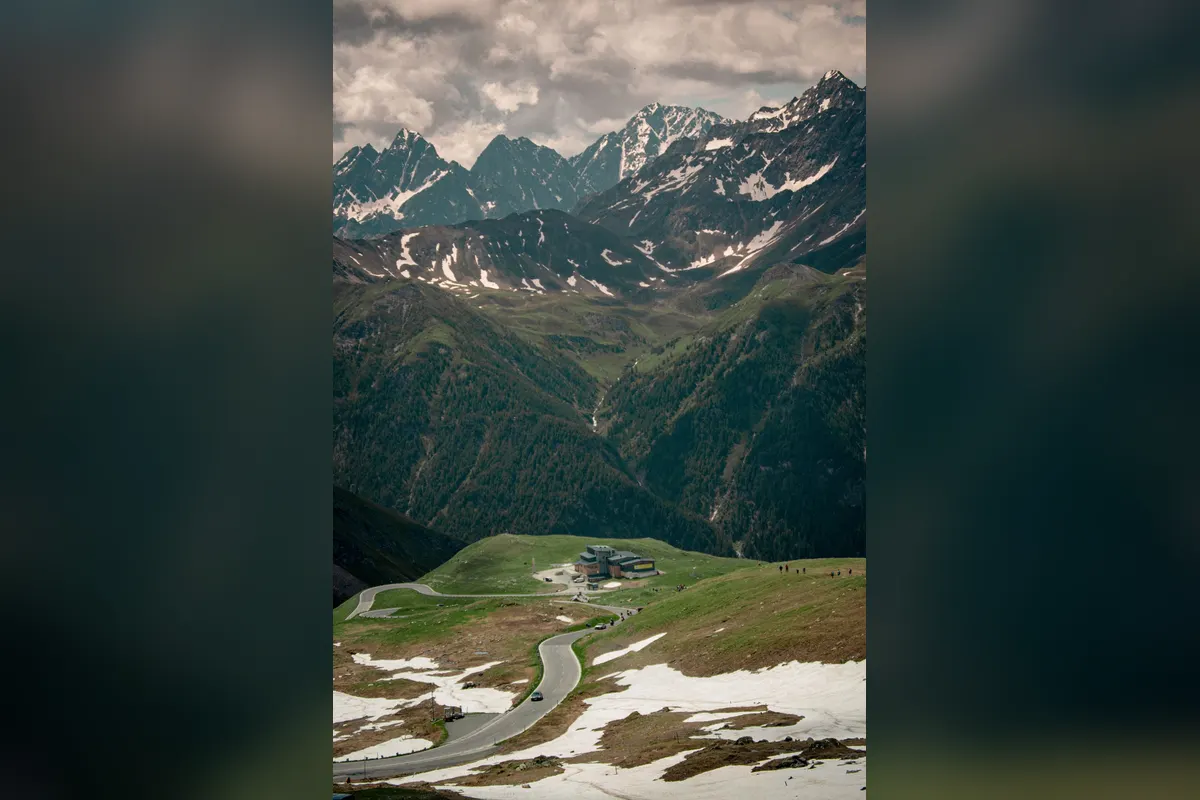
    Grossglockner High Alpine Road
    No.6

    Grossglockner High Alpine Road

    A spectacular mountain road near Austria’s highest peak (3,798 m), reaching a glacier viewpoint by car or bus in summer.

    Getting there:About 2 hours by car from Salzburg (open roughly May–October)

    FAQ

    What are the most popular places in Austria?

    Vienna, Salzburg and Hallstatt are the classics.

    How do I get around?

    ÖBB trains link the main cities; the KlimaTicket annual pass is great for long stays.

    When is the best time to travel?

    May–September, with skiing and Christmas markets in winter.

    Which city is best as a working holiday base?

    Vienna for jobs; some people work winter seasons at ski resorts.

    Planning a working holiday in Austria?Visa basics and a take-home pay calculator.
    Austria guide →

    Photos: Pexels
  • Innsbruck Travel Guide

    Innsbruck Travel Guide

    Innsbruck surrounded by the Alps
    Innsbruck surrounded by the Alps

    Ringed by the Alps, Innsbruck is the capital of Tyrol and a two-time Winter Olympics host. From the city centre, funiculars and cable cars whisk you above 2,000 m. Add colourful houses and the Golden Roof in the old town, and it is a dream base for mountain lovers. Here is how to get there and make the most of it.

    LocationTyrol, western Austria
    Getting thereAbout 1 hour 50 minutes by train from Munich, 4 hours 15 minutes from Vienna
    Best timeJune–September for hiking, December–March for skiing
    Time needed1–2 days

    How to get there

    1. Trains take about 1 hour 50 minutes from Munich, 2 hours from Salzburg and 4 hours 15 minutes from Vienna.
    2. Buses from Innsbruck Airport reach the centre in about 20 minutes.
    3. The Nordkette funicular and cable cars go straight from the centre into the mountains.
    4. The Innsbruck Card covers attractions and transport.

    Opening hours, prices and practical info

    NordkettePaid funicular and cable cars (free with the Innsbruck Card)
    Innsbruck CardFree entry and transport at major sights
    Golden RoofFree to view (museum paid)
    SkiingSeveral ski areas nearby in winter

    Prices and hours are from official sources as of November 2026 and may change — check the official website before you go.

    Highlights of Innsbruck

    The Nordkette

    In about 20 minutes from the centre you reach Hafelekar at 2,256 m, with views over the Alps and the valley. The stations by Zaha Hadid are sights in themselves.

    The Golden Roof

    The old town’s symbol: a balcony roof covered with 2,657 gilded copper tiles, surrounded by colourful buildings.

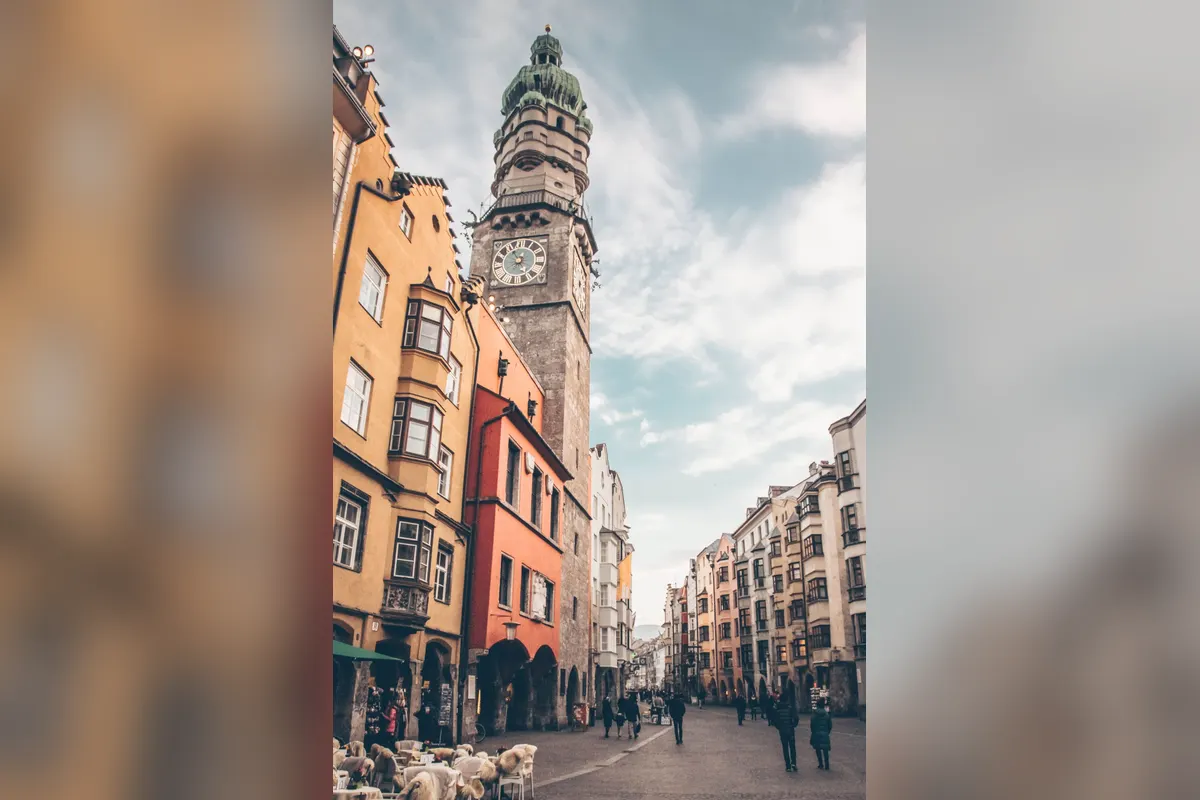
    The old town tower and streets
    The old town tower and streets

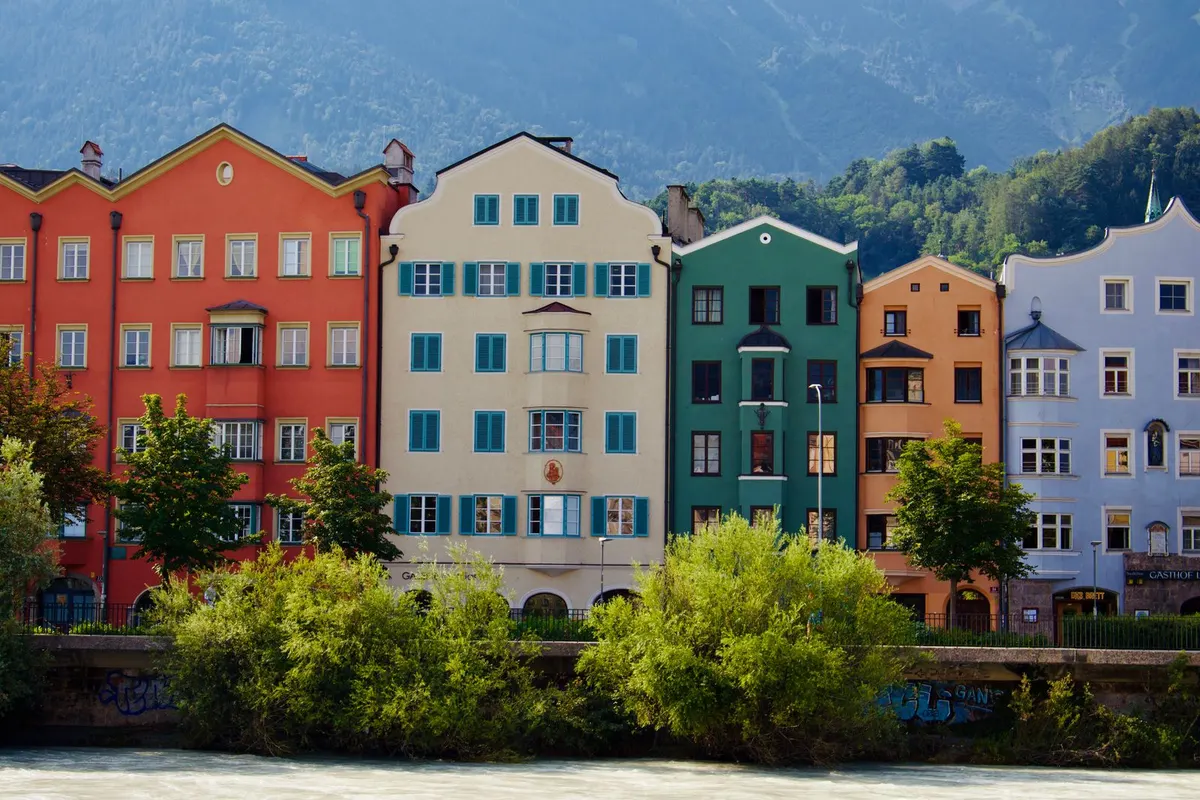
    Colourful houses along the Inn

    Pastel houses lining the river with mountains behind — Innsbruck’s classic postcard view.

    Colourful houses on the Inn
    Colourful houses on the Inn

    Swarovski Crystal Worlds

    In nearby Wattens, a crystal-themed art space and garden reached by shuttle bus.

    Suggested itinerary

    • The Golden Roof and Imperial Palace
    • Funicular and cable cars up the Nordkette
    • Tyrolean lunch at a mountain hut
    • Back down for a walk along the Inn
    • Apple strudel at a café
    • Traditional Tyrolean dinner
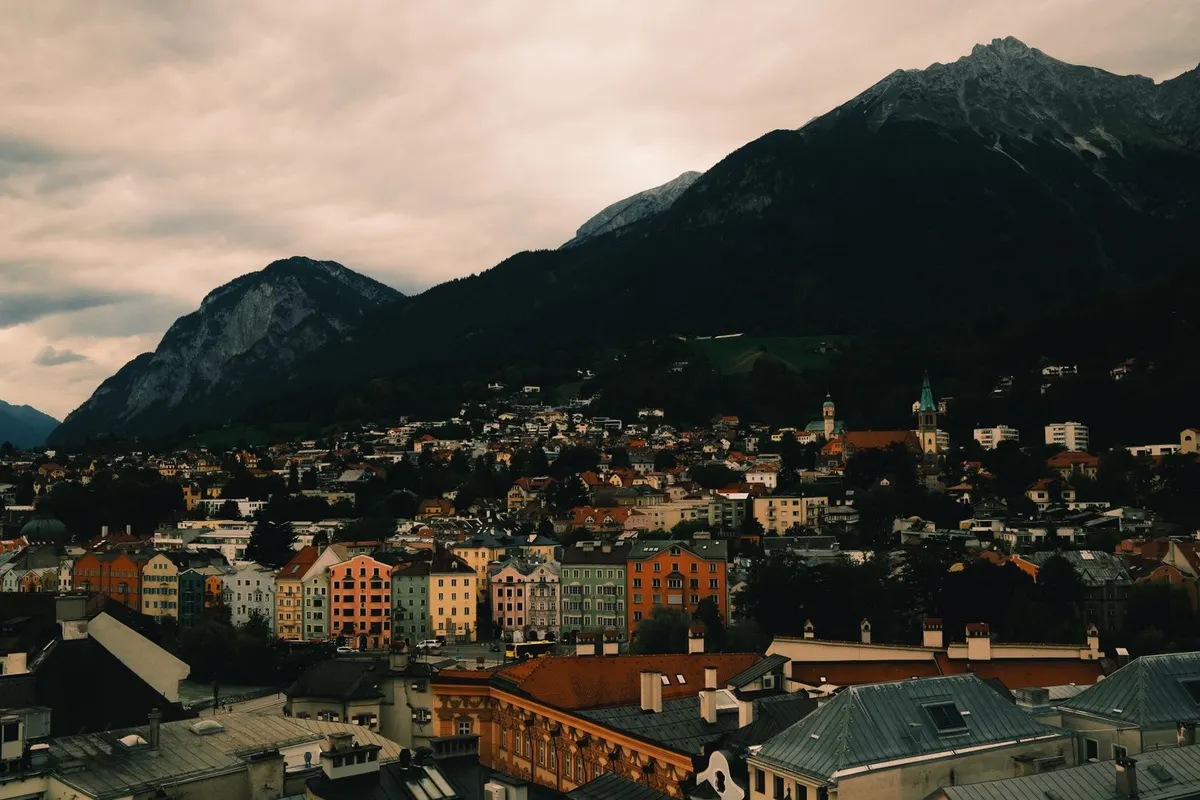
    The city and mountains at dusk
    The city and mountains at dusk
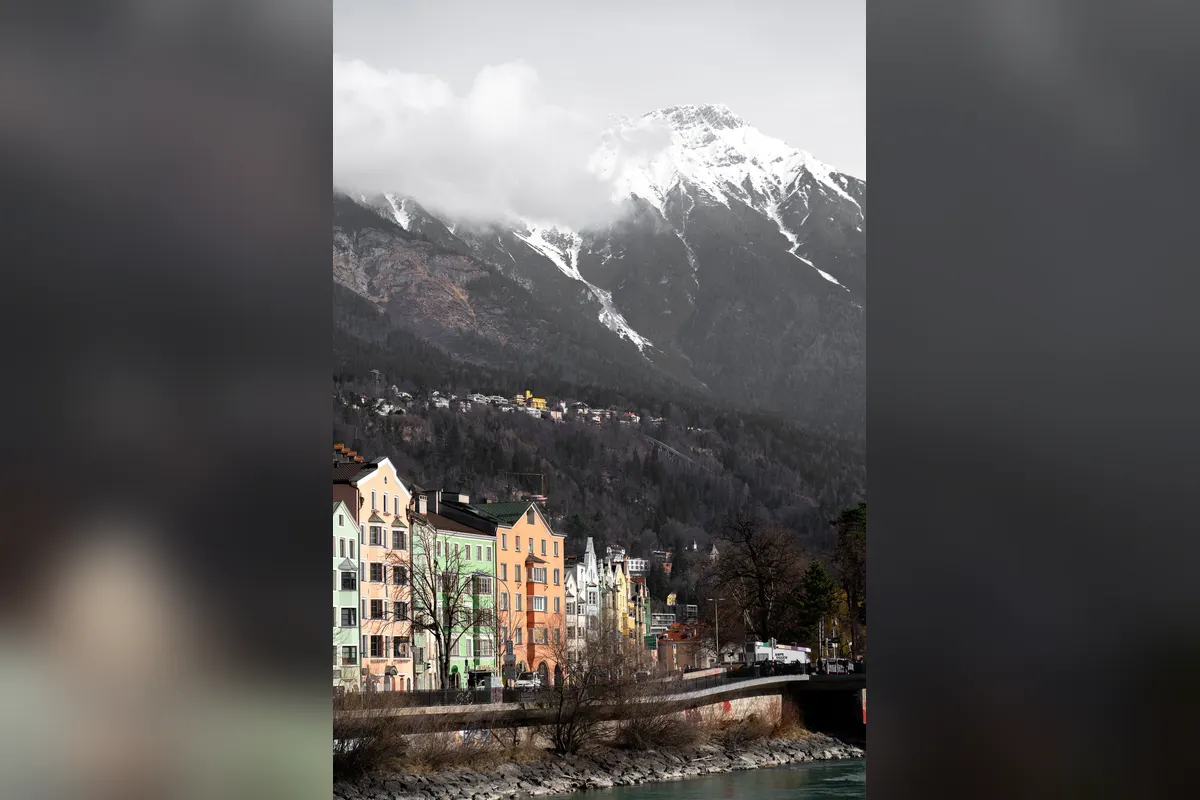
    Snowy peaks and colourful houses
    Snowy peaks and colourful houses

    Where to stay nearby

    AREA 1Old townHistoric hotels close to everything.
    AREA 2Around the stationConvenient for trains, with lots of hotels.
    AREA 3Mountain villages such as IglsAlpine stays for skiers and hikers.

    Tips for working holiday makers

    • Mountain weather changes quickly — bring a jacket even in summer.
    • Ski areas surround the city, and some working holiday makers work at resorts in winter.
    • The Innsbruck Card includes the cable cars.
    • Munich and Bolzano in Italy are easy train rides away.

    FAQ

    Is it a day trip from Munich?

    Yes — about 1 hour 50 minutes by train.

    How long to reach the summit?

    About 20–30 minutes from the centre by funicular and cable car.

    Can I ski in winter?

    Yes, several resorts are a day trip from the city.

    How should I spend a day?

    Go up the mountain in the morning and explore the old town in the afternoon.

    Planning a working holiday in Austria?Visa basics and a take-home pay calculator.
    Austria guide →

    More places to visit in Austria

    Photos: Pexels (free stock photos) Take-home pay calculator
  • Hallstatt Travel Guide

    Hallstatt Travel Guide

    Hallstatt between the lake and mountains
    Hallstatt between the lake and mountains

    Pastel houses squeezed between a lake and steep mountains make Hallstatt one of the world’s most beautiful lakeside villages — and a World Heritage Site with the world’s oldest salt mine, worked for over 7,000 years. It is a small village where people live, so respectful visiting matters. Here is how to get there and enjoy it.

    LocationOn Lake Hallstatt, Upper Austria
    Getting thereAbout 2.5 hours by bus and train from Salzburg
    Best timeMay–October; snowy winters are beautiful too
    Time neededHalf a day to a day; stay overnight for quiet mornings and evenings

    How to get there

    1. From Salzburg, take bus 150 to Bad Ischl, then the train to Hallstatt station.
    2. Hallstatt station is across the lake — a ferry takes you to the village (about 10 minutes).
    3. From Vienna, change at Attnang-Puchheim; about 3.5 hours.
    4. Many day tours run from Salzburg and Vienna.

    Opening hours, prices and practical info

    Salt mine and SkywalkPaid tickets including the funicular; closed in winter
    FerryBetween Hallstatt station and the village, timed to trains
    EtiquetteRespect residents; drone use is restricted
    World HeritageHallstatt-Dachstein / Salzkammergut Cultural Landscape (1997)

    Prices and hours are from official sources as of November 2026 and may change — check the official website before you go.

    Highlights of Hallstatt

    The postcard view

    The famous view from the north end of the village — the church spire and houses mirrored in the lake.

    Lakeside houses and the church
    Lakeside houses and the church

    The world’s oldest salt mine

    Ride the funicular up to tour a salt mine worked for over 7,000 years — complete with underground slides.

    The Skywalk viewpoint

    The Skywalk platform near the salt mine looks straight down over the lake and village.

    The village beneath the mountains
    The village beneath the mountains

    The Bone House and lake boats

    Space was so scarce that bones were painted and stored in the Bone House. You can also rent a boat on the lake.

    Autumn by the lake
    Autumn by the lake

    Suggested itinerary

    • Bus and train from Salzburg
    • Ferry across to the village
    • Funicular to the salt mine and Skywalk
    • Lakeside trout for lunch
    • The village lanes and the postcard view
    • The Bone House, then head back
    The church jutting into the lake
    The church jutting into the lake

    Where to stay nearby

    AREA 1Hallstatt villageVery few rooms — book early to enjoy the quiet once day-trippers leave.
    AREA 2ObertraunA village south of the lake, walkable to Hallstatt and easier to book.
    AREA 3Bad IschlA spa town and transport hub.

    Tips for working holiday makers

    • People live here: stay off private property, keep your voice down, and note drone restrictions.
    • Midday is extremely crowded — early morning or evening is best.
    • Ferries are timed to meet the trains.
    • In winter days are short and the salt mine may close — check ahead.

    FAQ

    Is it a day trip from Salzburg?

    About 2.5 hours by bus and train; tours are convenient too.

    How can I avoid the crowds?

    Go early or late, or stay overnight.

    Can I visit the salt mine?

    Yes, by funicular and guided tour (closed part of winter).

    Is it worth visiting in winter?

    The snowy scenery is magical, but days are short and some sites close.

    Planning a working holiday in Austria?Visa basics and a take-home pay calculator.
    Austria guide →

    More places to visit in Austria

    Photos: Pexels (free stock photos) Take-home pay calculator
  • Vienna Travel Guide

    Vienna Travel Guide

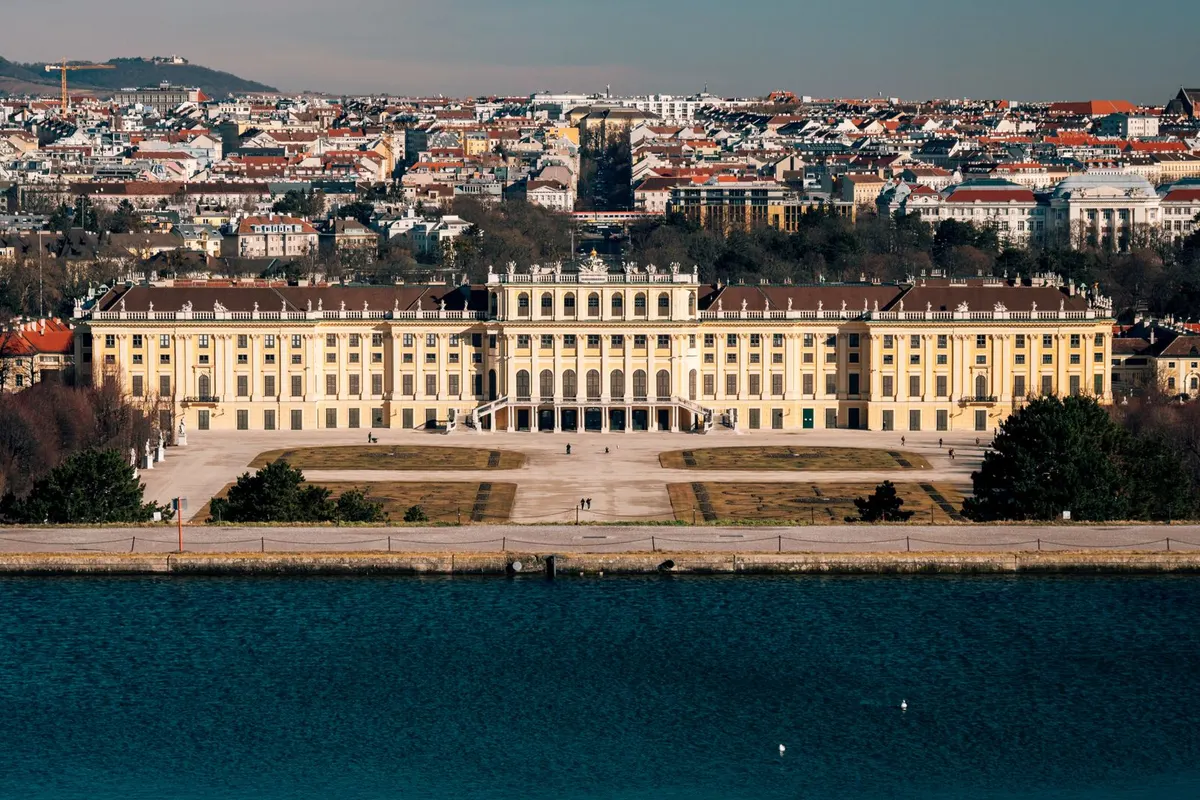
    Schönbrunn Palace and the city
    Schönbrunn Palace and the city

    Once the imperial capital of the Habsburgs, Vienna is a city of palaces, music and coffee houses — Schönbrunn, the Hofburg, Klimt’s masterpieces and the State Opera. It also regularly tops rankings of the world’s most liveable cities. Here is how to get there, what to see and where to stay.

    LocationEastern Austria on the Danube
    AirportAbout 16 minutes by City Airport Train to the centre
    Best timeMay–September; Christmas markets from late November
    Time needed3 days for the city

    How to get there

    1. Austrian Airlines flies direct from Narita in about 14 hours.
    2. The CAT express reaches Wien Mitte in about 16 minutes; S-Bahn trains take about 25 minutes and cost less.
    3. Metro, trams and buses share one ticket — 24- to 72-hour passes are handy.
    4. The KlimaTicket, an annual pass for all public transport in Austria, is popular with long-stay residents.

    Opening hours, prices and practical info

    SchönbrunnPaid timed tickets; most of the gardens are free
    TransportWiener Linien 24–72 hour passes
    State OperaCheap standing tickets sold on the day
    AirportCAT about 16 minutes, S-Bahn about 25

    Prices and hours are from official sources as of November 2026 and may change — check the official website before you go.

    Highlights of Vienna

    Schönbrunn Palace

    The Habsburgs’ summer palace and a World Heritage Site, with lavish state rooms and vast gardens rising to the Gloriette.

    The Hofburg

    The imperial palace, home to the Sisi Museum devoted to Empress Elisabeth and the Spanish Riding School.

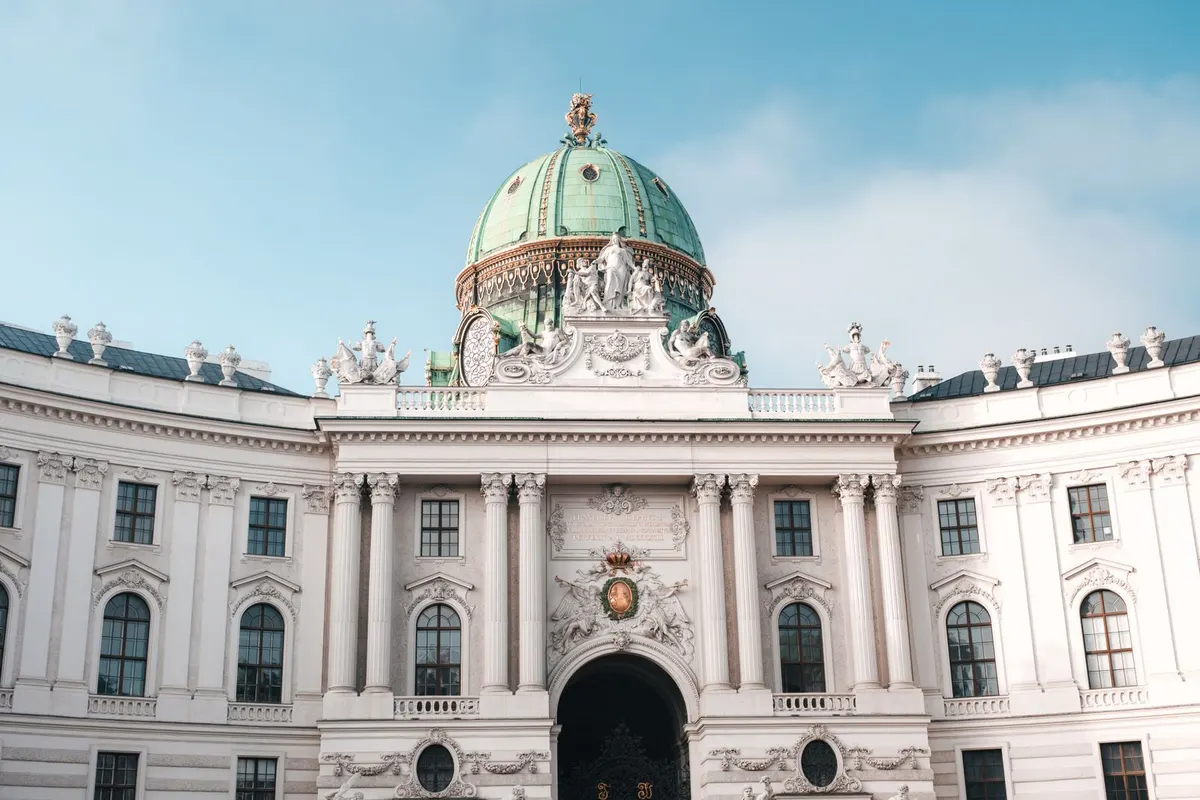
    The Michaelertor of the Hofburg
    The Michaelertor of the Hofburg

    The Belvedere and Klimt

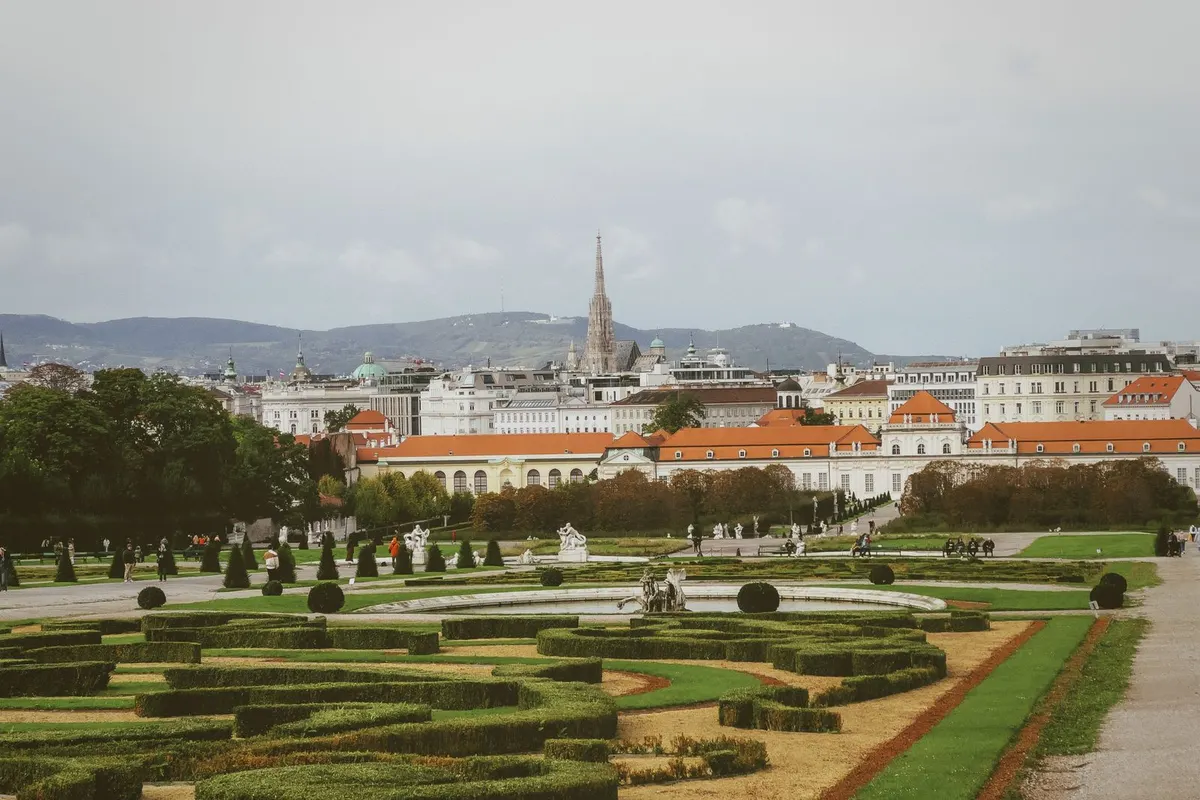
    Home to Klimt’s The Kiss, with gardens looking out over the city.

    The Belvedere gardens
    The Belvedere gardens

    Coffee houses and opera

    Viennese coffee-house culture is UNESCO intangible heritage — try Sachertorte with a melange. At the State Opera, cheap standing tickets let anyone enjoy a performance.

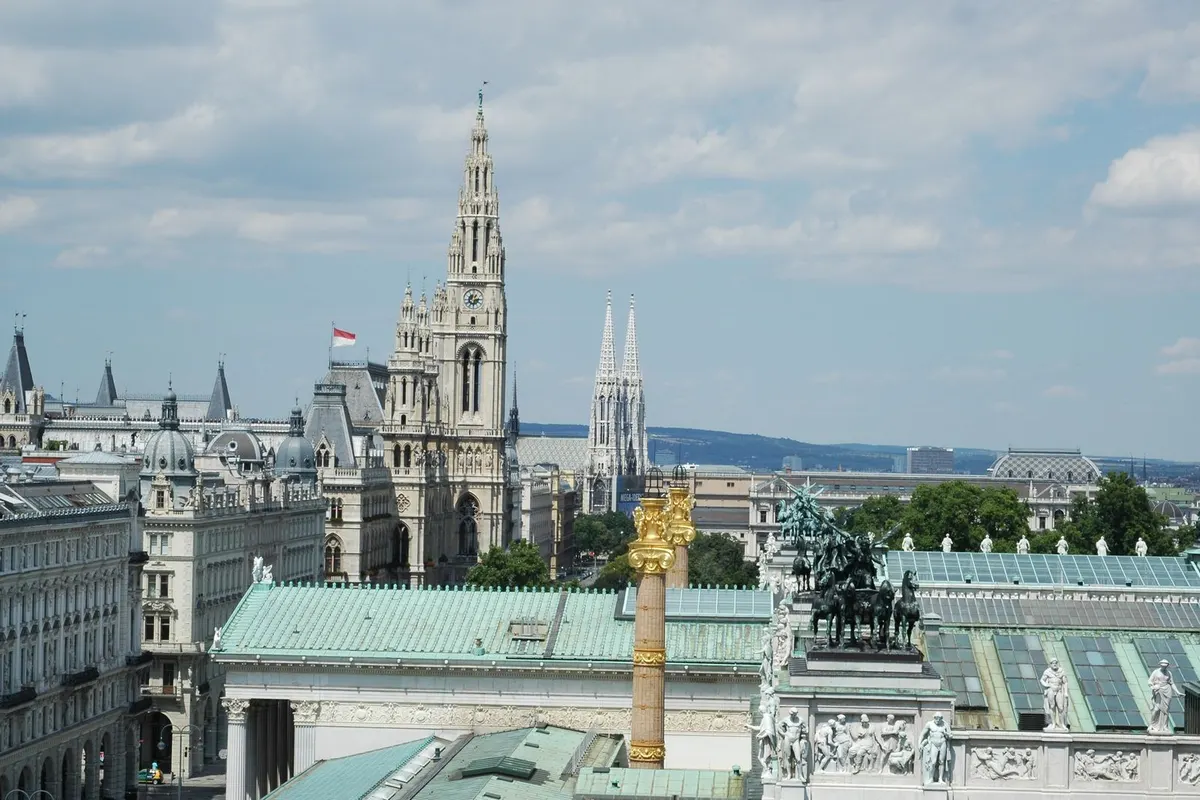
    The City Hall and churches from above
    The City Hall and churches from above

    Suggested itinerary

    • Schönbrunn Palace and gardens
    • Lunch and Sachertorte at a classic café
    • The Hofburg and Sisi Museum
    • St Stephen’s Cathedral and Kärntner Strasse
    • Klimt at the Belvedere
    • Standing tickets at the State Opera
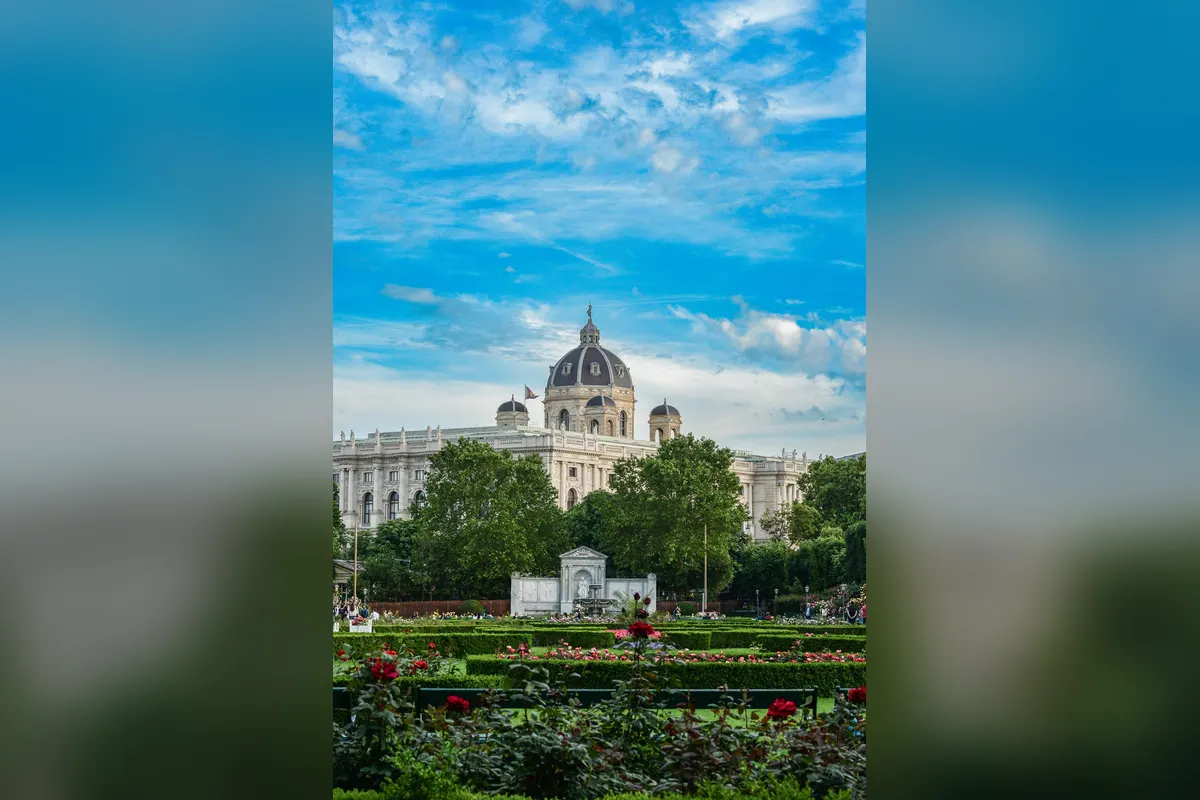
    The Kunsthistorisches Museum beyond the park
    The Kunsthistorisches Museum beyond the park

    Where to stay nearby

    AREA 1Innere Stadt (1st district)Walk to St Stephen’s and the Opera — pricey.
    AREA 2Mariahilf and NeubauShopping streets and cafés, a short metro ride from the centre.
    AREA 3Around the HauptbahnhofHandy for trains and full of new hotels.

    Tips for working holiday makers

    • State Opera standing tickets cost just a few euros, sold before each performance.
    • Most shops close on Sundays.
    • Vienna is frequently ranked the world’s most liveable city, and rents are moderate for a western European capital.
    • Christmas markets open across the city from late November.

    FAQ

    How do I get from the airport?

    CAT in about 16 minutes or the S-Bahn in about 25.

    Can I see an opera on a budget?

    Yes — standing places at the State Opera cost a few euros.

    What should I eat?

    Sachertorte and apple strudel.

    How do I get to Salzburg?

    About 2 hours 20 minutes on the Railjet.

    Planning a working holiday in Austria?Visa basics and a take-home pay calculator.
    Austria guide →

    More places to visit in Austria

    Photos: Pexels (free stock photos) Take-home pay calculator
  • Salzburg Travel Guide

    Salzburg Travel Guide

    The cathedral and fortress
    The cathedral and fortress

    Mozart’s birthplace and the setting of The Sound of Music, Salzburg has a hilltop fortress and a baroque old town that is a World Heritage Site. It is famous for its summer music festival and as a gateway to the lakes of the Salzkammergut. Here is how to get there, what to see and where to stay.

    LocationWest-central Austria near the German border
    Getting thereAbout 2 hours 20 minutes by train from Vienna, 1.5 hours from Munich
    Best timeMay–September; July–August for the Salzburg Festival
    Time needed1–2 days; day trips to Hallstatt are popular

    How to get there

    1. Railjet trains run from Vienna Hauptbahnhof in about 2 hours 20 minutes.
    2. From Munich it is about 1.5 hours by train — a day trip from Germany works.
    3. From the station, it is about 10 minutes by bus or 20 on foot to the old town.
    4. The old town is walkable, and a funicular goes up to the fortress.

    Opening hours, prices and practical info

    Salzburg CardFree entry to major sights plus city transport
    FortressTickets including the funicular (paid)
    Mirabell GardensFree
    FestivalJuly–August; tickets sell early

    Prices and hours are from official sources as of November 2026 and may change — check the official website before you go.

    Highlights of Salzburg

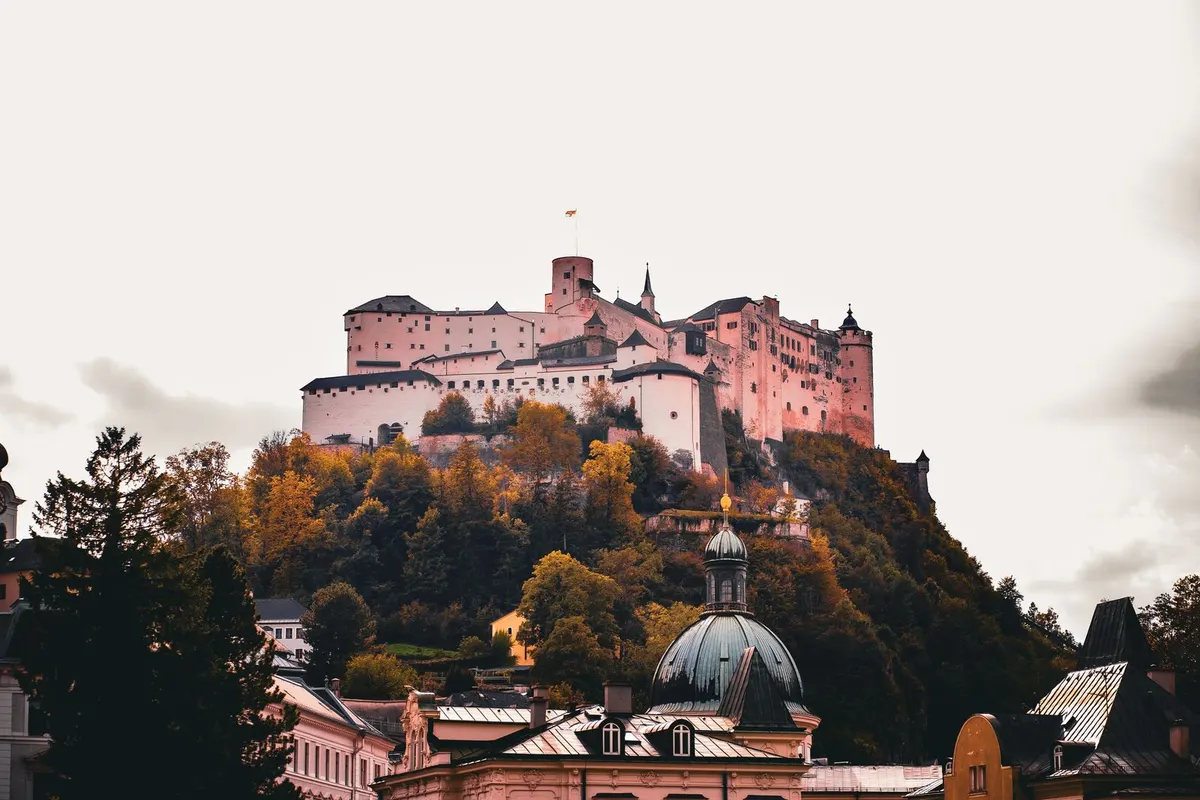
    Hohensalzburg Fortress

    One of Central Europe’s largest intact fortresses — ride the funicular for views over the old town and the Alps.

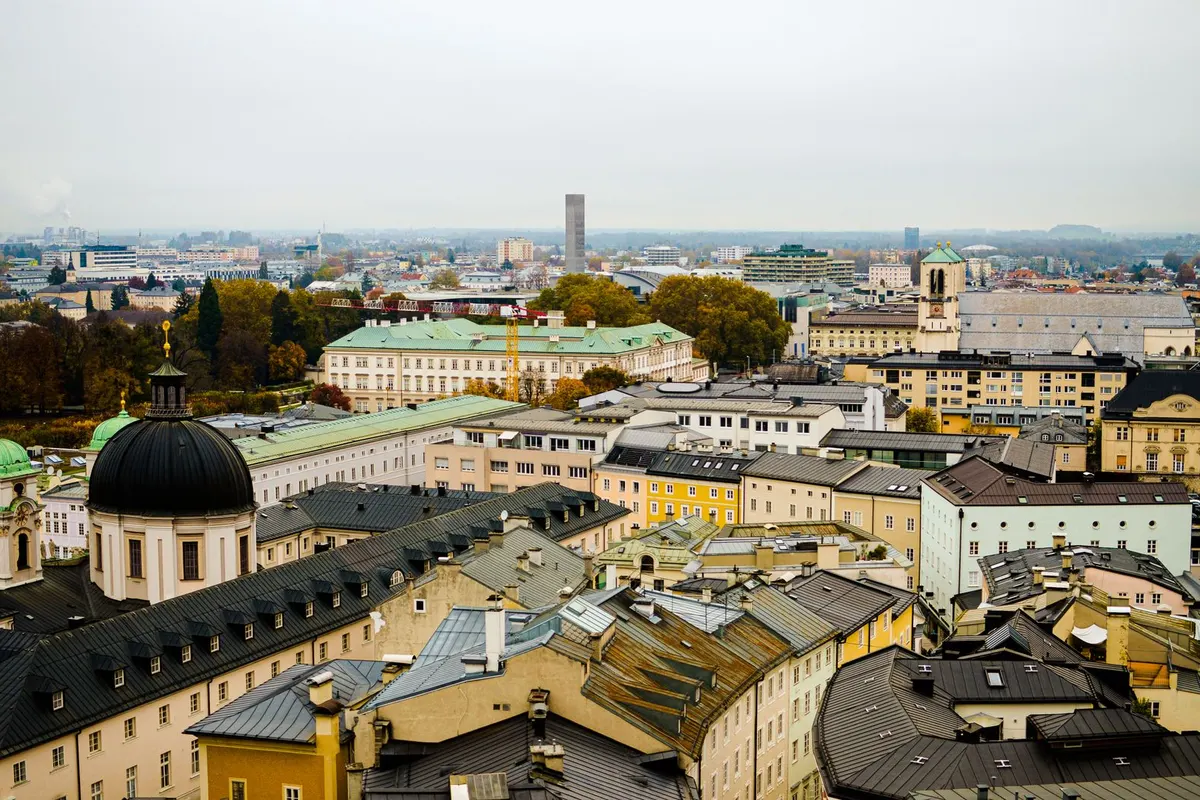
    The old town from above
    The old town from above

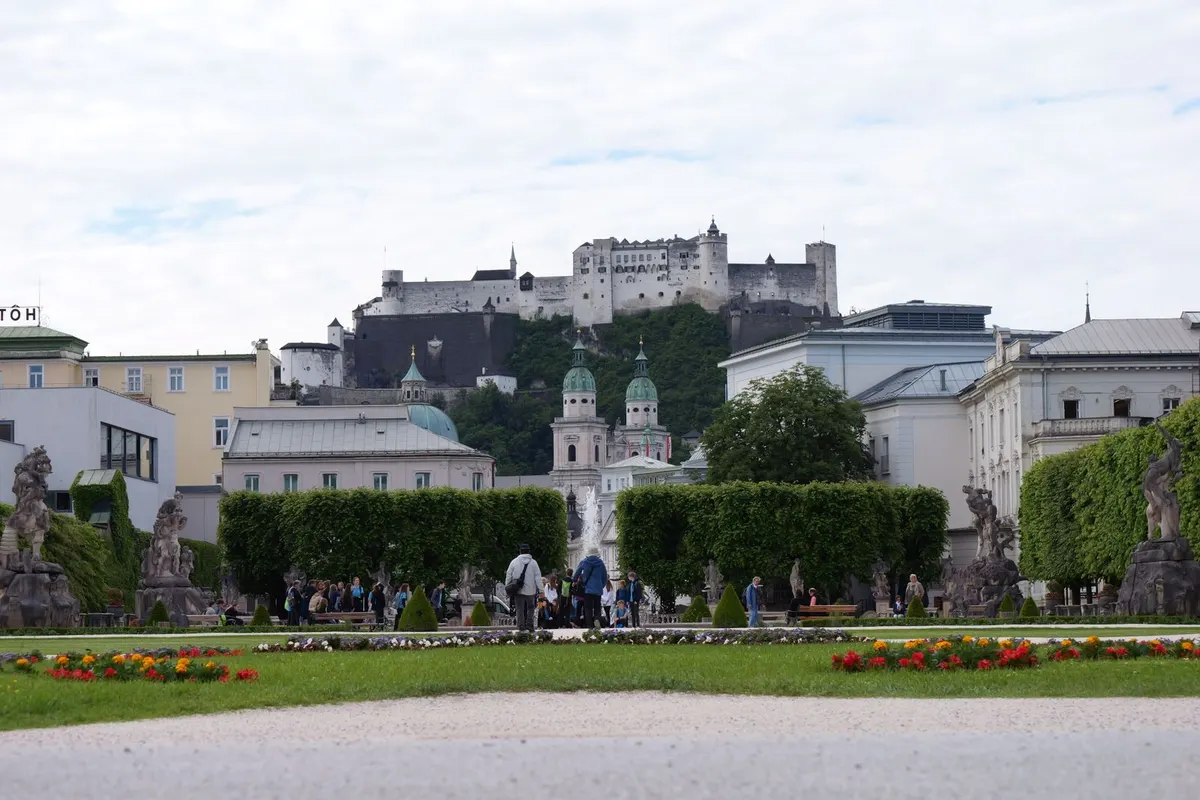
    Mirabell Gardens

    The gardens where the “Do-Re-Mi” scene of The Sound of Music was filmed, framed by the fortress.

    The fortress from the Mirabell Gardens
    The fortress from the Mirabell Gardens

    Mozart’s birthplace and Getreidegasse

    Mozart’s yellow birthplace is now a museum, on Getreidegasse with its wrought-iron shop signs.

    The cathedral and old town

    The baroque cathedral and churches make every corner of the old town picture-perfect.

    The fortress in autumn
    The fortress in autumn

    Suggested itinerary

    • Stroll the Mirabell Gardens
    • Mozart’s Residence, then cross the Salzach
    • Getreidegasse and Mozart’s birthplace
    • Salzburger Nockerl for lunch
    • Cathedral, then the funicular to the fortress
    • A classical concert
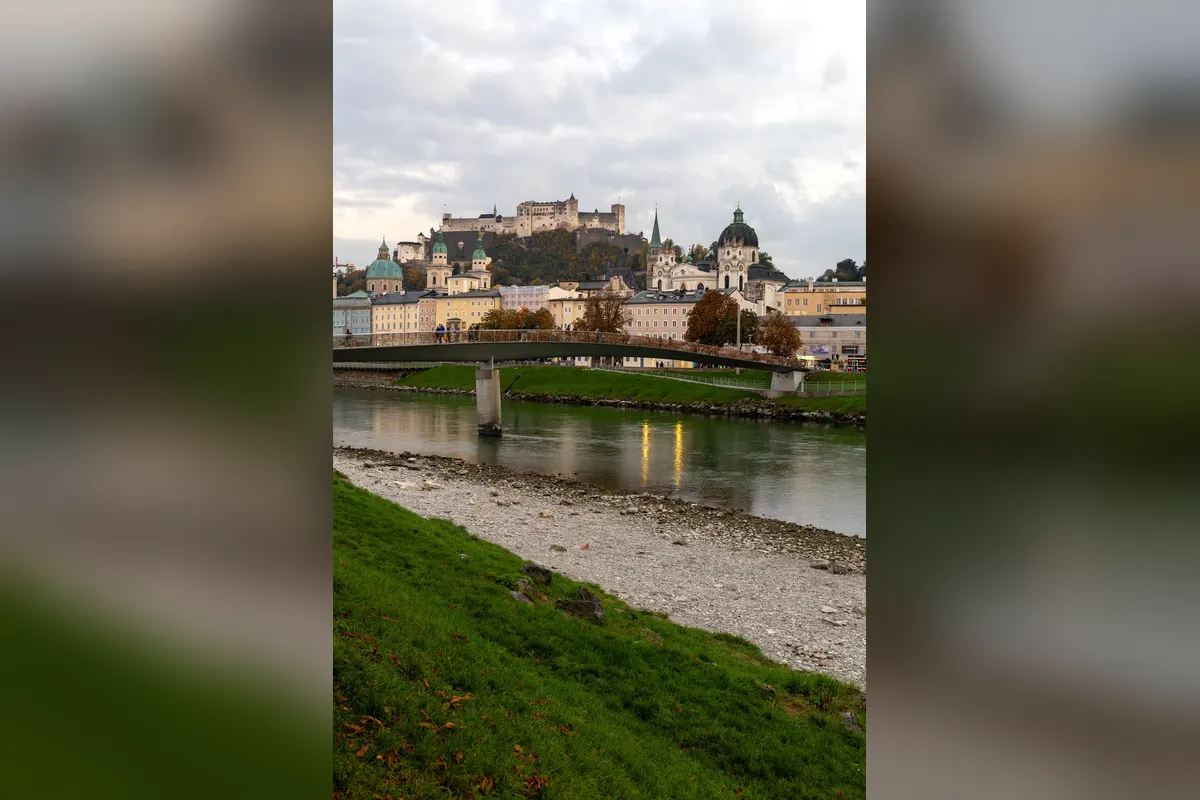
    The Salzach and the fortress
    The Salzach and the fortress

    Where to stay nearby

    AREA 1Old townHistoric hotels close to everything.
    AREA 2Mirabell and the New TownNorth of the river, walkable to both the station and the old town.
    AREA 3Around the stationConvenient for trains, with more affordable hotels.

    Tips for working holiday makers

    • The Salzburg Card covers most attractions and city buses.
    • Prices rise during the July–August festival — book early.
    • It is a great base for day trips to Hallstatt and the lakes.
    • Mozartkugel chocolates are the classic souvenir.

    FAQ

    How do I get there from Vienna?

    About 2 hours 20 minutes by train.

    Where are the Sound of Music locations?

    Mirabell Gardens and others — tours visit sites in and around the city.

    Can I visit Hallstatt?

    Yes, about 2.5 hours by bus and train or on a day tour.

    How many days do I need?

    1–2 for the city, 3 with the lakes.

    Planning a working holiday in Austria?Visa basics and a take-home pay calculator.
    Austria guide →

    More places to visit in Austria

    Photos: Pexels (free stock photos) Take-home pay calculator
  • 5 Best Places to Visit in Luxembourg

    5 Best Places to Visit in Luxembourg

    Luxembourg City
    Luxembourg City

    Luxembourg packs a fortress capital, fairy-tale castles, forest gorges and a wine route into a tiny country — and public transport is free. Here are 5 of the best places to visit on your days off or travels during a working holiday.

    Luxembourg City
    No.1

    Luxembourg City

    Built on cliffs above deep gorges, Luxembourg City is a fortress capital whose old quarters and fortifications are a World Heritage Site. The view fr…

    Getting there:About 2 hours 10 minutes by TGV from Paris

    Read the full guide →
    Vianden Castle
    No.2

    Vianden Castle

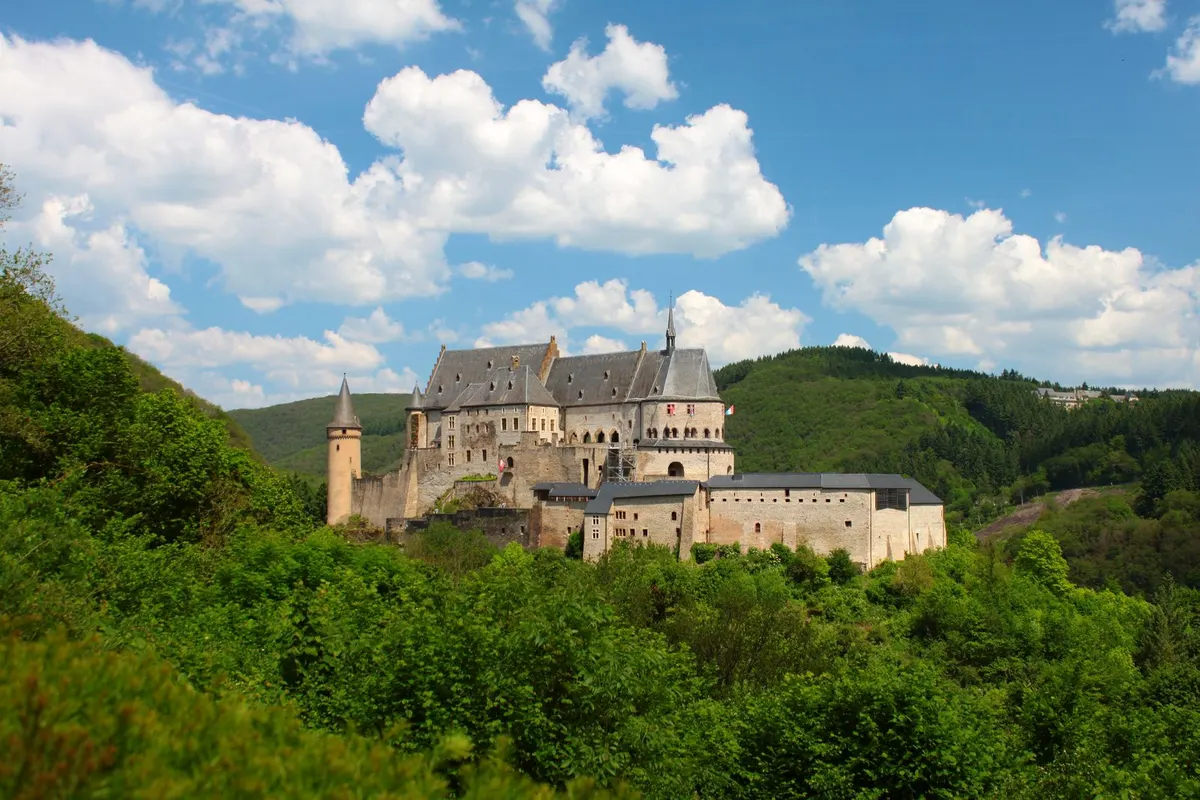
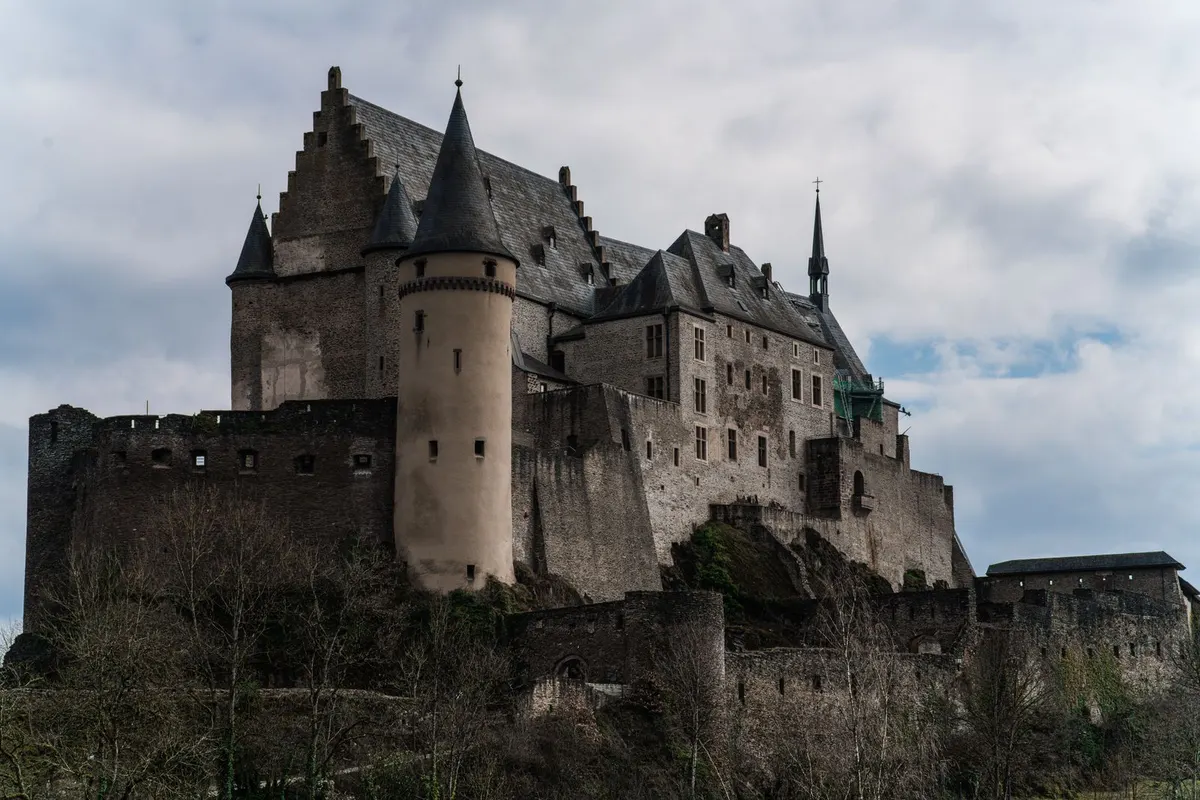
    Crowning a forested hill in northern Luxembourg, Vianden Castle is one of Europe’s finest medieval castles. Built between the 11th and 14th centuries…

    Getting there:About an hour by train and bus from Luxembourg City

    Read the full guide →
    Mullerthal (Little Switzerland)
    No.3

    Mullerthal (Little Switzerland)

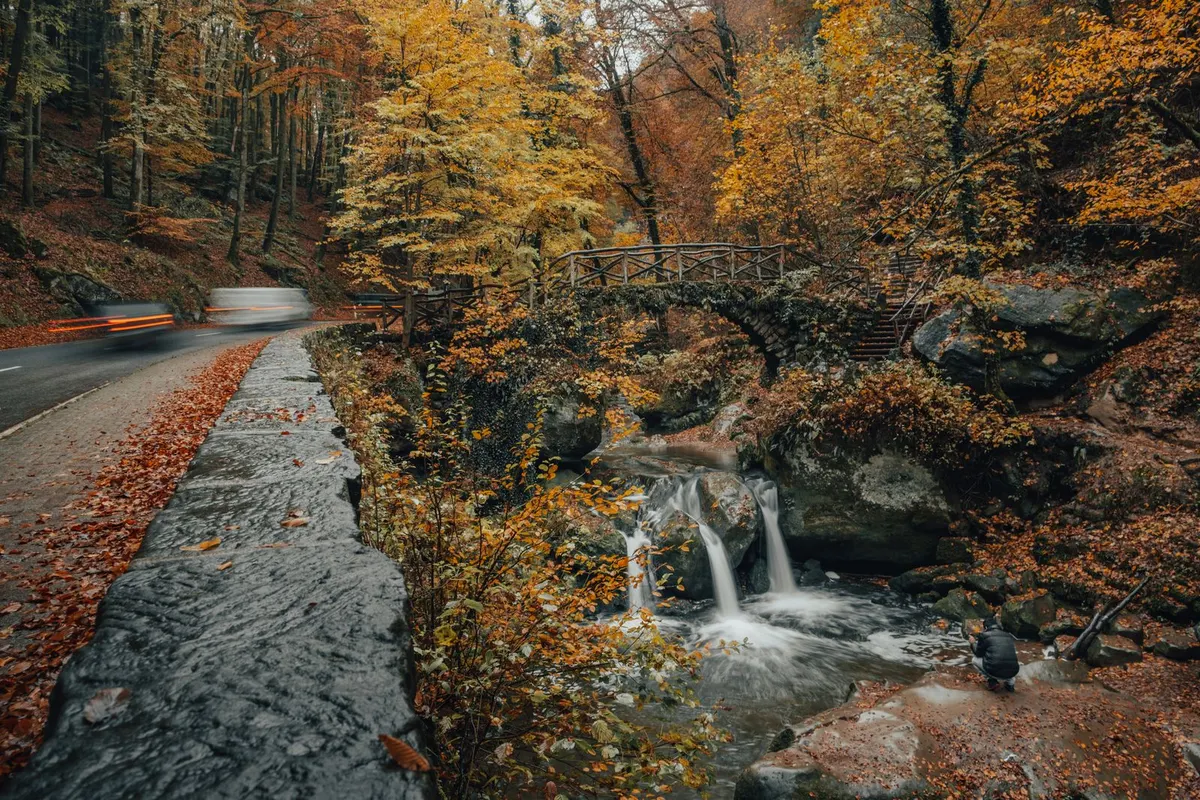
    Known as Luxembourg’s Little Switzerland, the Mullerthal is a region of mossy rock formations, forests and streams. Its 112 km hiking trail is one of…

    Getting there:About an hour by bus from Luxembourg City to Echternach

    Read the full guide →
    The Moselle Valley
    No.4

    The Moselle Valley

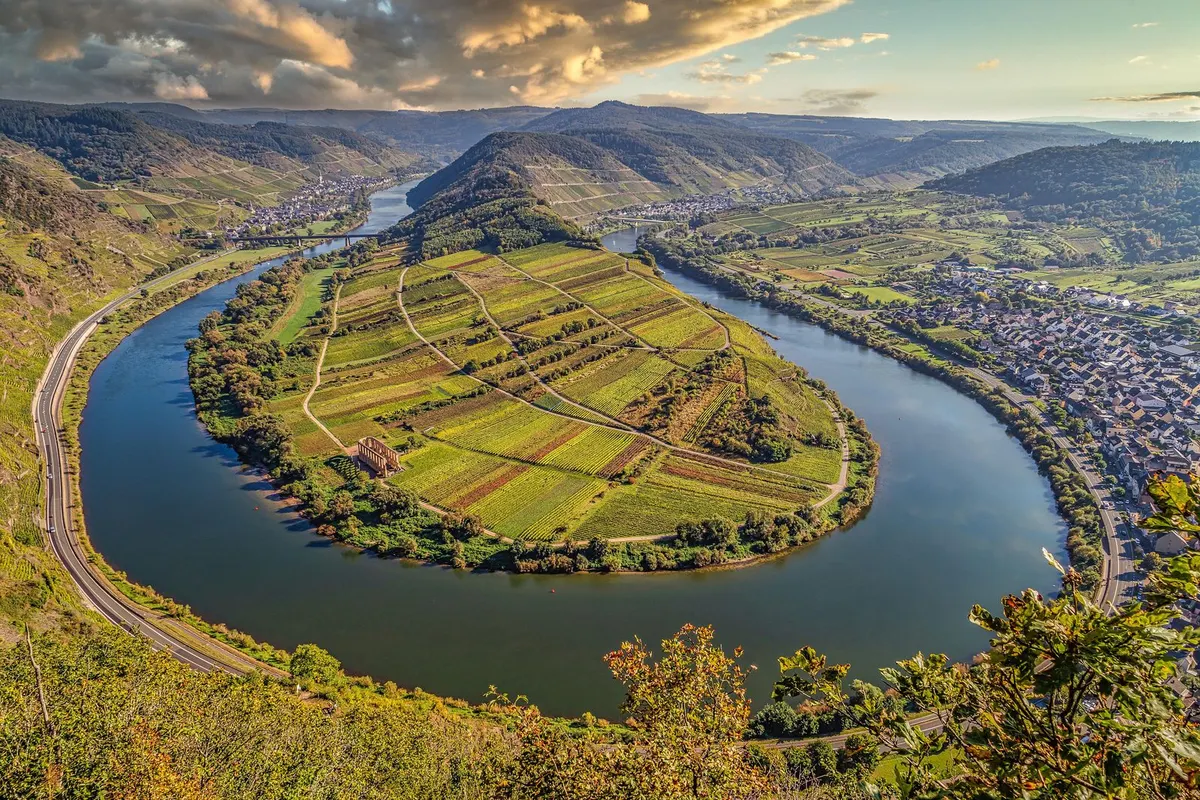
    Along the Moselle, which forms the border with Germany, Luxembourg’s wine route winds past vineyard-covered slopes. Visit cellars for the local spark…

    Getting there:About 40 minutes by bus from Luxembourg City to Remich

    Read the full guide →
    The Grund and the Alzette valley walk
    No.5

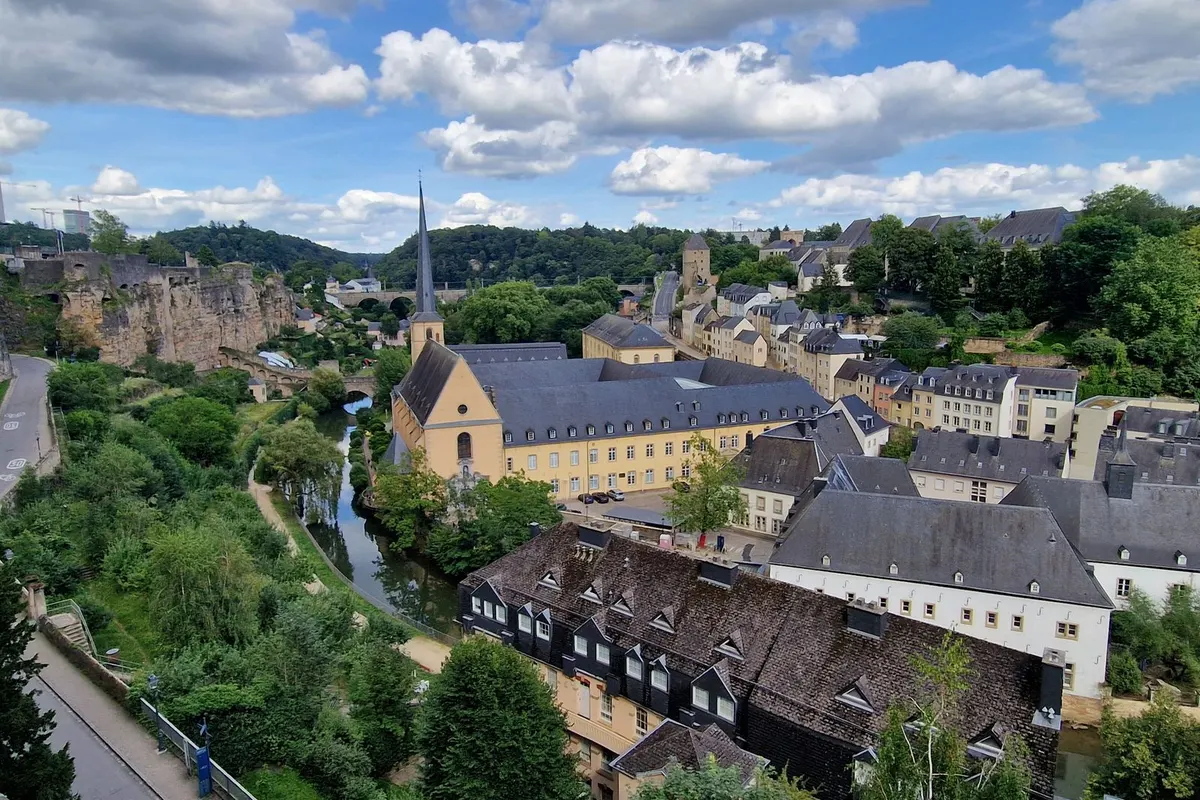
    The Grund and the Alzette valley walk

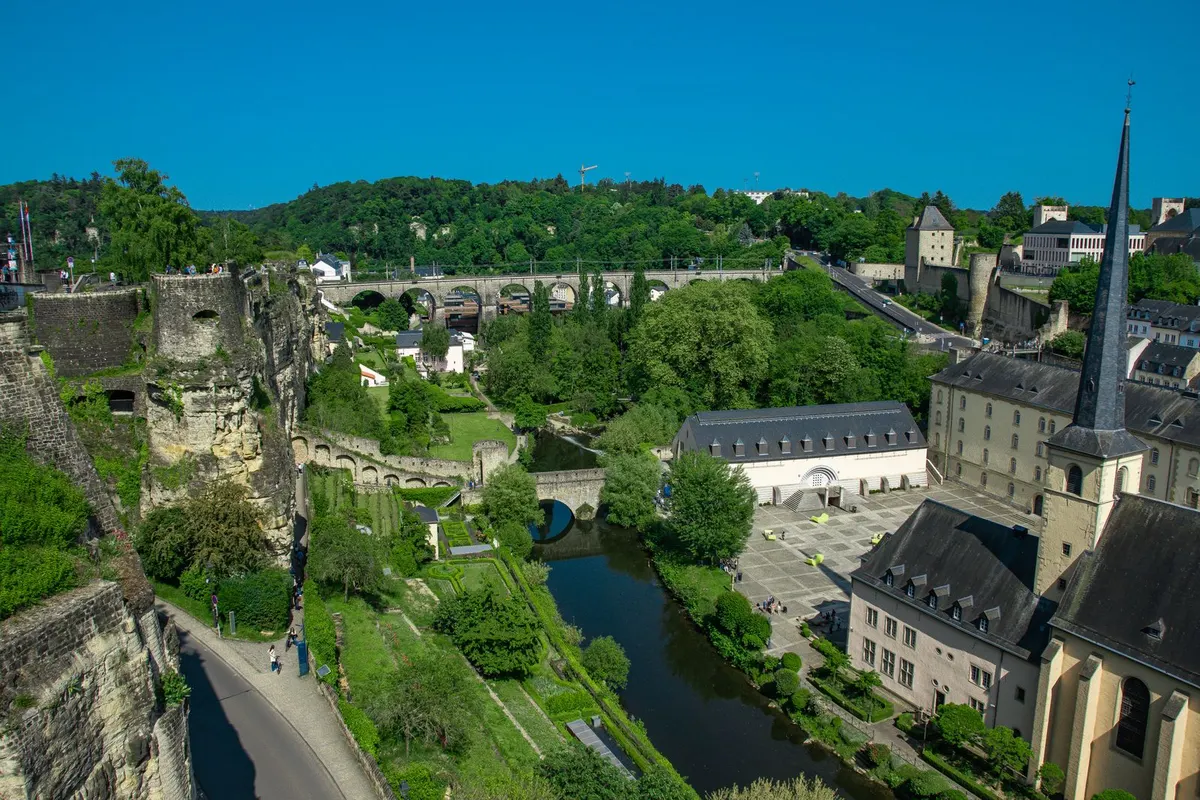
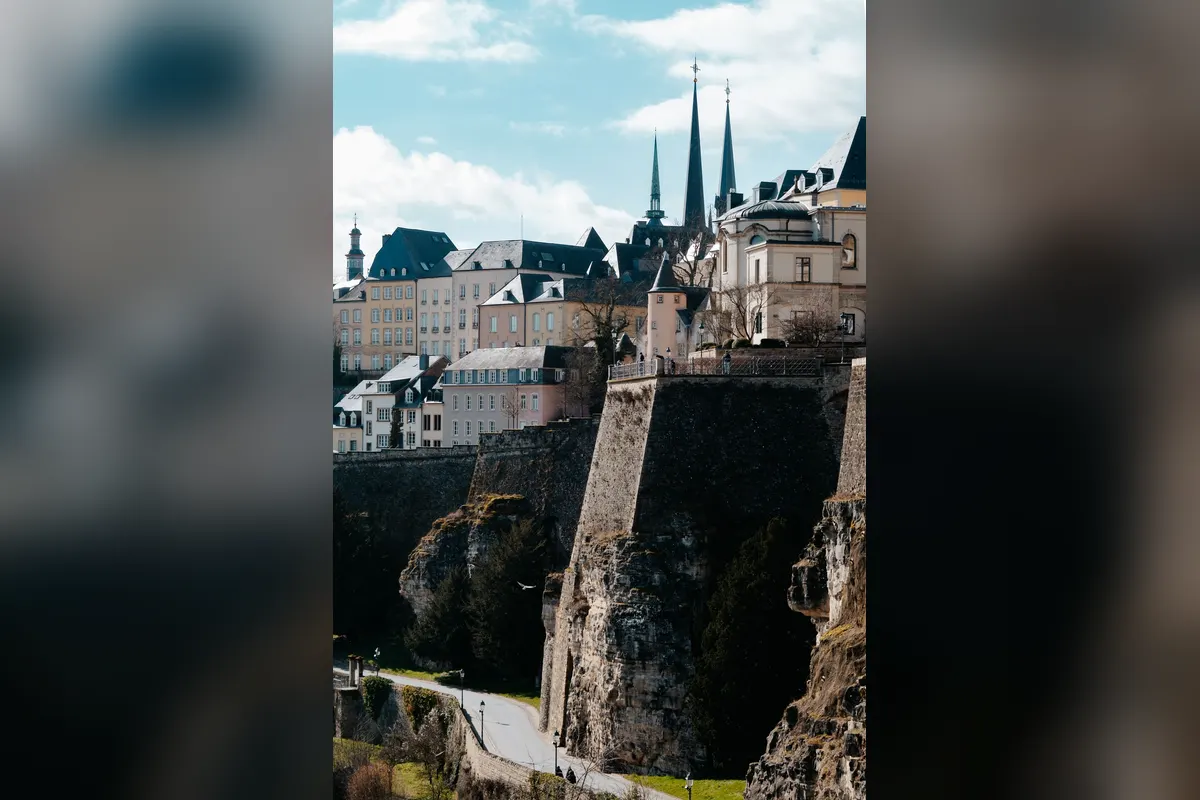
    A green riverside walk through the Grund in Luxembourg City, looking up at the fortress on the cliffs.

    Getting there:A free lift down from the old town

    FAQ

    What are the most popular places in Luxembourg?

    Luxembourg City’s old town and fortifications and Vianden Castle in the north.

    How do I get around?

    Second-class trains, buses and trams are free.

    When is the best time to travel?

    May–October, plus December for Christmas markets.

    What is it like to live there on a working holiday?

    Wages are high but rent is very high; many people commute from France or Germany.

    Planning a working holiday in Luxembourg?Visa basics and a take-home pay calculator.
    Luxembourg guide →

    Photos: Pexels

  • Mullerthal (Little Switzerland) Travel Guide

    Mullerthal (Little Switzerland) Travel Guide

    The Schiessentümpel waterfall in autumn
    The Schiessentümpel waterfall in autumn

    Known as Luxembourg’s Little Switzerland, the Mullerthal is a region of mossy rock formations, forests and streams. Its 112 km hiking trail is one of Europe’s finest. Here is how to explore from Echternach, the country’s oldest town.

    LocationEastern Luxembourg near the German border
    Getting thereAbout an hour by bus from Luxembourg City to Echternach
    Best timeApril–October
    Time neededHalf a day for a short loop; several days for the full trail

    How to get there

    1. Buses from Luxembourg City reach Echternach in about an hour (free).
    2. Trailheads are within walking distance of Echternach.
    3. The trail has three routes, with sections you can walk in a day.
    4. By car, park at trailside car parks for short loops.

    Opening hours, prices and practical info

    TrailAbout 112 km in three routes, with short sections
    AccessAbout an hour by free bus from Luxembourg City
    GearGood shoes, water and rain gear
    HighlightsSchiessentümpel, the rock labyrinth and Echternach

    Prices and hours are from official sources as of November 2026 and may change — check the official website before you go.

    Highlights of Mullerthal (Little Switzerland)

    The mossy rock labyrinth

    Squeeze between giant sandstone boulders and through caves on paths that feel like an adventure.

    The Schiessentümpel waterfall

    A small waterfall under a stone bridge — the Mullerthal’s classic view, beautiful in autumn.

    Echternach

    Luxembourg’s oldest town has an abbey and a charming square; its Whit Tuesday dancing procession is UNESCO intangible heritage.

    Suggested itinerary

    • Bus from Luxembourg City to Echternach
    • Hike the trail through the rock labyrinth
    • Picnic lunch in the forest
    • The Schiessentümpel waterfall
    • Explore Echternach
    • Bus back

    Where to stay nearby

    AREA 1EchternachThe main trail base, with hotels and restaurants.
    AREA 2Mullerthal villageA tiny village in the middle of the trail.
    AREA 3Luxembourg CityA convenient base for a day trip.

    Tips for working holiday makers

    • Rocks get slippery after rain — wear hiking shoes.
    • The trail is well signposted, but have a map app too.
    • Free transport makes it an easy day hike.
    • Autumn colours are especially beautiful.

    FAQ

    Is it suitable for beginners?

    Yes, on the shorter loops.

    Is it a day trip?

    Yes — about an hour by bus from Luxembourg City.

    When is the best time?

    April–October, especially autumn.

    Why “Little Switzerland”?

    Its rocky, forested landscape reminded visitors of Switzerland.

    Planning a working holiday in Luxembourg?Visa basics and a take-home pay calculator.
    Luxembourg guide →

    More places to visit in Luxembourg

    Photos: Pexels (free stock photos) Take-home pay calculator

  • The Moselle Valley Travel Guide

    The Moselle Valley Travel Guide

    A great Moselle bend and vineyards (German side)
    A great Moselle bend and vineyards (German side)

    Along the Moselle, which forms the border with Germany, Luxembourg’s wine route winds past vineyard-covered slopes. Visit cellars for the local sparkling crémant, cruise the river and see Schengen, the village where the famous agreement was signed.

    LocationEastern Luxembourg on the German and French borders
    Getting thereAbout 40 minutes by bus from Luxembourg City to Remich
    Best timeMay–October; September–October for the harvest
    Time neededA day

    How to get there

    1. Buses from Luxembourg City reach Remich on the river in about 40 minutes (free).
    2. Buses link the riverside towns, including Schengen.
    3. In summer, sightseeing boats cruise between the towns.
    4. A riverside cycle path makes for lovely bike rides.

    Opening hours, prices and practical info

    AccessAbout 40 minutes by free bus from Luxembourg City to Remich
    CruisesMainly in summer
    WineriesCheck tours, tastings and prices with each cellar
    SchengenHome to the European Museum about the agreement

    Prices and hours are from official sources as of November 2026 and may change — check the official website before you go.

    Highlights of The Moselle Valley

    Wineries and crémant

    Luxembourg is known for dry whites and sparkling crémant — tour a cellar and taste.

    Vineyards from above
    Vineyards from above

    Moselle cruises

    Drift past vineyard slopes on a summer river cruise.

    Schengen

    The village where the 1985 Schengen Agreement on open borders was signed, with a small museum.

    Suggested itinerary

    • Bus from Luxembourg City to Remich
    • Riverside promenade
    • Crémant cellar tour and tasting
    • Riverside lunch
    • Cruise or bus to Schengen
    • Bus back

    Where to stay nearby

    AREA 1RemichThe heart of the Moselle, with riverside hotels.
    AREA 2GrevenmacherA wine town and cruise stop.
    AREA 3Luxembourg CityA handy base for a day trip.

    Tips for working holiday makers

    • If you are tasting wine, take the free bus rather than driving.
    • Wine festivals take place in September and October.
    • Germany is just across the bridge — walk across the border.
    • Cruises are seasonal; check timetables.

    FAQ

    Is it a day trip?

    Yes — about 40 minutes by bus from Luxembourg City.

    Which wines should I try?

    Dry whites and sparkling crémant.

    What is in Schengen?

    The site of the Schengen Agreement, with a monument and museum.

    When is the best time?

    May–October, with wine festivals at harvest time.

    Planning a working holiday in Luxembourg?Visa basics and a take-home pay calculator.
    Luxembourg guide →

    More places to visit in Luxembourg

    Photos: Pexels (free stock photos) Take-home pay calculator

  • Vianden Castle Travel Guide

    Vianden Castle Travel Guide

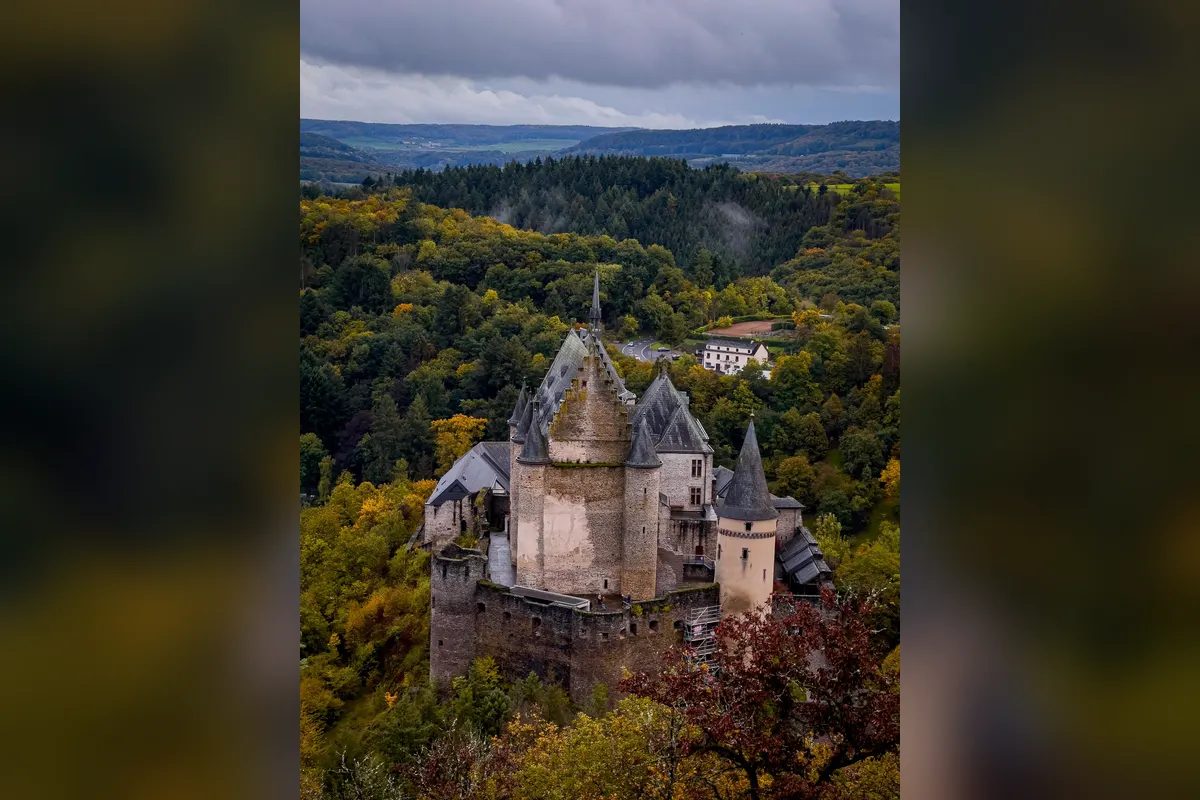
    Vianden Castle on its forested hill
    Vianden Castle on its forested hill

    Crowning a forested hill in northern Luxembourg, Vianden Castle is one of Europe’s finest medieval castles. Built between the 11th and 14th centuries and beautifully restored, it brings the age of knights to life — and the little town below has a house where Victor Hugo stayed. Here is how to get there and what to see.

    LocationNorthern Luxembourg near the German border
    Getting thereAbout an hour by train and bus from Luxembourg City
    Best timeApril–October; autumn colours are stunning
    Time neededHalf a day

    How to get there

    1. Take the train from Luxembourg City to Ettelbruck and change to the bus to Vianden (about an hour in total) — all free.
    2. By car it is about 50 minutes.
    3. It is a 15–20 minute uphill walk from town to the castle.
    4. In summer, a chairlift runs up the hill with great views.

    Opening hours, prices and practical info

    AdmissionPaid (check the official site)
    AccessBus from Ettelbruck station; transport is free
    ChairliftSeasonal and paid
    HoursVary by season

    Prices and hours are from official sources as of November 2026 and may change — check the official website before you go.

    Highlights of Vianden Castle

    Inside the castle

    Wander restored knights’ halls, chapels and armouries, with views of the town and forests from the windows.

    The castle exterior
    The castle exterior

    Views of the castle

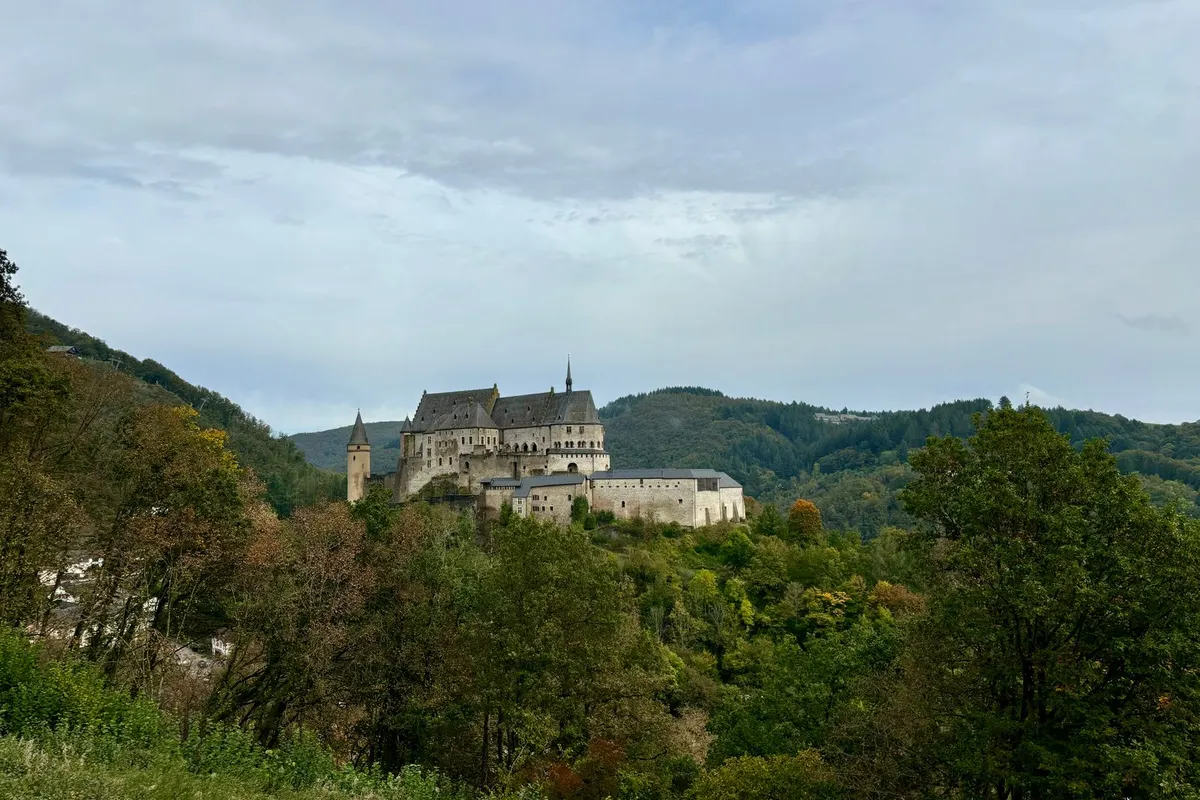
    From the opposite hill or the chairlift, the castle floats above the forest — especially in autumn.

    The castle above green hills
    The castle above green hills

    Victor Hugo House

    The house where the author of Les Misérables stayed is now a museum.

    Suggested itinerary

    • Train and bus from Luxembourg City
    • Walk up to the castle
    • Explore the castle
    • Lunch in town
    • Chairlift up for castle views
    • Victor Hugo House, then head back
    The castle in autumn
    The castle in autumn

    Where to stay nearby

    AREA 1Vianden townSmall riverside hotels and B&Bs, with the castle lit up at night.
    AREA 2Diekirch and EttelbruckNearby towns that make handy bases.
    AREA 3Luxembourg CityThe most choice for a day trip.

    Tips for working holiday makers

    • With free transport, it is an easy day trip.
    • The path up is steep — wear good shoes.
    • The chairlift runs seasonally, so check dates.
    • Medieval festivals take place at certain times of year.

    FAQ

    Is it a day trip from Luxembourg City?

    Yes — about an hour by train and bus.

    Can I go inside the castle?

    Yes, with a paid ticket.

    When is the best time?

    April–October, especially autumn.

    Do I pay for transport?

    No — public transport in Luxembourg is free.

    Planning a working holiday in Luxembourg?Visa basics and a take-home pay calculator.
    Luxembourg guide →

    More places to visit in Luxembourg

    Photos: Pexels (free stock photos) Take-home pay calculator

  • Luxembourg City Travel Guide

    Luxembourg City Travel Guide

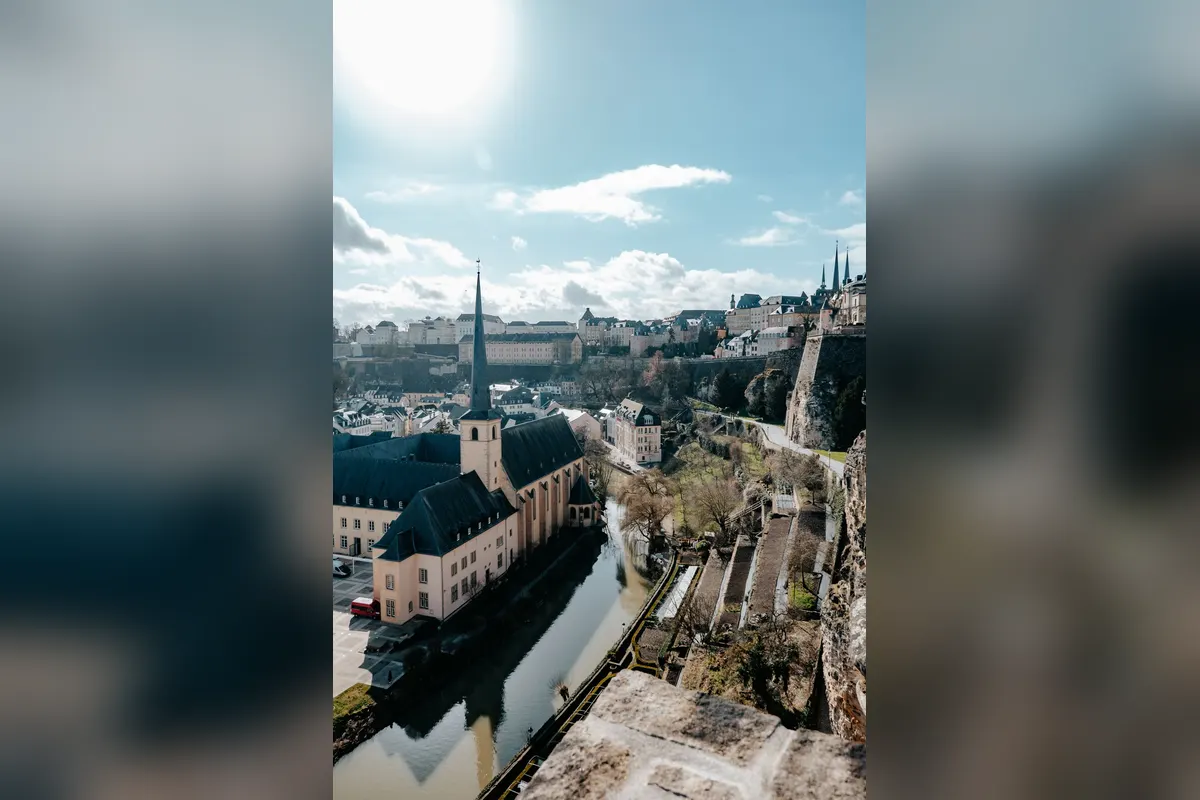
    The Grund and Neumünster Abbey
    The Grund and Neumünster Abbey

    Built on cliffs above deep gorges, Luxembourg City is a fortress capital whose old quarters and fortifications are a World Heritage Site. The view from its cliff-top promenade has been called the most beautiful balcony in Europe — and public transport across the country is free. Here is how to get there, what to see and where to stay.

    LocationSouthern Grand Duchy of Luxembourg
    Getting thereAbout 2 hours 10 minutes by TGV from Paris
    Best timeMay–September; December for Christmas markets
    Time needed1–2 days for the city

    How to get there

    1. TGVs from Paris Gare de l’Est take about 2 hours 10 minutes; trains and buses also run from Brussels and Frankfurt.
    2. Buses from the airport reach the centre in about 20–25 minutes.
    3. All domestic public transport — second-class trains, buses and trams — is free.
    4. Free public lifts connect the Upper Town with the Grund in the valley below.

    Opening hours, prices and practical info

    Public transportFree second-class trains, buses and trams nationwide
    Bock CasematesPaid; may close in winter
    LiftsPublic lifts between the upper and lower towns are free
    World HeritageOld quarters and fortifications (1994)

    Prices and hours are from official sources as of November 2026 and may change — check the official website before you go.

    Highlights of Luxembourg City

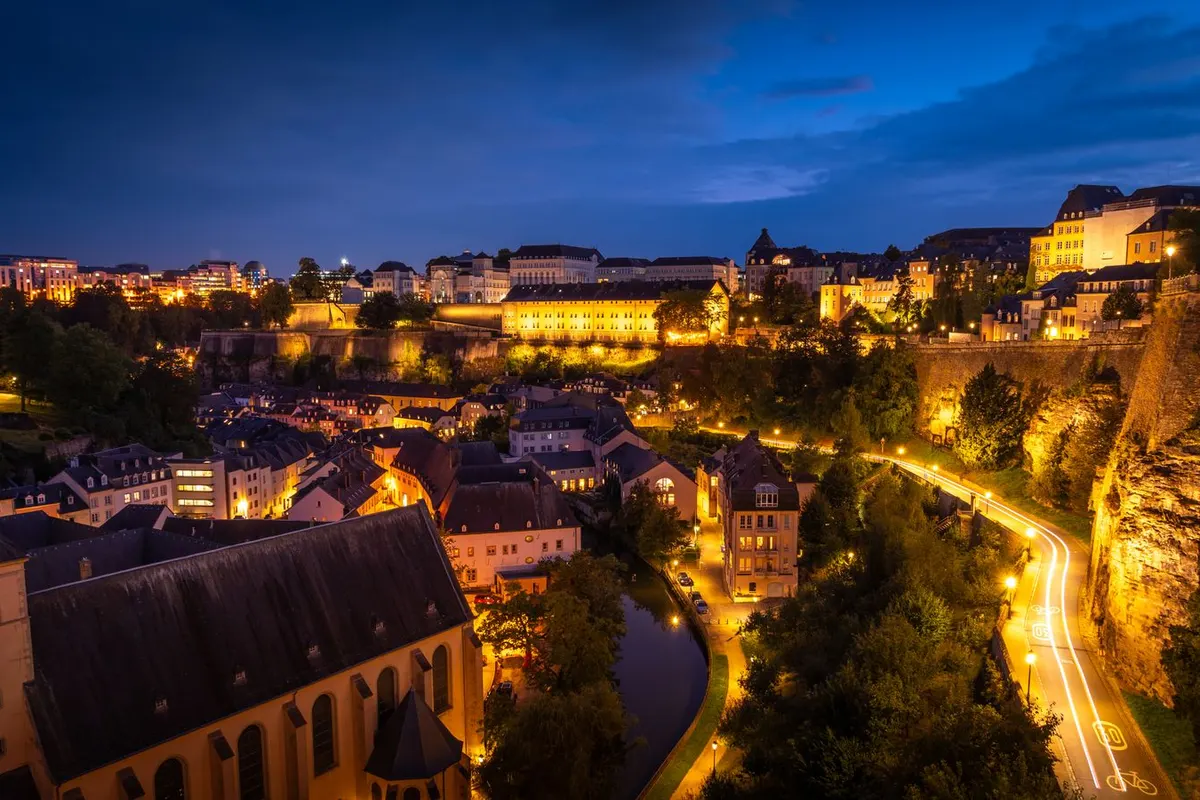
    The Chemin de la Corniche

    The promenade along the old walls, called the most beautiful balcony in Europe, overlooks the Grund and Neumünster Abbey.

    Luxembourg City at blue hour
    Luxembourg City at blue hour

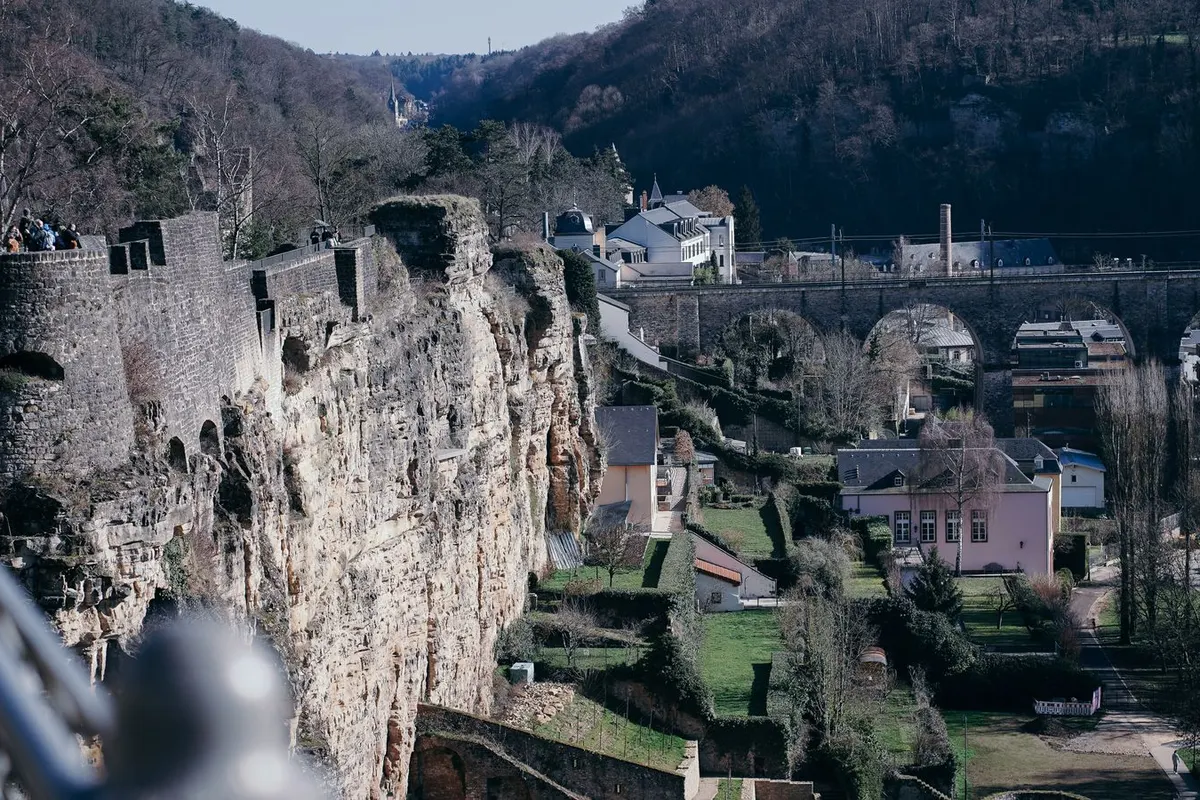
    The Bock Casemates

    Explore part of a 17 km network of tunnels carved into the rock as fortifications.

    Fortifications carved into the rock
    Fortifications carved into the rock

    The Grund

    The riverside quarter in the valley, with stone houses, greenery and riverside pubs.

    The Alzette and St John's Church
    The Alzette and St John’s Church

    The Grand Ducal Palace and old town

    The old town, with the Grand Ducal Palace and Notre-Dame Cathedral, is compact and lovely at night.

    The fortress and old town on the cliffs
    The fortress and old town on the cliffs

    Suggested itinerary

    • Gorge and bridge views from Place de la Constitution
    • The Bock Casemates
    • Walk the Chemin de la Corniche
    • Lunch in the Grund
    • Lift up to the Grand Ducal Palace and the cathedral
    • The old town lit up at night

    Where to stay nearby

    AREA 1Old town (Upper Town)The heart of sightseeing, walkable to everything.
    AREA 2Around the stationHandy for trains, with lots of hotels.
    AREA 3KirchbergThe modern EU district, a short tram ride from the centre.

    Tips for working holiday makers

    • Public transport is free (except first class) — just hop on.
    • French, German and Luxembourgish are official, and English is widely spoken.
    • Prices and rents are among Europe’s highest, so plan housing early.
    • The country is small enough to day-trip anywhere.

    FAQ

    How do I get there from Paris?

    About 2 hours 10 minutes by TGV.

    Is transport really free?

    Yes — second-class trains, buses and trams are free nationwide.

    Which languages are spoken?

    French, German and Luxembourgish, with English widely understood.

    How many days do I need?

    1–2 for the city, 3 with day trips like Vianden.

    Planning a working holiday in Luxembourg?Visa basics and a take-home pay calculator.
    Luxembourg guide →

    More places to visit in Luxembourg

    Photos: Pexels (free stock photos) Take-home pay calculator