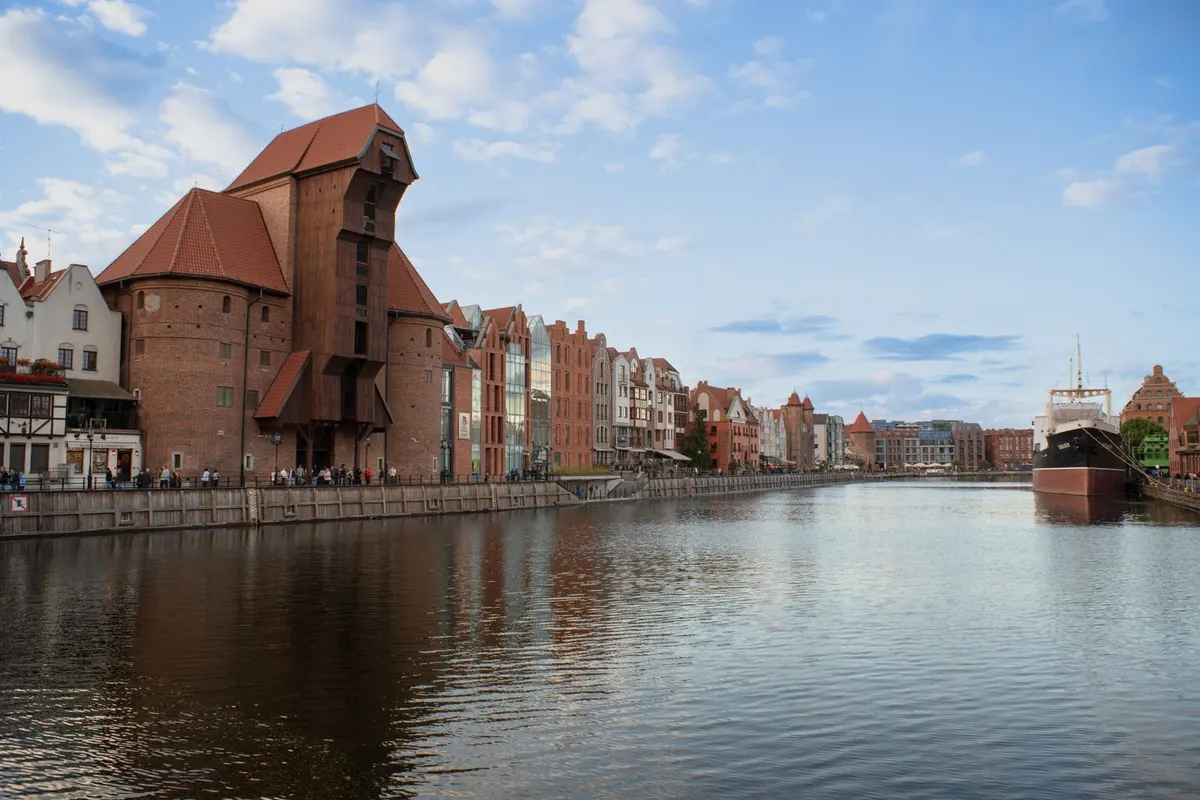
On the Baltic coast, Gdańsk grew rich in the Hanseatic League and is full of colourful façades. The medieval wooden Crane on the river, the Long Market with its Neptune Fountain and amber-lined streets are highlights — and the city is the birthplace of the Solidarity movement.
How to get there
- Express trains from Warsaw take about 3 hours.
- Trains or buses link the airport and centre in about 30 minutes.
- Gdańsk, Sopot and Gdynia form the Tricity, linked by commuter trains.
- Malbork Castle is about 40 minutes by train.
Opening hours, prices and practical info
| Train | About 3 hours from Warsaw |
|---|---|
| Amber | Specialist shops on Mariacka Street |
| European Solidarity Centre | Paid |
| Malbork Castle | About 40 minutes by train (World Heritage) |
Prices and hours are from official sources as of November 2026 and may change — check the official website before you go.
Highlights of Gdańsk
The Crane
The medieval wooden crane on the Motława River is the symbol of Gdańsk.
The Long Market and Neptune Fountain
Neptune presides over the grand street of colourful merchants’ houses.
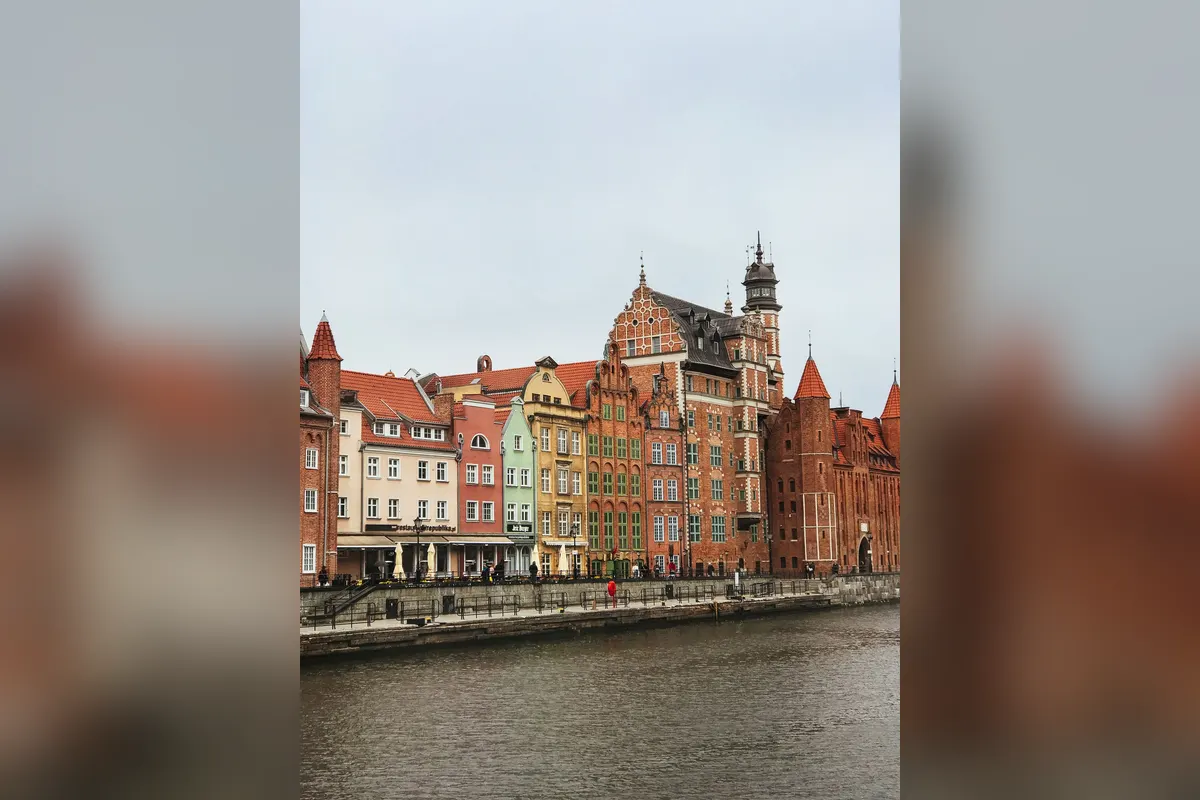
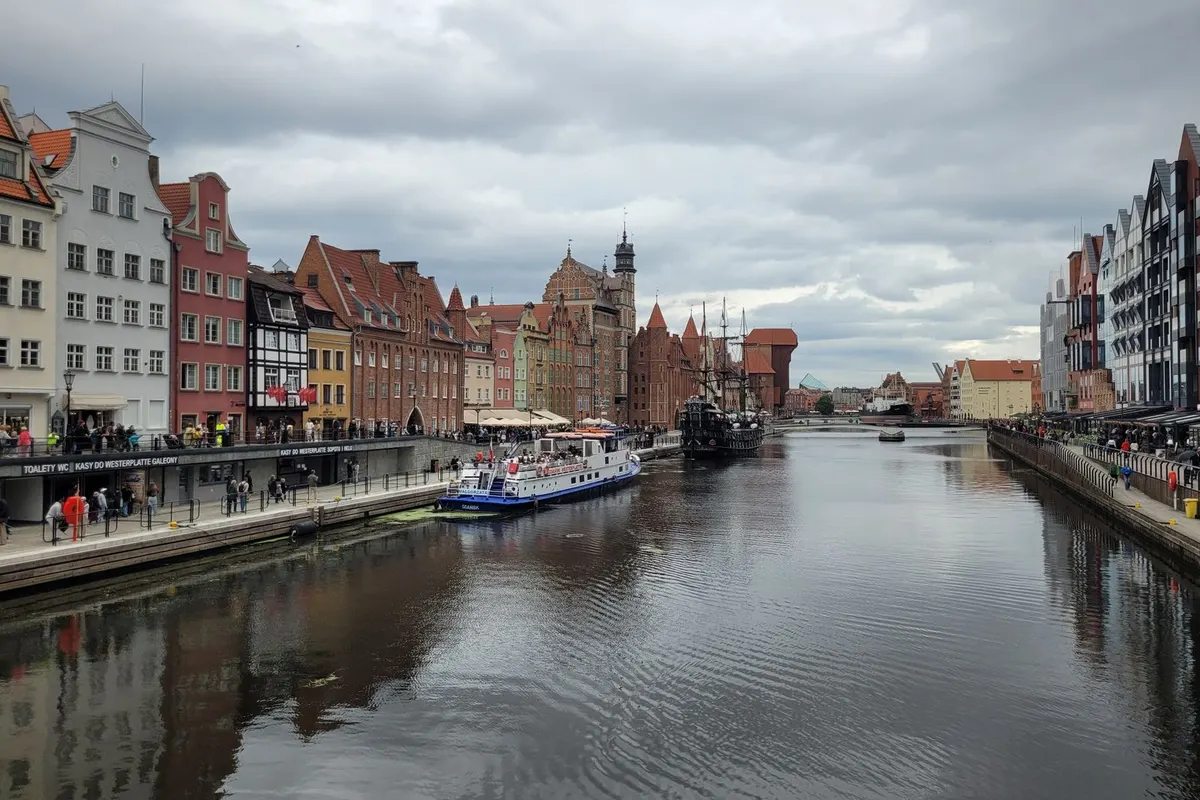
The riverside
Tour boats and restaurants line the river, lively in summer.
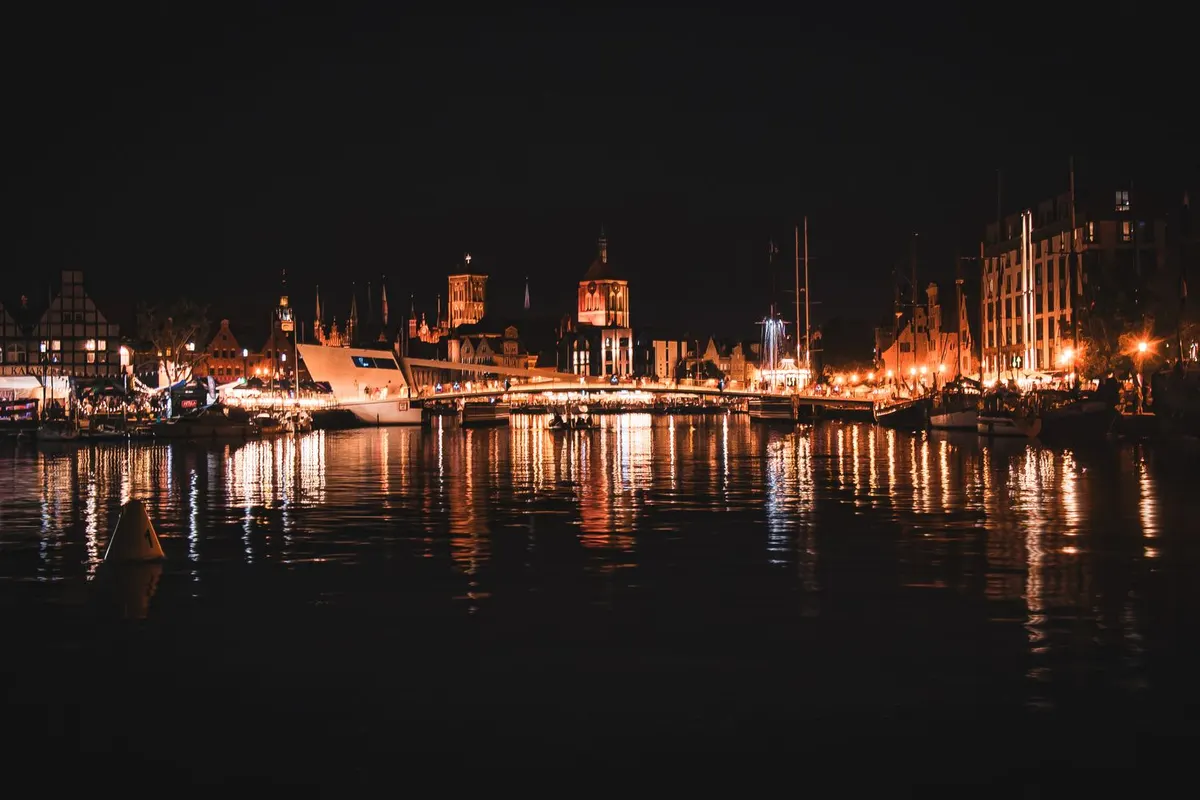
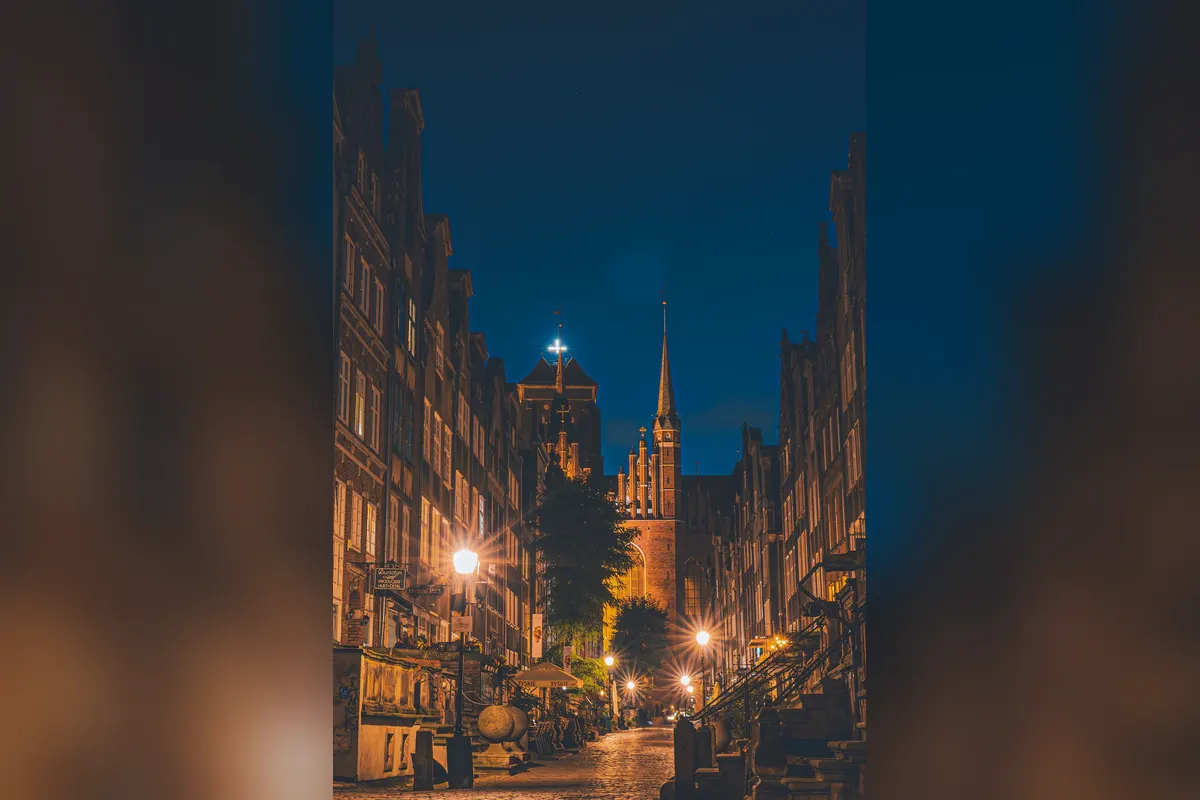
The Old Town by night
The lit-up riverside and lanes are wonderfully romantic.
Suggested itinerary
- The Green Gate to the Long Market
- Climb St Mary’s Church tower
- Amber shops on Mariacka Street
- Riverside lunch
- The European Solidarity Centre
- Train to Sopot pier
Where to stay nearby
Tips for working holiday makers
- The Baltic coast is famous for amber — buy from reputable shops.
- Sopot has one of Europe’s longest wooden piers.
- Westerplatte, where World War II began, is nearby.
- Book summer rooms early.
FAQ
How do I get there from Warsaw?
About 3 hours by express train.
When should I go?
June–August.
What is nearby?
Sopot pier, Malbork Castle and Westerplatte.
How long should I stay?
2–3 days.
More places to visit in Poland
Photos: Pexels (free stock photos) Take-home pay calculator